


If you’ve ever dealt with post-inflammatory hyperpigmentation (PIH), you already know how stubborn it can be. Whether it appeared after acne, eczema, dermatitis, burns, or an aggressive treatment, PIH can linger long after the initial trigger has healed. Many people start looking into stronger options like CO₂ laser because they want something that goes deeper than creams, peels, or basic laser treatments. But here’s the big question: is CO₂ laser actually safe if you’re prone to PIH?
The answer is more nuanced than a simple yes or no. CO₂ laser can be incredibly effective for resurfacing, rebuilding the skin, and improving texture but when it comes to pigment-prone skin, it needs to be approached with extreme care. Some people are excellent candidates.
What Is Post-Inflammatory Hyperpigmentation (PIH)?
Before discussing CO₂ laser safety, it’s helpful to understand what post-inflammatory hyperpigmentation (PIH) is and why it occurs. PIH is a type of skin pigmentation that develops after inflammation or injury. When your skin is irritated or damaged, melanocytes the cells responsible for producing pigment react by producing more melanin.
PIH occurs through a simple process: the skin experiences injury, the immune system responds, inflammation is triggered, and melanocytes increase melanin production. The excess pigment then settles into the affected area.
For many people, PIH gradually fades over time, but the duration can vary. Individuals with darker skin tones may experience PIH that persists for several months or even years. Understanding this process is key to managing expectations and choosing appropriate treatments.
Who Is Most Prone to PIH?

Post-inflammatory hyperpigmentation (PIH) can affect anyone, but certain individuals are significantly more susceptible. Understanding your risk helps guide safe treatment choices, especially for procedures like CO₂ laser.
Higher risk skin types – People with Fitzpatrick skin types IV–VI (medium to deep brown skin tones) are more likely to develop PIH. Their melanocytes the cells responsible for pigment are naturally more active, increasing the chance of dark spots after inflammation or injury.
History of pigmentation issues – If you’ve previously experienced PIH, melasma, or dark marks following acne, your risk is higher. Past pigmentation problems indicate that your skin reacts strongly to inflammation or trauma.
Inflammatory skin conditions – Conditions such as eczema, psoriasis, dermatitis, or acne-prone skin can trigger PIH. Any skin inflammation can overstimulate melanin production, leading to persistent dark marks.
Aggressive past treatments – Chemical burns, harsh peels, or long-term use of strong retinoids may leave lasting pigmentation. Previous skin trauma makes it easier for new treatments to provoke hyperpigmentation.
Genetic predisposition – Some individuals simply produce pigment more readily than others.
Family history of PIH or hyperpigmentation can indicate increased susceptibility.
Knowing your baseline risk is essential, as it directly influences whether procedures like CO₂ laser are appropriate and how they should be customised for your skin type.
What Makes CO₂ Laser So Powerful And Potentially Risky
CO₂ laser is one of the most potent skin resurfacing technologies available. It works by precisely removing damaged layers of skin using controlled thermal energy, stimulating your body’s natural healing process and collagen production.
Benefits of CO₂ laser:
1. Smoother texture – Reduces roughness and irregularities in the skin surface.
2. Reduced scarring – Helps diminish the appearance of acne or surgical scars.
3. Improved fine lines – Softens wrinkles and early signs of ageing.
4. Better skin firmness – Encourages collagen remodelling for tighter skin.
5. Enhanced collagen production – Supports long-term skin rejuvenation.
6. Dramatic resurfacing – Creates noticeable improvement after recovery.
7. More even tone (after recovery) – Can brighten and even out pigmentation over time.
However, there is an important consideration when it comes to PIH:
CO₂ laser works by creating controlled micro-injuries in the skin. While this is the mechanism that drives its powerful resurfacing effects, injury can also trigger post-inflammatory hyperpigmentation, particularly in individuals who are already prone to it.
In short, the very process that makes CO₂ laser so effective also carries a higher risk for pigment-sensitive skin, and careful assessment is essential before treatment.
Can CO₂ Laser Cause PIH?
Yes, CO₂ laser can trigger post-inflammatory hyperpigmentation (PIH), especially in medium to darker skin tones. Even in lighter skin, PIH is possible if the laser treatment is too aggressive or not tailored to your skin type.
The process happens because the CO₂ laser vaporises layers of skin, which triggers an inflammatory response. This inflammation activates melanocytes, the pigment-producing cells, causing them to produce excess melanin. The result is darkened patches appearing in the treated areas.
For some people, this darkening is mild and temporary, fading with proper aftercare. For others, PIH can be more stubborn, sometimes taking months to resolve. That’s why both the laser settings and proper skin preparation are crucial to minimise risk and achieve safe, effective results.
When CO₂ Laser Can Be Safe for PIH-Prone Skin
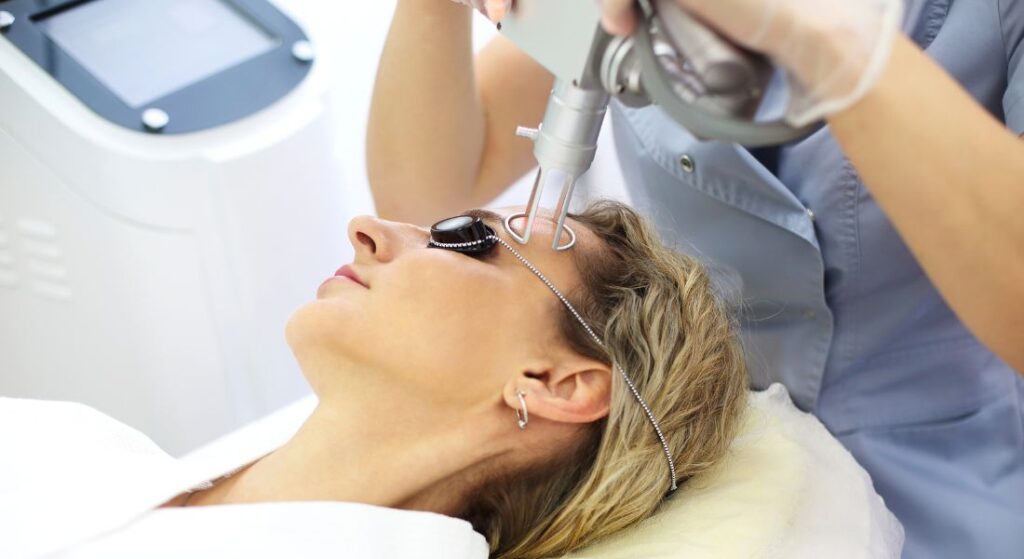
Despite the risks, CO₂ laser can be used safely in many cases, provided the treatment is tailored, conservative, and performed by a specialist. Safety depends largely on how the laser is applied and how well your skin is prepared beforehand.
CO₂ laser is generally suitable when PIH is superficial, the skin has undergone proper pre-treatment, and a low-density fractional setting is used. It’s also safer for lighter Fitzpatrick skin types, when inflammation triggers are controlled, and when the practitioner has a strong understanding of pigment biology.
Fractional CO₂ laser, which treats the skin in a pixelated pattern rather than fully ablating the surface, significantly reduces the risk of PIH. The key point is that CO₂ laser is not automatically unsafe; the risk depends on careful technique, settings, and preparation.
When CO₂ Laser Is Not Recommended
CO₂ laser may be too risky for pigmentation-prone skin in several situations. It is generally unsuitable if you have active PIH that is dark or widespread, or if you have melasma, as the laser can worsen these conditions. Treating already sensitive or pigment-heavy skin with aggressive laser settings can increase the chance of long-lasting dark spots.
The procedure is also not recommended for people with Fitzpatrick skin types V–VI unless extreme caution is exercised. Individuals with poor wound healing, recent burns, or who have undergone aggressive skin treatments are at higher risk of complications and prolonged recovery.
Additionally, if your PIH tends to worsen easily or your skin reacts strongly to minor irritation, CO₂ laser may lead to more harm than benefit. In these cases, milder or non-ablative treatments are often preferable. They can achieve noticeable improvements in texture, tone, and pigmentation with a significantly lower risk of triggering further hyperpigmentation.
Safer Alternatives to CO₂ Laser for PIH-Prone Skin
If you want skin resurfacing and brightening but feel that CO₂ laser carries too much risk, there are several gentler options that can deliver excellent results while minimising the chance of post-inflammatory hyperpigmentation.
Fractional non-ablative lasers – Examples include 1540 nm or 1550 nm lasers. These target the deeper layers of the skin without damaging the surface, stimulating collagen while lowering the risk of PIH.
Low-energy erbium:YAG laser – A gentler option than CO₂ laser, it provides controlled resurfacing with reduced thermal injury. This allows for smoother texture and improved tone while keeping pigment-sensitive skin safer.
Chemical peels – Mandelic, lactic, and low-strength retinoic acid peels gradually fade pigmentation. They work superficially, reducing the risk of triggering dark marks compared with aggressive peels.
Microneedling – Creates micro-channels in the skin to stimulate collagen production. When performed correctly, it offers texture and tone improvement with minimal PIH risk.
Radiofrequency microneedling – Combines the benefits of collagen stimulation with thermal tightening. It improves scars, skin laxity, and tone, while keeping pigment-related side effects low.
Topical pigment regulators – Ingredients such as arbutin, vitamin C, retinoids, kojic acid, and tranexamic acid can help brighten skin and prevent recurrence of pigmentation. These are often used alongside procedures for gradual, long-term improvement.
Many patients achieve remarkable results using a combination of these gentler treatments, often without ever needing CO₂ laser, making them ideal for PIH-prone skin types.
How To Reduce PIH Risk If You Choose CO₂ Laser
If you and your practitioner determine that CO₂ laser is appropriate, taking careful precautions is essential to minimise the risk of post-inflammatory hyperpigmentation (PIH). A structured approach before, during, and after treatment can make a significant difference in safety and results.
1. Pre-treatment pigmentation suppression: Using topical agents like hydroquinone, retinoids, azelaic acid, or tranexamic acid for 2–6 weeks before the procedure can help calm melanocyte activity and reduce the likelihood of PIH.
2. Anti-inflammatory preparation: Applying soothing and barrier-strengthening topicals in the weeks leading up to treatment helps reduce skin sensitivity and prepares it to tolerate the laser more safely.
3. Conservative laser settings: Opting for fractional, low-density, and lower-energy settings lowers the risk of triggering inflammation and pigment changes.
4. Cooling and soothing protocols: Immediate post-laser cooling and calming measures minimise inflammation, which is a key trigger for PIH.
5. Strict sun avoidance: UV exposure can instantly stimulate melanin production, so diligent sun protection before and after treatment is critical.
6. Post-laser pigmentation suppressants: Using antioxidants, pigment inhibitors, and anti-inflammatory formulas post-treatment helps control melanocyte activity and support even skin tone.
7. Multiple smaller sessions: A “little and often” approach spreading treatment across several smaller sessions is far safer than attempting a single aggressive procedure.
With this comprehensive regime, many people with a history of PIH can safely undergo CO₂ laser. Success depends on discipline, consistent care, and the expertise of a practitioner who understands pigment biology and laser safety.
What To Expect Immediately After CO₂ Laser
After CO₂ laser treatment, the skin goes through a predictable healing process in stages. In the first few days (day 1–3), it’s common to experience redness, swelling, and weeping as the skin responds to controlled injury and begins the repair process.
By days 4–7, the treated areas often develop crusting, bronzing, and peeling. This is a normal part of the skin’s exfoliation and renewal, as damaged layers are sloughed off to reveal fresher skin underneath.
Around week 2, most patients notice lingering pinkness and sensitivity. The skin is still healing, and care during this period is critical to support recovery and prevent complications. For people prone to PIH, this stage is particularly important because melanocytes are highly reactive to inflammation.
Between weeks 3–6, texture and tone gradually improve as the skin continues to recover. Over the following weeks (4–12), collagen remodelling occurs, strengthening the skin and enhancing long-term results. Proper aftercare throughout this entire period helps maximise outcomes and minimise the risk of pigmentation issues.
Signs That PIH May Be Developing After CO₂ Laser
After CO₂ laser treatment, it’s important to monitor your skin for early signs of post-inflammatory hyperpigmentation (PIH). Uneven darkening, particularly in the treated areas, can indicate that PIH is beginning to develop.
Common signs include the appearance of brown or grey patches, uneven skin tone, and increased pigmentation in areas that are still healing. You may also notice that redness resolves more slowly than expected. Darkened scabs or crusts can be another indicator that melanocytes are producing excess pigment as part of the inflammatory response.
Catching PIH early is crucial because prompt intervention can significantly speed up recovery and reduce the risk of long-lasting pigmentation. Early recognition allows your practitioner to recommend appropriate treatments or adjustments to your aftercare routine.
How Practitioners Manage PIH After CO₂ Laser
If post-inflammatory hyperpigmentation (PIH) occurs after CO₂ laser, your practitioner can use a combination of topical, procedural, and supportive strategies to help fade pigmentation and protect your skin.
1. Topical hydroquinone: A proven pigment-lightening agent that reduces melanin production in dark spots. Usually applied for a defined period under professional supervision.
2. Azelaic acid: Helps fade hyperpigmentation while also addressing inflammation and acne. Gentle enough for sensitive or reactive skin.
3. Retinoids: Promote skin cell turnover and accelerate fading of dark patches. They can also improve texture and fine lines.
4. Tranexamic acid (topical or oral): Reduces pigment formation and can be particularly helpful in stubborn PIH or melasma-prone skin.
5. Antioxidant serums: Ingredients like vitamin C neutralise free radicals and support skin repair. They can enhance overall brightness and tone.
6. Low-frequency LED therapy: Encourages healing, reduces inflammation, and may assist pigment resolution.
7. Gentle exfoliation: Light chemical or physical exfoliation helps slough off pigmented skin cells. Aggressive scrubbing is avoided to prevent worsening PIH.
8. Sun protection: Broad-spectrum SPF is essential, as UV exposure can worsen pigmentation.
9. Skin barrier support: Moisturisers and barrier-repair creams help maintain skin integrity and prevent irritation.
The good news is that most cases of PIH after CO₂ laser are temporary, though recovery can take several weeks to months depending on your skin type, baseline pigmentation, and how quickly your skin heals.
Can CO₂ Laser Improve PIH Instead of Causing It?
Interestingly, fractional CO₂ laser can sometimes help fade existing PIH rather than cause it. While it may seem contradictory, when used gently and strategically, the laser can break up deeper pigment, stimulate skin resurfacing, and encourage healthy skin turnover.
This approach is most effective for long-standing PIH, textured pigmentation, or PIH associated with scars. It can also benefit cases where topical treatments have failed to produce noticeable improvement. The success of this method depends on using an ultra-conservative approach, carefully adjusting settings to minimise inflammation while promoting regeneration.
Because of the precision required, seeing a specialist is essential. An experienced practitioner can tailor the treatment to your skin type, ensuring maximum improvement with minimal risk of triggering new pigmentation.
Why Expertise Matters So Much for Pigment-Prone Skin
Treating PIH-prone skin with CO₂ laser isn’t a routine cosmetic procedure it’s a specialised clinical approach that requires extensive expertise. The skin’s response to laser energy can vary greatly, and improper technique can easily worsen pigmentation instead of improving it.
A skilled practitioner must understand laser physics, Fitzpatrick skin biology, melanocyte behaviour, and how inflammation triggers pigment production. They also need knowledge of skin barrier function, post-laser healing, and strategies for managing pigmentation risk.
This is why many patients choose advanced centres, such as those offering CO₂ laser treatment in London, where protocols are specifically designed to ensure safety for all skin types, including medium and darker tones.
For PIH-prone skin, a cookie-cutter approach is never acceptable. Personalised assessment, careful settings, and tailored aftercare are essential to achieve effective results while minimising the risk of complications.
CO₂ Laser vs Erbium Laser for PIH-Prone Skin
Understanding the differences between CO₂ and Erbium lasers can help you choose the safest and most effective option for PIH-prone skin. CO₂ laser is stronger and penetrates deeper, making it highly effective for treating severe texture issues. However, it carries a higher risk of PIH and generally requires longer downtime for recovery.
Erbium YAG laser, on the other hand, is gentler and causes less thermal damage to the surrounding skin. It offers a lower risk of triggering PIH and has a shorter healing time, while still providing effective resurfacing benefits for many skin concerns.
Because of these characteristics, many people with pigmentation concerns opt for Erbium laser as a safer alternative, reserving CO₂ laser for cases where deeper or more aggressive resurfacing is absolutely necessary.
Combining CO₂ Laser with Other Treatments for Better Results
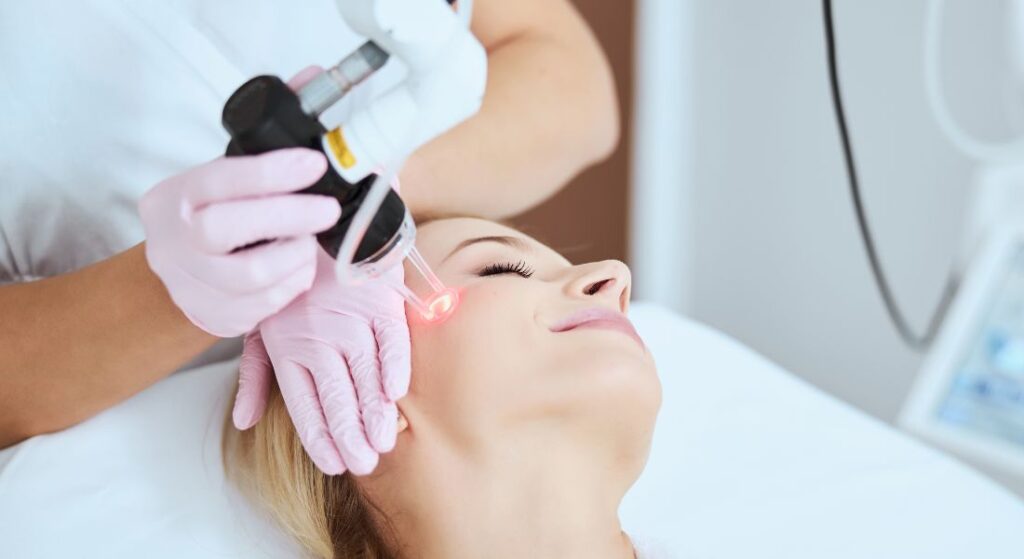
In some cases, the most effective approach for PIH-prone skin is a combination of treatments. By layering therapies, you can improve texture and tone while minimising the risk of post-inflammatory hyperpigmentation.
Effective combinations often include CO₂ laser paired with pigmentation inhibitors, which help control melanocyte activity during healing. Other options include staged microneedling, radiofrequency microneedling, LED therapy, or light chemical peels, all of which support skin renewal without relying solely on high-intensity CO₂ treatment.
Using combination therapy allows for gentler resurfacing while still achieving noticeable improvements. It can also reduce downtime and improve safety, especially for those with sensitive or pigment-prone skin. Working with a specialist ensures that each component is timed and customised correctly, maximising results while keeping the risk of pigmentation minimal.
FAQs:
1. Can CO₂ laser cause post‑inflammatory hyperpigmentation?
Yes. CO₂ laser works by creating controlled micro‑injuries in the skin to stimulate healing and collagen production, but this inflammatory response can activate melanocytes and trigger excess melanin production. In people who are already prone to PIH especially those with medium to darker skin tones the inflammation from the laser can lead to new or worsened pigmentation that may take weeks or months to fade.
2. Is CO₂ laser safe for all skin types?
CO₂ laser is not equally safe for all skin types. It tends to be safer for lighter Fitzpatrick skin types (I–III) when settings are conservative but carries a higher risk of PIH for skin types IV–VI unless it’s very carefully customised. Individuals with a history of pigmentation problems, strong inflammatory responses to treatments, or aggressive past skin trauma need careful assessment before considering CO₂ laser to avoid unwanted pigment changes.
3. How do practitioners reduce the risk of PIH when using CO₂ laser?
To lower the risk of PIH, experienced practitioners often prepare the skin with topical depigmenting agents for several weeks, use conservative laser settings such as fractional low‑density modes, and employ cooling and anti‑inflammatory protocols during and after treatment. Sun protection and pigment‑suppressing skincare both before and after the procedure help keep melanocyte activity in check and support safer healing.
4. How long does it take to see results after CO₂ laser treatment?
Immediately after CO₂ laser, you’ll see redness, swelling, and peeling as the skin goes through its healing phases. Over the first one to two weeks, treated layers shed and new skin emerges. Texture and tone improvements continue as the skin remodelling process progresses over several weeks to months. Final results tend to stabilise around three to six months once collagen remodelling is complete and inflammation has fully resolved.
5. What should I do if I develop PIH after CO₂ laser?
If PIH develops after a CO₂ treatment, your practitioner may recommend topical pigment inhibitors to reduce melanin production, gentle exfoliation to encourage turnover of pigmented cells, and strict sun avoidance to prevent further darkening. In some cases, additional therapies such as tranexamic acid or LED support help calm inflammation and reduce pigmentation more quickly. Prompt intervention usually shortens the duration of PIH and improves the final appearance.
6. Can CO₂ laser ever improve existing PIH?
Interestingly, in selected cases with long‑standing PIH that has not responded to topical treatment, very conservative fractional CO₂ laser settings can help break up deeper pigment and encourage skin renewal. This approach must be highly customised to avoid new inflammation, and it works best when combined with pigmentation‑suppressing preparations and close post‑treatment care.
7. What makes CO₂ laser more likely to cause PIH compared with other lasers?
CO₂ laser penetrates more deeply and delivers more thermal energy than many other resurfacing lasers, which is why it’s so effective for scarring and deep texture issues. However, that same depth and heat trigger a stronger inflammatory response, which increases the chance that melanocytes will overproduce pigment. Gentler lasers, like erbium:YAG or non‑ablative fractional lasers, induce less inflammation and therefore carry a lower PIH risk.
8. Are there situations where CO₂ laser is not recommended at all?
Yes. CO₂ laser is generally not recommended for individuals with widespread active PIH, melasma, very dark Fitzpatrick skin types without proper preparation, or a history of very reactive pigmentation from minor irritation. In these scenarios, more superficial or non‑ablative treatments typically offer safer improvements without the substantial inflammation that can worsen hyperpigmentation.
9. How important is sun protection after CO₂ laser treatment?
Sun protection is critical, especially for pigment‑prone skin. UV exposure stimulates melanocytes and can instantly worsen PIH or prolong its resolution. Using broad‑spectrum SPF every day, avoiding direct sun post‑treatment, and wearing protective clothing make a significant difference in how your skin heals and how pigmentation responds following CO₂ laser.
10. What alternatives to CO₂ laser are safer for PIH‑prone skin?
For patients at higher PIH risk or those seeking resurfacing without intense inflammatory stimulus, gentler options include fractional non‑ablative lasers, low‑energy erbium:YAG, microneedling, radiofrequency microneedling, and targeted chemical peels. These treatments tend to improve texture and tone while reducing the likelihood of triggering significant melanocyte activity, making them safer choices for pigmentation‑sensitive individuals.
Final Thought: Safe CO₂ Laser Use on PIH-Prone Skin
CO₂ laser can be a highly effective tool for skin resurfacing and improving texture, but it carries a higher risk for post-inflammatory hyperpigmentation in pigment-prone skin. Understanding your individual risk factors, choosing gentler alternatives when needed, and following strict pre- and post-treatment care are essential for safe outcomes. If you’re thinking about CO2 laser treatment in London, get in touch with us at the London Medical & Aesthetic Clinic to discuss a personalised plan that minimises pigmentation risks while delivering the best results for your skin type.
References:
1. Dattola, A., et al. (2025) ‘Fractional CO₂ laser and hyperpigmentation: mechanisms and outcomes’, Cosmetics, 12(6), p. 251. https://www.mdpi.com/2079-9284/12/6/251
2. Agbai, O.N. (2025) ‘Postinflammatory hyperpigmentation: treatment and prevention’, in Dermatologic Clinics. https://www.sciencedirect.com/science/chapter/edited-volume/abs/pii/B9780323831444000198
3. Tan, K.L., Kurniawati, C. & Gold, M.H. (2008) Low risk of postinflammatory hyperpigmentation in skin types IV and V after treatment with fractional CO₂ laser device, Journal of Drugs in Dermatology, 7(8), pp. 774–778. https://pubmed.ncbi.nlm.nih.gov/18720695/
4. Cheyasak, N., Manuskiatti, W., Maneeprasopchoke, P. & Wanitphakdeedecha, R. (2015) Topical corticosteroids minimise the risk of postinflammatory hyper‑pigmentation after ablative fractional CO₂ laser resurfacing in Asians, Acta Dermato‑Venereologica, 95(2), pp. https://pubmed.ncbi.nlm.nih.gov/24854088/
5. Post‑inflammatory hyperpigmentation after carbon dioxide laser: review of prevention and risk factors (2023) Dermatology Reports. https://pubmed.ncbi.nlm.nih.gov/38205425/