


If you’re living with diabetes and considering body contouring, you might be wondering whether Smartlipo is a safe option for you. It’s completely natural to ask this, especially if you’ve heard great things about the procedure or know someone who has had impressive results. Smartlipo is a popular treatment because it offers targeted fat reduction with less downtime than traditional liposuction. But when diabetes enters the picture, the decision becomes more complex. You need answers that are clear, honest, and medically grounded.
The good news is that Smartlipo can be suitable for people with diabetes but not for everyone, and not without specific precautions. The key is understanding how diabetes affects healing, infection risk, and your body’s response to any surgical or minimally invasive procedure. Whether you are type 1, type 2, or pre-diabetic, you must be assessed properly before treatment. Your blood sugar levels, your medication plan, and your general health will all play a major role in determining whether Smartlipo is safe for you.
Understanding How Smartlipo Works
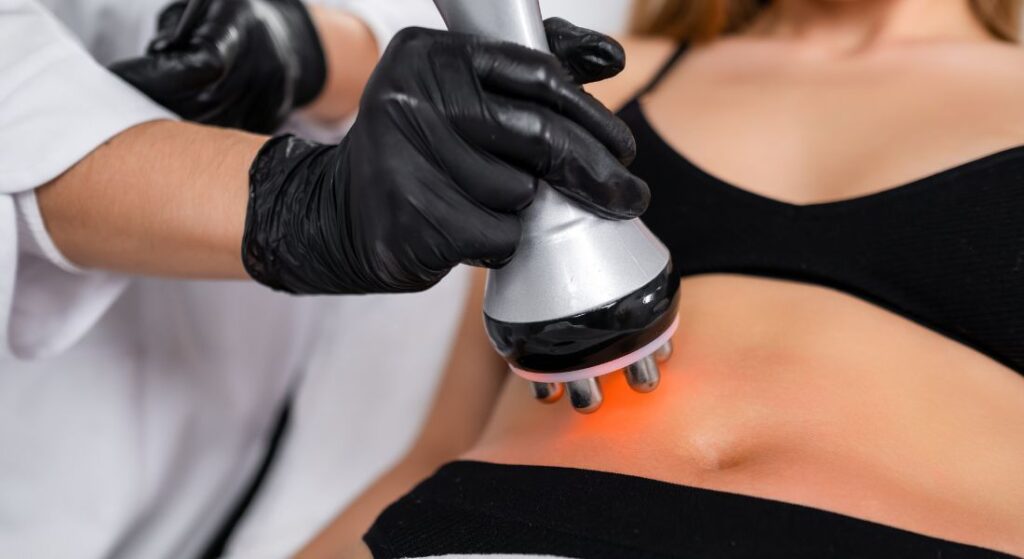
Before looking at suitability, it helps to understand the Smartlipo process itself. Smartlipo is a laser-assisted lipolysis treatment that uses laser energy to liquefy fat before it’s removed through a thin cannula. Because the fat is melted first, the removal process is gentler than traditional liposuction. Most patients also experience some degree of skin tightening because the heat of the laser stimulates collagen production.
Smartlipo is minimally invasive, but it is still a surgical procedure. It involves small incisions, tissue disruption, and healing time. Because of this, your skin’s ability to heal becomes a central factor in determining whether Smartlipo is appropriate. Diabetes can affect healing in different ways depending on how well-controlled your blood sugar is. Understanding this relationship is key to making the right decision.
How Diabetes Affects Your Candidacy for Smartlipo
Diabetes influences how your body responds to injury and how well it heals. When your blood sugar levels are consistently high, your circulation can become compromised, and your tissues may not repair themselves as quickly. This increases the risk of slow healing, infection, and complications.
Clinicians look at diabetic patients carefully because:
– High blood sugar slows collagen production
– Nerve sensitivity can be reduced
– Circulation may be affected
– The immune system may respond more slowly
– There may be more swelling or inflammation
– Infection risk is slightly higher
This doesn’t mean Smartlipo is off the table, but it does mean that your clinician must evaluate your situation thoroughly. Your diabetes needs to be well managed. Your recent HbA1c levels will matter, because they indicate your long-term blood sugar control. Your medication, nutrition, and general health also influence your suitability.
A well-controlled diabetic patient may be an excellent candidate for Smartlipo. Someone with unstable or unmanaged diabetes may not.
The Importance of Blood Sugar Control Before Smartlipo
Before undergoing Smartlipo, clinicians pay close attention to your blood sugar levels. Stable glucose helps lower the risk of complications during and after the procedure. One key measurement is your HbA1c, which reflects average blood sugar control over the past 2–3 months.
Most clinics look for an HbA1c of around 7% or lower, though this can vary slightly. They also consider whether your blood sugar levels remain stable, with minimal highs and lows, and check for recent episodes of hypoglycaemia or hyperglycaemia. Blood pressure and overall cardiovascular health are also assessed to ensure you can safely undergo the procedure.
If your HbA1c is higher than recommended, your clinician may advise postponing treatment until your diabetes is better controlled. This precaution isn’t meant to discourage you; it’s about prioritising your safety and giving your body the best chance to heal properly.
Maintaining stable blood sugar levels supports multiple aspects of recovery. It reduces the risk of infection, improves healing, limits inflammation, lowers post-treatment complications, and promotes healthy collagen production. All of these factors play a critical role in achieving safe and effective results.
How Smartlipo Impacts a Diabetic Patient’s Body
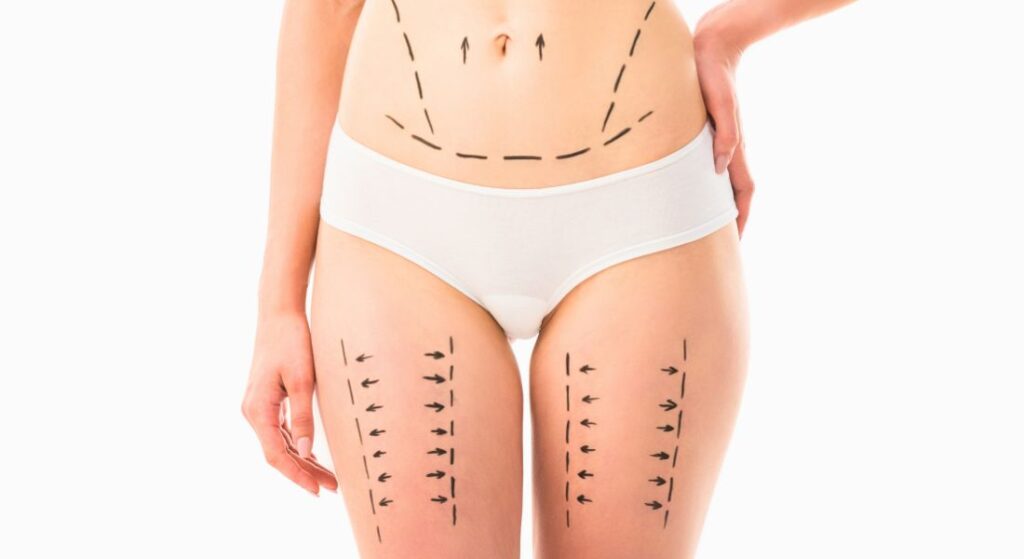
Smartlipo triggers several healing mechanisms in the body. When you’re diabetic, these mechanisms may behave slightly differently. Your body will still create inflammation, clear away damaged cells, and build new tissue, but the process may be slower.
Some people with diabetes experience swelling for longer than average. Others may need additional follow-up. The good news is that many diabetic patients recover very well particularly when their diabetes is properly managed and they follow aftercare instructions closely.
The most important thing is to be honest with your clinician about your condition. This allows them to plan your care in a way that supports your body’s needs and gives you the best chance of achieving the results you want.
Different Types of Diabetes and How They Influence Candidacy
Diabetes isn’t a one-size-fits-all condition. Type 1, type 2, and pre-diabetes all have unique characteristics that influence your suitability.
Type 1 Diabetes: People with Type 1 diabetes usually rely on insulin management. They often have more stable control because their dosing is intentional and monitored. However, any surgical procedure requires close planning. Your clinician may ask for clearance from your GP or specialist to ensure your blood sugar management plan supports the healing process.
Type 2 Diabetes: Many people with Type 2 diabetes can be excellent candidates for Smartlipo especially if their condition is controlled through a combination of medication, nutrition, and lifestyle changes. However, Type 2 diabetes can sometimes be linked to slower wound healing or higher inflammation. This is why proper assessment is essential.
Pre-Diabetes: Patients who are pre-diabetic can often undergo Smartlipo with minimal additional caution, especially if they have good lifestyle habits. Pre-diabetes is a sign that blood sugar may become an issue in the future, so early assessment is still helpful.
No matter which category you fall into, your overall health is more important than the label. Many diabetic patients undergo Smartlipo successfully because their condition is well managed.
Smartlipo Risks When You Have Diabetes
While Smartlipo is considered a safe procedure in general, diabetes does create a few additional risks. Being aware of them helps you make a more informed decision and gives you realistic expectations.
1. Slower Healing – Diabetes affects collagen production and tissue repair. This may mean your recovery takes slightly longer than average. You may be advised to take more time off work or avoid intense activity longer than non-diabetic patients.
2. Increased Infection Risk – High blood glucose encourages bacterial growth, which slightly increases the risk of infection after any surgical procedure. Clinics reduce this risk through sterile technique, antibiotics, and careful aftercare instructions.
3. Higher Inflammation – Some diabetic patients experience more swelling or bruising, and it may take longer to settle. This is normal, but it means you should follow your aftercare plan closely.
4. Potential for Fluctuating Blood Sugar – Stress, healing, and medication changes can sometimes affect blood sugar levels during recovery. Monitoring your glucose carefully during the healing period is vital.
5. Risk for Delayed Tissue Repair – If your diabetes is uncontrolled, your tissues may not respond predictably to the procedure. This is why proper screening matters so much.
Understanding these risks doesn’t mean you should avoid Smartlipo. It simply helps you prepare and gives you insight into why your clinician may recommend extra precautions.
Benefits of Smartlipo for Diabetic Patients
Despite the need for caution, many diabetic patients appreciate Smartlipo because it offers several benefits that align well with their needs.
Less Invasive Than Traditional Liposuction: Traditional liposuction involves more aggressive fat removal and longer healing times. Smartlipo uses laser energy to soften the fat first, making the removal process gentler. For diabetic patients, less trauma means less stress on the body.
Smaller Incisions: This is important because smaller incision sites reduce infection risk and promote faster healing.
Dual Benefit of Fat Reduction and Skin Tightening: Smartlipo stimulates collagen, which helps sagging or loose skin. For diabetic patients, this can be especially helpful, as weight fluctuations can lead to skin laxity.
Improved Body Confidence and Motivation: Many diabetic patients find that feeling better about their appearance helps them stay committed to healthier habits. Smartlipo can be part of a larger lifestyle improvement journey.
These benefits are real. They help explain why clinicians often consider Smartlipo a strong option for diabetic patients with good blood sugar control.
Who Is an Ideal Candidate for Smartlipo When Living With Diabetes?
You may be a good candidate for Smartlipo if your diabetes is well controlled and your HbA1c is within a healthy range. Steady glucose levels throughout the day are important to support safe treatment and recovery.
Other factors clinicians consider include whether you smoke, have uncontrolled infections, or any other underlying health conditions. Being generally healthy and able to follow aftercare instructions is essential.
Commitment to monitoring your blood sugar during the healing period is also critical. This helps reduce complications and supports optimal recovery.
Clinicians take a holistic approach, assessing your overall health rather than focusing solely on diabetes. Many patients with well-managed diabetes can safely undergo Smartlipo once their condition is evaluated properly.
When Smartlipo May Not Be Suitable for Diabetic Patients
Smartlipo may not be recommended if your blood sugar is consistently high or your HbA1c exceeds the clinic’s threshold. Stable glucose control is essential to reduce the risk of complications, support proper healing, and ensure that your body responds well to the procedure. Clinics carefully assess these levels to make sure that you are in the safest possible position before undergoing treatment.
Other factors that can make Smartlipo unsuitable include active infections, ulcers, poor circulation, or a history of slow wound healing. These conditions can increase the likelihood of complications such as delayed recovery, increased inflammation, or infection. Uncontrolled hypertension or unstable diabetes also adds risk, as these can affect blood flow and overall recovery.
In some cases, your clinician might suggest a safer alternative treatment or recommend optimising your health first. This could include stabilising your blood sugar, improving circulation, or treating any existing infections before proceeding with Smartlipo. Taking these steps ensures the best possible outcomes and reduces the chance of complications.
These precautions are not intended to limit your options but to prioritise your safety. Reputable clinics always place patient wellbeing above everything else, carefully tailoring treatment plans to balance effectiveness with minimal risk. Following their guidance helps you achieve the desired results while maintaining optimal health throughout the recovery process.
Pre-Treatment Screening and Precautions for Diabetic Patients
Clinics offering Smartlipo carry out a thorough screening process for diabetic patients to ensure the procedure is safe and appropriate. This helps identify any risks and allows the treatment to be tailored to your individual health needs.
Common screening elements include:
– Blood tests (HbA1c, fasting glucose, kidney markers): These tests assess how well your blood sugar is controlled and check kidney function. Good control reduces the risk of complications during and after the procedure.
– Blood pressure checks: High or unstable blood pressure can increase surgical risk. Monitoring ensures it is safely managed before treatment.
– Medication reviews: Certain medications, including blood thinners and diabetes drugs, may need adjustment. Reviewing them ensures your treatment is safe and effective.
– Cardiovascular assessment: Heart health is evaluated to minimise the risk of complications under local anaesthesia or sedation. This may include ECGs or discussions with your GP or cardiologist.
– Discussion of your diabetic history: Understanding how long you’ve had diabetes and any complications helps the clinic plan your treatment safely. Previous issues such as neuropathy or delayed healing are considered.
– Your weight and BMI: Body composition can affect the procedure and recovery. Assessing these factors helps determine the safest and most effective approach.
– Your general health and lifestyle: Overall fitness, nutrition, and activity levels influence healing and results. Clinics use this information to personalise post-treatment advice.
You may also be asked to collaborate with your GP or diabetes specialist to confirm your suitability. This team approach ensures a smooth, safe experience.
Many patients appreciate this thorough screening process because it provides reassurance and confidence before undergoing Smartlipo treatment.
What to Expect During Smartlipo If You Have Diabetes
The procedure itself follows the same structure for diabetic and non-diabetic patients, but certain steps may be emphasised more strongly.
1. During the Procedure: You’ll receive local anaesthesia, and the clinician will use laser energy to liquefy the fat before removing it. Because Smartlipo is minimally invasive, you’ll stay awake, and your body remains under less stress than with general anaesthesia.
2. Immediately After the Procedure: Your clinician will monitor your blood sugar if necessary and ensure you’re comfortable before you go home.
3. Recovery: You’ll wear a compression garment, manage swelling, and follow aftercare guidelines. For diabetic patients, additional instructions may involve monitoring glucose more frequently and avoiding anything that could increase infection risk.
The overall experience is manageable, and most people return to daily activity relatively quickly.
What to Expect From Recovery When You Have Diabetes
If you have diabetes, understanding the recovery process after Smartlipo is especially important. Your body may respond differently to surgery, and being aware of what to expect helps you manage healing safely and confidently. With proper precautions and close monitoring, most diabetic patients can achieve successful results while minimising risks.
1. Healing Time: You may heal more slowly than non-diabetic patients, but this varies from person to person. Controlled diabetes tends to heal predictably.
2. Bruising and Swelling: You may experience slightly more swelling, but it usually resolves gradually.
3. Infection Prevention: Your clinician may recommend extra steps such as antiseptic washes, careful monitoring, or temporary antibiotic use.
4. Blood Sugar Monitoring: Healing can affect glucose levels, so checking them regularly helps maintain stability.
5. Follow-Up Appointments: You may have more follow-ups to ensure everything is healing smoothly.
Most diabetic patients recover well with the right precautions.
Is Smartlipo Worth It for Diabetic Patients?

Deciding whether Smartlipo is right for you depends on your personal goals, how well your diabetes is controlled, and your willingness to follow aftercare instructions. Your clinician will also assess your overall health to determine if the procedure is safe and appropriate.
For patients with stable diabetes, Smartlipo can be an excellent option. It offers targeted fat reduction and body contouring, helping you feel more confident and motivated in your appearance.
It’s important to remember that Smartlipo is designed for refinement rather than large-volume fat removal. If your aim is to improve stubborn areas and enhance your body’s natural contours, many diabetic patients find it highly rewarding.
Safer Alternatives If Smartlipo Isn’t Suitable
If your clinician advises against Smartlipo due to diabetes or other health considerations, there are still effective and safer options available. Non-surgical fat reduction treatments can target stubborn areas without incisions or significant downtime.
Radiofrequency contouring and high-intensity focused energy treatments help tighten skin and improve body shape while minimising risk. Ultrasound-based fat reduction is another non-invasive method that can sculpt specific areas safely.
Alongside these technologies, structured exercise and diet support programmes remain highly effective for long-term fat management and overall health. Combining professional guidance with lifestyle changes can achieve meaningful results without compromising safety.
FAQs:
1. Can people with diabetes safely have Smartlipo?
Yes, many people with well-controlled diabetes can undergo Smartlipo safely. The key factor is how stable your blood sugar levels are, along with your overall health. Proper medical assessment and pre-procedure screening help minimise risks and ensure your body can heal effectively.
2. How does diabetes affect healing after Smartlipo?
Diabetes can slow the body’s natural healing process due to reduced collagen production and potential circulation issues. Recovery may take slightly longer than average, and there can be more swelling or inflammation. However, with well-managed blood sugar and close monitoring, most patients still experience a smooth recovery.
3. What precautions do clinics take for diabetic patients?
Clinics conduct thorough screenings including HbA1c testing, fasting glucose levels, and cardiovascular assessments to ensure safety. They may also review medications, discuss diabetic history, and work with your GP if needed. These steps allow the clinician to tailor the procedure and aftercare for your specific needs.
4. Are there extra risks for diabetic patients undergoing Smartlipo?
Yes, there are some additional considerations. People with diabetes may have a slightly higher risk of infection, slower tissue repair, and increased inflammation during recovery. Monitoring blood sugar levels closely and following post-procedure care instructions are essential to mitigate these risks.
5. Does type of diabetes influence suitability for Smartlipo?
Absolutely. Type 1, type 2, and pre-diabetes each have unique characteristics. Type 1 patients often rely on insulin and may need more precise planning, whereas type 2 patients can be good candidates if their condition is controlled. Pre-diabetic patients may have minimal additional risk but should still undergo proper evaluation.
6. How important is blood sugar control before the procedure?
Maintaining stable blood sugar is critical for safe treatment and optimal recovery. Clinics often require an HbA1c within a healthy range and steady glucose levels throughout the day. Poor control can increase risks, delay healing, and affect overall results, so optimising blood sugar beforehand is essential.
7. What can diabetic patients expect during the Smartlipo procedure?
The procedure itself is minimally invasive and performed under local anaesthesia. Laser energy liquefies fat before removal, which reduces tissue trauma compared to traditional liposuction. For diabetic patients, clinicians may emphasise monitoring glucose levels during and after the procedure to ensure safety.
8. How does recovery differ for diabetic patients?
Recovery may involve slightly longer healing times, more swelling, and additional follow-up appointments to monitor progress. Infection prevention measures, such as careful wound care and sometimes antibiotics, are particularly important. Most patients with controlled diabetes recover successfully with these precautions.
9. Can Smartlipo still provide good results for diabetic patients?
Yes, when diabetes is well managed, patients often see excellent results. Smartlipo offers targeted fat reduction, skin tightening, and body contouring benefits. Feeling more confident in appearance can also motivate healthier lifestyle choices, which supports long-term wellbeing.
10. Are there alternatives if Smartlipo isn’t suitable?
If blood sugar is uncontrolled or other health factors make Smartlipo risky, non-surgical options such as radiofrequency contouring, ultrasound-based fat reduction, or high-intensity focused energy treatments can be effective. Lifestyle interventions including exercise and diet programmes also play a critical role in achieving safe, lasting results.
Final Thought: Smartlipo and Diabetes
Smartlipo can be a safe and effective option for many people living with diabetes, provided their condition is well managed and proper medical precautions are taken. Understanding how blood sugar levels, healing capacity, and overall health influence your suitability is crucial before undergoing any procedure. While there are additional considerations for diabetic patients, careful screening, close monitoring, and adherence to aftercare instructions help minimise risks and support a smooth recovery. If you’re considering Smartlipo treatment in London, you can contact us at the London Medical & Aesthetic Clinic to discuss your individual needs and arrange a consultation.
References:
1. De Paola, D. Q. (2017) ‘Pitfalls of Laser Liposuction’, Plastic and Reconstructive Surgery Global Open, 5(3), e1325. PMC free article: PMC5636389. Available at: https://pmc.ncbi.nlm.nih.gov/articles/PMC5636389/
2. Clifton, M., Robinson, A., & Smith, K. (2012) ‘Laser Lipolysis: An Update’, Plastic and Reconstructive Surgery, 129(3), 727-737. PMC free article: PMC3140909. Available at: https://pmc.ncbi.nlm.nih.gov/articles/PMC3140909/
3. Centurion, P., Caballero, G., & Weiss, M. (2019) ‘Laser-Assisted Liposuction (LAL) Versus Traditional Liposuction: Systematic Review’, Aesthetic Plastic Surgery, 43(4), 1122-1132. Available at: https://pubmed.ncbi.nlm.nih.gov/29362943/
4. Goldman, A. (2011) ‘Laser-Assisted Lipolysis: A Review’, Dermatologic Surgery, 37(1), 1-9. Available at: https://pubmed.ncbi.nlm.nih.gov/22093156/
5. Al-Bakaa, M.K. & Khalaf, F.K. (2024) ‘Pulsed wave mode of fractional radiofrequency microneedling as a new advance in the treatment of inflammatory acne vulgaris’, Cosmetics, 11(5), 179. Available at: https://www.mdpi.com/2079-9284/11/5/179