


Cellulaze works differently from most other cellulite treatments. Instead of treating the surface of the skin, it targets the underlying structures that create the uneven, dimpled appearance. Because it has a deeper, structural effect, it often pairs well with treatments that focus on tightening, contouring, or improving skin quality on the surface. The key is knowing which treatments complement Cellulaze, how they should be sequenced, and what kind of timing makes sense for you.
How Cellulaze Works: Why It’s Different From Other Cellulite Treatments
Before you combine Cellulaze with anything else, you need to understand what it actually does. Most cellulite treatments focus on one of three things: smoothing the skin’s surface, tightening the skin, or reducing fat. The problem is that cellulite isn’t caused by surface-level issues alone. It’s a deeper structural problem.
Cellulite happens when the connective bands under your skin called fibrous septae pull the surface down. At the same time, the fat cells around those bands push upward. This push-and-pull effect creates the dimpling or “orange peel” appearance that so many people recognise. No amount of moisturiser, scrubbing, or superficial tightening fixes the structural cause.
Cellulaze works by targeting the fibrous bands underneath the skin. Using a laser fibre inserted under the surface, your clinician releases (or “subcises”) these bands so the skin can lift, smoothen, and settle more evenly. The heat from the laser also thickens the skin and stimulates collagen production over time. The combination of these effects is what gives Cellulaze longer-lasting results compared to surface-level treatments.
This deeper structural focus is exactly why Cellulaze pairs well with other treatments. It fixes the underlying problem, while complementary treatments can improve skin texture, firmness, and contouring on the surface.
Why Combine Cellulaze With Other Treatments?
Even though Cellulaze is highly effective on its own, many patients benefit from combining it with other treatments to achieve more comprehensive results. This is especially true if you’re looking for greater skin tightening, smoother surface texture, improved tone, or reduction of contour irregularities alongside cellulite improvement.
Cellulaze works primarily as a foundation treatment. It targets the fibrous bands beneath the skin, releases tethering, and stimulates collagen production, which improves the underlying structure. However, it does not significantly reduce fat or fully tighten loose skin, which means additional treatments may be needed if mild to moderate laxity or stubborn fat pockets are present.
When clinics talk about combination therapy, they are referring to a layered approach. Different technologies are used to treat different depths of the tissue deeper layers for structural correction, mid-layers for tightening and collagen stimulation, and surface layers for texture and skin quality. When these layers are addressed together, results tend to look more balanced and natural.
This is why specialist clinics often integrate Cellulaze with radiofrequency treatments, fat reduction procedures, or other collagen-boosting technologies. Rather than relying on a single solution, they design tailored treatment journeys that enhance results, improve longevity, and deliver a more refined overall outcome.
Which Treatments Pair Well With Cellulaze?
Cellulaze is often combined with treatments that complement its structural work. These combinations help address skin laxity, tone, texture, and overall contour.
Let’s go through the most common combinations and what each one can achieve.
Cellulaze + Radiofrequency Tightening
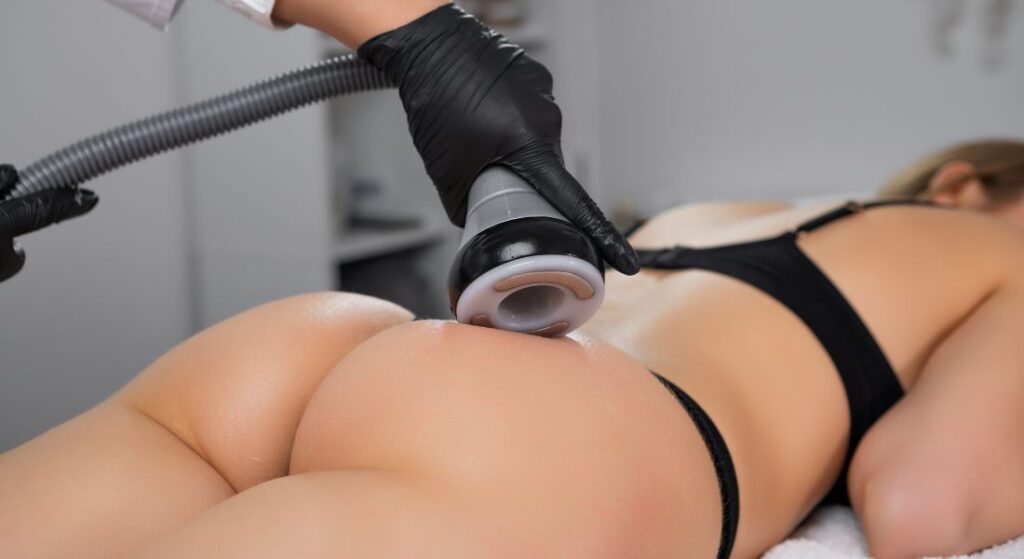
Radiofrequency (RF) treatments such as Thermage, Forma, Exilis, and NuEra are often combined with Cellulaze because they address a different layer of the skin. While Cellulaze releases the deeper fibrous bands responsible for dimpling, RF focuses on tightening the dermal layer by stimulating collagen, making the skin look firmer and smoother on the surface.
This combination works well because RF enhances elasticity, lifts mild sagging, and improves overall skin texture, complementing the structural improvements created by Cellulaze. RF also continues to stimulate collagen for months after treatment, which supports and extends the collagen response triggered by Cellulaze.
Cellulaze + Morpheus8 or RF Microneedling
RF microneedling treatments such as Morpheus8 or Profound RF add a valuable finishing layer when combined with Cellulaze. Cellulaze addresses the deeper structural causes of cellulite, while RF microneedling targets the skin itself by improving texture, increasing skin thickness, and boosting collagen density. This helps smooth fine lines and crepey areas that can detract from overall results.
This combination is particularly effective for areas like the thighs and buttocks, where cellulite and crepey skin often appear together. Crepey skin can exaggerate the look of dimpling, so treating both the underlying structure and the skin surface creates a more even, refined appearance.
Cellulaze + Non-Surgical Fat Reduction
If cellulite is accompanied by stubborn fat pockets, pairing Cellulaze with non-surgical fat reduction treatments such as CoolSculpting, SculpSure, or cryolipolysis can significantly enhance overall results. While Cellulaze smooths dimpling by releasing fibrous bands, fat reduction helps contour the area and minimise bulging that can make cellulite appear more pronounced.
This combination is ideal if you want a slimmer contour, have excess padding that highlights dimpling, or are aiming to refine your silhouette as well as smooth the skin. Depending on the amount and distribution of fat, treatments may be performed before or after Cellulaze. Many clinicians prefer to reduce fat first, allowing Cellulaze to precisely target the underlying structure once excess volume has been addressed.
Cellulaze + Skin Smoothing or Resurfacing Treatments
Surface texture treatments such as laser resurfacing, chemical peels, or energy-based skin smoothing procedures are particularly useful when cellulite is combined with uneven skin texture. These treatments focus on the outer layers of the skin, helping to refine tone, improve smoothness, and restore a more even appearance.
Because Cellulaze works from beneath the skin by releasing fibrous bands and stimulating collagen, adding a resurfacing treatment helps perfect the surface. This pairing is ideal if the dimpling improves but the skin still looks rough, dull, or uneven. By addressing both the deeper structure and the outermost layers, the results tend to look more polished, balanced, and visually refined.
Cellulaze + Acoustic Wave Therapy (AWT)
Acoustic Wave Therapy (AWT), sometimes referred to as shockwave therapy, is commonly used to enhance circulation, improve lymphatic drainage, and reduce fluid retention. In cellulite treatment plans, it helps soften residual fibrous tissue and supports overall skin quality.
When combined with Cellulaze, AWT plays a supportive role by improving healing and maintaining smoother results over time. Many clinics prefer using AWT after Cellulaze to aid collagen remodelling, reduce post-treatment swelling, and keep the treated area looking more even and refined.
Cellulaze + Lymphatic Drainage Treatments
Lymphatic drainage treatments are often recommended after Cellulaze to support the healing process. Because Cellulaze stimulates tissue remodelling beneath the skin, temporary swelling can occur while your body recovers and adapts.
Lymphatic massage helps move excess fluid away from the treated area, reducing puffiness and improving comfort. While it doesn’t directly treat cellulite, it can make recovery smoother and help the skin settle more evenly, which is particularly helpful for people who are prone to fluid retention or post-procedure inflammation.
Cellulaze + Body Contouring (EMSCULPT, Muscle Toning Devices)
Muscle-toning treatments such as EMSCULPT are sometimes combined with Cellulaze to enhance overall body contour. While these devices don’t treat cellulite directly, they strengthen and firm the underlying muscles, which can improve the shape and definition of areas like the thighs and buttocks.
By creating a firmer foundation beneath the skin, muscle-toning treatments can make the smoothing effects of Cellulaze appear more pronounced. This combination is especially popular with people aiming for a more comprehensive body transformation, where improving tone, shape, and surface texture all work together for a more balanced, sculpted result.
Treatment Sequencing: What Comes First?
Knowing which treatment comes first is key to achieving the best possible outcome. Cellulaze is almost always positioned as the foundation treatment because it works at a deeper level, releasing fibrous bands and improving the underlying structure that causes cellulite. Starting with Cellulaze creates a stable base for other treatments to build on.
Once the deeper tissue has been addressed, additional treatments can be layered strategically. Fat reduction may be added next if volume is contributing to visible dimpling, followed by radiofrequency tightening or RF microneedling to improve firmness and collagen quality closer to the surface. Resurfacing treatments are usually introduced later to refine texture and even out skin tone.
Lymphatic drainage is often incorporated at the end or during recovery to reduce swelling, support healing, and help the skin settle more smoothly. While it doesn’t treat cellulite directly, it can make the overall result look more polished and comfortable during the healing phase.
The exact sequence will always depend on your individual anatomy and goals, including how much cellulite, fat, or laxity is present, as well as your skin thickness and timeline. This is why a proper consultation is so important it allows your clinician to design a tailored plan rather than relying on guesswork.
Timing Considerations After Cellulaze
You can’t combine every treatment at once after Cellulaze timing matters just as much as treatment choice. Your skin needs adequate recovery time so collagen remodelling can begin properly and inflammation can settle.
Most clinicians recommend waiting around 4–6 weeks before starting radiofrequency tightening. This allows the deeper layers treated by Cellulaze to stabilise before adding surface-level collagen stimulation. For more intensive treatments like RF microneedling, a longer gap of 6–12 weeks is usually advised to avoid excessive trauma to healing skin.
Supportive treatments follow a different timeline. Lymphatic drainage can often begin within a few days, depending on comfort, to reduce swelling and improve circulation. Resurfacing treatments are typically delayed by 2–4 weeks, once the skin barrier has recovered enough to tolerate surface refinement safely.
Fat reduction treatments may be done either before or after Cellulaze, depending on how much volume needs to be addressed and your overall plan.
Who Benefits Most From Combination Treatments?
Combination treatments tend to deliver the biggest impact for people whose concerns extend beyond cellulite alone. If you have moderate to severe cellulite, especially alongside skin laxity or crepey texture, layering treatments allows each issue to be addressed at the right depth rather than relying on a single solution.
They are also particularly beneficial if you have stubborn fat pockets that make dimpling appear more pronounced. Reducing volume while improving structure and skin quality creates a smoother, more balanced contour. For many people, this layered approach leads to changes that feel more visible and more proportionate.
If you’re looking for a more dramatic transformation or results that hold up better over time, combination therapy often makes sense. By stimulating collagen in multiple ways and supporting the skin as it heals and remodels, outcomes tend to look more refined and longer-lasting.
That said, not everyone needs multiple treatments. If your cellulite is mild and your skin is firm and elastic, Cellulaze alone may be sufficient.
Who Should Avoid Combining Too Many Treatments?
Combining too many treatments can overwhelm the skin and slow recovery rather than improve results. If you have very sensitive or reactive skin, your tissues may not tolerate multiple energy-based or invasive procedures close together, increasing the risk of prolonged redness, swelling, or irritation.
You should also be cautious if you’re prone to keloid scarring, have a history of poor wound healing, or have uncontrolled medical conditions that affect inflammation or recovery. In these cases, fewer treatments done thoughtfully with adequate healing time are often safer and more effective than an aggressive approach.
Practical factors matter too. If you’re expecting a very fast recovery, have a tight budget, or limited time for follow-up appointments, combining multiple procedures may add stress rather than value. More treatments usually mean longer downtime and more aftercare.
How Clinics Personalise a Combination Treatment Plan
Clinics with experience in cellulite treatment tailor combination plans to suit each individual, rather than offering a one-size-fits-all solution. Your treatment is customised based on how your skin, fat, and connective tissue respond.
Personalisation is guided by factors such as:
Skin thickness: Thinner skin may need gentler tightening and resurfacing, while thicker skin can tolerate more intensive treatments. This affects both treatment choice and energy levels used.
Type of cellulite (hard, soft, or oedematous): Different types of cellulite respond better to different technologies. Identifying the type helps target the underlying cause rather than just the surface appearance.
Severity of dimpling: Mild dimpling may improve with non-invasive treatments alone, while deeper dimples often need subcision-based approaches. Treatment intensity is adjusted accordingly.
Presence of skin laxity: Loose or sagging skin often requires tightening treatments alongside cellulite release. Addressing laxity is key to achieving smoother-looking results.
Distribution of fat: Localised fat pockets may benefit from fat reduction before or alongside cellulite treatments. This helps improve contour as well as skin texture.
Healing response: Some people heal quickly with minimal swelling, while others need longer recovery. Your past response to treatments helps guide timing and treatment spacing.
Your available downtime: Practical considerations matter. Treatment plans are designed around how much recovery time you can realistically allow.
Many clinics use Cellulaze as the foundation of treatment, then layer additional therapies such as radiofrequency, fat reduction, or resurfacing. This structured, step-by-step approach delivers more consistent results than relying on a single treatment alone.
Common Myths About Combining Cellulaze With Other Treatments
There are a few common myths that often confuse patients when they start exploring combination treatments with Cellulaze. One of the biggest misconceptions is the idea that more treatments automatically mean faster results. In reality, your skin needs time to heal and remodel collagen. Piling on procedures too quickly can slow recovery and reduce the quality of the final outcome.
Another misunderstanding is that all treatments can be done during the same appointment. This isn’t safe or effective. Cellulaze works in deeper tissue layers, while other treatments target the skin or fat at different depths. Proper spacing allows inflammation to settle, collagen to rebuild, and each treatment to work as intended.
Some people also assume that combining treatments means results will last forever. While combination therapy can improve durability and overall appearance, it doesn’t stop the natural ageing process. Skin laxity, hormonal changes, and lifestyle factors will still influence how long results last.
Finally, there’s the myth that Cellulaze fixes everything on its own. Cellulaze is excellent for releasing fibrous bands and improving structure beneath the skin, but it doesn’t significantly tighten loose skin, reduce fat, or resurface texture. That’s why combining treatments is so effective each one targets a different layer. Clear expectations help you avoid disappointment and choose a plan that delivers balanced, natural-looking results.
Maintaining Your Results Over Time
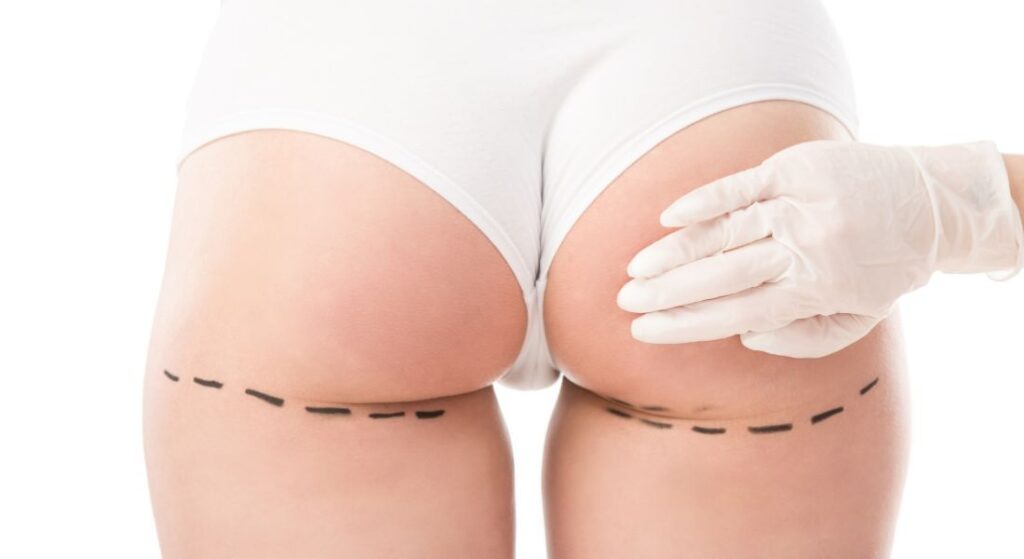
After completing your combination treatment plan, maintaining your results involves both lifestyle habits and occasional follow-up treatments. Consistency helps prolong improvements in skin texture, firmness, and overall appearance.
1. Staying hydrated: Drinking enough water supports skin elasticity and overall tissue health. Well-hydrated skin responds better to treatments and heals more effectively.
2. Exercising regularly: Regular physical activity improves circulation and muscle tone, which can help maintain smoother-looking skin and prevent fat accumulation in treated areas.
3. Maintaining stable weight: Significant weight fluctuations can stretch or sag the skin, diminishing treatment results. Keeping a consistent weight helps preserve the improvements achieved.
4. Wearing SPF on treated areas: Sun protection prevents pigmentation changes and further skin damage. Applying SPF daily safeguards your results and overall skin health.
5. Doing occasional maintenance with RF or AWT: Periodic non-invasive sessions such as radiofrequency (RF) or acoustic wave therapy (AWT) help reinforce collagen and maintain skin tightness. Clinics usually tailor the frequency based on your individual response.
6. Following a balanced diet: Eating nutrient-rich foods supports skin structure, collagen production, and overall health. A diet high in vitamins, minerals, and protein complements your treatments.
Many clinics also recommend annual or biannual maintenance treatments to keep skin firmness and collagen levels at their best, helping your results last longer and remain noticeable over time.
FAQs:
1. Can I have multiple treatments, including Cellulaze, in a single session?
No, it is not recommended to have multiple procedures in the same session. Each treatment works on different layers of tissue, and giving your skin and underlying structures time to recover ensures better results and reduces the risk of complications. Proper sequencing is key for safety and effectiveness.
2. How soon after Cellulaze can I start additional treatments like radiofrequency or microneedling?
Most clinicians advise waiting around 4–6 weeks before starting radiofrequency treatments to allow collagen remodelling to begin and inflammation to settle. For more intensive treatments such as RF microneedling, a longer period of 6–12 weeks is generally recommended to avoid trauma to healing tissue.
3. Does combining treatments mean my results will last longer?
Combination therapy can enhance the longevity of results because each procedure addresses a different layer of tissue and contributes to overall collagen stimulation. However, natural ageing, lifestyle factors, and skin changes will still influence how long improvements last, so ongoing care is important.
4. Is Cellulaze enough on its own to treat cellulite?
For mild cases of cellulite where the skin is firm and elastic, Cellulaze alone can be very effective. However, if there is moderate to severe cellulite, skin laxity, or stubborn fat pockets, adding complementary treatments helps achieve a smoother, more balanced result.
5. Can combining treatments increase my risk of complications?
Yes, combining too many procedures too quickly can increase the risk of swelling, redness, irritation, or prolonged recovery. People with sensitive skin, poor wound healing, or underlying medical conditions should be especially cautious and follow a carefully planned treatment schedule.
6. Which treatments are most commonly paired with Cellulaze?
Cellulaze is often combined with radiofrequency tightening, RF microneedling, non-surgical fat reduction, surface resurfacing treatments, acoustic wave therapy, lymphatic drainage, or muscle-toning devices. Each of these addresses a different layer or aspect of skin and tissue, complementing the structural improvements from Cellulaze.
7. Should fat reduction be done before or after Cellulaze?
The timing depends on the individual’s anatomy and goals. In many cases, fat reduction is performed first to reduce excess volume, allowing Cellulaze to target the underlying fibrous bands more precisely. However, your clinician may adjust the order based on your specific needs and the areas being treated.
8. How does Cellulaze work differently from other cellulite treatments?
Unlike surface-level treatments that only smooth, tighten, or reduce fat, Cellulaze targets the fibrous septae beneath the skin. By releasing these bands and stimulating collagen production, it addresses the structural cause of cellulite, resulting in longer-lasting and more noticeable improvements.
9. Is maintenance necessary after a combination treatment plan?
Yes, maintenance is important to preserve results over time. Lifestyle habits like staying hydrated, exercising regularly, maintaining stable weight, wearing SPF, and eating a nutrient-rich diet all contribute to longevity. Periodic follow-up treatments such as radiofrequency or acoustic wave therapy may also be recommended based on individual response.
10. Who benefits most from combining Cellulaze with other treatments?
Patients with moderate to severe cellulite, skin laxity, crepey texture, or stubborn fat pockets generally see the most noticeable improvements from combination therapy. Layering treatments allows each concern to be addressed at the appropriate depth, creating a smoother, more proportionate, and natural-looking result.
Final Thought: Combining Cellulaze with Other Treatments
If you’re considering an Cellulaze treatment, combining it with complementary procedures like radiofrequency, microneedling, fat reduction, or skin resurfacing can help achieve smoother, firmer, and more balanced results. Proper sequencing, timing, and recovery are essential to maximise effectiveness and maintain long-lasting improvements. If you’re considering Cellulaze treatment, you can contact us at the London Medical & Aesthetic Clinic.
References:
1. Boczar, M., Grzywacz, A., Nowicka, D., Sieroń, A., Wróbel, M. & Rutkowski, R. (2023) Microwave therapy for cellulite improvement: Clinical findings and safety evaluation. Journal of Clinical Medicine, 11(3), 515. https://www.mdpi.com/2077-0383/11/3/515
2. Al‑Qunaibit, M. & Al‑Jindan, B. (2024) Recent advances in microneedling‑assisted cosmetic applications with radiofrequency integration. Cosmetics, 11(2), 51. https://www.mdpi.com/2079-9284/11/2/51
3. Dhillon, R.K., Dayan, S.H., Hexsel, D., Shridharani, S., Chilukuri, S., LaTowsky, B. & Guillen Fabi, S. (2023) Update: Cellulite therapies and optimizing treatment combinations. Aesthetic Surgery Journal, 43(12), pp.1508–1520. https://pubmed.ncbi.nlm.nih.gov/37184131/
4. Sadick, N. (2018) Treatment for cellulite. International Journal of Women’s Dermatology, 5(1), pp.68–72. https://www.sciencedirect.com/science/article/pii/S2352647518300418
5. Knobloch, K. & Kraemer, R. (2015) Extracorporeal shock wave therapy (ESWT) for the treatment of cellulite – a current meta‑analysis. https://www.sciencedirect.com/science/article/pii/S1743919115010110