

If you have hypothyroidism and are considering Smartlipo, it’s completely normal to feel unsure. You may already know that an underactive thyroid can affect weight, metabolism, and healing, which naturally raises questions about whether body contouring procedures are safe or effective for you.
Smartlipo is often marketed as a targeted fat-removal solution rather than a weight-loss treatment. However, when thyroid hormones are involved, the way your body stores fat, responds to treatment, and recovers afterwards can be different. This doesn’t automatically mean Smartlipo is unsafe, but it does mean your situation needs careful consideration.
In this guide, I’ll explain how hypothyroidism affects fat loss, healing, and Smartlipo outcomes. You’ll learn when treatment may be appropriate, what needs to be stabilised first, and how clinics assess suitability so you can make an informed decision without unnecessary anxiety.
Understanding Hypothyroidism and How It Affects Your Body
Hypothyroidism occurs when your thyroid gland does not produce enough thyroid hormones. These hormones play a key role in regulating metabolism, energy levels, and how your body processes fat.
When hormone levels are low, your metabolism slows down. This can make weight management more difficult, even when diet and exercise are consistent. Many people with hypothyroidism notice stubborn fat deposits that feel resistant to lifestyle changes.
Hypothyroidism can also influence circulation, skin quality, and healing speed. These factors are important when considering any cosmetic procedure, including Smartlipo.
Why Fat Loss Feels Harder With an Underactive Thyroid
If you’ve struggled to lose fat despite genuine effort, you’re not imagining it. Hypothyroidism affects how your body uses energy and stores fat, particularly around the abdomen, hips, and thighs.
Even when thyroid medication is prescribed, some people continue to experience slow fat reduction. Hormonal balance takes time, and subtle imbalances can still affect body composition.
This is why many patients with hypothyroidism explore targeted treatments like Smartlipo. They’re not looking for shortcuts, but solutions for areas that don’t respond to conventional methods.
What Smartlipo Actually Does (and What It Doesn’t)
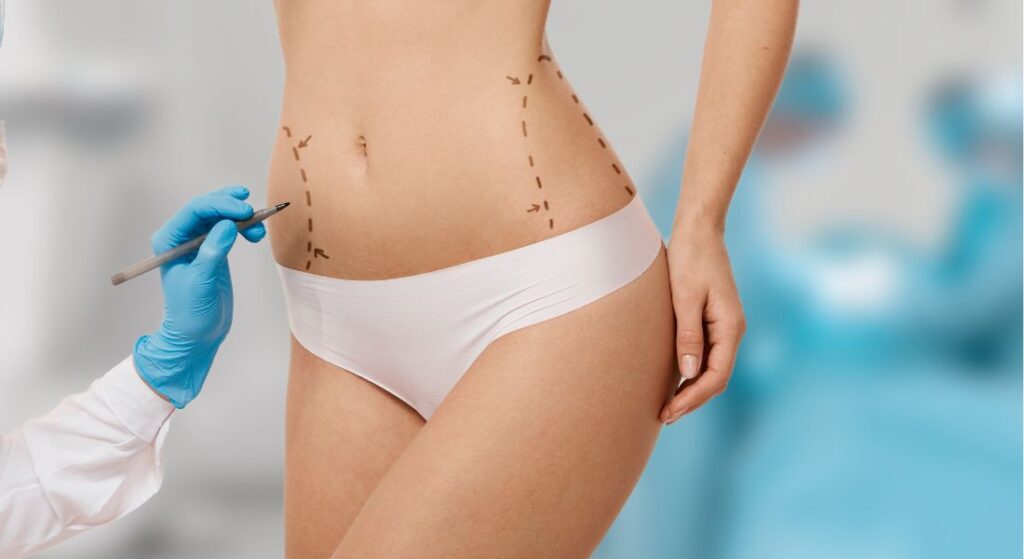
Smartlipo is a laser-assisted liposuction technique designed to target and remove localised fat deposits. It works by using laser energy to liquefy fat cells before they are gently removed.
It’s important to understand that Smartlipo is not a treatment for obesity or hormonal weight gain. It doesn’t correct metabolic issues or replace thyroid management. Instead, it reshapes specific areas where fat is already present. For patients with hypothyroidism, this distinction is crucial. Smartlipo can address stubborn fat, but it won’t resolve underlying hormonal causes of weight changes.
Is Hypothyroidism an Automatic Contraindication for Smartlipo?
Hypothyroidism alone does not automatically rule you out of Smartlipo. Many patients with well-controlled thyroid conditions safely undergo cosmetic procedures with good outcomes. The key factor is stability, not the diagnosis itself. Clinics are far more concerned about whether your thyroid levels are controlled and consistent than whether you carry the label of hypothyroidism.
Uncontrolled or poorly managed hypothyroidism, however, may increase risks. This is why thorough medical assessment is essential before proceeding.
Why Thyroid Stability Matters Before Treatment
Thyroid hormones play a key role in how your body handles stress, inflammation, and tissue repair. Even minimally invasive cosmetic or medical procedures rely on your body’s natural healing ability, which is closely influenced by thyroid function.
If your thyroid levels are unstable, you may experience:
Slower healing and prolonged swelling
Imbalanced thyroid hormones can delay tissue repair, meaning swelling and bruising may last longer than expected.
Increased fatigue during recovery
An unstable thyroid can leave you feeling unusually tired after treatment, making recovery feel more difficult and drawn out.
Less predictable contouring results
Healing responses affect how tissues settle. When thyroid levels fluctuate, final results may be less consistent or slower to appear.
Greater risk of post-procedure discomfort
Inflammation and sensitivity can be heightened when thyroid function is poorly controlled, increasing discomfort during recovery.
When thyroid function is well stabilised, these risks are significantly reduced. This is why responsible clinics insist on proper medical clearance before treatment. Ensuring hormonal stability helps protect your safety, supports smoother healing, and leads to more reliable, satisfying outcomes.
How Clinics Assess Suitability for Smartlipo
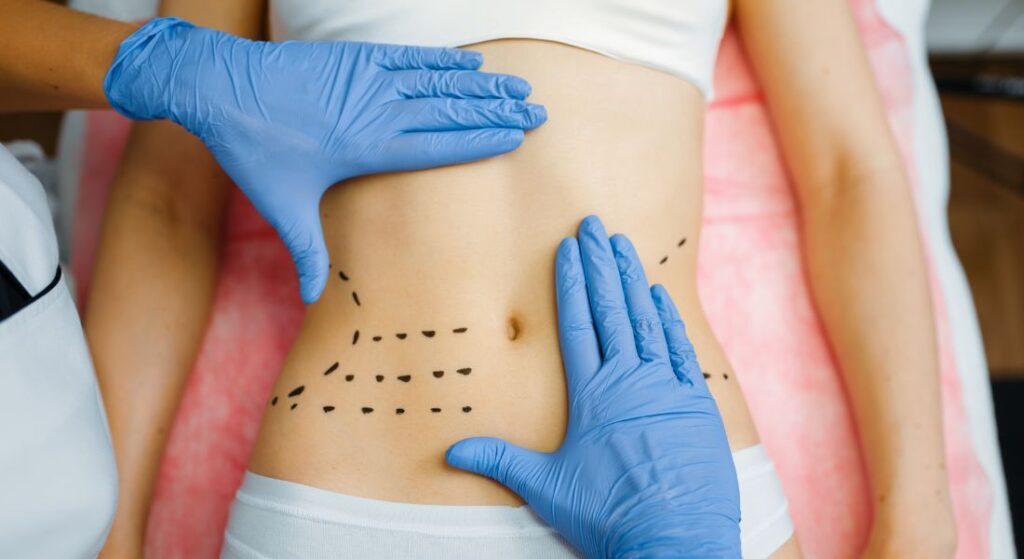
A reputable clinic won’t approve Smartlipo based on appearance alone. Your medical history, current thyroid management, and overall health are all considered.
Assessment usually includes a detailed consultation, discussion of your thyroid diagnosis, and review of current medications. In some cases, recent blood tests confirming stable thyroid levels may be requested.
This process isn’t about creating barriers. It’s about ensuring your safety and improving the likelihood of a smooth recovery and satisfying result.
Healing After Smartlipo With Hypothyroidism
Healing timelines vary from person to person, but hypothyroidism can sometimes slow the process slightly. This doesn’t mean healing is poor, just that patience is important.
Swelling, bruising, and tenderness may last longer if your metabolism is slower. Compression garments and post-procedure care become especially important during this phase. When thyroid levels are stable and aftercare instructions are followed properly, healing is usually predictable and manageable.
How Hypothyroidism Can Affect Smartlipo Results
Smartlipo permanently removes fat cells from the treated areas, which means those specific fat deposits will not return. However, hormonal factors such as thyroid function continue to influence how your body stores fat elsewhere over time.
Impact of unmanaged hypothyroidism: If hypothyroidism is poorly controlled, the body may be more prone to storing fat in untreated areas. This does not undo the results in the treated zone, but it can affect overall body proportions and balance.
Hormonal influence on fat distribution: Thyroid hormones play a role in metabolism and energy use. When levels fluctuate, fat storage patterns can change, even after a successful Smartlipo procedure.
Stability with controlled thyroid function: When thyroid levels are well managed, Smartlipo results tend to be more predictable and stable. Patients often maintain improved contours more easily over time.
Role of lifestyle and aftercare: Ongoing weight management, diet, and activity remain important, particularly for patients with thyroid conditions. Smartlipo works best as part of a broader health-focused approach.
Many patients with controlled hypothyroidism find Smartlipo helpful for reshaping areas that have resisted previous weight-management efforts. With proper medical screening and realistic expectations, outcomes are often both satisfying and long-lasting.
Managing Expectations Realistically
One of the most important parts of the decision-making process is expectation management. Smartlipo is about contouring, not transformation.
If hypothyroidism has contributed to weight gain, Smartlipo won’t replace medical management or lifestyle changes. It works best when used as a finishing tool rather than a primary solution. Clear expectations help avoid disappointment and ensure you feel confident in your decision.
The Role of Medication and Ongoing Thyroid Care
If you’re taking thyroid medication, consistency is key. Clinics will usually want reassurance that your dosage is stable and effective.
Stopping or adjusting medication around the time of cosmetic treatment without medical advice is never recommended. Hormonal fluctuations can affect both safety and recovery. Good communication between you, your GP or endocrinologist, and your cosmetic clinic creates the safest environment for treatment.
When Smartlipo May Be Worth Considering
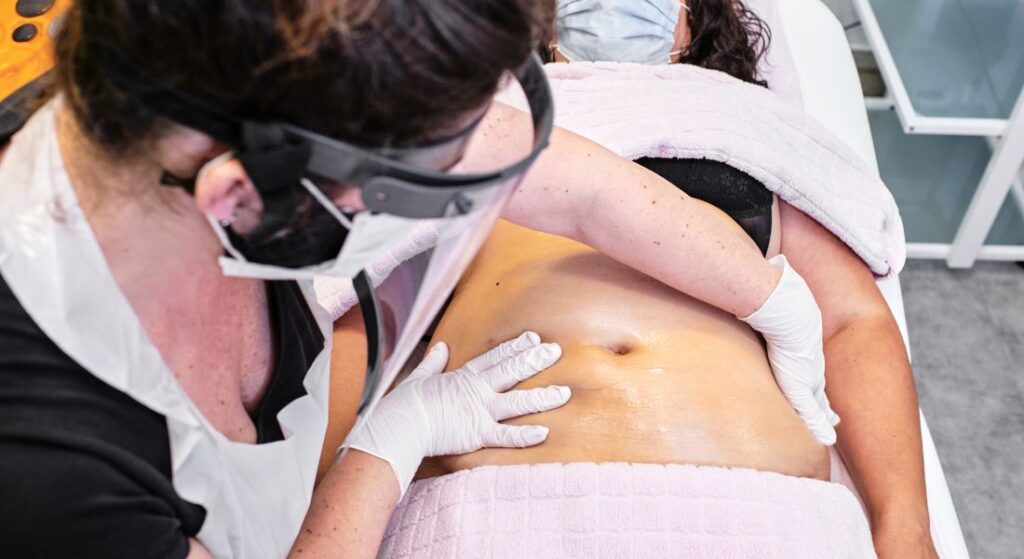
Smartlipo may be a suitable option for some people with hypothyroidism, provided the condition is well managed and overall health is stable. The key is careful assessment, realistic expectations, and proper medical clearance before proceeding.
Smartlipo may be worth considering if:
Your hypothyroidism is well controlled with medication: When thyroid hormone levels are stable, your body is better equipped to handle inflammation and heal effectively after treatment. This significantly reduces the risk of prolonged recovery or complications.
Your thyroid blood results have been stable over time: Consistently normal results on recent blood tests suggest predictable healing and a more reliable response to treatment. Clinics typically look for stability rather than a single normal result.
You are close to your ideal weight but struggle with specific fat pockets: Smartlipo is designed to target localised fat deposits that don’t respond to diet or exercise. It is not intended for overall weight loss.
Your skin quality and elasticity are suitable: Good skin tone helps the treated area retract smoothly after fat removal, contributing to better contouring outcomes.
You have realistic expectations about results and recovery: Understanding that Smartlipo offers improvement rather than perfection helps ensure long-term satisfaction.
You are committed to post-treatment care: Following aftercare advice, including compression and lifestyle guidance, supports optimal healing and final results.
In these circumstances, Smartlipo can complement your broader health and body-confidence goals. When performed by an experienced clinic with appropriate medical screening, it can be a safe and effective option for carefully selected patients.
When It’s Better to Delay Treatment
There are times when waiting is the safest option. If your thyroid levels are fluctuating, symptoms are poorly controlled, or medication adjustments are ongoing, postponing treatment is usually advised.
Delaying doesn’t mean Smartlipo is off the table forever. It simply allows your body to reach a more stable state before undergoing a procedure. Responsible clinics prioritise timing just as much as technique.
Choosing the Right Clinic Matters Even More
When medical conditions are involved, clinic experience becomes especially important. You want practitioners who are comfortable assessing medical histories and explaining risk clearly. A good clinic will never pressure you into treatment. Instead, they’ll take time to discuss your thyroid condition, answer questions, and recommend the safest path forward.
If you’re considering Smartlipo in London, choosing a clinic that prioritises medical screening and patient education is essential.
Questions You Should Ask at Your Consultation
To feel confident, it helps to ask the right questions. These might include how thyroid conditions are assessed, what documentation is needed, and how recovery may differ for you.
Understanding the clinic’s approach to medical conditions gives you clarity and reassurance. It also helps set realistic expectations from the start. A transparent consultation is often the best indicator of a clinic’s quality.
Emotional Considerations and Body Confidence

Living with hypothyroidism can be emotionally challenging. Weight changes and body shape concerns often affect confidence and self-image.
Cosmetic treatments like Smartlipo are deeply personal decisions. It’s important that your motivation comes from self-care rather than frustration or pressure. Feeling informed and supported makes the experience far more positive.
FAQs
1. Is Smartlipo safe if I have hypothyroidism?
Smartlipo can be safe for people with hypothyroidism when the condition is well controlled and stable. The diagnosis itself is not usually the issue; what matters is whether thyroid hormone levels are balanced and consistent. A proper medical assessment is essential to determine individual suitability and reduce unnecessary risk.
2. Does hypothyroidism affect how well Smartlipo works?
Hypothyroidism does not stop Smartlipo from removing fat cells in treated areas, but it can influence overall body composition and how the body stores fat over time. When thyroid levels are stable, results are generally predictable. If the condition is poorly managed, changes elsewhere in the body may affect overall contour balance rather than the treated area itself.
3. Can Smartlipo help with weight gain caused by hypothyroidism?
Smartlipo is not a treatment for weight gain or hormonal imbalance. It is designed to contour specific areas of localised fat rather than address metabolic causes of weight changes. Patients with hypothyroidism often consider Smartlipo for stubborn areas that do not respond to diet or exercise, not for overall weight loss.
4. Do I need blood tests before Smartlipo if I have hypothyroidism?
Many clinics will request recent thyroid blood test results to confirm stability before proceeding. This helps ensure your body is in a suitable state for healing and recovery. The goal is not to delay treatment unnecessarily, but to prioritise safety and predictable outcomes.
5. Will healing take longer if I have an underactive thyroid?
Healing can sometimes be slightly slower in people with hypothyroidism, particularly if metabolism is reduced. Swelling and tenderness may last a little longer, but this does not mean healing will be poor. When thyroid levels are controlled and aftercare is followed carefully, recovery is usually smooth and manageable.
6. Can Smartlipo results be affected if my thyroid levels change later?
Smartlipo permanently removes fat cells from the treated area, so those specific results remain. However, future hormonal changes can influence how fat is distributed elsewhere in the body. Maintaining stable thyroid management helps support long-term balance and overall body proportions.
7. Is it safe to change thyroid medication around the time of Smartlipo?
Adjusting or stopping thyroid medication without medical advice is not recommended. Hormonal fluctuations can affect healing, inflammation, and recovery. Clinics typically prefer thyroid medication to be stable before and after treatment, with any changes managed by your GP or endocrinologist.
8. Are there higher risks of complications with hypothyroidism?
When hypothyroidism is uncontrolled, risks such as delayed healing, prolonged swelling, or increased discomfort can be higher. With proper medical screening and stable hormone levels, these risks are significantly reduced. This is why reputable clinics focus heavily on assessment rather than making assumptions based on diagnosis alone.
9. How do clinics decide if someone with hypothyroidism is suitable for Smartlipo?
Clinics assess overall health, thyroid stability, medication consistency, and individual treatment goals. The decision is based on medical history and current condition rather than appearance alone. This careful approach helps protect patient safety and improves the likelihood of a positive outcome.
10. Should hypothyroidism stop me from considering Smartlipo altogether?
Hypothyroidism does not automatically mean Smartlipo is unsuitable. Many patients with well-managed thyroid conditions go on to have safe treatments and satisfying results. The key is realistic expectations, stable medical management, and choosing a clinic that prioritises medical screening and patient education.
Final Thought: Making an Informed Choice With Hypothyroidism
Having hypothyroidism doesn’t automatically mean Smartlipo isn’t right for you, but it does mean your decision should be guided by careful medical assessment rather than marketing promises. When thyroid levels are well controlled and overall health is stable, Smartlipo can be a safe, effective way to address stubborn fat that hasn’t responded to lifestyle changes.
The most important factors are stability, realistic expectations, and choosing a clinic that understands how hormonal conditions can affect healing and results. If you’re researching Smartlipo in London, it’s essential to speak with a medically led team that prioritises patient safety and personalised care. If you’re considering smartlipo treatment in London, you can get in touch with us at London Medical & Aesthetic Clinic.
References:
1. Biondi, B. (2024). Subclinical Hypothyroidism in Patients with Obesity and Metabolic Syndrome: A Narrative Review. Nutrients, 16(1), 87. https://www.mdpi.com/2072-6643/16/1/87
2. Berisha-Muharremi, V., Tahirbegolli, B., Phypers, R. and Hanna, R. (2023). Efficacy of Combined Photobiomodulation Therapy with Supplements versus Supplements Alone in Restoring Thyroid Gland Homeostasis in Hashimoto Thyroiditis: A Clinical Feasibility Parallel Trial with 6-Months Follow-Up. Journal of Personalized Medicine, 13(8), 1274. https://www.mdpi.com/2075-4426/13/8/1274
3. Alaibac, M.S.A. et al. (2022). Safety of Aesthetic Medicine Procedures in Patients with Autoimmune Thyroid Diseases. https://pmc.ncbi.nlm.nih.gov/articles/PMC8779514/
4. McBean, J.C. (2011). Laser Lipolysis: An Update. Aesthetic Surgery Journal, PMC3140909. https://pmc.ncbi.nlm.nih.gov/articles/PMC3140909/
5. Tobin, D.J. (2013). The Effect of Hypothyroidism on Surgical Outcomes. Plastic and Reconstructive Surgery. https://pmc.ncbi.nlm.nih.gov/articles/PMC8856588/