


If you have diabetes and are considering laser liposuction, it’s natural to feel cautious. Diabetes affects how your body heals, fights infection, and responds to physical stress, so it makes sense to question whether cosmetic procedures are safe for you. Many patients worry that having diabetes automatically disqualifies them from treatment.
The truth is more nuanced. Diabetes does not automatically rule out laser liposuction, but it does change how suitability is assessed. Factors such as blood sugar control, overall health, and how well your condition is managed play a critical role.
In this article, I’ll explain how diabetes affects healing and recovery, what risks need to be considered, and when laser liposuction may be appropriate. By the end, you’ll have a clear, realistic understanding of whether treatment could be suitable for you and what needs to be in place first.
Understanding Diabetes and How It Affects the Body
Diabetes is a condition that affects how your body regulates blood sugar levels. Over time, high or unstable blood sugar can impact circulation, nerve function, and immune response. These factors are all important when considering any surgical or minimally invasive procedure.
When blood sugar levels are well controlled, the body can usually heal and recover in a predictable way. However, when levels are poorly controlled, healing can slow down and the risk of complications increases. This is why diabetes is taken seriously during cosmetic treatment assessments.
It’s important to understand that diabetes exists on a spectrum. Two people with the same diagnosis can have very different risk profiles depending on how well their condition is managed.
Why Healing Can Be Different If You Have Diabetes
Healing relies on good circulation, efficient immune response, and healthy tissue repair. Diabetes can interfere with all three, particularly when blood sugar levels remain elevated for long periods. Poor circulation can reduce oxygen and nutrient delivery to healing tissues. This may slow wound repair and increase swelling or bruising after procedures like laser liposuction.
The immune system may also respond more slowly, which increases the risk of infection. These factors don’t make treatment impossible, but they do make preparation and monitoring more important.
What Laser Liposuction Involves
Laser liposuction is a minimally invasive fat-removal procedure that uses laser energy to liquefy fat before it is gently removed. Compared to traditional liposuction, it typically involves smaller incisions and less tissue trauma.
Because it is less invasive, laser liposuction often has a shorter recovery period. This can make it more suitable for patients with certain medical conditions, including diabetes, when properly assessed.
However, it is still a medical procedure. Even small incisions require healing, and laser energy creates inflammation that your body must process and repair.
Is Diabetes an Automatic Contraindication?
Having diabetes does not automatically mean you cannot have laser liposuction. Many people with diabetes undergo medical and cosmetic procedures safely every year.
What matters most is control, not the diagnosis itself. Clinics focus on how stable your blood sugar levels are, whether you have diabetes-related complications, and how your body generally heals. Uncontrolled diabetes, however, is a different situation. When blood sugar levels are consistently high or unpredictable, the risks often outweigh the benefits.
Why Blood Sugar Control Is So Important
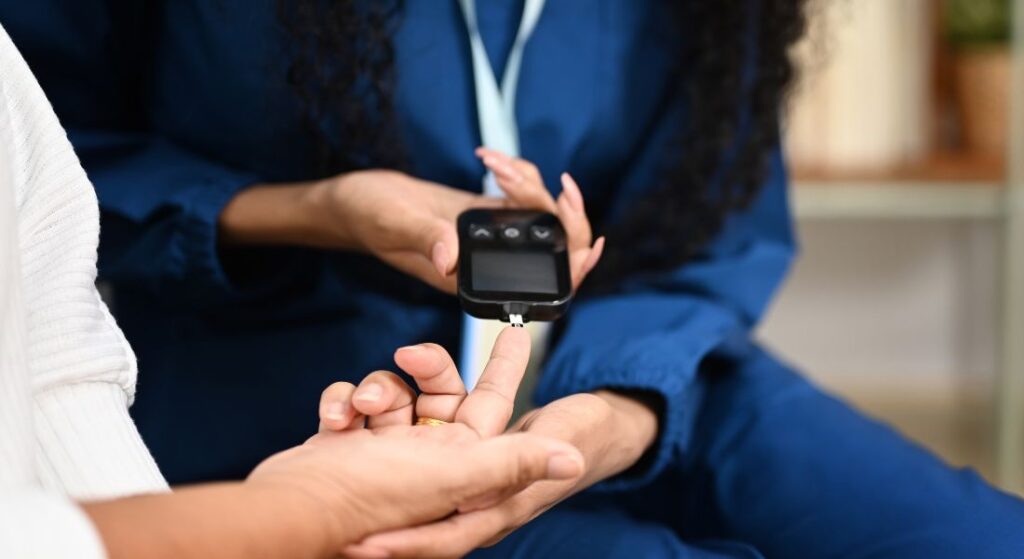
Blood sugar control is one of the most important factors in determining whether laser liposuction is safe and appropriate for you. Stable glucose levels support normal healing, reduce inflammation, and lower the risk of infection following treatment.
When blood sugar is poorly controlled, you may experience:
Slower wound healing: Elevated glucose levels can impair circulation and tissue repair, meaning incisions may take longer to heal.
Increased swelling and inflammation: Poor glycaemic control can intensify the body’s inflammatory response, leading to prolonged swelling after the procedure.
Higher risk of infection: High blood sugar reduces the body’s ability to fight bacteria, increasing the risk of post-procedure infections.
Greater chance of prolonged discomfort or complications: Delayed healing and inflammation can result in ongoing pain, sensitivity, or unexpected recovery issues.
Because of these risks, clinics often request recent blood tests or communication with your GP or diabetes specialist before proceeding. Confirming good blood sugar control helps ensure your safety, supports smoother healing, and improves the likelihood of a comfortable recovery and reliable results.
Type 1 vs Type 2 Diabetes: Does It Matter?
Both Type 1 and Type 2 diabetes are assessed carefully, but the focus is the same: stability and management.
People with Type 1 diabetes may be suitable if their condition is well controlled and complications are absent. People with Type 2 diabetes may also be suitable, particularly if blood sugar levels are stable with medication or lifestyle management.
The type of diabetes matters less than how well it is controlled. Clinics assess the individual, not just the label.
Infection Risk and Laser Liposuction
Infection risk is one of the primary concerns for diabetic patients undergoing cosmetic procedures. Elevated blood sugar levels can impair immune response and make infections more likely.
Laser liposuction involves small incisions, which reduces risk compared to more invasive surgery. However, any break in the skin still requires proper healing. This is why strict hygiene, aftercare compliance, and medical screening are essential. When diabetes is well managed, infection risk is significantly reduced.
Recovery and Healing Time With Diabetes
Recovery after laser liposuction can be slightly longer for some people with diabetes. This doesn’t mean recovery will be difficult, but patience is often required.
Swelling and bruising may take longer to resolve, and compression garments play an important role in supporting healing. Good blood sugar control during recovery is just as important as before the procedure. Most patients with controlled diabetes recover without major issues when they follow aftercare instructions closely.
How Clinics Assess Candidacy for Laser Liposuction
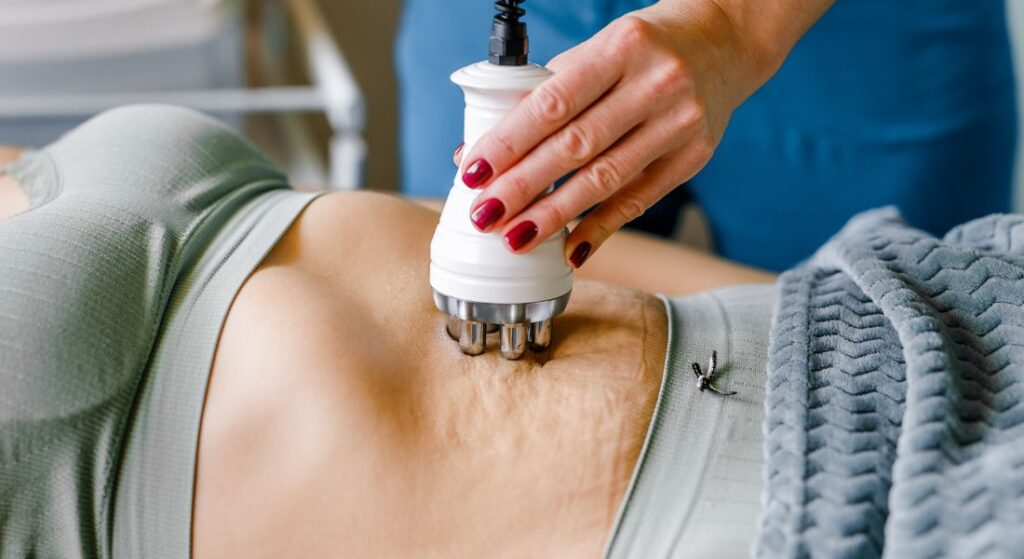
A responsible clinic will never approve laser liposuction based on appearance alone. Your medical history, diabetes management, medications, and overall health are all considered.
Assessment typically includes a detailed consultation and discussion of your diabetes history. Clinics may ask about HbA1c levels, medications, and whether you experience diabetes-related complications. This process exists to protect your safety and improve outcomes, not to create unnecessary barriers.
When Laser Liposuction May Be Appropriate
Laser liposuction may be a suitable option for some people with diabetes, provided the condition is well managed and overall health is stable. Careful screening and realistic expectations are essential.
Laser liposuction may be considered if:
Your diabetes is well controlled and stable: Consistent blood sugar control reduces the risk of infection, supports normal healing, and makes recovery more predictable.
Your blood sugar levels are within acceptable ranges: Recent blood tests help confirm that your body can safely tolerate the procedure and heal effectively afterwards.
You do not have significant circulation or wound-healing issues: Good circulation and normal healing responses are important for minimising complications and achieving smooth contouring results.
You are close to your ideal weight with localised fat deposits: Laser liposuction is designed for targeted fat reduction, not overall weight loss. It works best on specific areas that resist diet and exercise.
You understand the limitations of the procedure: Having realistic expectations about results, recovery, and maintenance helps ensure satisfaction with the outcome.
In these situations, laser liposuction can be a reasonable option for body contouring when performed by an experienced clinic following appropriate medical clearance.
When It’s Safer to Delay or Avoid Treatment
In some situations, postponing treatment is the safest and most responsible decision. Medical stability is essential before any cosmetic procedure.
It may be safer to delay or avoid treatment if:
Blood sugar levels are unstable: Fluctuating glucose levels increase the risk of infection, delayed healing, and post-procedure complications.
Diabetes medications are being adjusted: Ongoing changes can affect healing response and make outcomes less predictable.
Diabetes-related complications are present: Issues such as poor circulation, nerve damage, or slow wound healing increase procedural risk.
Recent blood tests show poor control: Unfavourable results suggest the body may not recover efficiently from treatment.
Your clinician advises further stabilisation first: Professional guidance is based on reducing risk and protecting long-term health.
Poorly controlled diabetes increases risks that cosmetic benefits cannot justify. Waiting until your condition is better managed protects both your health and your results. A reputable clinic will always prioritise safety over speed.
The Role of Lifestyle and Ongoing Diabetes Management
Laser liposuction focuses on removing fat cells from specific areas of the body. While it can improve body contours, it does not influence insulin resistance or overall metabolic control. Keeping expectations realistic helps patients feel more satisfied with their results.
Good diabetes management remains important before and after the procedure. Regular medication use, stable blood sugar levels, and routine monitoring support safer healing. When glucose levels are well controlled, the risk of post-treatment complications is generally lower.
Lifestyle habits can strongly influence recovery and long-term results. Balanced meals, gentle physical activity, and adequate hydration all help the body heal more efficiently. These habits also support overall health beyond the cosmetic outcome.
Patients who see treatment as part of wider self-care often have better experiences. Ongoing follow-up and clear communication with healthcare providers help ensure safe outcomes. A combined focus on lifestyle, medical care, and aesthetics supports lasting satisfaction.
Managing Expectations Realistically
Managing expectations is especially important for patients living with diabetes. Laser liposuction can enhance body contours, but it does not improve metabolic health or address blood sugar regulation. Viewing the procedure as a cosmetic improvement rather than a metabolic solution helps set appropriate expectations.
Fat cells removed from treated areas do not come back, but this does not prevent weight changes in other parts of the body. Blood sugar control, diet, physical activity, and overall lifestyle continue to influence how the body stores fat. Ongoing diabetes management therefore remains central to maintaining results.
When patients clearly understand these limitations, they are less likely to feel disappointed after treatment. Realistic expectations support greater confidence in the outcome and a more positive overall experience.
Choosing the Right Clinic Matters More With Diabetes
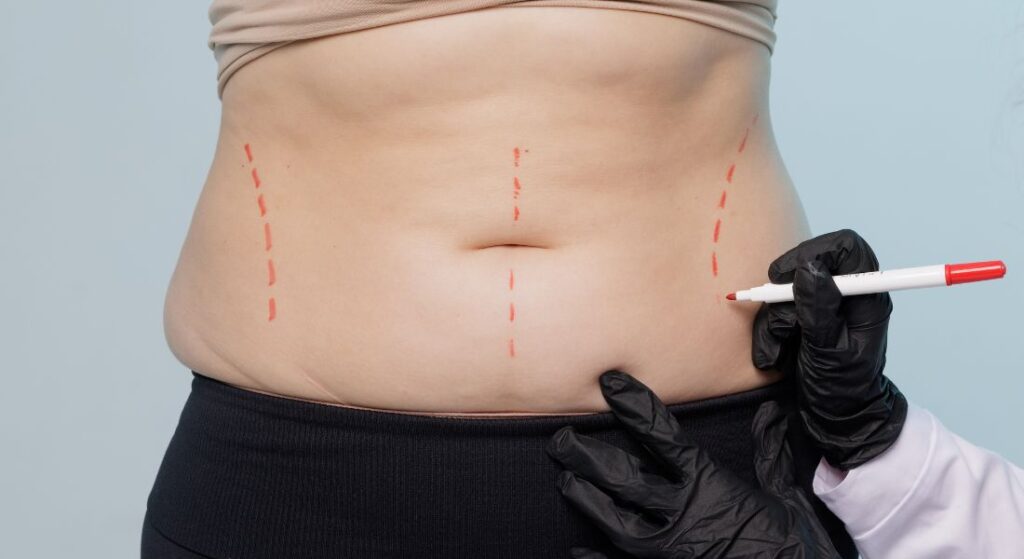
When a medical condition like diabetes is involved, the experience and approach of the clinic become especially important. Practitioners should understand how diabetes can affect healing, infection risk, and overall recovery. This knowledge helps ensure treatment decisions are made safely.
A reputable clinic will carefully assess your suitability and explain potential risks in clear, honest terms. There should be no pressure to proceed if the timing or health status is not ideal. Collaboration with your GP or diabetes specialist is often part of responsible care.
For anyone considering laser liposuction in London, strong medical screening and patient education are key factors. Clinics that prioritise safety, transparency, and ongoing support tend to deliver the most reassuring and positive patient experiences.
Emotional and Psychological Considerations
Living with diabetes can impact both body confidence and emotional wellbeing. Changes in weight or fat distribution may feel discouraging, particularly when efforts to manage them don’t produce the expected results. This can create stress or frustration over time.
Cosmetic procedures like laser liposuction should be viewed as a form of self-care rather than a solution to emotional pressure. Approaching treatment with realistic expectations helps maintain a positive mindset throughout the process.
Feeling informed and supported by your clinic can make a significant difference in how you experience the procedure. Clear communication, thorough guidance, and reassurance reduce anxiety and help you feel more in control.
Ultimately, any decision about treatment should consider both physical health and emotional comfort. Aligning the procedure with your wellbeing ensures a safer, more satisfying outcome and reinforces long-term self-care habits.
FAQs:
1. Can people with diabetes safely undergo laser liposuction?
Yes, people with diabetes can undergo laser liposuction if their condition is well controlled. The key factor is stable blood sugar, which supports normal healing and lowers the risk of complications. Clinics assess each patient individually to determine suitability rather than disqualifying someone based on a diagnosis alone.
2. Does having Type 1 or Type 2 diabetes make a difference in eligibility?
The type of diabetes matters less than how well it is managed. Both Type 1 and Type 2 patients may be suitable for laser liposuction if their blood sugar levels are stable and there are no significant complications affecting circulation or wound healing.
3. Why is blood sugar control so important for this procedure?
Blood sugar control is essential because elevated glucose can slow tissue repair, increase inflammation, and impair immune response. Proper control helps the body heal efficiently and reduces the risk of post-procedure infection and prolonged recovery.
4. How does diabetes affect healing after laser liposuction?
Diabetes can slow healing by reducing circulation and weakening immune response, which may lead to increased swelling, bruising, or infection. Patients with well-controlled diabetes generally recover without major issues when they follow aftercare instructions.
5. Are there specific risks for people with diabetes undergoing laser liposuction?
Yes, poorly controlled diabetes increases the risk of delayed wound healing, infection, prolonged inflammation, and potential complications during recovery. Careful pre-procedure assessment and ongoing monitoring are necessary to manage these risks.
6. How do clinics assess whether a diabetic patient is suitable for treatment?
Clinics typically review medical history, medications, HbA1c levels, and any diabetes-related complications. This assessment ensures the patient is medically stable and can safely tolerate the procedure, while also helping to set realistic expectations for outcomes and recovery.
7. Will recovery take longer for diabetic patients?
Recovery may be slightly longer for some diabetic patients, particularly if blood sugar control is not optimal. Swelling and bruising might persist for more days, and adherence to post-procedure guidance, including wearing compression garments, is important for a smooth recovery.
8. Should people with uncontrolled diabetes avoid laser liposuction?
Yes, individuals with poorly controlled diabetes or recent fluctuations in blood sugar should delay the procedure. Attempting treatment without stabilising the condition can significantly increase health risks and negatively affect results.
9. Can laser liposuction help manage diabetes or improve metabolic health?
No, laser liposuction is a cosmetic procedure that removes targeted fat but does not influence insulin resistance, blood sugar control, or overall metabolic health. Ongoing diabetes management through diet, medication, and lifestyle remains essential.
10. How can patients ensure a safe and positive experience?
Choosing an experienced clinic that understands the implications of diabetes, conducting thorough medical screening, following aftercare instructions, and maintaining realistic expectations are all critical. Collaboration with a GP or diabetes specialist further supports safe and successful outcomes.
Final Thought: Laser Liposuction for People with Diabetes
Laser liposuction can be a safe and effective option for people with well-controlled diabetes, but careful assessment and realistic expectations are essential. Ensuring stable blood sugar, understanding potential risks, and following post-procedure guidance all contribute to a smoother recovery and better results. Choosing a clinic experienced in treating patients with medical conditions like diabetes further enhances safety and peace of mind.
If you are looking for laser liposuction in London, you can reach out to us at the London Medical & Aesthetic Clinic to discuss your goals, review your medical history, and determine whether this treatment is suitable for you.
References:
1. Burgess, J.L., Wyant, W.A., Abujamra, B.A., Kirsner, R.S. & Jozic, I. (2021) Diabetic Wound‑Healing Science. Medicina, 57(10), p.1072. https://www.mdpi.com/1660-4601/16/18/3298
2. Lee, S.H., Kim, S.H., Kim, K.B., Kim, H.S. & Lee, Y.K. (2024) Factors Influencing Wound Healing in Diabetic Foot Patients. Medicina, 60(5), p.723. https://www.mdpi.com/2075-4426/14/5/494
3. Zerr, K.J., Furnary, A.P., Grunkemeier, G.L. et al. (2008) Diabetes, Hyperglycemia, and Infections. Best Practice & Research: Clinical Anaesthesiology, 22(3), pp.519–535. https://www.sciencedirect.com/science/article/abs/pii/S0306987706005093
4. Crowley, K., Ó Scanaill, P., Hermanides, J. & Buggy, D.J. (2023) Current Practice in the Perioperative Management of Patients with Diabetes Mellitus: A Narrative Review. https://www.sciencedirect.com/science/article/abs/pii/S2173507724000231
5. Shin, C.S. & Yoo, K.C. (2025) Predictive Factors of Wound Healing and Limb Salvage After Successful Below‑the‑Knee Endovascular Angioplasty in Patients with Diabetic Foot Ulcer. https://academic.oup.com/asj/article-abstract/45/12/1252/8218035