



If you are considering Emsculpt, it is completely natural to ask whether all muscle groups respond in the same way to treatment. Many of us notice that abdominal results are often highlighted, which can raise questions about how effective Emsculpt is on other areas of the body. You may also come across mixed opinions when it comes to arms, thighs, or buttocks. These observations are not random, and there are clear reasons behind them. Understanding this helps you set realistic expectations from the start.
The differences in results largely come down to muscle anatomy and function. Some muscle groups are larger, denser, and designed to generate strong contractions, which allows them to respond more visibly to Emsculpt technology. Other muscles are smaller or have different fibre compositions, so changes can be more subtle. The way the applicator sits on the body and how deeply the energy reaches also plays a role. This is why outcomes can vary depending on the area treated.
At London Medical & Aesthetic Clinic, we focus on muscle physiology rather than marketing promises. We assess how each muscle group works, how developed it already is, and how it is likely to respond to supramaximal contractions. This allows us to plan treatments that make sense for you and your body. When we understand the science, we can guide you honestly about what results are achievable. That clarity helps us, and you, feel confident in the treatment plan.
How Emsculpt Works at a Muscle Level
Emsculpt works by delivering high-intensity focused electromagnetic energy into targeted muscle groups. When you undergo treatment, this energy passes safely through the skin and fat to reach the muscle tissue underneath. We use this technology to activate muscles in a way that cannot be achieved through normal exercise. The process is controlled, precise, and designed to work at a deep muscular level.
The electromagnetic energy triggers what are known as supramaximal muscle contractions. These contractions are far stronger and more frequent than anything you can create voluntarily, even during intense training. Because you cannot consciously replicate this level of contraction, the muscle is pushed beyond its usual workload. This is where the real stimulation begins.
In response, the muscle adapts by increasing fibre density and overall strength. Your body treats these contractions as a demand to improve muscular capacity. However, we also know that not every muscle responds in exactly the same way. The structure, size, and function of the muscle all influence how noticeable the results will be.
Why Not All Muscles Respond the Same Way
Not all muscles are built the same, and this plays a major role in how they respond to Emsculpt. Some muscles are large and powerful, while others are smaller or designed for endurance rather than strength. When you consider treatment, it is important to understand that these natural differences affect outcomes. We factor this in during planning.
Muscle fibre composition also matters. Power-based muscles tend to respond more visibly to supramaximal contractions, as they are designed to grow and strengthen under high load. Endurance-focused muscles can still respond, but changes may be more subtle and gradual. Emsculpt interacts differently depending on these fibre characteristics.
Another important factor is surface accessibility. Muscles that sit closer to the skin receive stronger and more direct stimulation. Deeper muscles are still activated, but the intensity reaching them may be reduced. This is why we carefully assess anatomy before recommending specific treatment areas.
The Importance of Muscle Thickness and Density
Muscle thickness and density strongly influence how visible your results may be. Thicker muscles contain more fibres, giving them greater potential to adapt and hypertrophy when stimulated. When you treat these areas, changes often appear clearer and more defined. This is especially noticeable in well-developed muscle groups.
Because thicker muscles have more fibres responding at once, the visual impact tends to be stronger. Increased density translates into better tone and sharper contours. For many patients, this creates the impression of improved definition rather than bulk. We often see this effect in areas designed for strength and stability.
Thinner muscles still respond positively to Emsculpt. They do strengthen and adapt, but the external change may be subtler. This does not mean the treatment is ineffective. It simply means the outcome looks more refined and natural, which can still be very satisfying depending on your goals.
Abdominal Muscles and Why They Respond So Well
The abdominal muscles are one of the most responsive areas for Emsculpt, and there is a clear anatomical reason for this. The rectus abdominis is broad, flat, and lies close to the skin surface. This positioning allows electromagnetic energy to reach the muscle very efficiently. As a result, stimulation is strong and consistent.
Because of this accessibility, patients often see visible improvements in abdominal definition. The muscle fibres respond well to repeated supramaximal contractions. Over time, this leads to improved tone and structure. We also see functional benefits, not just cosmetic ones.
Core strength improvements are common after abdominal Emsculpt treatments. Since we use our core muscles constantly for balance and posture, the enhanced strength becomes noticeable in daily movement. This combination of aesthetic and functional change makes the abdomen a particularly popular treatment area.
Why the Abdomen Shows Results Quickly
Age is one of the first things many people think about when eye surgery is mentioned. Vision correction is often discussed alongside age brackets, which naturally creates hesitation. Procedures like laser eye surgery are commonly associated with younger patients, reinforcing the idea that lens-based options are only for later life. This framing can be misleading. With refractive lens exchange, age is not a strict gatekeeper. What matters more is how vision is changing and how the eyes are functioning over time.
1. Age-Based Assumptions Come From Other Treatments – Many patients associate vision correction with age limits because laser procedures often have them. This creates the impression that lens-based surgery must be “too early” for younger individuals. The assumption is understandable, but not always accurate.
2. Vision Change Matters More Than Birthdays – With refractive lens exchange, suitability is linked to visual behaviour rather than age itself. How reading vision, distance clarity, and focus are changing is far more relevant. The number on a birth certificate carries less weight than functional change.
3. Early Presbyopia Often Triggers Concern – As near vision begins to decline, patients may feel caught between options. Glasses help but feel restrictive, while laser may no longer be suitable. This transitional phase often leads to uncertainty around age appropriateness.
4. Stability and Long-Term Benefit Guide Decisions – We prioritise visual stability and long-term outcomes over age labels. If vision changes suggest that the natural lens is becoming a limiting factor, lens-based correction may be considered regardless of age category.
5. Being “Too Young” Is Often a Misconception – Many patients hesitate because they believe they are simply too young. In practice, suitability is assessed on how the eyes are adapting, not on assumptions tied to age. This reframing often brings clarity and reassurance.
Overall, age is often the first concern because of how vision correction is traditionally discussed. By shifting focus from age to function and long-term benefit, decisions become clearer and more personalised. When suitability is assessed properly, age alone rarely tells the full story.
Glute Muscles and Their Response to Emsculpt
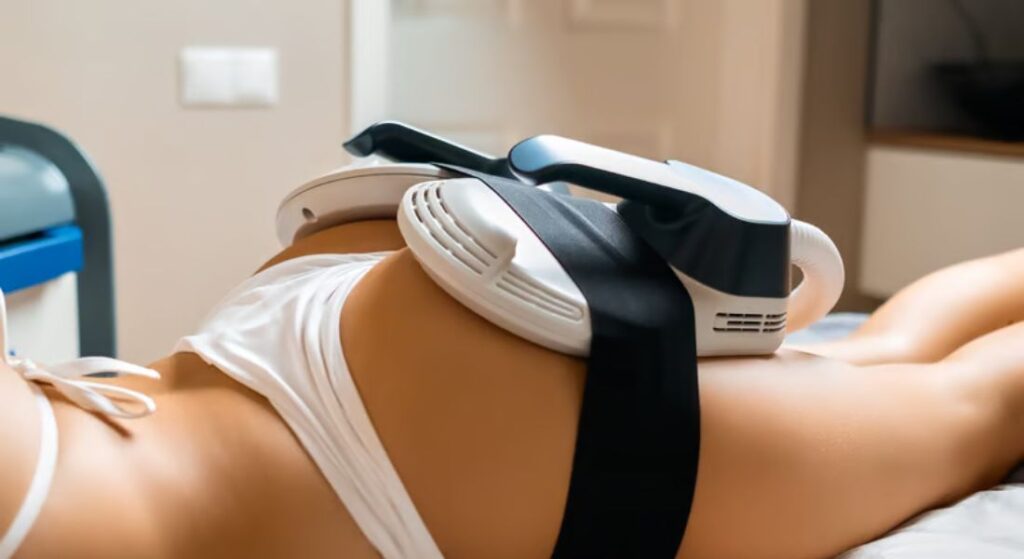
When you consider Emsculpt for the glute area, it helps to understand how these muscles are built. The gluteus maximus is one of the largest and most powerful muscles in the body. Because of its size and strength capacity, it responds well to the intense supramaximal contractions created by Emsculpt.
We often see that this muscle group tolerates high levels of stimulation comfortably. The strong contractions encourage muscle fibres to adapt by becoming firmer and more engaged. This is why the glutes are commonly chosen as a treatment area for shape and tone rather than dramatic size change.
For most of us, the outcome feels functional as well as aesthetic. You may notice improved firmness, better support during movement, and a subtle lifting effect. While some increase in muscle volume can occur, the results usually focus on contour and strength rather than noticeable enlargement.
Why Glutes Feel Firmer Before They Look Bigger
After Emsculpt treatment, many people report that their glutes feel firmer before they see visible changes. This happens because muscle tone improves earlier than muscle size. The fibres contract more efficiently, creating a tighter and lifted sensation.
We also need to remember that muscle hypertrophy takes time. Even though the muscle is adapting internally, visible growth develops gradually over several weeks. This is a normal physiological process and not a sign that treatment is ineffective.
As posture improves, the overall appearance of the glutes often looks enhanced even before size changes occur. You may stand differently, move more confidently, and feel stronger through the hips. These functional improvements contribute significantly to the aesthetic result we aim for.
Arms: Biceps and Triceps Response
When considering Emsculpt for the arms, it is important to approach treatment with clear and realistic expectations. The biceps and triceps are smaller muscle groups than areas like the abdomen or glutes, which naturally limits the scale of visible change. This does not mean the treatment is ineffective, but the outcome looks different. Understanding how these muscles respond helps ensure results feel appropriate and satisfying rather than overpromised.
1. Smaller Muscles Mean Subtler Visual Change – The biceps and triceps have less overall muscle mass compared to larger treatment areas. While they do respond to electromagnetic stimulation, the visible change is more modest. This reflects anatomy rather than treatment limitation.
2. Improved Muscle Activation and Tone – Emsculpt activates muscle fibres that are often underused in everyday movement. This increased engagement supports firmness and tone. Many patients notice the arms feel tighter rather than larger.
3. Definition Rather Than Size Increase – For most of us, the goal is not to increase arm size dramatically. The benefit lies in improved definition and muscle quality. Results tend to look refined and athletic rather than bulky.
4. Results Are Influenced by Overall Body Composition – Lean body composition allows changes in tone to be more visible. When excess fat is minimal, muscle definition shows more clearly. This explains why outcomes vary between individuals.
5. Best Viewed as a Supportive Treatment – Emsculpt works best as a complement to an active lifestyle rather than a replacement for training. It supports engagement and tone rather than creating dramatic transformation. This perspective helps align expectations.
Overall, Emsculpt treatment of the arms delivers subtle but meaningful improvements in firmness and definition. By recognising the anatomical limits of smaller muscle groups, results feel proportionate and natural. Clear understanding ensures satisfaction and confidence in the treatment choice.
Why Arms Show Less Dramatic Visual Change
One reason arm results appear subtler is the overall amount of muscle mass present. The arms simply have less muscle volume available to hypertrophy compared to larger muscle groups. This naturally limits how dramatic the visual outcome can be.
Fat distribution also plays a role in how results appear. Even when muscle tone improves, overlying fat can soften visible definition. This means you may feel stronger without seeing sharply defined contours right away.
Despite this, strength and endurance gains are still meaningful. We often find that patients notice functional improvements before cosmetic ones. Keeping expectations conservative helps ensure satisfaction with the changes that do occur.
Thigh Muscles and Emsculpt Outcomes
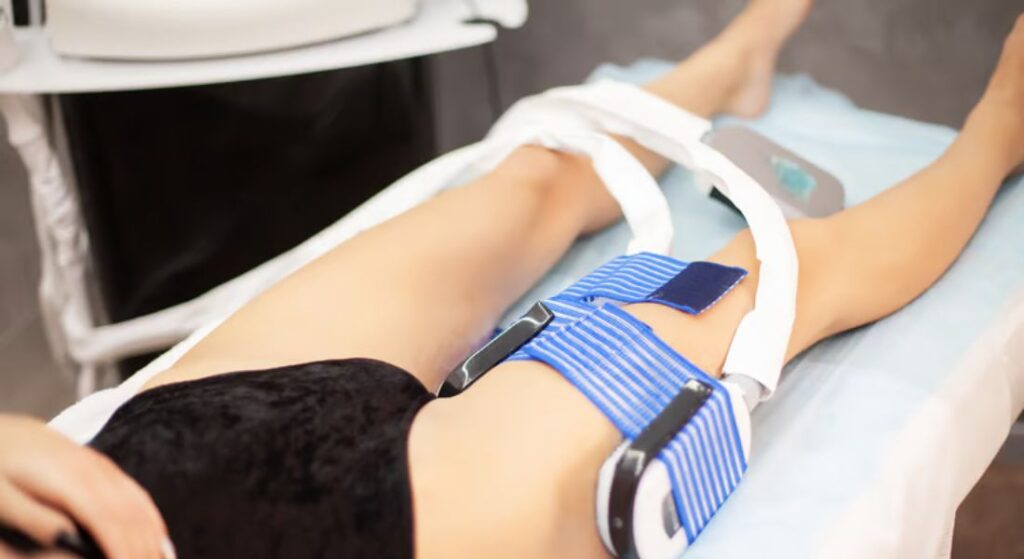
The thigh muscles, particularly the quadriceps, are large and powerful. In athletic or active individuals, these muscles often respond well to Emsculpt stimulation. The contractions can reinforce strength and muscle engagement effectively.
However, the thickness of fat layers over the thighs can affect how visible results appear. Even when muscle adapts internally, definition may be less noticeable on the surface. This is especially true in areas like the inner and outer thighs.
Anatomy plays a major role in outcomes for this region. Each of us has different muscle shapes, fibre composition, and fat distribution. Understanding this helps align expectations with what Emsculpt can realistically achieve in the thigh area.
Why Thigh Results Depend Heavily on Body Composition
When we assess thigh outcomes, body composition is one of the most influential factors. The thighs contain a combination of muscle, fat, and connective tissue, and the balance between these layers shapes how results are seen. Even when muscle responds well, surface appearance can vary significantly. Understanding this helps set realistic and reassuring expectations.
1. Fat Layer Influences Visible Definition – Higher fat layers can soften the appearance of underlying muscle. Even when muscle strength and tone improve, the contour may look subtle on the surface. This does not mean the treatment has been ineffective.
2. Muscle Responds Regardless of Visibility – Thigh muscles still adapt to intense stimulation beneath the skin. Fibres strengthen, activate, and become more efficient. These changes occur whether or not sharp definition is immediately visible.
3. Functional Changes Often Come First – Many of us notice improved support, firmness, or endurance before seeing aesthetic change. Legs may feel stronger or more stable during daily activity. This functional improvement is a genuine and positive outcome.
4. Visual Change Develops Gradually – In thighs, aesthetic change is often indirect or delayed. As muscle tone improves and body composition shifts over time, contour may become clearer. Patience is essential with this area.
5. Individual Anatomy Shapes Results – Thigh shape, fat distribution, and muscle depth vary widely. This explains why results differ between individuals. Comparison is rarely helpful and often misleading.
Overall, thigh results must be viewed through the lens of body composition rather than expectation alone. Strength and tone can improve even when visual change is subtle. When we recognise functional progress as success, satisfaction tends to be higher. Clear understanding allows results to be appreciated realistically and confidently.
Calves and Why They Are Not Commonly Treated
The calf muscles have a unique structure compared to more commonly treated areas. They are dense, compact, and positioned relatively deep within the lower leg. This anatomical setup makes consistent electromagnetic stimulation more difficult to achieve.
We also need to consider how calves function daily. They are constantly engaged through walking and standing, which influences how they respond to external stimulation. Because of these factors, treatment outcomes can be less predictable than in areas like the abdomen or glutes.
As a result, Emsculpt is not typically used for calf enhancement. Other strategies are often more suitable depending on individual goals. Understanding these limitations helps set realistic expectations and ensures that treatment choices remain appropriate.
Muscle Fibre Type and Its Influence
Every muscle contains a mixture of fibre types, and this affects how it responds to stimulation. Fast-twitch fibres tend to grow and hypertrophy more visibly when challenged. Slow-twitch fibres, on the other hand, focus more on endurance and sustained activity.
We all have different fibre ratios across various muscle groups. Some muscles are naturally designed for power and explosive movement, while others prioritise stability and long-term effort. This biological variation explains why certain areas change visually more than others.
Because of these differences, not every muscle is built to bulk or increase noticeably in size. You may experience improved strength or endurance without dramatic enlargement. Recognising fibre composition helps us understand the diversity of treatment outcomes.
Dominant Versus Non-Dominant Side Differences
Most of us naturally favour one side of the body in daily activities. This dominance often means one side starts stronger or more coordinated than the other. When undergoing Emsculpt, these baseline differences can influence how each side responds initially.
You might notice temporary asymmetry as muscles adapt at slightly different rates. The dominant side may show strength or tone changes sooner simply because it is more conditioned. This is a normal response and not usually a cause for concern.
Over time, muscle balance often improves as both sides receive consistent stimulation. We sometimes use staged or tailored treatment approaches to help even out development. With patience, symmetry tends to become more refined throughout the treatment process.
Fitness Level and Muscle Responsiveness
Your current fitness level can influence how quickly muscles respond to Emsculpt. Active individuals often have well-developed neuromuscular pathways. This means their muscles recognise and adapt to stimulation more efficiently.
As a result, you may see or feel changes sooner if you already engage in regular exercise. Strength gains and muscle engagement may develop rapidly because the body is familiar with training stress. However, this does not mean less active individuals cannot benefit.
For those of us who are newer to structured exercise, the first changes often feel functional. Improved strength, posture, and muscle awareness can appear before visible definition. Over time, consistent adaptation supports both performance and aesthetic improvements.
Why Fat Reduction Varies by Area
Emsculpt is designed primarily for muscle stimulation, but it can also trigger a degree of fat apoptosis. This fat reduction effect is secondary and generally modest. It is not uniform across the body and should not be viewed as a primary fat-loss treatment.
The degree of fat response depends largely on local fat thickness. Areas with thinner fat layers allow the muscle contractions to influence surrounding tissue more effectively. This is why some regions respond more visibly than others.
The abdomen often shows the clearest fat-related change because the fat layer is typically more responsive there. In contrast, other areas can be less predictable. Understanding this helps us frame results realistically and avoid overestimating fat reduction.
How Treatment Positioning Affects Results
Treatment positioning is a critical but often underestimated factor in Emsculpt outcomes. Where and how the applicator sits directly influences which muscle fibres are activated and how completely they contract. Even with the same device and settings, positioning can change results significantly. For this reason, precision is central to effective treatment rather than a minor technical detail.
1. Accurate Alignment Targets the Correct Muscle – Correct positioning ensures electromagnetic energy is delivered directly into the intended muscle group. This allows full-depth, uniform muscle engagement. Proper alignment supports stronger and more consistent contractions across the treatment area.
2. Small Placement Errors Reduce Muscle Engagement – If the applicator is slightly misaligned, parts of the muscle may not activate fully. This can lead to weaker contractions or uneven stimulation. As a result, outcomes may feel underwhelming despite completing the full session.
3. Symmetry Depends on Consistent Positioning – Balanced placement on both sides of the body supports symmetrical muscle activation. Inconsistent positioning can lead to uneven engagement, which may affect visual balance. Precision helps maintain proportional results.
4. Anatomy and Muscle Direction Must Be Considered – Muscle shape, fibre direction, and body contours vary between individuals. Applicators must be adjusted to match this anatomy rather than placed generically. Personalised positioning improves effectiveness and comfort.
5. Attention to Detail Protects Overall Results – Positioning is not a one-time action but an active process. Monitoring alignment throughout treatment ensures consistent stimulation. This reduces variability and supports predictable outcomes.
Overall, treatment positioning directly influences how well Emsculpt performs. Careful alignment allows muscles to contract fully, evenly, and safely. By prioritising precision, results become more reliable and consistent. This focus ensures the treatment delivers its intended benefit rather than a diluted version of it.
Why Multiple Sessions Matter Across Muscle Groups
Muscle adaptation does not occur after a single stimulus. Like exercise, Emsculpt relies on cumulative overload to drive change. One session may activate the muscle, but it rarely produces lasting or visible improvement.
Repeated sessions allow the muscle to progressively adapt. Fibre density and strength increase gradually with ongoing stimulation. This is how meaningful definition and firmness develop over time. Different muscle groups adapt at different speeds. Some respond quickly, while others need more repetition. Consistency across sessions is what supports visible, reliable improvement for most of us.
Combining Emsculpt With Exercise
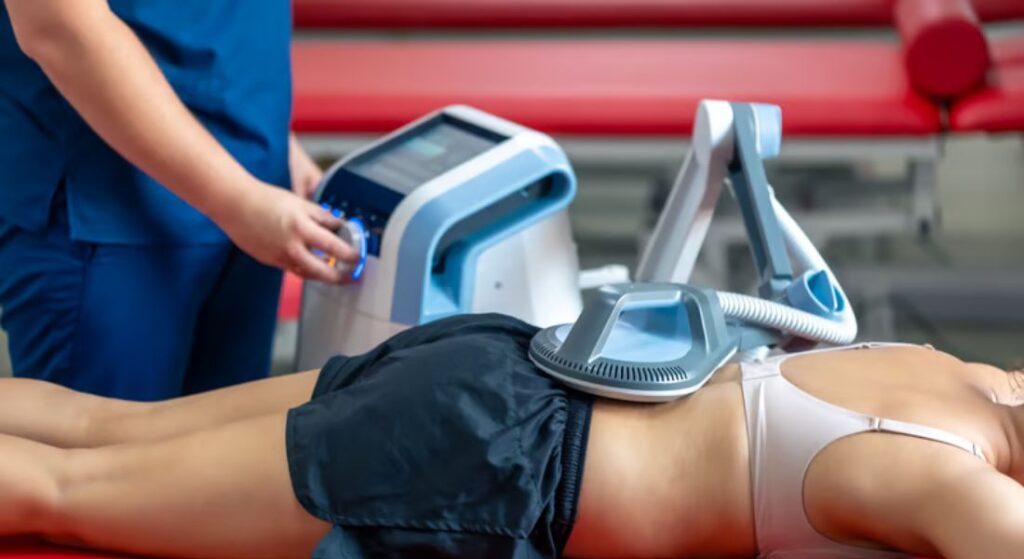
Emsculpt works best when it complements an active lifestyle. Exercise reinforces the neuromuscular adaptations created during treatment. This makes strength gains feel more functional and integrated into daily movement.
When you remain active, muscle memory helps preserve results. The treated muscles are more likely to stay engaged and responsive. This supports durability beyond the treatment period.
It is important to understand that Emsculpt does not replace exercise. Instead, it enhances training effects and supports muscles that may be difficult to activate fully on their own. Used together, the results feel more complete.
Setting Realistic Expectations by Treatment Area
Different muscle groups respond to Emsculpt in different ways. Some areas show visible definition quite clearly, while others respond through improved firmness, tone, or strength without a dramatic size change. These differences are normal and reflect anatomy rather than treatment quality. Understanding this variation helps us approach results with clarity and confidence.
1. Muscle Size Influences Visible Change – Larger muscle groups, such as the abdomen or glutes, tend to show clearer visual definition. Smaller muscles may respond more subtly. This does not mean the treatment is less effective, only that expression differs by area.
2. Definition and Firmness Are Valid Outcomes – Not every result appears as increased bulk. In some areas, improved tone, tightness, or structural support is the main benefit. These changes are often felt as much as they are seen.
3. Strength Gains May Precede Visual Change – In certain muscle groups, functional improvement and strength develop before obvious visual differences. This is still a meaningful response. Muscle engagement and endurance are part of successful outcomes.
4. Expectation Mismatch Leads to Disappointment – When expectations focus only on dramatic size increase, results may feel underwhelming. Aligning goals with what each area can realistically achieve prevents frustration. Realistic framing protects satisfaction.
5. Treatment Area Matters as Much as Technology – The same technology can produce different outcomes depending on where it is used. Anatomy, muscle depth, and fibre orientation all shape results. This is why comparisons between areas are rarely appropriate.
Overall, setting realistic expectations by treatment area is essential for a positive experience. When goals are aligned with anatomy, results feel meaningful rather than lacking. Clear understanding allows us to value firmness, definition, and strength appropriately. This perspective supports confidence and long-term satisfaction with treatment.
FAQs:
1. Does Emsculpt produce the same results on every muscle group?
Emsculpt does not produce identical results across all muscle groups because muscles differ in size, depth, fibre composition, and function. Larger, strength-based muscles such as the abdomen and glutes tend to show more visible changes, while smaller or endurance-focused muscles often respond in subtler ways. These differences are anatomical rather than technological.
2. Why do abdominal muscles respond more visibly to Emsculpt than other areas?
The abdominal muscles are broad, flat, and positioned close to the skin surface, which allows electromagnetic energy to reach them efficiently. This leads to strong, consistent supramaximal contractions that the muscle can respond to quickly. Because the abdomen also plays a major role in posture and movement, improvements are often noticeable both visually and functionally.
3. Are glute results from Emsculpt more about firmness or size increase?
For most patients, glute results are more about firmness, tone, and shape rather than dramatic size increase. The gluteus maximus responds well to intense stimulation, but muscle hypertrophy develops gradually. Many people notice improved lift, strength, and contour before any change in volume becomes apparent.
4. Why are arm results usually more subtle than abdominal or glute results?
The biceps and triceps are much smaller muscle groups with less total muscle mass available to hypertrophy. While these muscles do respond to Emsculpt stimulation, the scale of visible change is naturally limited by anatomy. Patients often feel increased firmness and tone before noticing clear visual definition.
5. Can Emsculpt strengthen muscles even if I do not see dramatic visual change?
Yes, muscle strengthening often occurs beneath the surface before visible definition appears. Emsculpt stimulates muscle fibres at a deep level, improving strength, endurance, and activation even when external changes are subtle. Functional improvement is a valid and meaningful outcome, especially in areas where fat layers soften visual definition.
6. Why do thigh results vary so much between individuals?
Thigh results depend heavily on body composition, particularly the thickness of the fat layer over the muscle. Even when the quadriceps respond well to stimulation, overlying fat can reduce visible definition. This means strength and tone may improve without immediate surface changes, which is normal for this area.
7. Does muscle fibre type affect how well Emsculpt works?
Yes, muscle fibre composition plays an important role in responsiveness. Muscles with a higher proportion of fast-twitch fibres tend to show more visible hypertrophy under intense stimulation. Muscles designed for endurance may adapt through improved tone and efficiency rather than noticeable size increase.
8. Can one side of the body respond differently to Emsculpt than the other?
It is common for dominant and non-dominant sides to respond at slightly different rates because baseline strength and coordination vary. This temporary difference usually evens out as both sides receive consistent treatment. Over time, Emsculpt can actually help improve muscular balance between sides.
9. Does fitness level influence how muscles respond to Emsculpt?
Fitness level can affect how quickly muscles adapt, but it does not determine whether treatment works. Active individuals may notice changes sooner because their neuromuscular systems are already conditioned. Less active patients often experience functional improvements first, followed by gradual aesthetic changes with repeated sessions.
10. How do clinicians decide which muscle groups are best suited for Emsculpt?
At London Medical & Aesthetic Clinic, muscle selection is based on anatomy, muscle size, depth, body composition, and patient goals rather than marketing trends. By assessing how each muscle group functions and how it is likely to respond to supramaximal contractions, treatment plans are designed to deliver realistic and meaningful outcomes.
Final Thoughts: Why Muscle Anatomy Shapes Emsculpt Results
Emsculpt does not deliver identical outcomes across every area of the body, and that is not a limitation of the technology. It reflects how different muscle groups are built, how deeply they sit, and what they are designed to do. Larger, strength-based muscles such as the abdomen and glutes tend to show clearer visual changes, while smaller or endurance-focused muscles often respond through improved firmness, tone, and strength rather than dramatic definition. When expectations are aligned with anatomy, results feel far more meaningful and reassuring.
The most important factor is choosing the right treatment areas for your body and goals. When planned with an understanding of muscle physiology, an Emsculpt treatment can deliver results that feel both functional and aesthetic, rather than overpromised or inconsistent. If you’re considering an Emsculpt treatment in London, you can contact us at the London Medical & Aesthetic Clinic to discuss which muscle groups are most likely to respond well for you.
Reference:
1. Kinney, B.M. and Lozanova, P. (2018). High intensity focused electromagnetic therapy evaluated by magnetic resonance imaging: safety and efficacy study of a dual tissue effect based non-invasive abdominal body shaping. Lasers in Surgery and Medicine, 51(1), pp.40–46. https://pubmed.ncbi.nlm.nih.gov/30302767/
2. Kohan, J., Vyas, K., Erotocritou, M., Khajuria, A. and Tehrani, K. (2024). High-Intensity Focused Electromagnetic (HIFEM) energy with and without radiofrequency for noninvasive body contouring: a systematic review. Aesthetic Plastic Surgery, 48(6), pp.1156–1165. https://pubmed.ncbi.nlm.nih.gov/37957393/
3. Swanson, E. (2025) ‘A systematic review of electromagnetic treatments for body contouring’, Annals of Plastic Surgery. https://www.sciencedirect.com/science/article/abs/pii/S0738081X21001656
4. Long, C.‑Y., Lin, K.‑L., Yeh, J.‑L., Feng, C.‑W. and Loo, Z.‑X. (2024) ‘Effect of High‑Intensity Focused Electromagnetic Technology in the Treatment of Female Stress Urinary Incontinence’, Biomedicines 12(12):2883. https://www.mdpi.com/2227-9059/12/12/2883
5. Zhang, X. and Wang, Y. (2022) Advances in the research and application of high‑intensity focused electromagnetic technology for fat apoptosis and body shaping, Journal of Plastic Surgery and Aesthetic Medicine, 43(3), pp. 215–227. https://www.sciencedirect.com/science/article/pii/S2096691122000322