


If you’re not overweight but still struggle with stubborn fat pockets, you might wonder whether laser liposuction is even an option for you. Many people assume liposuction is only for significant weight loss, so feeling unsure in this situation is completely normal. In reality, laser liposuction is often designed specifically for people who are already close to their ideal weight.
Being a healthy weight does not automatically mean your body fat is evenly distributed. Genetics, hormones, and lifestyle factors can all influence where fat settles and how resistant it is to diet and exercise. This can leave you feeling frustrated despite doing “everything right”.
In this guide, I’ll explain how laser liposuction works for people with a normal BMI, who tends to be an ideal candidate, what the limitations are, and how to set realistic expectations. The aim is to help you decide whether treatment makes sense for your body and goals.
What “Not Overweight” Actually Means in This Context
When clinics talk about being “not overweight,” they are usually referring to having a BMI within the normal or near-normal range. This means your overall weight is healthy, even if certain areas hold onto fat more stubbornly.
BMI is a useful screening tool, but it doesn’t tell the full story. Two people with the same BMI can have very different body shapes and fat distribution. This is why appearance and contour concerns don’t always match the number on the scale. Laser liposuction focuses on shape, not weight. Being a normal BMI is often a positive factor rather than a limitation.
Why Stubborn Fat Exists Even at a Healthy Weight
Even people who follow a healthy diet and exercise regularly often notice fat that won’t shift. These “stubborn” fat deposits are common and can be frustrating, but they’re usually influenced by factors beyond simple calorie balance.
Key points include:
1. Location-specific resistance: Fat around the abdomen, hips, thighs, flanks, arms, and under the chin tends to be more resistant to energy use.
2. Hormonal influences: Hormones like insulin, cortisol, and sex hormones affect where your body stores fat and how easily it is mobilised.
3. Genetics and age: Your genes and natural aging process determine fat distribution, making some areas harder to target with diet and exercise alone.
4. Lifestyle factors: Stress, poor sleep, and other lifestyle habits can contribute to persistent fat pockets despite overall good health.
These resistant fat areas are why some spots don’t respond to lifestyle changes. Laser liposuction is specifically designed to address these targeted pockets, enhancing body contours and complementing healthy habits without acting as a replacement for diet or exercise.
What Laser Liposuction Is Designed to Do
Laser liposuction is a minimally invasive procedure that targets specific areas of stubborn fat. It uses laser energy to break down fat cells, which are then gently removed to refine body contours.
The main goal is contouring rather than weight loss. This procedure is intended to improve proportions and smooth targeted areas, not to create dramatic overall changes.
It is particularly suitable for people who are already near their ideal weight but want to address localized problem spots. These may include areas like the abdomen, thighs, flanks, or arms where fat tends to be more resistant.
Understanding the purpose of laser liposuction is key to realistic expectations. Patients who know it is a refinement tool rather than a weight-loss solution tend to be more satisfied with their results.
Are Normal BMI Patients Good Candidates?

Many people with a normal BMI are actually ideal candidates for laser liposuction. This is because their concerns are usually localised, allowing the procedure to refine contours rather than remove large volumes of fat. Targeted treatment in these cases often produces very natural-looking results.
You may be a good candidate if:
1. Your weight is stable and within a healthy range: Consistent weight helps ensure that results last and that fat reduction is proportionate.
2. You have specific fat pockets that don’t respond to exercise: Laser liposuction targets stubborn areas that are resistant to diet and physical activity.
3. Your skin has reasonable elasticity: Good skin tone allows the treated area to conform smoothly after fat removal.
4. You want subtle but visible contour improvement: The procedure is ideal for enhancing shape rather than making dramatic changes.
5. You understand that the procedure is not for weight loss: Laser liposuction is a body-contouring tool, not a solution for overall weight reduction.
When these factors are present, patients often enjoy a natural, proportionate, and aesthetically pleasing result.
Areas Commonly Treated in Slim Patients
In patients who are not overweight, laser liposuction usually targets small, well-defined areas. Even though these areas are limited in size, they can have a significant impact on body confidence.
Common treatment zones include the lower abdomen, love handles, inner and outer thighs, arms, back rolls, knees, and under the chin. These spots are often genetically predisposed to retain fat despite a healthy lifestyle.
Focusing on smaller areas allows the surgeon to sculpt precise contours. This targeted approach avoids overcorrection and ensures a natural-looking result.
Understanding which areas are most responsive helps patients set realistic goals. Laser liposuction is about refinement and proportion rather than large-scale fat removal.
Skin Elasticity and Why It Matters More Than Weight
Skin quality is a key factor in achieving good results, often more so than the amount of fat removed. Areas with firm, elastic skin tend to contract smoothly after laser liposuction.
Younger patients or those who have maintained a stable weight generally have better skin elasticity. However, even age alone does not fully determine how well the skin will respond.
Laser liposuction can stimulate some degree of skin tightening. This effect helps improve contours, especially in slim patients seeking refinement rather than major volume reduction.
Understanding the role of skin elasticity helps set realistic expectations. Smooth, natural-looking results depend as much on skin quality as on fat removal.
Limitations You Should Be Aware Of
Laser liposuction is intended for targeted body contouring, not overall weight loss. If you’re hoping for dramatic reshaping or significant reduction in body size, it may not meet your goals. The procedure also cannot correct loose skin caused by major weight fluctuations or underlying muscle laxity. In these situations, other treatments may be more suitable.
Being realistic about what laser liposuction can achieve is crucial for satisfaction. Understanding its scope helps you set achievable expectations. Clear communication with your clinic about goals and limitations ensures you make informed decisions. This approach reduces the risk of disappointment and maximises satisfaction with results.
How Results Look in Non-Overweight Patients
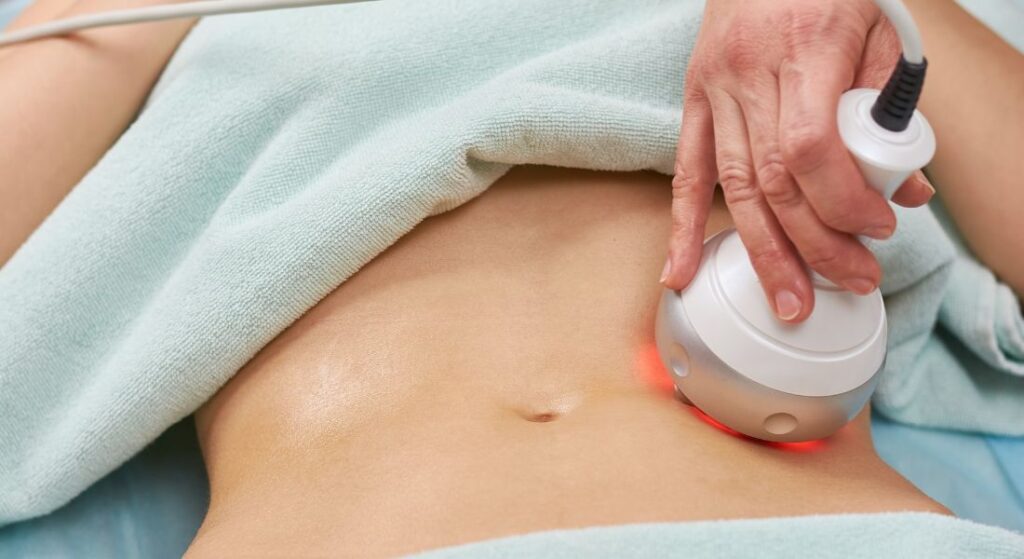
In patients with a normal BMI, results are typically subtle but clearly noticeable. The improvements often appear natural, balanced, and proportionate rather than exaggerated. Because there is less fat to remove, precision during the procedure is especially important. Surgeon experience and careful planning play a key role in achieving smooth, refined contours.
Even modest changes can have a meaningful impact on self-confidence. Patients often feel more comfortable in clothing and enjoy a more harmonious body shape. Ultimately, realistic expectations help ensure satisfaction. Understanding that results are about refinement rather than dramatic transformation is essential for a positive experience.
Will Fat Come Back If You’re Not Overweight?
Fat cells that are removed during laser liposuction do not grow back. Once treated, those areas maintain their reduction permanently. However, remaining fat cells can still expand if overall weight increases. This means future weight gain may affect untreated areas.
For people who maintain a stable weight, results are typically long-lasting. Healthy lifestyle habits help preserve the body contours achieved. Laser liposuction is most effective when combined with consistent diet and exercise. It is a refinement tool, not a replacement for overall weight management.
How Clinics Assess Eligibility
A reputable clinic evaluates more than just body weight. They look at fat distribution, skin quality, medical history, and personal goals. Consultations usually include a physical examination and a thorough discussion about what you hope to achieve. This helps both patient and surgeon align expectations.
Realistic outcomes are a key focus during these discussions. Patients are guided on what laser liposuction can and cannot accomplish. Clinics will advise against treatment if it is unlikely to provide noticeable benefit. Safety and satisfaction are always prioritised over simply performing a procedure.
Psychological and Confidence Considerations
Feeling unhappy with a specific area of fat can impact confidence and self-image, even if overall health is good. These feelings are common and valid, and acknowledging them is important for making informed decisions. Cosmetic treatments like laser liposuction can address these concerns, but they work best when approached thoughtfully.
Laser liposuction should be a choice rooted in self-care rather than self-criticism or pressure from others. When motivation is personal and realistic, patients tend to feel more satisfied with both the process and the results. Understanding what the procedure can achieve helps maintain a healthy perspective.
Having clear expectations is essential for emotional well-being during treatment. Patients who are informed about limitations, recovery, and likely outcomes are less likely to feel disappointed or anxious. Support from the clinic and open communication also play a crucial role in creating a positive experience.
Feeling informed and supported not only improves confidence but also enhances satisfaction with physical results. When patients are emotionally prepared, the benefits of laser liposuction extend beyond appearance. A balanced approach ensures that the procedure contributes to overall well-being rather than creating additional stress.
Is Laser Liposuction Better Than Non-Surgical Options?
Non-surgical fat-reduction treatments such as cryolipolysis or radiofrequency can be effective for very small areas of stubborn fat. However, they usually require multiple sessions and tend to produce subtle, gradual results.
Laser liposuction, on the other hand, offers more immediate and predictable contouring, making it a popular choice for patients seeking noticeable improvement in shape and definition.
Key considerations include:
1. Immediate vs gradual results: Laser liposuction delivers visible contour changes after a single session, whereas non-surgical treatments often take weeks or months to show effect.
2. Precision of treatment: For targeted areas, laser liposuction allows surgeons to sculpt and refine specific fat deposits more accurately.
3. Downtime and recovery: Non-surgical options usually have minimal downtime, while laser liposuction involves a short recovery period and post-procedure care.
4. Patient goals and expectations: Slim patients wanting a clear change in shape may benefit more from laser liposuction, while non-surgical options may suit those seeking subtle improvement without downtime.
A thorough consultation with a qualified clinic helps determine which approach aligns best with your body goals, lifestyle, and tolerance for recovery.
When Laser Liposuction May Not Be the Right Choice
If your concerns relate more to overall body image, weight changes, or muscle tone, laser liposuction may not address the underlying issue. In these situations, lifestyle support, fitness-focused approaches, or alternative treatments are often more appropriate and effective. Laser liposuction is a contouring tool, not a solution for broader body concerns.
Very small, subtle, or widely distributed fat deposits may also not justify an invasive procedure. In some cases, the visual change would be minimal, making non-surgical options or reassurance a better choice. A good outcome depends on selecting the right problem for the right treatment.
Honest guidance is a hallmark of a responsible clinic. Ethical practitioners will advise against treatment if it is unlikely to deliver meaningful or satisfying results. This protects both your wellbeing and your expectations.
Making an Informed Decision
Choosing laser liposuction is not about fitting a specific profile or meeting an external standard. It’s about whether the treatment genuinely aligns with your body, your goals, and your expectations. A personalised approach leads to better outcomes and greater satisfaction.
Taking the time to understand what the procedure can and cannot achieve allows you to make a confident, informed choice. There is no obligation to proceed if the treatment does not feel right for you. Feeling comfortable with the decision is just as important as the procedure itself.
A good consultation should leave you feeling informed, supported, and reassured rather than rushed or pressured. Clear explanations and honest discussion are signs that the clinic is focused on your wellbeing.
FAQs:
1. Can someone with a normal BMI safely have laser liposuction?
Yes, people who are not overweight can safely undergo laser liposuction. The procedure is designed for body contouring rather than weight loss, so as long as patients have stable health, good skin elasticity, and targeted areas of stubborn fat, they can achieve safe and predictable results. Clinics will assess overall health and specific treatment areas before proceeding.
2. Who is considered an ideal candidate among normal BMI patients?
Ideal candidates are those with localized fat deposits that are resistant to diet and exercise. They typically have stable weight, reasonably elastic skin, and realistic expectations about the subtle improvements laser liposuction can provide. The procedure is meant to enhance natural body contours rather than create dramatic changes.
3. Will laser liposuction make me lose a significant amount of weight?
No, laser liposuction is not a weight-loss treatment. Its purpose is to refine and reshape specific areas of the body. Any weight reduction from fat removal is usually minimal, and the primary goal is achieving a smoother, more proportionate appearance in stubborn fat pockets.
4. How long do results last for someone who is not overweight?
Results can be long-lasting, particularly when weight is stable. Fat cells that are removed do not return, but remaining fat cells can enlarge if a patient gains weight in the future. Maintaining a healthy lifestyle helps ensure that contours remain balanced and natural over time.
5. Does skin quality affect the outcome in slim patients?
Yes, skin elasticity plays a major role in how well treated areas settle after fat removal. Patients with good skin tone typically see smoother and more even results. The laser also promotes some skin tightening, which can help refine the treated area, especially for those with minimal fat to remove.
6. Can laser liposuction replace non-surgical fat-reduction treatments?
Laser liposuction can provide more immediate and precise results compared to non-surgical options, which often require multiple sessions and give subtler changes. For slim patients with clearly defined areas of stubborn fat, laser liposuction is often more effective and predictable in achieving contour improvement.
7. Will the procedure prevent fat from returning in the treated areas?
Fat cells that are removed are permanently gone, so treated areas will not accumulate new fat. However, lifestyle factors such as diet and exercise still matter. Remaining fat cells in untreated areas can grow over time if weight increases, so ongoing healthy habits are important for maintaining results.
8. Are there limitations to what laser liposuction can achieve for normal BMI patients?
Yes, the procedure is intended for refinement, not major transformation. It cannot address overall body size, loose skin from previous weight fluctuations, or muscle laxity. Understanding these limits helps patients set realistic expectations and ensures satisfaction with subtle, natural contour improvements.
9. How do clinics determine if someone with a normal BMI is suitable?
Clinics evaluate fat distribution, skin quality, medical history, and personal goals. They may conduct a physical examination and discuss expectations to ensure the procedure is appropriate. Responsible clinics advise against treatment if the potential benefits are minimal or unlikely to meet the patient’s objectives.
10. Can laser liposuction improve confidence even in patients who are not overweight?
Yes, many patients experience enhanced confidence after laser liposuction, particularly in areas that have caused frustration despite a healthy weight. When expectations are realistic and the procedure is approached as a form of self-care rather than a solution to body dissatisfaction, patients often feel more comfortable in clothing and experience a positive impact on self-image.
Final Thoughts: Considering Laser Liposuction for Normal BMI Patients
Laser liposuction can be an effective option for individuals who are not overweight but struggle with localized fat deposits that resist diet and exercise. The key to satisfaction lies in understanding that the procedure is designed for contouring and refinement rather than weight loss. By choosing a clinic that carefully assesses fat distribution, skin quality, and personal goals, patients can achieve natural, proportionate results with predictable recovery.
If you are thinking about laser liposuction in London, you can reach out to us at the London Medical & Aesthetic Clinic for personalised advice, suitability assessment, and guidance tailored to your body and goals. Prioritising a thorough consultation ensures both safety and results you can feel confident about.
References:
1. Alvarez, P. et al., 2019. Laser‑Assisted Liposuction (LAL) Versus Traditional Liposuction: Systematic Review. Aesthetic Plastic Surgery, 43(4), pp. https://pubmed.ncbi.nlm.nih.gov/29362943/
2. Goldman, M.P. and Sue, T., 2013. Facial and Body Contouring with 1444 nm Nd:YAG Laser‑Assisted Lipolysis: Clinical Evidence. https://pubmed.ncbi.nlm.nih.gov/37522493/
3. American Society of Plastic Surgeons, 2020. Liposuction. StatPearls, NCBI Bookshelf – A clinical overview outlining liposuction indications, including that ideal candidates are often within 30 % of their normal body mass index and have localized fat concerns, supporting eligibility criteria discussion. https://www.ncbi.nlm.nih.gov/books/NBK563135/
4. Bhatta, R. et al., 2023. Modern and Non‑Invasive Methods of Fat Removal. https://www.mdpi.com/1648-9144/59/8/1378
5. Laser‑Assisted Liposuction. Clinics in Plastic Surgery. This article describes laser‑assisted liposuction techniques, mechanisms of laser‑tissue interaction, indications for body contouring, and how laser energy aids fat removal and skin tightening. https://www.sciencedirect.com/science/article/abs/pii/S0094129808001363