


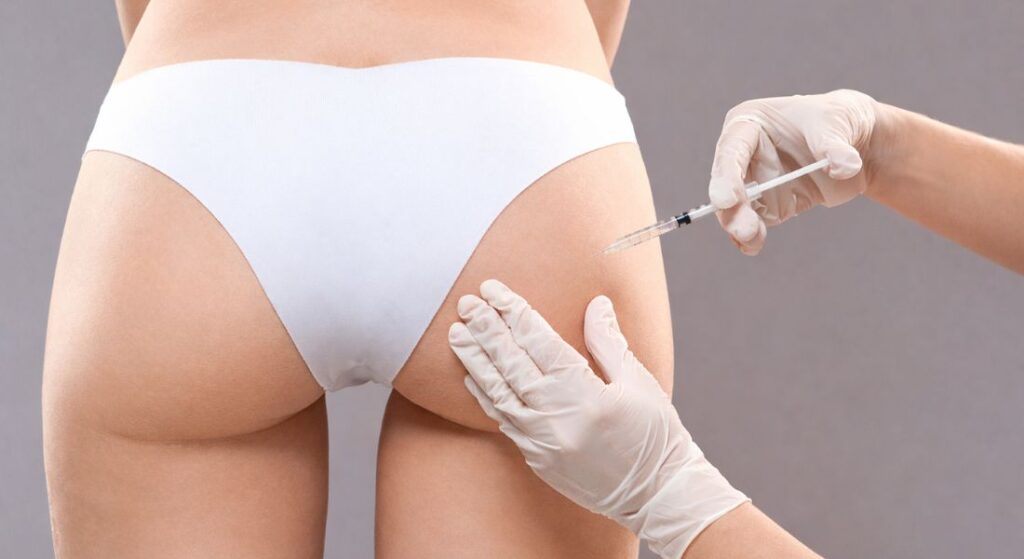
Over the past few years, you may have seen headlines suggesting that bum fillers are being banned in the UK. Social media discussions, news reports, and regulatory warnings have created confusion for many patients considering treatment. If you are exploring non-surgical buttock enhancement, it is important to understand what is actually happening.
The truth is more nuanced than a simple ban. Regulatory scrutiny has increased significantly due to safety concerns and serious complications associated with certain types of filler procedures. This has led to stricter oversight, enforcement action, and clearer professional guidelines.
In this article, we explain the current UK position on bum fillers, why regulators are concerned, and what safer alternatives are now preferred. We also discuss the risks associated with traditional dermal filler butt lifts. Most importantly, we help you make an informed and safe decision.
What Are Bum Fillers?
Bum fillers are injectable treatments designed to increase your buttock volume without the need for surgery. Traditionally, these procedures involve injecting large amounts of dermal filler into the gluteal area. The aim is to create more shape, lift, and projection, giving your contours a fuller appearance.
Unlike surgical Brazilian Butt Lift (BBL) procedures, bum fillers don’t require general anaesthetic or fat transfer. They’re often marketed as minimally invasive alternatives, which can sound appealing. However, the fact that it’s an injection doesn’t mean the procedure is risk-free. You still need to be aware of potential complications.
The volume of product used in bum fillers is much greater than what’s typically used in facial treatments. This means the safety considerations are quite different from more familiar filler procedures. For you, understanding this difference is essential before deciding to proceed.
Large-volume injections introduce unique medical considerations. Placement, technique, and filler type all influence outcomes and risk. Careful planning and a skilled practitioner are critical to minimise complications and achieve the results you want safely.
Why Are Safety Concerns Increasing?
The buttock area contains major blood vessels, so incorrect injection technique can have serious consequences. If filler enters a blood vessel, it can block circulation, which in rare cases can be life-threatening. For you, this means that precision and medical expertise are absolutely critical when considering bum fillers. Safety should always be the top priority.
High-profile complications over recent years have drawn attention to the risks involved. Many incidents occurred when unqualified practitioners performed injections or treatments were done in non-medical settings. These cases have understandably raised concern among regulators and the public. Being aware of these risks helps you make informed decisions about your treatment.
The risk also increases when very large volumes of filler are used. Unlike facial treatments, buttock augmentation requires substantial quantities of product, which elevates the potential for complications. For you, this highlights the importance of using experienced, medically trained professionals who understand the unique challenges of large-volume injections.
Is There an Official Ban in the UK?
At present, there isn’t an outright national ban on all bum fillers in the UK. That said, enforcement around safety has become much stricter. Regulators are actively taking action against unsafe practices, which means that for you, choosing a reputable clinic is more important than ever. Staying informed about the current guidelines helps you make safer choices.
The Medicines and Healthcare products Regulatory Agency (MHRA) has stepped up scrutiny, and professional bodies have issued strong warnings about using large volumes of filler inappropriately. Many responsible clinics now avoid high-risk techniques and have stopped offering traditional large-volume hyaluronic acid buttock injections. The treatment landscape has changed significantly, prioritising safety and reducing the risk for you.
The Role of Unregulated Clinics
If you’re thinking about cosmetic or dermatologic procedures, it’s important to be aware of the risks associated with unregulated clinics. Many complications have arisen in settings where treatments were performed by people without proper medical training, and that can dramatically increase the chance of adverse outcomes.
1. Lack of medical expertise: Procedures done by unqualified personnel carry higher risk of mistakes. Even simple interventions can go wrong if the provider doesn’t understand anatomy, dosing, or potential complications.
2. Insufficient emergency and safety measures: Unregulated clinics often lack access to emergency support, proper sterilisation, or verified product sourcing. Any of these gaps can compound complications, from infections to serious procedural errors.
3. Regulatory action and patient responsibility: Authorities are increasingly targeting unsafe providers, but it’s up to you to be vigilant. Always check practitioner credentials, clinic licencing, and adherence to safety standards before proceeding.
4. Choosing regulated medical clinics reduces risk: Clinics run by trained professionals follow protocols, maintain sterility, and have the equipment and support to handle unexpected issues. For you, selecting a reputable medical setting is one of the most important steps in safeguarding your health.
In short, while procedures may be widely advertised, your safety depends on who performs them and where. Opting for a properly regulated medical clinic is the best way to protect yourself and ensure results are both safe and effective.
Complication Risks of Traditional Dermal Fillers
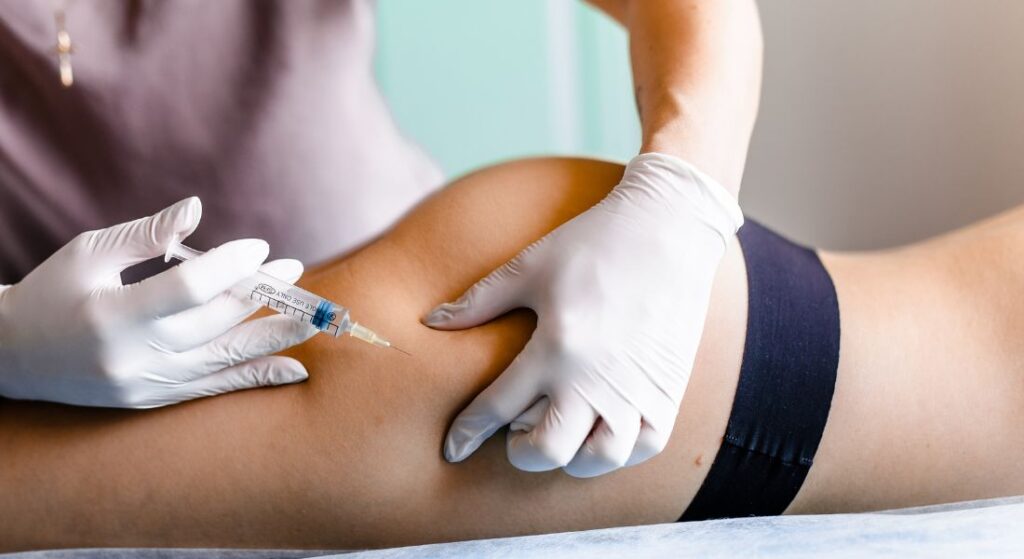
Traditional dermal fillers weren’t designed for large-volume body contouring. Injecting substantial amounts into your buttocks puts extra pressure on tissue planes, which increases the risk of complications. For you, this means that what works safely in small facial areas doesn’t automatically translate to larger areas like the glutes. Careful technique and volume management are essential.
Potential complications can include infection, migration of the filler, formation of lumps or nodules, and even vascular occlusion. In rare but serious cases, tissue necrosis or embolism can occur, which are medical emergencies. Being aware of these risks helps you understand why safety precautions are so critical before treatment.
The larger the volume injected, the greater the potential for problems. Safety data from facial fillers can’t simply be applied to buttock treatments because the anatomy is very different. For you, this emphasises the importance of specialised knowledge and medically trained practitioners when considering bum fillers.
Why Volume Matters in Buttock Enhancement
A standard facial filler treatment usually involves one to three syringes, but buttock enhancement can require tens of syringes. This huge difference fundamentally changes how the procedure works and the risks involved. For you, it means that what feels safe for your face may be far riskier when applied to the buttocks.
Injecting large volumes increases tension within the tissue, which can affect circulation and raise the chance of uneven filler distribution. Your body has to accommodate a lot more material, so careful technique is essential to avoid complications. Understanding this helps you appreciate why volume control is so important for safe results.
Because of these concerns, many responsible clinics have reconsidered the use of traditional large-volume fillers in the glutes. The risk-versus-benefit balance must always be weighed carefully. For you, this means safety should come before aesthetics, ensuring your treatment is both effective and as low-risk as possible.
Regulatory Scrutiny in Recent Years
Regulatory bodies have been responding to reports of complications from bum filler treatments. Investigations have highlighted cases where dermal fillers were misused in high-risk areas, raising serious safety concerns. For you, this means that awareness of potential risks is higher than ever before, and choosing the right clinic is crucial.
Media coverage has also played a role in amplifying public understanding of these risks. Increased visibility has made patients more cautious and informed when considering treatments. Clinics are now held to greater professional accountability, ensuring that procedures are performed safely and responsibly.
This shift reflects a broader trend in aesthetic regulation, where patient safety is becoming a central focus. Authorities are prioritising rules and guidance that protect you from high-risk practices. As a result, oversight of dermal filler use, particularly for large-volume treatments, has intensified.
Regulatory practices continue to evolve in response to new data and emerging risks. For you, staying informed and seeking qualified, reputable practitioners is more important than ever. The aim is to ensure that treatments are both effective and safe, keeping your wellbeing at the heart of aesthetic care.
Why Collagen Stimulators Are Different
Collagen stimulators like Lanluma and Sculptra work quite differently from traditional fillers. Instead of creating immediate volume, they encourage your body to produce its own collagen gradually over time. This means you see a natural increase in shape and lift without having a large amount of product injected all at once. For you, this can feel more subtle and controlled, reducing the stress on your tissues.
Because of this gradual mechanism, collagen stimulators are often considered safer alternatives for body contouring. The progressive tissue response aligns more closely with your body’s natural processes. Controlled stimulation rather than sudden bulk injection helps lower the risk of complications and makes the results feel more natural over time.
Lanluma and Sculptra in Buttock Enhancement

Lanluma and Sculptra both contain poly-L-lactic acid, which works by stimulating your body to produce new collagen. Unlike traditional fillers, the results develop gradually over several weeks rather than appearing instantly. For you, this means the enhancement feels more natural as your tissue slowly adapts to the increased volume.
The gradual process allows your tissues to adjust safely, reducing the risk of sudden pressure or vascular complications. Volume builds progressively, giving a smoother and more balanced contour. This controlled approach is particularly important in larger areas like the buttocks, where abrupt changes could pose higher risks.
Treatment sessions are spaced out over time to allow careful monitoring of your response. A staged approach ensures safety and gives your clinician the chance to make adjustments if needed. For you, this method provides reassurance and helps achieve optimal results without compromising wellbeing.
Why Gradual Results Improve Safety
If you’re considering aesthetic treatments, it’s tempting to want instant results. But rushing volume or correction can actually increase risk. Gradual improvement, particularly with treatments that stimulate collagen, spreads tension more evenly across your skin and underlying structures. This helps protect the tissues around the treated area.
1. Collagen builds your own support: When results develop slowly, your body produces its own supportive tissue. That natural scaffolding strengthens the area, improves structural integrity, and reduces the chance of product migration or unevenness.
2. Even distribution of tension: Rapid volume increase can overload the surrounding tissues, making complications more likely. Gradual stimulation allows your skin to adapt progressively, lowering stress and enhancing safety.
3. Refined, natural outcomes: Patience often leads to more elegant results. Slow, incremental changes let your clinician assess progress between sessions, making adjustments as needed.
4. Realistic timelines matter: Understanding that optimal results take time helps set expectations. Gradual improvement isn’t a drawback it’s a safety strategy that ultimately produces more natural, lasting outcomes.
For you, the takeaway is simple: slow and steady isn’t just safer, it often looks better too. Gradual results let your body adapt, maximise natural support, and minimise complications.
Are Collagen Stimulators Completely Risk-Free?
No aesthetic treatment is completely without risk, and collagen stimulators are no exception. You may experience temporary swelling, bruising, or the formation of small nodules after treatment. The good news is that serious vascular complications are far less common compared with traditional large-volume fillers.
Proper injection technique is still critical for your safety. Experienced practitioners understand the anatomy of the buttocks and know how to place product in the correct tissue layers. This expertise greatly reduces the likelihood of complications and ensures a smoother outcome for you.
Screening and consultation before treatment are essential. Your clinician will assess any individual risk factors and discuss what to expect during recovery. For you, safety ultimately depends on choosing a skilled practitioner who can tailor the procedure to your unique anatomy and needs.
Why Some Clinics Have Stopped Offering Traditional Fillers
Many reputable clinics have chosen to stop offering high-volume hyaluronic acid butt fillers. This decision reflects a cautious, professional approach to patient safety. For you, it means that clinics are prioritising risk management over aggressive aesthetic results. Safety has become central to how these treatments are offered.
The stricter regulatory environment has encouraged more conservative practices. Clinics now place patient welfare above all else, carefully weighing benefits against potential complications. By avoiding unnecessary risks, you can feel more confident that any treatment you undergo is being performed responsibly.
This doesn’t mean that all injectable buttock enhancements are banned. Rather, treatment strategies have evolved to favour safer alternatives. For you, this means options like collagen stimulators or staged, lower-volume approaches are increasingly recommended, combining results with a stronger focus on safety.
Understanding the Difference Between Surgical BBL and Injectable BBL
A surgical Brazilian Butt Lift (BBL) involves transferring your own fat from one area of the body to the buttocks. Injectable procedures, on the other hand, use synthetic fillers or collagen stimulators to add volume. These are fundamentally different techniques, so it’s important for you to understand what each involves before deciding.
Each approach carries its own set of risks. Surgical BBL requires anaesthetic and carries a small but serious risk of fat embolism, which can be life-threatening. Injectable BBL procedures have filler-specific risks, such as swelling, nodules, or vascular complications. Knowing these differences helps you weigh the potential outcomes against the risks.
The techniques also differ in recovery and monitoring requirements. Surgical BBL often involves longer downtime and post-operative care, while injectable procedures usually have a shorter recovery period but require careful volume management. For you, understanding the practical implications of each option is key to setting realistic expectations.
By recognising these distinctions, you can make a more informed decision about which procedure suits your goals and safety preferences. Not all buttock enhancement procedures are equivalent, and what works for one person may not be right for you. Taking the time to compare options ensures that your choice aligns with both your aesthetic desires and your wellbeing.
The Importance of Qualified Medical Practitioners
Body contouring procedures should always be performed by trained medical professionals. The buttock area is anatomically complex, and experience makes a real difference in reducing risk. For you, this means that having a qualified practitioner is far more important than price or convenience when considering treatment. Proper technique and knowledge of anatomy are essential for safe and effective results.
A medical setting also ensures that emergency equipment and protocols are in place if something unexpected occurs. Products are properly sourced, and hygiene standards are strictly maintained. By choosing an experienced, credentialled clinician, you protect yourself and your outcome. For you, safety should always come before social media trends or marketing claims.
What Patients Should Ask Before Treatment

Before any treatment, you should ask exactly what product will be used. Knowing whether it’s hyaluronic acid or a collagen stimulator makes a big difference in both results and safety. Transparency about the materials helps you make an informed decision and understand what to expect during and after the procedure.
It’s also important to ask about how complications are managed. A reputable clinic will clearly explain their emergency protocols and what steps are taken if something goes wrong. For you, this shows that the team is prepared and prioritises your safety above all else.
You should inquire about the practitioner’s experience with body treatments specifically. Specialist expertise is crucial when dealing with large-volume injections or complex anatomy like the buttocks. Never hesitate to ask questions or seek clarification your confidence and safety depend on it.
Realistic Expectations in 2026
The era of dramatic, instant injectable transformations is gradually fading. Today, safety-conscious approaches prioritise gradual improvement rather than rapid, high-risk results. For you, this means that slower, more measured treatments often lead to better outcomes and greater satisfaction in the long run. Realistic planning sets expectations and reduces disappointment.
Collagen-stimulating treatments require patience. Volume and contour develop over several weeks or months, so it’s important for you to understand that immediate results are limited. While it may take time, the gradual change often looks more natural and harmonious with your body.
Being informed about what to expect helps you value safety over speed. Quick fixes may seem appealing, but they often carry higher risks. For you, understanding the process empowers you to make better decisions about your treatment options.
Responsible clinics now focus on progressive enhancement strategies. By emphasising gradual improvement, they reduce complications and optimise results. Following a careful, evidence-based approach ensures that your body contouring journey is both safe and rewarding.
Media Headlines vs Clinical Reality
Media headlines often simplify complex regulatory changes, and words like “ban” can grab attention. For you, this can create the impression that all bum filler procedures are prohibited, even when the situation is more nuanced. Understanding the real story helps you separate sensationalism from facts.
In reality, the UK has moved toward stricter oversight rather than a blanket prohibition. Unsafe practices are actively targeted, while responsible, qualified providers continue to operate under regulation. For you, this means that safe treatment options are still available, but careful clinic selection is essential.
Knowing this distinction reduces confusion and helps you make informed choices. Evidence-based information replaces speculation, giving you a clearer picture of what’s genuinely safe. By staying informed, you can approach your treatment decisions with confidence and clarity.
The Future of Injectable Body Contouring
Injectable body contouring isn’t going anywhere, but it is evolving. Safer materials, refined techniques, and carefully staged protocols are becoming the norm. For you, this means treatments are gradually becoming more predictable and lower risk, without losing aesthetic benefit.
Collagen stimulators are leading a shift toward regenerative aesthetics. By encouraging your own tissue to respond naturally, results feel more harmonious and long-lasting. This approach aligns with your body’s biology and is likely to become increasingly popular in the years ahead.
Stricter regulatory oversight is driving responsible innovation. Patient safety now sits at the centre of procedural development. For you, this means that future treatments are designed to be safer, more effective, and better tailored to individual needs.
Should You Be Worried?
It’s natural to feel concerned, but there’s no need to panic. When injectable enhancement is carried out by experienced professionals using the right products, it can be safe. For you, the most important factor is careful clinic and practitioner selection to minimise risk.
You should avoid bargain treatments or non-medical providers, as shortcuts in safety can dramatically increase complications. A proper consultation ensures that your individual anatomy and needs are considered. Staying informed and aware helps you make confident, balanced decisions rather than reacting out of fear.
FAQs:
1. Are bum fillers banned in the UK?
Bum fillers are not completely banned in the UK, but regulatory oversight has tightened due to safety concerns. Clinics are being monitored closely, and unsafe practices are being actively targeted. Choosing a reputable medical clinic is crucial for safe treatment.
2. What are bum fillers?
Bum fillers are injectable treatments that add volume, lift, and shape to the buttocks without surgery. Unlike facial fillers, they require larger amounts of product, making practitioner skill, placement, and careful planning essential for safe results.
3. Why are safety concerns increasing?
Safety concerns have risen because the buttocks contain major blood vessels, and incorrect injections can block circulation or cause serious complications. Large volumes of filler increase risk, particularly when administered by unqualified practitioners.
4. Can unregulated clinics be dangerous?
Yes. Clinics without proper medical oversight often lack emergency support, sterilisation protocols, and verified products. This can lead to infections, procedural mistakes, and other complications, so choosing a regulated clinic is vital.
5. What are the risks of traditional bum fillers?
Traditional fillers weren’t designed for large-volume body contouring. Risks include lumps, nodules, infection, filler migration, and rare but serious events like tissue necrosis or vascular blockage, especially in the gluteal area.
6. Why does injection volume matter?
Buttock enhancements can use tens of syringes, far more than facial treatments. Larger volumes increase tissue tension and risk of uneven filler distribution, making careful technique and gradual injections essential for safety.
7. What are collagen stimulators, and how are they different?
Collagen stimulators like Lanluma and Sculptra encourage your body to produce its own collagen gradually. This controlled, progressive approach reduces stress on tissues and lowers the risk of serious complications compared with traditional fillers.
8. Are collagen stimulators completely risk-free?
No treatment is risk-free. Temporary swelling, bruising, or small nodules may occur, but serious complications are far less common. Using a skilled, qualified practitioner greatly reduces risks and ensures safer, smoother results.
9. Why have some clinics stopped using traditional fillers?
Many clinics have moved away from high-volume hyaluronic acid injections to prioritise patient safety. Safer alternatives like collagen stimulators or staged, lower-volume treatments are now preferred to minimise risk while still achieving results.
10. How do injectable BBLs differ from surgical BBLs?
Surgical BBL transfers fat and carries anaesthetic risks and a small chance of fat embolism, while injectable procedures use fillers or collagen stimulators for gradual enhancement. Recovery and complications vary, so understanding the differences helps you set realistic expectations.
Final Thoughts: Bum Filler Safety in the UK
Bum filler treatments can offer enhanced shape, lift, and contour but safety depends on careful planning, gradual techniques, and choosing a qualified medical practitioner. Understanding the risks associated with large-volume injections and why collagen stimulators provide a safer, progressive alternative allows clinicians to deliver natural-looking results while minimising complications.
If you’re looking for liquid BBL in London, you can get in touch with us at the London Medical & Aesthetic Clinic to discuss personalised treatment plans, staged approaches, and professional guidance that prioritises safety and effective outcomes. Expert-led care ensures enhancements develop naturally while protecting your wellbeing.
References:
1. Durairaj, K.K., 2020. Poly-L-lactic acid for gluteal augmentation found to be safe and effective. Aesthetic Surgery Journal, 40(10), pp. NP514–NP515. Available at: https://pubmed.ncbi.nlm.nih.gov/32976171/
2. Ouyang, R., 2025. Advances in poly-l-lactic acid injections for facial and body aesthetics. Journal of Cosmetic Dermatology, 24(1), pp. 1–10. Available at: https://pmc.ncbi.nlm.nih.gov/articles/PMC12323926/
3. Durairaj, K.K. (2020). Poly-L-lactic acid for gluteal augmentation: Efficacy and safety. Plastic and Reconstructive Surgery, 146(3), pp.453e–454e. Available at: https://pubmed.ncbi.nlm.nih.gov/32976171/
4. de Paula Barbosa, A. (2025). Novel therapeutic approaches with poly-L-lactic acid for gluteal skin laxity. Journal of Dermatological Treatment, 36(1), pp.1–5. Available at: https://www.sciencedirect.com/science/article/pii/S2096691124000931
5. Sarubi, J., Guarnieri, C., Del Nero, M.P., Kamamoto, C., Honda, M., Saito, F. and Haddad, A., 2023. Targeted and individualized gluteal poly-L-lactic acid injection for optimal aesthetic results in the gluteal region. Journal of Clinical and Aesthetic Dermatology, 16(6), pp.30-36. Available at: https://pubmed.ncbi.nlm.nih.gov/37361362/