


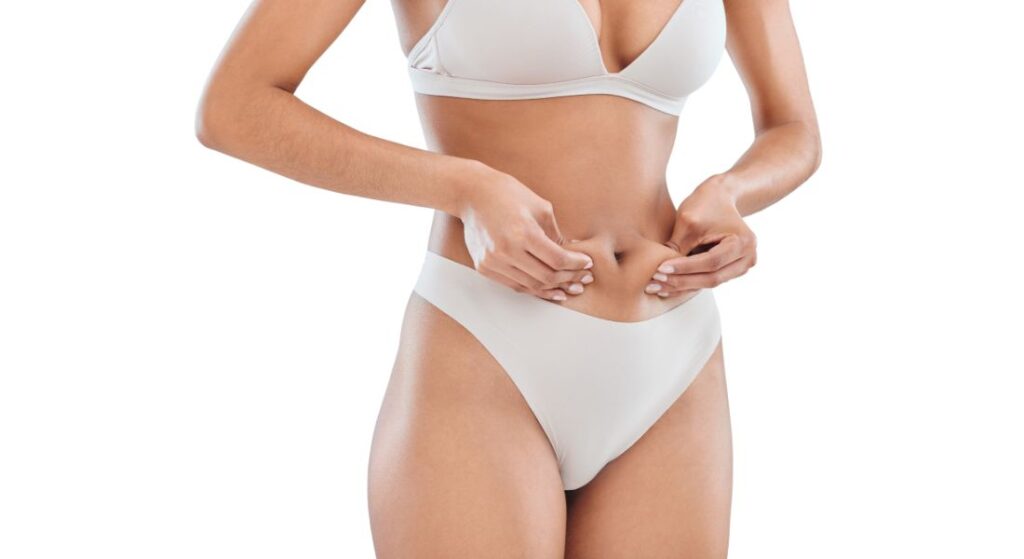
When you first consider laser liposuction, one of the questions that comes up most often is: “How much fat can I safely have removed?” It’s completely understandable. You are investing time, effort, and money into a cosmetic procedure, so it makes sense to want a clear idea of what results are achievable. Knowing the limits helps you approach the process with realistic expectations.
The answer is not a simple number, because safe fat removal depends on multiple factors. These include the specific area being treated, the quality and elasticity of your skin, your overall body composition, and your personal aesthetic goals. Each element affects both the safety of the procedure and the likelihood of achieving a smooth, natural result.
Your general health and medical history also play an important role. Conditions affecting circulation, healing, or metabolism can influence how much fat can be safely removed. The practitioner’s experience and technique further determine how effectively precision can be applied in each individual case.
In this article, you will explore all the factors that determine safe and effective fat removal with laser liposuction. The aim is to help you set realistic expectations, understand why precision is so critical, and feel confident in making an informed decision that aligns with your goals.
Understanding How Laser Liposuction Differs From Traditional Liposuction
Before discussing how much fat can be removed, it’s helpful to understand how laser liposuction differs from traditional liposuction. While both procedures aim to eliminate unwanted fat, they achieve this in very different ways. The method used directly influences precision, recovery, and the type of results you can expect.
Laser liposuction combines targeted laser energy with suction. The laser disrupts fat cells, liquefying them for easier removal while also providing the added benefit of mild skin tightening. By contrast, traditional liposuction relies solely on mechanical disruption and suction, which can be less controlled in smaller or delicate areas.
This distinction is important because it affects both how precisely fat can be removed and the safe volume that can be treated. Laser liposuction is particularly well-suited to targeted areas where refinement and contouring are the goal, rather than broad volume reduction. It allows subtle, controlled shaping while minimising trauma to surrounding tissue.
Factor 1: The Treatment Area
The location of fat deposits plays a major role in determining how much fat can be safely removed. Different areas of the body vary in fat texture, skin elasticity, and visibility, all of which influence both safety and aesthetic outcome. Understanding these differences helps ensure results that are natural and proportionate.
1. Abdomen and Flanks: These regions generally tolerate larger volumes of fat removal because the fat is softer and the skin has good elasticity. However, aggressive extraction can lead to irregularities or uneven contours, so careful planning is still essential.
2. Chin and Jawline: Delicate and highly visible, even small amounts of fat removal in this area create significant impact. Precision is critical to enhance definition without causing hollows or asymmetry.
3. Arms and Inner Thighs: These areas are prone to dimpling or sagging if too much fat is removed. Conservative extraction ensures smooth, natural results while maintaining skin integrity.
4. Back and Bra Line: Fat here tends to be denser and more fibrous, requiring controlled sculpting. Careful technique is necessary to avoid uneven patches or disruption of natural curves.
In conclusion, the treatment area dictates both the approach and the volume of fat removal. By respecting the anatomical characteristics of each zone, laser liposuction can deliver precise, safe, and aesthetically pleasing results.
Factor 2: Skin Quality and Elasticity
Your skin’s quality is a key factor in determining how much fat can be safely removed. Skin that is firm and elastic adapts well to volume reduction, allowing smooth, natural contours to emerge after treatment. In contrast, skin that is loose, thin, or shows visible signs of ageing may struggle to retract fully once fat is removed.
Laser liposuction does provide some stimulation of skin tightening through the thermal effect of the laser, but this is modest and cannot replace surgical skin tightening when it is needed. If the skin cannot retract naturally, removing too much fat can result in sagging or unevenness.
For this reason, assessing skin quality prior to treatment is essential. Understanding how your skin is likely to respond allows the practitioner to plan a safe volume for removal and achieve a refined, harmonious result.
Factor 3: Overall Body Composition

Your body’s composition plays a key role in determining both the safe volume of fat removal and the likely aesthetic outcome. Factors such as fat percentage, muscle tone, and general health influence how effectively laser liposuction can sculpt a specific area while maintaining smooth, natural contours.
1. Fat Distribution: Superficial fat is easier to remove precisely, allowing for targeted contouring without affecting surrounding tissue. Deeper fat deposits require more careful technique to avoid unevenness or overcorrection.
2. Muscle Tone: Well-toned muscles provide a firm underlying structure, helping the skin retract neatly after fat removal. Areas with poor tone may show slight laxity post-procedure, so results must be planned conservatively.
3. BMI and Overall Health: Higher BMI can permit larger volume removal, but it also introduces additional procedural risks. Conversely, leaner patients may only tolerate small amounts of fat removal per session, requiring meticulous precision to achieve meaningful improvement.
In conclusion, overall body composition sets the parameters for safe and effective laser liposuction. Understanding these factors allows clinicians to tailor treatment, ensuring results are both precise and harmonious with the patient’s natural anatomy.
Factor 4: Fat Cell Characteristics
Not all fat is the same. Fat cells vary in density, size, and fibrous content, and these differences influence how much can be safely removed in a single session. The nature of the fat affects both the ease of removal and the predictability of the final contour.
Areas with dense or fibrous fat, such as the upper back or male chest, often require more energy to break down. This can limit the volume that can be safely treated at once. Softer fat, by contrast, is easier to emulsify and remove, allowing for smoother, more uniform results.
Understanding the type of fat in the treatment area is essential. It helps set realistic expectations and guides safe, effective removal. The more accurately the practitioner can assess fat characteristics, the better the chance of achieving precise, harmonious contours.
Factor 5: Practitioner Skill and Experience
Even the most advanced laser device cannot replace the expertise of a skilled practitioner. The accuracy and safety of fat removal rely heavily on the clinician’s knowledge of anatomy, experience with laser techniques, and ability to visualise the final contour before, during, and after treatment.
In delicate or small areas, even minor errors can lead to unevenness or overcorrection. Precision depends not just on the technology, but on the practitioner’s judgment and technique.
This is why choosing a practitioner with extensive experience in laser liposuction is just as important as the device itself. Skilled hands ensure that the procedure is both safe and capable of delivering smooth, natural, and predictable results.
Factor 6: Patient Goals and Desired Outcomes

Your personal goals are a major factor in determining how much fat can be safely removed. Some people seek only subtle refinement, such as smoothing a small bulge, while others may want more noticeable contouring. The desired outcome guides both the technique and the volume that is appropriate for treatment.
It’s important to focus on proportion and balance rather than simply removing as much fat as possible. Over-removal in pursuit of greater volume can disrupt natural contours and create an unnatural appearance.
Precision and moderation often produce the most aesthetically pleasing results. Aligning the procedure with your goals ensures that changes enhance your overall shape without compromising harmony or safety.
Factor 7: Safety Limits and Session Planning
There are important safety limits to how much fat can be removed in a single session. Exceeding these limits increases the risk of complications, including excessive bruising or swelling, contour irregularities, skin laxity, and hematoma or seroma formation. Safety considerations are always a priority when planning treatment.
Many practitioners, including myself, take a conservative approach, particularly when working in high-precision areas. Removing too much fat at once can compromise both safety and the quality of the final contour.
For larger goals, staged treatments may be recommended. Spacing procedures allows for safe, gradual sculpting while giving the skin time to adapt between sessions. This approach maximises both safety and the predictability of aesthetically pleasing results.
Factor 8: Post-Procedure Skin Response
How your skin responds after fat removal is a crucial factor in determining how much can be safely removed. Laser liposuction does provide some mild skin tightening, but each person’s skin reacts differently. Elasticity, thickness, and age all influence how well the skin adapts to changes in underlying volume.
If too much fat is removed at once, the skin may struggle to contract fully, which can lead to sagging or unevenness. Planning for gradual reduction and leaving a small buffer of fat beneath the skin helps minimise this risk.
This approach allows the skin to adapt more smoothly over time, supporting a natural, harmonious contour. Prioritising skin response ensures that precision in fat removal is matched by smooth, visually pleasing results.
Factor 9: Hydration and Fat Removal Technique
The technique used during laser liposuction can significantly influence how much fat can be safely removed. Tumescent fluid is injected into the treatment area to provide local anaesthesia, minimise bleeding, and make fat easier to extract. While essential, improper management of this fluid or overly aggressive suction can distort tissues and compromise precision.
Successful treatment requires a careful balance of laser energy, suction, and fluid infiltration. Each element must be calibrated to the individual and the area being treated, especially in small or sensitive zones.
When this balance is achieved, the result is safer, more controlled fat removal. Precision and predictability are maximised, ensuring the contour appears smooth and natural while minimising risk.
Setting Realistic Expectations
It’s important to understand that laser liposuction is not a weight-loss procedure. Its purpose is body contouring and refinement, targeting specific areas rather than reducing overall body mass. The safe volume of fat removal depends on a combination of factors, including the area being treated, skin quality, fat characteristics, and your personal goals.
Many patients overestimate how much fat can be removed safely in a single session. Aggressive extraction may seem appealing, but it can increase the risk of unevenness, sagging, or other complications.
A conservative, staged approach often delivers better and longer-lasting results. Gradual, precise removal allows the skin and tissues to adapt naturally, creating a smoother, more harmonious contour while maintaining safety and predictability.
Common Misconceptions About Fat Removal
Fat removal procedures, including laser liposuction, are often misunderstood. Many patients enter treatment with assumptions that don’t align with how the body or the procedure actually works. Clarifying these points is essential for realistic expectations and satisfactory outcomes.
1. The More Fat Removed, the Better the Result: Removing excessive fat can create irregularities, dimpling, or loose skin. Optimal results depend on precision and balance, not volume alone.
2. Laser Liposuction Can Melt Fat Away Without Removal: Laser energy disrupts fat cells, but the fat must either be extracted during the procedure or naturally processed by the body. It isn’t magically eliminated without intervention.
3. Results Are Permanent Even With Weight Gain: While treated fat cells do not regenerate in the same location, remaining fat cells can expand if weight increases. Maintaining results relies on stable lifestyle habits.
In conclusion, understanding these misconceptions helps patients approach laser liposuction with a clear, realistic mindset. Knowledge of how the procedure truly works allows for safer planning and more satisfying results.
The Importance of Consultation

Before undergoing any laser liposuction treatment, a thorough consultation is essential. During this session, I assess several key factors, including fat distribution and density, skin quality and elasticity, overall health, and your personal goals and expectations. Each of these elements influences both safety and the potential outcome of the procedure.
A detailed consultation allows me to determine the safe and effective volume of fat that can be removed. It also helps ensure that the results are natural, balanced, and aligned with your body’s proportions.
This step is critical for setting realistic expectations and creating a personalised treatment plan. When the consultation is comprehensive, it lays the foundation for precise, predictable, and satisfying results.
Recovery and Long-Term Maintenance
Post-procedure recovery plays a key role in both the safety and the final appearance of your results. Laser liposuction typically causes less swelling and bruising than traditional methods, but your body still needs time to heal and for contours to settle. Patience during this period is essential to fully appreciate the refined shape.
Long-term maintenance depends on a stable lifestyle. Maintaining a balanced diet, staying active with regular exercise, and managing your weight all help preserve the results over time.
When precision fat removal is combined with healthy habits, the results are more likely to remain lasting and natural-looking. Consistency in lifestyle reinforces the improvements achieved through the procedure, ensuring your refined contours endure.
Staged Treatments: When Less Is More
In some cases, gradual, staged fat removal is the safest and most effective approach. Instead of attempting to remove a large volume in a single session, smaller amounts are treated over successive procedures. This allows the skin and underlying tissues to adapt naturally, reducing the risk of sagging, irregularities, or overcorrection.
Staged treatments are especially valuable for patients with less elastic skin or for those seeking subtle, precise refinement. By taking a measured approach, the practitioner can fine-tune the contour with each session.
This method prioritises safety and long-term aesthetics. Less aggressive removal often leads to smoother, more harmonious results while preserving the integrity of your natural proportions.
FAQs:
1. How much fat can safely be removed with laser liposuction?
The safe volume depends on multiple factors including treatment area, skin elasticity, fat type, overall body composition, and your personal goals. There isn’t a one-size-fits-all number, as precision and safety are prioritised over maximum removal.
2. Does the treatment area affect how much fat can be removed?
Yes. Areas like the abdomen and flanks can tolerate larger volumes, while delicate regions such as the chin, jawline, arms, or inner thighs require smaller, controlled removal to avoid irregularities.
3. How does skin quality influence fat removal?
Firm, elastic skin adapts well to volume reduction, producing smooth contours. Loose or thin skin may struggle to retract, meaning aggressive fat removal can cause sagging or unevenness.
4. Can body composition determine the amount of fat removed?
Absolutely. Fat distribution, muscle tone, and overall BMI influence both safety and aesthetic outcome. Leaner patients usually tolerate smaller amounts per session, whereas patients with higher BMI may allow slightly larger removal volumes.
5. Why is practitioner experience important?
Even advanced laser devices cannot replace expertise. Skill determines the accuracy, symmetry, and natural appearance of results, especially in delicate or small treatment areas.
6. Are there limits to how much fat can be removed in one session?
Yes. Exceeding safe limits increases the risk of bruising, contour irregularities, skin laxity, or complications like hematomas. Staged treatments are often recommended for larger or high-precision goals.
7. Does laser liposuction provide permanent results?
Fat cells removed in the treated area do not regenerate. However, remaining fat cells can expand with weight gain, so maintaining a stable lifestyle is essential for long-term results.
8. Can laser liposuction replace weight loss?
No. It is a contouring procedure targeting specific fat pockets, not a method for reducing overall body weight. Safe fat removal is focused on shape and refinement rather than mass reduction.
9. How does post-procedure skin response affect results?
Your skin’s reaction after treatment determines how smooth and harmonious the final contour appears. Laser liposuction offers mild skin tightening, but elasticity and age influence the final outcome.
10. What are staged treatments, and why are they sometimes necessary?
Staged treatments remove fat gradually over multiple sessions. This allows the skin and tissues to adapt, reduces the risk of sagging or irregularities, and ensures precise, natural-looking results.
Final Thoughts: Safe, Precise, and Realistic Fat Removal
Understanding how much fat can be safely removed with laser liposuction is crucial for achieving natural, harmonious results. Safe removal depends on a combination of factors, including the treatment area, skin quality, fat characteristics, overall body composition, and your personal goals. Prioritising precision, gradual shaping, and staged treatments when necessary ensures smooth contours, minimal risk, and outcomes that enhance your body’s natural proportions rather than creating dramatic or uneven changes.
Long-term success also relies on stable lifestyle habits, including regular exercise and a balanced diet, which help maintain the refined contours achieved through the procedure. By focusing on safety and realistic expectations, you can enjoy subtle yet meaningful improvements that align with your aesthetic vision.
If you’re considering a laser liposuction treatment in London, you can contact us at the London Medical & Aesthetic Clinic. Learn more about how this approach can refine and sculpt your body on our dedicated laser liposuction page.
References:
1. Goldman, A. et al. (2011) Laser‑Assisted Liposuction: Mechanisms, Outcomes, and Tissue Effects. Lasers in Surgery and Medicine, https://www.sciencedirect.com/science/article/abs/pii/S1556793111000052
2. Valizadeh, N., et al. (2015) Evaluation of safety and efficacy of 980‑nm diode laser‑assisted lipolysis versus traditional liposuction for submental rejuvenation: A randomized clinical trial. Journal of Cosmetic Laser Therapy https://pubmed.ncbi.nlm.nih.gov/25968162/
3. DiBernardo, B.E. & Reyes, J. (2009) Evaluation of Skin Tightening After Laser‑Assisted Liposuction. Aesthetic Surgery Journal, https://www.sciencedirect.com/science/article/abs/pii/S1051044313002054
4. Wong, Z.Y., et al. (2025) Impact of Laser Lipolysis With and Without Liposuction on Arm Circumference: A Systematic Review and Meta‑Analysis. Aesthetic Surgery Journal Open Forum (Oxford Academic). https://academic.oup.com/asjopenforum/article/doi/10.1093/asjof/ojaf097/8249084
5. Manzano‑Finol, A. & Cubillos‑Valencia, G. (2025) Laser‑Assisted Lipolysis: A Promising Alternative to Traditional Liposuction. Plastic and Reconstructive Surgery Global Open https://pmc.ncbi.nlm.nih.gov/articles/PMC12594724/