



If you’ve recently had a baby or lost a significant amount of weight, you might notice that your abdomen feels soft, weak, or less defined. Even when body fat decreases, the underlying core muscles can remain stretched or underactive, affecting both appearance and functional strength. This is a common concern that can make everyday activities like lifting, bending, or exercising more challenging.
Emsculpt offers a solution by targeting the abdominal muscles directly with high-intensity electromagnetic pulses, inducing supramaximal contractions that rebuild strength and improve tone. Unlike traditional exercise, Emsculpt works at a deeper muscular level, stimulating fibers that are often difficult to activate voluntarily. Over a series of sessions, patients often notice firmer, more lifted abdomens and enhanced core stability.
Beyond aesthetics, stronger abdominal muscles contribute to better posture, improved balance, and reduced risk of back discomfort. When combined with light core exercises, Emsculpt results can be further enhanced and maintained long-term. For many, it’s a highly effective way to restore both the appearance and functionality of the midsection after life events that challenge core strength.
This treatment is suitable for a wide range of patients, but it’s important to have a consultation to ensure it fits your goals and health profile. A qualified clinician can tailor the treatment plan, explain what to expect during and after sessions, and advise on complementary exercises to optimise results. With proper guidance, Emsculpt can help rebuild confidence in both strength and appearance.
Why Abdominal Muscles Become Weak
There are several reasons why your abdomen may feel soft or weak. Factors like pregnancy, hormonal changes, and weight loss can all affect muscle tone and strength. Understanding these causes helps explain why some traditional exercises may feel insufficient.
1. After pregnancy: During pregnancy, the rectus abdominis muscles stretch to accommodate the growing baby. In some cases, these muscles separate a condition called diastasis recti. Even after delivery, the muscles may remain stretched and underdeveloped, leaving the abdomen softer than before.
2. Hormonal effects: Increased levels of relaxin and other hormonal changes affect connective tissues, reducing support and elasticity in the abdominal wall. While natural recovery occurs over time, rebuilding core strength can be challenging without targeted intervention.
3. After significant weight loss: Losing a large amount of weight can leave abdominal muscles less toned. Skin may retract slowly, and underlying muscles may lose density or strength, resulting in a soft midsection even with low body fat.
4. Limitations of traditional exercise: Some deep abdominal muscle fibres are difficult to engage through conventional workouts. Treatments like Emsculpt can stimulate these muscles, complementing exercise and improving tone more effectively.
Weakness or softness in the abdomen often stems from pregnancy, hormonal changes, or weight loss. Traditional workouts may not fully target these muscles, making progress slow. Approaches that stimulate deep muscle fibres can help rebuild strength and improve definition.
How Emsculpt Builds Abdominal Strength
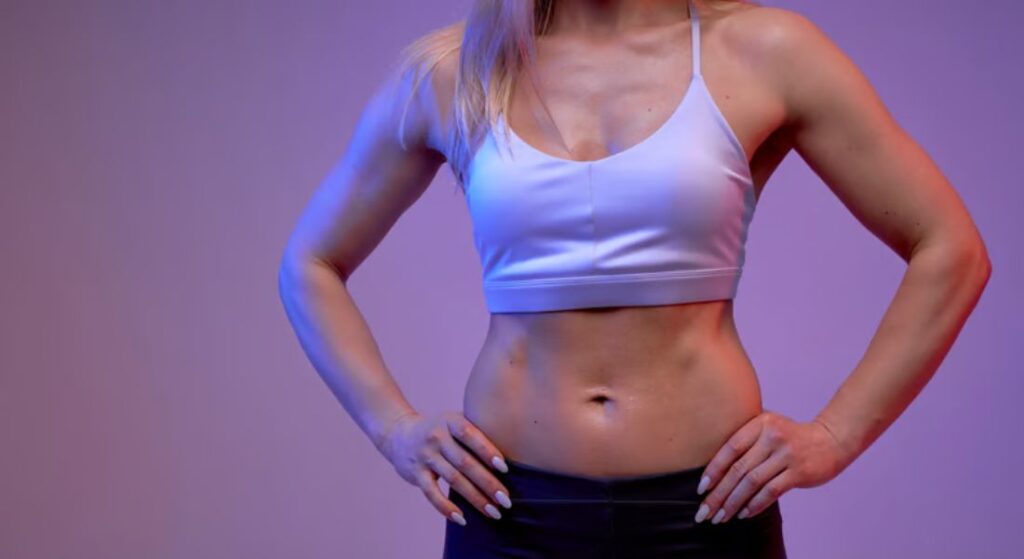
Emsculpt uses high-intensity focused electromagnetic (HIFEM) technology to induce supramaximal contractions intense muscle contractions far beyond what you can achieve voluntarily. These contractions engage the entire abdominal wall, including deep core muscles that are often hard to target with standard exercises.
During a typical 30-minute session, your abdominal muscles experience tens of thousands of these powerful contractions. This stimulation promotes muscle growth, increases protein synthesis, and improves neuromuscular coordination. Over several sessions, the result is a noticeably firmer, stronger, and more toned core.
Unlike traditional workouts, Emsculpt works at multiple layers of the muscle, strengthening fibres that are otherwise difficult to activate. This makes it especially effective for rebuilding abdominal strength after pregnancy or significant weight loss, when the core may be stretched, weakened, or less responsive to conventional exercise.
Differentiating Muscle Weakness From Fat or Skin Laxity
A soft abdomen can have several different causes, and they are often confused. One possibility is muscle weakness, where the core muscles are underdeveloped or stretched, leading to reduced tone and support. In this case, the issue isn’t fat at all, but a lack of muscular firmness beneath the surface. The abdomen may look flat but still feel soft.
Another cause is residual fat that remains even after weight loss. This type of fat is often stubborn and sits above otherwise healthy muscle. Even with good fitness habits, these deposits can blur definition and soften contour. Weight loss alone doesn’t always resolve this.
Loose skin is a third and distinct factor. Skin that has been stretched through weight changes, pregnancy, or ageing may hang over the abdominal wall, regardless of muscle tone or fat levels. Emsculpt specifically targets muscle weakness by strengthening and lifting the core. When fat or skin laxity is the dominant issue, complementary treatments are often needed for optimal results.
What to Expect During Treatment
A standard Emsculpt session lasts around 30 minutes and fits easily into a normal day. During treatment, you’ll feel strong but controlled muscle contractions that are intense without being painful. Most people describe the sensation as unusual rather than uncomfortable. There’s no need for anaesthetic or recovery time.
After the session, mild soreness is common and feels similar to the aftermath of a hard workout. You can return to normal activities straight away, including exercise, if you wish. There’s no downtime, which makes it easy to maintain your routine. Any discomfort typically settles within a day or two.
Most treatment plans involve four sessions spread over about two weeks. Each session builds on the last, progressively strengthening and firming the abdominal muscles. Results develop cumulatively, with improvements in tone and firmness becoming more noticeable over the following weeks.
Early Weeks: Subtle Functional Changes
During the first one to two weeks after treatment, visible changes are often minimal, but important internal adjustments are already taking place. Your muscles begin to respond early, even before clear aesthetic differences appear. Paying attention to how your body feels can provide reassurance during this phase.
1. Slight core engagement during daily activities: You may notice your core activating more naturally when standing, walking, or changing position. This reflects early muscle responsiveness rather than conscious effort.
2. Mild firmness on touch: The treated area can feel firmer when you press on the abdomen. This sensation is common and suggests the muscle is beginning to adapt beneath the skin.
3. Improved posture and stability: Some patients experience subtle improvements in balance or posture. These changes often result from increased muscle engagement and support.
These early functional changes are a positive sign that your muscles are responding to treatment, even if visual improvements are not yet obvious. While the mirror may not show much at this stage, your body is already laying the groundwork for more noticeable results in the weeks ahead.
Weeks Three to Six: Subtle Visual Improvements
Between weeks three and six, subtle visual improvements usually start to emerge. Your abdomen may feel firmer to the touch, with a clearer sense of tone even if the mirror shows only modest change. Clothes often begin to fit more comfortably around the waist, which is frequently the first external sign you notice. These early changes tend to be gradual rather than dramatic.
At this stage, the functional benefits often become clearer than the aesthetic ones. Your core may feel more engaged during daily activities, even without conscious effort. Movements such as lifting, bending, or twisting can start to feel more stable and controlled. This improved activation is a direct result of increased muscle recruitment.
Posture often improves during this period as well. You may find it easier to maintain an upright position when sitting or standing for longer periods. Reduced strain through the lower back is another common observation. These subtle shifts signal that structural changes are underway, setting the foundation for more visible results later on.
Weeks Six to Twelve: Peak Visible Results
Between weeks six and twelve, most patients reach peak visible results. The abdominal muscles become denser, stronger, and more defined as the cumulative effect of treatment settles. At this stage, changes are usually clear both in the mirror and in how the abdomen feels. The improvement tends to look natural rather than overdone.
For postpartum patients, this phase can be particularly meaningful. Strengthening the abdominal muscles may help improve the appearance of mild diastasis recti by providing better support and tension through the core. While it isn’t a substitute for surgical repair in severe cases, it often delivers noticeable functional and visual benefit. Many patients report feeling more stable and confident in their midsection.
For those who have lost weight, the firming effect becomes more apparent during this period. Improved muscle tone enhances overall body contour and sharpens abdominal shape. The result is a tighter, more structured look that reflects the work already put into lifestyle change.
Complementary Exercises for Enhanced Results

While Emsculpt is effective on its own, pairing it with gentle exercise can enhance and prolong the results. You don’t need intense training or long sessions to see a benefit. Simple, controlled movements help reinforce muscle activation and support overall posture. Consistency matters more than intensity here.
Exercises such as planks, glute bridges, and Pilates-based movements are particularly useful. Planks strengthen the entire core, while glute bridges improve pelvic support and stability. Pilates exercises safely target the deeper abdominal muscles without excessive strain. Light resistance training also helps maintain tone in the arms and legs, which supports balance and alignment.
Even 15 to 20 minutes of exercise a few times per week can make a meaningful difference. These short sessions complement the muscle strengthening already achieved through treatment. Over time, they help preserve firmness and function rather than chasing visible change alone. The goal is reinforcement, not overcorrection.
Nutrition and Lifestyle Considerations
Supporting Emsculpt with a healthy lifestyle helps ensure the results last. Adequate protein intake is important because it supports muscle repair and growth after treatment. Hydration also plays a key role by promoting tissue recovery and maintaining skin elasticity. These basics create the right internal environment for change.
Sleep is often overlooked but is essential for muscle rebuilding and hormone regulation. Without proper rest, the body struggles to adapt to the stimulus created by treatment. Regular physical activity, even light walking or stretching, helps maintain muscle tone and circulation. You don’t need intense workouts to support progress.
When these elements are in place, results tend to feel more stable and durable. The body responds better, and improvements are easier to maintain over time. Emsculpt provides the stimulus, but lifestyle determines how well your body responds. Small, consistent habits make the biggest difference.
Common Patient Questions
Many patients ask whether Emsculpt is safe after pregnancy. For most people who have fully recovered from childbirth, it is considered safe and well tolerated. If you are breastfeeding or have had postnatal complications, you should always discuss this with a clinician first. Timing and individual recovery matter more than the pregnancy itself.
Another common question is whether Emsculpt can remove loose skin. It doesn’t directly treat skin laxity, as its primary effect is muscle strengthening rather than skin tightening. Improved muscle tone can create a subtle lifting effect, but significant loose skin may need complementary treatments. Understanding this distinction helps avoid unrealistic expectations.
Patients also ask whether exercise is still necessary and how long results last. While you don’t have to exercise for Emsculpt to work, light core exercises help enhance and maintain the outcome. With maintenance sessions and healthy lifestyle habits, results can be long-lasting. The treatment works best as part of an overall approach, not in isolation.
Combining Emsculpt With Other Treatments
Some patients achieve more comprehensive results by combining Emsculpt with complementary treatments. When selected carefully, these combinations can address muscle tone, fat reduction, and skin quality together. A tailored approach helps ensure balanced and natural-looking outcomes.
1. Skin-tightening therapies: Treatments such as laser or radiofrequency can improve lax skin over the abdomen. These therapies enhance firmness and complement the muscle definition created by Emsculpt.
2. Fat reduction treatments: Non-invasive fat reduction procedures can target stubborn pockets that do not respond to exercise. Reducing excess fat allows underlying muscle tone to appear more defined.
3. Physical therapy support: Physical therapy can be particularly beneficial for postpartum patients or those managing diastasis recti. Guided rehabilitation improves core function and supports safe, long-term muscle engagement.
Combining Emsculpt with appropriate adjunct treatments allows you to address multiple concerns in a coordinated way. When tailored to your body and goals, this approach delivers safe, effective, and more holistic improvement in abdominal tone and overall core strength.
Long-Term Maintenance Strategies
Once your abdominal strength has been restored, long-term maintenance becomes the priority. Periodic maintenance sessions every few months help reinforce muscle tone and prevent gradual decline. These sessions don’t need to be frequent, but they do help stabilise results. Think of them as reinforcement rather than repetition.
Continuing with gentle core exercises plays an important supporting role. Simple movements that activate the abdomen help maintain strength without overloading the muscles. You don’t need intense workouts for this to be effective. Consistency is far more important than intensity.
Balanced nutrition and a stable, healthy body weight complete the picture. Sudden weight changes can undermine muscle definition and alter overall contour. When your habits remain steady, results tend to last far longer. Emsculpt sets the foundation, but your routine keeps it in place.
Real-World Patient Experiences
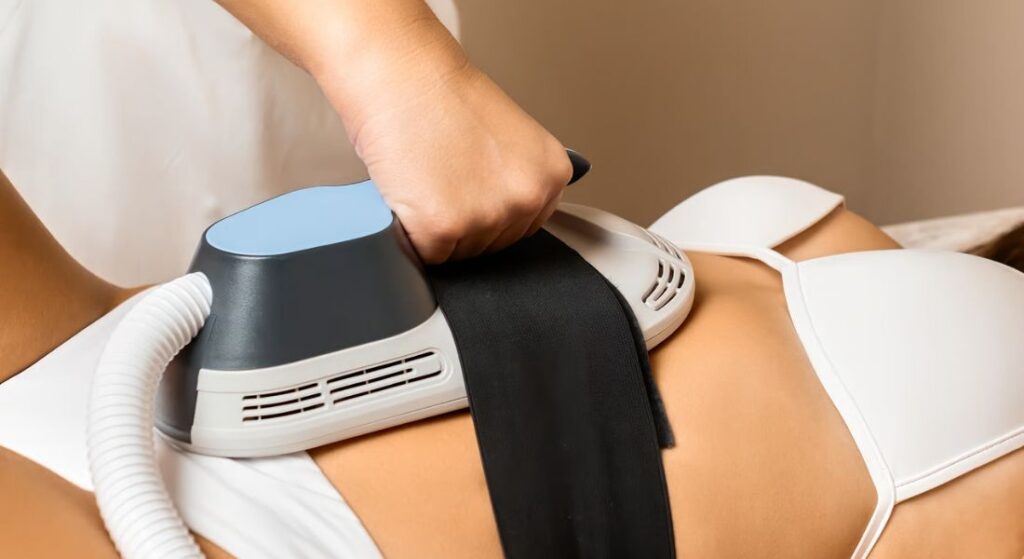
In real-world settings, patients often notice functional changes before anything obvious appears in the mirror. You may feel stronger through your core, with better stability during everyday movements. Improved posture and reduced lower back strain are commonly reported early on. These shifts tend to register physically before they become visual.
As treatment effects build, changes in the midsection become more apparent. You may notice a firmer feel, clearer muscle tone, and improved support through the abdomen. Clothes often fit better, and movement feels more controlled rather than effortful. These outcomes reflect genuine strength gains, not just surface-level change.
Confidence tends to improve alongside these physical benefits. Feeling more stable and capable often changes how you move, stand, and carry yourself. Many patients describe feeling more comfortable in their body, even before dramatic visual definition appears. This highlights that Emsculpt’s value extends beyond aesthetics into day-to-day function.
Expanding Topics Within the Article
To make the guide more comprehensive, you can expand into focused sections that answer questions patients are already asking. Topics like Emsculpt for diastasis recti allow you to explain both the functional improvements and the clear limitations, which helps manage expectations. You can also explore how improved core strength supports posture and back health, linking muscle function to everyday comfort rather than aesthetics alone. These sections deepen trust because they deal with real concerns, not marketing claims.
You can also add nuance by breaking down treatment response in different areas. Explaining the difference between targeting the upper versus lower abdomen helps readers understand why results may vary. Covering Emsculpt for older adults introduces an important conversation around muscle preservation and ageing, which broadens the audience without changing the core message. These additions keep the content practical and clinically grounded.
Including a simple timeline section can further improve clarity and engagement. A week-by-week explanation of expected changes, paired with short tips, helps readers visualise the process. This structure reassures patients who worry about slow progress or subtle results. Expanding in this way increases depth, readability, and relevance without diluting the article’s focus.
FAQs
1. Can Emsculpt help a soft or weak abdomen after pregnancy or weight loss?
Yes. Emsculpt directly strengthens the abdominal muscles using supramaximal contractions, helping rebuild tone and core strength that often remains reduced after pregnancy or significant weight loss.
2. Why does my abdomen still feel soft even after losing weight?
Because fat loss doesn’t automatically restore muscle strength. Abdominal muscles may remain stretched, underactive, or weakened, especially after pregnancy or rapid weight loss.
3. How does Emsculpt strengthen the abdominal muscles?
It uses high-intensity electromagnetic pulses to trigger thousands of powerful muscle contractions in a single session, stimulating muscle growth and improving neuromuscular activation beyond what voluntary exercise can achieve.
4. Is Emsculpt suitable for postpartum patients?
For most patients who have fully recovered from childbirth, Emsculpt is safe and well tolerated. A consultation is essential, particularly if there is diastasis recti or recent postnatal complications.
5. Does Emsculpt treat fat or loose skin on the abdomen?
No. Emsculpt targets muscle weakness, not fat or skin laxity. Improved muscle tone can create a subtle lifting effect, but fat reduction or skin tightening may require additional treatments.
6. What does an Emsculpt treatment session feel like?
You’ll feel strong, controlled muscle contractions that are intense but not painful. There’s no anaesthetic or downtime, and most people return to normal activities immediately.
7. When will I start noticing results from Emsculpt?
Functional changes often appear within the first two weeks. Subtle visual improvements typically emerge between weeks three and six, with peak visible results around weeks six to twelve.
8. Can Emsculpt help with mild diastasis recti?
It can improve muscle strength and support in mild cases by increasing abdominal tension and stability. It does not replace surgery for severe separation but can provide meaningful functional improvement.
9. Do I need to exercise if I have Emsculpt?
Exercise isn’t required for Emsculpt to work, but light core exercises help enhance and maintain results. Short, consistent routines are more effective than intense workouts.
10. How long do Emsculpt results last?
With maintenance sessions, stable weight, and healthy lifestyle habits, results can be long-lasting. Muscle strength declines without reinforcement, so consistency is key to durability.
Final Thought: Rebuilding Strength Where It Matters Most
A soft or weak abdomen after pregnancy or weight loss is rarely just an aesthetic issue. It’s a functional one, affecting posture, stability, confidence, and how your body performs day to day. Treatments that directly target muscle, rather than chasing fat loss alone, are often what finally unlock progress. When abdominal strength improves, everything from movement control to how clothes fit starts to feel easier and more natural.
That’s where a structured, clinically guided approach makes the difference. Emsculpt treatment focuses on restoring true core strength, not masking weakness, and works best when paired with realistic expectations and supportive habits. If you’re looking for Emsculpt treatment in London, you can get in touch with us at the London Medical & Aesthetic Clinic.
References
1. Kinney, B.M. & Lozanova, P. (2019) High intensity focused electromagnetic therapy evaluated by magnetic resonance imaging: safety and efficacy study of a dual tissue effect based non-invasive abdominal body shaping, Lasers in Surgery and Medicine, https://pubmed.ncbi.nlm.nih.gov/30302767/
2. Cohen, J., Kilmer, S.L., DiBernardo, B., Jacob, C. & Okoro, S.A. (2024) A novel approach to shaping the lateral abdomen: simultaneous application of high-intensity focused electromagnetic therapy and synchronized radiofrequency, Aesthetic Surgery Journal, https://academic.oup.com/asj/article/44/8/850/7626230
3. Kohan, J., Vyas, K., Erotocritou, M., Khajuria, A. & Tehrani, K. (2024) High-intensity focused electromagnetic (HIFEM) energy with and without radiofrequency for noninvasive body contouring: a systematic review, Aesthetic Plastic Surgery https://pubmed.ncbi.nlm.nih.gov/37957393/
4. Murgia, R.D. (2022) Body contouring for fat and muscle in aesthetics: Review of current evidence, Journal of Cosmetic and Laser Therapy https://www.sciencedirect.com/science/article/abs/pii/S0738081X21001656
5. DiBernardo, B., et al. (2023) High-intensity focused electromagnetic field with radiofrequency for muscle enhancement, Aesthetic Surgery Journal Open Forum https://academic.oup.com/asjopenforum/article/doi/10.1093/asjof/ojac087/6979899