



When you begin researching Sculptra, you may quickly notice that patient experiences are not identical. Some people describe visible and dramatic improvements, while others report a softer, more gradual transformation over time. This difference is completely normal and does not suggest that the treatment itself is unreliable. Because Sculptra works by stimulating your body’s natural collagen production, the response we see will always reflect your individual biology.
Your collagen production is influenced by several personal factors, including your age, skin condition, lifestyle habits, and overall health. We know that younger skin may respond differently compared to mature skin, and daily factors such as stress, nutrition, and sun exposure also play a role. The number of sessions you undergo and the areas being treated further affect how your results develop. For this reason, outcomes are personalised rather than uniform, even when the same product is used.
At London Medical & Aesthetic Clinic, we make sure you understand these variables before we begin your treatment journey. We take time to explain why your results may differ from someone else’s and what that means for you specifically. When you appreciate that Sculptra is a biostimulatory treatment designed to work with your own tissue response, expectations become clearer. This understanding allows us to approach your treatment with confidence, realism, and a personalised plan tailored to you.
Sculptra Is a Biostimulatory Treatment, Not a Filler
Sculptra does not behave like traditional dermal fillers that provide immediate volume the moment we complete treatment. Instead, it functions as a biostimulatory treatment designed to activate your body’s own collagen production over time. When you choose Sculptra, you are choosing regeneration rather than instant replacement.
Because the mechanism is biological, results depend on how your individual body responds. Collagen production varies naturally between people due to differences in cellular activity and tissue health. We cannot expect two individuals to regenerate tissue at the same speed or intensity.
This variability is not a flaw; it is part of how the treatment works. Since Sculptra relies on your internal healing pathways, differences are entirely natural. No two bodies rebuild collagen in exactly the same way, and we plan treatment with this in mind.
Baseline Skin Quality Matters
Your starting skin quality plays a significant role in determining your outcome. When we assess you, we carefully evaluate thickness, elasticity, hydration, and overall dermal health. These factors influence how effectively collagen stimulation translates into visible improvement.
Thicker, healthier skin with good elasticity often responds more robustly to stimulation. In contrast, very thin or heavily sun-damaged skin may require more time and potentially additional sessions to achieve comparable refinement. This difference reflects tissue condition rather than treatment failure.
By assessing your baseline carefully, we can predict realistic improvement and tailor your treatment plan accordingly. Understanding where you begin allows us to guide expectations clearly. The better we understand your skin, the more accurately we can anticipate its response.
Age and Collagen Production Capacity
Collagen production naturally slows as we get older. This gradual change influences skin thickness, firmness, and the speed at which tissue regenerates. When Sculptra is performed at a younger age, fibroblasts often respond more efficiently to stimulation. The biological environment is typically more active, which can influence pacing.
1. Slower Baseline Collagen Turnover: With age, collagen synthesis reduces and breakdown increases. This means regeneration can take longer to become visible. The timeline shifts, even though the mechanism remains the same.
2. Fibroblast Responsiveness Varies: Younger fibroblasts may activate more rapidly. In mature skin, activation still occurs but may require more patience or additional sessions. The response is biological, not a reflection of treatment failure.
3. Structural Support Takes Time to Build: Mature skin may need staged reinforcement to achieve optimal strength and density. This careful layering approach supports balanced improvement. Gradual progression protects natural appearance.
4. Benefit Is Not Age-Limited: Older patients can absolutely achieve meaningful results. Improvement remains possible across age groups. The key difference lies in pacing rather than effectiveness.
We emphasise that age influences rhythm, not eligibility. Sculptra remains a valuable option whether you are younger or more mature. By understanding how collagen capacity evolves over time, we can tailor treatment realistically and support outcomes that feel natural, stable, and appropriate for your stage of life.
Genetic Differences in Healing Response
Each of us has a unique genetic profile that influences how we heal and regenerate tissue. Some individuals naturally produce higher levels of collagen during wound healing or stimulation. Others have a more measured or conservative regenerative response.
These variations are largely determined by genetics and are not something we can fully control. Since Sculptra works by activating your body’s existing pathways, the strength of that response differs from person to person. This explains why outcomes are personalised.
We consider these genetic differences when planning treatment. While we cannot alter your biology, we can adapt session frequency and monitoring accordingly. Understanding that genetics play a role helps you interpret results more realistically.
Lifestyle Factors That Influence Results
Your daily habits directly influence how effectively collagen is produced and maintained. Because Sculptra works by stimulating your own regenerative processes, internal health plays a central role in visible outcomes. Treatment does not operate in isolation from lifestyle. The stronger the biological environment, the stronger the response tends to be.
1. Smoking and Collagen Suppression: Smoking reduces blood flow and oxygen delivery to the skin. It also impairs fibroblast activity and collagen synthesis. This can slow regenerative progress and affect durability.
2. Nutrition and Protein Intake: Collagen production depends on adequate protein, vitamins, and micronutrients. Deficiencies may limit tissue repair and structural rebuilding. Balanced nutrition supports stronger biological response.
3. Chronic Stress and Inflammation: Persistent stress disrupts immune regulation and healing pathways. Elevated inflammatory signals can alter how tissue responds to stimulation. Managing stress helps stabilise regeneration.
4. Hydration and Circulation: Good hydration and regular movement support nutrient delivery to the skin. Healthy circulation encourages efficient repair and integration. Small habits contribute to long-term stability.
We encourage you to see Sculptra as part of a broader skin health strategy rather than a standalone intervention. When lifestyle factors are optimised, collagen stimulation becomes more predictable and resilient. Supporting your body internally allows treatment outcomes to develop more consistently and last more comfortably over time.
Sun Exposure and Skin Integrity
When you have experienced significant sun exposure over the years, your collagen network may already be compromised. Excessive ultraviolet exposure gradually breaks down collagen fibres and weakens the structural framework of your skin. As a result, we may notice that photoaged skin does not respond as quickly or as visibly as healthier skin. This does not prevent improvement, but it can influence how dramatic the change appears.
If your skin has reduced elasticity due to sun damage, the visible tightening effect may develop more gradually. We always assess your skin integrity before treatment so you understand how this baseline condition may shape your outcome. The healthier the underlying tissue, the more efficiently your body can respond to collagen stimulation.
By protecting your skin with daily SPF and appropriate aftercare, you support longer-lasting results. We encourage you to see Sculptra as part of a broader skin health strategy. When you maintain good sun protection habits, you help preserve the collagen you have worked to rebuild. Over time, this commitment enhances both durability and overall skin quality.
Treatment Planning and Injection Technique
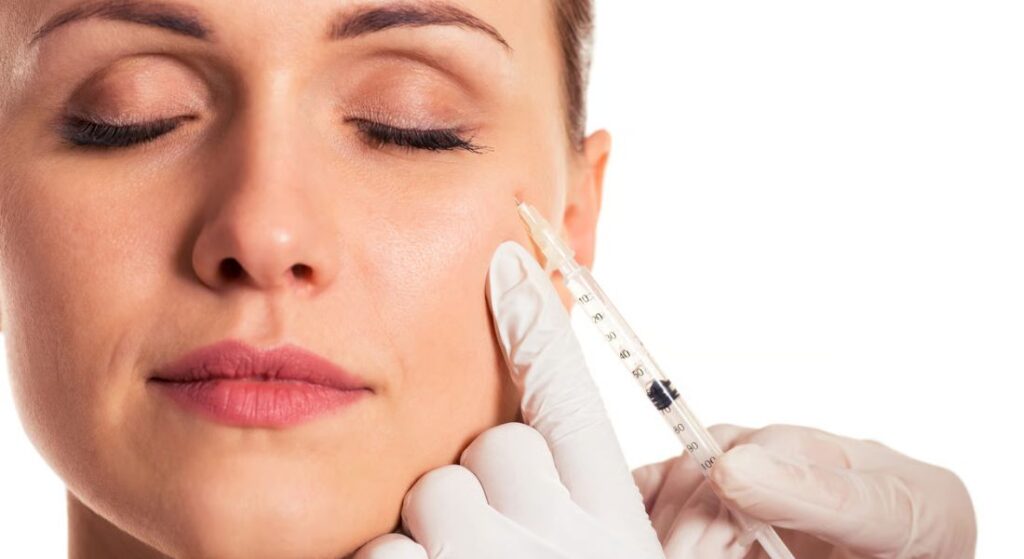
With Sculptra, precision matters at every stage. The depth of placement and the distribution pattern significantly influence how collagen stimulation occurs. Because the product must be positioned within the correct tissue plane, technical expertise plays a central role in achieving smooth, balanced results. We approach each treatment with careful anatomical consideration.
If placement is too superficial or unevenly distributed, collagen stimulation may not occur in a harmonious pattern. This is why experience and detailed planning are so important. We assess your facial structure, volume loss patterns, and long-term goals before deciding how and where to inject. Thoughtful technique improves predictability and safety.
When we use refined injection methods, we reduce the likelihood of irregularity and enhance natural-looking outcomes. You benefit from a more controlled collagen response that develops evenly over time. Ultimately, careful technique supports subtle, progressive rejuvenation rather than abrupt or inconsistent change.
Number of Sessions Completed
Sculptra is typically delivered as a staged treatment rather than a single appointment solution. Because collagen develops gradually, multiple sessions are often required to achieve optimal structural improvement. If you do not complete the recommended course, your results may appear limited or incomplete. We always explain this phased approach clearly from the beginning.
Each session builds upon the previous one, allowing collagen to accumulate over time. This cumulative process is central to how Sculptra works. When you follow the advised treatment schedule, you give your body the opportunity to respond fully and progressively. Consistency plays a crucial role in overall outcome quality.
If sessions are delayed or skipped, collagen stimulation may not reach its intended level. We guide you through a personalised timeline to ensure continuity. By committing to the full treatment plan, you help secure smoother, more balanced, and longer-lasting improvements.
Treatment Area Differences

Different areas of your face respond to Sculptra in distinct ways. The cheeks, temples, jawline, and midface each have unique structural characteristics that influence how collagen stimulation appears over time. Tissue thickness, movement, and underlying support all vary. Because of this, results never develop identically across every region.
1. Cheeks and Midface Response: The cheeks often show visible structural support as collagen accumulates within relatively thicker tissue. Midface improvement may appear as gradual lift and softening of folds. These areas commonly demonstrate balanced, layered enhancement.
2. Temples and Thinner Tissue Zones: Temple skin is thinner and more delicate. Collagen builds more subtly, and volume must be placed conservatively. Refinement here focuses on smooth integration rather than projection.
3. Jawline and Mobile Areas: Jawline tissue behaves differently due to movement and structural tension. Collagen development supports contour definition, but changes may appear more gradual. Stability and precision are especially important in this zone.
4. Variation in Pace of Remodelling: Some areas respond more quickly than others. You may notice earlier visible improvement in one region while another continues developing quietly. This variation reflects anatomy, not inconsistency.
We plan treatment with these anatomical differences carefully in mind. Injection depth, dilution, and volume are adjusted to suit each region rather than applying a uniform technique. This tailored approach helps ensure that enhancement appears harmonious and integrated across the face. Balanced stimulation creates natural progression rather than uneven change.
Metabolic Rate and Product Breakdown
Sculptra contains poly-L-lactic acid, which your body gradually metabolises over time. This breakdown process is entirely natural and part of how the treatment stimulates collagen formation. However, individual metabolic rates can differ significantly, influencing how quickly the material is processed.
If you have a higher metabolic rate, you may break down the product slightly faster than someone else. This can affect the perceived timeline of early changes. Even so, collagen production continues beyond the initial metabolism phase, supporting progressive structural improvement. We explain that timing may vary between patients.
Although the metabolic speed differs, the long-term goal remains the same: gradual collagen renewal. By understanding that your body’s processing rate plays a role, you avoid unrealistic comparisons with others. We focus on your individual response, ensuring expectations remain aligned with your unique biology.
Immune System Sensitivity
When we choose Sculptra, we rely on your body’s natural healing pathways to create change. The treatment works through controlled inflammatory signalling, which activates fibroblasts to produce new collagen. However, immune responsiveness is not identical in every individual. This natural variation plays a meaningful role in how your results develop over time.
If your immune system responds in a balanced and measured way, collagen stimulation tends to occur steadily and predictably. If your response is more sensitive or comparatively subdued, the timeline of visible improvement may shift. This does not indicate a problem with the product itself. It simply reflects how uniquely your body regulates repair and regeneration.
By understanding how immune sensitivity influences fibroblast activation, we can better explain why some patients see changes sooner than others. A well-regulated response typically produces optimal collagen formation. Variations in immune behaviour may adjust pacing, but they remain part of normal biological diversity rather than inconsistency in treatment.
Hydration and Tissue Quality
Hydration plays a meaningful role in how your skin looks and feels during collagen stimulation. Well-hydrated tissue appears smoother, more resilient, and more reflective of light. This supportive environment allows collagen to integrate more harmoniously after Sculptra treatment. When skin is dehydrated or compromised, early improvements may seem slower or less noticeable.
1. Surface Hydration and Appearance: Hydrated skin reflects light more evenly and feels softer to the touch. This can make early regenerative changes appear clearer. Dehydration, by contrast, can exaggerate texture and dullness.
2. Cellular Function and Circulation: Adequate hydration supports healthy cellular activity and microcirculation. These factors contribute to efficient tissue repair and collagen organisation. Healthy cells respond more predictably to stimulation.
3. Barrier Integrity and Integration: A strong skin barrier creates a stable environment for dermal remodelling. When the barrier is compromised, inflammation and sensitivity may interfere with perceived progress. Stable tissue supports smoother integration of new collagen fibres.
4. Perception Versus Biological Action: Hydration does not alter how Sculptra works biologically. However, it influences how refreshed and refined the skin appears during regeneration. Surface condition shapes visible impressions while deeper remodelling continues beneath.
By maintaining consistent hydration through skincare and daily habits, you support both comfort and aesthetic clarity. Small, steady care routines enhance how results are experienced over time. While collagen builds gradually, well-supported tissue allows those improvements to present more naturally and confidently.
Hormonal Influences
Hormones play a significant role in regulating collagen metabolism and skin density. Throughout different life stages, hormonal fluctuations can influence how your tissue responds to regenerative treatments. For example, during menopause, collagen production naturally declines, which may affect the speed and magnitude of visible change.
When we plan your treatment, we consider your life stage and any relevant hormonal factors. This allows us to set realistic expectations around pacing and projected improvement. Hormonal balance does not prevent you from benefiting from Sculptra, but it can influence how your collagen pathways respond.
By acknowledging hormonal influences, we ensure that your expectations align with biological reality. Tissue response is not static across the lifespan. Understanding these shifts helps us design a personalised plan that respects your physiology while supporting gradual, natural-looking rejuvenation.
Degree of Volume Loss at Baseline
Your starting level of volume loss significantly influences how your results appear over time. If you present with mild structural depletion, subtle collagen stimulation may produce noticeable refinement relatively quickly. In contrast, more advanced volume loss requires greater stimulation and patience to achieve balanced correction.
When we assess your baseline, we evaluate the depth, distribution, and structural impact of tissue change. Larger corrections require cumulative collagen building, which naturally unfolds over several treatment stages. This does not mean improvement is limited; it simply means the process must respect biological pacing.
Understanding your starting point helps prevent unrealistic comparisons with others. Subtle refinements may become visible sooner, while more significant restoration develops progressively. By aligning expectations with baseline severity, we maintain clarity and confidence throughout your treatment journey.
Patience and Perception
Sculptra is designed to create gradual, natural-looking change rather than instant transformation. Because improvement unfolds over weeks and months, it can sometimes feel subtle in the early stages. Your perception of progress is influenced by how quickly you expect visible results.
If you anticipate immediate volume, you may underestimate the cumulative effect that develops over time. We always explain that collagen regeneration is progressive and layered. When you understand the timeline, confidence replaces uncertainty.
Education plays a vital role in satisfaction. When we clarify what to expect, you are less likely to doubt the process prematurely. Patience protects perspective, allowing you to appreciate steady, biologically driven improvement as it emerges naturally.
Combination Treatments
Sculptra can be integrated into a broader treatment plan to enhance overall outcomes. While it stimulates deep collagen production, other procedures such as resurfacing or tightening can address surface texture and skin laxity. When we combine treatments strategically, we create layered improvement.
If Sculptra is used as a standalone intervention, the results may appear more gradual and structural in nature. However, when we incorporate complementary modalities, the synergy can produce a more comprehensive aesthetic refinement. Each approach is tailored to your individual needs.
Integrated planning allows us to address multiple aspects of ageing simultaneously. By coordinating treatments thoughtfully, we maximise harmony and balance. This does not change Sculptra’s core function, but it enhances how the overall result presents.
Body Health and Systemic Conditions
Your overall health has a direct influence on how your body regenerates tissue after treatment. Collagen production does not occur in isolation; it depends on stable immune function, circulation, and cellular balance. When we plan biostimulatory treatments, we always consider your wider medical context. Safety and predictability begin with understanding the whole body, not just the skin.
1. Autoimmune Conditions and Healing Behaviour: Autoimmune conditions can alter inflammatory and repair pathways. This may influence how tissue responds to stimulation. While treatment is not automatically excluded, careful assessment is essential.
2. Medication Effects on Collagen Pathways: Certain medications, including long-term steroids or immunomodulators, may affect collagen synthesis. These factors can influence pacing or visible progression. Reviewing your medication history helps us anticipate response patterns.
3. Systemic Inflammation and Regeneration: Chronic inflammatory states can subtly modify fibroblast behaviour. This may alter how steadily collagen forms or integrates. Stable systemic health supports more predictable regeneration.
4. Individual Variation in Response Magnitude: Some patients may experience slower or more gradual visible improvement due to underlying health factors. This does not mean treatment is ineffective. It simply requires realistic pacing and expectation alignment.
By evaluating your health comprehensively, we protect both safety and outcome quality. Regenerative treatments rely on stable physiological function. A thorough consultation ensures your plan is tailored not only to your goals, but also to your overall wellbeing.
Aftercare Compliance
After Sculptra treatment, massage protocols are recommended to support even product distribution. These small but important actions help guide smooth collagen development within the tissue. Ignoring aftercare instructions can influence how evenly stimulation occurs.
When you follow the advised routine consistently, you support proper integration and minimise irregularity. Aftercare is not optional; it forms part of the overall treatment process. We provide clear guidance so you understand its importance.
Consistency protects your outcome. Even simple steps contribute to balanced collagen formation and refined results. By participating actively in aftercare, you help optimise the regenerative process.
Timeframe of Assessment
Evaluating results too early can create unnecessary worry. Collagen stimulation follows a biological rhythm, not an instant cosmetic shift. Visible change usually develops progressively over several weeks. Full maturation may take several months before it is truly complete.
1. Early Weeks: Subtle Beginnings: In the first few weeks, improvement may be understated. We often notice refinement in texture before clear volume changes. This stage reflects early tissue activity rather than final outcome.
2. Mid-Phase Development: Between six and twelve weeks, collagen accumulation becomes more noticeable. Structure begins to strengthen and support the skin more visibly. This is when confidence in progress often increases.
3. Full Maturation Period: Collagen continues to remodel and organise over several months. The tissue integrates naturally within existing structures. Final results should only be judged once this process stabilises.
4. Why Premature Judgement Misleads: Assessing too early risks misinterpreting normal biological pacing. We may mistake subtlety for failure when regeneration is still underway. Patience protects perspective.
By respecting the correct timeframe, we maintain clarity and realistic expectations. Regenerative treatments reward informed patience rather than rushed judgement. When we allow biology to unfold naturally, confidence in the treatment pathway remains steady and grounded.
Why Variation Does Not Mean Failure

When outcomes differ between patients, this does not indicate treatment failure. It reflects biological individuality and the personalised nature of regenerative medicine. No two collagen responses are identical, and variability is expected.
Personalised medicine means your body responds according to its own physiology. At London Medical & Aesthetic Clinic, we anticipate these differences during planning. We do not aim for uniformity; we aim for results that harmonise with you.
Understanding variability prevents unnecessary comparison. Different timelines and magnitudes of change remain consistent with successful treatment. Responsible planning acknowledges individuality as a strength rather than a limitation.
FAQs:
1. Why do some people see faster Sculptra results than others?
Sculptra stimulates your body’s natural collagen production, and collagen builds at different speeds depending on your individual biology. Factors such as age, genetics, baseline skin quality, and overall health influence how quickly fibroblasts respond. Some people naturally regenerate tissue more rapidly, while others experience a slower but equally steady progression.
2. Does age significantly affect Sculptra outcomes?
Age influences the pace of collagen formation because natural collagen production slows over time. Younger skin may respond slightly faster due to more active fibroblasts, whereas mature skin may require additional sessions or more patience to reach optimal structural support. However, meaningful improvement is possible at any age when expectations are aligned with biological timing.
3. Can lifestyle habits really change how well Sculptra works?
Yes, lifestyle habits play a direct role in collagen health. Smoking, poor nutrition, chronic stress, and inadequate hydration can impair regenerative pathways and slow collagen synthesis. When your internal environment is well-supported, collagen stimulation tends to be more consistent and durable, which enhances visible outcomes over time.
4. Why might my friend’s results look more dramatic than mine?
Comparing outcomes can be misleading because each person starts from a different baseline. The degree of initial volume loss, skin thickness, and collagen reserves all shape how noticeable improvement appears. A dramatic transformation in one person may reflect more advanced starting depletion rather than a stronger treatment effect.
5. How does injection technique influence results?
Precise placement of Sculptra within the correct tissue plane is essential for smooth collagen stimulation. Experienced technique ensures even distribution and controlled regenerative response. Variations in skill or planning can influence how harmoniously collagen develops, which is why practitioner expertise plays a central role in predictable outcomes.
6. Does completing all recommended sessions really matter?
Sculptra works cumulatively, meaning each session builds on the previous one. If the full recommended treatment plan is not completed, collagen stimulation may remain partial and results may appear limited. Following the staged protocol allows regeneration to reach its intended level and improves long-term structural support.
7. Can metabolic rate affect how Sculptra performs?
Individual metabolic differences can influence how quickly poly-L-lactic acid is broken down within the body. A faster metabolism may alter the early pacing of visible change, although collagen stimulation continues beyond initial product metabolism. Ultimately, the regenerative goal remains the same, but timing may vary slightly between individuals.
8. Why do some areas of the face respond differently than others?
Different facial regions have unique tissue thickness, movement patterns, and structural demands. Areas such as the cheeks often show visible lift sooner because of thicker dermal support, while thinner or highly mobile zones may demonstrate more gradual refinement. These anatomical differences explain why improvements may appear uneven in timing but remain balanced overall.
9. Can health conditions impact collagen response?
Certain systemic conditions or medications can influence inflammatory pathways and collagen synthesis. For example, chronic inflammatory states or long-term steroid use may subtly affect regenerative capacity. Thorough consultation ensures these variables are considered so expectations remain realistic and safety is prioritised.
10. Does variation in results mean the treatment did not work?
No, variation reflects biological individuality rather than failure. Because Sculptra relies on your own regenerative mechanisms, outcomes naturally differ in pace and magnitude. At London Medical & Aesthetic Clinic, we anticipate this diversity and design treatment plans that align with your unique physiology rather than comparing you to others.
Final Thoughts: Embracing Individual Biology in Regenerative Treatment
When you choose Sculptra, you are choosing a treatment that works with your biology rather than against it. Because collagen stimulation depends on your age, skin quality, genetics, health, and lifestyle, variation is not a sign of inconsistency it is a reflection of individuality. No two people regenerate tissue in exactly the same way, and that uniqueness is built into the design of biostimulatory treatments.
At London Medical & Aesthetic Clinic, we do not measure success by comparing your results to someone else’s. Instead, we assess your baseline, explain the variables that may influence pacing, and create a structured plan tailored specifically to you. When expectations are aligned with biology and treatment is delivered with precision, outcomes feel balanced, natural, and authentic. If you’re thinking about Sculptra in London, you can reach out to us at the London Medical & Aesthetic Clinic to discuss your treatment goals and options.
Reference:
1. Innocenti, A., et al. (2025) ‘Injectable Poly‑L‑Lactic Acid (PLLA‑SCA™) as a versatile aesthetic biostimulator: clinical guidance and outcomes’, Cosmetics, 12(6), p. 264. https://www.mdpi.com/2079-9284/12/6/264
2. Efficacy and Safety of Poly‑l‑Lactic Acid in Facial Aesthetics (2024) Journal of Dermatological Treatment, PubMed Central, doi:PMC11435306. https://pmc.ncbi.nlm.nih.gov/articles/PMC11435306/
3. Fisher, S.M. (2024) ‘The emerging role of biostimulators including poly‑L‑lactic acid in facial rejuvenation’, Facial Plastic Surgery Clinics, ScienceDirect, 32(2), pp. 123–136. https://www.sciencedirect.com/science/article/abs/pii/S1748681524001414
4. Zhang, Z. and Qi, Y. (2022) Investigating the effect of biomaterials such as poly‑(l‑lactic acid) particles on collagen synthesis in vitro, Journal of Tissue Engineering and Regenerative Medicine, 11(3), 51. https://www.mdpi.com/2079-4983/11/3/51
5. Chen, M.-C., et al. (2024) Augmenting dermal collagen synthesis through hyaluronic acid‑based microneedle‑mediated delivery of poly (L‑lactic acid) microspheres, International Journal of Biological Macromolecules, 281, 136311. https://www.sciencedirect.com/science/article/abs/pii/S0141813024071204