



If you are in your 30s and beginning to think about your skin’s future, you are not alone. You may not see obvious sagging or hollowing yet, but you might notice subtle changes. Your skin can feel slightly less bouncy, and your reflection may look a little more tired. Even your make-up might not sit quite the same way it did at 25.
These small shifts often make you wonder whether you should act now rather than later. You might ask yourself if it is better to be proactive before more visible ageing appears. It is natural to want to maintain what you have instead of waiting for correction. Prevention can feel like a sensible approach.
This leads you to a more specific question about treatment options. You may be considering whether collagen-stimulating treatments have a place this early. The idea is not about changing your appearance dramatically. Instead, it is about supporting your skin before significant volume loss develops.
So, can Sculptra be used preventatively in your 30s, or is that too soon? You might worry about doing too much too early. At the same time, you may not want to ignore early signs completely. Understanding the purpose of the treatment will help you decide what makes the most sense for you.
Understanding What Actually Happens to Your Skin in Your 30s
Before considering any aesthetic treatment, it’s essential to understand what is happening beneath the surface of your skin. Collagen production begins to slow in your mid-to-late 20s, and although the change is gradual, it is continuous. By the time you reach your 30s, you lose approximately 1% of collagen each year. While this may seem minor, over a decade it represents meaningful structural change that affects firmness, elasticity, and facial support.
1. Gradual Collagen Decline: Collagen acts as your skin’s internal scaffolding, providing structure, thickness, and resilience. As production slows, the skin becomes thinner and less elastic. This decline does not happen overnight but progresses steadily year after year.
2. Fine Lines That Linger: One of the earliest signs is fine lines that remain visible even after facial expressions relax. Previously, expression lines would disappear quickly, but reduced elasticity allows them to settle more easily. Over time, these temporary lines can transition into static lines.
3. Subtle Volume Changes: You may begin to notice slight flattening in the cheeks or a softer jawline. These changes are linked to reduced structural support and early volume loss. Though subtle, they alter overall facial contours gradually.
4. Under-Eye Shadows and Skin Thinning: As collagen decreases, the under-eye area may appear more hollow or shadowed. Thinner skin can make underlying structures more visible, contributing to a tired appearance. These changes are early indicators of reduced skin support.
In conclusion, the skin changes that occur in your 30s are subtle but structurally significant. Gradual collagen loss affects firmness, elasticity, and facial contours long before dramatic ageing becomes visible. Recognising these early signs helps you make informed decisions about preventative or restorative treatments. The key question is whether stimulating collagen at this stage offers a strategic advantage for long-term skin health.
What Sculptra Actually Does (And Why That Matters)
To understand whether Sculptra is truly preventative, you need to know how it works. It is different from traditional fillers that simply add instant volume to a specific area. Instead of immediately filling lines or hollows, it works beneath the surface over time. This distinction matters when you are thinking about long-term skin support rather than quick correction.
Sculptra contains poly-L-lactic acid (PLLA), which stimulates your body to produce new collagen gradually. Rather than creating an instant visible change, the results build slowly over several months. It is not about suddenly “plumping” a wrinkle. It is about improving your skin’s structural foundation in a steady and natural way.
For you in your 30s, this is what makes the treatment interesting. It is not a fast fix or dramatic alteration. It works as a biological stimulation process that supports collagen development over time. That is why the idea of early intervention often comes into the conversation.
What Does “Preventative Aesthetics” Actually Mean?
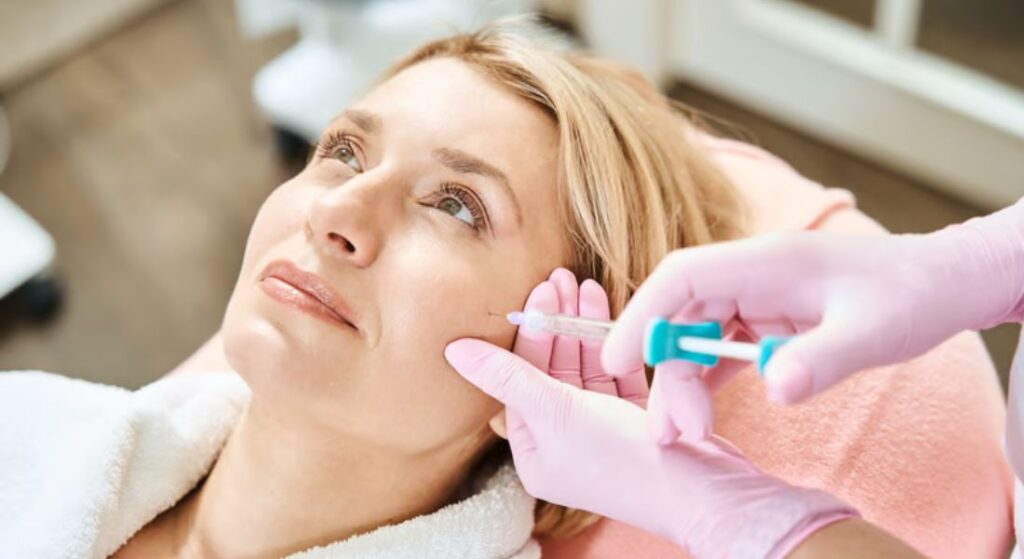
Preventative aesthetics does not mean freezing your face at 30 or trying to stop ageing completely. Instead, it focuses on slowing structural decline before it becomes obvious. The goal is to support your skin early, rather than waiting for more noticeable changes. It is about maintenance, not transformation.
In your 20s, most aesthetic treatments tend to be reactive, often addressing specific concerns as they appear. By your 40s and 50s, treatments are more commonly corrective, working to restore lost volume or firmness. Your 30s sit somewhere in between these two stages. This is typically the decade when subtle structural shifts begin to develop.
The idea behind preventative Sculptra is to help you maintain collagen levels before visible volume loss becomes significant. In theory, supporting collagen early could delay the need for more dramatic interventions later on. However, theory and real-life results do not always align perfectly. That is why it is important to consider your individual skin, goals and expectations carefully.
The Case for Using Sculptra in Your 30s
When considering preventative aesthetic treatments, timing is everything. Your 30s represent a transitional decade where collagen loss becomes measurable, yet visible ageing remains relatively subtle. This creates a strategic window for intervention that focuses on preservation rather than correction. The idea is not to reverse significant ageing, but to support skin architecture before deeper structural changes occur.
1. Supporting Collagen Before It Declines Further: Stimulating collagen early may help maintain stronger skin structure over time. Rather than waiting for noticeable volume loss that requires significant correction, early intervention can mean lighter, more subtle maintenance treatments. It is similar to reinforcing a foundation before cracks appear, rather than rebuilding once damage is visible.
2. Subtle, Natural Changes: Sculptra works gradually by encouraging your body’s own collagen production. This makes it particularly appealing in your 30s, when most people want refinement rather than transformation. The goal is not to look “done,” but to look like yourself simply fresher and well-rested.
3. A Long-Term Ageing Strategy: Results from Sculptra can last over two years, making it suitable for those thinking ahead. Smaller treatments spaced strategically over time may help preserve facial balance and slow the visible progression of ageing. For individuals who prefer prevention over correction, this long-term approach can feel both controlled and sustainable.
In conclusion, using Sculptra in your 30s can be viewed as a proactive rather than reactive choice. By supporting collagen early, you may maintain facial structure more subtly and consistently over time. The emphasis shifts from dramatic correction to gradual preservation. For those who value natural-looking results and long-term planning, this approach can make strategic sense.
But Is It Too Early?
But is it too early for you? This is where balance becomes essential. Just because a treatment is available does not automatically mean it is necessary. The right decision depends on your current skin condition, not simply your age.
If you have no visible volume changes, firm elasticity and only very mild structural shifts, you may not need collagen stimulation at this stage. Your skin could still be functioning well on its own. Beginning treatment too soon may offer very little noticeable improvement. In some cases, over-treating in your 30s is a genuine concern.
Aesthetic medicine should never be about doing more for the sake of it. It should always be about doing what is appropriate and proportionate for you. If your natural collagen levels remain relatively strong, aggressive stimulation may not deliver meaningful benefit. Careful assessment and a personalised approach matter far more than rushing into intervention.
Who Might Actually Benefit in Their 30s?

Not all 30-year-olds experience ageing in the same way. Your skin is influenced by genetics, sun exposure, stress levels, smoking and overall lifestyle. Two people of the same age can look very different structurally. That is why treatment decisions should always be individual rather than age-based.
You might benefit from Sculptra in your 30s if you are noticing early cheek flattening or subtle temple hollowing. It may also be relevant if you have naturally thinner skin or have experienced significant weight loss. Premature ageing caused by sun damage can also affect collagen earlier than expected. In these situations, the structural support beneath your skin may already be changing.
In cases like these, collagen stimulation could help restore early support before deeper lines and folds become established. The aim is not to chase youth or dramatically alter your appearance. Instead, it is about maintaining your natural structure in a measured and thoughtful way. When used appropriately, the focus remains on preservation rather than transformation.
Who Probably Doesn’t Need It Yet?
You may not need Sculptra at this stage if your face still has strong natural volume and clear contour. If your fine lines only appear with expression and disappear at rest, they are likely movement-based rather than structural. In that case, collagen loss may not be your primary concern. Treating too early would not necessarily improve what you are seeing.
It may also be unnecessary if your main concerns relate to pigmentation or skin texture rather than volume. Sculptra works on structural support, not surface quality. If you are expecting instant, visible change, this treatment may not meet your expectations. Its results develop gradually and are designed for long-term improvement.
In these situations, other options could be more suitable for you right now. Treatments such as microneedling, optimised skincare or subtle toxin placement may offer better value and more targeted results. Collagen stimulation is not a universal solution for every concern in your 30s. The key is matching the treatment to the specific issue you want to address.
The Psychological Factor
The psychological factor cannot be ignored. Your 30s are often the first time you become truly aware of ageing. That new awareness can create a sense of urgency, even if the physical changes are subtle. It is important to recognise how much of this feeling is emotional rather than structural.
Social media can intensify that pressure. When you constantly see filtered and flawless faces, your own reflection may seem more critical than it truly is. This comparison can make normal, gradual changes feel exaggerated. Over time, that exposure can influence how you judge your appearance.
Preventative treatment should always be strategic rather than driven by anxiety. If you are considering Sculptra because you fear ageing rather than because you see genuine structural change, it is worth pausing. Prevention should come from a proactive and informed place. It should never be a reaction to insecurity or unrealistic standards.
How Much Sculptra Would Be Used in Your 30s?
Prevention should never be driven by insecurity or unrealistic standards. If your decision is based on comparison rather than clear structural change, it is worth stepping back. Thoughtful treatment planning always begins with honest assessment, not pressure. Confidence should guide your choice, not fear.
If Sculptra is used preventatively in your 30s, the dosing is usually conservative. The aim is not dramatic volume restoration or noticeable enlargement. Instead, the focus is on gentle structural support that develops gradually. This often means fewer vials and wider spacing between treatment sessions.
A skilled practitioner will assess your facial proportions, skin thickness and likely ageing pattern before recommending anything. The plan should feel measured and proportionate to your needs. If someone suggests aggressive volume correction in your early 30s, that should raise concern. Preventative treatment should always look subtle, balanced and appropriate for your stage of ageing.
Is There a Risk of Looking Overfilled?
One of the most common concerns in aesthetic treatments is the fear of looking unnatural or overfilled. In your 30s, this concern becomes even more relevant because changes should be subtle and barely noticeable. With collagen-stimulating treatments like Sculptra, the risk profile differs from traditional volumising fillers. However, technique, planning, and restraint still play a critical role in achieving balanced results.
1. Lower Risk Compared to Traditional Fillers: Sculptra works by stimulating your body’s own collagen rather than instantly adding volume. Because of this gradual mechanism, dramatic overfilling is less common. The change builds slowly over weeks, allowing for more controlled and refined outcomes.
2. Gradual Results Reduce Shock Factor: Since results appear progressively, there is no sudden “post-treatment” look. This makes it easier to maintain a natural appearance that aligns with your existing facial structure. In your 30s, where ageing signs are mild, this subtle evolution is often preferable.
3. Technique and Dosing Still Matter: Despite its gradual nature, poor injection technique or excessive product use can still create imbalance. Over-treatment may lead to areas appearing disproportionately full over time. Careful assessment and conservative planning are essential to preserve harmony.
4. Support, Not Sculpting: In your 30s, the objective is structural support rather than dramatic contouring. The aim is to maintain what you already have, not to reshape your face. Subtlety is key, ensuring that results enhance rather than alter your natural features.
In conclusion, while the risk of looking overfilled with Sculptra is generally lower than with traditional fillers, outcomes still depend heavily on expertise and moderation. The gradual nature of collagen stimulation supports natural-looking enhancement. For individuals in their 30s, the focus should remain on gentle support and long-term balance. When approached strategically, subtle results are not only achievable but expected.
The Cost Consideration
The cost consideration is important. Let’s be honest, Sculptra is an investment rather than a quick, inexpensive fix. Choosing to use it preventatively means thinking long term. You are not just paying for one appointment, but potentially committing to maintenance over several years.
If your budget is limited, it may be wiser to prioritise foundational steps first. High-quality skincare, consistent sun protection and healthy lifestyle habits can make a meaningful difference. These approaches support your skin daily and often deliver steady improvement over time. In many cases, they form the backbone of any good preventative plan.
Prevention does not always need to involve injectables. Regular SPF use, well-formulated retinoids and balanced nutrition can do far more than many people realise. Supporting your skin internally and externally creates real structural benefits. Injectable treatments should complement these habits, not replace them.
Comparing Sculptra to Traditional Fillers in Your 30s
Comparing Sculptra to traditional fillers in your 30s is important. The two treatments work in very different ways. Understanding that difference helps you choose what truly matches your needs. It should never be a one-size-fits-all decision.
Traditional hyaluronic acid fillers provide immediate volume. They are often ideal if you already have visible hollowing or defined areas of loss. You see results straight away, which can be helpful when structural change is more obvious. However, they focus on adding volume rather than stimulating your own collagen.
Sculptra, on the other hand, works gradually by strengthening your skin’s structure over time. In your 30s, if your changes are mild, collagen stimulation may feel more logical than simply adding filler volume. It supports the foundation rather than masking the shift. That said, it only makes sense if genuine volume decline is present.
Long-Term Ageing Strategy: Thinking Beyond This Decade
When you consider treatment in your 30s, it helps to think beyond this decade. Ageing is progressive and layered, not something that happens all at once. The structural shifts that begin now will continue gradually into your 40s and 50s. That is why any decision you make today should be viewed as part of a longer journey.
If you maintain collagen slowly and conservatively, you may reduce the need for more intensive corrective procedures later. Supporting your skin in measured steps can help preserve balance as changes unfold. However, if you overtreat too early, you risk altering natural proportions that do not yet need correction. Subtle structure can easily become overbuilt if not carefully managed.
A skilled practitioner should always plan with your long-term facial harmony in mind. The goal is not to chase short-term enhancement, but to protect natural anatomy over time. Treatment should evolve with you rather than compete with your biology. Thinking decades ahead creates a strategy that feels sustainable and appropriate.
Lifestyle Still Matters More Than Injectables
Lifestyle still matters more than injectables, and this cannot be overstated. If you smoke, regularly skip SPF or sleep poorly, Sculptra will not compensate for those habits. No injectable can fully override ongoing damage. Your daily choices have a cumulative impact on how your skin ages.
Collagen stimulation works best in a healthy biological environment. When your body is supported properly, it can respond more effectively to treatment. Hydration, balanced nutrition and stress management all influence skin quality at a cellular level. Sun protection remains one of the most powerful preventative tools you have.
Injectables should enhance an already solid foundation, not attempt to replace it. If your habits undermine your skin health, results will always be limited. Building consistent, healthy routines will often deliver greater long-term value than any single treatment. Thoughtful prevention always begins with lifestyle.
The Importance of an Individual Assessment

When it comes to starting Sculptra in your 30s, there is no universal answer. What works beautifully for one person may be unnecessary for another. Age alone is not a sufficient indicator for treatment; facial structure, genetics, and lifestyle all influence how and when collagen decline becomes visible. That is why a professional, individual assessment is essential before making any decision.
1. Facial Anatomy: Every face has a unique structural framework, including bone projection, fat distribution, and natural volume. Some individuals have inherently strong support and may not require early collagen stimulation. Others with thinner skin or lower baseline volume may show changes sooner.
2. Skin Quality: Skin thickness, elasticity, and existing collagen levels play a significant role in determining suitability. Someone with resilient skin may not need intervention yet, while another may already display early structural weakening. A clinical evaluation ensures treatment is based on biology, not just age.
3. Genetics and Ageing Patterns: Family ageing patterns offer important predictive insight. If close relatives experienced early volume loss or sagging, preventative treatment may be worth considering. Conversely, slow ageing patterns may reduce the urgency for intervention.
4. Lifestyle Factors: Sun exposure, smoking, stress, and overall health all influence collagen breakdown. A demanding lifestyle may accelerate changes, making early support more relevant. In contrast, protective habits may delay the need for treatment.
5. Long-Term Aesthetic Goals: Some individuals prioritise preventative strategies, while others prefer to wait until visible changes appear. Understanding your long-term vision helps determine whether subtle collagen stimulation aligns with your goals. The decision should support your broader aesthetic plan, not react to short-term concerns.
In conclusion, prevention is highly personal. One 32-year-old may benefit from early collagen stimulation, while another may not need it at all. The key is not following trends but understanding your unique facial structure, genetics, and priorities. A thorough consultation ensures that any decision to start Sculptra is thoughtful, strategic, and tailored specifically to you.
Is There Harm in Waiting?
Is there harm in waiting? For most people, the answer is no. Collagen decline happens gradually rather than suddenly. Small changes develop over time, which means you usually have space to observe before deciding on treatment.
Waiting until you notice early structural change is often a sensible approach. There is rarely real urgency in your early 30s. Monitoring subtle shifts can help you make a more measured and appropriate decision. Acting from patience rather than pressure tends to produce better long-term outcomes.
If you intervene too early, you may commit to unnecessary cost and ongoing maintenance. You could also undergo treatment that delivers minimal visible benefit. Aesthetic decisions should feel justified, not rushed. In many cases, thoughtful timing is more valuable than early action.
Subtle vs Significant: The Key Distinction
Understanding the difference between subtle and significant change is essential. Preventative Sculptra only makes sense when structural change has actually begun, even if it is mild. If your skin remains completely unchanged and well supported, intervention is rarely necessary. Treatment should respond to early shifts, not to age alone.
True prevention does not mean treating skin that is still structurally strong. It means recognising the first signs of decline and supporting them appropriately. There is a clear difference between maintaining early change and interfering with healthy tissue. That distinction protects you from unnecessary procedures.
The goal is to reinforce what is starting to weaken, not to alter what is functioning well. When this balance is respected, results tend to look natural and proportionate. When it is ignored, overtreatment becomes more likely. That is why recognising subtle versus significant change matters so much.
FAQs
1. Can Sculptra really prevent ageing if I start in my 30s?
Sculptra cannot stop ageing completely, but it may help slow structural collagen decline. By stimulating gradual collagen production, it can support facial firmness before significant volume loss develops. The key is using it conservatively and strategically rather than aggressively.
2. What age in your 30s is best to consider Sculptra?
There is no “perfect” age. Some people may benefit in their early 30s if they show early structural changes, while others may not need it until their late 30s. Suitability depends more on visible collagen decline and facial anatomy than on a specific number.
3. How do I know if my collagen loss is significant enough for treatment?
Early signs include subtle cheek flattening, mild temple hollowing, under-eye thinning, or fine lines that linger at rest. A professional facial assessment can determine whether structural support is weakening. If volume and elasticity are still strong, treatment may not yet be necessary.
4. How is Sculptra different from traditional fillers in your 30s?
Traditional hyaluronic acid fillers provide immediate volume. Sculptra works gradually by stimulating your body’s own collagen production. In your 30s, where changes are subtle, collagen stimulation may feel more natural than instant volumising.
5. Will I look overfilled if I start Sculptra early?
When used appropriately and conservatively, the risk of looking overfilled is low. Because Sculptra builds collagen gradually, results develop over months rather than instantly. Overfilling typically occurs only with excessive product or poor treatment planning.
6. How many sessions are typically needed for preventative use?
Preventative treatment in your 30s usually involves fewer vials than corrective treatment in later decades. Most patients require two to three sessions spaced several weeks apart. Maintenance may be considered every couple of years depending on individual ageing patterns.
7. Is it too early if I don’t see visible sagging yet?
If you have no visible structural change and strong natural volume, it may be too early. Preventative treatment makes more sense when early collagen decline is present, even if subtle. Age alone should never be the deciding factor.
8. How long do preventative Sculptra results last?
Results typically last over two years, as the treatment stimulates your own collagen production. Longevity depends on metabolism, lifestyle, and sun exposure. Maintenance treatments can help sustain structural support over time.
9. Can lifestyle changes be enough instead of Sculptra?
For many people in their early 30s, high-quality skincare, daily SPF, retinoids, good sleep, and nutrition may be sufficient. Lifestyle plays a major role in collagen preservation. Injectable treatments should complement healthy habits, not replace them.
10. Is there any downside to waiting until my late 30s or 40s?
For most individuals, there is no harm in waiting. Collagen decline is gradual, and early structural changes develop slowly. Acting from careful assessment rather than urgency often leads to more appropriate, balanced, and cost-effective decisions.
Final Thoughts: Should You Start Sculptra in Your 30s?
Starting Sculptra in your 30s is not about preventing ageing entirely, but about deciding whether early structural support makes sense for you. If you are noticing subtle volume changes or reduced elasticity, conservative collagen stimulation may help maintain balance before deeper shifts occur. However, if your skin remains firm and naturally well supported, there is no urgency to intervene. Prevention should always be proportionate, personalised and guided by genuine structural change rather than age alone.
The key is thoughtful assessment and long-term planning. When used appropriately, Sculptra can support your natural anatomy without creating an overfilled look. If you would like tailored advice on whether early collagen stimulation is suitable for you, you can explore more about Sculptra treatment options at our clinic. If you’re thinking about Sculptra treatment in London, you can get in touch with us at the London Medical & Aesthetic Clinic.
References
1. Innocenti, A., Battistella, T., Gregorio, C.D., Leporati, M., Luni, M. and Rossati, L. (2025) ‘Injectable Poly-L-Lactic Acid (PLLA-SCA™) as a Versatile Treatment in Current Aesthetic Medicine: Expert Recommendations Based on Italian Clinical Experience’, Cosmetics https://www.mdpi.com/2079-9284/12/6/264
2. Oh, S., Lee, J.H., Kim, H.M., Batsukh, S. et al. (2023) ‘Poly-L-Lactic Acid fillers improved dermal collagen synthesis by modulating M2 macrophage polarization in aged animal skin’, Cells, https://pubmed.ncbi.nlm.nih.gov/37174720/
3. Pu, S.Y., et al.(2023) ‘Effects of Oral Collagen for Skin Anti-Aging: A Systematic Review and Meta-Analysis’, PMC Article, showing clinical data on collagen interactions with skin ageing. https://pmc.ncbi.nlm.nih.gov/articles/PMC10180699/
4. Griffiths, T.W. (2023) ‘Skin ageing and topical rejuvenation strategies’, British Journal of Dermatology, https://academic.oup.com/bjd/article/189/Supplement_1/i17/7333865
5. Oh, S. et al. (2025) ‘Poly-L-Lactic Acid Filler Increases Adipogenesis and Adiponectin in Aged Subcutaneous Tissue’, Polymers, https://www.mdpi.com/2073-4360/17/13/1826