



One of the first things any injector must appreciate is that black skin isn’t just a darker shade of white skin it behaves differently under collagen-stimulating treatments like Sculptra. Assuming uniform response across all Fitzpatrick types is a shortcut that can cost both results and patient confidence. Misreading skin behaviour leads to uneven outcomes, hyperpigmentation, and in some cases, keloid formation.
Volume and depth are more than technical details they’re risk management. What produces smooth, natural correction in lighter skin can trigger nodules or textural irregularities in black patients. It’s not a flaw of the product; it’s a flaw in protocol. Adjusting injection patterns to respect the skin’s unique collagen density is crucial for safe, predictable results.
Timing is another common pitfall. Sculptra works gradually, and impatience often drives clinicians to overcorrect too quickly. In black skin, where collagen networks are denser, pushing too much product too soon amplifies swelling and the risk of fibrotic nodules. Proper intervals between sessions aren’t just best practice they’re the difference between refinement and complication.
Finally, patient selection and expectation management cannot be overlooked. Black skin responds beautifully to Sculptra when handled with respect for its biology, but ignoring its subtleties erodes trust and satisfaction. Understanding pigmentation risks, collagen behaviour, and healing tendencies ensures outcomes that are not only aesthetically pleasing but also safe and sustainable.
Misreading Skin Behaviour Can Cost You
One of the most common mistakes I see in aesthetic practice is underestimating how black skin reacts differently to collagen-stimulating treatments like Sculptra. Many practitioners assume a uniform response across all skin types, but higher melanin levels make black skin more prone to hyperpigmentation and keloid formation, making standard protocols risky.
I’ve observed cases where injection volumes suitable for lighter skin cause uneven texture or subtle nodules in patients with darker skin. This isn’t due to the filler itself but to misjudged dosing and injection depth. Overconfidence in a “one-size-fits-all” approach compromises results and patient trust.
Another frequent error is rushing treatment. Sculptra works gradually, and layering too much product too soon can lead to overcorrection, swelling, and fibrotic nodules. Black skin’s dense collagen network makes careful spacing between sessions and incremental dosing essential for safe, natural outcomes.
Ignoring History of Raised Scarring
I always make it a point to ask about previous scarring tendencies. Patients with a history of keloids or hypertrophic scars are at higher risk when undergoing collagen-stimulating treatments like Sculptra. Treating this history as irrelevant is a common mistake that can lead to exaggerated fibrotic responses, even with small injections.
I’ve repeatedly seen clinicians dismiss minor hypertrophic scars on the shoulders or chest as unrelated to facial treatments. That assumption is dangerous because a patient’s predisposition to keloid formation is systemic, not site-specific.
Failing to adjust technique, injection depth, or session frequency in these patients is entirely preventable. Tailoring the approach for those with raised scarring tendencies is essential to avoid complications and achieve safe, predictable results.
Overlooking Skin Tone in Assessment
Assessing skin tone isn’t just cosmetic it’s clinical. Black skin carries biological differences that influence inflammation, healing, and collagen response. Focusing solely on volume or symmetry without considering melanin can lead to subtle but visible complications. Understanding these nuances before treatment allows for safer, more predictable outcomes.
1. Impact on Healing and Inflammation: Melanin-rich skin reacts differently to trauma, often showing delayed or uneven inflammation. Redness and swelling that fade quickly in lighter skin can leave lasting hyperpigmentation or nodules in darker skin. Recognising this helps adjust technique and post-care to minimise adverse effects.
2. Baseline Assessment is Crucial: Evaluating elasticity, texture, and pigmentation before treatment allows anticipation of how the skin will respond to collagen stimulation. This informs both injection depth and product placement, ensuring more uniform results. Skipping this step is a common source of unpredictable outcomes.
3. Avoiding Reference Bias: Using photos of lighter-skinned patients as a treatment guide can mislead expectations. What looks ideal on pale skin may produce hyperpigmentation or delayed nodularity on darker skin. Tailoring reference points to the patient’s own skin tone reduces risk and improves satisfaction.
4. Predicting Treatment Manifestation: Careful pre-treatment analysis enables realistic forecasting of results over the following weeks. It allows adjustment of technique, spacing, and follow-up to match the skin’s biological response. Patients benefit from outcomes that are both safe and aesthetically consistent.
Recognising skin tone as a critical variable transforms how treatments are planned and executed. By integrating this assessment into routine practice, I can prevent pigmentation issues and deliver results that meet both safety and aesthetic expectations.
Mismanaging Injection Technique
Injection technique is a common point of error in treating black skin with Sculptra. Many clinicians default to deep subcutaneous injections, overlooking the fact that higher fibroblast density in darker skin increases the risk of fibrotic nodules. The temptation to “cover more area faster” often leads to lumps, uneven texture, or exaggerated folds over time.
In my practice, I layer small aliquots, target the mid to deep dermis, and spread the product gradually across multiple sessions. This method significantly reduces the risk of nodules and ensures smoother, more natural results.
Another frequent misstep is failing to adjust cannula or needle choice based on skin thickness and collagen density. Tailoring instruments and technique to the patient’s anatomy is simple yet crucial for safe, predictable outcomes.
Underestimating Post-Treatment Monitoring
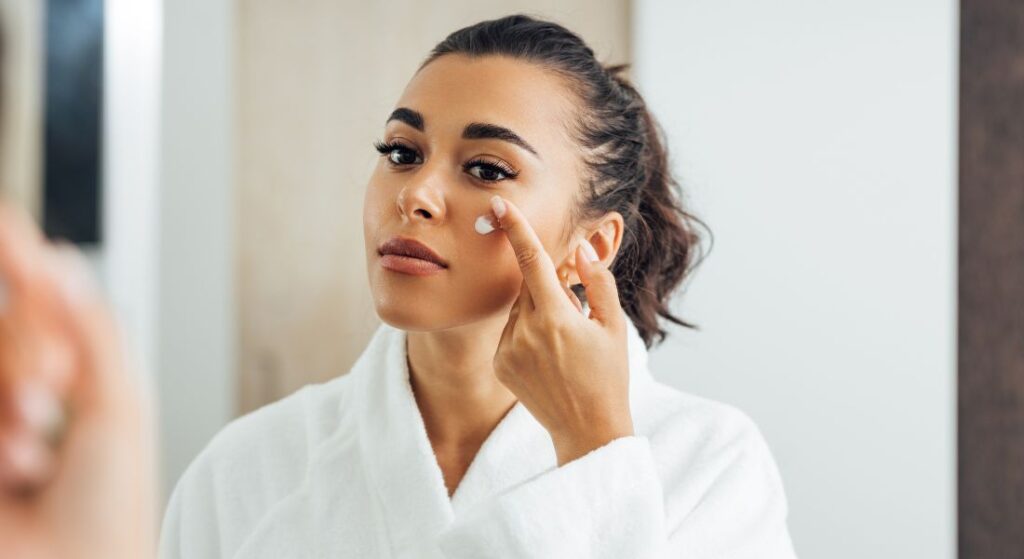
Patients with darker skin require closer and more proactive follow-up than many clinicians realise. Assuming Sculptra behaves the same across all skin types can lead to missed early signs of hyperplasia, firm papules, or subtle pigment changes. Identifying these indicators early allows timely intervention before they become permanent or more difficult to manage.
Relying solely on patient-reported feedback at 6–8 weeks is a common mistake. In my practice, I schedule additional check-ins at 2–3 weeks for higher-risk patients, particularly those with a history of keloids or hypertrophic scarring. These earlier visits let me spot and address minor irregularities before they escalate.
Ongoing monitoring doesn’t stop there. I continue assessments throughout the first few months, ensuring gradual collagen stimulation remains smooth and controlled. This structured approach minimises complications, improves safety, and consistently delivers natural, even results for patients with higher melanin skin types.
Missed Opportunities in Patient Education
Education is one of the most overlooked aspects of treating black skin with Sculptra. Patients need tailored guidance on delayed collagen response, hyperpigmentation risk, and potential keloid formation. Skipping this discussion often sets unrealistic expectations, leading to frustration for both patient and clinician.
I recall a patient who expected immediate lifting and full volume within two weeks, unaware that Sculptra works gradually over several months. When results took longer to appear, anxiety grew, and they perceived a “failure” that had nothing to do with the treatment itself.
Providing clear guidance on timelines, expected swelling, and gradual volume build-up changes the patient experience entirely. It reduces the temptation to over-treat, keeps sessions safe and controlled, and ensures that both patient and clinician remain aligned throughout the process.
Misjudging Volume and Frequency
Many practitioners assume that higher volumes or tighter treatment schedules speed up results, but in black skin this often backfires. Robust collagen and fibroblast activity can turn overzealous dosing into visible nodules or uneven texture, making overcorrection not just a cosmetic issue but a functional complication.
I’ve seen clinicians routinely inject 1.5–2 mL per cheek regardless of patient anatomy, ignoring variations in skin thickness and fibroblast density. While this approach simplifies protocols, it’s precisely the reason complications arise in darker skin types.
Smaller incremental volumes spaced over longer intervals consistently produce smoother, safer outcomes. Patience is critical; attempting rapid results is where most preventable mistakes occur, increasing both the risk of nodules and patient dissatisfaction.
Failure to Tailor Post-Treatment Care

Post-treatment care is where many outcomes are won or lost, yet it is often treated as a generic checklist. Black skin requires a nuanced approach, as its response to trauma, UV exposure, and friction differs from lighter skin types. Standard instructions may protect volume but fail to prevent pigmentation changes or raised nodules. Customised aftercare ensures that meticulous injections translate into long-term, visible success.
1. Sun Protection is Essential: UV exposure can trigger hyperpigmentation or worsen existing pigmentary changes. I emphasise consistent use of high-SPF sunscreens, physical barriers like hats, and avoiding direct sunlight for several weeks. This step alone prevents a common source of post-treatment dissatisfaction.
2. Gentle, Tailored Massage Techniques: Massage helps distribute product evenly, but technique matters. For darker skin, aggressive pressure or friction can provoke raised nodules or pigment shifts. I guide patients through gentle, precise movements that encourage optimal collagen integration without compromising skin integrity.
3. Monitoring for Early Signs of Pigment Change: Early identification of hyperpigmentation or nodules allows prompt intervention. I schedule follow-ups at intervals to assess subtle changes before they become permanent. Patients who adhere to monitoring protocols experience fewer complications and more predictable results.
4. Gradual Product Integration: Spacing treatments and integrating product slowly over weeks reduces skin stress and promotes uniform results. This approach complements precise injection technique and minimises adverse responses. Many failures in post-treatment outcomes are not due to the filler, but to missed care opportunities.
The key lesson is that precise injections alone don’t guarantee success post-treatment management shapes the final result. By tailoring care to the biology of black skin, I protect both the aesthetic outcome and long-term skin health.
Overreliance on Visual Assessment Alone
Relying solely on immediate visual cues is a frequent mistake, especially with black skin. Early complications firm papules, uneven texture, or subtle swelling can be almost imperceptible, and redness may barely appear, masking the true response of the skin. This can give a false sense of security and delay intervention.
I always combine palpation, standardised photography, and detailed patient history to track changes over time. Even minor textural shifts can indicate developing nodules or fibrotic activity, so assuming “no visible reaction” equates to safety is a risky shortcut.
Early detection allows for timely, minimally invasive interventions gentle massage, adjusting volumes for future sessions, or scheduling closer follow-ups. By being proactive rather than reactive, we can prevent minor irregularities from escalating and consistently achieve smooth, natural results in patients with higher melanin skin types.
Ignoring Combination Strategies
Relying solely on Sculptra without considering complementary techniques is a frequent error in aesthetic practice. For black skin, using adjunctive approaches small amounts of hyaluronic acid for volume, microbotox to manage dynamic areas, or staged layering reduces the overall collagen stimulus, lowering the risk of fibrotic nodules and uneven texture.
I’ve seen practitioners push a single, high-volume Sculptra session, assuming more is better. When complications like nodules or lumps appear, they often regret not adopting a combined, staged approach tailored to the patient’s skin response and anatomy.
Thoughtful planning with incremental sessions and complementary modalities consistently produces smoother, more natural outcomes. Patients respond better when we modulate collagen stimulation rather than relying on one large treatment. In higher melanin skin types, this strategic, multi-modality approach isn’t optional it’s essential to minimise risk and achieve predictable, safe results.
Strategic Planning: Volume, Depth, and Layering
I approach Sculptra sessions with a three-dimensional plan, carefully considering volume, injection depth, and distribution. Each placement is calculated not just for immediate volumisation but to guide a gradual, controlled collagen response tailored to melanin-rich skin. Layering small aliquots at multiple depths allows the product to integrate naturally, reducing the risk of lumps while achieving a harmonious lift.
Depth is critical. Too superficial, and nodules or pigment changes become more likely; too deep, and collagen stimulation is suboptimal. I adjust needle gauge, angle, and insertion technique to match skin thickness, texture, and fibroblast activity, which varies across patients.
By combining precise layering, measured volumes, and thoughtful depth placement, I can control tissue response and minimise complications. This strategy ensures smoother, more predictable results, while respecting the unique characteristics of black skin and its heightened collagen activity
Massage and Integration: Don’t Skimp
Post-injection massage is often treated as optional, yet it is critical for achieving smooth, uniform results. Black skin is particularly prone to fibrotic nodules if product integration is uneven, making early, gentle massage essential. Small, consistent interventions in the first days after treatment can prevent complications that are difficult to correct later.
1. Importance of Early Massage: Gentle massage helps Sculptra and other collagen-stimulating products distribute evenly beneath the skin. For darker skin, this reduces the risk of fibrotic nodules or small irregularities. Timing and consistency during the first few days are crucial to support proper integration.
2. Patient Instructions: I typically recommend massaging treated areas for five minutes, three times a day, over the initial five days. However, I always adjust guidance based on individual skin response and tolerance. Personalisation ensures effectiveness without causing additional irritation or trauma.
3. Preventing Small Irregularities: Patients who skip massage often return with minor lumps or uneven texture that could have been avoided. Early, proactive massage converts a technically precise injection into a polished, smooth outcome. This simple step is one of the most underappreciated contributors to success.
4. Integration as a Key Step: Massage isn’t just about comfort it guides the product to integrate naturally with existing tissue. Proper integration supports uniform collagen formation and long-term aesthetic results. Neglecting this phase undermines even the most skilled injections.
Small, deliberate actions after injection often dictate whether results appear flawless or patchy. By prioritising massage and tailored integration, I ensure that early precision translates into lasting, smooth, and natural outcomes
Recognising and Managing Early Nodules
Even with meticulous technique, minor nodules can appear in some patients. Assuming they’ll self-resolve is risky early intervention is key to preventing lasting texture irregularities. I look for subtle signs: small raised areas, asymmetrical firmness, or localized swelling that may precede more obvious lumps.
At this stage, management is usually non-invasive. Gentle massage, targeted hyaluronidase in select cases, or topical anti-inflammatory measures can correct early irregularities without compromising results. Prompt attention prevents progression to fibrotic or permanent nodules, which are far harder to treat later.
For patients with higher melanin or a history of keloids, I am particularly vigilant. Acting quickly and decisively preserves both aesthetic outcome and patient confidence, turning a minor issue into a controlled, predictable response.
Setting Realistic Expectations
I prioritise clear, upfront communication with patients. Those with black skin need to understand that visible lifting may be gradual, and subtle texture changes can appear in the first few weeks. Explaining the collagen-building timeline helps reduce anxiety and discourages premature or excessive treatments.
I also emphasise that Sculptra isn’t a substitute for surgical intervention in cases of severe volume loss or structural deficits. Aligning expectations early ensures the patient understands what is achievable and safe.
By setting realistic goals, I create a framework for both patient satisfaction and clinical success. This approach fosters trust, encourages patience, and significantly reduces the risk of complications from overcorrection or rushed sessions.
Combining Treatments for Safer Outcomes
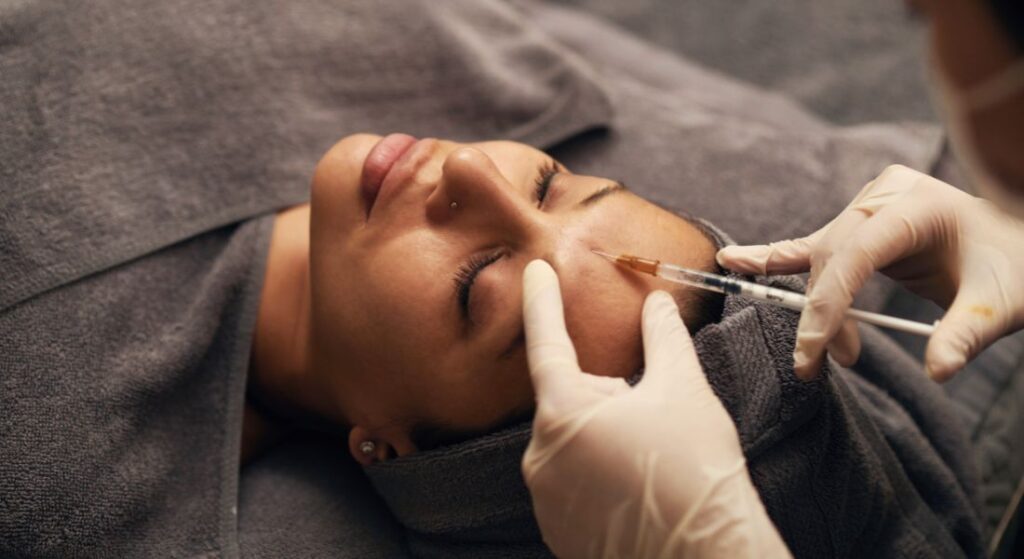
Integrating Sculptra with complementary treatments often produces smoother, safer results than monotherapy. Conservative botulinum toxin, small-volume hyaluronic acid, or gentle energy-based modalities can enhance contouring and lift while reducing the total collagen stimulus needed.
Using combination strategies allows me to administer smaller Sculptra volumes per session, which lowers the risk of nodules, fibrosis, or uneven texture. It also helps achieve a more natural, balanced result that respects the patient’s unique skin characteristics.
Skipping this step is a common oversight. Thoughtful, staged combination treatments give me greater control over outcomes, particularly in black skin, where collagen activity and fibroblast response are more robust and unpredictable.
FAQs:
1. Will I still need glasses after IOL surgery?
It depends on the type of IOL. Monofocal lenses usually require reading glasses for near tasks, while multifocal, toric, or EDOF lenses can significantly reduce spectacle dependence.
2. Which IOLs correct astigmatism?
Toric lenses are designed specifically to correct corneal astigmatism, improving distance vision and reducing blur. Multifocal toric lenses can also address near and intermediate vision.
3. Can I achieve complete independence from glasses?
Complete independence isn’t guaranteed. Multifocal and EDOF lenses provide high functional freedom, but reading very small print may still require glasses.
4. How long does it take to adapt to multifocal or EDOF lenses?
Adaptation usually takes a few weeks as the brain learns to process multiple focal points. Mild halos or glare often reduce over time.
5. Are there side effects with premium IOLs?
Some patients notice halos, glare, or slight blur initially. These effects usually diminish with adaptation, particularly with EDOF lenses.
6. Can one eye have a different IOL than the other?
Yes. A mix-and-match approach such as multifocal in the dominant eye and EDOF in the non-dominant eye can optimise vision across all distances and reduce side effects.
7. Do younger patients benefit more from premium IOLs?
Active patients or those with broad visual demands often gain the most, as premium lenses provide functional vision for multiple distances and reduce reliance on glasses.
8. How does pre-existing eye health affect IOL outcomes?
Conditions like macular changes, corneal irregularities, or dry eye can influence visual performance and spectacle dependence. Thorough pre-operative assessment is essential.
9. Will I need glasses for night driving?
Most patients experience clear distance vision at night, though mild halos or glare may occur initially. Adaptation and proper lens selection minimise this risk.
10. How do I choose the right lens for my lifestyle?
Lens selection should align with your daily activities, hobbies, and visual priorities. A personalised consultation, biometric measurements, and trial simulations help determine the best option.
Final Thoughts: Safe, Predictable Sculptra for Black Skin
Treating black skin with Sculptra requires respect for its biology, careful technique, and patient-specific planning. Success hinges on incremental volumes, layered injections, and vigilant post-treatment monitoring to avoid nodules, hyperpigmentation, or uneven texture. Integrating complementary treatments and setting realistic expectations ensures the collagen response develops safely over weeks, producing natural, harmonious results.
Patient education is equally critical. Understanding that visible lifting occurs gradually, potential texture changes may appear, and massage or follow-up care are non-negotiable steps fosters trust and reduces the temptation to over-treat. By anticipating the unique fibroblast activity and collagen density of melanin-rich skin, I can guide treatments with precision and confidence.
If you’re looking for sculptra treatment in London, you can get in touch with us at the London Medical & Aesthetic Clinic. A personalised, biology-driven approach to Sculptra ensures safe, smooth, and naturally enhanced results tailored to your skin type and aesthetic goals.
References:
1. Signori, R. (2024) Efficacy and safety of Poly‑L‑lactic acid in facial aesthetics: a systematic review, Polymers https://www.mdpi.com/2073-4360/16/18/2564
2. Han, W.Y. et al. (2023) Safety and efficacy of poly‑L‑lactic acid filler (Gana V vs. Sculptra) injection for correction of nasolabial fold, Aesthetic Plastic Surgery https://pubmed.ncbi.nlm.nih.gov/37626137/
3. Christen, M.O. et al. (2022) Collagen stimulators in body applications: review of poly‑L‑lactic acid (PLLA), Clinical, Cosmetic and Investigational Dermatology https://pmc.ncbi.nlm.nih.gov/articles/PMC9233565/
4. Storer, M. et al. (2016) Late‑onset granuloma formation after poly‑L‑lactic acid injection, JAAD Case Reports https://www.sciencedirect.com/science/article/pii/S2352512615001988
5. Jeon, Y.J. et al. (2020) Late onset foreign body reaction due to poly‑L‑lactic acid injection, Gland Surgery. https://pmc.ncbi.nlm.nih.gov/articles/PMC7875245/