



Sculptra’s safety profile in darker skin tones (Fitzpatrick IV–VI) is one of the aspects I emphasise when planning treatments. Because it stimulates collagen slowly and integrates naturally, the risk of unevenness or textural changes is lower compared with some hyaluronic acid fillers. I make it a point to map treatment areas carefully and start conservatively to ensure a smooth, predictable outcome.
I often see hesitation from patients with deeper skin tones, worried about hyperpigmentation or visible bumps. In my experience, when injection technique, dilution, and follow-up are correctly managed, these concerns are largely avoidable. Layering the product gradually allows the skin to adapt, reducing the chance of complications that could affect tone or contour.
Another advantage I point out is Sculptra’s ability to enhance facial structure subtly over time. Sudden volumetric changes can sometimes draw attention to irregularities in darker skin, but Sculptra’s progressive approach allows a natural, harmonised improvement. I recommend spacing sessions appropriately and monitoring results closely to maintain uniformity across treated areas.
Finally, patient education is key. I make sure everyone understands that results appear over months, not weeks, and that proper technique and gradual progression are critical. With these precautions, Sculptra can be a highly effective, safe option for achieving long-lasting rejuvenation without compromising the natural beauty of darker skin tones.
Understanding Sculptra and Its Mechanism
Sculptra stands out because it doesn’t just fill it rebuilds. I explain to patients that it works by gradually stimulating their own collagen, restoring volume and smoothness over several months rather than delivering instant results. This slow, controlled process allows me to achieve natural-looking outcomes while minimising the risk of abrupt changes or overcorrection.
For patients with darker skin tones, that gradual progression is particularly beneficial. Sudden volume changes can sometimes accentuate irregularities, shadows, or texture differences, but Sculptra integrates with the skin’s natural structure, creating harmonious results. I always adopt a conservative approach, spacing sessions and carefully monitoring how the skin responds to ensure even, predictable improvements.
I also emphasise that patience is key. Because results develop over time, I can fine-tune each treatment and adjust future sessions based on how collagen builds and tissue settles. By customising injection patterns according to anatomy, skin thickness, and individual goals, I achieve subtle, structural rejuvenation that enhances contours and maintains the natural beauty of darker skin tones.
Why Skin Tone Matters in Injectable Treatments
Skin tone isn’t just a cosmetic descriptor it directly influences healing, response to trauma, and risk of pigmentation changes. Darker skin types, particularly Fitzpatrick IV–VI, have a higher tendency for post-inflammatory hyperpigmentation after even minor irritation. Recognising these differences ensures that treatment plans are safe, tailored, and realistic in terms of both results and recovery.
1. Higher risk of post-inflammatory hyperpigmentation: Even small needle trauma can trigger visible dark spots in darker skin. Anticipating this risk allows adjustment of technique, depth, and product choice. Without these precautions, patients may experience unintended cosmetic issues despite technically correct injections.
2. Technique adaptation based on skin response: I modify needle or cannula use, injection depth, and spacing to minimise inflammation. Gentle layering and conservative volume help prevent pigmentary changes. Tailoring technique to skin biology improves both safety and aesthetic outcomes.
3. Patient-specific planning: Fitzpatrick IV–VI patients benefit from pre- and post-treatment skin care strategies to reduce hyperpigmentation risk. Discussing realistic healing timelines and potential temporary discoloration helps set expectations. Planning around these factors avoids surprise and enhances satisfaction.
4. Integration with product selection: Certain fillers or biostimulatory products interact differently with skin of varying melanin levels. Factoring skin tone into product choice reduces complications and ensures natural-looking results. Ignoring this can compromise both appearance and patient confidence.
Skin tone is a critical factor that guides every aspect of injectable planning, from technique to aftercare. Darker skin requires particular attention to avoid post-inflammatory hyperpigmentation and other complications. By incorporating these considerations into the treatment strategy, we maintain both safety and predictable aesthetic outcomes. In practice, acknowledging skin biology is essential for delivering results patients can trust.
Post-Inflammatory Hyperpigmentation Risks
You should be aware that one of the main concerns after collagen stimulator treatments is post-inflammatory hyperpigmentation (PIH). This occurs when the skin darkens in response to trauma or inflammation and can be more noticeable in certain skin types. Using careful injection technique and minimising tissue trauma are the most effective ways to reduce this risk.
Aftercare also plays a crucial role in preventing pigmentation changes. You need to avoid aggressive exfoliation or harsh products in the days following treatment. Protecting your skin from sun exposure is equally important, as UV rays can worsen any discolouration that may develop.
By combining precise technique with proper post-treatment care, you can dramatically lower the chance of PIH. This ensures that your results not only look smooth and natural but also maintain an even skin tone over time. Following these precautions is as important as the treatment itself.
Nodule Formation Considerations
You should know that Sculptra can occasionally form small nodules if the product is not injected correctly. This isn’t usually related to skin colour, but technique must be adapted to ensure even distribution and correct depth. Paying attention to how the product settles in the tissue is key to avoiding these lumps.
I always use gentle layering and carefully chosen dilution to control how the material integrates. Massaging the treated area immediately after injection also helps smooth the product and reduces the chance of nodularity. These steps may seem simple, but they make a significant difference in creating a uniform, natural look.
By following a methodical approach, you can prevent unwanted bumps while achieving consistent results. This ensures that your face appears smooth and balanced as the collagen develops over time. Precision and patience are the best safeguards against complications.
Patient Assessment Before Treatment
You should always have a full facial assessment before any collagen stimulator treatment. This involves carefully examining your skin quality, identifying areas of volume loss, and reviewing any previous cosmetic procedures. Each of these factors influences how the product will integrate into your tissues and ensures the results look natural rather than artificial. Skipping this step can lead to unexpected outcomes or uneven results that are difficult to correct.
The assessment also allows me to plan the treatment precisely for your unique anatomy. Not every face responds the same way, so understanding your specific needs helps guide product selection, dilution, injection depth, and placement. This personalised approach ensures that each session is both safe and effective.
By taking the time upfront to evaluate your facial structure, we can anticipate how the collagen stimulator will perform over time. It also helps manage expectations, giving you a realistic sense of the results and their progression. Thorough assessment is the foundation for predictable, harmonious, and long-lasting outcomes that truly enhance your features.
Dilution Strategies for Safety
You should understand that dilution is a key factor in ensuring safe, natural results, especially for deeper skin tones. For patients with Fitzpatrick IV–VI skin, I often use a slightly higher dilution with Sculptra to help the product spread evenly and reduce the risk of visible nodules. This adjustment makes a big difference in how smoothly the material integrates and how uniform the final result appears.
Each syringe is prepared specifically for the patient’s anatomy and the area being treated. This means the volume, concentration, and injection technique are tailored rather than using a standard approach. Customising dilution allows the treatment to work with your tissue characteristics instead of against them.
By carefully adjusting how the product is mixed and delivered, you can achieve safer, more predictable outcomes. The right dilution not only minimises complications but also supports a smoother, natural lift that develops gracefully over time.
Injection Depth and Placement
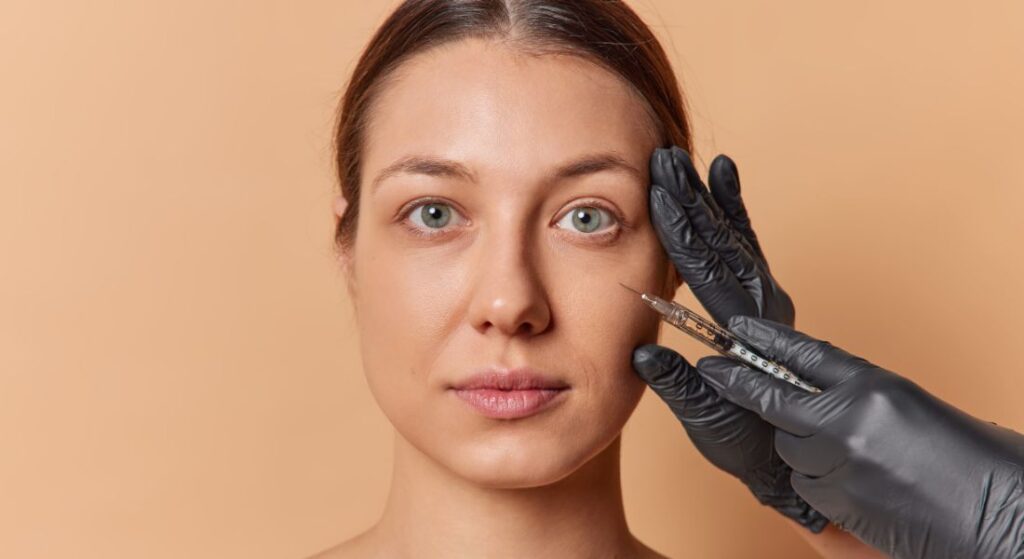
Injection depth determines both safety and aesthetic outcome with PLLA treatments. Shallow placement can produce visible lumps, irregular texture, or early nodules, while too deep risks reduced collagen stimulation and unpredictable results. Careful planning of where and how deep to place product is essential to achieve smooth, natural-looking volume.
1. Mid-to-deep dermal placement for Sculptra: I target the mid-to-deep dermis rather than the superficial layers to prevent surface irregularities. Correct depth allows gradual collagen stimulation without bumps or visible nodules. Misjudging depth is the most common cause of uneven texture post-treatment.
2. Strategic mapping of injection zones: Each treatment area is mapped to account for anatomy, tissue density, and swelling patterns. Avoiding overfilling in high-risk zones ensures even distribution and natural contour. Planning placement reduces the need for corrective interventions later.
3. Volume control per site: Small, evenly spaced aliquots prevent overcorrection in any one area. This approach maintains symmetry and avoids excessive swelling. Controlled delivery ensures gradual, predictable results consistent with natural facial anatomy.
4. Adaptation for individual anatomy: Skin thickness, subcutaneous tissue, and muscle movement vary between patients. Depth and placement must be adjusted accordingly for optimal results. Ignoring individual variation increases the risk of lumps, irregularities, or patient dissatisfaction.
Injection depth and precise placement are the foundation of smooth, natural PLLA results. By mapping zones carefully and controlling both depth and volume, we avoid complications and achieve predictable collagen stimulation. Each session is tailored to anatomy and tissue behaviour, ensuring that enhancements look effortless and balanced. Proper execution here transforms technical skill into visible, lasting aesthetic success.
Layering Technique for Natural Results
You will get the most natural outcomes when Sculptra is applied using a gradual layering technique. Instead of injecting a large amount into one area, I distribute smaller volumes across multiple points. This careful approach allows the collagen to build evenly and reduces the chance of lumps or irregular texture.
Layering also helps control how the lift develops over time, creating subtle, progressive improvement rather than an abrupt change. Each session can be fine-tuned according to how your tissue responds, which ensures a balanced, harmonious appearance.
By taking this measured approach, you achieve a soft, organic lift that enhances your features without looking overdone. Patience and precision in layering are what separate natural-looking results from heavy or artificial outcomes.
Session Planning and Timing
You should understand that treating darker skin safely often works best through staged sessions rather than attempting to complete everything in a single appointment. I schedule treatments several weeks apart to carefully observe how your skin responds and to allow collagen to develop evenly. This measured approach reduces the risk of complications such as nodules or uneven texture and ensures that the lift appears smooth and natural over time.
Spacing sessions also gives me the opportunity to refine my technique, adjust dilution, or modify injection points based on how your tissues react. Every patient responds differently, and these small, deliberate adjustments at each stage make a significant difference in the quality and predictability of the final result. It also allows me to address any minor irregularities early before they become more noticeable.
By planning sessions carefully, you achieve gradual, controlled improvement rather than sudden, artificial changes. This method not only protects your skin but also maximises the longevity and natural appearance of your results. Staged treatment ensures a safer, more personalised journey, giving you confidence in both the process and the outcome.
Managing Swelling and Redness
You should expect some swelling and redness after treatment, which is a normal part of the healing process. However, managing these reactions carefully is especially important for deeper skin tones, where inflammation can sometimes trigger pigment changes. Applying cold compresses immediately after your session helps reduce both swelling and discomfort effectively.
In some cases, I may recommend mild anti-inflammatory measures to further control the reaction. This ensures that the area settles smoothly and decreases the risk of prolonged redness or uneven pigmentation. Early intervention is key to maintaining both safety and aesthetics.
By controlling inflammation from the outset, you improve comfort and protect your skin tone while allowing collagen to develop optimally. These simple post-treatment steps make a significant difference in the overall quality and longevity of your results.
Massage and Aftercare Protocols
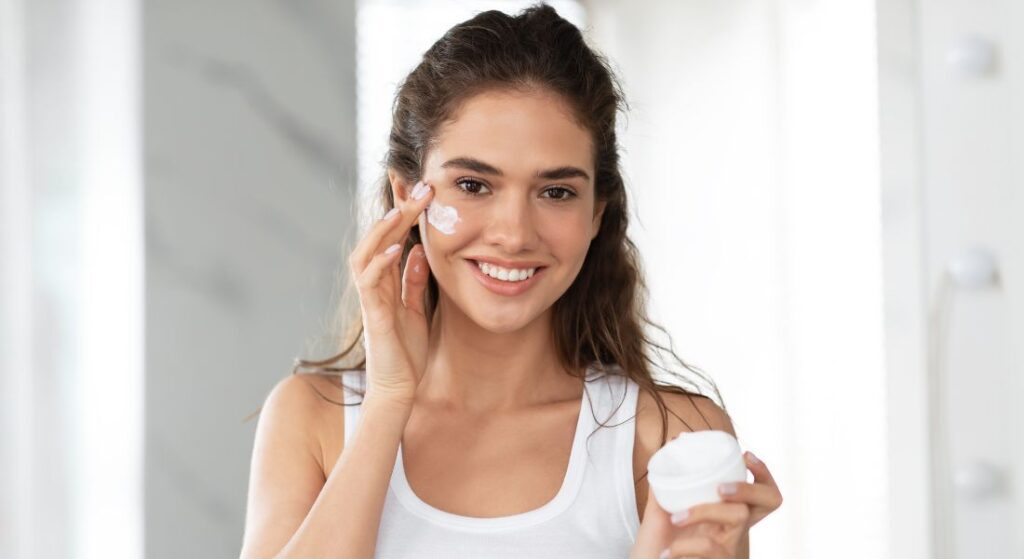
You should perform gentle massage in the treated areas starting about 24 hours after your session. This helps the PLLA spread evenly through the tissue and lowers the risk of small lumps or uneven texture. Consistent, careful massage is a simple step that has a big impact on how smoothly the product integrates over time.
Sun protection is equally important, particularly for darker skin, to prevent pigmentation changes. I provide tailored guidance on your skincare routine, including which products to use and which to avoid during the healing phase. Following these instructions ensures your skin remains healthy and that the results develop as intended.
By combining proper massage with attentive aftercare, you support even collagen formation and maintain a natural, uniform lift. These steps may seem minor, but they are crucial in protecting both your skin tone and the long-term quality of your results.
Monitoring and Follow-Up
Follow-up is where treatment transitions from injection to lasting outcome. I schedule reviews at four to six weeks and again at three months to assess collagen response, identify early irregularities, and perform touch-ups if necessary. Without close monitoring, subtle issues can persist and compromise the smooth, natural result that PLLA is designed to achieve.
1. Early assessment of collagen response: Tracking how the product integrates over the first month identifies uneven stimulation or nodules. Adjustments at this stage are minor but prevent larger corrections later. Early insight allows proactive management rather than reactive fixes.
2. Structured documentation for predictability: Detailed records of injection points, volumes, and tissue response create a roadmap for future sessions. This helps anticipate outcomes and tailor subsequent treatments. Documentation ensures consistency and improves overall treatment strategy.
3. Special attention to darker skin types: Fitzpatrick IV–VI skin is more prone to visible irregularities or pigmentation changes. Close observation allows timely intervention before minor bumps or unevenness become noticeable. Monitoring enhances safety and aesthetic satisfaction.
4. Opportunity for touch-ups: Follow-up sessions allow refinement, balancing volume and symmetry as collagen develops. Small adjustments at the right time prevent overcorrection or asymmetry later. Structured follow-up maximises both longevity and natural results.
Monitoring transforms a technically successful injection into a truly refined aesthetic result. Scheduled follow-ups, careful documentation, and timely touch-ups ensure predictable, balanced outcomes. Attention to individual anatomy and skin type safeguards against complications and enhances satisfaction. In practice, diligent follow-up is the difference between good results and exceptional, lasting ones.
Combining Sculptra With Other Treatments
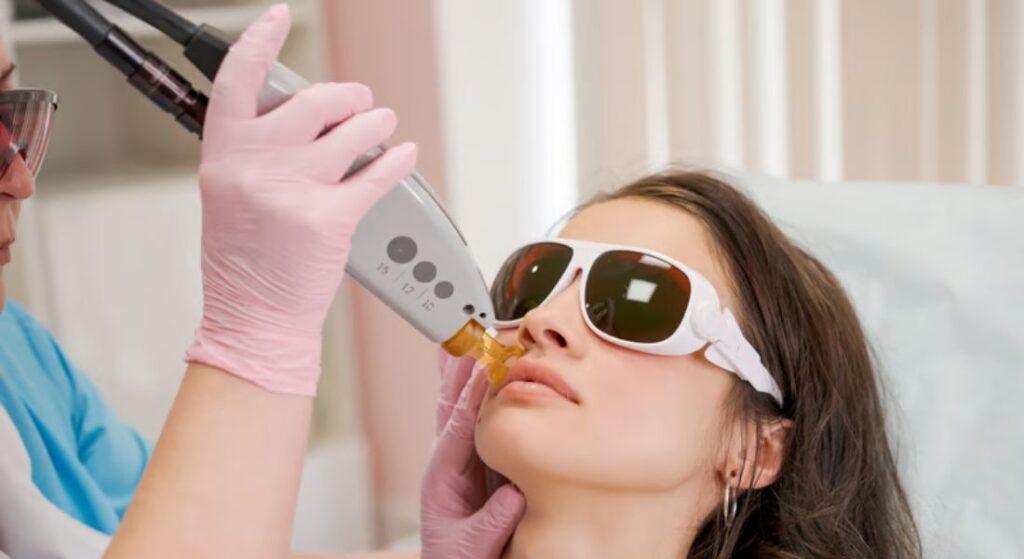
You may benefit from combining Sculptra with dermal fillers or non-invasive treatments to achieve a more refined and harmonious facial contour. I always assess how your skin has responded to prior injections before layering additional treatments, ensuring that the tissues are ready to handle more product safely. Skipping this evaluation increases the risk of uneven results or unwanted complications, so it is a critical part of the process.
Strategic combination allows me to address multiple concerns in a coordinated way. For example, Sculptra can rebuild deeper structural support while dermal fillers enhance specific contours, and non-invasive treatments improve skin texture or firmness. Each element works in synergy rather than competing, creating a more comprehensive improvement in facial aesthetics. This approach ensures that changes are gradual, balanced, and natural-looking.
By carefully planning these combinations, you achieve results that are predictable, long-lasting, and tailored to your individual needs. Timing, precision, and sequencing are key, as they allow each product to perform optimally without compromising tissue integrity. When done correctly, combined treatments can elevate outcomes far beyond what a single approach can achieve.
Patient Education and Expectations
You should always be clear about what to expect before starting treatment. Sculptra works gradually, so the full effects develop over several months rather than appearing immediately. Understanding this timeline helps you set realistic goals and prevents frustration if changes aren’t instantly visible.
It’s also important to be aware of temporary reactions such as swelling or redness, which are normal and part of the healing process. I make sure you know how to manage these, including when and how to perform gentle massage to support even collagen distribution. This guidance reduces anxiety and allows you to participate actively in your treatment results.
By educating patients thoroughly, you create a smoother, more predictable experience. Knowing what to expect and how to care for your skin ensures satisfaction and helps maintain the natural, harmonious outcomes that Sculptra is designed to deliver.
Common Mistakes to Avoid
You should be aware of the errors that are most common when treating darker skin tones. Superficial injections, aggressive dosing, and skipping follow-up appointments are the mistakes I see most often. Each of these increases the risk of nodules, uneven texture, or pigmentation changes that can compromise the final result.
A cautious, measured approach is far safer and more effective. By controlling injection depth, adjusting product volume carefully, and spacing sessions appropriately, you minimise complications while supporting natural collagen formation.
Following a methodical workflow ensures predictable outcomes and protects your skin tone. Taking time at every stage, from assessment to follow-up, is what separates safe, consistent results from preventable problems.
Final Safety Recommendations
If you have Fitzpatrick IV–VI skin and are considering Sculptra, safety begins with proper dilution tailored to your anatomy. Correct injection depth and patient-specific planning are equally essential to minimise risks and optimise outcomes. Skipping these foundational steps increases the chance of nodules, uneven lift, or pigmentation issues.
Post-injection massage is a critical part of the process, helping the product distribute evenly and integrate smoothly with your tissues. Staged sessions allow your skin to respond gradually, while thorough follow-up ensures that any adjustments can be made before complications develop. These steps work together to protect both your results and your skin health.
By following this structured, cautious approach, you can achieve consistent, predictable, and natural-looking results. When executed correctly, Sculptra can deliver a gradual, harmonious lift that enhances your features safely and beautifully.
Internal Resource for Patients
If you want to learn more about Sculptra treatments, you can explore our detailed guide at LMA Clinic. It covers the areas typically treated, the type of results you can expect over time, and the recommended aftercare routines that help ensure safe, effective outcomes. The guide is designed to give you a clear understanding of what the treatment involves and how it supports natural, gradual facial rejuvenation.
It also explains the full process in detail, including how sessions are staged, massage protocols, and follow-up schedules. This allows you to see exactly how we plan each treatment to maximise safety and results. Understanding these steps helps you participate actively in your own care and know what to expect at every stage.
By reviewing these resources, you can make informed decisions with confidence and feel fully prepared for your Sculptra journey. Being well-informed is key to achieving predictable, natural-looking results and maintaining your skin’s health throughout the treatment process.
FAQs
1. Is Sculptra safe for Fitzpatrick IV–VI skin tones?
Yes. When properly diluted, injected at the correct depth, and delivered using gradual layering, Sculptra is safe and effective for darker skin tones, with a low risk of hyperpigmentation or nodules.
2. What is the risk of post-inflammatory hyperpigmentation (PIH)?
Darker skin has a higher tendency for PIH, but careful injection technique, minimal tissue trauma, and diligent aftercare dramatically reduce this risk.
3. How can nodules be prevented?
Using appropriate dilution, mid-to-deep dermal placement, layering small aliquots, and post-injection massage helps avoid visible lumps and ensures even collagen stimulation.
4. How is Sculptra different from traditional fillers for darker skin?
Unlike hyaluronic acid fillers that provide immediate volume, Sculptra works gradually to stimulate collagen, reducing the risk of abrupt contour changes that can accentuate irregularities in deeper skin tones.
5. How should treatment sessions be planned?
Staged sessions spaced several weeks apart allow the skin to respond naturally, provide opportunity for adjustments, and reduce complications like nodules or uneven texture.
6. What injection techniques are recommended for safety?
Mid-to-deep dermal placement, gentle layering, precise mapping of injection zones, and controlled volume per site are critical for smooth, natural results.
7. What aftercare measures are essential?
Gentle massage starting 24 hours post-treatment, strict sun protection, and avoiding harsh skincare products help maintain even tone and prevent complications.
8. Can Sculptra be combined with other treatments?
Yes. It can be safely combined with dermal fillers or non-invasive procedures, but prior tissue response should be assessed to avoid uneven results.
9. When will I see the results?
Results develop gradually over several months, allowing progressive structural improvement rather than sudden volume changes, which is particularly advantageous for darker skin.
10. How can I ensure the best outcome?
A thorough pre-treatment assessment, patient-specific dilution, precise injection depth, staged sessions, proper massage, and diligent follow-up are key to safe, predictable, and natural-looking results.
Final Thoughts: Safe, Gradual, and Tailored
Treating darker skin tones with Sculptra requires a careful, structured approach that prioritises safety and predictable outcomes over speed. I’ve found that when sessions are staged, dilution is customised, and injection depth is precise, patients consistently achieve smooth, natural results without pigmentation issues or nodules. Attention to technique, post-treatment massage, and follow-up monitoring transforms a technically successful procedure into a harmonious, long-lasting improvement.
If you’re looking for Sculptra in London, you can get in touch with us at the London Medical & Aesthetic Clinic, where we tailor every treatment to your anatomy and skin tone for safe, effective results. For a deeper understanding of what to expect and how the treatment develops over time, explore our detailed Sculptra guide to make an informed decision. Book a consultation to start a carefully planned journey toward natural, structural rejuvenation.
References
1. Signori, R. (2024) Efficacy and safety of poly‑l‑lactic acid in facial aesthetics: a systematic review, Polymers, https://www.mdpi.com/2073-4360/16/18/2564
2. Fabi, S. et al. (2024) Effectiveness and safety of Sculptra poly‑L‑lactic acid injectable implant in cheek wrinkles, Journal of Drugs in Dermatology, https://pubmed.ncbi.nlm.nih.gov/38206151/
3. Chen, M.C., et al. (2024) Augmenting dermal collagen synthesis through hyaluronic acid‑based microneedle‑mediated delivery of PLLA microspheres, International Journal of Biological Macromolecules, https://www.sciencedirect.com/science/article/abs/pii/S0141813024071204
4. Vasconcelos‑Berg, R. (2024) Safety of immediate reconstitution of poly‑L‑lactic acid (PLLA‑SCA) injections, https://pmc.ncbi.nlm.nih.gov/articles/PMC11626369/
5. Innocenti, A. et al. (2025) Injectable Poly‑L‑Lactic Acid (PLLA‑SCA™) as a versatile treatment in current aesthetic medicine: expert recommendations based on Italian clinical experience, Cosmetics, https://www.mdpi.com/2079-9284/12/6/264