


If you have darker skin and are considering CO₂ laser resurfacing, you may understandably have concerns about scarring or keloid formation. Black skin has unique biological characteristics that influence healing, pigmentation, and collagen behaviour. Understanding these differences allows treatment to be planned safely and realistically.
CO₂ laser resurfacing can improve scarring, texture, and pigmentation when used appropriately. However, higher melanin levels require thoughtful adjustment of treatment settings and expectations. Safety depends on careful protocol selection rather than avoidance of treatment altogether.
In this article, we explore how CO₂ laser interacts with Black skin, the biology of keloids, conservative energy approaches, and realistic outcome planning. We also explain why patch testing and gradual progression are essential. Most importantly, we clarify how risk can be minimised through expert-led care.
Understanding Melanin and Skin Response
Melanin gives your skin natural protection against UV damage, but it also affects how your skin responds to inflammation. In skin with higher melanin levels, even minor irritation can trigger pigment changes. That’s why post-inflammatory hyperpigmentation is often a bigger concern for you if your skin is darker. Understanding this helps guide safer and more effective treatment planning.
When you undergo laser therapy, the energy creates controlled thermal injury in the skin. Your body reacts by initiating collagen remodelling and healing processes. In darker skin types, this healing response can be more reactive, which means your skin may respond more strongly to the same treatment compared with lighter skin. Awareness of this response allows your clinician to adjust protocols appropriately.
The fact that darker skin can be more reactive doesn’t mean treatment is unsafe for you. It simply means a more conservative approach is needed, along with careful monitoring. Your individual biology plays a central role in how treatments are selected and delivered. With the right strategy, you can still achieve effective results while minimising risk.
Keloid Biology in Black Skin
Keloids develop when your skin produces too much collagen during the healing process. Unlike regular scars, they extend beyond the original injury site and can continue to grow over time. Statistically, people with darker skin, including Black skin, have a higher tendency to form keloids.
This increased risk is linked to how your fibroblasts behave and the way growth factor signalling works during healing. Essentially, your body’s repair response can become amplified, leading to excessive scar formation. Genetic factors also influence this process, meaning your family history plays a role in your personal risk.
It’s important to remember that not every person with darker skin will develop keloids. Your personal and family history is a stronger predictor than skin colour alone. If you’ve had a keloid before, the likelihood of recurrence is higher.
With careful monitoring and tailored treatment, you can manage the risk effectively. Options such as pressure therapy, silicone gels, or targeted injections may be considered depending on your history. The key is personalised care understanding your unique risk profile helps you and your clinician take proactive steps.
How CO₂ Laser Interacts With Collagen
CO₂ lasers work by creating controlled thermal injury in your skin, which stimulates collagen remodelling. In lighter skin types, this collagen response tends to be fairly predictable. In darker or melanin-rich skin, your fibroblasts may react more vigorously, producing collagen more actively during repair. This can increase the theoretical risk of hypertrophic scarring if parameters aren’t carefully adjusted. For you, that means treatments need to be planned with extra caution.
Understanding how collagen behaves in your skin helps your clinician tailor the laser’s energy levels. The goal is to stimulate collagen without over-activating it. By using conservative settings, your healing response can be balanced and controlled. Precision in treatment ensures you get the benefits of rejuvenation while minimising risks. This approach supports safe and effective outcomes for your skin type.
Scar Risk in Higher Fitzpatrick Types
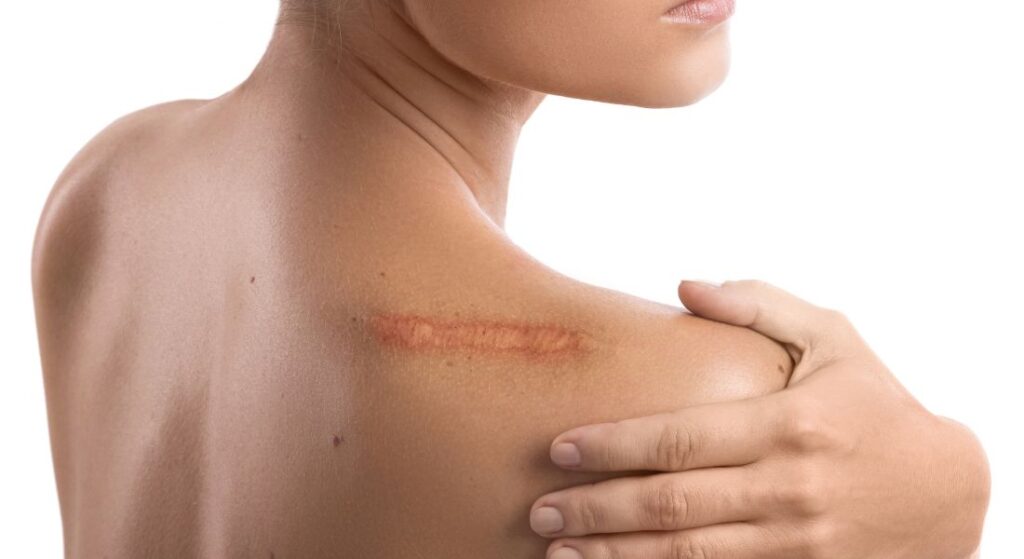
If you have a higher Fitzpatrick skin type, it’s important to know that your skin can respond differently to treatments. These skin types often mount stronger inflammatory reactions, which can increase your risk of hyperpigmentation or hypertrophic scarring after procedures. How much risk applies to you can vary, depending on your individual biology and skin history.
1. Inflammatory response matters: Stronger inflammatory cascades in darker skin can lead to more noticeable pigment changes or raised scars after injury or laser treatment. Understanding your skin’s typical healing pattern helps guide safer procedures.
2. Treatment intensity and thermal load: Aggressive laser passes or high-density settings can increase cumulative heat in the skin, raising the likelihood of complications. Being conservative with energy and pass number helps keep your treatment safer while still effective.
3. Modulating risk: While risk can’t be completely eliminated, careful planning and precise energy adjustment go a long way. Individual evaluation before treatment allows clinicians to customise settings that respect your skin type and reduce the chance of unwanted outcomes.
4. Why personalised approaches are essential: Each patient’s response is unique. By tailoring parameters whether with lasers, microneedling, or other interventions your clinician can maximise results while minimising the risk of pigment changes or scarring.
In short, having a higher Fitzpatrick skin type doesn’t mean you can’t safely undergo aesthetic or dermatologic procedures. It does mean your treatment plan needs to be personalised, carefully controlled, and mindful of how your skin reacts to inflammatory stress.
Conservative Energy Protocols
When treating darker skin, using lower energy and reduced density is essential. This approach keeps the total thermal load on your skin to a minimum. Gradual stimulation of collagen is much safer than aggressive resurfacing. For you, it means a lower risk of unwanted side effects while still achieving visible improvement over time.
Fractional delivery is generally preferred over fully ablative techniques. By leaving untreated skin between microthermal zones, your skin can heal more quickly and predictably. This method helps your body respond without overreacting. Recovery becomes smoother and more manageable for you, making the treatment experience safer and more comfortable.
Many clinicians recommend multiple staged treatments rather than a single intensive session. Progressing gradually helps protect your pigment stability and reduces the chance of complications. You’ll likely see slow, steady improvement rather than rapid but risky changes. Controlled, staged treatments give you the best balance between results and safety.
Importance of Patch Testing
Patch testing is a key step when planning laser treatments, especially for darker skin types. A small area of your skin is treated first, before any full-face procedure. By monitoring how this test area heals, your clinician can see how your skin responds in real time. This helps ensure that the treatment will be safe and effective for you.
One of the main benefits is that it identifies any exaggerated inflammatory reactions early. If your skin shows a stronger-than-expected response, adjustments can be made before a larger area is treated. It also gives valuable insight into how your pigment might react. This allows your clinician to fine-tune settings to your individual biology.
Patch testing isn’t optional for patients at higher risk of pigment changes or scarring. Skipping this step could increase the likelihood of complications. For you, undergoing a patch test provides a clear safety net before committing to a full treatment.
Ultimately, personalised assessment through patch testing builds confidence. You can feel reassured knowing that the treatment plan is tailored to how your skin actually responds. This careful approach protects both your results and your long-term skin health. It’s a simple step that makes a big difference in safety and outcomes.
Post-Inflammatory Hyperpigmentation Risk
Post-inflammatory hyperpigmentation is a common concern for people with Black skin. Even minor inflammation from treatments can trigger your melanocytes to become overactive, which may cause darkening after a laser session. Being aware of this risk helps you and your clinician plan more cautiously. Understanding how your skin responds is key to achieving safe and effective results.
Proper pre-treatment preparation can significantly reduce this risk. You may be advised to use pigment-stabilising skincare products in the weeks leading up to treatment. Consistent sun protection is also essential, as UV exposure can worsen pigment changes. Taking these steps helps create a safer environment for your skin to respond to the laser.
If hyperpigmentation does occur, it is usually temporary. Early intervention, such as topical treatments or adjusted care routines, can help it fade more quickly. Close follow-up ensures any changes are managed promptly and effectively. For you, attentive monitoring provides reassurance and supports the best possible outcome.
Healing Differences in Black Skin
Healing patterns can differ depending on your skin type. In Black skin, the inflammatory response may last longer, which means your recovery needs careful monitoring. Being aware of this helps you and your clinician adjust aftercare and treatment schedules appropriately. Close observation ensures any issues are caught early, keeping your results safe and predictable.
Maintaining moisture balance and following gentle aftercare are particularly important for you. Over-treatment or aggressive post-procedure care can increase the risk of complications. An extended healing time doesn’t mean the treatment has failed it simply reflects your skin’s natural biology. Patience and protective measures are key parts of a safe and effective recovery plan.
Managing Patients With Keloid History
If you’ve had keloids before, extra care is essential when considering any skin procedure. Your history alone can influence how your skin reacts sometimes even more than general statistics about treatment risk.
1. Assessing risk versus benefit: Not all procedures are suitable for patients with a keloid tendency. For example, aggressive CO₂ laser treatments may be avoided entirely. Your clinician will weigh potential benefits against the risk of provoking new keloid formation.
2. Conservative treatment if proceeding: If treatment is appropriate, settings must be carefully adjusted. Lower energy, fewer passes, and conservative techniques reduce the chance of triggering abnormal scarring.
3. Close follow-up and preventative strategies: Ongoing monitoring is vital. Early signs of keloid formation can be managed more effectively if detected promptly. Your clinician may also discuss preventative approaches, such as silicone therapy or pressure dressings, to protect treated areas.
4. Individual evaluation is key: Every patient is unique. Your personal history, rather than general data, determines how safe and effective a procedure will be. Safety always comes first, and plans should be customised around your specific risk profile.
For you, the priority is balancing results with long-term skin health. Thoughtful planning, conservative parameters, and vigilant follow-up help ensure treatments are both safe and effective.
Realistic Outcome Planning
When CO₂ laser is used on Black skin, the goal is often noticeable improvement rather than perfection. Aggressive resurfacing can increase the risk of complications, so a gradual approach is usually preferred. For you, this means treatments are designed to balance safety with effective results, rather than aiming for dramatic change in a single session.
You may see improvements in skin texture and scarring over multiple sessions. Pigment blending also happens slowly, so results appear gradually rather than instantly. Setting realistic expectations helps you appreciate the progress as it occurs and reduces the chance of frustration.
Honest consultation with your clinician is essential to ensure you feel satisfied with your treatment plan. Understanding the limitations of your skin’s response prevents disappointment. By progressing conservatively, you’re more likely to achieve sustainable, long-lasting results that maintain your skin’s health.
Fractional vs Fully Ablative CO₂ in Black Skin
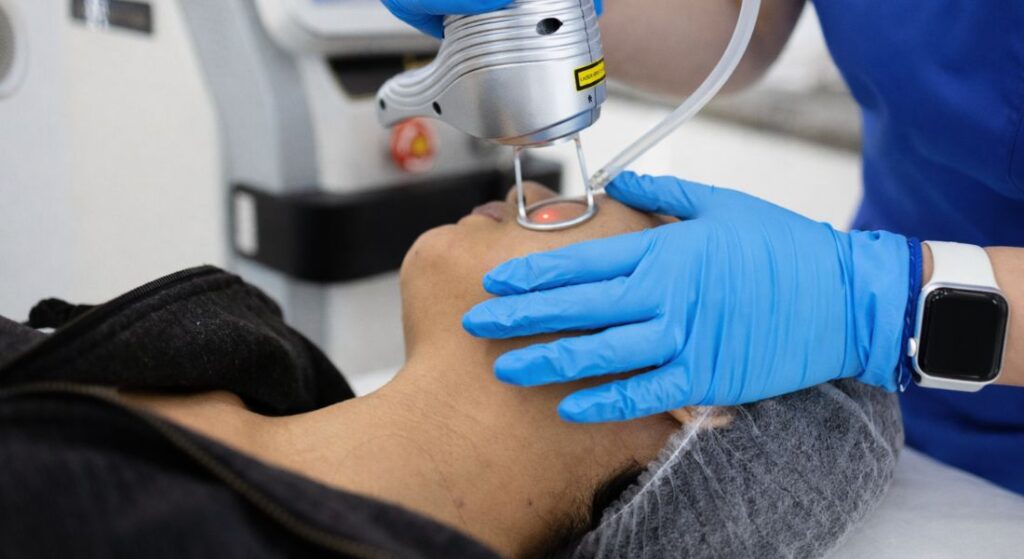
Fractional CO₂ lasers work by treating tiny, microscopic columns of your skin while leaving the surrounding tissue intact. This selective approach supports faster healing and allows your body to recover more efficiently. By sparing healthy skin, the risk of scarring and pigment changes is significantly reduced. For you, this means treatments can be effective while keeping complications to a minimum.
In contrast, fully ablative CO₂ lasers remove the entire surface layer of your skin. This creates more downtime and a higher inflammatory burden during recovery. For darker skin types, including Black skin, the increased inflammation can elevate the risk of complications such as hyperpigmentation or hypertrophic scarring. That’s why fully ablative approaches are used far more cautiously.
Fractional treatment is generally considered safer for you, particularly if your skin is prone to pigment changes. The depth and intensity of treatment can be carefully controlled to match your skin’s tolerance. This precision allows for gradual improvement without overwhelming your natural healing processes.
Using a fractional approach also minimises cumulative trauma over multiple sessions. Your skin has time to repair between treatments, which supports stable, long-term results. By tailoring the treatment to your individual response, you can achieve meaningful improvement while maintaining safety and pigment stability.
Pre-Treatment Skin Preparation
Preparing your skin before laser treatment is an important step for safety and effectiveness. Stabilising your pigment beforehand helps reduce the inflammatory response during and after the procedure. Controlled pre-conditioning sets the stage for better, more predictable outcomes. For you, this means your skin is ready to respond optimally to the laser energy.
Your clinician may suggest specific skincare routines tailored to your needs. Gentle exfoliation, pigment-control products, and other preparatory steps may be included. Sun avoidance is also essential, as UV exposure can worsen pigment changes and affect healing. Following these guidelines helps you start the treatment on the right foot.
Proper pre-treatment preparation reduces unpredictability and supports consistent results. When your skin is stable, it responds more reliably to each session. Essentially, prevention begins before the procedure, giving you a safer and more effective overall experience.
Post-Treatment Care Strategies
Post-laser care for Black skin requires careful attention and discipline. Strict sun protection is essential to prevent pigment changes, while barrier-repair products help support your skin’s healing process. Using gentle, soothing skincare helps your skin recover without triggering excess inflammation. For you, following these steps closely can make a big difference in both safety and results.
Avoiding harsh or abrasive products also helps maintain stability during recovery. Gentle cleansing and moisturisation protect your skin while it repairs itself. Regular follow-up appointments allow your clinician to spot and address any issues early. Recovery doesn’t end on the day of treatment ongoing support ensures your progress is safe and effective.
Psychological Considerations
It’s completely understandable to feel concerned about scarring, especially if you’ve had previous experiences that didn’t go as planned. Fear is natural, and your perception of risk may be shaped by what you’ve seen or heard. Transparent communication with your clinician helps build trust and eases anxiety. When you know what to expect, you feel more in control of the process.
Education is a powerful tool in reducing uncertainty. Knowing the potential risks, the safeguards in place, and how your skin will be cared for can significantly ease worry. Clear expectations give you confidence and help you approach treatment with a realistic mindset. Understanding the process is just as important as the procedure itself.
Working with an expert ensures that your treatment is carefully planned and executed. A structured plan reduces fear because you know each step is being monitored. Support throughout the recovery process also matters you’re not navigating it alone. Feeling guided and informed helps you stay calm and confident in achieving the best possible results.
Advances in Safer Protocol Development
Research is continually refining safer laser protocols for darker skin. By adjusting energy levels and incorporating advanced cooling technologies, clinicians can improve outcomes while reducing risks. For you, this means treatments are becoming both more effective and safer, tailored to your skin’s specific needs. Evidence-based adaptations ensure that each session is backed by the latest scientific understanding.
Data from diverse skin populations is playing a key role in these improvements. Inclusion in clinical research is expanding, so knowledge now reflects a wider range of skin types and responses. This makes treatment planning more precise and personalised for you. Comprehensive data allows clinicians to anticipate reactions and adjust protocols accordingly.
These advances support responsible and careful treatment. Progress may be gradual, but it is steady and focused on safety. For you, this means that modern laser procedures are evolving with your wellbeing as the central priority. The aim is always to achieve the best results while minimising risk.
When CO₂ Laser May Not Be Suitable
If you’re considering CO₂ laser treatment, it’s important to know that it’s not the right choice for everyone. Certain factors, particularly a history of active keloid formation, can make the risks outweigh any potential benefits.
1. Active keloid formation is a red flag: If you currently have keloids in the treatment area, using a CO₂ laser can trigger further abnormal scarring. In these cases, it’s usually safer to avoid the procedure entirely until your skin stabilises.
2. Exploring safer alternatives: There are other options. Non-ablative lasers, microneedling, or topical therapies may provide improvements with lower risk. Your clinician can help identify which approach suits your skin type and history.
3. Personalised guidance is essential: Every patient’s skin responds differently. Individual assessment ensures that any procedure is tailored to you, reducing the chance of complications.
4. Sometimes saying no is the best care: Avoidance isn’t failure it’s responsible practice. Prioritising your long-term skin health and safety always comes first.
For you, the key takeaway is this: CO₂ lasers can be highly effective, but only when your skin is suitable. Understanding your risk factors and exploring alternatives ensures that your treatment plan is both safe and personalised.
The Importance of Specialist Expertise

Experience is absolutely critical when treating Black skin with CO₂ lasers. Subtle adjustments to energy levels, density, and session timing can make a huge difference in both safety and results. For you, choosing a clinician with specialist expertise reduces the likelihood of complications and ensures that your skin is treated appropriately. Expertise allows treatments to be tailored precisely to your unique biology.
A thorough consultation is the foundation of safe care. Your clinician will review your scar history, pigment tendencies, and overall skin health. This personalised assessment helps guide every decision, from treatment depth to post-procedure care. Understanding your individual response is key to minimising risk and optimising outcomes.
Precision planning goes hand in hand with specialist knowledge. By carefully mapping treatment areas and adjusting parameters for your skin type, clinicians can balance effectiveness with safety. You benefit from a strategy that is deliberate rather than generic, ensuring that results are both visible and stable.
Specialist-led treatment also provides reassurance throughout the process. When you know your care is informed by experience and evidence, confidence naturally increases. Informed, expert guidance supports better outcomes while keeping your skin’s health at the centre of every decision. Trusting the right clinician truly matters when pursuing advanced treatments.
Long-Term Scar Monitoring
Monitoring doesn’t stop once your skin has healed from a CO₂ laser session. Hypertrophic changes or thickened scars can appear weeks after treatment, so ongoing evaluation is important. For you, this continued observation allows any early signs of complications to be spotted quickly. Keeping a close eye on your skin helps ensure that healing stays on track and results remain safe.
If necessary, early interventions such as steroid treatments may be recommended. Prompt action can prevent scar progression and reduce long-term changes. By addressing issues early, your clinician helps protect the outcome of your treatment. Vigilance during this period is key to maintaining both safety and effectiveness.
Long-term follow-up is a vital part of responsible care. Regular check-ins ensure your skin remains healthy and stable over time. For you, this continuity means safer results and the best chance of achieving the improvements you’re aiming for. Ongoing monitoring helps optimise outcomes while minimising risks.
FAQs:
1. Is CO₂ laser safe for Black skin?
Yes, CO₂ laser can be safe for Black skin when treatments are carefully planned, with energy settings adjusted to suit higher melanin levels and healing closely monitored. With expert guidance, you can achieve noticeable improvements while minimising risks like scarring or pigment changes.
2. Why is keloid formation a concern?
Keloids form when your skin produces too much collagen during healing, and Black skin tends to be more prone due to fibroblast activity and genetics. Your personal or family history matters most, so your clinician will assess your individual risk before recommending treatment.
3. How does CO₂ laser affect collagen in darker skin?
CO₂ lasers stimulate collagen remodelling, but darker skin may react more vigorously, which could increase the risk of hypertrophic scarring if not carefully managed. Using conservative energy and fractional treatments helps balance this response, promoting safe and effective healing.
4. What are the risks of post-inflammatory hyperpigmentation?
Even minor inflammation from laser treatment can trigger melanocytes in Black skin, leading to temporary darkening of the treated area. Proper pre-treatment care, sun protection, and gradual, staged procedures help reduce this risk significantly.
5. Why is patch testing important?
Patch testing treats a small area first to see how your skin responds, allowing your clinician to adjust settings safely. It helps anticipate pigment changes, reduces the risk of complications, and ensures your full treatment is tailored to your skin’s unique biology.
6. How should I prepare my skin before CO₂ laser?
Pre-conditioning your skin with gentle skincare, pigment-stabilising products, and strict sun avoidance prepares it to respond optimally to laser energy. This step increases predictability and safety, giving you a better chance of effective and long-lasting results.
7. What post-treatment care is needed?
After CO₂ laser, strict sun protection, gentle cleansing, moisturisation, and barrier-support products are essential to support healing. Regular follow-ups also allow your clinician to detect and manage any issues early, helping you maintain safe and stable results.
8. Who should avoid CO₂ laser?
If you currently have active keloids in the treatment area, CO₂ laser can worsen scarring, making it usually unsafe for you. Alternative approaches like non-ablative lasers, microneedling, or topical therapies may provide safer results while still improving your skin.
9. How many sessions are typically needed?
Treatments are usually staged over multiple sessions rather than done aggressively in one go. This gradual approach allows your skin to heal properly, maintains pigment stability, and reduces the likelihood of complications while still achieving noticeable improvement.
10. Why is specialist expertise so important?
Experienced clinicians understand how to adjust energy, density, and session timing specifically for Black skin. Their personalised assessment and careful planning reduce risks, ensure safer recovery, and help you achieve the best possible long-term results.
Final Thoughts: CO₂ Laser Safety for Black Skin
CO₂ laser treatment can be a highly effective way to improve texture, pigmentation, and scarring in Black skin but success relies on careful planning and conservative protocols. Understanding your skin’s unique healing patterns, melanin levels, and keloid risk allows clinicians to tailor treatments safely, minimise complications, and achieve realistic, long-lasting results.
If you’re thinking about C02 laser treatment in London, you can get in touch with us at the London Medical & Aesthetic Clinic to discuss personalised options, patch testing, and staged approaches that prioritise safety and optimal outcomes. Expert-led care ensures your skin responds predictably, helping you achieve improvements without compromising long-term health.
References:
1. Wang J, Yu Q, Zhou Q, Tao M, Cao Y, Yang X. Application of fractional carbon dioxide laser monotherapy in keloids: a meta‑analysis. https://pubmed.ncbi.nlm.nih.gov/38251806/
2. Clinical and histologic effects from CO₂ laser treatment of keloids. PubMed. 2012;22907426. https://pubmed.ncbi.nlm.nih.gov/22907426/
3. Leszczynski R, et al. Laser therapy for treating hypertrophic and keloid scars. Cochrane Review (systematic review of various laser treatments including CO₂). https://pmc.ncbi.nlm.nih.gov/articles/PMC9511989/
4. Arsiwala S, et al. Fractional Carbon Dioxide Laser: Optimizing Treatment Parameters for Pigmented Acne Scars in Darker Skin Types. PMC6676816. https://pmc.ncbi.nlm.nih.gov/articles/PMC6676816/
5. Khalid S. Treatment of postburn hypertrophic scaring in skin of color using fractional CO₂ laser prospective results showing improvements but variable outcomes across Fitzpatrick types III and IV. https://www.sciencedirect.com/science/article/pii/S2666328725000021