


If you have a deeper skin tone, you may have been told that laser treatments carry higher risk. Concerns about pigmentation, scarring and uneven healing are common in Fitzpatrick IV–VI skin types. So it is completely reasonable to ask whether CO₂ laser resurfacing is safe for you.
The answer is not a simple yes or no. CO₂ laser can be performed safely in darker skin when handled conservatively and with technical expertise. At London Medical & Aesthetic Clinic, we approach darker skin with a structured, risk-managed protocol rather than a one-size-fits-all method.
In this guide, we explain how laser energy interacts with melanin-rich skin, how settings are adjusted, and how experienced practitioners reduce complication risk during C02 laser treatment planning.
Understanding Fitzpatrick Skin Types IV–VI
When you fall within Fitzpatrick skin types IV–VI, your skin naturally contains higher baseline levels of melanin. This pigment provides valuable protection against ultraviolet radiation and often slows visible photoageing. However, increased melanin activity also means your skin can respond more noticeably to inflammation. That response is biological, not problematic.
Melanin does more than determine colour; it participates in the skin’s defence mechanisms. When inflammation occurs, melanocytes can become more reactive. This is why post-inflammatory hyperpigmentation is more likely after aggressive or poorly controlled procedures. The issue is not fragility, but responsiveness.
Your skin is not weak or delicate. It is resilient, but it reacts differently to injury compared to lighter skin tones. When we understand this biology clearly, we can plan treatments safely and responsibly. Knowledge of pigment behaviour forms the foundation of effective laser strategy.
How CO₂ Laser Actually Works
A CO₂ laser works by targeting water within your skin tissue. Because water is abundant in skin cells, the laser energy is absorbed efficiently and converted into heat. This heat then vaporises controlled columns of tissue in a highly precise manner. The goal is regeneration, not random damage.
As those microscopic columns are removed, your body initiates a repair response. Heat energy stimulates collagen remodelling and encourages new skin formation. This regenerative process is what improves texture, scarring and fine lines over time. The benefits come from structured healing.
However, because the epidermis is deliberately disrupted, inflammation is an expected part of the process. That inflammatory phase must be carefully controlled, particularly in darker skin. If we manage energy and depth properly, we reduce unnecessary pigment stimulation. Precision determines safety.
Why Pigment Risk Is Higher in Darker Skin
When your skin experiences heat or injury, it naturally responds with inflammation. As part of this process, melanocytes the cells responsible for producing pigment become activated to protect your skin. In darker skin tones, these cells are naturally more active, which means the pigment response can be stronger. This is completely physiological and not a flaw in your skin. Understanding this helps us plan your treatment more safely and thoughtfully.
Here’s what you should know:
1. Melanocytes Are Naturally More Active – In darker skin, melanocytes work at a higher baseline level. So when your skin is triggered by heat or injury, you may experience a more noticeable pigment response as part of the healing process.
2. Overstimulation Can Lead to Excess Pigment – If melanocytes become overstimulated during recovery, they may produce more pigment than necessary. This can result in post-inflammatory hyperpigmentation, where darker areas develop after the skin appears to have healed.
3. Inflammation Increases the Risk – The risk rises when inflammation is intense or prolonged. That is why we focus on carefully managing your skin’s inflammatory response before, during, and after treatment.
4. Thoughtful Treatment Reduces Complications – A higher pigment tendency does not mean complications are inevitable for you. It simply means we must calibrate treatment precisely. When we minimise unnecessary thermal trauma and guide your recovery closely, pigment disruption becomes far less likely.
By reducing avoidable inflammation at every stage, we help your skin heal in a controlled, balanced way while preserving its natural tone.
Fractional vs Fully Ablative CO₂ in Darker Skin
Fully ablative CO₂ treatments remove the entire surface layer of the skin. While effective, this approach creates widespread inflammation and requires longer healing. In darker skin types, that extended inflammatory response can increase pigment risk. The intensity must be weighed carefully.
Fractional CO₂, by contrast, creates microscopic treatment columns while leaving surrounding tissue intact. These untouched areas support faster healing and reduce overall inflammatory load. Because recovery is more controlled, pigment stimulation is typically lower. This makes fractional approaches generally safer for Fitzpatrick IV–VI.
When we preserve portions of healthy tissue, your skin can repair itself more efficiently. Faster healing often translates into less melanocyte activation. For you, this means a more balanced risk profile. Treatment selection should always align with your skin biology.
Energy Density Adjustments for Safety
Higher laser energy produces greater thermal damage within the tissue. While this may seem beneficial for dramatic results, it also increases inflammation. In darker skin, excessive heat can amplify melanocyte activation. That is why conservative energy settings are essential.
By lowering density and adjusting pulse duration, we reduce the inflammatory load placed on your skin. Controlled energy allows collagen stimulation without overwhelming the pigment system. Safety must always guide intensity. More aggressive does not always mean better.
We prioritise gradual improvement rather than high-risk intensity. When we treat conservatively, we preserve pigment stability while still achieving meaningful regeneration. Steady progress protects long-term outcomes. In laser medicine, restraint is often the most powerful strategy.
The Importance of Pulse Duration
When we perform CO₂ laser treatment, pulse duration plays a crucial role in how heat behaves within your skin. Pulse duration determines how long energy is delivered to the tissue and how widely that heat spreads. If pulses are prolonged, thermal diffusion increases and surrounding tissue may absorb unnecessary heat. Precision begins with timing.
Shorter pulses limit heat diffusion and confine energy more tightly to the intended treatment zone. By restricting thermal spread, we protect adjacent healthy tissue from excessive inflammation. This level of control is particularly important in darker skin, where melanocytes can respond vigorously to heat. Controlled delivery reduces unwanted stimulation.
Thermal control directly influences pigment stability. When we manage pulse duration carefully, we lower the risk of melanocyte overstimulation and post-treatment hyperpigmentation. For you, this means a safer recovery pathway. Precision in energy delivery significantly reduces pigment-related complications.
Conservative Staging Strategies
Rather than performing one highly aggressive session, we often recommend staged treatments. Multiple lighter sessions allow your skin to improve gradually without overwhelming its repair mechanisms. This approach reduces the intensity of inflammation in any single sitting. Gradual correction is safer than sudden intervention.
By spacing sessions appropriately, we give your skin time to stabilise between treatments. This recovery period allows pigment activity to settle before additional stimulation occurs. Cumulative trauma is therefore minimised. Controlled pacing supports healthier collagen remodelling.
Staging protects your long-term outcome rather than focusing on rapid transformation. When we monitor progress step by step, we can adjust settings safely according to your response. Conservative strategy is not hesitation; it is deliberate planning designed to protect pigment integrity.
Pre-Treatment Skin Preparation
Before your laser procedure, how we prepare your skin can make a meaningful difference to both safety and results. Proper preparation helps stabilise melanocyte activity and strengthen your skin barrier, so your skin is better equipped to handle heat. When your skin is balanced beforehand, inflammatory responses are typically more controlled. This stage sets the foundation for smoother, safer healing.
Here’s what you should know:
1. Skin Conditioning Reduces Risk – Preparing your skin in advance helps regulate melanocyte behaviour and support barrier strength. When your skin is calm and stable, you are less likely to experience unpredictable pigment changes.
2. Topical Agents May Be Recommended – We may advise specific topical formulations to help regulate pigment production before treatment. These products reduce the chance of excessive melanocyte activation once laser heat is introduced.
3. Sun Avoidance Is Essential – UV exposure can prime your pigment cells to become more reactive. Avoiding sun exposure consistently before treatment helps keep melanocyte activity steady and lowers complication risk.
4. Preparation Is Not Optional in Darker Skin – In darker skin types, skipping preparation increases unpredictability during healing. When we take time to condition and assess your skin properly, we significantly improve both safety and final outcomes.
By investing in thoughtful pre-treatment planning, we protect your skin before the laser even begins, giving you a more controlled and confident treatment journey.
Post-Treatment Inflammation Control
After your laser session, inflammation control becomes our primary focus. Calming the skin helps regulate melanocyte behaviour during the critical healing window. We guide you carefully through each recovery phase to minimise unnecessary irritation. Early care determines pigment stability.
Barrier repair is essential to support even healing. When your skin barrier is restored efficiently, transepidermal water loss decreases and irritation settles more quickly. Strict sun protection is mandatory, as UV exposure during recovery can intensify pigmentation risk. Protection must be consistent and uncompromising.
Early management of redness or irritation reduces the likelihood of pigment flare. We provide detailed, personalised recovery guidance tailored to your skin’s response. When aftercare is followed diligently, healing progresses more predictably. Structured recovery safeguards your long-term outcome.
Risk of Post-Inflammatory Hyperpigmentation (PIH)
Post-inflammatory hyperpigmentation, or PIH, presents as darkened patches that appear after the skin has healed. You may not notice it immediately, as it can develop several weeks following treatment. The delay can make it particularly frustrating. Understanding this timeline helps set realistic expectations.
Although PIH is usually temporary, it can be distressing while present. The degree of pigmentation varies depending on inflammatory intensity and individual melanocyte sensitivity. Conservative laser parameters significantly lower its incidence. Careful calibration reduces the likelihood of excessive pigment production.
Early detection improves management outcomes. When we identify pigment changes promptly, topical treatments and sun protection can be intensified to support gradual fading. Ongoing monitoring ensures that any changes are addressed swiftly. Proactive follow-up protects your confidence during recovery.
Hypopigmentation Considerations
When laser energy is too aggressive, your melanocytes can become damaged rather than stimulated. This may result in lighter patches on your skin, known as hypopigmentation. Unlike excess pigment, you may find that pigment loss is more difficult to reverse.
Because your melanocytes are responsible for maintaining your natural tone, protecting them is essential. Excessive thermal injury increases the risk of permanent change. That is why we approach your treatment with careful restraint rather than intensity.
For you, prevention is always better than correction. By selecting conservative settings and controlling heat exposure, we safeguard your pigment cells. Thoughtful energy control is central to preserving your natural skin balance.
Scarring Risk in Deeper Skin Tones
If you have a history of keloids or raised scars, this must be discussed openly during your consultation. While scarring is rare with fractional CO₂, your individual healing pattern matters greatly. We always take your scar history seriously before planning treatment.
Laser technique alone does not determine your outcome. Your genetic tendency, previous wound healing, and inflammatory response all influence risk. That is why we assess your background thoroughly rather than relying only on device settings.
When we understand how your skin has healed in the past, we can guide your treatment more safely. For you, personalised assessment reduces unnecessary complications. Careful screening is just as important as technical precision.
Why Experience Matters More Than Skin Tone
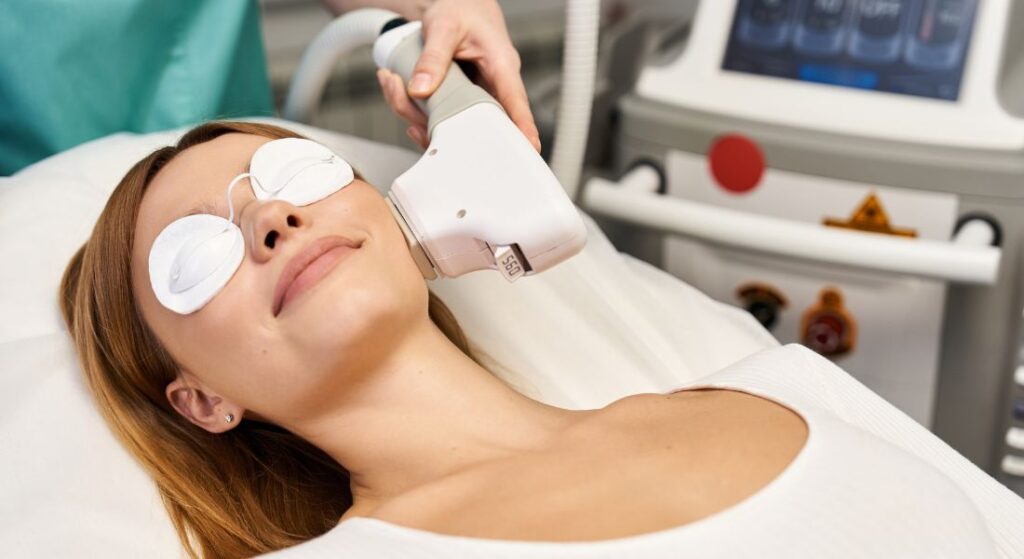
The laser device itself is not the true risk factor for you. Inappropriate settings and poor judgement create problems, not the technology alone. Your safety depends far more on how the device is used than on its brand name.
Experience allows us to select energy levels that suit your specific skin biology. When we understand pigment behaviour and inflammatory thresholds, we can tailor your treatment responsibly. Skilled adjustment makes a significant difference in outcome quality.
For you, practitioner judgement directly influences results and complication risk. Technique, restraint, and clinical insight reduce avoidable side effects. Expertise transforms technology into a safe and effective tool.
Realistic Expectations in Darker Skin
When you have darker skin, your treatment journey may look slightly different and that is intentional. Your results can appear more gradual because we prioritise protecting your pigment stability at every step. Moving carefully helps us reduce unnecessary inflammation and lower the risk of complications. A steady approach is often the safest and most effective path forward for you.
Here’s what you should understand:
1. Results May Develop Gradually – You may notice improvement building slowly rather than dramatic change after a single session. This controlled progression helps safeguard your skin’s natural pigment balance.
2. Multiple Sessions Are Often Needed – Achieving your desired refinement may require several treatments spaced appropriately. This staged approach allows your skin to respond safely without excessive inflammatory stress.
3. Patience Supports Better Outcomes – Rather than expecting instant transformation, you can anticipate steady, visible improvement over time. Conservative care protects your long-term results and reduces unnecessary risk.
4. Cautious Treatment Often Yields Beautiful Results – Darker skin can respond exceptionally well when treated thoughtfully. By respecting your skin’s biology, we focus on refinement instead of aggressive correction, ensuring your progress is measured, purposeful, and sustainable.
When we work with your skin not against it we create outcomes that are safer, more balanced, and built to last.
Combining Treatments Carefully
You may benefit from combining injectables with resurfacing treatments, but timing is crucial. If inflammation overlaps, your skin can become unnecessarily stressed. Coordinating procedures thoughtfully reduces avoidable risk.
When we space your treatments strategically, we allow your tissue to recover fully between interventions. This measured approach protects pigment balance and supports healthier healing. Integrated planning makes your results safer and more predictable.
For you, careful scheduling is just as important as the treatments themselves. By managing cumulative inflammation, we safeguard your skin’s resilience. Thoughtful sequencing ensures you receive benefit without unnecessary burden.
Who May Not Be Ideal Candidates
If you have active pigmentation disorders, we must approach laser treatment with added caution. Uncontrolled acne can also increase your risk of complications, particularly if inflammation is already present. Recent sun exposure is another important contraindication, as it heightens pigment sensitivity.
Not every patient is an immediate candidate, and that is entirely normal. We assess your skin individually, considering its current condition and healing capacity. For you, timing can be just as important as technique.
When we determine suitability carefully, we reduce unnecessary risk. If your skin needs preparation or stabilisation first, we will guide you accordingly. Thoughtful selection ensures safer and more predictable outcomes for you.
Long-Term Collagen Benefits
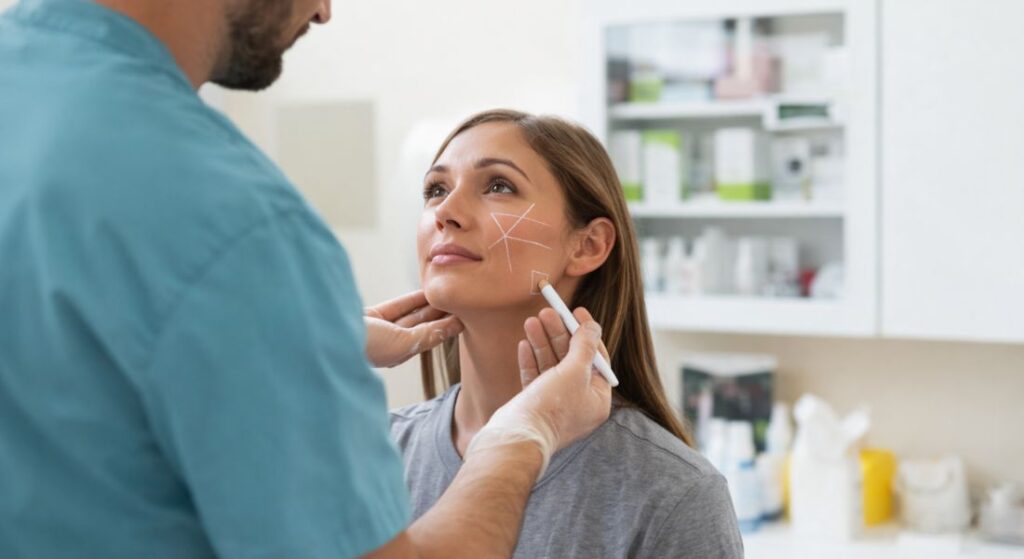
When your treatment is performed safely, collagen stimulation occurs in a controlled and effective way. Over time, you may notice improvements in texture and softening of fine lines. These changes develop gradually as your skin remodels itself.
As collagen strengthens, your skin resilience increases. You benefit from structural improvement beneath the surface, not just temporary surface change. This deeper renewal supports healthier-looking skin in the long term.
For you, safety is what makes these results sustainable. When we prioritise controlled energy and proper healing, your collagen gains remain stable. Responsible treatment allows regeneration without compromising pigment balance.
Emotional Considerations
Many patients with darker skin tell us they feel excluded from conversations about laser treatments. If you have felt uncertain or overlooked, that concern is entirely understandable. Historically, discussions have not always reflected the needs of melanin-rich skin.
We believe transparent communication builds genuine trust. You deserve clear explanations about risks, benefits, and alternatives, rather than fear-based avoidance. When we discuss your options openly, you can make decisions with confidence.
Education empowers you to choose what aligns with your goals. By understanding how your skin responds, you become an informed participant in your care. Together, we replace uncertainty with clarity and reassurance.
Why Conservative Always Wins
When it comes to treating darker skin, faster is not always better. While aggressive resurfacing may promise quicker or more dramatic change, it can also increase the risk of unwanted complications. For you, protecting pigment stability and skin health must always come before speed. A careful approach allows us to prioritise safety without sacrificing meaningful results.
Here’s why a conservative strategy benefits you:
1. Aggressive Treatment Increases Risk – Intensive resurfacing can heighten inflammation, which raises the likelihood of pigment disruption in darker skin. By avoiding excessive trauma, we reduce the chance of setbacks during healing.
2. Gradual Correction Supports Predictable Healing – When we space treatments appropriately and adjust intensity thoughtfully, your skin has time to recover in a steady and controlled way. This predictability is key to protecting your long-term outcome.
3. Reduced Inflammation Protects Pigment Cells – Lower inflammatory stress helps safeguard your melanocytes from overstimulation. By managing this carefully, we preserve your natural skin tone while still achieving visible refinement.
4. Caution Reflects Confidence, Not Compromise – Choosing a measured approach does not mean settling for less. It means we are committed to minimising complications and maximising stability. Over time, careful strategy consistently delivers stronger, more durable results than intensity alone.
By respecting your skin’s biology and progressing thoughtfully, we create outcomes that are safer, steadier, and built to last.
Is CO₂ Laser Safe for Fitzpatrick IV–VI?

Yes, CO₂ laser can be safe for you when performed with careful technique and conservative settings. Fractional approaches, adjusted energy levels, and structured aftercare significantly reduce pigment risk. Your individual assessment always determines suitability.
We design personalised protocols that respect the biology of melanin-rich skin. By tailoring parameters specifically to you, we balance collagen stimulation with pigment protection. Customisation is central to safe outcomes.
With this structured approach, you can benefit from meaningful regeneration while maintaining pigment stability. When we prioritise precision, restraint, and follow-up, your treatment becomes both effective and responsible.
FAQs:
1. Is CO₂ laser truly safe for Fitzpatrick IV–VI skin types?
CO₂ laser can be safe for Fitzpatrick IV–VI skin types when it is performed with conservative settings, appropriate fractional strategies, and careful patient selection. The increased pigment activity in darker skin does not make treatment impossible, but it does require precise energy control and structured aftercare. Safety depends far more on practitioner expertise and risk management than on skin tone alone.
2. Why does darker skin have a higher risk of pigmentation after laser treatment?
Darker skin contains more active melanocytes, which are the cells responsible for producing pigment. When inflammation occurs after a laser procedure, these melanocytes can become overstimulated and produce excess pigment as part of the healing response. This biological tendency increases the risk of post-inflammatory hyperpigmentation, which is why careful control of heat and inflammation is essential.
3. What is post-inflammatory hyperpigmentation and how long does it last?
Post-inflammatory hyperpigmentation, often referred to as PIH, appears as darker patches that develop after the skin has healed from an inflammatory event such as laser resurfacing. It may not become visible immediately and can appear several weeks after treatment. In most cases, it is temporary and gradually fades with appropriate skincare, sun protection, and, if necessary, topical pigment-regulating treatment.
4. Is fractional CO₂ safer than fully ablative CO₂ in darker skin?
Fractional CO₂ is generally considered safer for darker skin because it treats microscopic columns of tissue while leaving surrounding skin intact. This preserved tissue supports faster healing and reduces overall inflammatory load, which in turn lowers pigment risk. Fully ablative approaches create more widespread disruption and therefore require extremely cautious consideration in melanin-rich skin.
5. How do energy settings affect safety in darker skin tones?
Higher energy settings increase thermal damage and inflammation within the skin, which can stimulate melanocytes more aggressively. By lowering energy density and adjusting pulse duration, practitioners can stimulate collagen while minimising unnecessary heat diffusion. Conservative calibration helps maintain pigment stability and reduces the likelihood of both hyperpigmentation and hypopigmentation.
6. Can hypopigmentation occur after CO₂ laser in darker skin?
Yes, hypopigmentation, or lightened patches of skin, can occur if melanocytes are damaged by excessive thermal injury. Unlike hyperpigmentation, pigment loss can be more difficult to reverse and, in rare cases, may be long-lasting. Preventing this outcome relies on cautious energy selection, appropriate depth control, and avoiding overly aggressive resurfacing.
7. How important is pre-treatment preparation for darker skin?
Pre-treatment preparation is particularly important in darker skin because it helps stabilise melanocyte activity and strengthen the skin barrier before introducing thermal energy. Conditioning the skin with appropriate topical products and ensuring strict sun avoidance reduces the likelihood of unpredictable pigment changes. Thoughtful preparation significantly improves both safety and healing consistency.
8. What role does aftercare play in reducing complications?
Aftercare plays a critical role in controlling inflammation during the healing phase. Strict sun protection, barrier repair support, and adherence to post-treatment instructions help regulate melanocyte behaviour and reduce pigment instability. Proper recovery management is just as important as the laser procedure itself in protecting long-term outcomes.
9. Are patients with a history of keloids suitable for CO₂ laser?
Patients with a history of keloids or abnormal scarring require careful evaluation before undergoing CO₂ laser treatment. While fractional techniques carry a lower scarring risk, individual healing tendencies must be assessed during consultation. A detailed medical history allows practitioners to determine whether treatment is appropriate or whether alternative options may be safer.
10. How does experience influence safety in melanin-rich skin?
At London Medical & Aesthetic Clinic, we emphasise that practitioner experience is one of the most important safety factors in darker skin laser treatment. Understanding pigment biology, inflammatory thresholds, and energy calibration allows us to tailor settings specifically to your skin type. Expertise ensures that technology is applied with precision, restraint, and structured follow-up to minimise complications while still achieving meaningful results.
Final Thoughts: Precision, Not Avoidance
Having darker skin does not exclude you from advanced resurfacing treatments. It simply means your care must be planned with greater precision, conservative energy settings, and structured inflammation control. When we respect melanin biology and prioritise fractional strategy, the risk of pigmentation complications can be significantly reduced while still achieving meaningful collagen regeneration.
At London Medical & Aesthetic Clinic, we approach every C02 laser treatment plan with customised calibration rather than fixed protocols. Your skin type, healing pattern, and pigmentation history guide our energy selection, pulse duration, and staging strategy. Safety is never secondary to speed, and gradual refinement consistently produces more reliable long-term outcomes. If you’re seeking C02 laser treatment in London, contact us at the London Medical & Aesthetic Clinic to discuss your options.
Reference:
1. Al Timimi, Z., Al-Rubaye, A.F. and Diwan, D.M., 2025. A comprehensive study of laser use in dermatology: assessing the safety, innovations, and effectiveness of laser technology for skin treatment. Irish Journal of Medical Science, 194(3), pp.923–932. https://pubmed.ncbi.nlm.nih.gov/40138057/
2. Meghe, S.R. et al., 2024. Shedding light on acne scars: a comprehensive review of fractional CO₂ laser therapy outcomes and safety profile with comparative laser modalities. https://pmc.ncbi.nlm.nih.gov/articles/PMC11069036/
3. Kim, C. et al., 2022. Fractional CO₂ laser and adjunctive therapies in skin of colour: outcomes in refractory pigmentary disorders and melasma. https://www.sciencedirect.com/science/article/pii/S2666328722000268
4. Daigo, Y., Daigo, E., Fukuoka, H., Fukuoka, N., Idogaki, J., Taniguchi, Y., Tsutsumi, T. and Ishikawa, M., 2023. CO₂ laser for esthetic healing of injuries and surgical wounds with small parenchymal defects in oral soft tissues. https://www.mdpi.com/2079-9721/11/4/172
5. Ballester, A.M.B., M.M., A.K. and R.R.R., G.R., 2019. Comparative efficacy of fractional CO₂ laser and Q-switched Nd:YAG laser in combination therapy with tranexamic acid in refractory melasma: results of a prospective clinical trial. Cosmetics, 8(2), p.37. https://www.mdpi.com/2079-9284/8/2/37