


If you have Ulcerative Colitis and are considering SmartLipo, it is completely natural to question whether the procedure is safe for you. Chronic inflammatory conditions can influence how your body responds to treatment, particularly when it comes to healing and recovery. Careful planning is essential.
SmartLipo is a minimally invasive fat reduction procedure that is suitable for many patients. However, inflammatory conditions like Ulcerative Colitis require additional evaluation before proceeding. Factors such as disease activity, current symptoms, medications, and overall health need to be reviewed in detail.
Understanding how your condition may affect healing, infection risk, and recovery time helps you make informed decisions. A personalised assessment ensures that your safety is prioritised and that any potential risks are properly managed. Awareness and preparation are key to achieving the best possible outcome.
What Is Ulcerative Colitis?
Ulcerative Colitis is a long-term condition that affects your large intestine (colon). It causes inflammation and small ulcers in the lining of the bowel, which can lead to a range of digestive symptoms. The severity of the condition can vary from person to person. Because it is a chronic condition, its course can be unpredictable.
1. Flare-ups and remission: You may experience periods when symptoms worsen (flare-ups), followed by times when they settle (remission). This pattern can make it difficult to predict how you will feel at any given time.
2. Impact on overall health: Ongoing inflammation can affect your energy levels and general wellbeing. Fatigue and discomfort may influence your daily routine.
3. Effects on nutrition: Ulcerative colitis can affect how your body absorbs nutrients. This may lead to deficiencies, which can influence healing and recovery from medical procedures.
4. Importance of stability: Keeping your condition well managed is important, especially if you are considering treatment. Stability helps reduce risks and supports better outcomes.
Understanding how ulcerative colitis affects your body allows you and your specialist to plan care more effectively. With proper management, you can support both your digestive health and overall wellbeing.
Why Inflammation Is Important
Inflammation plays a key role in how your body heals, especially if you have Ulcerative Colitis. Ongoing inflammation in the body can affect tissue repair and may slow down recovery after a procedure. This is why it is an important factor to consider when planning treatment. Even when your symptoms are under control, inflammation can still be present at a low level.
1. Impact on healing: Inflammation can interfere with the body’s natural repair processes. This may lead to slower healing or increased sensitivity after treatment.
2. Inflammation during remission: Even if you feel well, mild inflammation may still exist in the background. This is why regular monitoring remains important.
3. Importance of reducing inflammation: Managing inflammation before a procedure helps create a more stable environment for healing. This can improve both safety and overall outcomes.
4. Role of medical monitoring: Your specialist may assess your condition before treatment to ensure inflammation is well controlled. This careful approach helps reduce risks.
Taking steps to manage inflammation before treatment allows your body to respond more effectively. With proper preparation and monitoring, you can support a smoother recovery and better long-term results.
What Is SmartLipo?

SmartLipo is a laser-assisted liposuction technique that uses targeted laser energy to break down fat before it is gently removed. This approach makes the procedure less invasive compared to traditional liposuction methods, with smaller incisions and typically reduced tissue disruption.
The treatment is usually carried out under local anaesthesia, meaning you remain awake but comfortable throughout. Recovery is often quicker than with conventional techniques, which is why many patients find it an appealing option.
However, suitability depends on your overall health, especially if you have a condition like Ulcerative Colitis. Chronic conditions need to be carefully evaluated to ensure the procedure is safe. A thorough assessment helps prioritise your wellbeing at every stage.
Assessing Suitability
Before undergoing SmartLipo, your specialist will carry out a thorough review of your medical history, including your experience with Ulcerative Colitis. This personalised evaluation helps determine whether the procedure is safe and appropriate for you.
You may be asked about recent symptoms, flare-ups, and how well your condition is currently controlled. Your medications will also be reviewed, as these can affect healing and infection risk. All of these factors play a role in assessing suitability.
A tailored approach ensures that your condition is fully considered before any decision is made. Your specialist will use this information to decide whether to proceed, delay treatment, or explore alternatives. Careful planning is key to achieving a safe and effective outcome.
Disease Activity and Timing
The activity level of your Ulcerative Colitis plays a significant role in determining whether SmartLipo is appropriate. Procedures are generally safer when your condition is in remission, as your body is more stable and better able to heal. Active flare-ups can increase the risk of complications.
Inflammation during a flare can interfere with healing and may affect how your body responds to the procedure. This can lead to delayed recovery or additional discomfort. For this reason, timing is a crucial factor.
Waiting until your condition is well controlled can improve outcomes and reduce risks. Although it may require patience, allowing your body to stabilise supports a safer procedure and smoother recovery.
Immune System Considerations
Ulcerative Colitis and its treatments can affect how your immune system functions. In some cases, this may increase your vulnerability to infections, particularly if you are taking immunosuppressive medications. Being aware of this risk is important when considering any procedure.
During SmartLipo, strict sterile techniques are used to minimise the risk of infection. Clinics follow high medical standards to ensure a clean and controlled environment. Safety is always prioritised throughout the procedure.
Following your aftercare instructions carefully is just as important. Proper wound care, hygiene, and attending follow-up appointments all help protect your health. Staying attentive during recovery supports a smoother and safer outcome.
Nutritional Factors
Nutrition plays a vital role in healing, especially if you have Ulcerative Colitis. This condition can sometimes affect how well your body absorbs nutrients, which may influence recovery after a procedure like SmartLipo.
Ensuring your nutritional status is optimised before treatment is important. Adequate intake of protein, vitamins, and minerals supports tissue repair and helps your body respond better to the procedure. Addressing any deficiencies in advance can reduce potential complications.
A balanced, nutrient-rich diet helps your body heal more effectively and improves overall outcomes. Paying attention to your nutrition is a key part of safe preparation and long-term recovery.
Hydration and Recovery
Hydration is essential for overall health and plays a key role in recovery after any procedure. If you have Ulcerative Colitis, you may be more prone to fluid loss, particularly during flare-ups. This makes careful attention to hydration especially important.
Maintaining adequate fluid intake supports circulation, tissue repair, and normal body function. It can also help reduce discomfort during recovery and lower the risk of complications. Even mild dehydration can affect how well your body heals.
Following your specialist’s advice on fluid intake is important. Drinking water regularly and adjusting your intake when needed can support a smoother healing process. Consistency with hydration is a simple but powerful way to protect your recovery.
Anaesthesia Considerations
When planning SmartLipo, anaesthesia is an important part of ensuring your comfort and safety. The procedure is usually carried out under local anaesthesia, which numbs the treated area while allowing you to remain awake. This approach is generally well tolerated and involves fewer risks than general anaesthesia. However, your individual health profile still needs careful consideration.
1. Response to local anaesthesia: Most people tolerate local anaesthesia very well. However, your overall health and current medications may influence how your body responds.
2. Impact of existing conditions: If you are managing Ulcerative Colitis, your condition and its treatments may affect how your body handles stress and recovery during the procedure.
3. Medication interactions: Certain medications can influence how anaesthesia works or how your body reacts. Your specialist will review your medical history to avoid any potential complications.
4. Tailored treatment approach: Your doctor will adjust the anaesthesia plan to suit your specific needs. This personalised approach helps ensure the procedure remains as safe and comfortable as possible.
By carefully evaluating these factors, your specialist can provide a treatment plan that prioritises both safety and effectiveness. Expertise and preparation play a key role in achieving a smooth experience.
Risk of Infection
If you have Ulcerative Colitis, your immune system may be affected either by the condition itself or by medications used to manage it. This can slightly increase your susceptibility to infections, making prevention especially important.
SmartLipo procedures are carried out under strict medical protocols with high standards of sterility. These measures significantly reduce the risk of infection during the procedure. Careful technique and a controlled environment play a key role in maintaining safety.
Post-treatment care is just as important. Following all aftercare instructions, maintaining good hygiene, and attending follow-up appointments help protect against complications. Staying attentive during recovery supports a safe and smooth healing process.
Impact of Medications
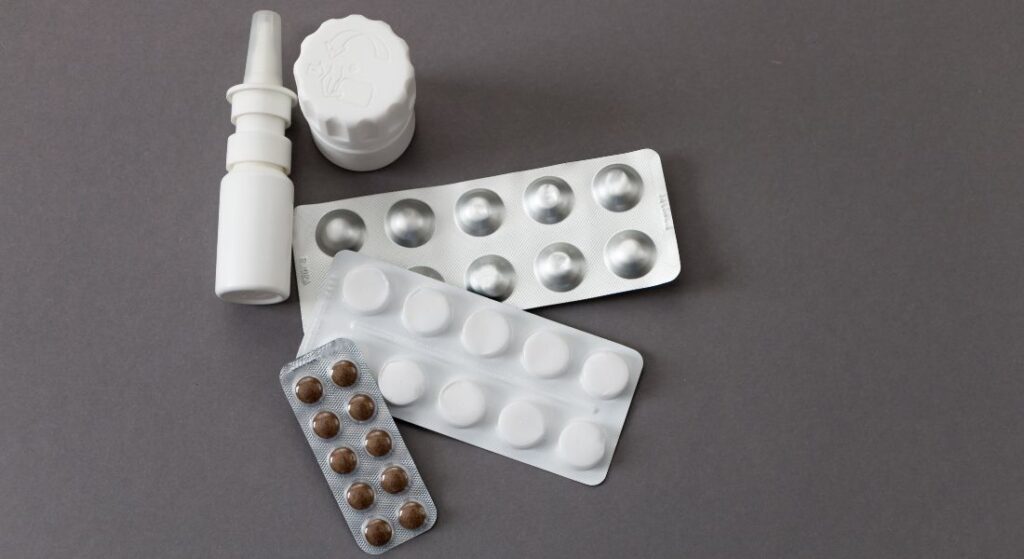
If you are managing Ulcerative Colitis, you may be taking medications such as Corticosteroids or Azathioprine. These treatments help control inflammation, but they can also influence how your body heals and responds to procedures. Understanding their effects allows your care team to plan safely and effectively.
1. Effect on tissue healing: Some medications, particularly steroids, can slow the body’s natural repair processes. This may lead to a slightly longer recovery period.
2. Increased risk of infection: Immunosuppressant drugs reduce immune system activity. While this helps control your condition, it may make you more vulnerable to infections during recovery.
3. Possible treatment adjustments: Your doctor may review your medication plan before a procedure. In some cases, temporary adjustments are considered to reduce risks, but this is always done carefully.
4. Coordinated medical care: Your specialist may work closely with your gastroenterologist or primary doctor. This collaboration ensures that both your condition and the procedure are managed safely.
By taking your medications into account, your care team can tailor your treatment plan to support better healing and reduce complications. Clear communication and careful planning make a significant difference.
Healing and Recovery Time
Healing after SmartLipo can vary if you have Ulcerative Colitis. Some patients may take a little longer to recover, particularly if their condition or medications affect immunity, nutrition, or overall energy levels. This is normal and part of taking a cautious approach.
Close monitoring during recovery is important. Follow-up appointments allow your specialist to track your progress and identify any early signs of complications. Prompt attention helps keep your recovery on track and improves outcomes.
Supporting your body with proper rest, hydration, and balanced nutrition can make a meaningful difference. Following aftercare advice consistently helps promote smoother healing. Recovery may require patience, but a steady and careful approach leads to better long-term results.
Importance of Full Disclosure

It is essential to inform your specialist about your Ulcerative Colitis in full detail. This includes your current symptoms, medications, and history of flare-ups. Being open and accurate ensures your medical team has a clear understanding of your condition.
Providing complete information allows your specialist to plan your treatment safely. It helps them assess risks, adjust techniques, and determine the best timing for your procedure. Honest communication plays a key role in reducing potential complications.
Your specialist relies on accurate details to protect your safety. Sharing everything, even if it seems minor, helps ensure you receive the most appropriate care. Trust and transparency are essential for the best possible outcome.
When Treatment May Be Delayed
In some cases, SmartLipo may need to be postponed if you have Ulcerative Colitis. This is particularly common during active flare-ups, when inflammation is higher and your body is under increased stress. In these situations, safety must always come first.
Waiting until your condition stabilises or enters remission can significantly reduce risks. It allows your body to be in a better state for healing and improves the chances of a smoother recovery. Timing plays an important role in achieving safe outcomes.
Your specialist will guide you on the most appropriate course of action based on your current health. Their advice helps protect your wellbeing and ensures that any treatment is carried out at the safest possible time. Careful planning makes a meaningful difference.
Lifestyle Preparation
Preparing your body before treatment can make a real difference to both safety and recovery, particularly if you are managing Ulcerative Colitis. Taking a proactive approach helps ensure your body is stable and ready for a procedure such as SmartLipo. Focusing on consistent, healthy habits in the lead-up to treatment supports better outcomes.
1. Maintaining a balanced diet: Eating nutrient-rich foods helps support your immune system and overall health. This is especially important if your condition affects nutrient absorption.
2. Staying well hydrated: Drinking enough fluids supports circulation and helps your body function efficiently. Good hydration also contributes to smoother recovery.
3. Avoiding personal triggers: Identifying and avoiding factors that worsen your symptoms can help keep your condition stable. Stability reduces the likelihood of complications.
4. Following medical guidance: Your specialist may provide personalised advice based on your condition and treatment plan. Adhering to this guidance helps ensure your body is properly prepared.
Taking time to prepare allows your body to respond better during and after treatment. Consistency in these habits plays an important role in achieving a safer, smoother experience.
Choosing an Experienced Specialist
Selecting a practitioner with experience in managing conditions like Ulcerative Colitis is crucial when considering SmartLipo. They understand how inflammation, medications, and overall health can influence both the procedure and recovery. This expertise helps ensure your treatment is planned with safety in mind.
A skilled specialist can adapt your treatment plan to suit your individual needs. This may include modifying techniques, adjusting medications, and tailoring aftercare to reduce risks. Personalised care is essential for achieving the best possible outcome.
Experience not only improves safety but also provides reassurance throughout the process. Feeling confident in your specialist helps you stay informed and comfortable, supporting a more positive overall experience.
Realistic Expectations
You should have realistic expectations when considering SmartLipo, especially if you have Ulcerative Colitis. Your treatment plan may be more cautious to prioritise safety, which can influence both the pace and extent of your results.
Improvements may be more gradual rather than immediate. This careful approach helps reduce the risk of complications and supports better healing. While this may require patience, it is designed to protect your overall health.
Understanding these factors in advance helps you feel more prepared. It sets clear, achievable expectations and allows you to approach treatment with confidence and clarity.
Long-Term Health Considerations
Managing Ulcerative Colitis should always remain your top priority, even after undergoing SmartLipo. Ongoing medical care, regular monitoring, and staying on top of your treatment plan are essential for maintaining long-term stability. This should never be overlooked.
Lifestyle choices continue to play an important role in your overall wellbeing. Maintaining a balanced diet, staying hydrated, managing stress, and recognising early signs of flare-ups can all help keep your condition under control. Awareness is key to preventing complications.
Taking consistent care of your health not only supports lasting results from your procedure but also improves your overall quality of life. A steady and proactive approach helps ensure both your wellbeing and long-term success.
FAQs:
1. Can you have SmartLipo if you have ulcerative colitis?
You may be able to have SmartLipo if your ulcerative colitis is well controlled. Your specialist will assess your overall health, disease activity and medications. Treatment is usually safer during remission rather than active flare-ups. A personalised consultation is essential to ensure safety.
2. Is SmartLipo safe during an ulcerative colitis flare-up?
SmartLipo is generally not recommended during an active flare-up. Inflammation can increase the risk of complications and delay healing. Waiting until your condition is stable improves safety and outcomes. Your specialist will guide you on the right timing.
3. How does ulcerative colitis affect healing after SmartLipo?
Ulcerative colitis can sometimes slow down the healing process due to ongoing inflammation. Certain medications may also affect tissue repair. This means recovery may require closer monitoring. With proper care, healing can still progress well.
4. Do medications for ulcerative colitis affect SmartLipo results?
Yes, medications such as steroids or immunosuppressants can influence healing and infection risk. Your specialist may need to adjust your treatment plan accordingly. Coordination with your healthcare provider is often recommended. This helps ensure a safe procedure and recovery.
5. Will you need extra medical checks before SmartLipo?
You may require additional assessments before the procedure. These can include reviewing your disease activity, nutrition and overall health. Your specialist may also check your recent medical history. These steps help confirm you are suitable for treatment.
6. Can ulcerative colitis increase the risk of infection after SmartLipo?
Yes, if your immune system is affected, there may be a slightly higher risk of infection. This is particularly relevant if you are on certain medications. Strict hygiene and aftercare are essential to reduce risks. Following medical advice is very important.
7. Does nutrition matter before SmartLipo if you have ulcerative colitis?
Nutrition plays a key role in healing and recovery. Ulcerative colitis can affect how your body absorbs nutrients. Ensuring you are well nourished before treatment supports better outcomes. A balanced diet helps your body recover effectively.
8. Will your recovery take longer if you have ulcerative colitis?
Your recovery may take slightly longer compared to someone without a chronic condition. This depends on how well your condition is managed. You may need additional follow-up appointments during healing. Patience and proper care are important.
9. Should you tell your specialist about your ulcerative colitis?
Yes, you should always inform your specialist about your condition. This includes symptoms, medications and any recent flare-ups. Full disclosure allows them to plan your treatment safely. Honest communication helps reduce risks.
10. What are your options if SmartLipo is not suitable for you?
If SmartLipo is not recommended, your specialist may suggest alternative treatments. These could include non-invasive options or delaying the procedure. The focus will always be on your safety and wellbeing. A personalised plan ensures the best possible outcome.
Final Thoughts: Making an Informed Decision with Ulcerative Colitis
If you have ulcerative colitis and are considering SmartLipo, taking a careful and personalised approach is essential. While the procedure can be suitable for some patients, your overall health, disease activity and medications all play a key role in determining safety. Ensuring your condition is stable and well managed before treatment can significantly improve both your experience and recovery.
Working closely with an experienced specialist allows you to receive tailored advice based on your individual needs. With proper planning, monitoring and aftercare, risks can be minimised and outcomes optimised. If you’re thinking about smartlipo treatment in London, you can get in touch with us at the London Medical & Aesthetic Clinic.
References:
1. Goldman, A. and Gotkin, R.H. (2009), Laser-assisted liposuction, Clinics in Plastic Surgery, 36(2), pp. 241–253. https://pmc.ncbi.nlm.nih.gov/articles/PMC3140909/
2. Taghizadeh, F., Leibowitz, A., Ramirez, P. and Santos, D. (2015), Combining facelift with SmartLipo 1064-nm system: technique overview and retrospective analysis of 56 patients, Journal of Cosmetic and Laser Therapy, 17(2), pp. 80–85. https://pubmed.ncbi.nlm.nih.gov/25427241/
3. Lee, K.W.A., Chan, L.K.W., Lee, A.W.K., Lee, C.H., Wan, J. and Yi, K.H. (2024) Laser-assisted lipolysis versus surgical fat removal: a review of efficacy, safety, and patient satisfaction, Cosmetics, 11(5), p. 164. https://www.mdpi.com/2079-9284/11/5/164
4. Manzano-Finol, A., Parra-Pelosi, H., Cubillos-Valencia, G., et al. (2025) Laser-assisted lipolysis: a promising alternative to traditional liposuction, Aesthetic Plastic Surgery. https://pubmed.ncbi.nlm.nih.gov/40770499/
5. McBean, J.C. and Katz, B.E. (2011) Laser lipolysis: an update, Journal of Clinical and Aesthetic Dermatology. https://pmc.ncbi.nlm.nih.gov/articles/PMC3140909/