



If you are living with HIV and considering aesthetic treatment, it is completely natural to question safety. You may wonder how your immune system, medications, or overall health could influence your results. These concerns are valid and deserve clear, informed answers. Discussing them openly with a qualified practitioner helps ensure you make a confident and safe decision.
Sculptra is a collagen-stimulating injectable used to restore facial volume gradually. Unlike traditional fillers, it works by encouraging your body to produce its own collagen over time. Because it relies on your natural healing and regenerative processes, your immune health plays an important role in how your body responds. This is why a personalised assessment is essential before treatment.
The reassuring point is that Sculptra has a well-established history of use in people living with HIV. It was originally used to treat HIV-related facial lipoatrophy, and many patients have undergone treatment safely. However, suitability is always individual. Factors such as your immune status, viral control, and overall health need to be carefully evaluated before proceeding.
Understanding How Sculptra Works
Sculptra is designed to improve your skin gradually by stimulating your body’s natural collagen production. It contains poly-L-lactic acid, a biocompatible substance that works beneath the surface of your skin. Rather than giving instant volume, it encourages slow, natural-looking enhancement over time. This process relies on your body’s own healing response.
1. Gradual collagen stimulation: After treatment, Sculptra begins to work by encouraging your skin to rebuild collagen. This happens slowly, so results develop over several weeks and months rather than immediately.
2. Mild inflammatory response: The injections trigger a controlled, mild response in your skin. This is a normal and necessary part of the process, helping activate repair mechanisms.
3. Activation of fibroblasts: Specialised cells called fibroblasts are stimulated during this response. These cells produce collagen, which helps restore structure, firmness, and volume to your skin.
4. Role of your immune system: Because this treatment depends on your body’s natural response, your immune health plays an important role. If you are living with HIV, well-controlled immune function supports more predictable results.
Understanding how Sculptra works can help you set realistic expectations. With time and proper planning, it can provide subtle, long-lasting improvements that look and feel natural.
What HIV Means for Your Immune System
HIV primarily affects CD4 cells, which play a central role in regulating your immune response. When these cells are reduced, your body may be less effective at fighting infections. This can also influence how well your skin heals after procedures, including injectable treatments.
Modern antiretroviral therapy has transformed this picture. Many people living with HIV now maintain normal or near-normal immune function. As a result, the way treatments such as Sculptra are approached has changed significantly. Stable immune health allows your body to respond more predictably.
The key factor is control, not simply the diagnosis. If your HIV is well managed, with a stable immune profile, aesthetic procedures are often considered safe. This is why your overall medical context matters far more than the condition alone when deciding on treatment.
Why HIV Status Matters for Injectables
Injectable treatments involve creating small, controlled micro-injuries in the skin. Your body then responds by healing and rebuilding tissue. This process relies on an efficient immune response, which is why your overall health is an important consideration.
If you are living with HIV and your immune system is weakened, healing may take longer. There may also be a slightly increased risk of infection or prolonged inflammation. However, this does not automatically mean you cannot have treatment. Many people with well-managed HIV undergo injectables without complications.
With treatments such as Sculptra, your body’s ability to produce collagen is key to achieving good results. This is why practitioners place strong emphasis on understanding your immune status before proceeding.
Rather than excluding treatment, your HIV status simply means that a more careful and personalised approach is needed. A thorough medical assessment allows your practitioner to plan safely, minimise risks, and ensure the best possible outcome for you.
Historical Use of Sculptra in HIV Patients
Sculptra was originally developed and widely used to treat facial volume loss in people living with HIV. This condition, known as HIV-associated facial lipoatrophy, was commonly seen with older antiretroviral medications and could significantly affect facial appearance. Its early use helped establish its role in both medical and aesthetic care.
1. Targeting facial lipoatrophy: Sculptra became one of the first approved treatments to address the loss of facial fat associated with HIV. By stimulating collagen, it helped restore volume and improve facial contours over time.
2. Strong safety profile in studies: Large clinical studies have shown that Sculptra is generally safe for this group. Most reported side effects were mild, such as temporary swelling, redness, or bruising.
3. Proven compatibility with HIV care: This long history of use provides reassurance that the treatment can be well tolerated in people with HIV, particularly when the condition is well managed.
4. Importance of individual assessment: Despite this positive track record, treatment decisions today are still based on your current health. Factors such as immune status, viral control, and overall wellbeing remain essential in determining suitability.
This background is important because it demonstrates that Sculptra has been used successfully in HIV care for many years. However, a personalised approach ensures that treatment is both safe and effective for your individual circumstances.
The Importance of Viral Load
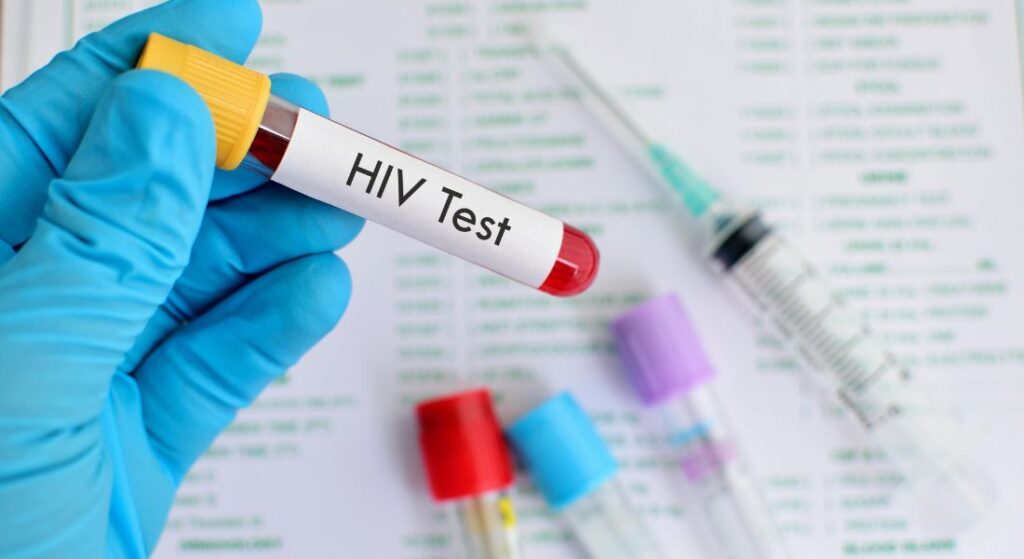
Your viral load measures how much virus is present in your blood. An undetectable viral load usually means that your treatment is working effectively. This is an important sign that your condition is stable. It also helps your doctor assess your readiness for additional procedures.
If your viral load is well controlled, your immune system is generally functioning more effectively. This improves your body’s ability to heal after treatments and respond to minor procedures. It also reduces the risk of complications during recovery. Good control is a positive indicator when considering elective treatments.
If your viral load is high, your doctor may advise delaying treatment. Stability is essential before undergoing any elective procedure. Waiting allows your body to reach a safer and more predictable state. This helps ensure better outcomes and a smoother recovery.
Understanding CD4 Count
Your CD4 count is another key marker of your immune health. It measures the number of important immune cells that help your body fight infection. Higher CD4 levels usually indicate that your immune system is stronger. This plays a direct role in how well your body heals after treatment.
If your CD4 count is within a healthy range, your body is more likely to respond in a normal and predictable way. This includes processes such as collagen production and tissue repair. A stable immune response supports safer and more effective outcomes. It also helps your practitioner plan your treatment with greater confidence.
If your CD4 levels are lower, extra caution may be needed. Your practitioner might recommend waiting until your immune status improves or adjusting your treatment plan. This approach helps reduce potential risks. Your safety will always be the priority when making these decisions.
Healing Response After Sculptra
After Sculptra treatment, your body begins a gradual healing process that works differently from traditional fillers. Instead of providing immediate volume, Sculptra stimulates your skin to produce collagen over time. This means the results develop slowly, often becoming more noticeable over several weeks. Your individual healing response can vary depending on your overall health, including how well your immune system is functioning.
1. Gradual collagen production: Sculptra works by encouraging your body to rebuild its own collagen. This process takes time, so you will see improvements develop gradually rather than instantly. Most patients require a series of treatments to achieve the desired result.
2. Normal healing with well-controlled HIV: If your HIV is well managed, your healing process will usually follow a typical pattern. You can expect steady, progressive improvement as collagen forms and skin structure strengthens.
3. Slower response with reduced immune function: If your immune system is weakened, healing may take longer. Collagen production may be slower, which means results can take more time to appear. This does not mean treatment will not work, but patience is important.
4. Importance of setting expectations: Understanding that Sculptra results are gradual helps you feel more prepared for the process. Your practitioner will plan your sessions carefully and monitor your progress to ensure safe and effective outcomes.
With the right expectations and proper medical guidance, you can achieve natural-looking, long-lasting improvements as your skin gradually rebuilds itself.
Risk of Infection
All injectable treatments carry a small risk of infection. If your HIV is well controlled, this risk is not usually significantly higher than in the general population. Standard precautions are typically sufficient to keep the procedure safe. Your practitioner will still assess your overall health before proceeding.
Clinics follow strict hygiene and safety protocols to minimise any risk. Sterile equipment, proper skin preparation, and careful injection technique all play an important role. These steps are designed to protect you throughout the procedure. Experienced practitioners will follow these measures consistently.
You can also support a safe recovery by following your aftercare advice closely. Keeping the treated area clean and avoiding unnecessary irritation is important. If you notice any unusual symptoms, reporting them early allows prompt treatment. This helps prevent minor concerns from becoming complications.
Inflammation and Immune Response
Sculptra works by creating a controlled inflammatory response in the skin. This gentle, targeted inflammation stimulates your body to produce new collagen over time. The process is gradual and designed to be carefully regulated. A balanced response is essential for achieving smooth and natural-looking results.
If you are living with HIV, this response can vary depending on your immune status. When your condition is well controlled, your body will usually react in a similar way to someone without HIV. This means collagen production can occur as expected. As a result, outcomes are often predictable and consistent.
If your immune response is altered, the results may develop differently. This does not mean the treatment will not work, but it may influence how quickly or effectively collagen builds. Your practitioner will take this into account when planning your treatment. They will guide you on realistic expectations and adjust your approach if needed.
Medication Considerations

Antiretroviral medications used to manage HIV do not usually interact directly with Sculptra. However, they provide important context about your overall health and immune stability. Your practitioner needs this information to plan your treatment safely. It helps them understand how your body is likely to respond.
Some medications can influence healing, inflammation, or your skin’s response to treatment. This does not necessarily prevent you from having the procedure, but it may affect how results develop. Your practitioner will assess these factors carefully before proceeding. Individual evaluation ensures a more personalised approach.
It is important to provide a complete and accurate list of all medications you are taking. Being open and transparent allows your practitioner to make informed decisions. This helps reduce potential risks and supports better outcomes. Clear communication plays a key role in safe and effective treatment.
When Medical Clearance Is Needed
Before starting treatment, you may be advised to obtain medical clearance. This step helps confirm that your HIV is stable and well managed. It often involves a brief review from your specialist, who understands your current health status and treatment plan. Medical clearance is a routine precaution and is designed to support your safety rather than delay your care.
1. Confirming stable health: Your doctor may review recent blood results, such as viral load and immune markers, to ensure your condition is well controlled. Stable health supports normal healing and reduces the risk of complications.
2. Important after recent health changes: If you have recently experienced changes in your health, medication, or immune status, medical clearance becomes especially important. It helps ensure your body is ready for treatment and can respond appropriately.
3. Collaborative approach to care: Your aesthetic practitioner may work alongside your HIV specialist to plan your treatment safely. This team approach ensures that all aspects of your health are considered.
4. A safeguard, not a barrier: Medical clearance is not meant to prevent you from having treatment. Instead, it provides reassurance that the procedure can be carried out safely and effectively, giving you confidence moving forward.
By taking this extra step, you help ensure the best possible outcome. It allows your treatment to be tailored to your health, supporting both safety and long-term results.
Situations Where Treatment May Be Delayed
There are certain situations where treatment with Sculptra may need to be postponed. This can include an uncontrolled viral load or a recent illness. These factors may affect how well your body heals after the procedure. Waiting allows your system to stabilise before treatment.
A low CD4 count may also lead your practitioner to recommend delaying treatment. If your immune system is not functioning at an optimal level, healing and collagen production may be less predictable. Taking time to improve your immune status is a precautionary step. This approach helps reduce potential risks.
Delaying treatment is always done with your safety in mind. It allows your body to be in the best possible condition before proceeding. This can improve both your recovery experience and final results. Careful timing plays an important role in achieving safe and effective outcomes.
Expected Results in HIV Patients
If your HIV is well controlled, your results with Sculptra are often similar to those seen in other patients. Your body can still produce collagen and heal in a normal way. This allows gradual and natural-looking improvement over time. Many patients achieve consistent and predictable outcomes when their condition is stable.
You will still need a series of treatment sessions to achieve the best results. Sculptra works by stimulating collagen production slowly rather than providing instant volume. Because of this, changes develop progressively over several weeks or months. Patience is an important part of the process.
If your immune response is reduced, results may take longer to appear. Collagen production may be slower, and improvements may be more gradual. Your practitioner will discuss realistic expectations with you before starting treatment. This helps ensure you feel informed and confident about your results.
Longevity of Results
Results from Sculptra can last for up to two years or sometimes longer. This depends on how your body responds to collagen stimulation. Because the treatment works gradually, the results tend to develop naturally over time. Maintenance sessions may be recommended to preserve the effect.
If your HIV is well controlled, the longevity of your results is usually similar to that of other patients. Your skin will continue to age naturally, so the improvements are not permanent. Over time, collagen levels will gradually decrease again. This is a normal part of the ageing process.
Your practitioner will guide you on when to consider maintenance treatments. Regular follow-up helps keep your results consistent and balanced. Planning ahead ensures that you maintain a natural appearance over time. Long-term care is an important part of achieving the best outcome.
Psychological Benefits of Treatment
Changes in facial volume can have a real impact on how you feel about your appearance. For people living with HIV, these changes may feel more noticeable and can sometimes affect confidence or self-image. It’s completely understandable to want to restore a sense of balance and familiarity in how you look. Treatments like Sculptra focus on gradual, natural-looking improvement, which can support both physical and emotional wellbeing.
1. Restoring facial structure over time: Sculptra works by rebuilding collagen slowly, helping to restore volume in a subtle and progressive way. This gradual change often feels more natural and less abrupt, which many patients find reassuring.
2. Improving confidence and self-image: As your facial contours improve, you may start to feel more confident in your appearance. Even small changes can make a meaningful difference in how you see yourself and how comfortable you feel in social situations.
3. Supporting emotional wellbeing: Feeling good about your appearance is closely linked to overall wellbeing. When you feel more like yourself again, it can positively influence mood, self-esteem, and day-to-day confidence.
4. Part of a holistic approach to health: Looking after your appearance is not just about aesthetics. It can be an important part of caring for your mental and emotional health. Safe, well-planned treatment supports this broader sense of wellbeing.
Choosing treatment is a personal decision, but for many people, it can bring a renewed sense of confidence and comfort. When approached safely, it supports both how you look and how you feel.
Choosing the Right Practitioner

Choosing an experienced practitioner is essential when considering treatment with Sculptra. You need someone who understands both aesthetic techniques and relevant medical considerations. This is especially important if you are living with HIV. The right expertise helps ensure your treatment is both safe and effective.
A good practitioner will take a detailed medical history and review your overall health carefully. They will assess your suitability based on factors such as immune status and current medications. This thorough approach helps minimise risks and supports better outcomes. It also builds trust and reassurance throughout the process.
Do not hesitate to ask questions during your consultation. Clear and open communication is key to feeling confident in your decision. You should fully understand the procedure, expected results, and any potential risks. Taking the time to choose the right practitioner makes a meaningful difference to your experience.
Advances in HIV Care
Modern care for HIV has transformed long-term health outcomes. With effective treatment, many people now live long, healthy lives with a stable immune system. This progress has also expanded access to a wider range of medical and aesthetic procedures. As a result, options that were once approached cautiously are now more widely considered.
With proper management and regular monitoring, many treatments are now regarded as safe for suitable patients. This can include procedures such as Sculptra. However, individual assessment is still essential before proceeding. Your practitioner will consider your overall health, immune status, and treatment history.
Advances in research and treatment continue to improve both safety and outcomes. These developments benefit patients who are considering cosmetic procedures alongside medical care. The approach to HIV has evolved significantly over time. Today, it allows for more personalised and confident decision-making.
Advances in Aesthetic Medicine
Aesthetic treatments have become much safer and more refined over time. Improvements in techniques, training, and materials have reduced risks and enhanced overall results. Practitioners can now deliver more precise and predictable outcomes. This progress has made treatments more accessible to a wider range of patients.
Sculptra is now widely used beyond its original purpose. It is particularly valued for creating gradual, natural-looking results by stimulating your own collagen production. Its safety profile is well established when performed by experienced practitioners. This makes it a popular choice for subtle and long-lasting facial rejuvenation.
These advances benefit all patients, including those living with HIV. Modern aesthetic care focuses on personalisation and careful assessment. Your treatment plan can be tailored to your individual health and goals. This approach helps ensure the safest and most effective outcomes.
Importance of Personalised Treatment Plans
No two patients are exactly the same, and your treatment plan should reflect your individual health, goals, and preferences. This is particularly important if you are living with HIV, as your overall health and immune status play a role in how your body responds to treatment. A personalised approach ensures that your care is both safe and effective. Your practitioner will take time to understand your needs before recommending a plan.
1. Assessment of your overall health: Your medical history, current health status, and immune function are carefully reviewed. This helps determine whether treatments such as Sculptra are suitable and how they should be performed.
2. Evaluation of skin condition and facial structure: Your practitioner will assess your skin quality, degree of volume loss, and facial anatomy. This allows them to choose the right technique and treatment areas for natural-looking results.
3. Alignment with your personal goals: Everyone has different expectations. Whether you prefer subtle enhancement or more noticeable improvement, your plan will be tailored to achieve results that match your preferences.
4. Adjustments for safety and optimal results: Factors such as healing response, treatment intervals, and number of sessions may be adjusted based on your individual profile. This careful planning helps maximise results while minimising risks.
Personalised treatment is at the heart of good care. By tailoring every step to your needs, your practitioner can deliver results that not only look natural but also support your overall wellbeing and confidence.
Long-Term Safety Considerations
Long-term safety is an important part of your decision-making process. Sculptra has a strong safety record when used correctly by experienced practitioners. This includes its use in patients living with HIV. Careful assessment and proper technique play a key role in maintaining this safety profile.
Regular follow-up appointments help monitor your results and check for any side effects. These visits allow your practitioner to ensure everything is progressing as expected. If any concerns arise, they can be addressed early and effectively. Ongoing care is an important part of achieving the best outcomes.
You should always feel comfortable discussing any concerns or changes you notice. Open and honest communication supports your long-term safety. It also helps build trust with your practitioner. Feeling informed and supported improves your overall treatment experience.
FAQs:
1. Can you have Sculptra if you have HIV?
Yes, you can have Sculptra if you are living with HIV, provided your condition is well controlled. Many people with stable immune function undergo treatment safely. Your practitioner will assess your overall health before proceeding. Individual evaluation is always essential.
2. Is Sculptra safe for people with HIV?
Sculptra is generally considered safe for people with well-managed HIV. It has been widely used in this group, particularly for facial volume loss. The key factor is how stable your immune system is. A proper medical assessment helps ensure safety.
3. Does HIV affect how Sculptra works?
HIV can influence how your body responds to treatment, depending on your immune status. If your condition is well controlled, your collagen response is usually similar to others. Results should develop gradually as expected. If your immune system is weaker, results may take longer.
4. What immune markers matter before treatment?
Your practitioner will usually look at your CD4 count and viral load. These markers show how well your immune system is functioning. A stable CD4 count and undetectable viral load are reassuring signs. They indicate that your body can handle treatment more effectively.
5. Is there a higher risk of infection with HIV?
If your HIV is well controlled, your infection risk is not significantly higher than normal. Clinics follow strict hygiene protocols to minimise any risk. Proper aftercare also plays an important role. You should always report any unusual symptoms promptly.
6. Do HIV medications interact with Sculptra?
Antiretroviral medications do not typically interact directly with Sculptra. However, they provide important information about your overall health. Your practitioner will review your medication history carefully. This helps ensure a safe and personalised treatment plan.
7. Will results be different if you have HIV?
If your HIV is stable, your results are likely to be similar to other patients. You should still expect gradual, natural-looking improvements over time. Multiple sessions may be needed to build results. If your immune system is compromised, outcomes may be less predictable.
8. Do you need medical clearance before Sculptra?
In many cases, medical clearance is recommended before treatment. This confirms that your HIV is stable and well managed. It may involve input from your GP or specialist. This step helps ensure the safest possible outcome.
9. When should Sculptra treatment be delayed?
Treatment may be delayed if your viral load is not well controlled or your immune system is weakened. Recent illness or health changes can also affect timing. Waiting allows your body to be in the best condition for treatment. This reduces risks and improves results.
10. Can Sculptra improve confidence for people with HIV?
Yes, Sculptra can help restore facial volume and improve your overall appearance. This can have a positive impact on your confidence and self-image. Feeling comfortable in your appearance is an important part of wellbeing. A safe, personalised approach makes this possible.
Final Thoughts: Making a Safe and Informed Choice
Living with HIV does not automatically prevent you from having aesthetic treatments like Sculptra. What matters most is how well your condition is managed and whether your immune system is stable. With modern treatment, many people living with HIV can safely undergo procedures with outcomes similar to the general population. A personalised assessment ensures that your treatment is both safe and effective.
It is important to approach Sculptra with realistic expectations and a clear understanding of how your body may respond. Early consultation, open communication, and proper medical evaluation all play a key role in achieving the best results. Your practitioner will tailor your treatment plan to suit your health status, ensuring that every step is carefully considered. If you’re thinking about sculptra in London, you can get in touch with us at the London Medical & Aesthetic Clinic.
References:
1. Signori, R. et al. (2024) ‘Efficacy and safety of poly-L-lactic acid in facial aesthetics: A systematic review’, Polymers, 16(18), p. 2564. https://www.mdpi.com/2073-4360/16/18/2564
2. El-Beyrouty, C. et al. (2006) ‘Poly-L-lactic acid for facial lipoatrophy in HIV’, Annals of Pharmacotherapy, 40(9), pp. 1602–1606. https://pubmed.ncbi.nlm.nih.gov/16912248/
3. Levy, R.M., Redbord, K.P. and Hanke, C.W. (2008) ‘Treatment of HIV lipoatrophy with poly-L-lactic acid: a 3-year follow-up study’, Journal of the American Academy of Dermatology, 59(6), pp. 923–933. https://pubmed.ncbi.nlm.nih.gov/19022099/
4. De la Torre Canales, G. et al. (2025) A reappraisal of poly-L-lactic acid in facial and body aesthetic indications. Cosmetics, 13(2), 54. https://www.mdpi.com/2079-9284/13/2/54
5. Author(s) (2024) Poly-L-lactic acid in facial rejuvenation: volumetric data supporting regenerative outcomes. Clinical, Cosmetic and Investigational Dermatology. https://pmc.ncbi.nlm.nih.gov/articles/PMC12764296/