

You may feel excited about the potential results of a plasma face lift, but it’s important to understand that recovery plays a major role in the overall outcome. Although the treatment is non-surgical, your skin still goes through a healing process afterwards. The treated area needs time to repair itself properly and respond to the collagen-stimulating effects of the procedure. Knowing what to expect can help you feel more comfortable during recovery.
In the first few days after treatment, you will usually notice temporary swelling, redness, and small crusts forming across the treated skin. These tiny crusts are a normal part of the healing response and should not be picked or removed prematurely. You may also experience tightness, sensitivity, or mild discomfort while the skin recovers. Most of these effects gradually improve over time as healing progresses naturally.
Understanding the different healing stages can help you feel more prepared and confident after treatment. Recovery often happens gradually rather than all at once, with visible improvements continuing over several weeks. Following the correct aftercare advice is also very important for supporting healthy healing and reducing complications. By giving your skin the time it needs to recover properly, you can help achieve smoother and more predictable results.
What Happens Immediately After Treatment
You might notice redness and mild swelling immediately after your plasma face lift treatment. The treated skin can feel warm, tight, or slightly sensitive during the first few hours as your body begins its natural healing response. These reactions are very common and usually settle gradually over the following days. Some areas may appear more swollen than others, particularly around delicate skin such as the eyes.
Shortly after the procedure, small carbon crusts typically begin forming across the treated area. These tiny dark dots are a normal and expected part of the healing process created by the plasma energy. Although they can look noticeable temporarily, they play an important role in skin recovery and should never be picked, scratched, or removed early. Allowing them to shed naturally helps reduce the risk of irritation or unwanted pigmentation changes.
Early healing reactions are completely expected after treatment and do not usually indicate a problem. Your skin is responding to the controlled thermal effect created during the procedure, which stimulates repair and collagen production over time. Following your aftercare instructions carefully during this stage is very important for smooth healing. Patience during the early recovery period helps support the best possible outcome.
The First Few Days of Recovery
You should expect the treated area to look more noticeable during the first few days after your plasma face lift. Swelling often becomes more visible during this stage, especially around delicate areas such as the eyes where the skin is thinner and more sensitive. Redness, tightness, and tenderness may also continue as your skin responds to the treatment and begins the healing process.
1. Swelling and redness are common early on: The treated skin may appear puffy, red, or tight during the first few days. These reactions are usually temporary and form part of the normal recovery process.
2. Small crusts will continue to develop: Tiny dots or crusts created during treatment often become more noticeable as the skin repairs itself. This can make the area look darker or textured for a short period.
3. Avoid touching or picking the skin: It’s important not to rub, scratch, or remove the crusts prematurely. Interfering with healing can increase the risk of irritation, infection, or pigmentation changes.
4. Healing improves gradually with time: Most early visible effects begin to settle as fresh skin develops underneath. Allowing the skin to recover naturally supports smoother and more predictable results.
Patience during this stage is extremely important. Although the skin may temporarily look worse before it improves, this is a normal part of the healing cycle. Giving your skin time to recover properly helps achieve safer, more balanced, and more effective long-term results.
Why Swelling Occurs
You may wonder why swelling develops after a plasma face lift treatment. The procedure creates controlled thermal injury within the skin, which naturally triggers inflammation as part of your body’s healing response. This reaction is completely expected and forms an important stage of tissue repair. As your skin begins recovering, fluid and inflammatory cells temporarily gather in the treated area, leading to visible swelling.
Although swelling can feel uncomfortable or look concerning, it is actually part of the process that helps stimulate collagen production and skin renewal. The inflammatory response encourages your body to repair the treated tissue and gradually improve skin firmness over time. In this way, the swelling is linked to the regenerative effects that the treatment is designed to create. As healing progresses, the inflammation slowly settles and the swelling begins to reduce naturally.
The amount of swelling you experience can vary depending on the treatment area and your individual healing response. Delicate areas such as the eyelids often swell more noticeably because the skin is thinner and more sensitive. Some people also naturally develop more swelling than others following cosmetic procedures. In most cases, the swelling improves steadily over several days as your skin continues to heal.
Understanding the Carbon Crusts
You might feel concerned when tiny dark crusts begin appearing on your skin after a plasma face lift, but this is a completely normal part of the healing process. These small carbon crusts form where the plasma energy interacts with the skin surface during treatment. They are a natural response to the controlled thermal effect created by the procedure. Although they can look noticeable temporarily, they usually indicate that healing is progressing as expected.
The crusts act as a protective layer over the new healing skin underneath. As your skin repairs itself, the crusts gradually dry out and fall away naturally over the following days. It is very important not to pick, scratch, or force them off early, even if they feel irritating or cosmetically inconvenient. Removing them too soon may increase the risk of pigmentation changes, irritation, scarring, or delayed healing.
Proper aftercare becomes especially important during this stage of recovery. Keeping the area clean, protected, and properly moisturised helps support healthy skin repair. You should also follow any specific instructions provided by your practitioner regarding cleansing, skincare products, and sun protection. Allowing the crusts to shed naturally gives your skin the best chance of healing smoothly and achieving the best possible result.
When the Skin Starts to Heal
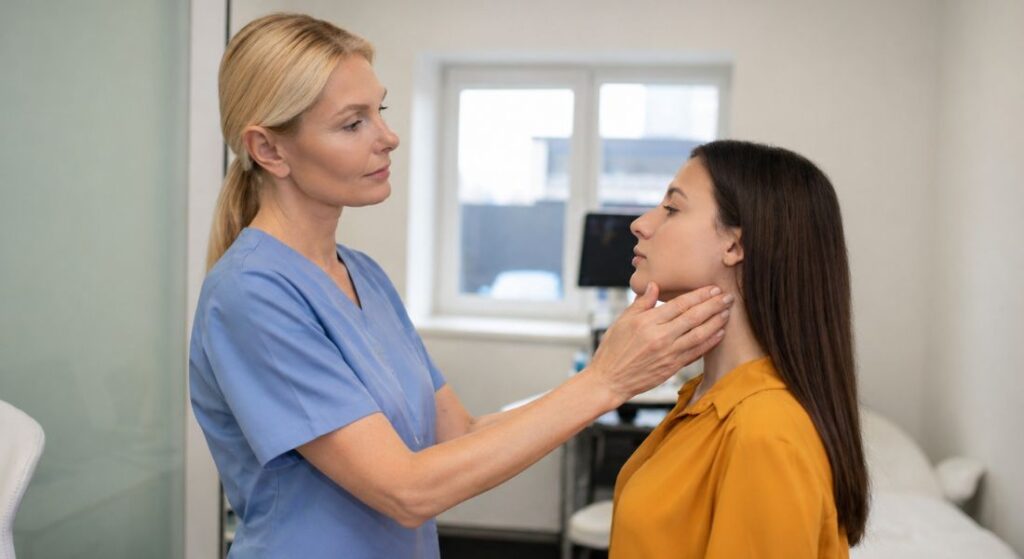
You should usually begin noticing visible improvement within about a week after your plasma face lift treatment. As swelling starts to reduce and the small carbon crusts naturally shed away, fresher skin gradually becomes visible underneath. During this stage, the treated area often begins to look smoother, tighter, and more refined.
1. Fresh skin gradually appears underneath: As healing progresses, the crusts naturally fall away and reveal newer skin below. This is a normal part of the recovery process.
2. Pinkness and sensitivity are common: The new skin may appear pink, delicate, or slightly sensitive at first because it is still rebuilding its protective barrier.
3. Healing continues beneath the surface: Even when the skin looks improved externally, deeper repair and collagen remodelling are still taking place underneath.
4. Results develop gradually over time: Improvements often continue for several weeks or even months as collagen production increases and the skin continues to strengthen.
It’s important to stay patient during this stage of recovery. Although visible healing may improve within days, the skin is still maturing beneath the surface. Gentle aftercare, sun protection, and allowing the skin to recover naturally all help support smoother and more predictable long-term results.
The Importance of Aftercare
You may not realise just how important aftercare is following a plasma face lift treatment. Although the procedure itself plays a major role in the outcome, the way you care for your skin afterwards also has a significant impact on healing and final results. Proper aftercare helps support skin repair while reducing the risk of irritation, infection, or pigmentation changes. Taking the recovery process seriously gives your skin the best chance to heal smoothly.
Keeping the treated area clean and protected is one of the most important parts of recovery. You should avoid unnecessary touching, rubbing, or picking at the skin, especially while the carbon crusts are still present. Following your practitioner’s instructions carefully regarding cleansing, moisturising, sun protection, and skincare products is essential. These steps help protect the fragile healing skin underneath.
Good aftercare contributes significantly to the quality of your final result. Even small mistakes during recovery can sometimes affect healing time or increase the risk of unwanted side effects. Consistent care, patience, and proper protection allow collagen remodelling and skin renewal to progress more effectively. Supporting your skin properly during recovery is an important part of achieving smoother and more predictable results.
Avoiding Sun Exposure
You should be especially careful about sun exposure while your skin is healing after a plasma face lift. Newly treated skin is far more sensitive to ultraviolet light during recovery, which means it can develop pigmentation changes more easily than usual. Even brief sun exposure may irritate the healing area or affect how evenly the skin recovers. This is why sun protection becomes such an important part of aftercare.
Using a high-SPF sunscreen is usually strongly recommended once your practitioner advises it is safe to do so. In addition to sunscreen, physical sun avoidance is also important during the healing period. Wearing sunglasses, wide-brimmed hats, and avoiding direct sunlight during peak hours can help protect the delicate new skin underneath. These precautions reduce the risk of dark marks, uneven pigmentation, or prolonged redness.
Protecting your skin properly during recovery helps preserve your results and supports smoother healing overall. Sun damage during this stage can interfere with collagen remodelling and affect the appearance of the treated area. Consistent protection allows the skin to recover more evenly and comfortably over time. Good sun care is therefore one of the most important habits following plasma face lift treatment.
Why You Should Not Pick the Skin
You might feel tempted to pick at the crusts or peeling skin during recovery, especially when the treated area starts looking dry or uneven. However, this should always be avoided because the crusts are protecting the delicate new skin underneath. Removing them too early can interrupt the natural healing process and leave the skin more vulnerable to irritation. Even gentle picking can sometimes cause unnecessary damage.
Allowing the skin to heal naturally helps reduce the risk of scarring, pigmentation changes, and prolonged redness. When crusts are forced off prematurely, the underlying skin may still be fragile and not fully repaired. This can increase inflammation and make healing less predictable. Gentle care and patience are always the safest approach during this stage of recovery.
Healing after a plasma face lift takes time and should never be rushed. Although the crusts may feel inconvenient temporarily, they usually fall away naturally as the skin heals underneath. Supporting the recovery process properly often leads to smoother and more even results in the long term. Trusting the healing timeline is an important part of achieving the best possible outcome.
When Makeup Can Be Used Again
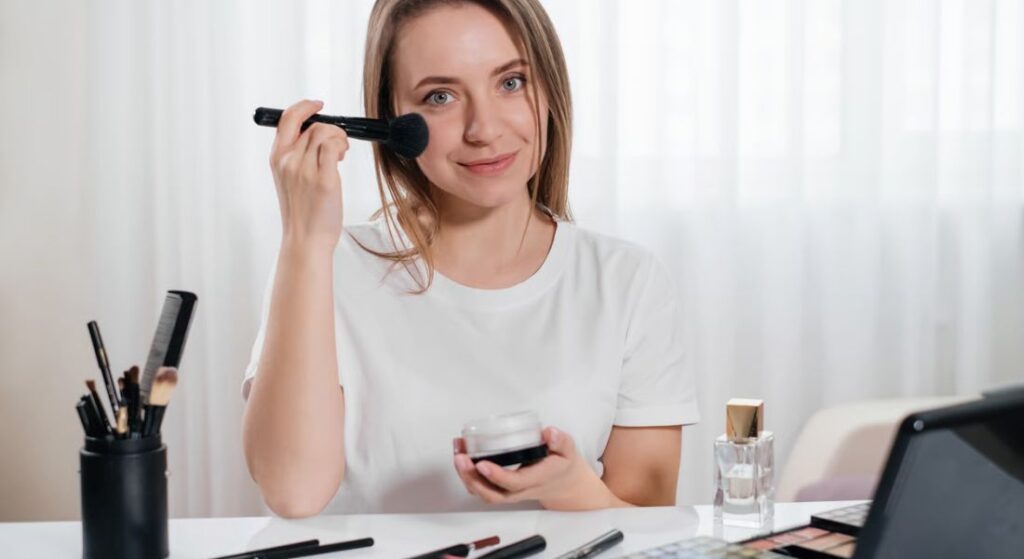
You may wonder when it is safe to start wearing makeup again after your plasma face lift treatment. In most cases, makeup should be avoided until the skin surface has healed properly and all crusts have naturally fallen away. Even if the treated area begins to look better externally, the skin underneath is still delicate and recovering.
1. Allow the skin to heal fully first: Makeup is usually avoided until the surface of the skin has repaired properly. This helps protect the healing area from unnecessary irritation.
2. Applying cosmetics too early can increase risks: Brushes, sponges, and cosmetic products can introduce bacteria or create friction across sensitive skin. This may increase the chance of infection, inflammation, or delayed healing.
3. Healing skin may react more easily: Certain makeup ingredients can cause stinging, redness, or irritation while the skin barrier is still rebuilding itself after treatment.
4. Recovery time varies between individuals: Some people heal more quickly than others depending on the treatment area, skin sensitivity, and natural healing response. Your practitioner will guide you based on how your skin is progressing.
Prioritising healing over temporary cosmetic coverage helps support smoother recovery and better long-term results. Giving your skin enough uninterrupted time to repair itself is usually the safest and most effective approach after treatment.
Sensitivity During Recovery
You should expect some temporary skin sensitivity while your skin continues healing after a plasma face lift. The treated area may feel tighter, drier, warmer, or more reactive than usual during the recovery period. Some people also notice mild tenderness or increased sensitivity to skincare products and environmental factors. These reactions are generally normal while the skin barrier repairs itself.
As healing progresses, this sensitivity gradually improves and the skin starts regaining its normal strength and balance. The new skin underneath is initially more delicate, which is why it can react more easily during the early stages of recovery. Over time, the tightness and dryness usually settle as the barrier becomes healthier and more stable. Patience during this phase is important because recovery continues beneath the surface even after visible improvements appear.
Gentle skincare is usually recommended while the skin remains sensitive. Mild cleansers, soothing moisturisers, and products designed for compromised skin barriers are often the safest choice during recovery. Harsh ingredients such as strong acids, exfoliants, retinoids, or fragranced products should generally be avoided until the skin has healed fully. Supporting the skin carefully during this period helps encourage smoother healing and reduces unnecessary irritation.
How Long Results Take to Develop
You might expect to see immediate tightening after a plasma face lift, but the full results usually develop much more gradually. Although some early improvement may become visible once swelling settles and the skin heals, collagen production continues beneath the surface for several weeks or even months. This ongoing repair process is a major part of how the treatment works. The skin slowly becomes firmer as new collagen forms over time.
This gradual progression often helps create more natural-looking improvements in skin texture and tightness. Rather than producing sudden dramatic changes, the treatment encourages your skin to improve steadily through its own healing response. Many people appreciate this softer transition because the results tend to appear subtle and balanced. Skin quality may continue improving long after the visible recovery stage has finished.
Final results often become clearer as the deeper collagen remodelling process continues. Some areas may improve faster than others depending on your skin condition, age, and healing response. Because the treatment relies on natural regeneration, patience is an important part of the overall journey. Allowing the process to develop gradually usually leads to more realistic expectations and smoother long-term results.
Recovery Differences Between Individuals
You should understand that recovery after a plasma face lift can vary quite significantly from one person to another. Factors such as your skin type, age, overall health, lifestyle habits, and the intensity of the treatment all influence how quickly your skin heals. Some people naturally recover faster, while others experience a more prolonged healing process. This variation is completely normal and expected.
Some individuals notice only mild swelling and redness that improves within a few days, especially after lighter treatments. Others may experience more visible inflammation, sensitivity, or prolonged pinkness before the skin fully settles. Delicate treatment areas, particularly around the eyes, can also respond differently depending on your individual skin characteristics. Healing is rarely identical between patients, even when the same procedure is performed.
Personal healing responses differ because every person’s skin repairs itself at a different rate. Collagen production, inflammation levels, and skin sensitivity all vary naturally between individuals. This is why it’s important not to compare your recovery too closely with someone else’s experience. Allowing your skin to heal at its own pace helps create a safer and more realistic recovery process.
Managing Expectations During Healing
You may feel uncertain or even worried during the early stages of recovery because swelling, redness, and crusting can temporarily make the treated area look more noticeable. It’s important to remember that this stage is a normal part of the healing process and does not reflect your final result. In many cases, the skin looks worse before it begins to improve, especially during the first several days after treatment.
1. Early swelling and crusting are expected: Redness, puffiness, and small crusts are common reactions after treatment. These changes are temporary and form part of the normal recovery process.
2. Visible improvement happens gradually: As swelling settles and crusts naturally shed away, smoother and tighter skin usually starts to become more noticeable over time.
3. Collagen remodelling continues beneath the surface: Even after the skin appears healed externally, deeper regeneration and collagen production are still developing underneath.
4. Patience helps reduce unnecessary anxiety: Plasma face lift treatments rely on gradual skin renewal rather than instant transformation. Focusing on long-term improvement rather than day-to-day changes can make recovery feel much more manageable.
Realistic expectations can make the healing process far less stressful emotionally. Trusting the recovery timeline and allowing your skin to heal naturally helps support a smoother experience and more balanced long-term results.
The Importance of Follow-Up Care
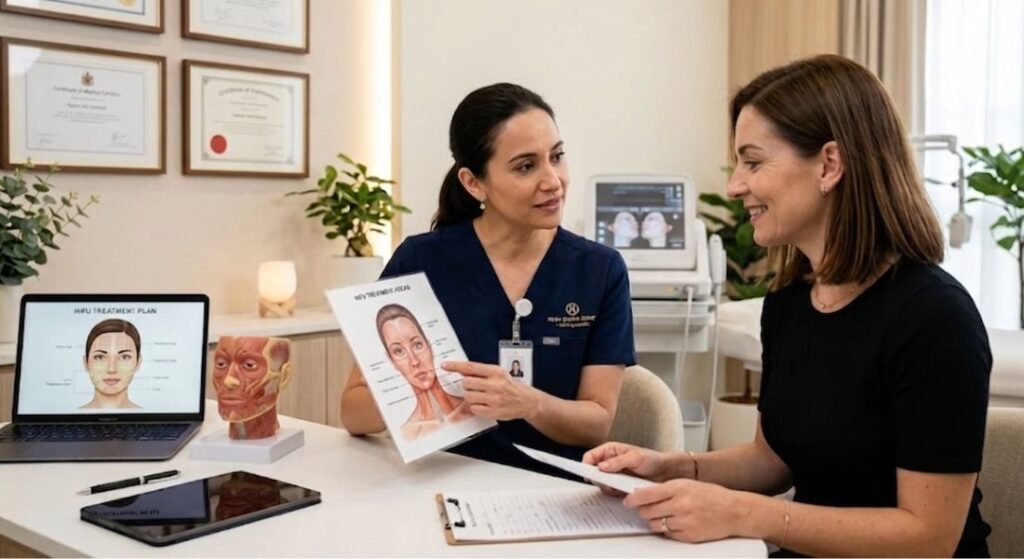
You should attend any recommended follow-up appointments after your plasma face lift treatment. These visits allow your practitioner to assess how your skin is healing and identify any concerns at an early stage if needed. Recovery can vary between individuals, so professional monitoring helps ensure everything is progressing as expected. Follow-up care also gives you the opportunity to ask questions about healing, skincare, or ongoing recovery.
Professional guidance during the healing period helps support a safer and more effective recovery process. Your practitioner can evaluate swelling, skin sensitivity, pigmentation changes, and overall healing progress during these appointments. If any adjustments to aftercare are needed, they can usually be addressed quickly before they become larger issues. Early support often improves both comfort and confidence during recovery.
Follow-up care is an important part of achieving the best possible final result. Plasma face lift treatments continue evolving beneath the surface long after the initial healing phase has passed. Ongoing assessment helps optimise skin recovery and ensures your results develop as expected over time. Proper support before, during, and after treatment all contribute to a more successful overall outcome.
Emotional Adjustment After Treatment
You might not expect the emotional side of recovery after a plasma face lift, but temporary swelling, redness, and visible healing can affect your confidence for a short time. This is especially common during the first few days when the skin looks more inflamed and the crusts are most noticeable. Some people feel uncertain or self-conscious during this stage, even when healing is progressing normally. These emotional reactions are a very common part of the recovery experience.
As healing continues and the visible side effects begin settling, most patients start feeling much more comfortable and reassured. Once the swelling reduces and fresher skin becomes visible, confidence often improves naturally alongside the physical recovery process. Gradual improvements in skin texture and tightness also become easier to appreciate over time. The early recovery stage is temporary, even if it feels frustrating initially.
Understanding the emotional aspect of healing can help you feel more prepared before treatment. Knowing that temporary appearance changes are part of the normal process often makes recovery easier to manage mentally. It can also help prevent unnecessary worry during the early stages when results are not yet fully visible. Patience and realistic expectations usually make the overall experience feel far more manageable and positive.
Long-Term Skin Improvements
You should know that a plasma face lift continues working beneath the skin long after the visible recovery phase has ended. Although the surface may appear healed within a few weeks, collagen remodelling continues gradually underneath for much longer. This ongoing regenerative process helps improve skin firmness, texture, and elasticity over time. The treatment relies on your skin’s natural healing response, which develops progressively rather than instantly.
As collagen production continues, many people notice that their skin looks smoother, firmer, and more refined over the following months. Improvements often appear gradual and natural because the skin strengthens slowly through ongoing tissue repair. Fine lines, mild laxity, and skin texture may continue improving even after the early results are already visible. This steady progression is one of the reasons many patients appreciate plasma treatments.
The benefits of treatment often extend well beyond the initial healing stage. While recovery focuses on repairing the skin surface, deeper structural improvements continue developing beneath it for a longer period. Your skin quality may keep improving for several months depending on your age, skin condition, and healing response. Understanding this long-term process helps set more realistic expectations and highlights why patience is such an important part of treatment success.
FAQs:
1. How long does plasma face lift recovery usually take?
You’ll usually notice the most visible healing within the first 7 to 10 days after treatment. During this time, swelling reduces and the small carbon crusts gradually fall away naturally. However, deeper collagen remodelling continues for several weeks or months underneath the skin. This means your final results develop gradually over time.
2. Is swelling normal after a plasma face lift?
Yes, swelling is a very common part of recovery after treatment. You may notice it more around delicate areas such as the eyelids where the skin is thinner. The swelling happens because your body is responding to the controlled thermal effect created during the procedure. In most cases, it improves steadily over several days.
3. What are the small dark crusts after treatment?
The tiny dark dots or crusts are a normal part of the healing process. They form where the plasma energy interacts with the skin during treatment. These crusts protect the fresh healing skin underneath and should be left to fall away naturally. Picking them too early can increase the risk of irritation or pigmentation changes.
4. When can you wear makeup again after a plasma face lift?
You should usually avoid makeup until the skin has healed properly and all crusts have naturally shed away. Applying cosmetics too early can irritate sensitive skin or introduce bacteria during healing. Your practitioner will guide you based on how your skin is recovering. Allowing the skin enough uninterrupted healing time supports better long-term results.
5. Why does the skin look worse before it improves?
You may feel concerned during the early healing stage because redness, swelling, and crusting can make the skin look more noticeable temporarily. This is a completely normal part of the recovery process. The skin often appears worse before fresher, smoother skin becomes visible underneath. Improvement happens gradually as healing progresses.
6. Can you speed up plasma face lift recovery?
You can support smoother healing by following your aftercare instructions carefully. Keeping the area clean, moisturised, and protected from the sun is very important. Avoiding picking, rubbing, or using harsh skincare products also helps reduce irritation. While healing cannot be rushed completely, good aftercare supports healthier recovery.
7. When will you start seeing results from a plasma face lift?
You may notice some early tightening once swelling settles and healing improves. However, the full results usually appear gradually over several weeks or months. This happens because collagen production continues beneath the skin long after the surface heals. The improvements often develop naturally and progressively over time.
8. Why is sun protection important after treatment?
Your skin becomes much more sensitive to UV exposure during recovery. Even small amounts of sun exposure can increase the risk of pigmentation changes or prolonged redness. Wearing high-SPF sunscreen and avoiding direct sunlight helps protect the healing skin. Good sun protection also supports more even and predictable results.
9. Is skin sensitivity normal during recovery?
Yes, your skin may feel tighter, drier, warmer, or more sensitive than usual while healing. This happens because the skin barrier is still repairing itself after treatment. Sensitivity usually improves gradually as the skin becomes stronger again. Gentle skincare products are normally recommended during this stage.
10. How important is aftercare following a plasma face lift?
Aftercare plays a major role in both healing and final results. Proper care helps reduce the risk of irritation, infection, or pigmentation problems during recovery. Following your practitioner’s advice carefully also supports smoother collagen remodelling over time. Good aftercare is an essential part of achieving safer and more predictable results.
Final Thoughts: Plasma Face Lift Recovery
Recovery after a plasma face lift is a gradual process that requires patience, proper aftercare, and realistic expectations. While the initial healing phase may involve temporary swelling, redness, and small crust formation, these changes are a normal part of the skin’s natural repair response. Over time, collagen production continues beneath the surface, leading to progressive improvements in skin firmness, texture, and overall quality.
By following aftercare instructions carefully and allowing your skin to heal without interference, you can support smoother recovery and more predictable long-term results. Avoiding sun exposure, not picking at the treated area, and attending follow-up appointments all play an important role in achieving the best outcome. If you’re looking for plasma face lift in London, you can get in touch with us at the London Medical & Aesthetic Clinic.
References:
1. Baroni, A. and Verolino, P. (2022) Plasma radiofrequency ablation for scar treatment. Journal of Clinical Medicine, 11(1), 140. Available at: https://www.ncbi.nlm.nih.gov/pmc/articles/PMC7374633/
2. Shridharani, S.M. and Kennedy, M.L. (2022) Safety of helium-based plasma technology for coagulation of soft tissue: a retrospective review. Aesthetic Surgery Journal Open Forum, 2(4), ojac081. Available at: https://pubmed.ncbi.nlm.nih.gov/37220216/
3. Swanson, E. (2022) A systematic review of subsurface radiofrequency treatments in plastic surgery. Plastic and Reconstructive Surgery, 89(3), 274–285. Available at: https://pubmed.ncbi.nlm.nih.gov/30186981/
4. Gentile, R.D. (2020) Renuvion RF-helium plasma for subdermal skin tightening, facial contouring and skin rejuvenation of the face and neck. Aesthetic Plastic Surgery, 44(4). Available at: https://journals.sagepub.com/doi/10.1089/fpsam.2020.0070
5. Bogle, M.A., Arndt, K.A. and Dover, J.S. (2019) Evaluation of plasma skin regeneration technology in low-energy full-facial rejuvenation. JAMA Dermatology. Available at: https://jamanetwork.com/journals/jamadermatology