


If you have been exploring non-surgical skin tightening, you may have noticed that plasma face lift results are not the same for everyone. Some people experience quite noticeable tightening and smoother skin, while others see more subtle changes. This variation is completely normal, and it usually comes down to a combination of biological factors and how your skin responds to treatment.
A plasma face lift works by delivering controlled energy to the surface of your skin, which triggers a healing response that leads to tightening and collagen remodelling over time. However, your skin is not a standardised surface it behaves uniquely based on your age, skin structure and natural healing capacity. This is why you and another person can have the same treatment but still achieve different results.
Your individual characteristics play a major role in how your outcome develops. Factors such as skin thickness, degree of laxity, collagen quality, sun damage history and overall skin health can all influence how effectively your skin responds. Even your lifestyle habits, such as smoking or sun exposure, can affect the quality and longevity of your results.
In this article, you will understand the key reasons behind these differences so you can set more realistic expectations before treatment. When you know what influences your results, you are in a better position to make an informed decision and understand what plasma treatment may realistically achieve for you.
Skin Quality at the Start
Your baseline skin quality plays one of the most important roles in determining how effective plasma face lift results are likely to be for you. If your skin is healthier, thicker and more resilient, you’re more likely to see a clearer and more predictable response to plasma energy. This is because stronger skin naturally has better structural support and a greater ability to repair itself and produce new collagen during healing.
If your skin is very thin, fragile or significantly sun-damaged, you may notice that the response is less robust. In these cases, the collagen network is often already weakened, which can reduce how much tightening you achieve. This doesn’t mean you won’t see any improvement, but the results may be more subtle and gradual compared with someone who has stronger baseline skin quality.
You can think of it in simple terms like repairing fabric, the stronger the material at the start, the better it holds its shape after treatment. In the same way, your skin’s condition before the procedure can influence both the quality and longevity of your results. This is why a careful assessment of skin quality is such an important part of planning your treatment properly.
Age and Natural Collagen Levels
Your age has a direct influence on your natural collagen levels, which play a key role in how your skin tightens and heals after plasma face lift treatment. If you are younger, you generally have more active fibroblasts, which means your skin can rebuild itself more efficiently after treatment. This often leads to a quicker and more noticeable improvement in skin firmness and texture.
As you get older, your body naturally produces less collagen and your skin gradually loses some of its elasticity. This can mean that even if the treatment is carried out correctly, the visible tightening effect may be less pronounced compared with younger skin. You can still achieve results, but they may develop more slowly and appear more subtle over time.
This is why two people with similar skin concerns but different ages can experience quite different outcomes. Your age, combined with your overall skin health and collagen activity, helps determine how strongly your skin responds and how long the results are likely to last.
Degree of Skin Laxity
Plasma face lift treatment works best when you have mild to moderate skin laxity. If your skin is only slightly loose, you may notice a fairly visible tightening effect, especially in areas like the eyelids or fine facial lines. In these cases, the skin tends to respond more efficiently, and the improvement can look quite natural and refreshed.
When skin laxity becomes more advanced, however, the results are usually more limited. This is because plasma treatment primarily works on the surface layers of your skin rather than the deeper structural support tissues. While it can help contract and firm the skin to some extent, it does not reposition deeper facial structures that contribute to significant sagging.
Because of this, the more advanced your skin sagging is, the more subtle your results are likely to be. You may still see some improvement in texture and tightness, but dramatic lifting is less likely. This is why assessing the degree of laxity is so important when deciding whether plasma treatment is the right option for you.
Treatment Technique and Energy Settings
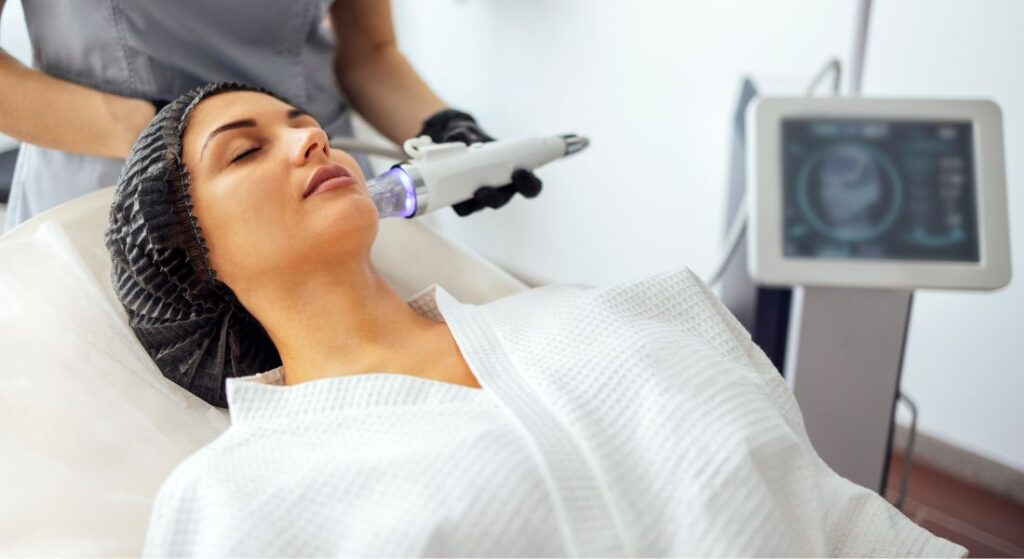
Your results from a plasma face lift can vary quite a bit depending on the technique used during treatment. Plasma devices rely on very precise energy delivery, including the spacing of treatment points and the level of energy applied to the skin. Even small adjustments in technique can influence how your skin responds and how noticeable your final results are.
If the energy settings used are too conservative, you may find that your results are quite minimal and do not meet your expectations. On the other hand, if the settings are too aggressive, you could face a longer healing period and a higher risk of side effects or complications. This is why getting the balance right is so important for both safety and effectiveness.
You should understand that practitioner experience plays a huge role in achieving good outcomes. When the treatment is performed with the correct technique and carefully selected settings, you are more likely to get smoother healing and more consistent results. This is also why choosing a well-trained and experienced practitioner can make such a big difference to your overall experience and satisfaction.
Treatment Area Matters
When you undergo plasma skin treatment, the results can vary quite a bit depending on which area of your face is being treated. That’s because not all skin behaves in the same way. Some areas are naturally thinner and more delicate, while others are thicker and more resistant to change. Understanding this helps you set more realistic expectations about how different parts of your face may respond.
1. Thin, Delicate Areas Respond More Quickly: Areas such as the eyelids often show more noticeable tightening because the skin is very thin and has less structural resistance. In these regions, even subtle collagen stimulation can create visible improvement. This is why eyelid treatments are often considered one of the most effective applications of plasma technology.
2. Thicker Skin Areas Respond More Gradually: In areas like the lower face or jawline, the skin is thicker and has a higher density of supporting tissue. This means heat energy is absorbed differently, and the tightening response may be slower or more subtle. You may need more time to see visible changes in these regions.
3. Role of Skin Structure and Biology: Skin thickness, oil gland distribution, and tissue density all influence how your skin reacts to plasma energy. These factors affect how heat is delivered and how collagen production is stimulated during healing. Because of this, each facial region can respond in a slightly different way.
4. Variation Within the Same Treatment Session: Even in the same person, you may notice that some areas improve more quickly than others. This is completely normal and reflects natural differences in skin anatomy. Results often continue to develop gradually as healing progresses across all treated zones.
Treatment area therefore plays a major role in how effective plasma face lift results appear. Some regions respond quickly and visibly, while others require more time and show more subtle improvement. Understanding these differences helps you appreciate the gradual and region-specific nature of healing. Ultimately, personalised treatment planning leads to more balanced and natural-looking results.
Healing Response and Genetics
One of the most important but often overlooked factors in your results is your individual healing response. Everyone’s skin heals in a slightly different way after a controlled treatment like a plasma face lift. You may naturally produce collagen more efficiently, which can lead to a stronger tightening effect, or you may experience a slower or more subtle response depending on your body’s healing pattern.
Genetics also play a major role in how your skin behaves after treatment. Factors such as your inflammatory response, fibroblast activity and overall tissue regeneration speed can all influence how much improvement you see. This means your skin’s internal biology is just as important as the treatment itself when it comes to final results.
Because of these natural differences, even if you and someone else have similar skin types and receive the same treatment, your outcomes may still look quite different. This is completely normal and highlights why individual variation in healing is such a key part of aesthetic results.
Aftercare and Lifestyle Habits
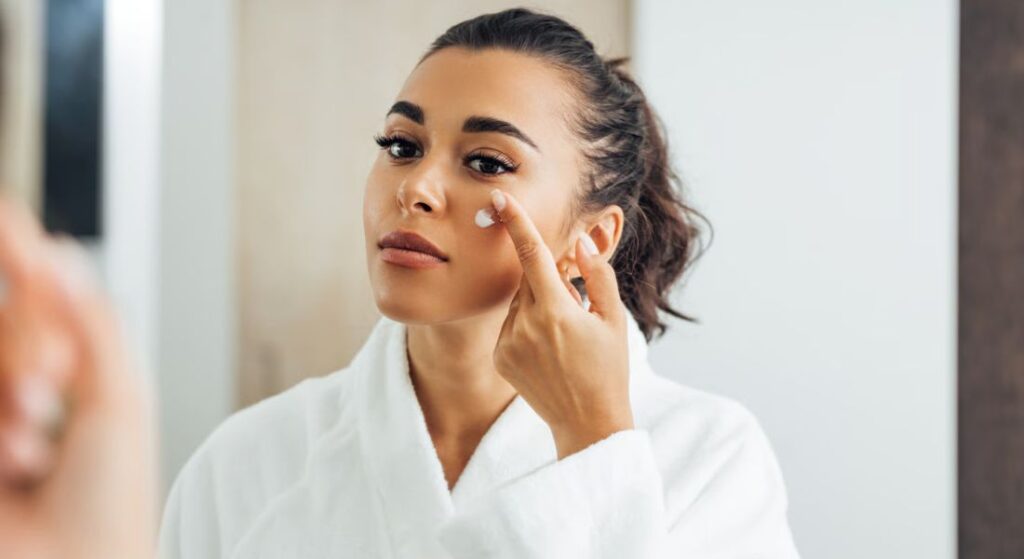
What you do after your plasma face lift treatment plays a really important role in how well you heal and how good your final results are. Proper aftercare helps support healthy skin recovery and encourages better collagen formation during the healing phase. If you don’t follow aftercare instructions properly, you may notice slower healing or less noticeable results.
You should also be aware that certain lifestyle habits can directly influence your outcome. Excess sun exposure, smoking, poor hydration and an inconsistent skincare routine can all negatively affect how your skin responds after treatment. On the other hand, when you take care of your skin properly, use sun protection and stay well-hydrated, you can significantly support the healing process and improve overall results.
In many ways, your lifestyle becomes part of the treatment itself. The choices you make during the recovery period can either enhance your results or limit them, so maintaining good habits is just as important as the procedure itself for achieving the best possible outcome.
Sun Damage and Skin History
If you’ve had a long history of sun exposure, your skin may already have reduced collagen levels and a more uneven texture. This can influence how effectively your skin responds to plasma tightening treatments. When the skin structure is already weakened, the overall outcome can be more variable.
You may notice that sun-damaged skin does not always contract as evenly or predictably during healing. While improvement is still possible, the results are often more gradual and may be less consistent compared with healthier, well-maintained skin. This doesn’t mean treatment won’t work, but it does mean expectations need to be carefully managed.
That’s why your skin history is always carefully assessed during consultation. When you understand how previous sun exposure has affected your skin, you’re in a better position to make informed decisions about treatment and what kind of results you can realistically expect.
Hormonal and Health Factors
Your general health and hormonal balance can have a real impact on how your skin heals after treatment. When you’re dealing with conditions that affect inflammation, circulation, or your immune system, you may notice that your skin responds differently or takes a bit longer to recover. It all comes down to how well your body is able to support the healing process at that time.
Even everyday factors like stress or not getting enough sleep can play a part in your recovery. When you’re under stress or running on poor sleep, your body tends to prioritise essential functions first, which can slightly slow down skin repair and regeneration. So you might see changes in how smooth or consistent your healing looks.
Ultimately, your overall health has an indirect but important influence on your cosmetic results. When you’re in a more balanced state physically and hormonally, your skin is generally better placed to respond well to treatment and recover more efficiently.
Expectation vs Reality
When it comes to plasma face lift treatment, one of the most important factors affecting satisfaction isn’t just the biological response of your skin it’s also how you expect the results to look. Even when a treatment works well, your perception of improvement can vary depending on your expectations beforehand. This is why clear, realistic understanding is essential before you proceed.
1. Perception Can Influence Satisfaction: Sometimes, the results are clinically appropriate but may feel less impressive if you were expecting a dramatic transformation. If you are highly focused on visible lifting, even good improvement may seem subtle. Your expectations strongly shape how you interpret the outcome.
2. Designed for Subtle, Not Surgical Change: A plasma face lift is intended to provide gentle tightening and skin refinement rather than major lifting. It works on fine lines, texture, and mild laxity rather than significant sagging. If you expect surgical-level change, the results may feel underwhelming even when the procedure is successful.
3. Importance of Setting Realistic Goals: Understanding what the treatment can and cannot achieve helps you form realistic expectations from the beginning. You are more likely to feel satisfied when your goals match what the procedure is designed to deliver. Clear communication during consultation is key.
4. Individual Results Still Vary: Even when expectations are aligned, results can still vary based on your skin type, age, and treatment area. Some people notice more visible tightening than others. This natural variation is part of why personalised assessment is so important.
Expectation management is therefore just as important as the treatment itself. When you understand the subtle nature of plasma face lifting, you are more likely to appreciate the gradual improvements it provides. Realistic expectations lead to better satisfaction and a more positive overall experience. Ultimately, good communication and understanding help ensure the results feel meaningful and appropriate.
Device Quality and Technology Used
Not all plasma devices are the same, and this can make a real difference to your results. When you’re having treatment, the type of device being used can influence how comfortable you feel, how quickly your skin heals, and how strong the tightening effect turns out. Different technologies deliver energy in slightly different ways, so outcomes can naturally vary from person to person.
If you’re treated with a more advanced system, you’re likely to notice better precision and more consistent results. This usually means the energy is delivered more evenly, which can help improve both safety and effectiveness. You may also find the treatment feels smoother and recovery is a bit more predictable compared to older equipment.
On the other hand, if a clinic is using older or lower-quality devices, you might see more variation in results. The energy delivery may not be as controlled, which can affect how evenly your skin responds. So when you’re choosing a clinic, the quality of the device really is something worth paying attention to.
Combination with Other Treatments
In some cases, you may not be receiving a plasma face lift as a standalone treatment. Instead, it can be combined with other procedures like skin boosters, microneedling, or dermal fillers. When you’re having combination treatments, each one works in a slightly different way, and together they can have a more noticeable impact on your overall result.
When these treatments are carefully layered in a strategic way, you may notice that your skin looks smoother, plumper, and more refreshed. The combination can enhance the overall outcome, especially when your practitioner tailors the plan to your specific skin needs. So the improvements you see may be stronger than what a single treatment could achieve on its own.
On the other hand, if you’re having plasma treatment by itself, your results may be more subtle and focused mainly on tightening. That doesn’t mean it isn’t effective it just means the outcome is more limited compared to a combined approach. So what you’re seeing is not always the effect of plasma alone, but sometimes a blend of different treatments working together.
Skin Thickness and Elasticity Differences
Even within the same age group, you may notice that skin thickness can vary quite a lot from one person to another. If your skin is naturally thicker, it tends to behave more firmly and may contract in a slightly different way compared to thinner, more delicate skin. These natural differences in structure can influence how your skin responds to aesthetic treatments and how results gradually appear over time.
Elasticity also plays a very important role in how your skin reacts. If your skin still has a good level of elasticity and “snaps back” easily when stretched, you’re more likely to see a more noticeable tightening effect after treatment. However, if your skin has lost some of that natural bounce, the results may appear softer or more subtle, even though the treatment is still working beneath the surface.
This is one of the key reasons you may notice variation in results between different patients. Your individual skin characteristics, including thickness and elasticity, directly affect how your skin lifts, tightens, and settles after treatment. So, even when the same procedure is used, the outcome can naturally look a little different from person to person.
Depth of Collagen Damage
Plasma treatments work by stimulating collagen production, but you may need to understand that they cannot completely reverse deeper structural collagen loss. If your collagen damage is mostly superficial, you’re likely to notice more visible improvements, as the skin responds more actively to the stimulation. In these cases, tightening and smoothing effects tend to show more clearly over time.
However, if your collagen loss extends deeper into the dermis, the response may be more limited. You might still see some surface tightening and a mild improvement in texture, but the deeper structural support of the skin is harder to rebuild. This means the overall change can appear more subtle compared to cases where damage is less advanced.
This difference in depth is one of the main reasons your results may vary from others. Your skin’s internal structure plays a major role in how effectively it can respond, and it directly influences the level of visible improvement you experience after treatment.
Recovery Environment and Care
Your recovery doesn’t happen in isolation, and you’ll often find that your surrounding environment plays a bigger role than you might expect. If you’re regularly exposed to pollution, strong sunlight, or high humidity, your skin may find it harder to recover smoothly. These external factors can subtly influence how well your skin heals day by day.
When you give your skin a calm and well-protected environment, it naturally has a better chance to support healthy collagen formation. Simple things like avoiding excessive sun exposure and keeping your skin protected can make a real difference to how effectively your recovery progresses. You’re essentially helping your skin do its job without unnecessary stress.
On the other hand, if your recovery phase is constantly exposed to harsh or inconsistent conditions, the healing process can slow down or become less efficient. This is why your surroundings matter just as much as the treatment itself, even though it’s something you might not immediately think about.
Consistency of Follow-Up Care
After a plasma face lift or similar skin rejuvenation treatment, your results don’t just depend on the procedure itself they also depend on how consistently you maintain follow-up care. Some patients benefit from occasional maintenance sessions that help support collagen activity and extend the visible improvements over time. This approach often leads to more stable and longer-lasting results.
1. Maintenance Helps Sustain Results: You may find that follow-up treatments help maintain or gradually enhance the initial improvements. These sessions can support ongoing collagen stimulation and help your skin continue improving after the first treatment. Without maintenance, results may gradually soften over time.
2. Skin Rejuvenation Works Best as a Process: Rather than being a one-time procedure, plasma skin tightening often works best as part of a longer-term plan. Your skin continues to remodel and respond in the weeks and months after treatment. Consistent care can help optimise this natural healing process.
3. Inconsistent Aftercare May Affect Outcomes: If follow-up care is irregular or not maintained, results may appear less stable or fade more quickly. Skincare routines, sun protection, and scheduled reviews can all influence how long your improvements last. Consistency plays an important role in overall outcome quality.
4. Individual Response Varies Over Time: Even with good maintenance, results can still vary depending on your age, skin quality, and lifestyle factors. Some people naturally maintain results longer than others. This is why personalised follow-up planning is often recommended.
Consistency in follow-up care is therefore an important part of achieving the best possible outcome from skin rejuvenation treatments. When you view treatment as an ongoing process rather than a single event, results are often more balanced and longer-lasting. Regular maintenance helps support your skin’s natural repair mechanisms over time. Ultimately, consistent care plays a key role in maintaining and enhancing your results.
Why Personal Consultation Is Essential
Because so many different factors can influence your results, you really can’t expect a “one-size-fits-all” approach to work well. Your skin type, thickness, elasticity, lifestyle, and even your environment all play a part in how you respond to treatment. That’s why taking time to properly understand your individual situation is so important.
A detailed consultation gives you the chance to look closely at what applies specifically to you. It allows your practitioner to adjust treatment settings, choose the right technique, and set realistic expectations based on your skin’s actual condition. This way, you’re not relying on general assumptions, but on what your skin truly needs.
When everything is tailored properly to you, the chances of achieving more consistent and satisfying results are much higher. Personalisation helps bridge the gap between expectation and outcome, making your overall experience more predictable and aligned with your goals.
Managing Expectations Before Treatment
When you understand that results can vary before you even begin treatment, it becomes much easier for you to interpret your outcome in a realistic way. A plasma face lift can absolutely deliver excellent improvements, but those results will always depend on your individual skin, lifestyle, and healing response. This awareness helps you stay grounded in what the treatment is designed to achieve.
You may notice that some people experience quite visible tightening, while others see a more subtle, refreshed appearance. Neither outcome is “wrong” or less valid it simply reflects how your skin responds on a personal level. When your expectations are aligned with this natural variability, you’re far more likely to feel satisfied with the overall process.
Ultimately, the aim of a plasma face lift is improvement rather than dramatic transformation. You’re working with your skin to enhance its quality, firmness, and texture in a natural-looking way. When you approach it with this mindset, the results often feel more balanced and in harmony with your features.
Why Some Patients Respond Exceptionally Well

When you see someone respond exceptionally well to treatment, it’s usually because several favourable factors are working together at the same time. If your skin already has good overall quality, only mild laxity, and a naturally strong collagen response, you’re far more likely to notice a more visible improvement. In these cases, your skin is simply in a better position to react efficiently to the treatment.
Aftercare also plays a very important role in how your results develop. When you follow the recommended guidance carefully, protect your skin, and avoid unnecessary irritation during the healing phase, you give your body the best possible chance to regenerate effectively. This supportive environment can make a noticeable difference to your final outcome.
However, this ideal combination doesn’t occur in every patient, and that’s completely normal. You may find that even small differences in skin condition or healing response can change the overall result. This is exactly why outcomes naturally vary from person to person, even when the same treatment is performed.
The Role of Practitioner Experience Again
It’s worth reinforcing that the experience of your practitioner plays a major role in the quality of your results. When you’re undergoing treatment, it isn’t just about the device being used it’s about how well the person using it understands your skin. Adjusting energy levels, reading subtle skin responses, and adapting technique all require real clinical judgement.
When you’re in experienced hands, you’re more likely to see consistent and well-balanced outcomes. A skilled practitioner can recognise how your skin is responding in real time and make small but important adjustments during the procedure. This helps reduce unnecessary variation and supports a more predictable healing process for you.
This is where aesthetic treatment really becomes a blend of science and artistry. You’re not just relying on technology alone, but on the practitioner’s ability to interpret your unique skin and respond accordingly. When both elements come together, your results tend to feel more natural, refined, and in harmony with your features.
FAQs:
1. Why do plasma face lift results vary from person to person?
If you’ve noticed different people getting different results, that’s completely normal. Your skin is unique, so it responds differently to plasma energy depending on factors like age, skin quality and healing ability. Some people naturally produce more collagen, which leads to better tightening. Others may see more subtle changes even when the treatment is performed in the same way.
2. Does age affect how well a plasma face lift works?
Yes, your age plays a big role in how your skin responds. If you’re younger, your collagen production is usually higher, so you may notice faster and more visible improvement. As you get older, collagen levels naturally decline, so results can be more gradual or subtle. This doesn’t mean the treatment won’t work, just that the response may be different.
3. Why does skin quality matter so much before treatment?
If your skin is healthy, thick and well-maintained, you’re more likely to see better results. Stronger skin has a better ability to heal and produce new collagen after treatment. If your skin is sun-damaged, thin or fragile, the response may be more limited. Your starting skin condition really sets the foundation for your final outcome.
4. Can lifestyle habits affect my results?
Yes, your lifestyle has a direct impact on how your skin heals and responds. If you smoke, spend a lot of time in the sun or don’t follow good skincare, your results may be reduced. On the other hand, if you protect your skin, stay hydrated and follow aftercare properly, you’re more likely to see better and longer-lasting improvement. Your habits really do become part of the treatment outcome.
5. Why do some areas of the face respond better than others?
Different parts of your face have different skin thickness and structure. If you’re treating delicate areas like the eyelids, you may notice quicker and more visible tightening. Thicker areas like the jawline tend to respond more slowly and subtly. This natural variation in skin anatomy is one of the main reasons results don’t look identical across the whole face.
6. Does treatment technique affect my results?
Absolutely, technique makes a big difference to your outcome. The way energy is delivered, the settings used and the precision of application all influence how your skin responds. If the treatment is too gentle, results may be minimal, and if it’s too aggressive, healing may be longer. That’s why practitioner experience is so important for balanced results.
7. Why do healing responses differ between people?
Everyone heals in their own way based on genetics and biology. Your body’s ability to produce collagen, manage inflammation and repair tissue can all vary naturally. This means even if two people have the same treatment, their skin may not behave the same way during healing. It’s a completely normal part of aesthetic treatments.
8. Can sun damage affect my results?
Yes, previous sun damage can reduce how strongly your skin responds. If your collagen has already been weakened by UV exposure, the tightening effect may be less noticeable. You might still see improvement, but it can be more gradual or subtle. That’s why your skin history is always considered before treatment.
9. Do expectations influence how I feel about results?
Yes, your expectations play a huge role in satisfaction. If you expect dramatic lifting, you may feel disappointed even if the treatment works well. Plasma face lifts are designed for subtle, natural-looking improvement rather than major transformation. When your expectations match what the treatment can realistically do, you usually feel much happier with the outcome.
10. Why is a consultation so important before treatment?
A consultation helps match the treatment to your specific skin type and concerns. Your practitioner can assess your skin quality, explain realistic results and adjust the approach for you. Since every person responds differently, this step helps avoid surprises later. It ensures your treatment plan is safe, suitable and tailored specifically to you.
Final Thoughts: Why Plasma Face Lift Results Vary
Plasma face lift results can look different from one patient to another because the treatment depends heavily on your individual skin characteristics and how your body responds to healing. Factors such as skin quality, age, collagen levels, degree of skin laxity, and lifestyle habits all play a role in how noticeable and long-lasting your results may be. This is why some patients experience more visible tightening, while others see more subtle, gradual improvement.
What matters most is understanding that plasma face lift treatment is designed to enhance and refresh your natural appearance rather than deliver dramatic or surgical-level lifting. When your treatment is tailored carefully to your skin type and carried out by an experienced practitioner, the outcome is more likely to look balanced, natural, and in harmony with your features. Realistic expectations, good aftercare, and proper consultation all contribute significantly to your overall satisfaction.
If you’re thinking about a plasma face lift in London, you can get in touch with us at the London Medical & Aesthetic Clinic. Speaking with an experienced professional can help you understand what the treatment may realistically achieve for your skin, facial structure, and aesthetic goals.
References:
1. Holcomb JD. (2021). Helium plasma dermal resurfacing: VISIA CR assessment of facial spots, pores, and wrinkles preliminary findings. https://pubmed.ncbi.nlm.nih.gov/34976877/
2. Fitzpatrick RE, Goldman MP, et al. (2004). Collagen tightening induced by fractional ablative resurfacing and thermal skin injury mechanisms. https://pubmed.ncbi.nlm.nih.gov/15085519/
3. Recent comparative study (2025). Energy-based facial rejuvenation devices: helium plasma vs laser resurfacing outcomes and safety profile. https://www.sciencedirect.com/science/article/abs/pii/S2445147925000517
4. Alster TS, et al. (2019). Fractional laser and plasma-based skin rejuvenation: histological and clinical outcomes in facial aging. https://www.sciencedirect.com/science/article/abs/pii/S0738081X19300884
5. Bogle MA et al. (2024). Plasma energy devices in dermatology: mechanisms, clinical applications and safety profile. https://www.mdpi.com/2079-9284/11/5/175