

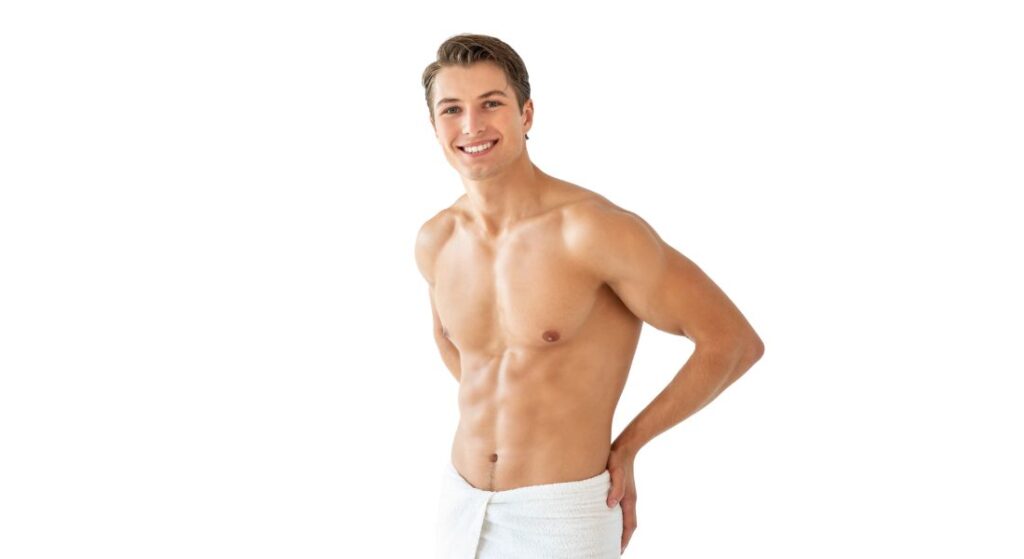
If you have ever felt frustrated by stubborn areas of fat that do not seem to respond to exercise or a healthy diet, you are not alone. Many men find that certain parts of the body can retain excess fat even when they are physically active and maintaining a healthy lifestyle. This is one reason why body contouring treatments such as SmartLipo have become increasingly popular.
SmartLipo uses laser-assisted liposuction technology to target unwanted fat while also supporting skin tightening. Because it is less invasive than many traditional surgical procedures, it appeals to men who want body contouring with relatively limited downtime. As awareness of the treatment continues to grow, more men are exploring it as a way to refine specific areas of the body.
You may find that men’s treatment goals often differ from those of women. Rather than focusing on significant volume reduction, many men are looking to improve muscle definition, create stronger body contours, and achieve a more athletic-looking appearance. As a result, treatment plans are usually designed to enhance natural masculine proportions and definition.
Understanding the areas most commonly treated can help you decide whether SmartLipo may be suitable for your goals. While every treatment plan is tailored to the individual, certain body areas are consistently among the most requested by male patients. These are often the regions where stubborn fat remains despite your best efforts with diet and exercise.
Why Body Contouring Is Growing Among Men
The popularity of aesthetic treatments among men has increased significantly over the past decade. You may have noticed that more men are becoming comfortable exploring cosmetic procedures that help them feel more confident about their appearance. As attitudes continue to change, body contouring treatments are becoming a more common part of men’s aesthetic care.
If you maintain a healthy lifestyle, exercise regularly, and eat well, you may still find that certain areas of fat are difficult to reduce. These localised fat deposits can remain even when you are otherwise fit and active. This can make body contouring treatments appealing if you are looking to refine specific areas of your physique.
SmartLipo is one of several treatments that is frequently discussed within this growing field. Many men consider it because it is designed to target stubborn fat while also supporting skin tightening. As interest in male body contouring continues to grow, you are likely to see increasing awareness of treatments such as SmartLipo.
The Abdomen Remains the Most Requested Area
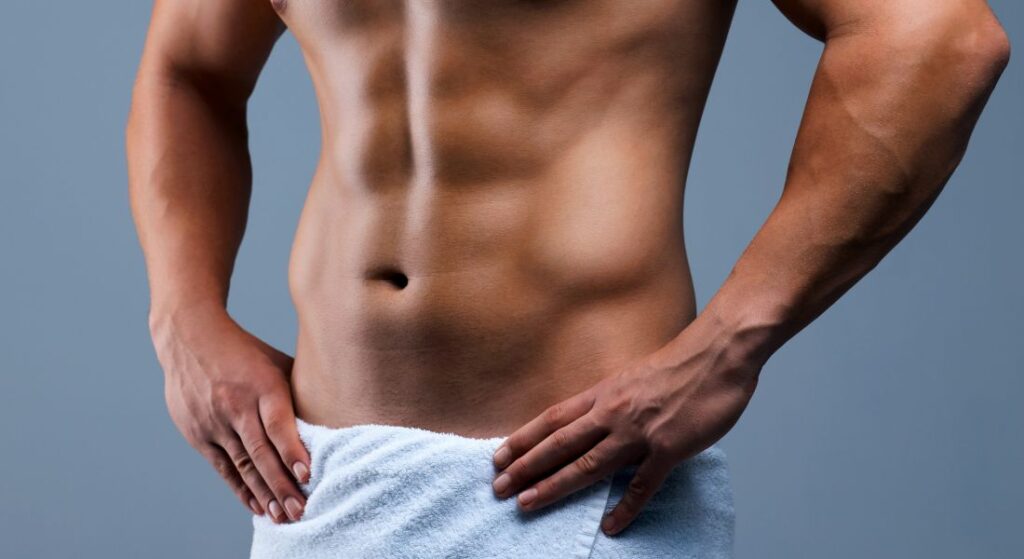
The abdomen is often the first area you may think about when considering body contouring. Fat around the stomach can be particularly stubborn and may remain despite regular exercise and a healthy diet. This can be frustrating, especially if you are otherwise maintaining a good level of fitness.
Many men seek treatment to achieve greater abdominal definition and a flatter, more sculpted profile. You may find that even with consistent effort, certain areas of abdominal fat are difficult to target through lifestyle changes alone. This is one reason why abdominal contouring continues to be a popular treatment goal.
The abdomen is frequently discussed at body contouring conferences and professional training events. Specialists continue to explore techniques that can help improve contour and definition in this area. As a result, abdominal treatment remains one of the most common applications of SmartLipo among male patients.
Addressing the Upper Abdomen
Fat accumulation in the upper abdomen can influence the overall appearance of your torso. Even if you are physically active and maintain a healthy lifestyle, you may still notice fullness in this area. This is a common concern among men seeking body contouring treatments.
When planning treatment, the focus is usually on improving contour while maintaining natural body proportions. Rather than creating a dramatic change, the aim is often to enhance the shape of your abdomen and support a more defined appearance. This helps ensure that results look balanced and in keeping with your natural physique.
A careful assessment is an important part of the process. Your practitioner will evaluate factors such as fat distribution, skin quality, and your overall body shape before recommending an approach. This helps determine the most suitable treatment plan for your individual goals.
Treating the Lower Abdomen
The lower abdomen is another area that commonly concerns male patients. You may find that fat in this region is particularly resistant to exercise and often changes more slowly than other parts of the body. This can be frustrating, especially if you are already following a healthy lifestyle.
Persistent fat deposits below the navel can affect the way your clothes fit and how you feel about your appearance. Even when you are physically active, this area may continue to retain excess fat that is difficult to address through diet and exercise alone. As a result, many men explore body contouring treatments specifically for this concern.
The lower abdomen remains one of the most frequently treated areas in body contouring practice. You will often see it discussed during professional training events and aesthetic conferences because it is such a common treatment request. Its popularity reflects the challenges many men face when trying to improve definition in this region.
Flanks Are a Major Treatment Area
The flanks, often known as “love handles”, are one of the most commonly treated areas in male body contouring. Fat can accumulate here even if you maintain a healthy weight and exercise regularly. Because the flanks sit along the sides of your waist, excess fat in this area can affect the overall shape and definition of your torso. This is why many men seek treatment to improve this particular region.
1. Stubborn fat often develops in the flanks: You may find that fat around your waistline remains despite consistent diet and exercise. This area is known for being particularly resistant to lifestyle changes alone.
2. Can affect the appearance of your waistline: Excess fat in the flanks can make your waist appear wider and less defined. Reducing these fat deposits can help create a more streamlined silhouette.
3. A common focus during body contouring consultations: Many men raise concerns about their love handles when discussing body contouring options. As a result, the flanks are frequently included in treatment plans.
4. Helps create a more balanced physique: Improving the contours of your flanks can enhance the proportions between your waist, chest, and hips. This often contributes to a more athletic and balanced appearance.
Overall, the flanks are a key treatment area because they can have a significant impact on your overall body shape. Addressing stubborn fat in this region may help improve waist definition and create a more proportionate physique. For many men, refining the flanks is an important step towards achieving their body contouring goals.
Creating Better Waist Definition
Conference discussions often highlight the importance of proportion when treating the flanks and waist area. If you are considering body contouring, the goal is usually not simply to remove fat but to improve the overall shape and balance of your physique. This approach helps create results that look natural and in proportion to the rest of your body.
A more defined waist can enhance the appearance of several surrounding areas, including your chest, abdomen, and shoulders. By improving the transition between these regions, body contouring can help create a stronger and more athletic-looking silhouette. This is one reason why waist definition is a common goal among male patients.
Treatment planning is always tailored to your individual anatomy and body shape. Your practitioner will assess factors such as fat distribution, muscle structure, and overall proportions before recommending an approach. This personalised planning helps achieve results that complement your natural physique.
Chest Contouring Is Increasingly Popular
The male chest is another area that is frequently discussed in body contouring and aesthetic medicine. You may notice that excess fatty tissue in the chest can reduce definition and make it more difficult to achieve the appearance you want, even if you exercise regularly. This concern is relatively common among men seeking body contouring treatments.
Changes in chest shape can sometimes affect your confidence and influence the types of clothing you feel comfortable wearing. If you feel self-conscious about fullness in this area, you are not alone. Many men seek treatment with the aim of achieving a firmer, flatter, and more defined chest contour.
Chest contouring has become an increasingly important area of interest within male aesthetics. Specialists continue to refine treatment approaches that focus on creating natural-looking, masculine proportions. As a result, the chest remains one of the most commonly discussed treatment areas for male body contouring.
Managing Excess Fat in the Chest Region
Excess fat in the chest region can develop for a variety of reasons, including genetics, body composition, and weight fluctuations. You may find that even after losing weight and improving your fitness, some fullness in this area remains. This can make it difficult to achieve the chest definition you are aiming for.
When treatment is considered, the focus is usually on creating a natural and masculine chest contour. Rather than making dramatic changes, the aim is often to improve proportion and enhance overall body shape. This helps ensure that results look balanced and in keeping with your physique.
An individual assessment is essential before any treatment plan is developed. Your practitioner will evaluate factors such as chest shape, fat distribution, and skin quality to determine the most suitable approach for you. As a result, the chest remains one of the most commonly requested treatment areas in male body contouring.
Chin and Jawline Treatments Are Growing
Facial contouring has become increasingly popular among men, with the chin and jawline often seen as important features that contribute to a strong and defined appearance. The shape of your lower face can have a significant impact on overall facial balance and proportions. Even small changes in this area can make a noticeable difference to your profile. As a result, treatments focused on the chin and jawline continue to attract growing interest.
1. The jawline plays a major role in facial definition: A well-defined jawline can help create a stronger and more structured appearance. This is one reason why many men focus on this area when considering aesthetic treatments.
2. Fat beneath the chin can affect your profile: Excess fat under your chin may reduce the visibility of your jawline and make facial contours appear less defined. This can alter the balance between your facial features.
3. Many men are seeking improved facial contours: Interest in treatments that enhance the chin and jawline has increased significantly in recent years. Men are increasingly looking for subtle improvements that create a more refined and masculine appearance.
4. A key topic in aesthetic medicine: The growing demand for facial contouring means the chin and jawline are regularly discussed at aesthetic conferences and professional meetings. Experts continue to explore new techniques and treatment approaches for this area.
Overall, chin and jawline contouring has become an important part of modern male aesthetics. If you are looking to improve facial definition, this region can have a significant influence on your overall appearance. As interest continues to grow, advancements in treatment options are likely to provide even more ways to achieve natural-looking results.
Addressing a Double Chin
A double chin can develop regardless of your overall body weight or fitness level. While weight gain can contribute to fullness beneath the chin, genetics often play a significant role in determining how fat is distributed in this area. As a result, you may notice a double chin even if you are otherwise slim and physically active.
Many patients find that fat beneath the chin is particularly difficult to improve through diet and exercise alone. You may achieve your fitness goals in other areas of the body while still seeing little change around the jawline and neck. This is one reason why demand for treatment in this area continues to grow.
Enhanced jawline definition is a common treatment objective for men seeking body contouring. A more defined jawline can help create a stronger facial profile and contribute to a more masculine appearance. For this reason, the chin and neck region remains an increasingly popular area of interest within male aesthetics.
Improving Jawline Definition
A strong jawline is often associated with a youthful, defined, and masculine appearance. If you are concerned about facial contours, the jawline may be one of the first areas you notice when looking at your profile. This is why jawline definition is frequently discussed in male aesthetic and body contouring conversations.
Conference speakers and aesthetic specialists regularly highlight the growing interest in facial contouring among male patients. You may find that even subtle improvements to the jawline can have a noticeable impact on your overall facial appearance. Small changes in this area can help create better balance and definition without looking overly treated.
Treatment planning focuses on achieving results that appear natural and complement your existing facial features. Your practitioner will assess factors such as facial structure, fat distribution, and skin quality before recommending an approach. This personalised assessment helps ensure that any improvements enhance your appearance while maintaining a natural look.
Arm Contouring in Men
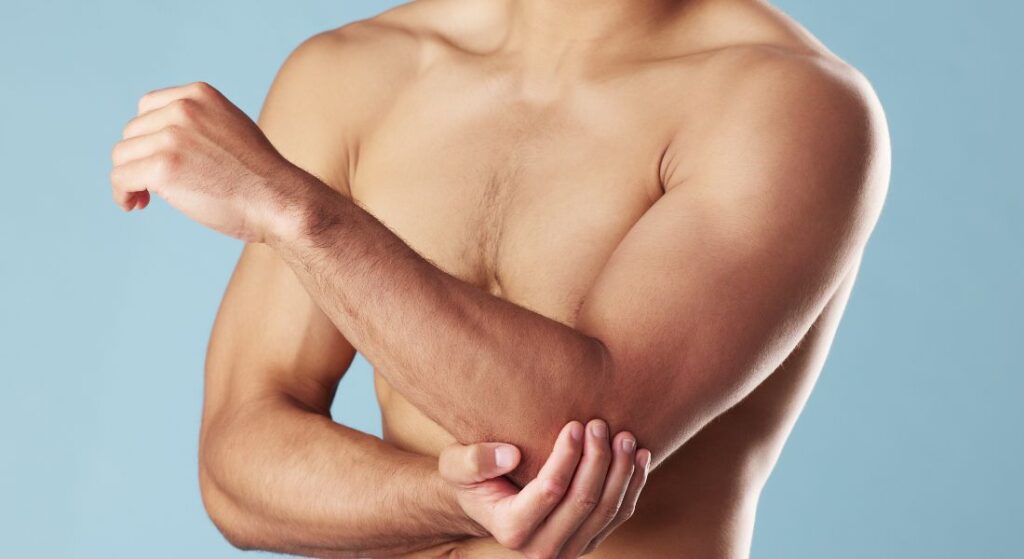
Some men choose to seek treatment for stubborn fat deposits in the upper arms. You may find that despite regular exercise and strength training, certain areas of fat remain and reduce the visibility of muscle definition. This can make it more difficult to achieve the toned appearance you are working towards.
Improving the contours of your arms may help enhance the overall appearance of your upper body. Better definition in this area can complement the shape of your shoulders, chest, and torso, contributing to a more athletic-looking physique. As a result, interest in arm contouring among men has grown gradually in recent years.
Your goals may differ from those of another patient, which is why individual assessment is so important. Some men are looking for subtle refinement, while others want more noticeable improvements in definition and proportion. A personalised treatment plan helps ensure that the approach is tailored to your specific needs and expectations.
Lower Back Fat Deposits
The lower back is another area that commonly concerns male patients seeking body contouring. If you have noticed fullness in this region, you may find that it affects the overall appearance of your waist and torso. Even relatively small fat deposits can influence how defined your body contours appear.
You may also discover that lower back fat can be particularly resistant to diet and exercise. Even if you work out regularly and maintain a healthy lifestyle, this area can continue to retain excess fat. This is one reason why it remains a frequent target for body contouring procedures.
Improving the contours of your lower back can help create a smoother and more balanced body shape. Treatment in this area is often considered alongside the flanks and abdomen to enhance overall proportions. By addressing multiple areas together, it may be possible to achieve a more defined and athletic-looking silhouette.
Creating a More Athletic Silhouette
Many men choose body contouring because they want to enhance their physique rather than simply lose weight. The goal is often to create better definition, improve proportions, and achieve a more athletic-looking shape. This approach focuses on highlighting natural contours and improving overall body balance. As a result, treatment plans are usually tailored to support masculine features and physique goals.
1. The focus is often on definition rather than weight loss: You may already be close to your ideal weight but still have areas that lack definition. Body contouring can help refine these areas and create a more sculpted appearance.
2. Proportion plays an important role: Creating an athletic silhouette is not just about reducing fat in one area. Treatments are often planned to improve the balance between your chest, waist, abdomen, and other key body regions.
3. Masculine contours are carefully preserved: Conference experts frequently emphasise the importance of maintaining natural masculine characteristics. Treatment strategies are designed to enhance your physique without creating an unnatural appearance.
4. Different areas require different approaches: The way a practitioner treats your abdomen, flanks, chest, or other areas will depend on the overall look you want to achieve. Each area contributes differently to your final result.
5. A personalised plan helps achieve your goals: Your body shape, anatomy, and aesthetic preferences all influence the treatment approach. A tailored plan helps ensure the outcome complements your natural physique and desired appearance.
Overall, creating a more athletic silhouette is about improving definition, proportion, and body balance rather than simply reducing weight. By focusing on your individual goals and preserving masculine contours, body contouring can help you achieve a more refined and athletic appearance. This personalised approach continues to be a major focus in modern aesthetic medicine.
Upper Back Treatments
Although upper back treatments are less common than abdominal or flank procedures, this area can still be a concern for some men. If you have excess fat deposits in the upper back, you may notice that they affect the way certain clothes fit or influence your overall body shape. These concerns can become more noticeable in fitted shirts or activewear.
Some men choose to include the upper back as part of a broader body contouring plan. Rather than focusing on a single area, treatment may be designed to improve overall balance and proportion across the torso. This approach can help create a smoother and more harmonious appearance.
Treatment decisions always depend on your individual goals, body shape, and anatomy. Your practitioner will carry out a comprehensive assessment to determine which areas may benefit from treatment and whether contouring is appropriate for you. This personalised approach helps ensure that any improvements look natural and complement your physique.
Hip and Waist Contouring
The transition between your waist and hips plays an important role in the overall shape of your body. If excess fat accumulates in this area, it can reduce visible definition and make your waist appear less distinct. This may affect the balanced, athletic appearance that many men aim to achieve.
Improving contour around the waistline is a common goal among male patients seeking body contouring treatments. You may find that even when you exercise regularly, fat in this region can be difficult to reduce. As a result, the waist and hip area is frequently discussed at aesthetic conferences and professional training events.
Conference discussions often emphasise the importance of achieving balanced and natural-looking proportions rather than simply removing fat. Your treatment plan should be tailored to your individual anatomy, body shape, and goals. This personalised approach helps create results that enhance your physique while maintaining a natural appearance.
Importance of Patient Selection
Experts consistently emphasise that successful body contouring outcomes begin with appropriate patient selection. If you are considering treatment, it is important to understand that not everyone is a suitable candidate for every procedure. A thorough assessment helps determine whether the treatment is likely to meet your goals safely and effectively.
Factors such as your skin quality, overall health, body shape, and treatment expectations all need to be carefully evaluated. These considerations help your practitioner decide whether body contouring is appropriate and what type of results may be achievable. Having realistic expectations is an important part of the planning process.
Patient selection remains a major topic at aesthetic conferences and professional training events. Specialists recognise that careful assessment supports both safety and patient satisfaction. By taking the time to evaluate your individual circumstances, a more personalised and realistic treatment plan can be developed.
Why Personalised Treatment Plans Matter

Every patient has unique goals, body proportions, and anatomical characteristics. If you are considering body contouring, your treatment plan should be designed around your specific needs rather than following a standard approach. What works well for one person may not be the most suitable option for another.
Conference speakers frequently emphasise the importance of tailoring treatment to each individual. Factors such as your body shape, skin quality, fat distribution, and desired outcome all influence the planning process. Taking these factors into account helps create results that look natural and proportionate.
A personalised approach can play an important role in achieving balanced and satisfying outcomes. By focusing on your individual anatomy and goals, your practitioner can develop a treatment strategy that complements your physique. This principle applies regardless of which area of the body is being treated.
Combining Multiple Treatment Areas
Many men choose to include more than one area in their body contouring plan to achieve a more balanced and natural-looking result. Rather than focusing on a single area in isolation, treating multiple regions can help improve overall body proportions. This approach allows your practitioner to consider how different parts of your body work together visually. As a result, the final outcome often appears more harmonious and refined.
1. Creates a more balanced overall appearance: Treating multiple areas can help ensure that improvements in one region complement the rest of your physique. This often leads to a more proportionate and natural-looking result.
2. Enhances body definition and contours: When several areas are addressed together, it can improve the overall definition of your body shape. This may help create a more athletic and sculpted appearance.
3. Different body regions influence each other visually: Experts often highlight how areas such as the abdomen, flanks, chest, and back interact when viewed as a whole. Improving one area may have a greater impact when surrounding regions are also considered.
4. Treatment plans can be tailored to your goals: The combination of areas chosen will depend on your anatomy and the results you hope to achieve. A personalised approach helps ensure the treatment aligns with your desired outcome.
5. Careful planning is essential: Combining treatment areas requires thoughtful assessment and planning. Your practitioner will consider factors such as body proportions, recovery, and overall treatment objectives before developing a plan.
Overall, combining multiple treatment areas can help you achieve a more cohesive and well-balanced result. By looking at your body as a whole rather than focusing on a single area, your practitioner can create a treatment plan that enhances overall proportions and definition. With careful planning and a personalised approach, combined treatments can often deliver more comprehensive and satisfying outcomes.
What These Treatment Trends Mean for Men
The growing popularity of male body contouring reflects changing attitudes towards aesthetic treatments. You are increasingly likely to see men seeking subtle improvements that enhance confidence, support body image, and help them feel more comfortable with their appearance. Rather than pursuing dramatic changes, many men are looking for natural-looking refinements that complement their existing physique.
The abdomen, flanks, chest, chin, and lower back remain among the most commonly treated areas. You may find that these regions are particularly resistant to diet and exercise, even when you maintain a healthy lifestyle and regular fitness routine. This is one reason why they are frequently discussed during body contouring consultations.
These treatment trends highlight the growing demand for personalised aesthetic care among men. Your goals, anatomy, and expectations will always play an important role in determining the most appropriate approach. As awareness of body contouring continues to increase, treatments are becoming more tailored to help you achieve balanced, natural-looking results.
FAQs:
1. What is SmartLipo and how does it work?
SmartLipo is a minimally invasive body contouring procedure that uses laser-assisted technology to help break down unwanted fat before it is removed. The laser energy may also encourage some skin tightening in the treated area. Unlike traditional weight-loss methods, SmartLipo is designed to target localised fat deposits that can be difficult to reduce through diet and exercise alone. It is generally used for body shaping rather than overall weight reduction.
2. Which areas are most commonly treated with SmartLipo in men?
The most frequently treated areas in men include the abdomen, flanks (love handles), chest, chin, jawline, and lower back. These regions are known for holding stubborn fat that may persist despite a healthy lifestyle. Many male patients seek treatment to achieve improved definition and a more athletic appearance. Treatment plans are always tailored to your individual anatomy and goals.
3. Is the abdomen the most popular SmartLipo treatment area for men?
Yes, the abdomen is widely considered the most commonly treated area among male patients. Many men find that abdominal fat can be particularly resistant to exercise and dietary changes. SmartLipo is often used to improve abdominal contour and create a flatter, more defined appearance. Both the upper and lower abdomen are frequently included in treatment plans.
4. Can SmartLipo help reduce love handles?
Yes, the flanks, often referred to as love handles, are one of the most commonly treated areas. Excess fat around the waist can affect body proportions and make it difficult to achieve a more defined silhouette. By targeting localised fat deposits, SmartLipo may help improve waist contour and overall body balance. Many men combine flank treatment with abdominal contouring for more comprehensive results.
5. Is SmartLipo suitable for treating excess chest fat?
SmartLipo is often discussed as an option for men who are concerned about excess fatty tissue in the chest area. The goal is usually to create a flatter, firmer, and more masculine chest contour. However, not all chest concerns are caused by fat alone, so a thorough assessment is essential. Your practitioner can determine whether SmartLipo is an appropriate option for your specific situation.
6. Can SmartLipo be used under the chin?
Yes, the area beneath the chin is becoming increasingly popular among male patients. Fat accumulation under the chin can reduce jawline definition and create the appearance of a double chin. SmartLipo may help improve contour in this area and enhance facial proportions. Many men seek treatment to achieve a sharper and more defined jawline.
7. Is SmartLipo a weight-loss procedure?
No, SmartLipo is not intended as a weight-loss treatment. It is designed to address specific pockets of stubborn fat in people who are already close to their ideal weight. The procedure focuses on body contouring and shape enhancement rather than significant weight reduction. Maintaining a healthy lifestyle remains important for long-term results.
8. Can multiple areas be treated during the same treatment plan?
In many cases, yes. Some men choose to combine treatment of the abdomen, flanks, chest, or other areas to achieve a more balanced overall result. Treating multiple regions can sometimes improve body proportions more effectively than focusing on a single area alone. The suitability of combined treatment depends on your individual circumstances and treatment goals.
9. Who is a good candidate for SmartLipo?
Good candidates are typically individuals who are in good general health and have localised fat deposits that have not responded well to diet and exercise. Skin quality, body shape, and treatment expectations also play an important role in determining suitability. A consultation is necessary to assess whether the procedure aligns with your goals. Realistic expectations are essential for patient satisfaction.
10. How do you choose the right treatment areas?
Choosing treatment areas involves a detailed assessment of your anatomy, body proportions, and desired outcome. Rather than focusing on a single concern, practitioners often evaluate how different areas contribute to your overall shape. This personalised approach helps create natural-looking and balanced results. Careful planning is one of the most important aspects of successful body contouring.
Final Thoughts: Understanding the Most Popular SmartLipo Treatment Areas for Men
As more men explore body contouring treatments, SmartLipo continues to attract attention for its ability to target stubborn fat deposits that may not respond to diet and exercise alone. The abdomen, flanks, chest, chin, and lower back remain some of the most commonly treated areas because they can have a significant impact on your overall body shape and definition. Rather than aiming for dramatic change, many men are looking for subtle improvements that help them feel more confident and comfortable in their appearance.
What makes body contouring effective is that it is highly personalised. Your body shape, fat distribution, skin quality, and aesthetic goals are unique to you, which is why treatment plans should always be tailored to your individual needs. Whether you are hoping to achieve a more defined waistline, a flatter chest, or a sharper jawline, careful planning helps create natural-looking results that complement your physique. If you’re thinking about smartlipo for men in London, you can get in touch with us at the London Medical & Aesthetic Clinic.
References:
1. DiBernardo, B.E. (2010) ‘Randomized, blinded split abdomen study evaluating skin shrinkage and skin tightening in laser-assisted liposuction versus liposuction control’, Aesthetic Surgery Journal, 30(4), pp.593-602. https://pubmed.ncbi.nlm.nih.gov/20829257/
2. Manzano-Finol, A. et al. (2025) ‘Laser-assisted lipolysis: A promising alternative to traditional liposuction’, Aesthetic Plastic Surgery. https://pmc.ncbi.nlm.nih.gov/articles/PMC12594724/
3. Collawn, S.S. (2011) ‘Smartlipo MPX™ sculpting of the body and face’, Journal of Cosmetic and Laser Therapy. https://www.sciencedirect.com/science/article/abs/pii/S1556793111000052
4. Mordon, S., Plot, E. and Fouarge, T. (2009) ‘Evaluation of skin tightening after laser-assisted liposuction’, Aesthetic Surgery Journal. https://www.sciencedirect.com/science/article/abs/pii/S1090820X0900315X
5. Jung, Y.C. (2011) ‘Preliminary experience in facial and body contouring with 1444 nm micropulsed Nd: YAG laser-assisted lipolysis’, Laser Therapy. https://pubmed.ncbi.nlm.nih.gov/24155512/