


Exosome therapy has quickly become one of the most talked-about advancements in regenerative aesthetics, especially if you’re looking for treatments that do more than simply improve your appearance on the surface. Rather than only improving the surface appearance of your skin, this innovative approach is being explored for its ability to support your skin’s natural repair processes and encourage healthier-looking skin from within. As more people learn about its potential, it’s only natural to wonder whether exosome therapy is worth the investment and what kind of results you can realistically expect.
Unlike traditional cosmetic treatments that focus on adding volume or relaxing facial muscles, exosome therapy is intended to support skin quality through cellular signalling. It is often combined with procedures such as microneedling or laser treatments to help speed up healing and maximise the skin’s natural rejuvenation response. If you’re looking for long-term improvements in skin quality rather than a quick cosmetic fix, this treatment may offer a different approach that aligns with your goals.
That said, it’s important to have realistic expectations before deciding whether exosome therapy is right for you. The treatment doesn’t deliver instant results, and the improvements tend to develop gradually as your skin repairs and regenerates over time. By understanding both the potential benefits and the current limitations of exosome therapy, you’ll be in a much better position to decide whether it fits your skin concerns, expectations, and overall aesthetic goals.
What Are Exosomes?
Exosomes are tiny extracellular vesicles that are naturally released by cells in your body. They carry proteins, growth factors, lipids, and other signalling molecules that help cells communicate with one another. This communication is essential for supporting your body’s natural repair and regeneration processes.
In aesthetic medicine, exosomes are being explored for their ability to improve skin health and encourage natural healing. They are often used alongside treatments such as microneedling or laser therapy to support skin rejuvenation. Rather than changing the way you look, they work to improve your skin from within.
This makes exosomes different from many traditional cosmetic treatments. Instead of adding volume or relaxing muscles, they focus on helping your skin repair itself over time. If you’re looking for gradual, natural-looking improvements, exosome therapy may be worth considering.
How Exosome Therapy Works
Exosome therapy works by delivering signalling molecules that support your skin’s natural repair process. These molecules may support healthy cell activity and collagen-related repair processes. As a result, your skin can gradually become stronger, smoother, and healthier.
Rather than simply filling wrinkles or changing your facial features, the treatment focuses on improving your skin’s overall quality. It works with your body’s natural healing response to encourage long-term skin renewal. This makes it a different approach from many traditional cosmetic treatments.
The results don’t appear overnight, so it’s important to be patient. Most people notice gradual improvements over several weeks as their skin continues to repair itself. If you prefer subtle, natural-looking changes, this steady progression is often one of the biggest advantages of exosome therapy.
Why Exosomes Have Become Popular
Interest in regenerative medicine has grown rapidly in recent years. More people are looking for treatments that work with your body’s natural healing processes instead of simply masking visible signs of ageing. This shift has made exosome therapy an increasingly popular option.
Exosomes fit well with this approach because they are designed to support natural skin regeneration. They are commonly used alongside treatments for facial rejuvenation and are also being explored for hair restoration. This allows you to target different concerns with the same regenerative principles.
As research continues, the potential uses of exosome therapy are expanding. New studies are exploring how exosomes may support a wider range of aesthetic treatments and skin concerns. This ongoing development is one of the reasons they continue to attract so much interest.
Common Treatment Areas
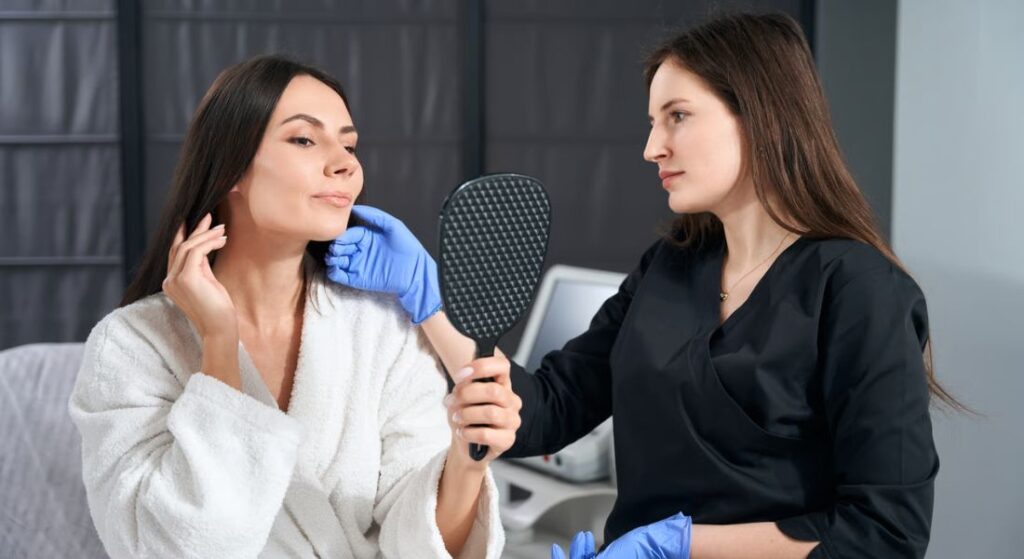
Exosome therapy is a versatile regenerative treatment that can be used on different areas of your body, depending on your individual concerns and aesthetic goals. While it is most commonly chosen for facial rejuvenation, it is also becoming increasingly popular for improving skin quality in other areas and supporting hair restoration. Your treatment plan will be tailored to your specific needs, as no two patients have the same concerns or desired outcomes. A professional consultation will help determine which areas are most suitable for you.
1. Face: Your face is the most frequently treated area, as exosome therapy can help improve skin texture, support collagen production, and reduce visible signs of ageing for a smoother, healthier-looking complexion.
2. Neck and Décolletage: The neck and décolletage are often among the first areas to show signs of ageing due to thinner skin and regular sun exposure. Exosome therapy may help improve skin firmness, texture, and overall appearance in these delicate areas.
3. Scalp and Hair Restoration: If you’re experiencing hair thinning, exosome therapy may be incorporated into your hair restoration plan to support healthier hair follicles and encourage stronger hair growth over time.
4. Following Skin Resurfacing Procedures: Your practitioner may recommend applying exosomes after treatments such as microneedling or laser resurfacing to support your skin’s natural healing process and enhance overall recovery.
The areas treated with exosome therapy will always depend on your skin condition, concerns, and treatment goals. By choosing a personalised approach, you can focus on the areas that are most likely to benefit from regenerative treatment. An experienced practitioner will guide you through the available options and recommend a plan that offers realistic expectations and the best possible outcome for your needs.
Skin Texture Improvements
Many people choose exosome therapy to improve uneven or rough skin texture. The treatment may support collagen-related repair processes, which helps support your skin’s natural repair process. Over time, your skin may start to feel smoother and look more refined.
Unlike treatments that provide immediate changes, exosome therapy delivers gradual improvements. As your skin continues to regenerate, fine irregularities may become less noticeable. This creates a more natural-looking result without dramatically changing your appearance.
It’s important to remember that results can vary from person to person. Your skin condition, age, and overall treatment plan can all influence the outcome. Having realistic expectations will help you appreciate the gradual improvements over time.
Fine Lines and Wrinkles
Exosome therapy may help reduce the appearance of fine lines by supporting collagen and elastin production. These proteins play an important role in keeping your skin firm and resilient. As your skin renews itself, it may start to look smoother and healthier.
Unlike treatments that relax facial muscles or fill deep lines, exosome therapy works differently. It focuses on improving your skin’s natural structure rather than changing your facial expressions. This approach helps create subtle, natural-looking results over time.
Patience is an important part of the treatment process. The improvements develop gradually as your skin continues to repair and regenerate. Depending on your skin condition, you may notice the best results several weeks after treatment.
Skin Hydration
Healthy skin is better able to retain moisture, which is why hydration may improve after exosome therapy. As your skin repairs itself, it can become stronger and more balanced. This may leave your skin feeling softer and more comfortable.
Many people also notice that better hydration gives their skin a fresher appearance. Well-hydrated skin often looks brighter, smoother, and more radiant. While this is not the primary goal of treatment, it is a welcome benefit for many patients.
It’s worth remembering that everyone’s skin responds differently. Your results will depend on factors such as your skin condition, age, and overall skincare routine. Gradual improvements are more common than immediate changes.
Collagen Stimulation
Collagen is one of the key proteins that keeps your skin firm, smooth, and elastic. As you get older, your body naturally produces less collagen. This gradual decline can lead to looser skin and the appearance of fine lines.
Exosome therapy aims to support your body’s natural collagen production. By encouraging this process, it helps strengthen your skin’s underlying structure rather than simply treating surface concerns. This can lead to healthier-looking skin over time.
Collagen takes time to build, so the results are usually gradual rather than immediate. You may continue to see improvements for several months after your treatment. This steady progression is one of the reasons many people choose exosome therapy for long-term skin rejuvenation.
Recovery After Treatment
Recovery after exosome therapy is usually straightforward, especially when the treatment is performed on its own. Most people can return to their normal routine with very little downtime. Your practitioner will explain what you can expect based on your treatment plan.
If exosomes are combined with procedures such as microneedling or laser treatment, your recovery will largely depend on the accompanying procedure. You may experience temporary redness, mild swelling, or skin sensitivity afterwards. These effects are generally short-lived and often settle within a few days.
Following your aftercare instructions is an important part of the healing process. Protecting your skin and avoiding anything that may cause irritation can help support the best possible results. Taking good care of your skin during recovery also encourages healthy regeneration.
Combining Exosomes with Other Treatments
Exosome therapy is often incorporated into broader treatment plans to enhance overall skin rejuvenation and support the body’s natural healing processes. Rather than being used in isolation, exosomes are frequently paired with other aesthetic procedures that stimulate skin repair and collagen production. This combination approach aims to improve treatment outcomes while helping the skin recover more efficiently. The most appropriate combination depends on your skin condition, goals, and your practitioner’s clinical assessment.
1. Microneedling: Exosomes are commonly applied after microneedling to support the skin’s natural repair process and encourage improved texture, tone, and overall skin quality.
2. Laser Resurfacing: When used following laser treatments, exosomes may help promote healing and complement the skin’s regeneration process while supporting recovery.
3. Radiofrequency Procedures: Combining exosomes with radiofrequency treatments may enhance collagen stimulation and contribute to firmer, healthier-looking skin over time.
4. Personalised Combination Plans: Every patient has unique concerns, so practitioners tailor treatment combinations to suit individual skin needs, desired results, and overall treatment objectives.
Combining exosomes with other aesthetic procedures can provide a more comprehensive approach to skin rejuvenation than relying on a single treatment alone. However, the best results depend on selecting the right combination for your specific needs and following a carefully planned treatment programme. A personalised consultation ensures that each procedure complements the others safely and effectively. This tailored approach helps maximise potential benefits while supporting long-term skin health.
Hair Restoration Applications
Exosome therapy is also being explored as a treatment for certain types of hair thinning. It may help support scalp health and create a better environment for healthier hair follicles. This has made it an area of growing interest in regenerative medicine.
Early research is encouraging, but results can vary and more long-term studies are still needed. although studies are still ongoing. Depending on the cause of your hair loss, you may notice improvements in hair quality, thickness, or overall scalp condition. However, the results can vary from one person to another.
It’s important to remember that exosome therapy is not a guaranteed solution for every type of hair loss. Your underlying condition and overall treatment plan will play a major role in the outcome. As more clinical studies are completed, experts will gain a clearer understanding of its long-term effectiveness.
Who May Benefit Most?
Exosome therapy may be most suitable if you have early signs of ageing, dull skin, or mild skin damage. It is often chosen by people who want to improve their skin without making dramatic changes. If you’re looking for subtle, natural-looking results, this treatment may be a good option.
While exosome therapy can improve skin quality, it is not designed to replace surgical procedures. If you have significant skin laxity or advanced signs of ageing, other treatments may be more appropriate. Your treatment choice should always match your individual concerns and expectations.
A professional consultation is the best way to determine whether exosome therapy is right for you. Your practitioner will assess your skin condition, discuss your goals, and recommend the most suitable approach. This helps ensure you receive a treatment plan that is tailored to your needs.
Limitations of Exosome Therapy
Although exosome therapy has shown promising results, it is important to understand its limitations. It cannot completely reverse advanced signs of ageing or produce the same results as procedures that remove excess skin. Having realistic expectations is an important part of deciding whether the treatment is right for you.
Your results will also depend on how your body responds to the treatment. Factors such as your age, skin condition, lifestyle, and natural healing ability can all influence the outcome. This is why some people notice greater improvements than others.
No cosmetic treatment is suitable for everyone, and exosome therapy is no exception. A professional assessment can help determine whether it matches your skin concerns and treatment goals. Understanding both the benefits and limitations will help you make a more informed decision.
How Long Results May Last
The results of exosome therapy can vary from person to person. Factors such as your age, skin condition, lifestyle, and daily skincare routine all play a role in how long the improvements last. Looking after your skin can help you maintain your results for longer.
Many people choose maintenance treatments to support long-term skin health and rejuvenation. These follow-up sessions can help maintain collagen production and keep your skin looking its best. Your practitioner will recommend a treatment schedule based on your individual needs.
Regular review appointments are also an important part of long-term care. They allow your practitioner to monitor your progress and adjust your treatment plan if needed. This personalised approach helps you achieve the best possible results over time.
Safety Considerations
Your safety should always come first when considering exosome therapy. Although the treatment is generally well tolerated when carried out correctly, the quality of the products used and the expertise of your practitioner can make a significant difference to your experience. Before proceeding, you should have a thorough consultation to ensure the treatment is suitable for your individual needs and medical history. Taking the time to choose the right clinic can help you feel more confident throughout your treatment journey.
1. Choose a Qualified Practitioner: You should only have exosome therapy performed by a suitably trained and experienced practitioner. Their knowledge and clinical expertise help ensure the treatment is carried out safely and professionally.
2. Look for High-Quality Products: The quality of the exosome products used plays an important role in treatment safety. Reputable clinics follow strict clinical protocols and use products from trusted sources.
3. Attend a Thorough Consultation: A detailed consultation allows your practitioner to assess your skin concerns, discuss your medical history, and identify any factors that could affect your suitability for treatment.
4. Prioritise Safety Over Convenience: Choosing a clinic based solely on location or price may not always be the best decision. Focusing on experience, safety standards, and patient care can help you achieve the best possible outcome.
When you choose an experienced practitioner and follow professional advice, you can approach exosome therapy with greater confidence. A personalised treatment plan helps ensure your procedure is appropriate for your skin concerns and treatment goals. By placing safety above convenience, you give yourself the best opportunity to achieve effective, natural-looking results while minimising unnecessary risks.
Scientific Research
Research into exosome therapy is progressing rapidly, giving you a better understanding of how this treatment may support your skin over time. Scientists continue to investigate how these biological messengers influence tissue repair and skin regeneration. If you’re considering exosome therapy, this growing body of research can help you make a more informed decision.
Although many of the findings are encouraging, you should know that larger, long-term clinical studies are still needed. Researchers are working to better understand how effective exosome therapy is across different skin concerns and patient groups. As new evidence becomes available, you’ll have a clearer picture of what you can realistically expect from treatment.
This remains one of the most exciting areas of regenerative medicine, with new discoveries emerging each year. While the science continues to evolve, you can feel confident that experts are actively studying its potential benefits and limitations. By staying informed, you can make choices that are based on reliable evidence rather than unrealistic expectations.
Setting Realistic Expectations
One of the most important parts of choosing exosome therapy is understanding what you can realistically expect. While the treatment has shown promising results, it is designed to deliver gradual improvements rather than dramatic changes. If you know what the treatment can and cannot achieve, you’re more likely to feel satisfied with the outcome.
Instead of giving you a completely different appearance, exosome therapy focuses on improving your skin’s overall health and quality. You may notice smoother texture, better hydration, and a more refreshed complexion as your skin naturally repairs itself. These subtle changes often create results that look natural rather than overdone.
Having clear expectations can make a big difference to your overall experience. Your practitioner will explain what results you can expect based on your skin condition and treatment goals. By understanding the process, you can appreciate the gradual improvements that develop over time.
Importance of Personalised Treatment

Every person’s skin is unique, which means your treatment should be tailored to your individual needs. Factors such as your age, genetics, lifestyle, and existing skin damage can all influence how your skin responds. Taking these factors into account helps create a treatment plan that suits you.
A personalised approach allows your practitioner to recommend the most appropriate treatment for your skin concerns and goals. They will assess your skin carefully before deciding how exosome therapy should be used. This tailored approach can help you achieve the best possible outcome.
There is no single treatment plan that works for everyone. What delivers excellent results for you may not be the right choice for someone else with different skin concerns. By following a personalised treatment plan, you’re more likely to achieve natural-looking and long-lasting improvements.
Is Exosome Therapy Worth It?
Whether exosome therapy is worth it depends largely on what you hope to achieve. If your goal is to improve your skin quality, support natural rejuvenation, and achieve gradual, long-term results, this treatment may be a suitable option for you. However, it’s important to have realistic expectations, as exosome therapy works by encouraging your body’s natural repair processes rather than delivering instant changes. Understanding what the treatment can and cannot achieve will help you make a more informed decision.
1. Ideal for Natural Skin Rejuvenation: If you want to enhance your skin’s overall health, texture, and appearance over time, exosome therapy may offer a natural approach to achieving those goals.
2. Results Develop Gradually: Unlike some cosmetic procedures that produce immediate changes, exosome therapy works progressively as your skin responds to the regenerative signals over the following weeks and months.
3. Not Designed for Dramatic Transformations: If you’re hoping for significant lifting or instant correction of advanced signs of ageing, other treatments may be more suitable for your needs.
4. A Personalised Consultation Is Essential: Speaking with an experienced practitioner allows you to discuss your goals, understand the likely results, and determine whether exosome therapy is the right choice for you.
Ultimately, the value of exosome therapy depends on whether it matches your expectations and aesthetic goals. A professional consultation can help you understand the potential benefits, limitations, and the results you can realistically expect. By making an informed decision, you’re more likely to choose a treatment that delivers outcomes you’re happy with and supports your long-term skin health.
Seeking Professional Advice
If you’re considering exosome therapy or other regenerative aesthetic treatments, the best place to start is with a professional consultation. This gives you the opportunity to discuss your skin concerns, ask questions, and learn what the treatment involves. It also helps you understand whether the procedure is the right fit for your needs.
During your consultation, your practitioner will assess your skin and discuss your treatment goals. They can explain what results you can realistically expect and whether exosome therapy is suitable for you. You’ll also receive personalised advice based on your skin condition and medical history.
Seeking expert advice allows you to make a well-informed decision with confidence. Rather than relying on general information, you’ll receive recommendations that are tailored to your individual circumstances. This personalised approach helps you choose the treatment that is most likely to achieve your desired results.
FAQs:
1. How many exosome treatment sessions will you usually need?
The number of sessions you may need depends on your skin condition, treatment goals, and how your skin responds. Some people notice improvements after a single session, while others achieve better results with a course of treatments. Your practitioner will assess your skin and recommend a personalised treatment plan that suits your needs.
2. When will you start seeing results from exosome therapy?
Exosome therapy works by supporting your skin’s natural repair processes, so results are not immediate. You may begin to notice healthier-looking skin within a few weeks, with further improvements developing over the following months. The gradual nature of the treatment often creates subtle, natural-looking results.
3. Can exosome therapy replace Botox or dermal fillers?
Exosome therapy has a different purpose from Botox and dermal fillers. Instead of relaxing muscles or restoring lost volume, it focuses on improving your skin’s overall health and encouraging collagen production. Depending on your goals, your practitioner may recommend exosomes alone or alongside other aesthetic treatments.
4. Is exosome therapy suitable for all skin types?
Exosome therapy is generally suitable for a wide range of skin types and tones. However, your suitability will depend on factors such as your medical history, current skin condition, and treatment goals. A professional consultation is the best way to determine whether the treatment is appropriate for you.
5. Does exosome treatment involve any downtime?
Most people experience very little downtime after exosome therapy, especially when it is performed on its own. If it is combined with treatments such as microneedling or laser resurfacing, you may notice temporary redness or mild sensitivity. These effects usually settle within a few days when you follow the recommended aftercare advice.
6. How can you make your exosome treatment results last longer?
Maintaining a consistent skincare routine and protecting your skin from excessive sun exposure can help support longer-lasting results. Healthy lifestyle habits, including staying hydrated and avoiding smoking, may also contribute to better skin quality. Your practitioner may suggest maintenance treatments to help preserve your improvements over time.
7. Can exosome therapy help with acne scars?
Exosome therapy may support the skin’s natural healing response, which can help improve the appearance of mild acne scars over time. It is often combined with treatments such as microneedling to enhance skin regeneration and collagen production. The level of improvement varies depending on the severity of the scarring and your individual healing response.
8. Are the results of exosome therapy permanent?
The results of exosome therapy are not permanent because your skin continues to age naturally. Many people enjoy improvements for several months, although this varies between individuals. Regular maintenance sessions may help you maintain healthier-looking skin for longer.
9. What should you avoid after exosome treatment?
After your treatment, you should follow the aftercare advice provided by your practitioner. This may include avoiding excessive heat, strenuous exercise, direct sun exposure, and harsh skincare products for a short period. Giving your skin time to recover can help support the best possible outcome.
10. How do you know if exosome therapy is worth it for you?
Whether exosome therapy is worth it depends on what you hope to achieve. If you are looking for gradual, natural-looking improvements in skin quality rather than dramatic changes, it may be a suitable option. A detailed consultation with an experienced practitioner can help you understand the expected results and decide whether the treatment matches your goals.
Final Thoughts: Is Exosome Therapy the Right Choice for You?
Exosome therapy offers a modern approach to skin rejuvenation by supporting your skin’s natural repair and regeneration processes. If you’re looking for gradual, natural-looking improvements in skin quality rather than dramatic changes, it may be a worthwhile option. However, your results will depend on factors such as your skin condition, age, lifestyle, and treatment goals. A professional consultation can help you understand what to expect and whether the treatment is right for you. If you’re thinking about exosomes treatment in London, you can get in touch with us at the London Medical & Aesthetic Clinic.
References:
1. Vyas, K.S., Kaufman, J., Munavalli, G.S., Robertson, K., Behfar, A. and Wyles, S.P. (2023) ‘Exosomes: the latest in regenerative aesthetics’, Regenerative Medicine, 18(2), pp. 181–194. Available at: https://pubmed.ncbi.nlm.nih.gov/36597716/
2. Domaszewska-Szostek, A. et al. (2025) ‘Effectiveness of extracellular vesicle application in skin regeneration: a systematic review’, International Journal of Molecular Sciences, 26(5), 2354. Available at: https://www.mdpi.com/1422-0067/26/5/2354
3. Flores Rodríguez, J.C. et al. (2026) ‘Efficacy of exosome-based therapies for skin rejuvenation: a systematic review of human studies’, Cureus, 18(2), e104182. Available at: https://pmc.ncbi.nlm.nih.gov/articles/PMC12933354/
4. Sreeraj, H., AnuKiruthika, R., Tamilselvi, K.S. and Subha, D. (2024) ‘Exosomes for skin treatment: therapeutic and cosmetic applications’, Nano TransMed, 3, 100048. Available at: https://www.sciencedirect.com/science/article/pii/S2790676024000190
5. Ash, M., Ahmad, A., Soliman, S., Singh, S., Myint, D., Masood, R., Nguyen, B., Adams, J. and Iorio, M.L. (2024) ‘Innovative and evolving landscape of topical exosome and conditioned media products: a systematic review of the available literature’, Aesthetic Surgery Journal Open Forum. Available at: https://academic.oup.com/asjopenforum/article/doi/10.1093/asjof/ojae017/7632038