


For many years, aesthetic treatment was largely corrective. You would often wait until fine lines, pigmentation or facial volume loss became clearly noticeable before seeking professional treatment. The focus was on improving visible signs of ageing after they had already developed.
Prejuvenation takes a different approach by focusing on early skin care, risk reduction and the management of specific concerns. Instead of waiting for changes to become more established, you may choose to support your skin earlier with carefully chosen treatments and a consistent skincare routine. This approach aims to support your skin while preserving your individual appearance.
This shift does not mean that traditional anti-ageing treatments have disappeared. Instead, more people are choosing gradual, preventative care that aims to support skin health before more established ageing changes develop.
What Does Prejuvenation Mean?
The word prejuvenation combines the ideas of prevention and rejuvenation. It describes skincare, lifestyle choices and aesthetic treatments intended to delay or soften selected visible signs of ageing. The focus is on maintaining healthy skin rather than waiting until more advanced changes appear.
Prejuvenation is not one specific procedure or treatment programme. Your approach may include daily sun protection, a suitable skincare routine or professional treatments such as chemical peels, microneedling or conservative injectable treatments. The right options depend on your individual skin concerns and long-term goals.
The central aim is maintenance rather than transformation. You are not trying to stop your face from changing, but to support your skin and preserve a natural appearance over time. With careful planning, you can address early concerns in a balanced and measured way.
Evidence Note: Not Every Prejuvenation Treatment Has the Same Evidence
Prejuvenation is a broad descriptive term rather than a standardised medical treatment pathway. Some elements, particularly sun protection and the appropriate treatment of existing skin conditions, have a well-established role in maintaining skin health. Certain retinoids also have evidence for treating acne and aspects of sun-damaged skin when used appropriately.
Evidence remains limited on whether starting elective injectable or device-based treatments before visible ageing develops reduces the need for treatment later. Individual procedures may improve a specific concern, but that does not necessarily prove that they slow the overall ageing process. Your practitioner should explain the evidence for the exact treatment being recommended rather than relying on the general label “prejuvenation”.
Why Is Prejuvenation Becoming More Popular?
You now have access to more information about skincare and ageing than previous generations. Online education, social media and greater awareness of aesthetic treatments have made preventative care a more common part of beauty and health conversations. This may encourage some people to learn about their skin and treatment options earlier and make informed choices.
Some non-surgical procedures involve less recovery time than surgery, although downtime and risk vary considerably between treatments. For suitable patients, this may make gradual treatment easier to incorporate into everyday life.
Published commentary and research describe prejuvenation as an increasingly visible international trend, especially among younger adults who want to prevent visible changes rather than wait until they require correction. However, it is important to have realistic expectations and choose treatments that are suitable for your individual needs.
Moving Away From Dramatic Correction
Traditional anti-ageing treatment was often associated with noticeable change. You might have considered treatment after wrinkles, skin laxity or volume loss became more established and required a more intensive approach. The goal was often to address visible signs of ageing rather than prevent them.
Prejuvenation tends to focus on smaller and more gradual improvements. You may choose treatments that improve skin texture, manage pigmentation or soften early expression lines while still maintaining your natural movement and facial characteristics.
A gradual approach may produce subtler changes when treatment is appropriately selected. You may notice a modest change without appearing noticeably different rather than looking noticeably different. The aim is to support your appearance while preserving the features that make you unique.
Ageing Is a Natural and Complex Process
Your skin changes because of a combination of internal ageing and external influences. Natural changes in collagen, elastin, moisture levels and cell renewal gradually affect the thickness, firmness and resilience of your skin over time.
External factors can speed up some of these changes. Sun exposure, smoking, pollution and inadequate skin protection may contribute to pigmentation, rough texture, fine lines and reduced elasticity. Reducing avoidable exposure to these factors may help limit some forms of premature skin ageing.
Your face also changes beneath the skin as you get older. Changes in fat distribution, muscle activity, ligaments and bone structure all influence your appearance, which is why no single product or procedure can prevent every sign of ageing. A balanced approach can help you maintain your natural features while supporting long-term skin health.
Why Sun Protection Comes First
Daily sun protection is one of the most important parts of a sensible prejuvenation plan. Ultraviolet exposure plays a major role in visible skin ageing and can contribute to pigmentation, fine lines, uneven texture and reduced elasticity over time.
Using a suitable broad-spectrum sunscreen can reduce additional ultraviolet exposure and associated skin damage. You can also support your skin by wearing protective clothing, seeking shade and avoiding intentional tanning, especially when you spend long periods outdoors.
Scientific reviews consistently identify photoprotection as a key strategy for preventing photoageing. While many new preventative skincare products are becoming popular, sunscreen and sensible sun protection remain among the most evidence-based ways to support your skin’s long-term health.
Chemical Peels as Preventative Care
Chemical peels apply a controlled chemical solution to produce exfoliation at a selected depth. Depending on the product and strength, they may be used to improve selected concerns such as superficial pigmentation, rough texture or acne-related congestion.
The strength and type of peel should be chosen according to your skin type, concerns and sensitivity. A treatment that works well for someone else may cause irritation or unwanted pigmentation for you, especially if your skin tone and individual needs are not assessed properly.
Chemical peels should not be performed too frequently or combined carelessly with strong home skincare products. Your skin needs time to recover, and you should follow gentle aftercare while protecting your skin from sun exposure to protect the treated skin while it recovers.
The Role of Retinoids
Retinoids are vitamin A-related compounds used in prescription dermatology and non-prescription skincare. Their strength, evidence and potential for irritation vary considerably between products. They may help improve concerns such as fine lines, uneven pigmentation, acne and sun-related skin changes, making them a possible option for selected people looking to support long-term skin health.
A retinoid should usually be introduced gradually because irritation can occur during the early stages of use. If you apply too much or use it too frequently, you may experience dryness, peeling, redness or discomfort as your skin adjusts.
Retinoids are not suitable for everyone or every stage of life. Retinoids are not suitable for everyone or every stage of life. Topical retinoids should not be used during pregnancy or while trying to conceive unless specifically advised by a healthcare professional. Oral retinoids require strict specialist prescribing and pregnancy prevention measures because they can cause serious harm to an unborn baby. If you become pregnant while using any retinoid, stop treatment and seek advice from your prescriber or healthcare professional. Choosing the right product and approach can help you achieve benefits while protecting your skin.
Preventative Botulinum Toxin Treatment
Botulinum toxin is sometimes discussed as a preventative treatment for expression-related lines. It works by temporarily reducing the activity of specific muscles, which may help soften expression-related lines caused by repeated facial movements. Preventative use is based on the idea that reducing repeated muscle activity may limit the development of some dynamic lines, although long-term evidence confirming this effect remains limited.
It is sometimes promoted as a way of reducing repeated skin folding before lines become visible at rest, but long-term evidence proving that early treatment prevents future ageing changes remains limited. However, treatment decisions should be based on your individual concerns and clinical assessment rather than your age alone.
Botulinum toxin is a prescription-only medicine in the UK and should only be provided after an appropriate consultation with a qualified prescriber. You should always check the practitioner’s qualifications, training and safety standards before considering treatment to help ensure that treatment is appropriately assessed and delivered.
UK Safety Note: Botulinum Toxin
Botulinum toxin is a prescription-only medicine in the UK and must be supplied following an appropriate prescription. A consultation should assess your medical history, facial movement, treatment goals, contraindications and whether treatment is clinically appropriate. In England, it is illegal to administer or arrange cosmetic botulinum toxin or dermal filler injections for anyone under 18. Limited exceptions apply when treatment has been approved for a medical reason and is provided by an eligible registered healthcare professional.
Most expected effects are temporary, but complications can occur. Seek urgent medical advice if you develop difficulty swallowing, speaking or breathing, marked weakness, drooping beyond the expected treatment area or other concerning symptoms after treatment. These symptoms are uncommon but may indicate that the effect of the toxin has spread beyond the intended muscles.
Building an Effective Skincare Routine
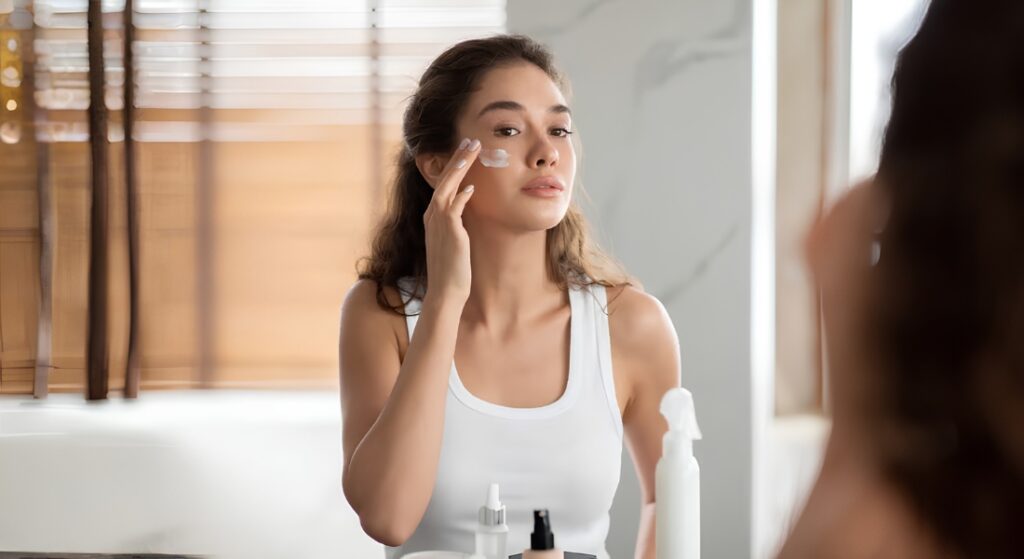
A prejuvenation routine does not need to contain a large number of products. A gentle cleanser, suitable moisturiser and reliable sunscreen can provide a strong foundation for your skin health. A simple routine that you can follow consistently is often more practical and less irritating than using numerous products that may irritate your skin.
Additional ingredients should be selected according to your individual concerns. You may want to improve pigmentation, dryness, acne, fine lines or sensitivity, but each concern requires a different approach that suits your skin type.
Using too many active products together can affect your skin barrier and cause irritation. If you introduce exfoliating acids, retinoids or other strong ingredients, you should do so gradually to help your skin adjust and maintain a healthy balance.
Does Starting Earlier Always Produce Better Results?
Starting aesthetic treatment earlier does not automatically produce better results. You may not have a specific concern that requires treatment, or the changes you notice may be too subtle to justify the cost, commitment or potential risks of a procedure.
A responsible practitioner should assess your facial movement, anatomy, skin quality and personal expectations before recommending any treatment. Your age alone should not determine whether you begin aesthetic procedures, as your individual needs and goals are far more important.
Choosing to delay or avoid treatment is also a valid option. Prejuvenation should give you more choices and help you make informed decisions, rather than making you feel that normal ageing needs to be prevented from an early age.
Dermal Fillers and Early Facial Changes
Dermal fillers may be used to restore or enhance volume in specific facial areas. Within a prejuvenation approach, you should only consider fillers when there is a clear reason related to your facial structure, skin changes or individual aesthetic goals.
A younger face does not automatically require additional volume. Adding unnecessary filler may affect your natural proportions and could create heaviness, imbalance or an overfilled appearance as your features continue to change over time.
Fillers can also involve potential risks, including bruising, swelling, infection, lumps and inflammatory reactions. Rare vascular complications can be serious, so you should always choose an appropriately trained practitioner who can assess suitability, administer treatment safely and have a clear plan for recognising and managing complications.
Skin Boosters and Injectable Hydration Treatments
Skin boosters are generally promoted as treatments that aim to improve hydration, texture or skin radiance without creating obvious facial volume. The term can refer to different products and techniques, so you should understand that it does not describe one single standardised procedure.
Studies of some individual products have reported improvements in selected measures such as hydration or skin quality, but results cannot be generalised to every product marketed as a skin booster. Ask what substance will be injected, its regulatory status, the evidence supporting it and what complications have been reported. Results can vary between individuals, and some claims about collagen production or comprehensive skin renewal may go beyond the current evidence.
These treatments are still injectable procedures and carry potential risks. You should be aware that bruising, swelling, infection, inflammation, nodules and other complications can occur, even when a treatment is described as gentle or minimally invasive. Choosing an appropriately qualified practitioner may reduce avoidable risks and improve access to appropriate aftercare.
Lasers and Energy-Based Treatments
Lasers and other energy-based devices may be used to address concerns such as pigmentation, visible blood vessels, uneven texture, fine lines or mild skin laxity. Different technologies work in different ways, so you should understand that these treatments are not all the same and may produce different results.
Your skin tone, medical history and the specific concern you want to improve will influence which device may be suitable for you. Choosing the wrong settings or an unsuitable treatment approach can increase the risk of burns, prolonged redness, scarring or pigmentation changes.
You should ask which device is being recommended and why it has been selected for your skin. Terms such as skin tightening or collagen stimulation can sound appealing, but you should receive a clear explanation of how the treatment works, what results you can expect and what risks may apply.
The Influence of Social Media
Social media has made information about skincare and aesthetic medicine more accessible than ever before. It can help you discover treatment options and encourage you to learn more about sun protection, skin health and professional care.
However, online content can also make normal features appear like problems that need fixing. Filters, editing, lighting and carefully chosen angles may create unrealistic expectations that no treatment can completely reproduce in real life.
Paid promotions and short videos often do not explain long-term costs, limitations or possible complications. You should use social media as a source of general information, but your skincare and treatment decisions should be based on an individual assessment that is personalised to your own skin and needs.
Choosing the Right Age to Begin
There is no ideal age for starting prejuvenation because your skin does not follow a universal timeline. Your genetics, lifestyle, sun exposure, facial movement and skin type all influence when visible changes may begin to appear.
In your twenties, prejuvenation may mainly involve sun protection, acne management and a simple skincare routine. As you move into your thirties or forties, you may consider professional treatments if a specific concern develops and begins affecting your confidence.
The decision should be based on your individual needs, concerns and what can be treated safely. You should not feel pressured to start a procedure simply because other people of a similar age are choosing aesthetic treatments. The appropriate approach depends on your skin, health, preferences and the balance of expected benefits and risks.
Matching a Prejuvenation Approach to Your Main Skin Concern
| Your main concern | Sensible starting point | Professional treatment that may be considered | What should not be assumed |
| No visible concern | Daily sun protection, gentle cleansing and a suitable moisturiser may be sufficient. | No procedure may be necessary. Periodic skin assessment can be considered if you have medical concerns or significant sun damage. | You do not need injectable or device-based treatment simply because you have reached a particular age. |
| Acne or blocked pores | Use non-comedogenic skincare and evidence-based acne treatment suited to the severity of your symptoms. | Evidence-based topical or oral treatment may be recommended according to acne severity. Selected procedures may be considered as an adjunct after clinical assessment. | Cosmetic procedures should not replace appropriate acne treatment or be used over active infection without assessment. |
| Dryness or sensitivity | Simplify your routine and focus on gentle cleansing, moisturising and skin-barrier support. | Professional assessment may be helpful if symptoms suggest eczema, rosacea or contact dermatitis. | Stinging or redness does not always mean that you need an aesthetic procedure. |
| Uneven pigmentation | Daily broad-spectrum sun protection and appropriately selected topical ingredients are usually the foundation. | Chemical peels, prescription skincare, lasers or light-based treatments may be considered after diagnosis. | Every dark mark is not sun damage, and some pigmented lesions require medical assessment before cosmetic treatment. |
| Early expression lines | Sun protection and suitable skincare can support overall skin quality. | Carefully prescribed botulinum toxin may temporarily soften selected dynamic lines. | Starting treatment early has not been proven to prevent every future wrinkle or remove the need for later treatment. |
| Early volume change | Assessment should consider facial anatomy, weight changes and natural asymmetry. | Conservative dermal filler may be considered when there is a clear structural indication. | Younger skin does not automatically require added volume, and filler does not prevent facial ageing. |
| Rough texture or mild acne scarring | Sun protection and suitable topical treatment may improve skin quality gradually. | Microneedling, chemical peels or selected laser procedures may be considered according to scar type and skin tone. | One procedure will not treat every type of scar, and several sessions may be required. |
| Persistent redness or visible vessels | Gentle skincare and avoidance of personal triggers may help reduce irritation. | Vascular laser or light-based treatment may be considered after assessment. | Redness should not automatically be treated cosmetically because rosacea, dermatitis and other conditions may require medical care. |
| Early skin laxity | Lifestyle measures, sun protection and realistic expectations remain important. | Selected energy-based treatments may provide modest improvement in some patients, although evidence and outcomes vary depending on the device and treatment protocol. | Non-surgical treatments cannot reproduce the lifting or tissue repositioning achieved through surgery. |
| A changing mole or non-healing lesion | Arrange medical assessment promptly. | Dermoscopy, biopsy or other diagnostic investigation may be required. | Skincare, peels, lasers and injectables must not be used to disguise or delay assessment of a suspicious lesion. |
Why Natural-Looking Results Matter

Many people are no longer looking for an obvious aesthetic transformation. You may want to appear refreshed while keeping the facial expressions, proportions and features that make you recognisable. The aim may be to address a specific concern while preserving your individual characteristics. You may choose small, targeted treatments that can be reviewed over time instead of undergoing multiple procedures at once. This allows each treatment response to be reviewed before further procedures are considered.
Conservative aesthetic care also involves recognising when further treatment is unlikely to offer a meaningful benefit. A responsible practitioner should focus on what is appropriate for you rather than continuing to add treatments for every minor asymmetry, line or shadow that naturally exists.The Importance of a Personalised Consultation
A thorough consultation should explore your concerns, medical history, previous treatments and expectations before any skincare or aesthetic plan is recommended. Your practitioner should assess your skin and facial anatomy carefully to understand what approach may be most suitable for you.
You should be asked about important details such as medication, allergies, pregnancy, breastfeeding, active skin conditions and any previous treatment complications. These factors can influence whether a procedure is appropriate and help your practitioner choose the right option for your needs.
A personalised consultation allows you to make informed decisions rather than following general trends. Your treatment plan should be based on your individual skin, goals and long-term wellbeing rather than what may be popular online.
Avoiding Unnecessary Treatment
Aesthetic decisions should be based on your individual needs rather than fear-based messages about ageing. Claims that you must act quickly to prevent permanent lines or loss of collagen may not reflect your actual skin condition or goals. A careful consultation may help determine whether treatment is likely to offer a meaningful benefit for you.
1. Avoid Fear-Based Decisions: Treatment choices should not be driven by pressure or the idea that every sign of ageing needs immediate correction.
2. Accept Natural Facial Changes: Facial movement, texture, and mild asymmetry are normal parts of your appearance and contribute to your individuality.
3. Consider Long-Term Goals: Aesthetic care should focus on enhancing your features rather than removing every natural sign of ageing.
4. Seek Balanced Professional Advice: A responsible clinician will recommend avoiding treatment when the expected benefit is limited or unnecessary.
Overall, choosing not to have treatment can sometimes be the safest and most suitable decision. A personalised consultation allows you to understand your options and make choices based on your own needs, preferences, and long-term wellbeing. Good aesthetic care is about informed decisions rather than treating every natural change.
Managing Your Expectations
Prejuvenation cannot stop the ageing process. It may help protect your skin, soften early concerns or support gradual maintenance, but your face and skin will naturally continue to change over time.
Results may be more subtle than you expect because preventative treatments are often designed to maintain rather than create a dramatic transformation. The aim is usually to support your skin, improve specific concerns and address selected concerns without suggesting that natural ageing can be controlled.
You should discuss what results are realistic before starting any treatment. Photographs and follow-up assessments can help you evaluate changes more accurately, rather than relying only on small day-to-day differences in your appearance.
Considering the Long-Term Commitment
Many preventative treatments require ongoing maintenance to maintain an effect. Your skincare routine needs consistency, while injectables and professional procedures may need to be repeated if you want to maintain their effects over time.
Starting early can create a long-term financial and practical commitment. You should consider the overall cost, time and effort involved over several years rather than focusing only on the price of a single appointment.
You are free to pause, adjust or stop treatment whenever you choose. A responsible prejuvenation plan should remain flexible as your skin, health, preferences and budget change throughout different stages of your life.
Understanding Treatment Risks
Non-surgical does not mean risk-free. Every injectable, peel, laser or needling procedure can involve possible side effects and complications, so you should understand the risks before you give consent to treatment.
Temporary redness, swelling, bruising and tenderness may occur after certain procedures and usually improve with time. However, complications such as infection, pigmentation changes, scarring, asymmetry or more serious reactions can also happen depending on the treatment you choose.
You should know who to contact if you experience any concerns after leaving the clinic. Clear aftercare guidance and access to appropriate follow-up are important parts of safe aesthetic care and can help you recognise when medical review may be needed.
A Balanced Approach to Preventative Aesthetics

A prejuvenation approach may be useful when it encourages you to protect your skin and make informed choices. Daily sun protection, suitable skincare and avoiding habits that damage your skin can create a strong foundation for long-term skin health.
Professional treatments may be considered when you have a specific concern and understand what they can realistically achieve. Your approach should remain conservative, personalised and focused on enhancing your natural appearance rather than creating a dramatic change.
The biggest shift from traditional anti-ageing treatment is not simply that care begins earlier. It is that aesthetic medicine is becoming more gradual and preventative, with the aim of supporting skin health instead of waiting until more noticeable correction is needed.
FAQS:
1. What is prejuvenation?
Prejuvenation is a preventative approach to skincare and aesthetic medicine that focuses on maintaining healthy skin and addressing early signs of ageing before they become more noticeable. It may include skincare, sun protection, lifestyle measures, and selected professional treatments.
2. At what age should you start prejuvenation?
There is no ideal age for everyone. The right time depends on your skin, lifestyle, genetics, sun exposure, and individual concerns rather than your age alone. Many people begin with good skincare and daily sunscreen before considering professional treatments.
3. Is prejuvenation only for younger adults?
No. Although the term is often associated with people in their twenties and thirties, anyone can benefit from protecting their skin and maintaining healthy skincare habits. Preventative care can be adapted to different stages of life.
4. Does prejuvenation mean having Botox or dermal fillers?
No. Prejuvenation is much broader than injectable treatments. It often starts with simple measures such as daily sun protection, gentle skincare, moisturising, and healthy lifestyle choices. Injectable treatments are only one option and are not suitable or necessary for everyone.
5. What treatments are commonly included in a prejuvenation plan?
Depending on your skin and concerns, a personalised plan may include sunscreen, prescription skincare or evidence-based skincare products, retinoids, chemical peels, microneedling, laser treatments, skin boosters, or carefully selected injectable treatments where appropriate.
6. Can prejuvenation prevent ageing completely?
No. Ageing is a natural process that cannot be stopped. Prejuvenation aims to support skin health, reduce the effects of environmental damage, and help maintain your skin over time rather than prevent ageing altogether.
7. Is prejuvenation supported by scientific evidence?
Some aspects of prejuvenation, particularly sun protection and certain topical treatments, are supported by stronger evidence than many newer aesthetic procedures. Some newer aesthetic treatments continue to be researched, and their long-term benefits are still being evaluated.
8. Are there any risks associated with prejuvenation treatments?
Yes. Professional treatments such as injectables, chemical peels, lasers, and microneedling carry potential risks, including redness, swelling, bruising, infection, pigmentation changes, and, in rare cases, more serious complications. A consultation with a qualified practitioner is important before proceeding.
9. How do I know which prejuvenation treatments are right for me?
The most suitable approach depends on your skin type, medical history, lifestyle, and aesthetic goals. A personalised consultation allows an experienced practitioner to recommend treatments that are appropriate for your individual needs rather than following current trends.
10. Is a simple skincare routine enough for prejuvenation?
For many people, yes. A gentle cleanser, moisturiser, daily broad-spectrum sunscreen, and carefully chosen active ingredients may provide an excellent foundation for long-term skin health. More advanced treatments should only be considered if they offer a clear benefit for your specific concerns.
Final Thoughts: Why Prejuvenation Is Changing the Way We Think About Skin Ageing
Prejuvenation reflects a growing shift away from correcting established signs of ageing towards maintaining healthy skin through thoughtful, preventative care. Rather than trying to eliminate every wrinkle or completely change your appearance, the focus is on protecting your skin, addressing early concerns when appropriate, and preserving your natural facial features over time. This balanced approach allows treatment plans to evolve alongside your skin rather than relying on more intensive procedures later in life.
However, prejuvenation is not about starting aesthetic treatments as early as possible or following the latest beauty trend. The most effective approach is one that is tailored to your individual skin, lifestyle, and long-term goals. Daily sun protection, a consistent skincare routine, and healthy lifestyle habits remain the foundation of skin health, while professional treatments should only be considered when they offer a genuine benefit and are recommended following a thorough clinical assessment. To learn more about evidence-based aesthetic treatments and personalised facial assessment, you can contact us at the London Medical and Aesthetic Clinic and explore the services.
References:
1. Marinelli, G. et al. (2025) ‘Proactive aesthetic strategies: Evaluating the preventive role of botulinum toxin in facial aging’, Muscles, 4(3), Article 31. Available at: https://www.mdpi.com/2813-0413/4/3/31
2. Balado-Simó, P. et al. (2025) ‘An updated review of topical tretinoin in dermatology: From acne and photoaging to skin cancer’, Journal of Clinical Medicine. Available at: https://www.mdpi.com/2077-0383/14/22/7958
3. Haykal, D., Nahai, F. and Cartier, H. (2023) ‘Prejuvenation: The global new anti-aging trend’, Aesthetic Surgery Journal Open Forum. Available at: https://pmc.ncbi.nlm.nih.gov/articles/PMC10339083/
4. Guan, L.L. et al. (2021) ‘Sunscreens and photoaging: A review of current literature’, American Journal of Clinical Dermatology. Available at: https://pmc.ncbi.nlm.nih.gov/articles/PMC8361399/
5. Michon, A. (2023) ‘Botulinum toxin for cosmetic treatments in young adults: An evidence-based review and survey on current practice among aesthetic practitioners’, Journal of Cosmetic Dermatology. Available at: https://pubmed.ncbi.nlm.nih.gov/36445847/