


Weight-loss injections have transformed the way many people manage obesity and related health conditions. If you achieve significant weight loss, you may also notice changes in your appearance, leading more people to seek treatments for facial volume loss, loose skin and alterations in body shape.
Current evidence does not establish that these medicines directly accelerate facial ageing. The visible changes appear to be mainly associated with substantial weight and facial-fat loss. Instead, they develop because losing a substantial amount of weight affects the fat, skin and supporting tissues throughout your face and body. Your aesthetic concerns may therefore be closely linked to the amount and speed of your weight loss.
Aesthetic medicine is adapting to meet the needs of this growing group of patients. Rather than focusing only on traditional anti-ageing treatments, practitioners may help you address facial volume loss, skin quality concerns or changes in body contour while planning treatments that complement your weight-loss journey.
What Weight-Loss Injections Actually Are
The term weight-loss injections commonly refers to prescription medicines such as semaglutide, liraglutide and tirzepatide. These medicines work by affecting hormones involved in appetite and fullness, helping you feel satisfied after eating while reducing your overall food intake.
When prescribed alongside healthy eating and lifestyle changes, these treatments may help you achieve clinically meaningful weight loss. Your progress should be monitored by the prescribing team to assess your response, side effects and whether treatment remains appropriate.
These medicines are not ordinary slimming products and should only be used under professional guidance. You should only receive treatment if you meet the relevant eligibility criteria, as outlined in current clinical guidance, and if the benefits are considered appropriate for your individual health needs.
Why Significant Weight Loss Alters Your Appearance
Fat is not stored only around your waist, hips or thighs. It also helps shape your cheeks, temples, jawline, breasts, arms and many other areas, contributing to your overall facial and body contours.
When you lose a substantial amount of weight, fat may decrease throughout your body rather than from one specific area. While this can improve your health and body proportions, you may also notice reduced facial fullness, looser skin or changes that were less visible before your weight loss.
These changes vary from person to person. Your age, genetics, starting weight, total weight loss, skin elasticity, muscle mass and the speed at which you lose weight can all influence how your appearance changes over time.
Facial Fat and the Ageing Process
Facial fat provides softness, shape and structural support to your face. It is arranged in separate compartments, and changes within these areas can affect your cheeks, temples, under-eye region and jawline.
Natural ageing already causes gradual changes in facial fat, bone, ligaments and skin quality. If you lose a significant amount of weight, you may notice these age-related changes becoming more visible as the supporting fat beneath your skin decreases.
As a result, you may develop hollowness, deeper facial folds or less defined contours. These changes do not mean the medicine has directly accelerated the ageing process, but they can make existing features appear more noticeable.
Understanding the Term “Ozempic Face”
Ozempic face is an informal term used by the media rather than a recognised medical diagnosis. You may hear it used to describe a face that appears thinner, more hollow or looser after significant weight loss.
Similar facial changes can occur after substantial weight loss achieved through medication, diet, bariatric surgery, illness or other medical conditions because facial fat decreases regardless of how the weight is lost.
Research has described facial volume loss, skin laxity and more visible lines after substantial weight loss, although direct evidence specifically involving GLP-1 medicines remains limited. However, you should know that not everyone using GLP-1 medicines will develop these changes, as your results depend on factors such as your age, skin quality and the amount of weight you lose.
Myth vs Fact: Weight-Loss Injections and Appearance Changes
| Myth | Fact |
| Weight-loss injections directly age your face. | Facial hollowing, deeper folds or looser-looking skin are generally associated with the amount of weight and facial fat lost rather than a proven direct ageing effect of the medicine. |
| Everyone using a weight-loss injection develops “Ozempic face”. | Not everyone experiences noticeable facial changes. Your age, genetics, skin quality, starting weight and total weight loss can all influence your appearance. |
| Losing weight more slowly will always prevent loose skin. | Slower weight loss may make changes appear less sudden, but it cannot guarantee that loose skin will not develop. Your skin elasticity and the total amount of weight lost are also important. |
| Dermal filler can replace all the facial volume lost after weight loss. | Filler may restore selected areas, but replacing every area of lost volume can create an unnatural or overfilled result. Treatment should be conservative and based on your overall facial anatomy. |
| Non-surgical skin-tightening treatments can remove significant excess skin. | Lasers, microneedling and energy-based treatments may improve selected concerns such as texture or mild laxity, but they cannot remove large amounts of excess skin. Surgery may be more appropriate in some cases. |
| You should stop your weight-loss injection before every procedure. | A 2025 UK multidisciplinary consensus recommends that patients generally continue GLP-1 or dual GIP/GLP-1 medicines before elective surgery. However, your anaesthetic and surgical teams should assess your individual aspiration risk, symptoms and planned procedure. Never stop treatment without clinical advice. |
| Any reduction in lean mass means you have lost the same amount of muscle. | Lean mass includes muscle, water, organs and other non-fat tissue. Strength, physical function, nutrition and body composition should be considered together. |
The Speed and Scale of Weight Loss Matter
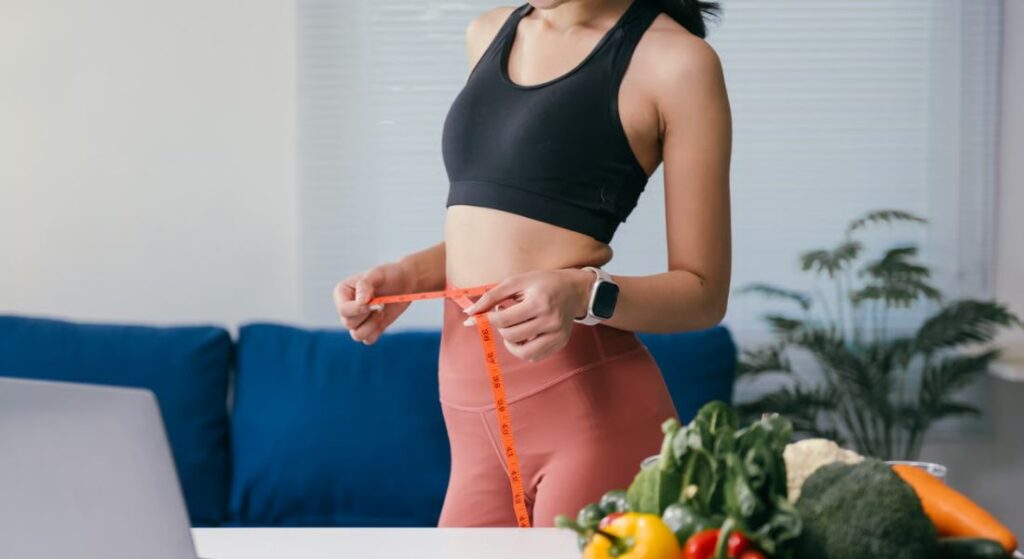
Your skin can adapt to changes in body size, but its ability to do so is not unlimited. If you lose weight quickly, the skin may not contract at the same pace as the fat beneath it, making changes in your appearance more noticeable.
Facial hollowing or loose skin may become more noticeable when substantial weight loss occurs over a relatively short period. However, you should remember that slower weight loss cannot prevent every aesthetic change, as your skin elasticity, age and the total amount of weight you lose also play important roles.
Aesthetic treatments should never interfere with the medically appropriate pace of your weight-loss programme. If you are concerned about how quickly your weight is changing or how it is affecting your appearance, you should discuss this with the clinician managing your treatment.
Why Skin May Look Looser After Weight Loss
Your skin contains collagen and elastin, which help provide strength, firmness and flexibility. As you age, these supporting proteins naturally decline, and factors such as sun exposure and smoking can further affect your skin’s elasticity.
After significant weight loss, your skin may not shrink as quickly as the volume beneath it decreases. You may therefore notice loose skin around areas such as your abdomen, upper arms, thighs, neck or lower face, especially after losing a substantial amount of weight.
Skincare products may improve your skin’s hydration and surface texture, but they cannot reliably remove excess skin. If you are concerned about skin laxity, the most appropriate treatment will depend on its severity and whether your weight has stabilised.
Lean Mass Is an Important Part of the Conversation
Weight loss does not involve losing fat alone. As you lose weight, you may also lose some lean tissue, including muscle, depending on factors such as your diet, activity levels and overall health.
Research on semaglutide and other incretin-based therapies has shown that while fat loss is usually the main outcome, reductions in lean mass can also occur. The amount varies between individuals, which is why your body composition may change differently from someone else’s.
A clinically meaningful reduction in skeletal muscle may affect strength or physical function, but body-composition measurements should be interpreted alongside nutrition, activity, muscle strength and overall health. If you are planning aesthetic treatments after weight loss, your practitioner should consider your overall wellbeing and body composition rather than focusing only on the number on the scales.
How Body Contouring Demand Is Changing
Many people feel healthier and more confident after significant weight loss but may still be concerned about loose skin or changes in body shape. You may therefore consider non-surgical or surgical body-contouring treatments to address areas that have not fully adapted to your weight loss.
Common concerns include loose skin around the abdomen, upper arms, thighs, breasts and buttocks. You may also find that your clothes fit differently, even after you have reached your target weight, because your body proportions have changed.
A personalised treatment plan should consider your skin quality, remaining fat, muscle tone and amount of excess skin. Treatment recommendations should always be based on an individual assessment rather than a one-size-fits-all approach.
Matching Appearance Changes After Weight Loss With Suitable Treatment Options
| Main concern after weight loss | What may be contributing | Options that may be considered | Important limitation |
| Hollow temples or cheeks | Loss of facial fat may make natural contours and age-related skeletal changes more visible. | Conservative hyaluronic acid filler or a selected biostimulatory injectable may be considered after a full facial assessment. | Replacing volume in every area can create heaviness or an overfilled appearance. |
| More visible under-eye hollows | Reduced cheek support, changes in facial fat and natural anatomy may contribute. | Treatment may focus on the cheeks, tear trough or skin quality, depending on the underlying cause. | Direct tear-trough filler is not suitable for everyone and may worsen puffiness or create irregularity. |
| Deeper facial folds | Reduced soft-tissue support may make existing folds more prominent. | Treatment may involve improving structural support rather than injecting the fold itself. | Completely removing natural folds is neither realistic nor always aesthetically desirable. |
| Loose lower-face or neck skin | Reduced volume, age-related elasticity changes and substantial weight loss may all contribute. | Selected energy-based treatments may provide modest improvement when laxity is mild. Surgery may be considered when excess skin is significant. | Non-surgical treatments cannot reliably remove substantial loose skin or reproduce a surgical lift. |
| Fine creases or thinner-looking skin | Reduced support, dryness, sun damage and changes in collagen may affect skin quality. | Daily sun protection, appropriate skincare, microneedling, selected lasers or other skin-remodelling treatments may be discussed. | Skin-quality treatments do not replace lost fat or correct major tissue laxity. |
| Loose abdominal skin | The skin may not fully contract after substantial reduction in abdominal fat. | Non-surgical treatment may be considered for mild laxity, while abdominoplasty may be more appropriate for significant excess skin. | Skincare and external devices cannot remove large folds of redundant skin. |
| Loose upper-arm or thigh skin | Reduced fat volume may leave skin that does not contract sufficiently. | Skin-tightening procedures or surgical arm or thigh lifting may be considered according to severity. | Surgery creates scars and involves recovery and medical risks. |
| Changes in breast shape or volume | Loss of breast fat and changes in skin support may cause deflation or drooping. | Supportive garments, breast lift, augmentation or combined surgery may be discussed with an appropriately qualified surgeon. | Injectable or energy-based treatments should not be presented as alternatives to surgery for substantial breast ptosis. |
| Reduced buttock fullness | General fat loss may alter projection and body proportions. | Resistance exercise may support muscle development. Surgical or other contouring options require specialist assessment. | Cosmetic treatment should not compromise nutrition, exercise or the medical goals of weight management. |
| Reduced muscle definition or strength | Weight loss can include reductions in lean tissue as well as fat mass. | Personalised nutrition, resistance exercise and medical or dietetic review may help support muscle health. | Lean mass includes more than skeletal muscle, so a body-composition result should not be interpreted in isolation. |
Why Timing Matters Before Aesthetic Treatment
Your appearance can continue to change while you are actively losing weight. If you have aesthetic treatment too early, the results may look less balanced as your face or body continues to change.
For example, facial filler placed while your cheeks are still losing volume may later appear insufficient or uneven. You may also find that body-contouring treatments provide limited benefit if your weight and body shape are still changing.
Major body-contouring surgery is usually considered after your weight has stabilised. The timing of non-surgical facial or skin treatment should be decided individually because your appearance may continue to change during active weight loss. Your ideal timing should be guided by your health, treatment goals and the advice of the clinicians involved.
Restoring Facial Balance Without Overcorrecting
Facial treatment after weight loss should aim to restore balance while preserving your natural features. You do not need to replace every area of lost volume, as doing so may create an overfilled or less natural appearance.
Your practitioner should assess your temples, cheeks, under-eye area, jawline and overall facial proportions before recommending treatment. By looking at your face as a whole, treatment can be planned around your overall facial structure rather than one isolated area.
A single line or hollow area is not always the main concern. Looking at the face as a whole often produces more balanced and natural-looking results.
Nutrition, Protein and Resistance Exercise
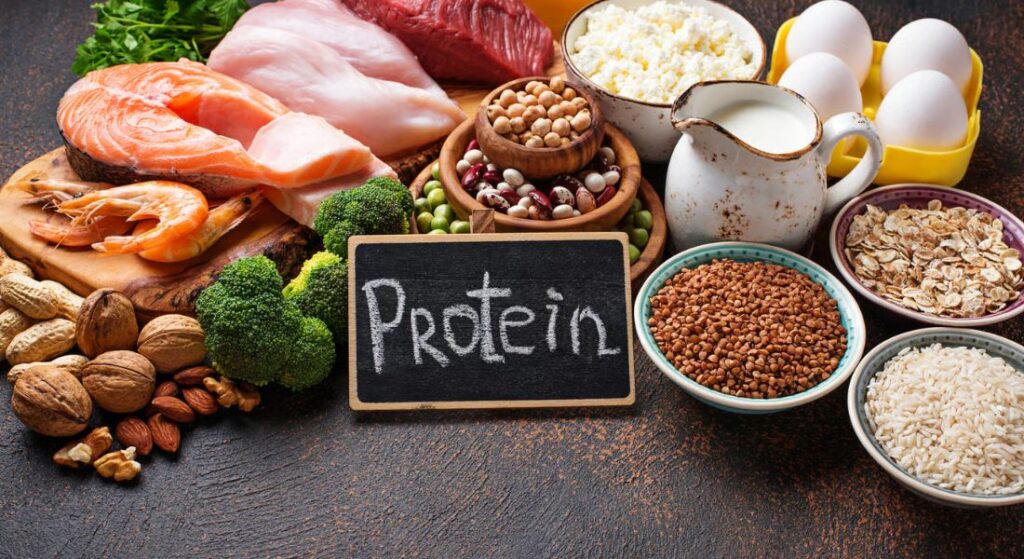
Your appetite may decrease while using weight-loss medication, but your body still needs adequate nutrition to support your overall health, skin and muscles.You should aim to eat a balanced diet that provides enough nutrients throughout your weight-loss journey.
Getting enough protein and taking part in appropriate resistance exercise may help preserve muscle while you lose weight. Your nutritional and exercise plan should be personalised, so you should seek advice from a doctor, dietitian or another suitably qualified healthcare professional.
You should avoid relying on unregulated supplements or extreme high-protein diets to maintain your appearance. Your long-term health should always come first, and any aesthetic goals should never compromise your kidney health, digestion or other important medical needs.
Supporting Skin Quality After Weight Loss
After losing weight, you may be more concerned about thinner-looking skin, fine creases or reduced radiance than noticeable volume loss. In these situations, treatment may focus on improving your skin quality rather than changing your facial shape.
Options such as appropriate skincare, daily sun protection, microneedling, selected lasers or other energy-based procedures may help improve texture and support gradual skin remodelling. However, you should understand that these treatments cannot fully replace lost facial fat or remove significant loose skin.
Your treatment plan should be based on the actual cause of your concern. You may benefit more from a skin-focused approach if texture or pigmentation is the main issue, whereas volume-restoring treatments are only appropriate when genuine facial volume loss is present.
Dermal Fillers and Biostimulatory Treatments
Hyaluronic acid fillers may be used to restore lost volume or improve facial contours after weight loss. Your treatment should be based on your individual facial anatomy rather than a standard approach, as you may not need filler in every area.
Biostimulatory injectables are intended to stimulate gradual collagen-related changes instead of providing only immediate volume. These treatments may be considered for selected patients after an individual assessment, but results develop over time and some products cannot be easily reversed.
Both treatment options carry potential risks, including bruising, swelling, infection, lumps and vascular complications. You should receive a clear explanation of why a particular product is recommended and how any possible complication would be recognised and managed.
Clinical Safety Note: When Filler Symptoms Require Urgent Help
Contact the treating clinic immediately if you develop severe or increasing pain, pale or mottled skin, dusky discolouration, cool skin or rapidly worsening changes after dermal filler treatment. These may indicate reduced blood flow and require urgent clinical assessment.
Any blurred vision, loss of vision, eye pain, severe headache, weakness, difficulty speaking or other neurological symptoms following facial filler treatment require emergency medical attention. Do not wait for a routine follow-up appointment.
Medication Safety Around Aesthetic Procedures
GLP-1 and dual GIP/GLP-1 medicines can affect how quickly your stomach empties, which is an important consideration before certain procedures. If you are having general anaesthesia or deep sedation, this may influence your risk of aspiration. Careful communication with your healthcare team helps ensure your procedure is planned safely.
1. Tell Your Healthcare Team: Always inform your surgeon, anaesthetist, or aesthetic practitioner if you use weight-loss injections.
2. Do Not Stop Medication Alone: Your healthcare professionals should decide whether any changes to your medication are needed before treatment.
3. Report Symptoms: Nausea, vomiting, dehydration, or reduced food intake should be discussed before your appointment.
4. Safety Before Treatment: If you are unwell or not medically stable, your procedure may need to be delayed until it is safer to proceed.
Overall, medication safety is an important part of preparing for aesthetic procedures. Discussing your GLP-1 or dual GIP/GLP-1 medication openly allows your healthcare team to make informed decisions about your care. A personalised approach helps balance your treatment goals with your safety.
Recognising Important Medication Side Effects
Weight-loss medicines can cause side effects such as nausea, vomiting, diarrhoea and constipation. If you experience these symptoms, they may affect your hydration, nutrition and how well your body recovers after an aesthetic procedure.
Seek urgent medical attention if you develop severe, persistent abdominal pain that may spread to your back and may be accompanied by nausea or vomiting, as this could indicate acute pancreatitis. The MHRA strengthened its warning in January 2026 after rare reports of severe acute pancreatitis, including necrotising and fatal cases.
If you are feeling unwell or have unexplained symptoms, you should postpone any cosmetic treatment until you have been medically assessed. Your health should always take priority, and aesthetic procedures should never delay appropriate medical care.
When Surgical Treatment May Be More Appropriate
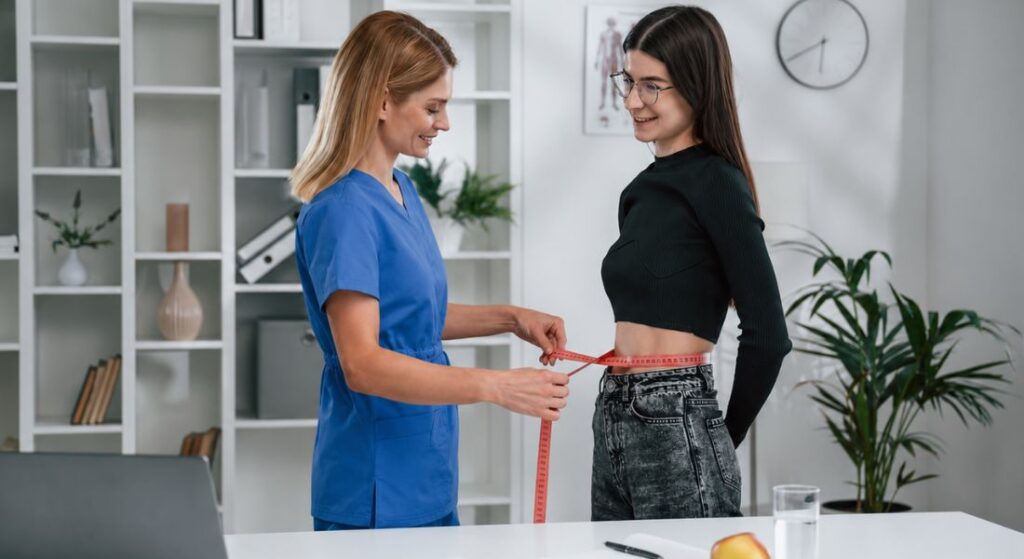
Non-surgical treatments may improve mild or moderate skin laxity, but they cannot always correct large amounts of excess skin. If you have significant loose skin after major weight loss, surgery may be more appropriate when there is a substantial amount of excess skin.
Procedures such as a tummy tuck, arm lift, thigh lift, breast surgery or lower-face surgery may be considered depending on your concerns. You should understand that these operations involve scars, recovery time and potential medical risks that need careful discussion before treatment.
Your weight should usually be stable before surgery is considered, and your overall health should be fully assessed. An appropriately qualified plastic surgeon can help you decide whether the expected benefits outweigh the risks and explain the recovery process you can expect.
The Future of Aesthetic Medicine After Weight-Loss Injections
Weight-loss injections are expected to remain an important part of modern obesity and metabolic care. As more people use these medicines, aesthetic practitioners will need a deeper understanding of body composition, facial anatomy, nutrition and the safety considerations associated with weight-loss treatment.
Future care is likely to involve closer collaboration between prescribers, dermatologists, surgeons, dietitians and aesthetic clinicians. If you are considering cosmetic treatment after significant weight loss, your care may be planned in stages, beginning with weight stabilisation before addressing concerns such as skin quality, facial volume or excess skin.
The biggest change may be a more holistic approach to aesthetic medicine. Rather than treating one wrinkle or body area in isolation, practitioners will increasingly focus on supporting your overall health, preserving your natural appearance and helping you achieve appropriate, realistic results that support your wider health goals.
Managing Expectations and Body Image
Weight loss can bring significant health benefits and improve your confidence, but adjusting to changes in your appearance can sometimes be challenging. You may feel proud of your progress while also noticing facial hollowing or loose skin that takes time to get used to.
It is often worth giving yourself time to adapt before deciding on multiple aesthetic procedures. You should remember that photographs, social media and terms such as “Ozempic face” can make normal changes seem more dramatic than they really are.
A responsible practitioner should take the time to understand your concerns and explain whether treatment is likely to provide meaningful benefit. You should never feel pressured into having a procedure, and sometimes waiting or choosing no treatment at all may be the most appropriate option.
Key Takeaways
1. Facial hollowing and loose skin are usually linked to significant weight loss rather than the medicine directly ageing your skin.
2. “Ozempic face” is an informal media term and not a recognised medical diagnosis.
3. Your appearance may continue to change while you are actively losing weight, so major aesthetic treatment may be easier to plan after your weight has stabilised.
4. Weight loss can reduce both fat mass and lean mass, but lean mass is not the same as skeletal muscle.
5. Adequate nutrition and appropriate resistance exercise may help support muscle health, but advice should be personalised to your medical needs.
6. Dermal fillers, lasers and energy-based treatments cannot correct every appearance change associated with substantial weight loss.
7. Significant excess skin may require assessment by an appropriately qualified plastic surgeon.
8. Tell your surgeon, anaesthetist and aesthetic practitioner about any weight-management medicine you use.
9. Do not stop or change a prescribed weight-loss medicine without advice from the clinician managing your treatment.
10. Severe persistent abdominal pain, particularly when accompanied by nausea, vomiting or pain spreading to the back, requires urgent medical assessment.
FAQs:
1. What are weight-loss injections?
Weight-loss injections are prescription medicines such as semaglutide, liraglutide and tirzepatide that help eligible patients lose weight by reducing appetite and increasing feelings of fullness. They should only be used following assessment and prescribing by an appropriately authorised healthcare professional alongside appropriate dietary and lifestyle support.
2. Why can weight loss make your face look older?
Significant weight loss can reduce the fat that supports your facial contours. This may make existing lines, hollows and loose skin more noticeable, particularly around the cheeks, temples and jawline. These changes are usually related to weight loss itself rather than the medication directly ageing your skin.
3. What is ‘Ozempic face’?
‘Ozempic face’ is an informal term used to describe facial volume loss or a more hollow appearance following substantial weight loss. It is not a medical diagnosis and similar changes can occur after weight loss achieved through diet, exercise, bariatric surgery or other treatments.
4. Can weight-loss injections cause loose skin?
Loose skin may develop after significant weight loss because the skin does not always contract as quickly as the underlying fat is lost. The degree of skin laxity depends on factors such as your age, genetics, skin quality, the amount of weight lost and how quickly the weight reduction occurs.
5. Should you wait until your weight is stable before having aesthetic treatment?
In many cases, yes. If you are still actively losing weight, your face and body may continue to change, making it difficult to achieve balanced results while your weight and facial structure remain stable. Your practitioner can advise on the most appropriate timing based on your individual circumstances.
6. Which aesthetic treatments are commonly considered after major weight loss?
Depending on your concerns, treatments may include skincare programmes, microneedling, laser treatments, dermal fillers, selected biostimulatory injectables or, in some cases, surgical body contouring. The most suitable option depends on whether your main concern is skin quality, volume loss or excess skin.
7. Can dermal fillers replace facial volume lost during weight loss?
Dermal fillers may help restore selected areas of facial volume, but they should be used conservatively and only after a thorough facial assessment. The aim is usually to restore balance and maintain a natural appearance rather than recreate the fullness present before weight loss.
8. Are weight-loss injections safe to continue before cosmetic procedures?
Tell your procedural and anaesthetic teams that you use a GLP-1 or dual GIP/GLP-1 medicine. Current UK consensus generally supports continuing these medicines before elective surgery, but individual aspiration risk, gastrointestinal symptoms and the planned anaesthetic must be assessed. Never stop treatment without advice from the clinician managing your medication and procedure.
9. Can exercise and nutrition help reduce changes in appearance during weight loss?
Maintaining adequate protein intake and following an appropriate resistance exercise programme may help preserve muscle mass during weight loss. A balanced diet and healthy lifestyle also support overall skin health, although they cannot completely prevent loose skin or facial volume loss.
10. When should you seek professional advice about appearance changes after weight loss?
If facial hollowing, loose skin or body contour changes are affecting your confidence, it is worth arranging a consultation with an appropriately qualified healthcare professional with experience in post-weight-loss facial and body assessment. A personalised assessment can help determine whether treatment is appropriate or whether allowing more time for your weight to stabilise would be the better option.
Final Thoughts: A Personalised Approach to Aesthetic Care After Weight Loss
Weight-loss injections are changing more than the way obesity is managed. They are also reshaping aesthetic medicine by creating new challenges related to facial volume loss, skin laxity and body contour. While these changes can be unsettling, they are often a natural consequence of significant weight loss rather than a direct effect of the medication itself.
Careful timing and individual assessment are important before proceeding with aesthetic treatment. Allowing your weight to stabilise, understanding the cause of your concerns and choosing evidence-based treatments can help achieve natural-looking results that complement your overall health goals. Every person responds differently, so there is no single treatment plan that suits everyone. To learn more about evidence-based aesthetic treatments and personalised facial assessment, you can contact us at the London Medical and Aesthetic Clinic and explore the services.
References:
1. Rochira, V. et al. (2024) ‘The effect of tirzepatide on body composition in people with overweight and obesity: A systematic review of randomized, controlled studies’, Diseases. Available at: https://www.mdpi.com/2079-9721/12/9/204
2. Reiss, A.B. et al. (2025) ‘Weight reduction with GLP-1 agonists and paths for discontinuation while maintaining weight loss’, Biomolecules. Available at: https://www.mdpi.com/2218-273X/15/3/408
3. Jafar, A.B. et al. (2024) ‘Soft tissue facial changes following massive weight loss secondary to medical and surgical bariatric interventions: A systematic review’, Aesthetic Surgery Journal Open Forum. Available at: https://pmc.ncbi.nlm.nih.gov/articles/PMC11427949/
4. Daneshgaran, G. et al. (2025) ‘“Ozempic face” in plastic surgery: A systematic review of the literature on GLP-1 receptor agonist mediated weight loss and analysis of public perceptions’, Aesthetic Surgery Journal Open Forum. Available at: https://pmc.ncbi.nlm.nih.gov/articles/PMC12232544/
5. Bikou, A. et al. (2024) ‘A systematic review of the effect of semaglutide on lean mass: Insights from clinical trials’, Expert Opinion on Pharmacotherapy. Available at: https://pubmed.ncbi.nlm.nih.gov/38629387/