

Skin ageing can lead to wrinkles, dryness, changes in pigmentation and reduced firmness, but these visible changes begin within the cells and supporting structures of your skin. Keratinocytes, fibroblasts, melanocytes, immune cells and other cell types gradually change in their ability to renew, communicate and respond to damage.
Ageing is influenced by both intrinsic factors, such as time, genetics and hormonal changes, and extrinsic factors, particularly cumulative ultraviolet exposure, smoking and pollution. These processes can affect the epidermis, dermis, blood vessels, fat compartments and extracellular matrix in different ways.
Skin ageing involves gradual changes in cell renewal, DNA repair, protein production and communication between cells. It also affects the extracellular matrix, blood vessels and the junction between the epidermis and dermis.
Skin Ageing Begins at the Cellular Level
Intrinsic ageing develops over time, while extrinsic ageing is accelerated by factors such as ultraviolet radiation, smoking and pollution. Sun-related ageing is particularly associated with coarse wrinkles, uneven pigmentation, reduced elasticity and structural damage within the dermis.
Keratinocytes Renew the Outer Skin Layer
Keratinocytes are the main cells in the epidermis, the outer layer of your skin. They move from deeper layers towards the surface, where they mature, flatten and are eventually shed. This process helps keep your skin barrier healthy and functioning properly.
Your skin barrier protects you from water loss, irritants, allergens, microbes and environmental stress. As you age, keratinocyte renewal can slow down, which may contribute to rough texture, dullness and slower recovery after irritation or superficial treatments.
Slower Cell Turnover Can Affect Skin Texture
Ageing can slow the renewal and organisation of cells within the epidermis. This may contribute to roughness, uneven texture and a less radiant appearance, although these changes are also influenced by hydration, sun exposure, skin conditions and the products you use.
Gentle exfoliation or topical retinoids may improve selected concerns in suitable skin, but they can also cause irritation. Introduce active products gradually. Topical retinoid medicines should not be used during pregnancy or when planning a pregnancy. Seek professional advice if you are unsure which product you are using or if you have sensitive skin, pigmentation concerns or an existing skin condition.
Skin-Barrier Function Changes With Age
The skin barrier depends on organised surface cells, natural moisturising factors and lipids that reduce water loss and protect against irritants. Ageing can alter these components and slow the barrier’s recovery after damage.
This may contribute to dryness, itching, sensitivity and slower recovery after exposure to harsh products or environmental conditions. The change should not simply be described as the barrier becoming thinner because barrier function and skin thickness vary between layers and body sites.
Role of Fibroblasts in Skin Ageing
| Aspect | What Happens | Role in Skin Health | Changes With Age |
| Fibroblast cells | Specialised cells found in the dermis | Help maintain the skin’s supportive structure | Become less active over time |
| Collagen production | Fibroblasts create collagen fibres | Provides firmness and structural support | Production gradually decreases with age |
| Elastin and elastic fibres | Fibroblasts help produce and maintain components of the elastic-fibre network | Help the skin stretch and recoil | Fibres may become fragmented, disorganised or abnormally accumulated after long-term ultraviolet exposure |
| Extracellular matrix | Fibroblasts maintain the skin’s surrounding framework | Supports healthy skin structure | Becomes less organised with ageing |
| Cellular activity | Fibroblast function and communication change over time | Supports extracellular-matrix maintenance and repair | Reduced responsiveness and cellular senescence may impair normal maintenance |
| Visible skin changes | Changes in collagen, elastic fibres and the surrounding matrix affect skin structure | Helps maintain firmness and resilience | May contribute to wrinkles, laxity and reduced structural support |
Ageing Fibroblasts Maintain Collagen Less Effectively
With age, fibroblasts may produce less new collagen and respond less effectively to signals from the surrounding extracellular matrix. Existing collagen fibres can also become fragmented through oxidative stress, ultraviolet exposure and increased activity of collagen-degrading enzymes.
These changes reduce structural support within the dermis and contribute to wrinkles, reduced firmness and slower tissue repair. Collagen ageing involves both lower production and increased breakdown rather than reduced production alone.
Fibroblasts Produce Collagen and Elastin
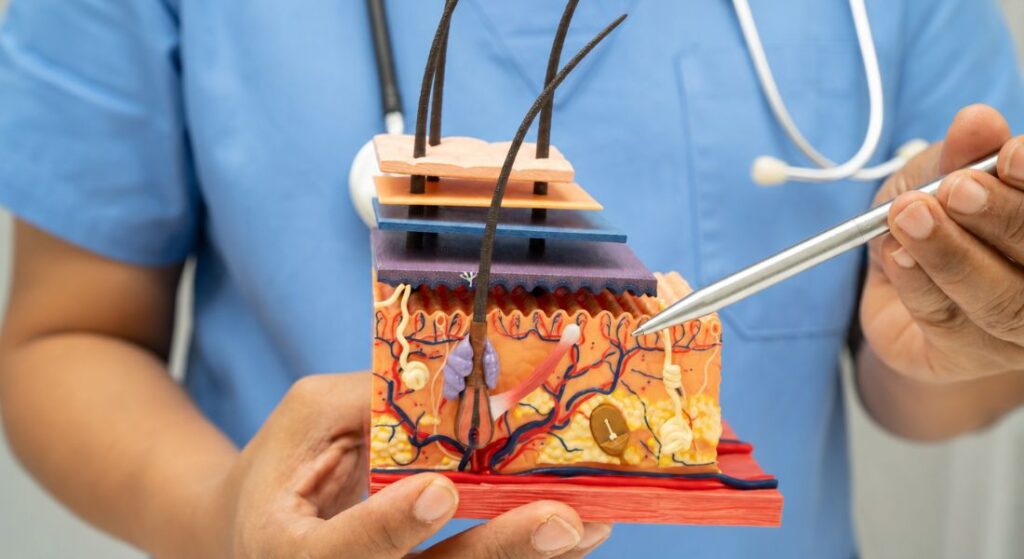
Fibroblasts are dermal cells that produce and maintain collagen, components of the elastic-fibre network and other parts of the extracellular matrix.
Elastin Support Also Changes Over Time
Elastin allows skin to stretch and return towards its previous shape. Its fibres are long-lasting structures that can become disorganised, fragmented or abnormally accumulated through intrinsic ageing and repeated ultraviolet exposure.
This loss of normal elastic organisation can contribute to laxity and reduced resilience. Sun-damaged skin may contain abnormal elastin material, so the change is more complex than simply producing less elastin.
The Extracellular Matrix Becomes Less Organised
The extracellular matrix is the supportive environment surrounding your skin cells. It contains collagen, elastin, hyaluronic acid and other molecules that help maintain structure, support communication between cells and keep your skin functioning properly.
As you age, this matrix can become more fragmented and less efficient. These changes can affect how your fibroblasts and other skin cells respond to the signals around them, contributing to gradual changes in skin strength and quality.
Cellular Senescence Builds Up with Age
Cellular senescence occurs when a damaged or stressed cell permanently stops dividing but remains metabolically active. Short-term senescence can contribute to processes such as wound repair, but senescent cells may accumulate when they are not removed efficiently.
Senescent cells can release inflammatory molecules and tissue-degrading enzymes that alter the surrounding environment. Research associates their accumulation with several features of skin ageing, although scientists are still investigating how directly these cells cause specific age-related changes in human skin.
Senescent Cells Can Affect Healing
Senescence is not always harmful. Short-term senescence can help your skin coordinate repair after injury, but a long-term build-up of these cells may interfere with healthy regeneration.
In ageing skin, persistent senescent cells may contribute to ongoing inflammation and slower healing. This can make the repair process less efficient, as senescent fibroblasts and other cells may shift from supporting recovery to affecting the surrounding tissue environment.
Melanocytes and Pigmentation Change With Age
Melanocytes produce melanin, which contributes to skin colour and helps protect cells from ultraviolet damage. The density of functioning melanocytes generally declines with age, but pigment production can become uneven across different areas.
New or changing moles and other unusual pigmented lesions should not be assumed to be part of normal ageing. Arrange a GP or dermatology assessment, particularly if a lesion changes in size, shape or colour, or becomes painful, itchy, inflamed, bleeding or crusted.
Pigment Changes Involve Several Processes
Uneven pigmentation is influenced by changes in melanocyte activity, communication between melanocytes and keratinocytes, ultraviolet exposure and inflammation. Although the density of functioning melanocytes generally declines with age, chronically sun-exposed areas may still develop increased or irregular pigment.
Dark marks after acne, irritation or aesthetic procedures may persist for different lengths of time depending on your skin tone, the depth of inflammation, sun exposure and the treatment used. Age alone does not determine how quickly pigmentation will fade, so pigment-prone skin requires careful treatment selection, sun protection and appropriate aftercare.
Skin Immune Responses Change With Age
The skin contains immune cells that recognise infection, injury and abnormal cellular changes. Ageing may reduce the number or function of some of these cells, including epidermal Langerhans cells, and alter communication between immune cells and keratinocytes.
These changes can affect immune surveillance, inflammatory control and recovery after injury. The immune response does not simply stop working, but it may become slower, less coordinated or persist for longer than necessary.Fat Cells Influence Skin Structure
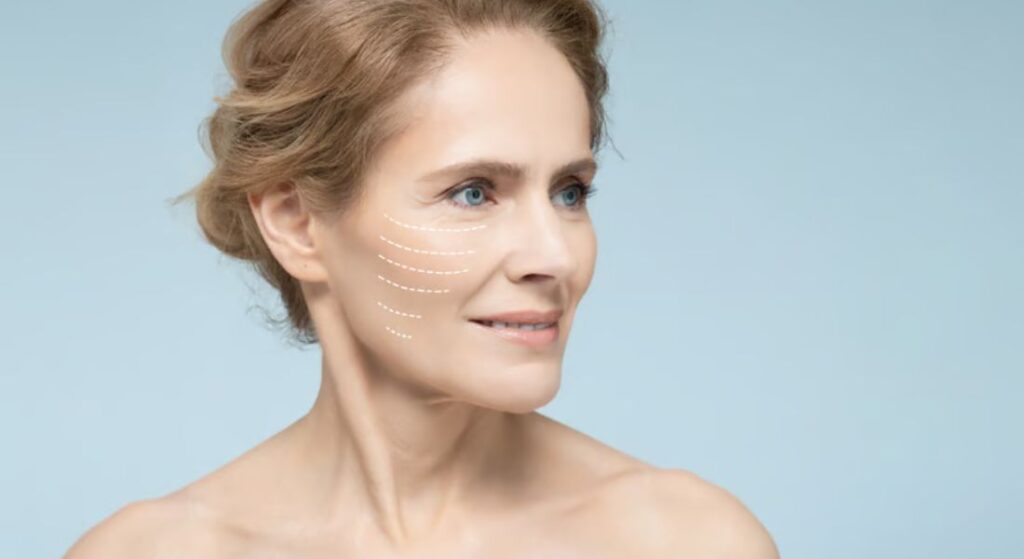
Your skin and the tissues beneath it contain fat cells that provide support, cushioning and shape to your face. These cells also communicate with surrounding tissues through signalling molecules that influence skin structure.
As you age, facial fat compartments can reduce in volume, shift position or change in quality. These changes affect how your skin sits over deeper structures and can make wrinkles, hollows and loss of firmness more noticeable.
Inflammation Becomes More Persistent
Inflammation is a normal part of your skin’s repair process, but it needs to settle at the right time. As you age, your skin may experience more persistent low-level inflammation, which can affect how cells communicate and function.
1.Chronic inflammation: Ongoing low-level inflammation may affect how your skin cells work and respond over time
2. Cell communication: Persistent inflammation can interfere with the signals between fibroblasts, keratinocytes and immune cells
3. Collagen breakdown: Inflammatory changes may contribute to reduced collagen support and changes in skin structure
4. Skin sensitivity: Increased inflammation can be linked with redness, irritation and greater sensitivity
5. Slower repair: Age-related inflammatory changes may affect how efficiently your skin recovers and renews itself
This process is sometimes described as inflammageing and is associated with age-related changes in skin repair. Understanding how inflammation affects your skin can help you make informed choices about protecting and supporting skin health as you age.
Skin Stem-Cell Function Changes With Age
Skin stem cells help renew the epidermis, hair follicles and other structures. With age, changes in their surrounding environment, signalling pathways and response to stress may reduce how effectively they contribute to regeneration.
This does not necessarily mean that all stem-cell populations disappear. Their function and communication with neighbouring cells may become impaired, contributing to slower renewal and less efficient repair.
Blood Vessels and Circulation Change With Age
Small blood vessels within the skin help deliver oxygen and nutrients, regulate temperature and support healing. Ageing can reduce the density and responsiveness of the cutaneous microvascular network, which may contribute to slower repair.
Older skin may also bruise more easily because the dermis provides less structural support and small vessels can become more fragile. Bruising should not be explained only as a result of reduced blood supply.
Skin Repair Signals Become Less Coordinated
Healthy skin repair depends on communication between different cell types, including keratinocytes, fibroblasts, immune cells, blood vessel cells and stem cells. These cells need to work together to restore and maintain your skin after damage.
As you age, these repair signals can become less coordinated. Growth factors, inflammatory molecules and other signals may be released more slowly or less effectively, which is why your skin may still heal but often takes longer than it did when you were younger.
What Cell Ageing Means for Aesthetic Treatments
Chemical peels, microneedling, lasers and radiofrequency treatments create controlled chemical, mechanical or thermal effects within the skin. Your response depends on factors such as your skin condition, pigmentation, medical history, treatment depth and the device or product used rather than age alone.
Older skin may still respond to treatment, but healing time and complication risk vary between individuals. Before treatment, an appropriately qualified practitioner should assess the risks of infection, burns, scarring, pigmentation changes and delayed healing and explain the expected outcome, alternatives and aftercare.
Supporting Healthier Skin as You Age
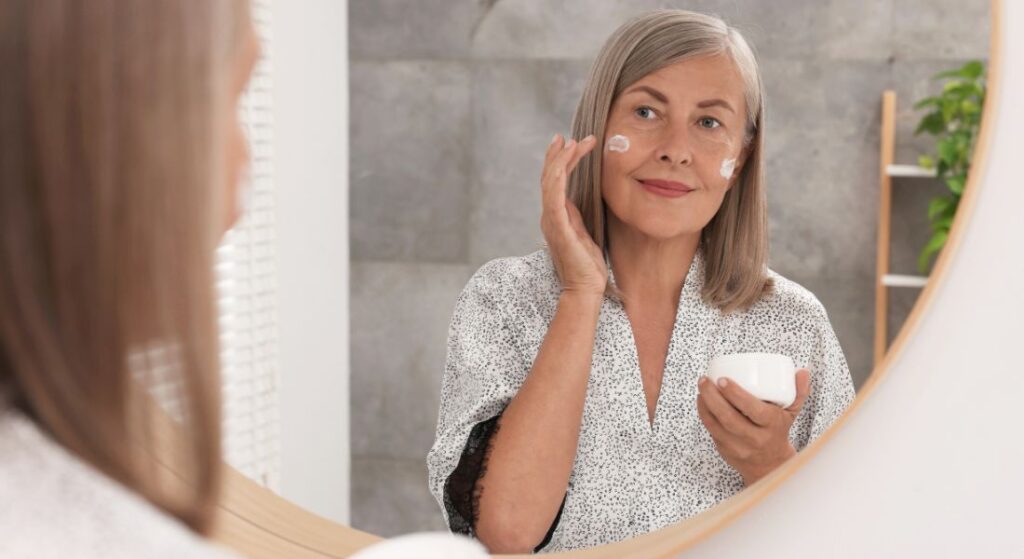
You cannot stop intrinsic ageing, but you can reduce avoidable damage by protecting your skin from ultraviolet exposure, avoiding smoking and using gentle skincare that supports the skin barrier. Regular moisturiser use may help dryness, while active ingredients should be introduced gradually according to your skin type and medical history.
Professional treatments may improve selected concerns, but no procedure can permanently stop cellular ageing or guarantee collagen restoration. Treatment should be based on a clinical assessment, realistic expectations and a clear discussion of risks, alternatives and aftercare.
Myth vs Fact
| Myth | Fact |
| Skin ageing happens only on the surface. | Visible ageing reflects changes in the epidermis, dermis, extracellular matrix, blood vessels and deeper supporting tissues. |
| Every layer of the skin simply becomes thinner. | Age-related changes vary by skin layer, body site and degree of sun exposure. |
| Wrinkles are caused only by collagen loss. | Collagen breakdown, elastin changes, repeated facial movement and redistribution of facial fat can all contribute. |
| Age spots are caused only by getting older. | Cumulative ultraviolet exposure is an important contributor to localised pigmentation. |
| Older skin cannot respond to aesthetic treatment. | It can respond, but treatment choice, healing time and complication risk must be assessed individually. |
| Stronger exfoliation creates faster cell renewal. | Excessive exfoliation can damage the barrier and cause inflammation or pigmentation. |
| Aesthetic treatments can stop cellular ageing. | Treatments may improve selected visible concerns but cannot stop the biological ageing process. |
Key Takeaways
1.Skin ageing involves changes in several cell types rather than one single process.
2. Keratinocyte renewal and barrier recovery may become slower.
3. Fibroblasts produce less collagen and maintain the extracellular matrix less effectively.
4. Collagen and elastin fibres can become fragmented and less organised.
5. Senescent cells may contribute to persistent inflammation and tissue breakdown.
6. Melanocyte numbers and pigment activity can become uneven with age.
7. Immune responses, blood-vessel support and wound healing may become less efficient.
8. Ultraviolet exposure is an important preventable contributor to premature skin ageing.
Frequently Asked Questions
1. What Happens to Skin Cells as We Age?
As you age, the cells involved in renewal, repair, collagen maintenance, pigmentation and immune defence may become less efficient or communicate differently. These changes can contribute to dryness, reduced elasticity, slower healing and changes in texture, although their effects vary between skin layers, body areas and individuals.
2. Why Does Skin Ageing Begin at the Cellular Level?
Many visible signs of ageing begin within your skin cells, where activity gradually slows and repair processes become less effective. Environmental factors such as sun exposure, pollution, smoking and inflammation can also influence cellular ageing.
3. How Do Keratinocytes Change with Age?
Keratinocytes form most of the epidermis and help maintain the skin barrier. With age, their renewal and response to damage may become slower, which can contribute to dryness, roughness and delayed barrier recovery.
4. Why Does Skin Become Duller as You Age?
Ageing skin often has slower cell turnover, meaning old surface cells remain for longer. This can make your skin appear less smooth, less radiant and more uneven in texture.
5. How Do Fibroblasts Affect Skin Ageing?
Fibroblasts produce and maintain collagen, elastin and other parts of the extracellular matrix. With age, they may produce less collagen, respond less effectively to repair signals and release more tissue-degrading or inflammatory molecules.
6. Why Does Collagen Decrease as Skin Ages?
As fibroblast activity declines, your skin produces less collagen and existing collagen fibres can become fragmented over time. This weakens the skin’s supportive framework and contributes to fine lines and reduced firmness.
7. What Are Senescent Cells and How Do They Affect Skin?
Senescent cells have permanently stopped dividing but remain biologically active. When they accumulate, they may release inflammatory molecules and enzymes that affect collagen, neighbouring cells and tissue repair.
8. How Do Melanocytes Change with Age?
The number of functioning melanocytes generally declines with age, but pigment activity can become uneven. Cumulative sun exposure may contribute to darker patches and age spots, while other areas lose pigment.
9. Why Does Skin Heal More Slowly as You Get Older?
Ageing affects communication between skin cells, immune cells, blood vessels and stem cells involved in repair. These changes can make the healing process slower and less coordinated.
10. Can You Support Healthier Skin Cells as You Age?
You cannot completely prevent cellular ageing, but broad-spectrum sun protection, avoiding smoking, moisturising dry skin and using active skincare carefully may reduce avoidable damage. Professional treatments should be selected after an individual assessment and cannot guarantee permanent rejuvenation.
Final Thoughts: Supporting Your Skin as It Changes With Age
Skin ageing involves interconnected changes in keratinocytes, fibroblasts, melanocytes, immune cells, stem cells, blood vessels and the extracellular matrix. These processes can contribute to dryness, uneven pigmentation, wrinkles, reduced firmness and slower recovery, but the nature and extent of the changes vary between individuals.
To learn more about evidence-based aesthetic treatments and personalised facial assessment, you can contact us at the London Medical and Aesthetic Clinic and explore the services.
References
1. Griffiths, T.W., Watson, R.E.B. and Langton, A.K. (2023) ‘Skin ageing and topical rejuvenation strategies’, British Journal of Dermatology, 189(Supplement 1), pp. i17–i23. Available at: https://academic.oup.com/bjd/article/189/Supplement_1/i17/7333865
2. Gruber, F., Kremslehner, C., Eckhart, L. and Tschachler, E. (2020) ‘Cell aging and cellular senescence in skin aging—Recent advances in fibroblast and keratinocyte biology’, Experimental Gerontology, 130, 110780. Available at: https://www.sciencedirect.com/science/article/pii/S0531556519305753
3. Low, E., Alimohammadiha, G., Smith, L.A., Costello, L.F., Przyborski, S.A., von Zglinicki, T. and Miwa, S. (2021) ‘How good is the evidence that cellular senescence causes skin ageing?’, Ageing Research Reviews, 71, 101456. Available at: https://pmc.ncbi.nlm.nih.gov/articles/PMC8524668/
4. Quan, T. and Fisher, G.J. (2015) ‘Role of age-associated alterations of the dermal extracellular matrix microenvironment in human skin aging: A mini-review’, Gerontology, 61(5), pp. 427–434. Available at: https://pmc.ncbi.nlm.nih.gov/articles/PMC4524793/
5. Shin, J.W., Kwon, S.H., Choi, J.Y., Na, J.I., Huh, C.H., Choi, H.R. and Park, K.C. (2019) ‘Molecular mechanisms of dermal aging and antiaging approaches’, International Journal of Molecular Sciences, 20(9), 2126. Available at: https://www.mdpi.com/1422-0067/20/9/2126