
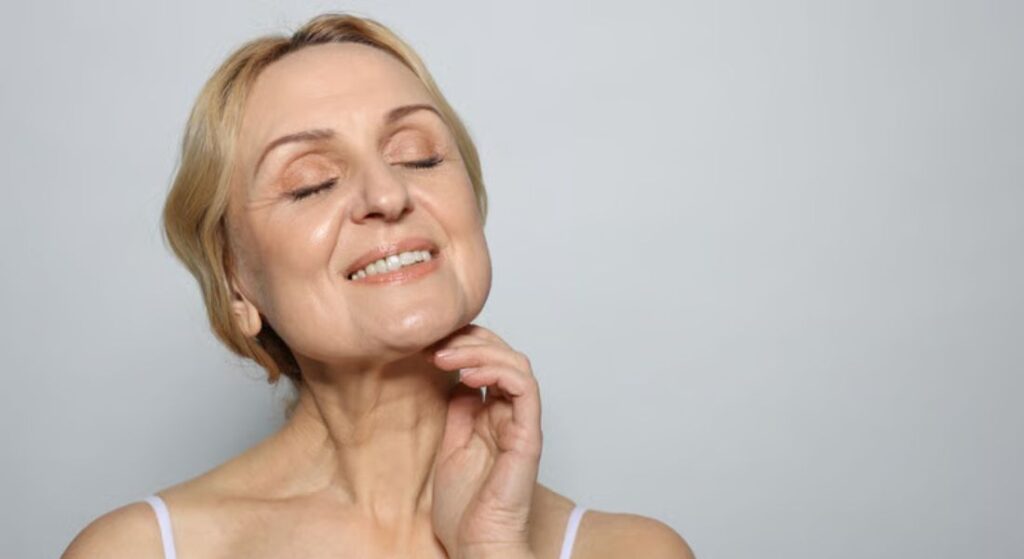
You may notice that cuts, bruises, irritation or marks from cosmetic procedures take longer to settle as you get older. Your skin may also feel thinner, drier or more delicate, making small injuries more noticeable.
Older skin remains capable of healing, but several repair processes gradually become less efficient. Reduced collagen production, slower cell renewal, circulation changes, medical conditions, medicines, smoking and nutrition can all influence recovery.
How Normal Skin Healing Works
When your skin is injured, blood vessels, immune cells and chemical signals work together to protect the area and begin repair. This coordinated response helps stop bleeding, remove damaged tissue and prevent infection.
Healing involves four overlapping stages: haemostasis, inflammation, proliferation and remodelling. If one stage becomes delayed or disrupted, the entire recovery process may take longer.
Why Age Affects Every Healing Stage
Ageing can make each stage of wound healing less efficient, although the extent varies between individuals. Your general health, nutrition, circulation, smoking status, medicines and the type of wound also influence recovery.
Immune cells may respond more slowly, while collagen production, skin-cell movement and new blood-vessel formation may decline. As a result, your skin may require more time and careful support after injury, surgery or aesthetic treatment.
How Ageing Changes Skin Repair
| Age-related change | Possible effect on healing |
| Slower keratinocyte movement | The wound surface may take longer to close |
| Reduced fibroblast activity | Collagen and repair tissue may form more slowly |
| Altered inflammatory response | The transition to tissue rebuilding may be delayed |
| Reduced angiogenesis | Less oxygen and fewer nutrients may reach the healing area |
| More fragile skin barrier | Dryness and irritation may persist for longer |
Evidence Note:
Reviews of ageing skin suggest that wound repair may be affected by slower cell migration, altered inflammatory signalling, reduced formation of new blood vessels and changes in collagen and extracellular-matrix remodelling. However, age does not act alone. General health, circulation, smoking, nutrition, medicines and the type of wound can substantially influence how quickly an individual heals.
The Skin Becomes Thinner with Age
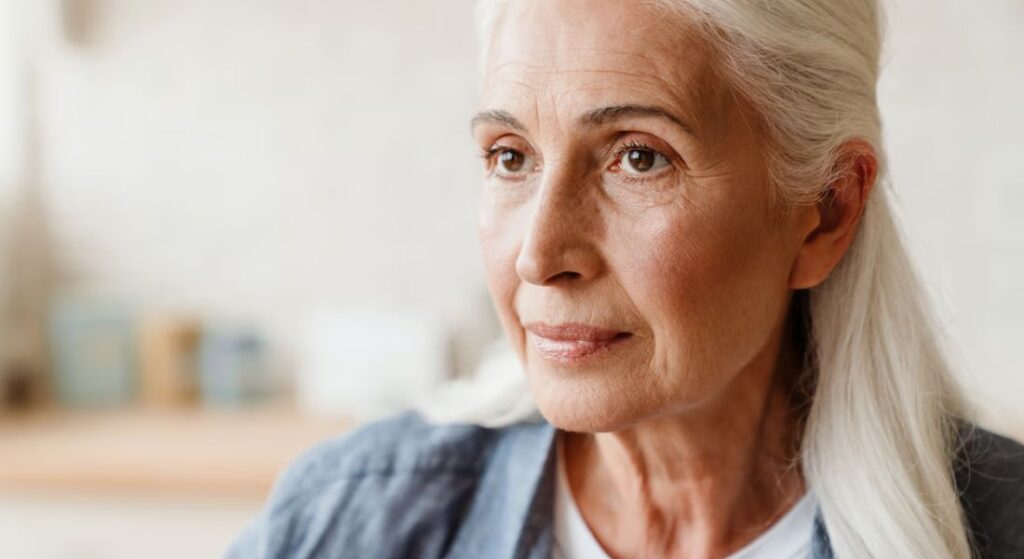
Naturally aged skin often becomes thinner, drier and more fragile, although long-term sun damage can produce a mixture of thinning, thickening and roughness. As a result, bruises, tears and minor injuries may occur more easily.
Thinner skin has less structural support available during repair, which may make wounds more noticeable and slower to settle. These changes do not stop healing, but they can make careful wound protection more important.
Collagen Production Slows Down
Collagen provides strength and structure while damaged skin is being rebuilt. It helps the repaired area regain stability during the healing and remodelling stages.
Your body produces less collagen with age, while existing collagen may become more fragmented. Healing may therefore take longer, although scar appearance also depends on wound depth, location, skin type, genetics and aftercare.
Fibroblasts Become Less Active
Fibroblasts are specialised cells that produce collagen, elastin and other components needed for tissue repair. They also help organise the structural framework around skin cells.
As you get older, fibroblasts may respond more slowly and produce smaller amounts of repair tissue. This can delay healing and mean the repaired area regains its strength more gradually.
The Extracellular Matrix Becomes Less Efficient
The extracellular matrix is the supportive network surrounding your skin cells. It contains collagen, elastin, hyaluronic acid and other molecules that help keep tissue organised and resilient.
During healing, this network helps cells move, communicate and rebuild damaged skin. Age-related fragmentation and mechanical changes may make these processes slower and reduce the efficiency of tissue remodelling.
Skin Cell Turnover Slows
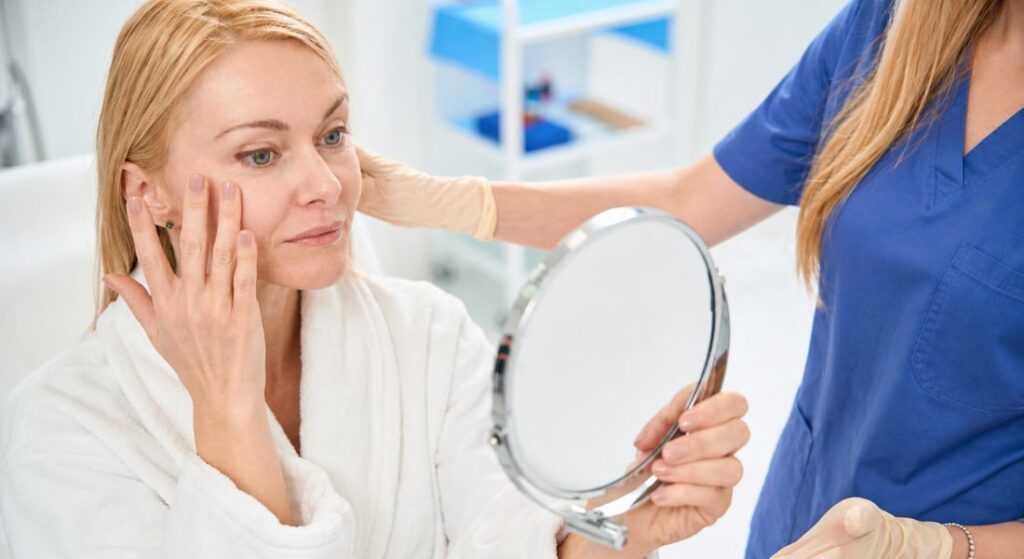
Your epidermis continually creates new cells that move towards the surface and replace older ones. This renewal supports the skin barrier and helps repair damage after injuries or cosmetic treatments.
Cell turnover gradually slows with age, so visible recovery from irritation, peels or laser treatments may take longer. Gentle skincare, suitable preparation and consistent aftercare can help support the skin during this slower renewal process.
Re-Epithelialisation May Take Longer
Re-epithelialisation is the stage where new skin cells move across a wound to close it and restore your protective skin barrier. This helps prevent bacteria from entering, reduces moisture loss and allows your skin to return to normal function.
As you age, this process may slow down because keratinocytes, the main cells in the outer skin layer, may not multiply or move as efficiently. This means your skin may need more time to fully cover and protect the injured area.
When re-epithelialisation is delayed, a wound can remain vulnerable for longer and require careful management. Keeping the area clean, protecting it from further damage and following proper wound care can support safer and smoother healing.
Blood Flow Can Become Less Efficient
Healthy blood flow delivers oxygen, nutrients and immune cells to damaged skin. Age-related changes in small blood vessels and reduced formation of new blood vessels may make this delivery less efficient.
Reduced circulation can slow tissue rebuilding and recovery after injuries or cosmetic procedures. Appropriate wound care and management of circulation problems can help support healing.
Inflammation May Last Longer
Inflammation is a natural part of the healing process that helps your body remove bacteria, damaged tissue and debris from an injury. This response creates a cleaner environment for new tissue to develop and prepares your skin for the next stages of repair.
For healthy healing, inflammation needs to remain balanced. If it is too weak, your body may not clear harmful substances effectively, while prolonged inflammation can delay tissue rebuilding and slow recovery.
As you age, changes in your immune system can affect how well inflammation is controlled. Ongoing low-level inflammation and altered immune responses may make this phase less efficient, causing your skin to take longer to repair and strengthen.
The Immune Response Changes with Age
Immune cells protect damaged skin from infection and release signals that coordinate repair. They help clear damaged material and create conditions in which new tissue can form.
With age, immune cells may arrive more slowly or communicate less efficiently. This does not prevent successful healing, but it may mean your skin needs more time and careful protection.
The Skin Barrier Becomes More Fragile
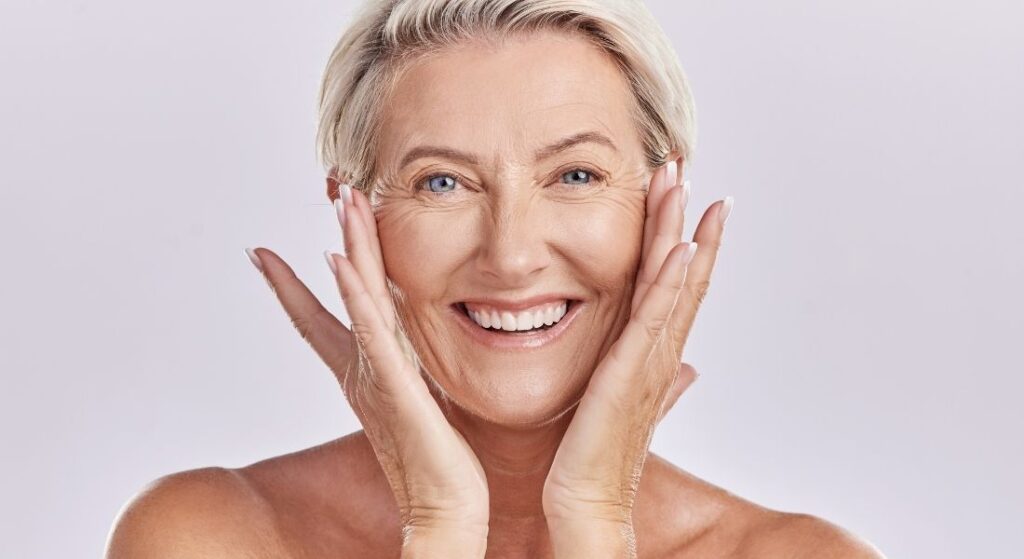
Your skin barrier keeps moisture inside while protecting you from allergens, irritants and bacteria. A healthy barrier also creates a more comfortable environment for healing.
Ageing skin often becomes drier and easier to irritate, especially when exposed to harsh cleansers or strong active ingredients. Gentle cleansing, moisturising and sun protection can help maintain barrier function during recovery.
Sun Damage Can Slow Recovery
Long-term sun exposure is one of the biggest causes of extrinsic skin ageing. Over time, ultraviolet (UV) radiation damages collagen, elastin and other important structures that keep your skin firm, smooth and resilient. It also affects the skin’s natural repair mechanisms, making it more difficult for your skin to recover efficiently after an injury or cosmetic procedure.
Skin that has been affected by years of sun exposure often becomes rougher, less elastic and uneven in both texture and pigmentation. According to DermNet, UV damage alters the extracellular matrix and contributes to visible signs of ageing such as wrinkles, skin laxity and irregular skin tone.
This is why sun-damaged skin may respond less predictably during the healing process. Recovery after a cut, laser treatment or other aesthetic procedure can take longer, and the skin may be more likely to develop temporary or persistent pigmentation changes. Protecting your skin from further UV exposure with daily sunscreen and sensible sun habits can help support healthier healing and reduce the risk of additional damage.
Smoking Can Delay Skin Repair
Smoking is one of the most significant lifestyle factors that can slow the way your skin heals. Every time your skin is injured, it needs a steady supply of oxygen, nutrients and healthy blood flow to repair damaged tissue. Smoking interferes with all of these processes by narrowing blood vessels, reducing oxygen delivery and damaging the proteins that keep your skin strong and resilient.
According to DermNet, nicotine causes blood vessels to constrict, which limits the amount of oxygen and nutrients reaching skin cells. At the same time, other harmful chemicals found in tobacco smoke can break down collagen and elastin, making your skin less elastic and less able to repair itself effectively.
If you smoke, you may find that cuts, surgical wounds and cosmetic treatments take longer to recover than expected. Your skin may also be at greater risk of complications, delayed healing and less predictable results after procedures. Quitting smoking can improve your skin’s ability to heal, support better long-term skin health and help reduce further damage caused by tobacco exposure.
Myth vs Fact
| Myth | Fact |
| Older skin cannot heal properly. | Older skin can still heal successfully, although some stages of repair may take longer because of changes in collagen, cell renewal, circulation and immune function. |
| Age is the only reason wounds heal slowly. | Age is only one factor. Diabetes, poor circulation, smoking, nutrition, medicines, infection and the type of wound can also affect recovery. |
| Every older person will experience delayed healing. | Healing varies from person to person. A healthy older adult may recover well, while a younger person with certain medical conditions may heal more slowly. |
| Taking collagen supplements will automatically speed up healing. | Collagen supplements are not guaranteed to improve wound healing. A balanced diet, appropriate wound care and management of underlying health conditions are more important. |
| Aesthetic treatments are unsuitable for older skin. | Many older adults can safely have aesthetic treatments, but the procedure should be tailored to their skin condition, medical history and ability to heal. |
| A slow-healing wound is always a normal part of ageing. | A wound that becomes increasingly painful, red, hot, swollen, starts leaking or does not improve should be assessed by a healthcare professional. |
Nutrition Matters for Regeneration
Your skin needs protein, calories, vitamin C, zinc, iron and other nutrients to produce collagen and repair tissue. Poor nutrition can delay wound healing at any age.
You do not usually need supplements unless a healthcare professional recommends them. A balanced, nutrient-rich diet can provide the building blocks needed for healthy regeneration.
Medical Conditions Can Affect Healing
Conditions such as diabetes, vascular disease, immune disorders and chronic inflammation can affect skin repair. They may reduce circulation, interfere with immune function or increase infection risk.
Tell your practitioner about all medical conditions before surgery or an aesthetic procedure. Your treatment intensity, preparation and aftercare may need to be adjusted to support safer healing.
When Slow Healing May Need Further Assessment
Although healing often becomes slower with age, significant delays should not always be assumed to be a normal part of ageing. Persistent wounds may sometimes be linked to problems such as infection, poor circulation, diabetes, nutritional deficiencies or other underlying health conditions.
If a wound is not improving, becomes increasingly painful, swollen, warm, red or starts producing discharge, seek medical advice. Early assessment can help identify problems and support safer healing.
Medications May Influence Recovery
Blood-thinning medicines may increase bruising or bleeding, while long-term corticosteroids can affect skin strength and repair. Immunosuppressive medicines and some cancer treatments may also influence immune function and healing.
These medicines do not automatically make treatment unsuitable, but your practitioner needs a complete medication history. Never stop, restart or change prescribed medication without advice from the relevant healthcare professional.
Scars May Mature More Slowly
Scar formation is a normal part of the healing process and continues long after a wound has closed. Once the surface of your skin has healed, your body keeps rebuilding and reorganising collagen for weeks, months or sometimes even longer. This gradual remodelling helps strengthen the repaired tissue and improve the appearance of the scar over time.
As you get older, collagen production and remodelling may happen more slowly. However, age does not reliably predict whether a scar will be more or less visible. Scar appearance is also influenced by the wound’s depth and location, tension on the skin, infection, genetics, skin tone and sun exposure.
The remodelling phase plays a major role in determining how your scar looks and feels in the long term. This is why it is important to be patient when assessing healing after surgery, laser procedures or deeper skin treatments. Giving your skin enough time to complete this final stage of repair can lead to a better overall outcome.
What This Means for Aesthetic Treatments
Treatments such as laser resurfacing, microneedling, chemical peels and radiofrequency create controlled skin injury to stimulate repair and collagen production. Their results depend partly on how effectively your skin completes this healing response.
Recovery may be slower or results more gradual for some older patients, but age is not the only consideration. Your practitioner should also assess skin thickness, pigmentation risk, medical history, smoking status and previous healing.
Preparing Your Skin Before Treatment
Good preparation may reduce irritation and support a smoother recovery after an aesthetic procedure. Your practitioner may recommend sun protection, gentle skincare and avoiding unnecessary irritation before treatment.
You should also provide details of your medical conditions, medicines, supplements and previous healing problems. Following your pre-treatment and aftercare instructions can help protect the treated area while it recovers.
Supporting Healthier Skin Recovery
You can support healing through daily sun protection, avoiding smoking, eating a balanced diet, staying hydrated and following a gentle skincare routine. Suitable wound care and aftercare can also help protect the recovering area.
Seek medical advice if a wound becomes larger, painful, warm, swollen, starts oozing, repeatedly bleeds or does not improve. For personalised advice about skin healing or aesthetic-treatment recovery, you can speak with the team at London Medical and Aesthetic Clinic.
Key Takeaways
1. Ageing can reduce collagen production, skin-cell renewal and circulation, so healing may take longer.
2. Older skin can still heal successfully with suitable care and realistic recovery expectations.
3. Diabetes, poor circulation, smoking, nutrition, medicines and infection can also affect healing.
4. Sun protection, gentle skincare, balanced nutrition and avoiding smoking can support recovery.
5. A painful, swollen, leaking, bleeding or non-healing wound should be assessed by a healthcare professional.
Frequently Asked Questions
1. Why does skin take longer to heal as you get older?
As you age, your skin heals more slowly because collagen production decreases, skin cell turnover slows, fibroblasts become less active and blood circulation may become less efficient. These changes can delay the repair process after injuries, surgery or aesthetic treatments.
2. Does ageing mean my skin cannot heal properly?
No. Older skin is still capable of healing, but the process may take longer. Factors such as your overall health, nutrition, circulation, lifestyle habits and the type of injury or treatment also influence how well your skin recovers.
3. Does lower collagen production affect skin healing?
Yes. Collagen provides strength and structure during skin repair. As collagen production naturally declines with age, your skin may rebuild damaged tissue more slowly and scars may take longer to mature.
4. Why do cuts and bruises take longer to disappear as I get older?
Ageing can make the skin thinner and more fragile, while slower cell renewal, reduced circulation and changes in immune function can delay repair. This means minor injuries and bruises may remain visible for longer than they did when you were younger.
5. Can lifestyle habits affect how quickly ageing skin heals?
Yes. Factors such as smoking, poor nutrition, dehydration, excessive sun exposure and inadequate skincare can slow the healing process. Maintaining a healthy lifestyle can help support your skin’s natural repair mechanisms.
6. Does sun damage make skin heal more slowly?
Long-term UV exposure can damage collagen, elastin and other skin structures involved in repair. Sun-damaged skin may therefore recover more slowly and may have a higher risk of pigmentation changes after injury or aesthetic treatments.
7. Can aesthetic treatments take longer to heal as I get older?
Recovery times may be longer for some people as they age because skin regeneration and collagen production become slower. Your practitioner will consider factors such as your skin condition, medical history and treatment type when planning your procedure and aftercare.
8. How can I support healthier skin healing as I age?
You can support skin recovery by protecting your skin from the sun, avoiding smoking, eating a balanced diet, keeping your skin moisturised and following recommended aftercare after procedures or injuries.
9. Why does my skin become thinner and more fragile with age?
Ageing naturally reduces collagen, elastin and other structural components that help maintain skin strength and elasticity. This can make the skin more delicate and more prone to bruising, dryness and slower recovery.
10. When should I seek medical advice about slow-healing skin?
You should speak with a healthcare professional if a wound becomes increasingly painful, swollen, warm, starts leaking fluid, bleeds repeatedly or does not show signs of improvement. Any sore or area of skin that does not heal should be assessed.
Final Thoughts: Supporting Healthy Skin Healing with Age
As your skin ages, healing naturally becomes a slower process due to changes in collagen production, cell renewal, circulation and skin barrier function. While these changes are normal, protecting your skin through good skincare habits, sun protection, a balanced diet and healthy lifestyle choices can help support better recovery.
If you are considering aesthetic treatments or want advice about age-related skin changes, a personalised assessment can help you understand your options. You can speak with the team at the London Medical and Aesthetic Clinic for guidance tailored to your skin’s needs and recovery goals.
References:
1. Khalid, K.A., Nawi, A.F.M., Zulkifli, N., Barkat, M.A. and Hadi, H. (2022) ‘Aging and Wound Healing of the Skin: A Review of Clinical and Pathophysiological Hallmarks’, Life, 12(12), 2142. Available at: https://www.mdpi.com/2075-1729/12/12/2142
2. Blair, M.J., Jones, J.D., Woessner, A.E. and Quinn, K.P. (2020) ‘Skin Structure–Function Relationships and the Wound Healing Response to Intrinsic Aging’, Advances in Wound Care, 9(3), pp.127–143. Available at: https://pubmed.ncbi.nlm.nih.gov/31993254/
3. Bonifant, H. and Holloway, S. (2019) ‘A Review of the Effects of Ageing on Skin Integrity and Wound Healing’, British Journal of Community Nursing, 24(Suppl. 3), pp. S28–S33. This supports skin thinning, reduced resilience, collagen changes and slower repair in older skin. Available at: https://pubmed.ncbi.nlm.nih.gov/30817191/
4. Gould, L. et al. (2015) ‘Chronic Wound Repair and Healing in Older Adults: Current Status and Future Research’, Wound Repair and Regeneration, 23(1), pp. 1–13. This explains how ageing, diabetes, vascular disease and other comorbidities can affect healing. Available at: https://pmc.ncbi.nlm.nih.gov/articles/PMC4414710/
5. Mistry, K., van der Steen, B., Clifford, T., van Holthoon, F., Kleinnijenhuis, A., Prawitt, J., Labus, M., Vanhoecke, B., Lovat, P.E. and McConnell, A. (2021) ‘Potentiating Cutaneous Wound Healing in Young and Aged Skin with Nutraceutical Collagen Peptides’, Clinical and Experimental Dermatology, 46(1), pp. 109–117. This supports reduced collagen expression and altered fibroblast and keratinocyte behaviour in aged skin. Available at: https://academic.oup.com/ced/article/46/1/109/6598409