
If you’re considering laser skin treatments, it helps to understand how collagen responds to CO₂ laser resurfacing. Collagen forms the structural backbone of your skin, giving it strength, elasticity, and a youthful appearance. CO₂ laser delivers precise thermal energy, causing controlled collagen denaturation that triggers a cascade of repair mechanisms.
This controlled thermal effect leads to collagen contraction, remodelling, and neocollagenesis the formation of new collagen fibers. These processes work together to improve skin texture, tone, and firmness, offering both immediate tightening and long-term structural benefits.
By understanding these mechanisms, clinicians can tailor CO₂ laser treatments to your skin’s needs. Whether addressing fine lines, wrinkles, or texture irregularities, this knowledge ensures safe, effective, and lasting results. With proper treatment planning and follow-up, patients often experience progressive improvements over months, making fractional CO₂ laser a cornerstone of modern, non-surgical skin rejuvenation.
Additionally, integrating CO₂ laser therapy with complementary skincare routines such as sun protection, antioxidants, and gentle moisturisers can further enhance outcomes. Supporting your skin during the healing and remodelling phases helps maintain collagen health, maximises results, and prolongs the natural, youthful appearance achieved through treatment.
How Thermal Energy Denatures Collagen
When CO₂ laser energy reaches your skin, it is absorbed by water molecules in the tissue, converting the energy into heat. This raises the temperature in the dermis, carefully targeting collagen without harming surrounding tissue. The controlled heat is what allows the treatment to affect the deeper layers of skin safely and effectively.
Heat influences collagen fibres in two main ways. First, it causes denaturation, where the triple-helical structure of collagen unwinds, altering its molecular configuration. Second, it triggers contraction, as the denatured fibres immediately shorten, producing an initial tightening effect. This combination of changes is what gives you a subtle improvement in skin firmness right after treatment.
Although you may notice some immediate tightening, the most noticeable and long-lasting results take time. As your body repairs and rebuilds the collagen fibres over the following weeks, skin elasticity and texture improve gradually. This natural remodelling process is responsible for the sustained rejuvenating effects seen after CO₂ laser therapy.
Controlled Injury: Stimulating Biological Remodelling
The heat-induced micro-injuries created by CO₂ laser are deliberate and precisely controlled. Your skin interprets these signals as damage, activating natural repair mechanisms. This controlled approach promotes regeneration while protecting surrounding tissue.
- Inflammatory Signalling
Local immune cells respond to the micro-injuries by releasing cytokines and growth factors. These signals coordinate the healing process and recruit cells needed for tissue repair. Inflammation is a necessary early step for regeneration rather than a harmful side effect. - Fibroblast Activation
Fibroblasts in the treated area begin producing new collagen and extracellular matrix components. This activity lays the foundation for stronger and healthier skin. Activated fibroblasts are central to the structural improvement seen after treatment. - Neocollagenesis and Remodelling
Over weeks to months, newly formed collagen fibres reorganise and mature. This improves dermal structure, skin firmness, and elasticity. The gradual remodelling ensures long-lasting, natural-looking results.
By targeting specific dermal layers, CO₂ laser triggers regeneration without damaging surrounding tissue. This precision allows predictable healing and supports effective, long-term improvements in skin quality.
Immediate vs. Delayed Skin Improvements
Understanding how your skin responds over time can help set realistic expectations after treatment. In the immediate phase, collagen contraction occurs within hours to days, producing visible skin tightening. You may also notice slight redness or mild swelling, which is a normal response as your skin reacts to the laser and begins its natural healing process.
The delayed effects appear gradually over the following weeks to months. During this time, collagen remodelling and neocollagenesis improve the firmness, elasticity, and overall texture of your skin. At the same time, epidermal renewal smooths fine lines and helps even out pigmentation, enhancing skin tone and appearance.
This dual-phase response explains why patients often experience subtle changes right after treatment, followed by more noticeable, natural-looking improvements over time. The combination of immediate tightening and gradual regeneration creates long-lasting results that continue to improve as new collagen integrates into the dermis.
Collagen Structure and Laser Response

Collagen in the dermis forms a dense, rope-like network of triple helices that provides structural support to the skin. With age, these fibres become fragmented and less organised, contributing to sagging and wrinkles. CO₂ laser energy interacts directly with collagen to initiate regeneration and tightening.
- Breakdown of Aged Fibres
Thermal denaturation unwinds the triple helix of old, disorganised collagen fibres. This controlled breakdown removes damaged fibres that no longer provide structural support. Clearing space allows for more effective regeneration. - Immediate Tightening Effect
The laser shortens existing collagen fibres as part of the denaturation process. This leads to an initial tightening effect on the skin. Patients often notice subtle improvements even before new collagen is formed. - Creating Space for New Collagen
Denaturation also creates room within the dermis for new collagen deposition. Fibroblasts can lay down well-organised, resilient fibres in the treated area. This accelerates neocollagenesis and enhances long-term skin quality.
Controlled thermal disruption of collagen is a crucial step for effective laser rejuvenation. By breaking down old fibres and preparing the dermis for new collagen, CO₂ laser treatments deliver both immediate and long-lasting improvements.
Fibroblast Activation and Neocollagenesis
Fibroblasts are the key cells responsible for producing collagen, which gives your skin structure and strength. After CO₂ laser treatment, the combination of controlled heat and micro-injury stimulates these fibroblasts to become active and enter a proliferative state. This activation is a crucial step in the skin’s natural repair and rejuvenation process.
Once activated, fibroblasts begin producing type I and type III collagen, which increases dermal thickness and supports overall skin firmness. They also secrete elastin and glycosaminoglycans, molecules that enhance elasticity and help maintain hydration within the skin. This activity works at a cellular level to improve the quality and function of your dermal tissue.
In addition, fibroblasts organise collagen fibres into a more structured and aligned pattern, creating stronger, more resilient skin. Over time, this biological remodelling enhances both texture and elasticity, resulting in skin that looks firmer, smoother, and healthier. The process continues for weeks to months, making the improvements gradual but long-lasting.
Role of Matrix Metalloproteinases
Matrix metalloproteinases, or MMPs, are enzymes that play an essential role in maintaining healthy skin. They work by temporarily breaking down damaged, aged, or disorganized collagen within the dermis. CO₂ laser treatment activates MMPs in the targeted areas, kickstarting a controlled process of collagen turnover and remodelling.
When MMPs are activated, they first degrade old or disorganized collagen fibres, clearing space within the dermal matrix. This makes room for fibroblasts to deposit new collagen that is stronger and better organised. By removing the damaged fibres, MMPs create the ideal environment for the skin to rebuild itself efficiently.
Over the following weeks, this remodelling process continues, gradually enhancing skin firmness and texture. The result is a collagen network that is both more structured and resilient, contributing to long-term improvements in skin quality. This combination of breakdown and renewal is what makes laser treatments effective for sustained skin rejuvenation.
Epidermal Renewal After Laser Injury
Fractional CO₂ laser not only remodels dermal collagen but also stimulates renewal in the epidermis. By removing microcolumns of epidermal tissue, the treatment prompts keratinocytes to proliferate and migrate. This process improves skin appearance from the surface layer up.
- Smoothing Fine Lines
New epidermal cells replace damaged ones, helping to reduce the appearance of fine lines. This contributes to a fresher and more youthful look. Continuous cell turnover enhances surface smoothness over time. - Evening Skin Tone
Epidermal renewal helps fade discoloration and pigmentation irregularities. Rejuvenated skin appears brighter and more uniform. This complements deeper dermal improvements from collagen remodelling. - Improving Skin Texture
Proliferating keratinocytes refine the skin’s surface, creating a softer and more supple texture. Combined with collagen changes, this results in comprehensive rejuvenation.
The synergy between epidermal renewal and dermal collagen remodelling makes fractional CO₂ laser highly effective for improving tone, texture, and overall skin quality.
Angiogenesis and Vascular Support
For new collagen to thrive, it requires an adequate blood supply. CO₂ laser treatment helps stimulate angiogenesis, the formation of new blood vessels, by triggering growth factors such as VEGF (vascular endothelial growth factor). This response ensures that regenerating tissue receives the oxygen and nutrients it needs to support healing and rejuvenation.
The newly formed capillaries improve oxygen delivery to the dermis and enhance nutrient transport, which fuels fibroblast activity and collagen production. They also help remove cellular waste and inflammatory byproducts, reducing swelling and supporting the overall repair process. These functions work together to create a healthier environment for skin remodelling.
By strengthening the vascular network, angiogenesis supports both collagen synthesis and epidermal renewal, accelerating recovery after treatment. This vascular response not only optimises the results of CO₂ laser therapy but also contributes to longer-lasting improvements in skin texture, resilience, and overall appearance.
Thermal Control and Safety
The success of CO₂ laser resurfacing relies heavily on precise control of thermal energy. If the skin is overheated, it can lead to prolonged inflammation, changes in pigmentation, or even scarring. On the other hand, delivering insufficient heat may limit the stimulation of collagen remodelling, reducing the overall effectiveness of the treatment.
Experienced clinicians carefully adjust key treatment parameters to ensure safety and optimal results. They control energy density to regulate how deeply the laser penetrates the skin, adjust pulse duration to manage how long heat is applied, and set fractional spacing to balance effective treatment with adequate healing between laser spots. Each adjustment is tailored to the patient’s skin type, condition, and treatment goals.
By precisely controlling these factors, practitioners maximise the regenerative benefits of CO₂ laser therapy while minimising downtime and potential side effects. This careful approach ensures that patients experience both effective results and a safe recovery process, making the treatment predictable and reliable.
Clinical Applications of Collagen Remodelling
CO₂ laser resurfacing is a highly versatile treatment that can address a range of skin concerns. For fine lines and wrinkles, the combination of collagen contraction and neocollagenesis helps smooth the skin and reduce visible signs of ageing. Patients often notice an immediate tightening effect, followed by gradual improvements as new collagen strengthens the dermis over time.
The treatment is also effective for acne scars or surgical scars. By breaking down disorganized collagen and stimulating deposition of new, well-aligned fibres, CO₂ laser therapy softens and flattens scars, improving overall skin texture. This controlled remodelling helps restore the skin’s natural appearance in treated areas.
CO₂ laser resurfacing can further improve pigmentation irregularities and sun-damaged skin. Epidermal renewal evens out skin tone, while dermal repair addresses photo-aged or sun-damaged tissue. The dual effect of immediate contraction and long-term remodelling makes this laser a unique and powerful tool in skin rejuvenation, providing both short-term and lasting improvements.
Post-Treatment Recovery

After CO₂ laser resurfacing, your skin undergoes a natural healing process that follows predictable stages. In the first few days, redness and mild swelling are common, reflecting the skin’s inflammatory response to treatment. These effects are temporary and indicate that the skin is beginning its repair process.
As the epidermis regenerates, you may notice peeling, flaking, or slight crusting. This is a normal part of renewal, as old or damaged skin sheds and fresh, healthy cells take their place. During this phase, maintaining proper hydration and using sun protection are crucial to support healing and prevent complications.
The speed of recovery can vary depending on the depth of your treatment and your individual skin type. Superficial treatments may require only a few days for visible recovery, while deeper resurfacing procedures can take a week or longer. Following your clinician’s post-care instructions ensures optimal results and helps your skin heal safely and effectively.
Factors That Influence Results
The effectiveness of CO₂ laser treatment can vary from person to person, depending on several key factors. Age plays an important role, as younger skin typically regenerates faster and produces collagen more efficiently. In contrast, older skin may take longer to respond and show results, although benefits still occur with proper treatment.
Your skin type is another critical consideration. Factors such as thickness, pigmentation, and sensitivity influence how your skin reacts to laser energy and heals afterward. Tailoring the treatment to your specific skin characteristics helps reduce the risk of side effects and enhances overall results.
Lifestyle habits and treatment parameters also impact outcomes. Smoking, poor nutrition, and excessive sun exposure can slow healing and limit collagen remodelling. Meanwhile, variables like treatment depth, energy, and density must be customised to your skin and goals. Considering all of these factors ensures that the results are safe, effective, and long-lasting.
Combining CO₂ Laser With Other Treatments
CO₂ laser resurfacing can work synergistically with other skin rejuvenation strategies to enhance overall results. Using topical retinoids or growth factors alongside laser therapy can stimulate additional collagen production and improve the quality of newly formed tissue. This combination supports faster and more robust skin remodelling.
Dermal fillers are another complementary option. While the laser remodels the underlying collagen and improves skin texture, fillers can restore lost volume in areas such as the cheeks or under the eyes. This approach addresses both structural support and surface rejuvenation, giving a more complete and youthful appearance.
Additionally, chemical peels can be incorporated to further improve pigmentation and skin texture. By combining these treatments in a tailored, multi-modal plan, clinicians can optimise both immediate and long-term outcomes. This integrated approach allows patients to achieve smoother, firmer, and more evenly toned skin over time.
Psychological Benefits of Regeneration
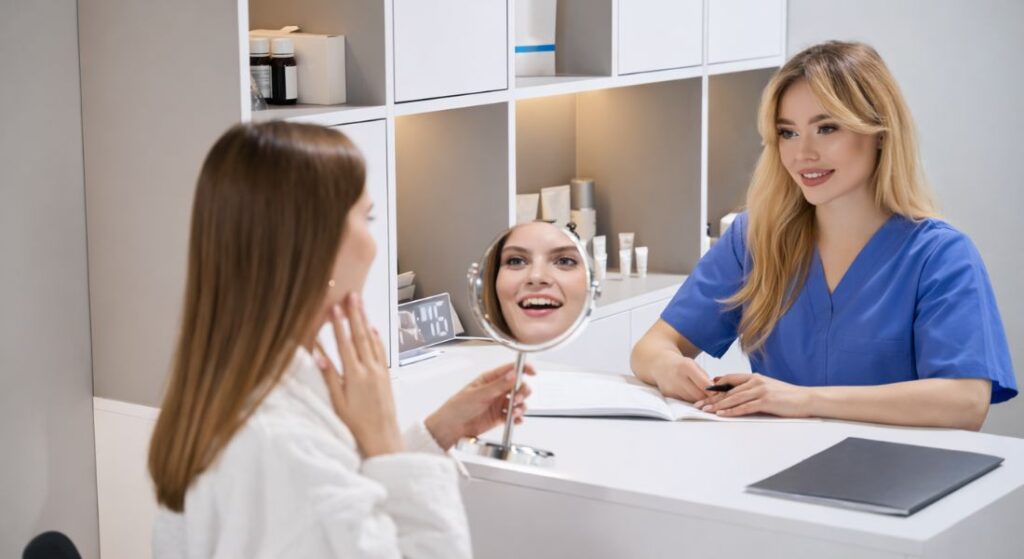
Collagen remodelling through CO₂ laser treatment does more than enhance appearance it can positively influence how you feel about yourself. Gradual and natural improvements help patients notice subtle changes over time, which often leads to a sense of confidence and satisfaction. Understanding this slow, progressive process can help manage expectations and improve overall treatment experience.
Many patients report feeling more youthful and vibrant as their skin texture, firmness, and tone improve. These visible changes often translate into increased comfort in social and professional situations, allowing individuals to feel more confident in their appearance. The psychological impact of these improvements can be significant, even when changes are gradual.
Additionally, patients often develop a greater appreciation for the progressive nature of results. Knowing that skin is regenerating at a cellular level over weeks and months helps reinforce patience and realistic expectations. This underscores the importance of educating patients on the biological timeline of collagen remodelling and the dual-phase response of laser treatment.
FAQs
1. What is CO₂ laser resurfacing and how does it work?
CO₂ laser resurfacing delivers controlled thermal energy to the skin, denaturing collagen fibers and creating micro-injuries. This stimulates repair mechanisms, leading to collagen remodelling, neocollagenesis, and gradual skin rejuvenation.
2. How does CO₂ laser tighten the skin immediately?
The laser’s heat causes collagen fibers to contract as they denature, producing an immediate tightening effect. This initial improvement is followed by long-term structural benefits as new collagen forms and remodels over weeks and months.
3. What is neocollagenesis, and why is it important?
Neocollagenesis is the formation of new collagen fibers in the dermis. It strengthens the skin’s structure, improves elasticity, and enhances firmness, contributing to long-lasting and natural-looking rejuvenation.
4. How does CO₂ laser promote epidermal renewal?
The laser removes microcolumns of damaged epidermal tissue, prompting keratinocytes to proliferate and migrate. This smooths fine lines, evens skin tone, and improves surface texture over time.
5. What cellular mechanisms are involved in collagen remodelling?
Key processes include fibroblast activation (producing new collagen and elastin), matrix metalloproteinase (MMP) activity (clearing damaged collagen), and vascular support through angiogenesis to nourish regenerating tissue.
6. How long does it take to see results from CO₂ laser treatment?
Immediate results, like subtle skin tightening, appear within hours or days. More significant improvements develop gradually over weeks to months as collagen remodels and epidermal renewal progresses.
7. Is CO₂ laser treatment safe, and what is the recovery like?
When performed by an experienced clinician, it is generally safe. Temporary redness, swelling, flaking, or peeling is common. Recovery time varies with treatment depth, ranging from a few days for superficial treatments to over a week for deeper resurfacing.
8. Who is a suitable candidate for CO₂ laser resurfacing?
Healthy adults looking to reduce fine lines, wrinkles, scars, pigmentation issues, or improve skin firmness and texture are suitable candidates. Clinicians assess skin type, condition, and goals to customise treatment.
9. Can CO₂ laser be combined with other treatments?
Yes. Combining laser therapy with retinoids, growth factors, dermal fillers, or chemical peels can enhance collagen production, improve skin texture, restore volume, and address pigmentation for comprehensive rejuvenation.
10. How does CO₂ laser treatment benefit skin psychologically?
Gradual, natural improvements in skin texture, tone, and firmness boost confidence and satisfaction. Patients often feel more youthful and vibrant, appreciating the progressive, cellular-level regeneration over weeks and months.
Final Thoughts: Harnessing Collagen Remodelling for Lasting Skin Rejuvenation
CO₂ laser resurfacing works by precisely denaturing and remodelling collagen, stimulating fibroblast activity, neocollagenesis, and epidermal renewal. This dual-phase process delivers both immediate skin tightening and gradual improvements in texture, firmness, and overall skin quality. By targeting dermal structures while protecting surrounding tissue, the treatment achieves predictable, natural-looking results that continue to evolve over weeks and months.
If you’re considering C02 laser treatment in London, you can contact us at the London Medical & Aesthetic Clinic. Our clinicians tailor each treatment to your skin type, condition, and goals, ensuring safe, effective, and long-lasting rejuvenation.
Integrating CO₂ laser therapy into a broader skincare plan enhances outcomes, helping you maintain collagen health, optimise results, and enjoy smoother, firmer, and more resilient skin over the long term.
References
1. Orringer, J.S., Kang, S., Johnson, T.M., Karimipour, D.J., Hamilton, T., Hammerberg, C., Voorhees, J.J. & Fisher, G.J., 2004. Connective tissue remodeling induced by carbon dioxide laser resurfacing of photodamaged human skin, showing marked increases in procollagen and MMP expression during healing https://pmc.ncbi.nlm.nih.gov/articles/PMC10462835/
2. Ramsdell, W.M., et al., 2012. Fractional Carbon Dioxide Laser Resurfacing (PMC), a foundational review of mechanisms of CO₂ laser action, collagen denaturation, and prolonged neocollagenesis after treatment. https://pmc.ncbi.nlm.nih.gov/articles/PMC3580980/
3. Guo, H., et al., 2023. Dynamic panoramic presentation of skin function after fractional CO₂ laser treatment, reporting changes in collagen content, dermal structure, immune activation, and wound healing pathways following laser injury. https://pmc.ncbi.nlm.nih.gov/articles/PMC10462835/
4. Osman, M.A., 2024. Fractional Ablative Carbon Dioxide Laser versus other modalities (MDPI). Fractional CO₂ lasers create zones of controlled thermal damage that stimulate neocollagenesis as part of natural healing. https://www.mdpi.com/2079-9284/11/3/81
5. “Split‑Face” Evaluation of Collagen Changes Induced by Periorbital Fractional CO₂ Laser Resurfacing, 2021. Aesthetic Surgery Journal, showing increases in type I and III collagen after fractional CO₂ laser, and notes on collagen denaturation and stimulation of remodelling in dermal tissue https://academic.oup.com/asj/article/42/3/239/6383190