



Aesthetic medicine has evolved considerably over the past two decades, moving from treatments that primarily focused on filling lines to approaches that stimulate natural skin regeneration. One of the key innovations driving this change is Sculptra, a collagen-stimulating injectable.
Dr Ayham Al Ayoubi, a facial plastic surgeon with a strong interest in advanced aesthetic techniques, played a pivotal role in introducing Sculptra to London and the wider UK aesthetic community. His early adoption of regenerative injectable treatments helped bring new ideas and approaches into mainstream practice.
Unlike traditional fillers, these treatments do not simply replace lost volume. Instead, they encourage the skin to rebuild its own structure, promoting natural regeneration. This shift marked an important milestone in the development of modern aesthetic medicine, emphasising long-lasting, natural results.
The Early Evolution of Injectable Aesthetic Treatments
Injectable aesthetic treatments initially focused on filling wrinkles and restoring volume directly beneath the skin. Early dermal fillers were designed to occupy space and smooth visible lines, providing immediate results. While effective, these treatments primarily addressed surface-level concerns rather than the underlying causes of ageing.
As understanding of skin ageing advanced, practitioners began exploring treatments that target deeper biological processes. Ageing is driven by collagen loss, reduced elasticity, and structural changes in facial tissues. Treatments that stimulate collagen production therefore became a key area of interest.
This shift in focus led to the development of collagen-stimulating injectables. Rather than simply adding temporary volume, these treatments aim to activate the body’s natural regenerative processes, supporting long-term skin health and gradual, natural improvements in facial appearance.
What Is Sculptra?
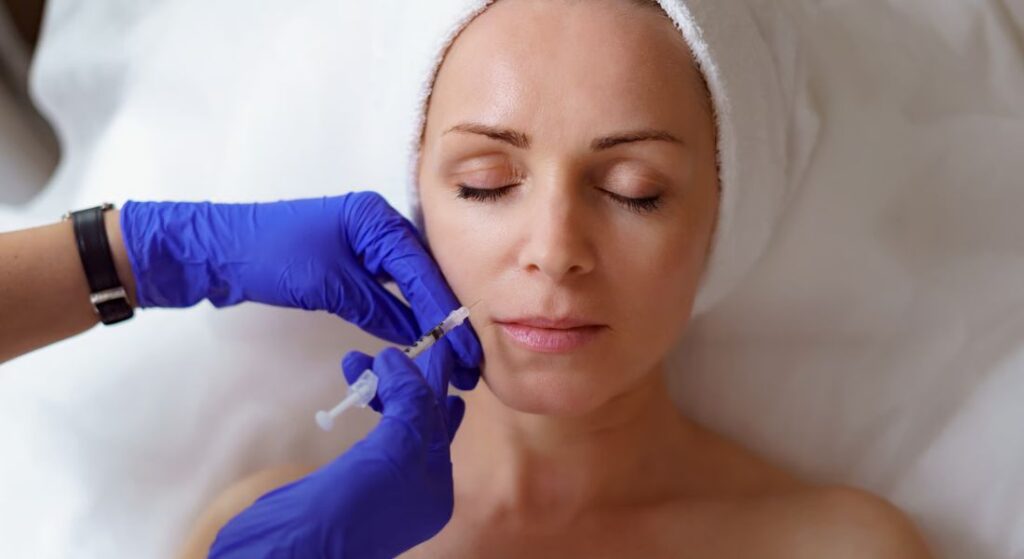
Sculptra is an injectable treatment composed of poly-L-lactic acid, a biocompatible substance that has been safely used in medical applications for many years. Unlike traditional dermal fillers, Sculptra works by stimulating the skin’s natural collagen production rather than simply adding volume. Over time, this process helps restore facial fullness and improve skin structure.
When injected beneath the skin, Sculptra triggers a regenerative response. Fibroblast cells are stimulated to produce new collagen gradually, which strengthens and thickens the skin over several weeks to months. This natural collagen growth supports long-lasting improvements in skin quality.
Because the results develop gradually, improvements appear subtly rather than instantly. This creates natural-looking enhancements that blend harmoniously with the patient’s own facial features, avoiding the artificial or overfilled appearance sometimes seen with traditional fillers.
The Role of Collagen in Facial Ageing
Collagen is a key protein in your skin, giving it strength, elasticity, and support. It helps your facial tissues stay firm and maintain a youthful appearance. As you age, your body naturally produces less collagen, which can affect your skin’s texture and volume.
When collagen levels drop, your skin can become thinner, and you may notice a loss of fullness in areas like the cheeks or under the eyes. This can lead to hollowing, sagging, and deeper lines forming. Restoring collagen helps improve your skin’s quality and structure while enhancing your overall facial contours.
Treatments that stimulate collagen, such as Sculptra, work by tackling the root cause of ageing. Instead of just covering wrinkles or adding temporary volume, they help your skin rebuild its own framework, giving you long-lasting, natural-looking rejuvenation.
Introducing Sculptra to London
When Sculptra first emerged in aesthetic medicine, it brought a new approach to facial rejuvenation. Rather than focusing on instant volume, it emphasised gradual structural improvement. This method relied on both skilled practitioners and patient understanding to achieve the best results.
Dr Ayham Al Ayoubi saw the potential of using collagen stimulation as part of a facial rejuvenation strategy. By introducing Sculptra to patients in London, he helped expand the range of non-surgical aesthetic treatments available. His work also raised awareness of the benefits of regenerative injectables.
As more practitioners began using collagen-stimulating treatments, interest in regenerative aesthetics grew. Encouraging the body to repair and rebuild its own structure became an increasingly important focus in modern aesthetic medicine, changing how facial rejuvenation is approached.
Why Regenerative Aesthetic Treatments Became Popular
You might prefer treatments that give natural-looking results rather than dramatic, sudden changes. Regenerative approaches, like collagen-stimulating injectables, support this by producing gradual, subtle improvements. Your face evolves over time, rather than appearing drastically altered.
Stimulating collagen also helps improve your skin’s quality as you heal. As collagen production increases, your skin becomes firmer, smoother, and more resilient, enhancing overall facial harmony.
The rising popularity of these treatments reflects changing expectations in aesthetic medicine. Many patients now prioritise results that look natural and age gracefully, blending seamlessly with their own features.
Dr Al Ayoubi’s Philosophy in Facial Rejuvenation
Dr Al Ayoubi focuses on achieving natural facial balance when planning treatments. Rather than targeting individual lines or wrinkles in isolation, he considers the overall structure of your face. This holistic approach ensures results that look harmonious and proportionate.
Collagen-stimulating treatments fit perfectly with this philosophy. By gradually restoring volume and improving contours, they enhance your features without creating an artificial or overfilled appearance. Subtle, measured changes often deliver the most elegant outcomes.
Achieving these results requires careful planning and expertise. A deep understanding of facial anatomy is essential to ensure treatments are both safe and effective, supporting natural-looking rejuvenation.
How Sculptra Treatments Work
Sculptra treatments are designed to stimulate natural collagen production and restore subtle volume to the face. The procedure involves injecting small amounts of poly-L-lactic acid into targeted areas using precise, specialised techniques. By placing the product beneath the skin, the treatment encourages the body to gradually generate new collagen in the treated regions, strengthening the underlying tissue and improving facial contours over time.
1. Precise injection of poly-L-lactic acid: The product is carefully administered in small amounts to ensure even distribution. Targeted placement allows for natural-looking enhancement without overfilling.
2. Collagen stimulation over time: Once injected, the body gradually produces new collagen around the particles. This process helps restore facial volume, firmness, and elasticity in the treated areas.
3. Gradual improvement: Because collagen builds slowly, results appear progressively rather than immediately. This gradual development creates a natural, refreshed appearance.
4. Multiple sessions may be recommended: Depending on the patient’s needs and desired results, several treatment sessions may be scheduled. Each session helps build collagen gradually, enhancing overall facial structure safely and subtly.
Sculptra works by harnessing the body’s own collagen production to restore volume and improve skin quality. Its gradual, natural approach allows patients to achieve long-lasting results with a refreshed, balanced appearance.
Areas Commonly Treated with Collagen-Stimulating Injectables
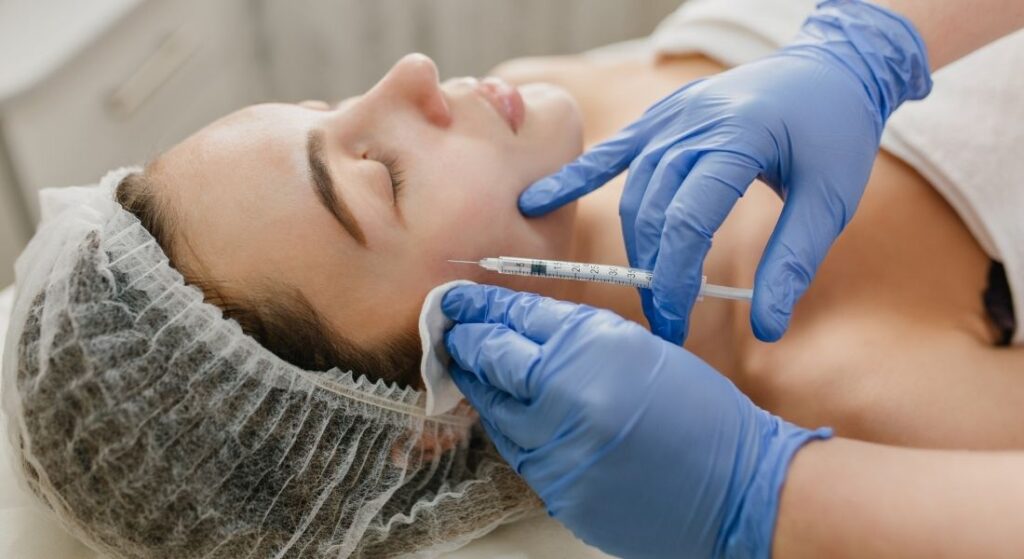
Sculptra and other collagen-stimulating injectables are commonly used to address areas of the face where volume loss has occurred. These treatments focus on restoring subtle structure rather than dramatically altering facial features. By enhancing collagen production in targeted regions, patients can achieve a more balanced and youthful appearance over time.
1. Cheeks and mid-face: The mid-face is a frequent site of collagen loss, particularly in the cheeks. Restoring volume here can lift and support the lower face, improving overall facial harmony.
2. Temples: Volume loss in the temples can create a hollowed or aged appearance. Sculptra can gently fill this area, providing subtle structural support and enhancing facial contours.
3. Jawline and lower face: The jawline may lose definition with age, leading to a less sculpted profile. Targeted injections can help strengthen the underlying structure, giving the face a more balanced and refined shape.
4. Tailored treatment plans: Each patient’s facial anatomy and aesthetic goals are carefully evaluated. Treatment areas and injection volumes are personalised to create natural-looking results while maintaining harmony with surrounding features.
Collagen-stimulating injectables are designed to restore structure gradually, enhancing facial balance and youthfulness without dramatic change. By targeting specific areas, treatments help achieve a refreshed appearance that looks natural and proportionate.
Gradual Results and Natural Outcomes
One of the key benefits of Sculptra is how gradually the results appear. As collagen production increases over time, improvements develop slowly, creating subtle changes rather than instant volume. This progressive transformation allows your face to evolve naturally.
Many patients find this gradual approach appealing. Because the changes happen over weeks and months, results often look more natural, and friends or family may notice a refreshed appearance without pinpointing a specific treatment.
This subtlety fits perfectly with modern aesthetic preferences. Achieving natural-looking results is often the main goal, helping you look rejuvenated without appearing overdone.
Treatment Staging and Planning
Collagen-stimulating treatments are usually carried out in stages rather than all at once. Spacing injections over time allows collagen to develop gradually, ensuring subtle and controlled improvements in your facial contours.
Dr Al Ayoubi tailors each treatment plan to your individual needs. Some patients may require multiple sessions to achieve the best results. This gradual approach helps maintain facial balance and avoid overcorrection.
Staging treatments also allows adjustments as your collagen builds. By monitoring progress and refining the plan, he ensures that outcomes remain natural and harmonious with your own features.
Safety and Medical Expertise
Injectable treatments demand a thorough understanding of facial anatomy to ensure safety and effectiveness. Using the correct technique is essential, and experienced practitioners deliver injections with precision and care.
Dr Al Ayoubi’s surgical background gives him an in-depth knowledge of facial structure. This expertise allows for careful treatment planning, minimising risks while achieving natural results. Safety is always the top priority.
You also benefit from having treatments performed in a clinical setting that follows strict medical standards. Professional supervision and sterile conditions further reduce potential complications, supporting a smooth and secure treatment experience.
The Science Behind Collagen Regeneration
Collagen regeneration is the key mechanism that makes Sculptra and other collagen-stimulating injectables effective. When fibroblast cells in the skin are activated, they begin producing new collagen fibres. This process strengthens the underlying tissue, improves skin elasticity, and restores subtle volume, enhancing the overall facial structure gradually over time.
1. Activation of fibroblasts: Fibroblast cells are responsible for producing collagen, the protein that provides structure and support to the skin. Stimulating these cells encourages the body to generate new collagen naturally.
2. Role of poly-L-lactic acid: The injected poly-L-lactic acid acts as a biostimulant, prompting fibroblasts to increase collagen production. This gradual stimulation strengthens the skin’s supportive layers and enhances facial contours.
3. Gradual thickening of tissue: As new collagen forms, the skin becomes firmer and more resilient. The process continues over several weeks, resulting in progressive improvement rather than an immediate effect.
4. Biological timing matters: Collagen regeneration relies on the body’s natural processes, which cannot be rushed. Understanding this helps patients appreciate why results develop slowly and why multiple treatment sessions may be recommended.
By harnessing the body’s own collagen-building mechanisms, Sculptra provides subtle, long-lasting improvements in skin structure and facial contours. Patience is key, as the gradual nature of collagen regeneration ensures natural-looking, durable results.
Patient Expectations and Education
With Sculptra, results develop gradually, so understanding the process is important. You need to know that improvements won’t appear immediately; they usually become noticeable over several weeks as collagen builds.
Dr Al Ayoubi focuses on setting realistic expectations during your consultation. He explains the treatment timeline and what results you can reasonably expect. Clear communication helps you feel confident and informed about the process.
When you understand how the regenerative process works, you’re more likely to appreciate the subtle, natural improvements that develop over time. This awareness supports satisfaction with your final results.
The Influence on Modern Aesthetic Medicine
The arrival of collagen-stimulating injectables like Sculptra helped change the focus of aesthetic medicine. Practitioners began prioritising skin regeneration rather than just temporary volume replacement, emphasising longer-term improvements in skin quality and structure.
Today, many modern treatments incorporate these regenerative principles. Energy-based devices and biostimulatory injectables are now commonly used to support tissue renewal and maintain natural results. The field continues to evolve rapidly.
Sculptra played a key role in this shift. Its ability to stimulate collagen inspired new treatment concepts and helped establish the importance of regenerative approaches in contemporary aesthetic practice.
Combining Treatments for Balanced Results
Collagen-stimulating treatments like Sculptra can be combined with other aesthetic procedures to achieve more comprehensive facial rejuvenation. By integrating treatments such as dermal fillers, skin resurfacing, or laser therapy, multiple aspects of facial ageing can be addressed simultaneously, creating a more harmonious and refreshed appearance.
1. Complementary dermal fillers: While Sculptra gradually restores structure, dermal fillers can provide immediate volume in targeted areas. Combining these treatments allows for both short-term enhancement and long-term collagen regeneration.
2. Skin resurfacing and laser treatments: Procedures that improve skin texture, tone, and elasticity can enhance the effects of collagen stimulation. These complementary treatments help achieve smoother, more youthful-looking skin.
3. Personalised combination plans: Dr Al Ayoubi evaluates each patient individually to determine which combination of treatments will produce the best results. Treatment plans are tailored to the patient’s anatomy, concerns, and aesthetic goals.
4. Achieving balanced facial harmony: Combining procedures strategically ensures that enhancements look natural and proportional. Integrated treatment approaches often provide the most refined, subtle, and satisfying outcomes.
By carefully combining collagen-stimulating injections with complementary treatments, patients can achieve balanced, long-lasting improvements. Personalised planning and expert execution ensure that results are natural, harmonious, and tailored to each individual’s needs.
Long-Term Effects of Collagen Stimulation
The collagen that develops from Sculptra treatment can remain in your skin for a long time, helping to maintain improved structure and firmness. In many cases, these effects last longer than those from traditional dermal fillers.
It’s important to remember that natural ageing continues over time. Occasional maintenance treatments may be recommended to support collagen levels and preserve results.
Planning for the long term ensures that your outcomes stay natural and balanced. By maintaining the regenerative effects, you can enjoy subtle, lasting improvements in your skin’s quality and appearance.
The Importance of Practitioner Expertise
Collagen-stimulating injectables, such as Sculptra, demand specialised knowledge and experience to achieve safe and natural-looking results. Correct dilution and precise injection technique are crucial for even distribution and gradual collagen stimulation. Expertise ensures that enhancements enhance the face subtly without creating overfilled or uneven areas.
1. Proper injection technique: The way the product is administered affects both safety and aesthetic outcome. Skilled practitioners place injections carefully to stimulate collagen effectively while maintaining natural contours.
2. Avoiding overcorrection or irregularities: Experienced professionals know how to balance treatment volumes and target areas accurately. This reduces the risk of lumps, asymmetry, or overfilled results.
3. Medical knowledge is essential: Understanding facial anatomy, patient-specific needs, and potential risks is critical for safe and effective treatments. Practitioners must also manage any complications promptly if they arise.
4. Choosing a qualified professional: Patients should prioritise certified and experienced practitioners for any aesthetic injectable. Expertise directly influences both the safety of the procedure and the quality of results.
By selecting a highly skilled and knowledgeable practitioner, patients can achieve smooth, natural improvements while minimising risk. Professional expertise is key to ensuring that collagen-stimulating treatments are both effective and safe.
Advances in Biostimulatory Treatments
Since Sculptra was introduced, research into biostimulatory injectables has grown significantly. New products and techniques are continually being developed, all aimed at encouraging tissue regeneration and improving skin quality.
Modern aesthetic medicine increasingly focuses on these regenerative strategies. By stimulating collagen, treatments help restore the skin’s structure rather than simply covering up signs of ageing, aligning with today’s preference for natural, long-lasting results.
As scientific understanding progresses, the field continues to evolve. Innovations in biostimulatory treatments offer safer, more effective, and subtle options for facial rejuvenation.
Why Patients Value Natural-Looking Results

Many patients today prefer treatments that enhance their appearance without obvious signs of cosmetic work. Gradual collagen stimulation supports this by producing subtle, balanced improvements over time.
Natural-looking results help boost confidence while preserving your unique features. You feel refreshed and rejuvenated rather than dramatically changed, which aligns with modern aesthetic ideals.
By prioritising harmony and proportion, these treatments often deliver the most satisfying outcomes. Subtle enhancements allow you to maintain a natural, authentic appearance while benefiting from rejuvenation.
The Continuing Role of Regenerative Aesthetics
Regenerative aesthetics is increasingly shaping the future of cosmetic medicine. Treatments that encourage the body’s own repair processes are becoming more popular, focusing on long-term improvements rather than temporary fixes.
Sculptra continues to play a key role in this evolving field. By stimulating collagen production, it supports structural rejuvenation and helps the skin maintain its natural strength and firmness. This regenerative approach reflects the direction of modern aesthetic practice.
As research progresses, regenerative treatments are likely to become even more refined. You can expect safer, more effective options that deliver subtle, lasting, and natural-looking results.
FAQs:
1. What is Sculptra and how does it differ from traditional dermal fillers?
Sculptra is an injectable treatment made from poly‑L‑lactic acid that stimulates the skin’s natural collagen production rather than simply filling lines or restoring volume instantly. Traditional dermal fillers temporarily occupy space beneath the skin to smooth wrinkles or add volume, whereas Sculptra encourages the body to rebuild its structural support over time, resulting in gradual and more natural‑looking improvements.
2. Why is collagen important in facial ageing?
Collagen is a key structural protein that provides strength, elasticity, and support to the skin. As we age, collagen production declines, leading to thinning skin, volume loss, and the appearance of deeper lines. Stimulating collagen helps rebuild the skin’s framework, improving skin quality and facial structure rather than just masking the visible signs of ageing.
3. How does Sculptra work once it is injected into the skin?
When Sculptra is injected beneath the skin, it triggers a regenerative response in which fibroblast cells are activated to produce new collagen over several weeks. This gradual increase in collagen strengthens the skin’s supportive layers and helps restore volume in target areas. Results therefore develop progressively rather than appearing immediately after the treatment.
4. What areas of the face can benefit from Sculptra treatments?
Sculptra is commonly used to address volume loss in the mid‑face, particularly in the cheeks, where age‑related collagen loss can create hollowing. Other areas such as the temples, jawline, and lower face can also benefit from collagen stimulation to improve overall facial balance and harmony. Treatment plans are personalised to each patient’s unique anatomy and aesthetic goals.
5. Why did regenerative aesthetic treatments like Sculptra become popular?
Regenerative aesthetic treatments gained popularity because many patients prefer natural‑looking improvements that evolve gradually rather than dramatic changes that are immediately visible. Sculptra’s focus on stimulating the body’s own repair mechanisms aligns with this desire for subtle, harmonious results. The improvement in skin quality over time also contributes to its appeal among people seeking long‑lasting, natural rejuvenation.
6. How did Dr Ayham Al Ayoubi contribute to the introduction of Sculptra in the UK?
Dr Ayham Al Ayoubi was an early adopter of collagen‑stimulating injectable treatments such as Sculptra in London and the broader UK aesthetic community. By recognising the potential of regenerative approaches and offering them to patients, he helped expand awareness and acceptance of these treatments among practitioners and patients, contributing to the broader integration of regenerative injectables into modern aesthetic practice.
7. What can patients expect in terms of the timeline and results after Sculptra treatment?
Unlike traditional fillers, results from Sculptra do not appear immediately. Improvements typically become visible gradually over several weeks as collagen builds in the treated areas. Some patients may require multiple sessions to achieve optimal outcomes, and the gradual nature of the treatment makes changes subtle and natural‑looking rather than sudden.
8. Are there safety considerations with Sculptra treatments?
Yes, safety is an important consideration with any injectable treatment. Sculptra requires precise technique and thorough understanding of facial anatomy, ensuring the product is placed correctly to stimulate collagen without causing irregularities. An experienced and qualified practitioner such as Dr Al Ayoubi helps ensure that treatments are performed in a clinical environment with appropriate medical standards, reducing risks and improving outcomes.
9. Can Sculptra be combined with other aesthetic treatments?
Sculptra can be combined with other aesthetic procedures when appropriate, such as dermal fillers, skin resurfacing, or laser therapies, to address multiple aspects of facial ageing. Combining treatments allows practitioners to tailor a comprehensive rejuvenation plan that enhances structural support, skin quality, and overall facial harmony. Decisions about combination therapy depend on each patient’s needs and aesthetic goals.
10. How long do Sculptra results last?
The collagen that develops in response to Sculptra treatment can remain in the skin for extended periods, supporting improved structure and firmness. Because the treatment stimulates the body’s natural processes, results often last longer than those from traditional dermal fillers. However, natural ageing continues over time, and occasional maintenance sessions may be recommended to sustain collagen levels and long‑term outcomes.
Final Thought: Sculptra and Collagen-Stimulating Treatments
Sculptra represents a significant shift in modern aesthetic medicine, moving the focus from temporary correction to long-term regeneration. By stimulating collagen production, it helps restore facial structure gradually, delivering natural-looking results that evolve over time. Dr Ayham Al Ayoubi’s early adoption and introduction of these treatments to London played a key role in expanding awareness and acceptance of regenerative injectables in the UK. If you’re considering a sculptra treatment in london, you can contact us at the London Medical & Aesthetic Clinic.
References:
1. Fabi, S., Hamilton, T., LaTowsky, B., Kazin, R., Marcus, K., Mayoral, F., Joseph, J., Hooper, D., Shridharani, S., Hicks, J. and Brasater, D., 2024. Available at: https://pubmed.ncbi.nlm.nih.gov/38206151/
2. Lacombe, V., 2009. Sculptra: a stimulatory filler. Facial Plastic Surgery, 25(2), pp.95–99. Available at: https://pubmed.ncbi.nlm.nih.gov/19415576/
3. Innocenti, A., Battistella, T., Di Gregorio, C., Leporati, M., Luni, M. and Rossati, L., 2025. Injectable poly‑L‑lactic acid (PLLA‑SCA™) as a versatile treatment in current aesthetic medicine: expert recommendations based on Italian clinical experience. Cosmetics, 12(6), p.264. Available at: https://www.mdpi.com/2079-9284/12/6/264
4. Safety of the immediate reconstitution of poly‑L‑lactic acid for facial and body treatment — a multicenter retrospective study. Journal name not available. Available at: https://pmc.ncbi.nlm.nih.gov/articles/PMC11626369/
5. Haddad, A., Avelar, L., Fabi, S.G., Sarubi, J., Somenek, M., Coimbra, D.D., Palm, M., Durairaj, K.K., Somji, M., Vasconcelos‑Berg, R., et al., 2026. Physicochemical properties of two poly‑L‑lactic acid injectable implants: potential impact on their biological properties, Cosmetics, 13(1), p.18. https://www.mdpi.com/2079-9284/13/1/18