


Crepey skin is something you might start to notice as you get older. It often looks thin, wrinkled, and slightly loose, almost like crepe paper. These changes usually happen because of natural ageing, sun exposure, and a drop in collagen levels in your skin.
As your collagen declines, your skin gradually loses firmness and elasticity. Areas like your eyelids, neck, arms, and chest are more prone to developing crepey skin since the skin there is naturally thinner. You may be looking for ways to restore smoothness and improve the overall feel of your skin.
One of the treatments people often discuss is fractional CO₂ laser therapy. This technology works by stimulating collagen production deep within your skin. The idea is to strengthen the skin’s structure and gradually reduce the appearance of crepey texture.
If you’re considering this treatment, it could help improve firmness and smoothness over time. Your dermatologist can guide you on whether it’s suitable for your skin type and which areas could benefit most. With the right approach, you may notice a visible improvement in texture and overall skin tone.
What Is Crepey Skin?
Crepey skin is a term used to describe skin that looks thin, finely wrinkled, and a little saggy. You might notice it feels delicate, almost like crepe fabric, which is where the name comes from. This usually happens as your skin starts to lose collagen and elastin, two key proteins that keep it strong and flexible.
Collagen gives your skin strength and firmness, while elastin helps it stay flexible and bounce back. When these start to decline, your skin can feel more fragile and less supportive. You may notice it looks thinner and less plump than before.
Over time, the outer layers of your skin can appear loose and develop fine wrinkles. This is often most noticeable in areas where the skin is naturally thinner, like around your eyes, neck, and arms. Recognising these changes early can help you explore ways to maintain smoother, healthier-looking skin.
Why Crepey Skin Develops
There are several reasons why you might develop crepey skin. One of the main causes is natural ageing, as your collagen production slowly decreases over time. This gradual decline can weaken the supportive framework of your skin, making it look thinner and more fragile.
Sun exposure is another big factor to consider. Ultraviolet (UV) rays can damage collagen fibres and speed up the ageing process. Over the years, this can lead to thinning skin and the appearance of fine wrinkles, especially in areas frequently exposed to the sun.
Your lifestyle can also play a role in how your skin ages. Factors like dehydration, smoking, and poor nutrition may affect your skin’s strength and elasticity. These influences can further weaken your skin barrier, making crepey texture more noticeable over time.
How CO₂ Laser Technology Works
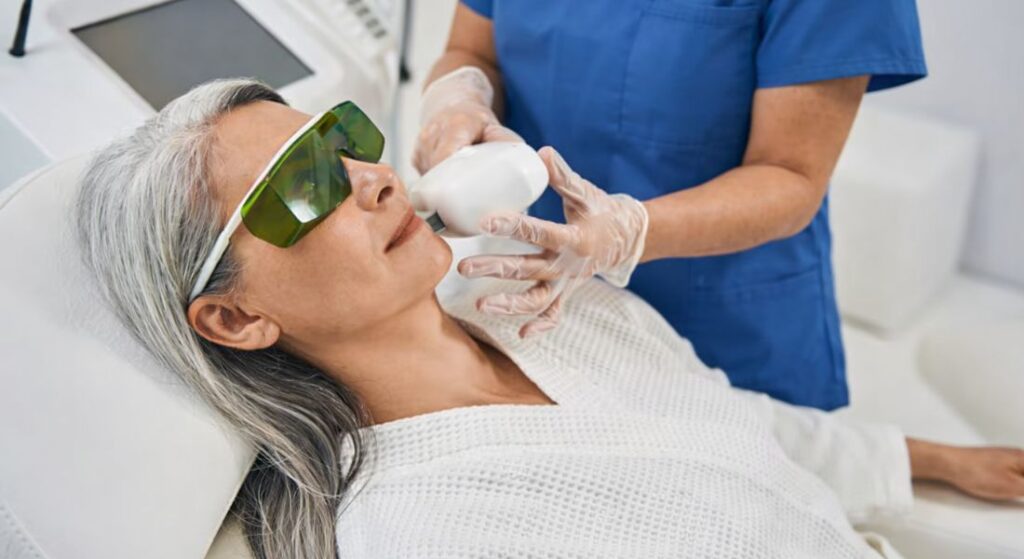
Fractional CO₂ laser is a resurfacing treatment that works by delivering controlled laser energy to the skin. It creates tiny columns of thermal injury, which may sound intense, but these small zones actually trigger your body’s natural healing process. As your skin begins to repair itself, new collagen is produced, helping to improve overall skin structure and firmness.
The laser also targets damaged outer layers of your skin. By removing these, the treatment can improve skin texture and even out your tone. At the same time, deeper layers of your skin are stimulated to regenerate, which may help reduce fine lines, wrinkles, and scarring over time.
Because the treatment is fractional, only small areas of your skin are treated at once. This approach leaves surrounding tissue intact, which supports quicker healing and reduces downtime. You’re essentially getting the benefits of laser resurfacing without overwhelming your skin.
Over a series of sessions, the cumulative effect of fractional CO₂ laser treatment can be significant. Your skin may look smoother, more even, and rejuvenated. With proper care, this technology can provide lasting improvements while allowing your skin to recover safely between treatments.
Collagen Stimulation and Skin Renewal
Collagen stimulation is the main reason CO₂ laser treatments can improve crepey or sagging skin. When your skin experiences controlled thermal injury from the laser, fibroblast cells are activated. These cells are responsible for producing collagen, which is essential for skin strength and elasticity.
As your collagen levels increase, your skin gradually becomes firmer and thicker. This can help smooth out fine wrinkles and make your skin texture appear more even. Over time, you may notice a visible improvement in the overall look and feel of your skin.
The process of collagen regeneration doesn’t stop immediately after treatment. It continues for several weeks, which means gradual improvement is completely normal. With patience and proper aftercare, you may enjoy long-lasting results that keep your skin looking rejuvenated.
Why Fractional Technology Is Effective
Fractional laser technology is effective because it treats your skin in a pattern of tiny, microscopic columns. These columns reach down into the dermis, while the surrounding tissue remains untouched. By leaving healthy skin in between, your skin is able to heal faster compared with older, more aggressive laser methods.
Because some areas of your skin remain untreated, your body can use the surrounding healthy tissue to help repair the treated zones. This means your skin recovers more efficiently and you may experience less downtime. At the same time, the laser still stimulates collagen production to improve firmness and texture.
Another advantage is the level of control fractional technology offers. Your dermatologist can adjust the depth and intensity of the laser to match your skin type and condition. This precision makes the treatment safer and more effective for you.
Overall, fractional lasers provide a balance between powerful results and manageable recovery. You get the benefits of skin rejuvenation while your skin is supported to heal naturally, making it a popular choice for a wide range of concerns.
Areas Where Crepey Skin Often Appears
Crepey skin is most likely to develop in areas where the skin is naturally thin and delicate. These regions are more prone to losing elasticity and showing fine lines as you age. By understanding where crepey skin commonly appears, you can better target treatments and preventative measures to maintain smoother, healthier-looking skin.
1. Eyelids and Around the Eyes: The skin around your eyes is particularly delicate and thin, which makes it one of the first areas to show ageing changes. Crepey texture here can appear as fine lines or a slightly wrinkled surface. Because this skin is sensitive, treatments often need to be gentle and carefully customised to avoid irritation.
2. Neck and Chest: The neck and chest are frequently affected by crepey skin, partly due to chronic sun exposure. Ultraviolet (UV) light accelerates collagen breakdown, making these areas prone to fine lines and sagging. When you include these regions in your skincare routine or treatment plan, you can often prevent further loss of firmness.
3. Upper Arms and Knees: Crepey skin can also develop on the upper arms and the knees, where the skin tends to be thinner and more prone to stretching. You may notice a delicate, creased appearance in these areas, especially as you age or if skin elasticity decreases over time.
4. Other Common Areas: While less frequent, crepey texture may appear on other thin-skinned areas such as the hands or around the collarbone. Dermatologists often evaluate these regions when planning treatments to ensure that you achieve consistent, natural-looking results.
Focusing on these areas helps your dermatologist create a targeted plan to improve skin texture and elasticity. With the right combination of treatments and daily care, you can reduce the appearance of crepey skin and support healthier, firmer-looking skin overall.
Which Areas Respond Best to CO₂ Laser
Certain areas of your skin tend to respond particularly well to fractional CO₂ laser treatment. The face is one of the most common areas treated, as collagen regeneration can noticeably improve texture and firmness. Fine lines and crepey skin on your face may appear smoother after a series of treatments.
Your neck and chest are other areas that can benefit from this technology. These regions often show early signs of sun damage and collagen loss, so laser resurfacing can help improve both tone and elasticity. You may notice your skin looking firmer and more even after treatment.
In some cases, your dermatologist might also recommend treating your arms or hands. These areas can show signs of ageing or sun exposure, and laser therapy may help rejuvenate them. The decision usually depends on your skin condition and personal goals.
Ultimately, which areas are treated will be tailored to your needs. Your dermatologist can guide you on the most effective approach, ensuring that the results are safe, targeted, and aligned with what you hope to achieve.
The Treatment Process
CO₂ laser treatments are usually carried out in a clinic by trained professionals. Before the procedure, your dermatologist may apply a topical anaesthetic to make you more comfortable. The laser is then used to deliver precise energy to the targeted areas of your skin.
During the treatment, the laser creates tiny microscopic zones across your skin. These zones stimulate collagen production and encourage natural skin renewal. Depending on the area being treated, the procedure usually takes less than an hour, so it’s relatively quick.
After the session, your skin begins its natural healing process. Over the following weeks, you may notice gradual improvements in texture, firmness, and overall appearance. With proper aftercare, the results can continue to develop and last over time.
What Patients Experience During Recovery
Recovery after fractional CO₂ laser treatment can vary depending on how intense your procedure was. You may notice redness, swelling, or mild sensitivity immediately afterwards, which is completely normal. These reactions are part of your skin’s natural healing process.
In the days that follow, your skin may develop tiny scabs or start to flake as the outer layer renews itself. Using the right skincare products can help support this process and reduce discomfort. Your dermatologist will usually give you detailed aftercare instructions to make sure your skin heals safely.
As your skin regenerates, you’ll likely start to see gradual improvements in texture and tone. Collagen production continues beneath the surface even after the visible signs of healing have passed. Over time, this can lead to firmer, smoother, and healthier-looking skin.
Gradual Improvements in Skin Texture
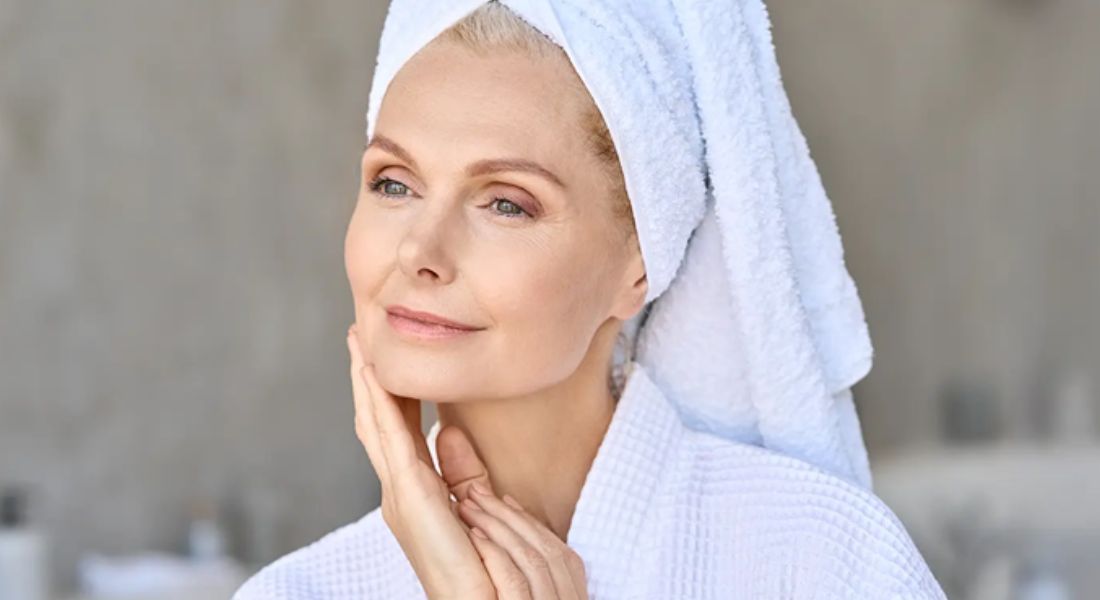
One of the main benefits of CO₂ laser treatment is that you’ll see gradual improvement over time. Because collagen takes a while to regenerate, the full effects of your treatment may only become noticeable over several weeks. Many people notice subtle, progressive changes as their skin begins to recover.
As your new collagen forms, your skin may feel firmer and look smoother. Fine lines and crepey areas could become less noticeable, giving your skin a more youthful appearance. These improvements continue naturally as your skin rebuilds itself.
The gradual nature of these changes helps your results appear natural. Often, subtle enhancements are the most aesthetically pleasing, allowing your skin to look refreshed without appearing overdone. Over time, you may enjoy smoother, healthier-looking skin that develops in a way that feels effortless.
Who May Be a Suitable Candidate
CO₂ laser treatment is often most suitable for patients with mild to moderate crepey skin. If you’re looking to improve skin texture and firmness without undergoing surgery, this could be a good option for you. It’s important that your skin is generally healthy and that you have realistic expectations about the results.
A consultation with your dermatologist can help determine if the treatment is right for you. They will assess your skin, review your medical history, and discuss your goals. This ensures that any treatment you receive is both safe and effective.
Some skin conditions or certain medications may affect whether CO₂ laser is suitable. That’s why it’s essential to seek professional guidance before deciding on treatment. Your dermatologist can help you understand the risks and benefits for your individual situation.
Combining CO₂ Laser With Other Treatments
When you’re looking to improve your skin, CO₂ laser treatment can sometimes be even more effective when combined with other procedures. By pairing the laser with complementary therapies, you may address multiple concerns at once, achieving smoother, firmer, and more youthful-looking skin. Combination treatments are always tailored to your individual needs, ensuring that the results appear natural and balanced.
1. Enhancing Collagen with Skin Tightening Treatments: CO₂ laser stimulates collagen production and improves skin texture, but some areas may also benefit from additional skin-tightening procedures. Treatments using radiofrequency or ultrasound can work alongside the laser to firm the skin, enhancing overall results. For you, this means more noticeable improvement in skin elasticity and tone.
2. Restoring Volume with Injectable Therapies: Dermal fillers or other injectables can complement laser treatments by restoring areas of lost volume. While the laser focuses on resurfacing and texture, fillers can address hollows, fine lines, or sagging. Together, these approaches create a more harmonious and youthful appearance.
3. Targeting Multiple Skin Concerns Simultaneously: Combination therapy allows dermatologists to tackle more than one issue in a single treatment plan. For example, fine lines, uneven texture, and mild laxity can all be addressed with a customised approach. This strategy often delivers results that feel natural rather than overtreated.
4. Personalised Planning for Safe and Natural Results: Your dermatologist carefully assesses your skin type, concerns, and goals before recommending combination treatments. The timing, sequence, and intensity of each procedure are personalised to you, ensuring maximum benefit while minimising downtime and potential side effects.
By combining CO₂ laser with other treatments, you may achieve more comprehensive improvements than with a single procedure alone. When planned thoughtfully, these approaches work together to enhance texture, tone, and volume, giving your skin a refreshed and balanced appearance.
The Role of Skin Care After Treatment
Taking care of your skin after CO₂ laser treatment is really important for a smooth recovery. Gentle cleansing and regular moisturising can help protect your healing skin. Your dermatologist may also recommend specific products to support the process and keep your skin comfortable. Sun protection is especially crucial once you’ve had laser treatment. Your skin can be more sensitive to UV rays, so applying sunscreen daily can help prevent damage and protect the results of your treatment.
Even brief sun exposure can affect healing, so it’s best to be cautious. Following the right skincare routine can also support collagen production beneath the surface. By looking after your skin properly, you can help maintain the improvements achieved with the laser and enjoy longer-lasting, smoother, and firmer skin.
The Importance of Sun Protection
Sun exposure is one of the main causes of collagen breakdown in your skin. Protecting your skin from ultraviolet (UV) rays is key to preserving the results of CO₂ laser treatment. Applying sunscreen regularly is essential to keep your skin healthy and maintain the improvements from your procedure.
Using a broad-spectrum sunscreen is important because it shields your skin from both UVA and UVB rays. You should reapply it throughout the day for continued protection. Wearing hats and protective clothing can also help reduce sun exposure and support your skin’s recovery.
By taking these precautions, you can help prevent further sun damage and support healthy skin ageing. These habits make it easier to maintain smoother, firmer skin over time, keeping your results looking their best.
Potential Benefits Beyond Crepey Skin
CO₂ laser treatments can offer more than just improvements for crepey skin. You may also notice a reduction in fine lines and an overall improvement in skin tone. Some patients even report clearer, brighter-looking skin after their sessions.
The procedure can also help with certain types of scars or uneven texture. As your skin regenerates, these areas may become smoother and more even. The stimulation of collagen plays a key role in these improvements.
Because the treatment encourages your skin’s natural renewal process, several aspects of your skin’s quality can improve at the same time. You may see firmer, more radiant skin in addition to smoother texture.
Overall, CO₂ laser resurfacing can be a versatile option if you’re looking to address multiple skin concerns. With the right treatment plan, you could enjoy noticeable improvements across a range of issues, helping your skin look healthier and more youthful.
Safety and Medical Supervision
CO₂ laser treatments should always be carried out by qualified medical professionals. Proper training means the laser is used safely and effectively, reducing the risk of complications. If the settings are incorrect, it could lead to unwanted side effects or damage to your skin.
Your dermatologist will know how to adjust the treatment based on your skin type and condition. Using careful technique helps lower risks and ensures better results. This way, you can feel confident that your safety is the top priority during the procedure.
Before any treatment, a professional consultation will make sure the plan is suitable for you. Expert supervision throughout the process supports successful outcomes and helps achieve the best possible results.
Long-Term Skin Improvements
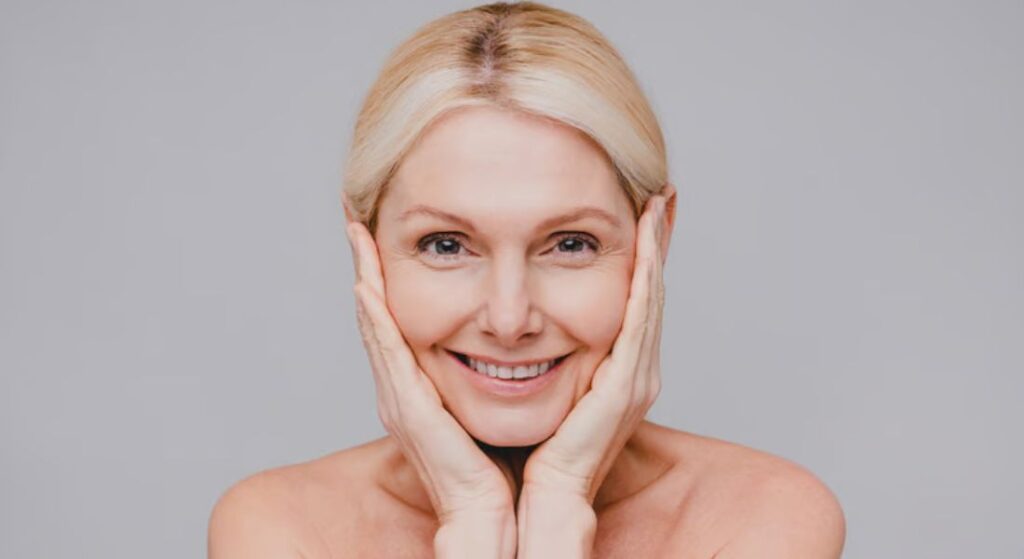
When it comes to long-term skin improvements, you’ll find that collagen regeneration doesn’t stop once the initial healing period is over. As new collagen fibres form and strengthen your skin, you may notice your skin texture improving gradually. These changes often continue for several months, so you can expect results to keep evolving over time.
To support these improvements, it really helps if you maintain healthy skin habits. Staying hydrated, eating a balanced diet, and protecting your skin from the sun all play a big role in keeping your skin looking its best. These simple practices work alongside professional treatments to give you better overall results.
It’s also important to remember that long-term improvements depend on both your treatments and your lifestyle choices. Even the most advanced procedures will benefit from the care you give your skin at home. By combining professional care with good habits, you’re more likely to enjoy lasting results.
Ultimately, consistent care is key. If you stick to healthy routines and follow your dermatologist’s advice, you can help maintain the improvements you’ve worked hard to achieve. Over time, you’ll see that your skin continues to look healthier, smoother, and more radiant.
Advances in Laser Skin Treatments
Laser technology is constantly evolving, and you’ll find that modern fractional lasers offer far greater precision and control than older systems. This means your dermatologist can target specific skin concerns more effectively, whether it’s fine lines, scarring, or uneven texture. These advances can help you achieve better results with treatments that are tailored to your skin’s needs.
You’ll also notice that recovery times have improved, and treatments are generally more comfortable than before. Newer lasers can focus on specific layers of your skin while protecting the surrounding tissue, which makes procedures safer for you. As research continues, laser treatments are likely to become even more refined, helping to boost collagen and improve your skin’s overall appearance over time.
Realistic Expectations From Treatment
When it comes to CO₂ laser treatments, it’s important for you to have realistic expectations. While these treatments can improve crepey skin, results can vary depending on your skin condition, age, and lifestyle. The aim is usually noticeable improvement rather than perfection, so it helps to focus on gradual changes rather than expecting a complete transformation.
You may need multiple treatment sessions to achieve the best results. Often, gradual improvement gives the most natural-looking outcome, and your dermatologist will guide you on the ideal plan for your skin. Talking through your goals and what’s achievable during your consultation can make a big difference in feeling confident about the process.
Understanding how the treatment works helps you make informed decisions and feel more comfortable with the journey. When you have realistic expectations, you’re more likely to be satisfied with the results and enjoy the benefits over the long term.
The Growing Interest in Skin Regeneration
You may have noticed that aesthetic medicine is increasingly leaning towards regenerative treatments. Rather than just covering up signs of ageing, these therapies focus on helping your skin renew itself naturally. CO₂ laser treatments are a great example, as they work with your skin to stimulate its own repair processes.
By boosting collagen production, these treatments help strengthen your skin from the inside out. This means they don’t just improve how your skin looks they also tackle some of the underlying causes of ageing. Many people really value treatments that enhance both the health and appearance of their skin.
Regenerative approaches are set to stay at the heart of aesthetic dermatology. With ongoing research, you can expect even more possibilities in the future, giving you a wider range of ways to support your skin’s natural vitality.
FAQs:
1. What is crepey skin?
Crepey skin is when your skin looks thin, wrinkled, and a bit loose, almost like crepe paper. It happens as collagen and elastin decline with age or sun exposure. You might notice it on your eyelids, neck, arms, or chest, where skin is naturally thinner.
2. Can CO₂ laser really improve crepey skin?
Yes! Fractional CO₂ laser helps your skin produce new collagen, which strengthens and firms the skin. Over time, you may notice smoother texture, reduced fine lines, and a more even tone.
3. How does the treatment work?
The laser creates tiny, controlled zones in your skin, prompting natural healing. Your body responds by making collagen and renewing skin layers. Because it treats only small areas at a time, your skin recovers faster with minimal downtime.
4. Which areas respond best?
The face, neck, and chest often show the most noticeable improvement. Arms, hands, and eyelids can also benefit. Your dermatologist will help decide which areas will respond best for you.
5. Is CO₂ laser safe?
When done by a trained professional, it’s very safe. Your dermatologist will customise settings for your skin type and monitor you through the procedure. Following aftercare and sun protection is essential for the best results.
6. How long until I see results?
Improvements happen gradually over several weeks as collagen builds up. You’ll notice your skin becoming firmer, smoother, and healthier-looking over time.
7. Can I combine it with other treatments?
Yes, CO₂ laser works well with other therapies like skin-tightening treatments or dermal fillers. This can help improve firmness, tone, and volume for a more balanced, youthful look.
8. Do I need special care after treatment?
You should follow gentle cleansing, moisturising, and sun protection routines. Protecting your skin helps healing and maintains the improvements from your treatment.
9. Who is a good candidate?
If you have mild to moderate crepey skin and generally healthy skin, you may be suitable. A consultation with your dermatologist will help ensure it’s safe and right for you.
10. What results can I realistically expect?
You can expect gradual, noticeable improvement rather than perfection. Multiple sessions may be needed, and your dermatologist will guide you on what’s achievable for your skin.
Final Thoughts: Gentle Renewal with CO₂ Laser
Fractional CO₂ laser treatment offers a smart, thoughtful way to tackle crepey skin. By stimulating your body’s own collagen production, it gradually strengthens and firms your skin, helping to smooth fine lines and improve texture without drastic, artificial changes. For you, this means subtle, natural-looking results that develop over time, letting your skin regain a healthier, more youthful feel.
What makes CO₂ laser especially effective is its precision. By targeting only small areas at a time, it supports faster healing while leaving surrounding skin intact, so you can enjoy improvements with minimal downtime. Pairing it with complementary treatments, like skin-tightening procedures or dermal fillers, can enhance the results even further, giving you a balanced, refreshed look that works with your natural contours.
If you’re thinking about CO₂ laser treatment in London, you can get in touch with us at the London Medical & Aesthetic Clinic. Speaking with an experienced specialist ensures your skin is assessed carefully, your options clearly explained, and your treatment planned safely to achieve the best possible results.
References:
1. Ptaszek, B. (2025) ‘The use of a fractional laser in acne scar treatment’, Life, 15(6). Fractional CO₂ laser therapy stimulates collagen production and improves skin texture and appearance, showing efficacy and manageable short‑term side effects in clinical settings. https://www.mdpi.com/2075-1729/15/6/915
2. Clementi, A. et al. (2025) ‘Sequential fractional CO₂ and 1540/1570 nm lasers: clinical evidence’, Journal of Clinical Medicine, 14(11). https://www.mdpi.com/2077-0383/14/11/3867
3. Guo, H. et al. (2023) ‘Dynamic panoramic presentation of skin function after fractional CO₂ laser treatment’, iScience. Fractional CO₂ lasers regulate skin barrier and collagen arrangement, playing a role in dermal reconstruction and rejuvenation at a molecular level. https://www.sciencedirect.com/science/article/pii/S258900422301636X
4. Houreld, N.N. (2019) ‘The use of lasers and light sources in skin rejuvenation’, Journal of Dermatological Treatment. https://www.sciencedirect.com/science/article/abs/pii/S0738081X19300756
5. Preissig, J. & Tanzi, E.L. (2012) ‘Current laser resurfacing technologies: a review’, Journal of Clinical and Aesthetic Dermatology. https://www.ncbi.nlm.nih.gov/pmc/articles/PMC3580982/