

For many years, facial rejuvenation focused mainly on tightening loose skin and reducing visible wrinkles. While these approaches could improve certain signs of ageing, they often failed to address one of the most important changes that occur over time: progressive facial volume loss. As you age, changes beneath the skin can have a significant impact on your facial appearance, even when wrinkles are relatively mild.
As the understanding of facial ageing evolved, researchers recognised that restoring lost volume could often produce more natural and balanced results than tightening the skin alone. This shift changed the way clinicians approached facial rejuvenation, encouraging treatments that considered your facial structure, proportions and overall harmony rather than focusing only on surface changes.
One of the most influential figures in this transformation was Dr Sydney Coleman. His publications described a systematic method of harvesting, processing and placing your own fat to restore volume and alter facial contours. The principles introduced by Dr Coleman continue to influence both surgical and non-surgical facial aesthetics today, helping clinicians develop personalised treatments that enhance your natural facial harmony.
Who Is Dr Sydney Coleman?
Dr Sydney Coleman is a plastic surgeon widely recognised for developing the concept of structural fat grafting. His pioneering work changed the way clinicians think about facial rejuvenation and helped improve understanding of how your face changes as you age.
His work focused on developing a more systematic approach to harvesting, processing and placing transferred fat by refining the techniques used to harvest, process and carefully inject a patient’s own fat. These principles may help clinicians plan volume restoration according to your facial structure, although graft retention and aesthetic outcomes remain variable.
His work helped establish fat grafting as an important option in facial rejuvenation and continues to influence aesthetic medicine today. The principles introduced by Dr Coleman are still used to help specialists develop personalised treatment plans that take your unique facial anatomy, ageing pattern and aesthetic goals into account.
Was There One Coleman Structural Fat Grafting Study?
The term “Coleman Structural Fat Grafting Study” is often used informally, but Dr Sydney Coleman’s influence did not come from one single landmark randomised clinical trial. Instead, the techniques that may benefit you today were developed through a series of publications, clinical observations and ongoing refinements that have shaped the way your facial rejuvenation may be planned.
In 1998, Dr Coleman published Structural Fat Grafting, followed by influential papers in 2006, including Structural Fat Grafting: More Than a Permanent Filler and Facial Augmentation With Structural Fat Grafting. Together, these publications introduced a structured approach to fat transfer and improved understanding of how restoring volume can help you achieve more natural-looking facial rejuvenation.
These publications described a systematic technique for harvesting, processing and transferring fat while aiming to minimise tissue trauma. By carefully refining the harvested fat and placing small amounts through multiple tissue planes, Dr Coleman established principles that continue to guide clinicians when developing personalised treatment plans for you, taking your facial anatomy and aesthetic goals into account.
Coleman Structural Fat Grafting: Key Facts
1. Coleman’s technique developed through several publications rather than one landmark controlled trial.
2. An early article describing structural fat grafting was published in 1998.
3. Two influential Coleman papers on structural fat grafting and facial augmentation were published in 2006.
4. The technique is commonly described through three stages: harvesting, refinement and placement.
5. Fat is placed in small amounts across multiple tissue planes rather than as one large deposit.
6. The technique aims to maximise contact between the graft and vascularised recipient tissue.
7. Some transferred fat is normally reabsorbed.
8. Fat retention varies between patients, treatment areas and techniques.
9. More than one treatment may sometimes be required.
10. Structural fat grafting is surgery and can cause both common and rare complications
What Is Structural Fat Grafting?
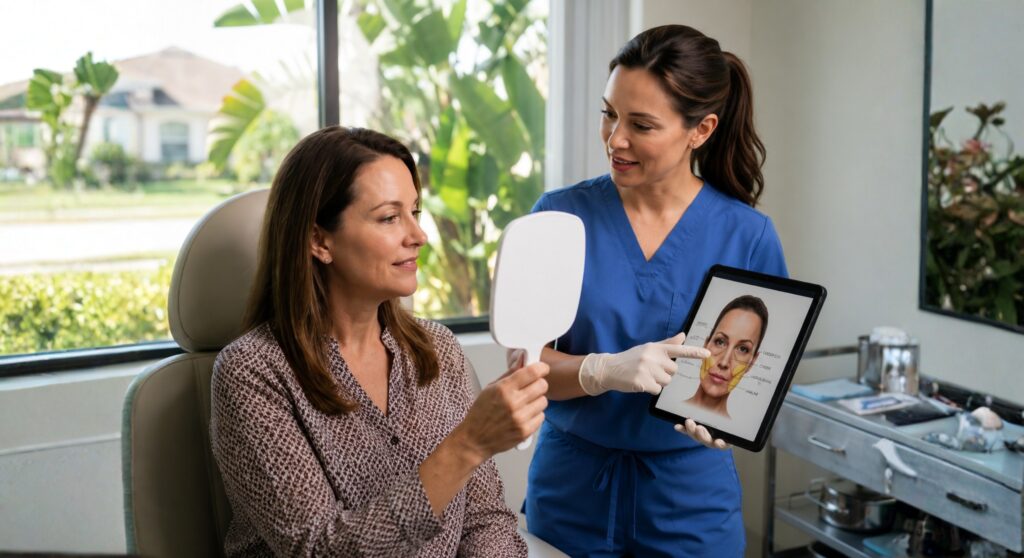
Structural fat grafting is a technique that involves transferring small amounts of your own fat from one area of your body to another. The fat is usually collected from areas where it is naturally available before being carefully prepared for transfer, allowing you to use your own living tissue for facial rejuvenation.
Rather than placing the fat in a single location, it is carefully injected into multiple tissue layers to restore volume, improve facial contours and create a smoother, more balanced appearance. This layered approach is designed to help the transferred fat integrate more effectively while supporting your natural facial structure.
Unlike synthetic dermal fillers, structural fat grafting uses your body’s own living tissue. Because the treatment is based on your own fat, it has become an important option for patients seeking natural-looking facial rejuvenation that is tailored to their individual facial anatomy and aesthetic goals.
The Main Stages and Follow-Up in Structural Fat Grafting
| Stage | What generally happens | Intended purpose | Important limitation |
| Assessment and planning | The surgeon assesses facial proportions, areas of volume change, skin quality, previous procedures, donor-site availability and treatment goals. | To decide whether fat grafting is appropriate and identify where volume may be added without disturbing facial balance. | Similar-looking hollows can have different causes. Fat grafting may not correct significant skin laxity, pigmentation, surface texture or every facial fold. |
| Fat harvesting | Fat is collected from a suitable donor area, such as the abdomen or thighs, using a liposuction technique intended to limit unnecessary tissue trauma. | To obtain autologous fat that can be prepared for transfer. | Harvesting is still a surgical procedure and may cause bruising, swelling, soreness, contour irregularity, bleeding, infection or scarring at the donor site. |
| Fat refinement | The harvested material is processed to separate or remove components such as excess fluid, blood, oil and debris. The Coleman technique traditionally included centrifugation, although other processing methods are also used. | To prepare the harvested tissue for controlled placement. | Processing does not select individual “healthy” fat cells, and evidence has not established one universally superior preparation method for every indication. |
| Fat placement | Small amounts of prepared fat are deposited through multiple passes and tissue planes rather than being placed as one large collection. | To distribute the graft evenly and increase its contact with vascularised recipient tissue. | Small-volume placement may support graft integration, but it cannot guarantee survival or eliminate procedural complications. |
| Early healing | The treated and donor areas may be swollen, bruised, tender or temporarily numb. Some of the initial fullness reflects swelling and fat that may later be reabsorbed. | To allow the surviving grafted tissue to establish a blood supply within the recipient area. | The early appearance is not the final result, and the degree of swelling and reabsorption varies. |
| Longer-term review | The result is assessed after swelling has subsided and graft retention has become clearer. | To evaluate contour, symmetry and whether the retained volume meets the agreed treatment goals. | Further fat grafting or another procedure may sometimes be considered because of under-correction, asymmetry or variable retention. |
Why the Coleman Approach Was Influential
Before Dr Coleman’s work, fat grafting often produced inconsistent results because the techniques used to harvest, process and inject fat varied considerably. This made it difficult for clinicians to achieve predictable outcomes, and you could experience results that differed significantly from one procedure to another.
Dr Coleman described a structured approach intended to limit unnecessary tissue trauma and distribute transferred fat in small parcels. By carefully refining these techniques, he demonstrated how fat could be placed more precisely to restore volume while respecting your natural facial anatomy.
This body of work helped establish structural fat grafting as a recognised surgical approach and changed the way many specialists approached facial rejuvenation. The principles developed by Dr Coleman continue to influence modern practice, helping clinicians create personalised treatments that provide more natural and longer-lasting results for you.
Understanding Facial Volume Loss
One of the major concepts highlighted by modern facial ageing research is that your face changes through gradual volume loss as well as changes to the skin. As you age, these deeper structural changes can have a significant effect on your facial contours and overall appearance.
Volume loss occurs because of changes in your facial fat compartments, bone structure, skin quality and soft tissues. Together, these changes can contribute to hollow areas, reduced facial support and alterations in your natural proportions, making you appear older even if your skin has relatively few wrinkles.
Replacing lost volume can help restore more youthful facial proportions and improve overall facial balance. By understanding how your face changes over time, clinicians can develop personalised treatment plans that address the underlying causes of ageing rather than focusing only on the surface of your skin.
Harvesting Fat Carefully
The first stage of structural fat grafting involves gently collecting small amounts of fat from another area of your body, such as the abdomen or thighs. This step is performed carefully because harvesting pressure, cannula use, tissue handling and other technical factors may affect the graft.
Dr Coleman emphasised techniques designed to minimise trauma to the fat cells during harvesting. By handling the tissue carefully, clinicians aim to limit mechanical damage before placement into your facial tissues.
Gentle handling is intended to protect the graft, although the proportion of fat retained remains unpredictable. This careful approach helps improve the predictability of the procedure and supports natural-looking results that complement your facial structure and aesthetic goals.
Preparing the Fat
After the fat has been harvested, it must be carefully processed before it is injected into your face. This preparation stage separates components such as excess fluid, blood, free oil and debris before placement. It does not select individual healthy fat cells.
During processing, excess fluid, blood, free oil and debris are separated or removed to prepare the fat for transplantation. Coleman described careful processing as part of his technique, but evidence has not established one preparation method as universally superior for every patient or indication within your facial tissues.
Proper preparation became one of the defining features of the Coleman technique and helped establish a more consistent approach to fat grafting. By carefully preparing your own fat before injection, clinicians can support more predictable, natural-looking results that work in harmony with your facial anatomy.
Precise Fat Placement
Rather than injecting large amounts of fat into a single area, Dr Coleman recommended placing very small parcels of fat throughout different tissue layers in your face. This precise approach allows clinicians to distribute the transferred tissue more evenly according to your individual facial anatomy.
By placing the fat in multiple layers, small deposits have greater contact with vascularised recipient tissue, which may support diffusion during the early healing period, which may improve their chances of surviving after the procedure. This careful technique also helps clinicians adjust volume gradually to match your facial proportions and aesthetic goals.
Precise fat placement is one of the key principles that made structural fat grafting more predictable and natural-looking. By restoring volume in a controlled and layered manner, clinicians can support smoother contours, maintain your facial harmony and create results that still look like you.
Why Small Injections Matter
One of the key principles of structural fat grafting is using tiny, carefully distributed injections rather than placing large amounts of fat in one location. This approach allows the transferred fat to be spread more evenly throughout your facial tissues, helping to create smoother and more balanced contours.
Small parcels of fat are more likely to receive the oxygen and nutrients they need from the surrounding blood supply while healing. In contrast, larger deposits may not receive adequate nourishment, which can reduce the survival of the transferred fat and affect your long-term results.
This principle remains fundamental to structural fat grafting today. By carefully placing small amounts of fat throughout your face, clinicians may support more even distribution of the graft, although retention cannot be predicted precisely and achieve natural-looking results that complement your unique facial anatomy.
Creating Natural Facial Contours
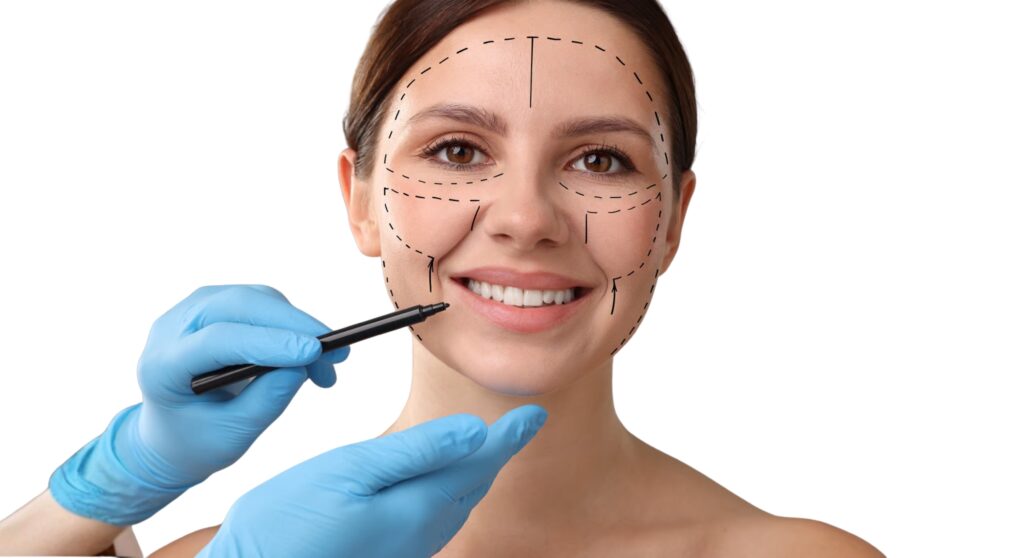
Structural fat grafting focuses on restoring your natural facial balance rather than simply adding volume wherever it appears to be missing. The aim is to enhance your facial contours in a way that looks subtle, proportionate and in harmony with your existing features.
Different areas of your face require different levels of support depending on your individual anatomy and the way you have aged. By carefully assessing your facial structure, clinicians can determine where volume restoration is most appropriate instead of using the same approach for every patient.
Personalised treatment planning plays an essential role in achieving harmonious results. By considering your unique facial proportions, ageing pattern and aesthetic goals, specialists can create a treatment plan that enhances your natural appearance while helping you maintain facial balance and expression.
Long-Term Volume Restoration
Transferred fat has the potential to provide longer-lasting facial volume because it uses your own living tissue. Once the surviving fat cells establish a blood supply, they may remain in place for many years. However, the final result varies because some of the transferred fat is naturally absorbed during healing.
1. Living Tissue Transfer: Fat grafting uses your own fat cells rather than a temporary synthetic filler.
2. Natural Fat Absorption: Some transferred fat is normally reabsorbed by the body during the early healing period.
3. Long-Term Survival: Fat cells that successfully establish a blood supply may continue to support facial volume over time.
4. Individual Results: Fat survival depends on factors such as your anatomy, healing response, lifestyle, and the technique used.
Overall, fat transfer can provide long-term improvement in facial contour, but the amount of surviving volume cannot be predicted exactly. Your results may continue to settle over several months as swelling reduces and the transferred fat stabilises. A detailed consultation can help you understand what is realistic for your individual face.
Fat Grafting Beyond Facial Rejuvenation
Although structural fat grafting is widely recognised for facial rejuvenation, it has also become an important technique in reconstructive surgery. Because the procedure uses your own living tissue, it can be adapted to address a variety of soft tissue concerns beyond cosmetic treatments.
The technique may help restore soft tissue following trauma, surgery or certain congenital conditions by replacing lost volume and improving contour. Depending on your individual needs, fat grafting can be used to support both functional and aesthetic reconstruction in carefully selected cases.
Its versatility has contributed to its widespread adoption across many areas of plastic and reconstructive surgery. By tailoring the procedure to your anatomy and treatment goals, clinicians can use structural fat grafting in a range of situations where restoring natural tissue is an important part of working towards an appropriate and realistic outcome
The Role of Regenerative Medicine
Fat tissue contains a variety of cells that continue to attract significant interest within the field of regenerative medicine. As researchers learn more about these cells, researchers are investigating whether fat grafting may have biological effects beyond volume restoration.
Current research is investigating how cells found within fat tissue may contribute to tissue repair, skin quality and the healing process. While these findings are encouraging, this area of research is still developing, and scientists continue to study how these biological properties can be used safely and effectively.
This field continues to evolve as new evidence becomes available. As your understanding of regenerative medicine grows, future research may further refine how clinicians use fat tissue in both reconstructive and aesthetic treatments, while ensuring that new approaches are supported by high-quality scientific evidence.
Influence on Modern Facial Fillers
Although structural fat grafting and dermal fillers are different treatments, Coleman’s emphasis on structural volume restoration is consistent with the anatomy-based approach now used in many facial treatments. Rather than focusing only on wrinkles, clinicians now consider how volume loss affects your overall facial appearance.
Modern filler treatments increasingly aim to restore volume according to your facial anatomy instead of simply filling individual lines or folds. By understanding how your face changes with age, specialists can place filler more precisely to support your natural contours and maintain facial harmony.
This anatomy-based approach has helped produce more balanced and natural-looking outcomes. Whether you are considering fat grafting or dermal fillers, personalised treatment planning allows clinicians to choose the most appropriate option for your facial structure, ageing pattern and aesthetic goals.
Combining Different Rejuvenation Techniques
Facial ageing involves multiple anatomical changes rather than a single process, so no one treatment is suitable for every person. As you age, changes in volume, skin quality, bone structure and soft tissues all contribute to your overall facial appearance.
For this reason, clinicians may combine volume restoration with skin treatments, collagen-stimulating procedures and other aesthetic techniques depending on your individual needs. By addressing several aspects of facial ageing at the same time, they can create a treatment plan that is tailored specifically to you.
A personalised assessment may help determine whether one treatment or a carefully selected combination is appropriate for your concerns by carefully assessing your facial anatomy, ageing pattern and aesthetic goals, clinicians can recommend treatments that work together to enhance your appearance while preserving your natural facial expressions and balance.
The Importance of Facial Assessment
Every face ages differently, which is why a detailed facial assessment is essential before any rejuvenation treatment. By understanding how your facial features have changed over time, clinicians can identify the factors that are most affecting your appearance rather than relying on a one-size-fits-all approach.
During your assessment, clinicians evaluate your facial proportions, areas of volume loss, skin quality and overall facial structure. They also consider how these features work together so that any treatment recommendations are tailored to your individual anatomy and aesthetic goals.
This information helps guide appropriate treatment planning and supports more natural-looking results. By taking the time to assess your face carefully, clinicians can recommend the treatments that are most suitable for you while helping to preserve your facial balance, expression and unique characteristics.
Clinical Safety Note: Structural Fat Grafting Is Surgery
Structural fat grafting uses your own tissue, but this does not make it risk-free. The procedure includes liposuction at the donor site, processing of the harvested tissue and injection into the recipient area.
Expected short-term effects may include swelling, bruising, tenderness, temporary numbness and small scars at the harvesting sites. Some transferred fat is also normally reabsorbed during the first few months.
Possible complications include bleeding, infection, haematoma, asymmetry, contour irregularity, under-correction, over-correction, oil cysts, fat necrosis, visible lumps and dissatisfaction with the result. Risks relating to local or general anaesthesia must also be considered.
Accidental intravascular injection of fat has been reported during facial fat grafting. Arterial embolism following facial fat grafting can cause skin necrosis, permanent visual loss, stroke or death. These events are considered uncommon, but their true incidence is uncertain because reporting and denominator data are limited and must be included in the consent discussion.
Sudden visual changes, severe eye pain, a severe new headache, weakness, facial drooping, difficulty speaking or loss of consciousness during or after facial fat injection require immediate emergency medical assessment. Call 999 or attend an emergency department without delay.
Results cannot be guaranteed. Some patients may need additional fat grafting or another procedure because of reabsorption, asymmetry or an outcome that does not meet their expectations.
In England, cosmetic surgery should be performed in an appropriately registered setting. In England, check that the provider is appropriately registered with the Care Quality Commission for surgical procedures and that the doctor is registered with the General Medical Council and holds a licence to practice. You may also wish to check whether the surgeon is on the specialist register for plastic surgery and ask about their training and complication-management arrangements.
Your surgeon should explain:
1. why the procedure may or may not be suitable for you;
2. the alternatives, including no treatment;
3. the donor and recipient areas;
4. the type of anaesthesia;
5. common side effects;
6. serious and rare complications;
7. expected recovery;
8. the possibility of graft reabsorption;
9. whether further treatment may be required;
10. all likely costs and aftercare arrangements.
You should be given sufficient time to consider the information without pressure. The clinician carrying out the procedure should ensure that you understand the expected benefits, limitations, risks and likely outcome before you consent.
Myth vs Fact: Coleman Structural Fat Grafting
| Myth | Fact |
| The Coleman technique was proven in one landmark clinical trial. | Coleman’s influence developed through several technique papers, clinical observations and later research rather than one pivotal randomised study. |
| Because your own fat is used, the procedure cannot cause serious complications. | Autologous fat reduces concerns about foreign-material allergy, but surgery can still cause infection, fat necrosis, contour problems and rare arterial embolism. |
| All transferred fat survives permanently. | Some grafted fat is normally reabsorbed. The amount retained varies, and another procedure may sometimes be required. |
| Centrifugation selects only the healthiest fat cells. | Processing separates components such as fluid, oil, blood and debris. It does not select individual healthy cells, and several processing methods are used. |
| Small injections eliminate the risk of blindness or stroke. | Small-volume placement is an important technique principle, but it cannot completely eliminate intravascular injection or arterial embolism. |
| Fat grafting produces a completely predictable final volume. | Retention varies according to technique, treatment area, healing and individual biology. The final result may take several months to assess. |
| Fat grafting is established stem-cell rejuvenation. | Fat contains stromal and regenerative cell populations, but the extent and consistency of clinically meaningful skin regeneration remain under investigation. |
| Fat grafting is always better than dermal filler. | The procedures have different advantages, limitations and risks. The appropriate option depends on anatomy, goals, required volume, reversibility, recovery and clinical assessment. |
| One procedure can correct every sign of facial ageing. | Fat grafting restores or changes volume but does not automatically correct significant skin laxity, bone changes, pigmentation, surface texture or every type of wrinkle. |
| A natural-looking result is guaranteed because natural tissue is used. | Natural tissue does not guarantee a natural aesthetic outcome. Results depend on diagnosis, planning, technique, graft retention and healing. |
How Coleman’s Publications Influenced Aesthetic Medicine
Coleman’s publications showed how systematic clinical observation and technical description could influence surgical practice and improve the way facial rejuvenation is performed. By introducing a more structured approach to fat transfer, the research helped clinicians better understand how they could restore volume while respecting your natural facial anatomy.
Its principles encouraged practitioners to move beyond simply tightening the skin as the primary solution for facial ageing. Instead, they began to recognise that changes in facial volume and structure play an equally important role in how you age and how rejuvenation treatments should be planned.
As a result, facial rejuvenation became increasingly focused on restoring youthful structure rather than only reducing wrinkles or lifting sagging skin. This shift continues to influence modern aesthetic medicine, helping clinicians create personalised treatments that enhance your natural appearance and support balanced treatment planning while recognising that longevity varies
Personalised Facial Rejuvenation
Modern aesthetic medicine recognises that no two people have identical facial anatomy or ageing patterns. As you age, the changes that occur in your face are influenced by your genetics, lifestyle, skin quality and natural facial structure, making every treatment plan unique.
Rather than using the same approach for everyone, clinicians tailor treatment plans according to your facial features, aesthetic goals and the degree of ageing you have experienced. By carefully assessing your individual needs, they can recommend the most appropriate combination of treatments for you.
This personalised approach supports natural-looking results that enhance your appearance without changing your unique facial characteristics. By focusing on your anatomy and long-term goals, clinicians aim to achieve balanced rejuvenation that helps you look refreshed while still looking like yourself.
Ongoing Advances in Fat Grafting
Researchers continue to refine structural fat grafting through improved processing methods, advanced imaging technologies and more precise surgical planning. These developments help clinicians better understand how transferred fat behaves and how techniques can be adapted to suit your individual facial anatomy.
Current studies aim to improve the consistency, predictability and long-term outcomes of fat grafting procedures. By building on the principles introduced by Dr Coleman, researchers are exploring ways to enhance fat survival, optimise treatment planning and achieve even more natural-looking results for you.
Innovation remains an important part of this field, and new evidence continues to shape clinical practice. As research progresses, you may benefit from techniques that are increasingly refined, evidence based and developed with the aim of improving planning, safety and outcome assessment.
The Lasting Legacy of Dr Coleman’s Research
Dr Coleman’s work fundamentally changed the way clinicians understand facial rejuvenation by demonstrating the importance of restoring volume as well as addressing visible signs of ageing. His research helped shift the focus towards treatments that work with your natural facial anatomy rather than simply tightening the skin.
His emphasis on structural volume restoration continues to influence both surgical and non-surgical aesthetic treatments around the world. Whether you are considering fat grafting, dermal fillers or a combination of rejuvenation techniques, many modern approaches are based on the principles introduced through his pioneering work.
Coleman’s body of work remains an influential contribution to modern facial fat grafting. By improving understanding of how your face changes with age and how volume can be restored more precisely, Dr Coleman’s research continues to help clinicians achieve natural-looking, personalised results for you.
Choosing an Evidence-Based Approach to Facial Rejuvenation
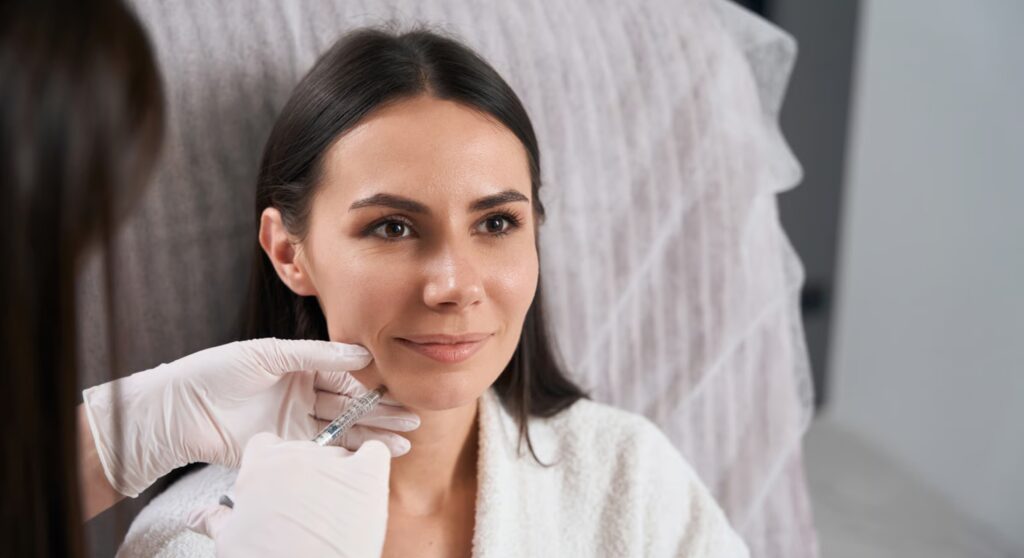
Understanding the science behind facial ageing helps you make informed decisions about facial rejuvenation. Rather than focusing only on reducing wrinkles, modern treatments aim to restore your natural facial balance by considering changes in volume, structure, skin quality and overall facial harmony.
The principles established by the Coleman Structural Fat Grafting Study continue to guide clinicians in developing personalised treatment plans for you. By carefully assessing your facial anatomy and individual ageing pattern, they can recommend approaches that enhance your natural features instead of creating an artificial or overtreated appearance.
Whether you are considering surgical or non-surgical facial rejuvenation, an evidence-based approach supports decisions informed by research, clinical assessment and your individual priorities and your unique needs. This personalised philosophy remains at the heart of modern aesthetic medicine, helping you achieve subtle, balanced and long-lasting results.
Key Takeaways
1. The Coleman technique developed through a body of publications rather than one pivotal clinical trial.
2. An early Coleman paper on structural fat grafting was published in 1998, followed by influential publications in 2006.
3. The technique is usually described through harvesting, refinement and placement.
4. Small parcels of fat are placed through multiple passes and tissue planes to increase contact with recipient tissue.
5. Fat-processing methods remove or separate blood, oil, fluid and debris but do not select individual healthy fat cells.
6. Some transferred fat is normally reabsorbed, and retained volume varies.
7. The final result may take several months to assess.
8. Further treatment may be required if substantial reabsorption or asymmetry occurs.
9. Possible benefits beyond volume replacement remain an active area of research and should not be presented as guaranteed stem-cell regeneration.
10. Facial fat grafting is surgery and carries donor-site, recipient-site and anaesthetic risks.
11. Rare arterial embolism can cause permanent blindness, stroke or death.
12. Results cannot be guaranteed, even when an established technique is used.
13. Treatment selection should consider anatomy, medical history, expectations, alternatives, recovery and complication risk.
FAQs:
1. What is the Coleman Structural Fat Grafting Study?
The term “Coleman Structural Fat Grafting Study” usually refers to a series of publications and technical developments rather than one clinical trial. for transferring a patient’s own fat to restore facial volume. Dr Sydney Coleman developed a structured approach to harvesting, preparing, and injecting fat to improve its survival. His research transformed the way clinicians approach facial rejuvenation.
2. Who is Dr Sydney Coleman?
Dr Sydney Coleman is a plastic surgeon best known for pioneering the concept of structural fat grafting. His work focused on making fat transfer more predictable, reliable, and natural-looking. His techniques continue to influence facial rejuvenation procedures around the world.
3. What is structural fat grafting?
Structural fat grafting is a procedure that transfers small amounts of fat from one area of your body to another. The fat is carefully injected into different tissue layers to restore lost volume and improve facial contours. Because it uses your own tissue, it differs from treatments that use synthetic fillers.
4. Why was Dr Coleman’s research considered groundbreaking?
Before Dr Coleman’s work, fat grafting techniques often produced inconsistent results. He introduced a standardised method for harvesting, processing, and placing fat, which improved the survival of transferred fat cells. This helped establish fat grafting as a reliable option for facial rejuvenation.
5. How does structural fat grafting help with facial ageing?
As you age, your face naturally loses volume due to changes in fat, bone, and soft tissues. Structural fat grafting restores volume in areas that have become hollow or less defined, helping to improve facial balance. The aim is to achieve a refreshed appearance while maintaining natural facial features.
6. Why are small fat injections important during the procedure?
Dr Coleman recommended placing tiny amounts of fat throughout multiple tissue layers rather than injecting large volumes into one area. Small deposits increase contact with vascularised recipient tissue, which may support early graft integration but cannot guarantee survival after the procedure. This technique also helps create smoother and more natural-looking results.
7. How is structural fat grafting different from dermal fillers?
Both treatments are designed to restore facial volume, but they use different materials. Structural fat grafting uses your own living fat cells, while dermal fillers are made from manufactured substances such as hyaluronic acid. The most appropriate option depends on your individual goals, anatomy, and your clinician’s assessment.
8. Is structural fat grafting only used for facial rejuvenation?
No, structural fat grafting is also used in reconstructive surgery to restore soft tissue following injury, surgery, or certain congenital conditions. Its versatility has made it valuable in several areas of plastic and reconstructive surgery. Research also continues to explore its potential role in regenerative medicine.
9. Why is a personalised facial assessment important before treatment?
Every person’s face ages differently, so there is no single treatment approach that suits everyone. A detailed assessment allows your clinician to evaluate facial proportions, volume loss, skin quality, and your aesthetic goals. This information helps create a treatment plan designed specifically for your needs.
10. Why does the Coleman Structural Fat Grafting Study remain important today?
Dr Coleman’s research continues to influence both surgical and non-surgical facial rejuvenation techniques. His principles shifted the focus from simply tightening the skin to restoring natural facial structure and volume. Modern aesthetic treatments still use these concepts to achieve balanced, subtle, and long-lasting results.
Final Thoughts: The Lasting Impact of the Coleman Structural Fat Grafting Study
Coleman’s publications and technical descriptions contributed to an important change in the way clinicians approached facial volume restoration in facial rejuvenation by demonstrating that restoring lost volume is just as important as improving the skin’s surface. Dr Sydney Coleman’s techniques helped establish a more precise and predictable approach to fat grafting, with a focus on enhancing natural facial structure rather than simply reducing visible signs of ageing.
Today, the principles introduced by Dr Coleman continue to influence both surgical and non-surgical aesthetic treatments. By combining a detailed understanding of facial anatomy with personalised treatment planning, clinicians can achieve results that look balanced, subtle, and natural while respecting each individual’s unique facial features. You can book a consultation with one of our specialists by contacting us at the London Medical and Aesthetic Clinic.
References:
1. Schiraldi, L. et al. (2022) ‘Facial Fat Grafting (FFG): Worth the Risk? A Systematic Review of Complications and Critical Appraisal’, Journal of Clinical Medicine. Available at: https://www.mdpi.com/2077-0383/11/16/4708
2. Surowiecka, A. and Strużyna, J. (2022) ‘Adipose-Derived Stem Cells for Facial Rejuvenation’, Journal of Personalized Medicine. Available at: https://www.mdpi.com/2075-4426/12/1/117
3. Gornitsky, J. et al. (2019) ‘A systematic review of the effectiveness and complications of fat grafting in the facial region’, JPRAS Open. Available at: https://pmc.ncbi.nlm.nih.gov/articles/PMC7061561/
4. Moellhoff, N. et al. (2023) ‘Arterial Embolism After Facial Fat Grafting: A Systematic Literature Review’, Aesthetic Plastic Surgery. Available at: https://pmc.ncbi.nlm.nih.gov/articles/PMC10784353/
5. Coleman, S.R. (1998) ‘Structural Fat Grafting’, Aesthetic Surgery Journal. Available at: https://pubmed.ncbi.nlm.nih.gov/19328166/