



One of the most common questions we hear from patients is why Sculptra seems to work differently from other injectables. Unlike treatments that peak quickly and then fade, Sculptra often appears to get better with time, sometimes many months after the final session. To understand this delayed improvement, we need to look beyond surface changes and focus on what is happening inside the skin.
In this article, we explain why Sculptra results continue to improve long after treatment, linking collagen maturation, remodelling phases, and tissue adaptation to gradual aesthetic change. We walk you through the process step by step, using clear language while staying grounded in biological reality. At London Medical & Aesthetic Clinic, we believe that understanding the timeline behind results leads to greater confidence and satisfaction.
Why Delayed Results Are a Core Feature of Sculptra
We understand that Sculptra is designed to work in harmony with the body rather than overriding its natural processes. This means results follow biological timelines instead of providing instant effects. The gradual improvement is intentional and reflects true tissue regeneration.
We see delayed results as a positive indicator. When change is subtle at first, it usually signals that collagen production is occurring beneath the surface. Patients can trust that visible effects will emerge over time.
Our experience shows that recognising this distinction helps set realistic expectations. Understanding that Sculptra stimulates regeneration rather than simply adding volume encourages patience and satisfaction with outcomes.
How Sculptra Differs From Instant-Effect Injectables
We note that many injectables rely on immediate volume replacement to create visible change. These products provide instant results by physically filling tissue rather than stimulating the body’s own mechanisms.
Sculptra operates differently, using controlled stimulation to encourage collagen production naturally. Because it does not add instant volume, early improvements can appear subtle to the eye.
We emphasise that this gradual process is deliberate. Understanding this helps patients appreciate that results are emerging biologically, even when immediate visual change is minimal.
The Role of Poly-L-Lactic Acid in Delayed Improvement
We explain that Sculptra is made from poly-L-lactic acid particles, which do not act as fillers themselves. Instead, they serve as biological triggers, initiating tissue responses that encourage collagen synthesis naturally.
Once injected, these particles guide a controlled regenerative process. Collagen production gradually unfolds over weeks and months, rather than producing immediate volume or visible change.
We find that clearly communicating this mechanism helps patients understand the subtle early effects. Knowing that their own biology is driving improvement reassures them that the process is working as intended.
Why the Body Needs Time to Respond
We recognise that biological processes, such as collagen synthesis, cannot be rushed safely. Each step relies on the completion of the previous one, making timing essential for effective results.
The body must identify the stimulus, activate fibroblasts, and gradually build new tissue. This careful orchestration explains why visible changes appear slowly rather than immediately.
We emphasise that patience is key to long-term outcomes. Understanding the timeline reassures patients that gradual improvement reflects natural regenerative activity rather than delayed effectiveness.
The Early Phase: Subtle and Often Invisible Change
We observe that during the initial weeks after treatment, changes occur beneath the surface and are largely invisible. Fibroblasts begin to activate and initiate collagen production quietly.
Although the new collagen is present, it is not yet strong or structured enough to create noticeable volume. Patients may feel little change during this phase, which is completely normal.
We emphasise that lack of immediate visible effect does not indicate failure. Early biological activity lays the foundation for the more significant improvements that follow over time.
Understanding Fibroblast Activation
Fibroblast activation is central to how biostimulatory treatments work. This process follows natural biological timelines rather than producing instant change. Understanding this helps align expectations with how the skin actually regenerates.
Here’s how fibroblast activation works:
1. Fibroblasts Are the Skin’s Collagen-Producing Cells – We explain that fibroblasts are responsible for producing collagen within the skin. Sculptra activates these cells through controlled tissue signalling rather than direct filling.
2. Activation Leads to Steady Collagen Generation – Once stimulated, fibroblasts begin producing collagen gradually. This process is deliberate and regulated, supporting structural improvement over time.
3. Collagen Is Not Produced Overnight – Fibroblasts do not create large volumes of collagen immediately. They follow the body’s natural regenerative pathways, which unfold over weeks and months.
4. Gradual Activation Supports Natural Results – We highlight that this slow, progressive response is a positive sign. Collagen builds steadily, leading to improvement that feels integrated and long-lasting rather than sudden or artificial.
By recognising how fibroblasts behave, expectations remain realistic. Gradual collagen production reflects true tissue regeneration and underpins durable, natural-looking outcomes.
The Difference Between Early and Mature Collagen
We note that early collagen is often less organised and serves as a temporary framework within the dermis. It provides initial structural support while more mature fibres develop.
Over time, collagen is remodelled and strengthened, creating a denser, more organised network. Mature collagen supports firmness, resilience, and long-term results.
We stress that this transition explains why improvements continue beyond the first few weeks. Understanding the distinction between early and mature collagen reassures patients that their investment in gradual regeneration pays off.
Collagen Maturation as a Key Driver of Improvement
We observe that collagen maturation involves fibre alignment along stress lines, improving firmness and skin resilience. This process unfolds over several months.
As collagen reorganises and strengthens, we see visible improvement in texture, contour, and support. Patients often notice subtle enhancements that become more defined over time.
We emphasise that patience is crucial during this phase. The delayed, progressive improvement reflects true tissue strengthening rather than temporary volumisation.
Why Volume Appears Later Rather Than Immediately
Volume changes with biostimulatory treatments follow biology, not mechanics. Understanding this timeline helps explain why improvement is delayed but more durable.
Here’s why volume develops gradually:
1. Sculptra Does Not Create Instant Volume – We recognise that Sculptra does not fill space at the time of injection. Instead, it works by stimulating collagen production within the tissue.
2. Volume Emerges as Collagen Accumulates – As new collagen forms and the dermis thickens, subtle lift and support develop. This accumulation happens slowly and builds structural strength over time.
3. Contours Improve Without Abrupt Change – The gradual increase in support enhances natural contours rather than creating sudden or obvious volume. The result integrates smoothly with existing facial structure.
4. Delayed Volume Signals True Regeneration – We emphasise that volume appearing later is a positive sign. It reflects genuine tissue regeneration and long-term improvement rather than temporary filling.
By aligning expectations with this biological process, confidence increases. Gradual volume development indicates durable change, supporting natural-looking and stable outcomes over time.
Tissue Remodelling Beyond the First Few Months
Improvement with biostimulatory treatment does not stop once early collagen production settles. Skin continues to evolve quietly beneath the surface, which explains why refinement can be seen long after treatment.
Here’s how ongoing remodelling supports long-term results:
1. Remodelling Continues After Collagen Production Slows – We note that even when active collagen production reduces, tissue change does not stop. Existing collagen fibres continue to reorganise and strengthen over time.
2. Fibre Reorganisation Improves Structure and Texture – As fibres mature and align, skin texture becomes smoother and contours feel more refined. This process enhances quality rather than adding obvious volume.
3. Visible Improvement Can Appear Later – Because remodelling is gradual, some improvements become noticeable months after treatment. Patients may see subtle refinement rather than dramatic change.
4. Long-Term Results Depend on This Phase – We emphasise that this extended remodelling phase underpins natural-looking, lasting outcomes. Benefits extend well beyond the initial treatment window.
By understanding this timeline, expectations remain realistic. Ongoing tissue remodelling reflects true biological strengthening and reinforces why patience and appropriate follow-up care are essential for stable, long-term improvement.
Why Results Often Peak Months After the Final Session

We understand that most Sculptra treatment plans involve multiple sessions. Each session adds cumulatively to the body’s collagen response, building on previous stimulation. This layered effect explains why visible results develop progressively.
We see that the peak outcome often occurs months after the final session. Biological processes, including collagen synthesis and maturation, require time to complete. Immediate changes are subtle and early improvements only hint at what is to come.
Our experience shows that patience is essential. Allowing time for cumulative collagen production ensures that final results are both natural and long-lasting, reflecting the true regenerative effect of treatment.
How Skin Adapts to New Structural Support
We note that as collagen accumulates, the skin gradually adapts to its strengthened framework. Elasticity, firmness, and overall tone improve subtly over time rather than suddenly.
This adaptation phase is often unnoticed at first, but it plays a crucial role in supporting long-term outcomes. Skin reshapes itself progressively to integrate with underlying structural changes.
We emphasise that this slow adaptation protects against unnatural contours. By respecting the body’s response, we ensure results remain harmonious and naturally refreshed.
The Difference Between Improvement and Overfilling
We observe that gradual improvement reduces the risk of an unnatural appearance. Unlike instant fillers, Sculptra does not create sudden expansion of tissue.
Changes integrate naturally with facial anatomy, allowing enhancements to appear seamless. Each area responds according to its own biology, rather than being forced into immediate correction.
Our approach highlights that subtle, progressive change is the key to authenticity. Patients typically achieve a refreshed look without appearing “overdone” or artificial.
Why Patients Notice Ongoing Changes in the Mirror
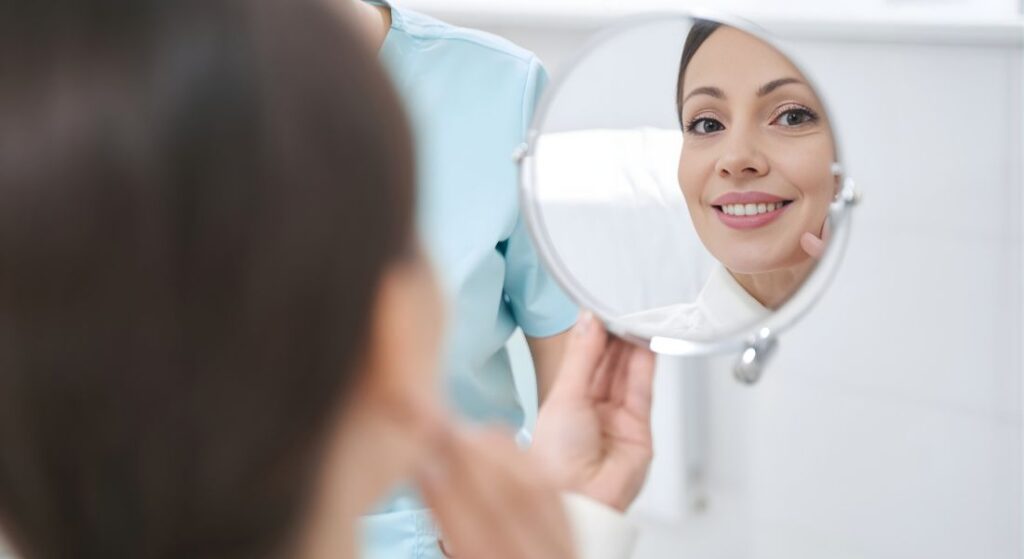
We see that patients often perceive improvement in stages rather than all at once. Early subtle firmness is followed by more noticeable contour and skin texture improvements in the following months.
These observations reflect ongoing biological activity beneath the surface. Collagen continues to develop, remodel, and strengthen long after initial treatment sessions.
We emphasise that this gradual visibility is expected and positive. Patients can be reassured that their results are evolving naturally as the body responds.
How Individual Biology Affects the Timeline
We find that gradual change provides reassurance and emotional ease for patients. Slow, progressive improvements allow them to adjust naturally to their appearance, avoiding sudden or jarring shifts that can feel unsettling. This pacing supports confidence and reduces anxiety throughout the treatment journey.
Subtle enhancements integrate seamlessly into daily life and self-image. Patients often perceive these changes as authentic and sustainable, which strengthens satisfaction and long-term trust in the treatment process. The sense of control and predictability is a valuable aspect of care.
We emphasise that psychological comfort is as important as physical outcomes. By prioritising gradual improvement, we ensure that patients feel confident, informed, and positively engaged with their treatment plan from start to finish.
Why Lifestyle Factors Influence Delayed Results
Treatment sets biological change in motion, but lifestyle determines how well that change is supported over time. Understanding this connection helps explain why results can vary in speed and durability between individuals.
Here’s how lifestyle influences delayed outcomes:
1. Lifestyle Affects Collagen Stability – We understand that factors such as sun exposure, smoking, sleep, and nutrition directly influence collagen strength and longevity. These factors can either support or undermine the tissue changes initiated by treatment.
2. Skin Resilience Depends on Daily Habits – Even well-stimulated collagen can degrade faster if the skin is repeatedly stressed. Ongoing inflammation, oxidative damage, or nutritional deficiency can limit how well results are maintained.
3. Treatment Works Best With Biological Support – Sculptra initiates collagen production, but long-term maintenance depends on how the body is supported afterwards. Healthy habits help preserve and strengthen newly formed tissue.
4. A Holistic Approach Improves Durability – Our guidance emphasises combining treatment with lifestyle awareness. When both work together, visible improvements are often more consistent, longer-lasting, and better integrated.
By recognising the role of lifestyle, expectations stay realistic. Treatment provides the stimulus, but daily choices influence how well results mature and endure over time.
The Psychological Aspect of Gradual Improvement
We find that gradual change often feels reassuring to patients. Slow, progressive improvements allow individuals to adjust emotionally to their appearance without sudden shock.
This approach reduces anxiety and encourages confidence in treatment. Subtle enhancements are easier to accept and integrate naturally into one’s self-image.
We highlight that psychological comfort is a key benefit. Patients often value this slow, predictable change over abrupt, dramatic alterations.
Why Delayed Results Support Long-Term Planning
We note that delayed improvement allows us to plan treatments strategically. By scheduling sessions to complement the skin’s natural collagen production, we avoid forcing abrupt changes and support steady, cumulative enhancement. This approach respects the biological pace of regeneration.
Timing maintenance sessions effectively reduces the need for frequent interventions and helps optimise long-term outcomes. Patients benefit from a controlled, progressive improvement rather than relying on rapid, temporary fixes. The focus shifts from immediate results to sustainable progress.
Our perspective places tissue health at the centre of care. By aligning treatment with natural processes, we ensure that improvements are lasting, the skin adapts gracefully, and patients enjoy consistent, reliable results over time.
How Clinics Should Explain This Timeline Clearly

Clear communication is essential when treatments work gradually rather than instantly. When timelines are misunderstood, concern and unnecessary intervention can follow. Transparent education prevents this and supports better long-term outcomes.
Here’s how timelines should be explained:
1. Delayed Results Must Be Communicated Honestly – We emphasise that gradual improvement should be discussed upfront. When timelines are unclear, patients may worry unnecessarily or seek repeated treatments too soon.
2. Education Aligns Expectations With Biology – Clear explanation helps patients understand what will happen and when. Linking visible change to biological processes makes the timeline feel logical rather than uncertain.
3. The Biological Basis for Gradual Change Should Be Explained – We take care to explain why improvement unfolds slowly. Understanding collagen stimulation and tissue remodelling reduces confusion and builds confidence.
4. Informed Patients Are More Satisfied – Our experience shows that patients who understand the process feel more reassured and engaged. Awareness encourages adherence to the recommended plan and follow-up schedule.
By explaining timelines clearly and consistently, trust is strengthened. When expectations match biology, patience increases, satisfaction improves, and outcomes feel more predictable and meaningful over time.
What Ongoing Improvement Means for Ageing Skin
We recognise that Sculptra does not halt ageing but instead works with the skin to support gradual improvement. By stimulating collagen production, we help the skin maintain resilience, thickness, and structural stability over time. This biological reinforcement allows the skin to respond better to natural ageing and environmental stressors.
This gradual enhancement means changes appear subtle yet meaningful, rather than abrupt. Patients often notice a slow but steady improvement in texture, firmness, and overall tone, reflecting genuine regenerative activity beneath the surface. It encourages a more natural and controlled ageing process.
We emphasise to patients that these ongoing improvements are a core benefit of treatment. Rather than seeking instant transformation, our approach prioritises long-term support, ensuring the skin looks healthier, stronger, and more adaptable as time progresses.
FAQs:
1. Why does Sculptra not show immediate results like other injectables?
Sculptra is designed to stimulate your own collagen production rather than providing instant volume. Unlike fillers that physically add substance at the time of injection, Sculptra works by triggering a biological response that unfolds gradually. Because collagen synthesis and maturation take time, visible changes appear slowly and continue to develop months after treatment.
2. Does delayed improvement mean Sculptra is slow to work or ineffective?
Delayed improvement does not mean the treatment is slow or ineffective. In fact, it indicates that Sculptra is working exactly as intended. The absence of immediate volume reflects a regenerative process rather than a mechanical one. As collagen forms and strengthens beneath the skin, results become progressively more noticeable and stable.
3. What is happening in my skin during the weeks when I see little change?
During the early phase after treatment, fibroblasts are being activated and new collagen is beginning to form beneath the surface. This early collagen is delicate and not yet organised enough to create visible lift or volume. Although changes may not be obvious in the mirror, the biological foundation for later improvement is being established during this time.
4. Why do results continue to improve several months after my final session?
Each treatment session contributes cumulatively to collagen stimulation. Even after injections stop, collagen continues to mature, reorganise, and strengthen within the skin. This ongoing remodelling explains why improvement often peaks months after the final session rather than immediately after treatment ends.
5. How does collagen maturation affect the final appearance?
Early collagen provides temporary structure, but it is weaker and less organised. Over time, this collagen is remodelled into stronger, more aligned fibres that improve firmness, support, and skin quality. As collagen matures, improvements in contour and texture become more defined and durable, which is why results feel better with time rather than fading quickly.
6. Why does volume appear gradually instead of all at once?
Sculptra does not fill space at the time of injection. Instead, volume develops as new collagen accumulates and thickens the dermis over time. This gradual increase in structural support creates subtle lift and contour improvement that integrates naturally with facial anatomy, avoiding abrupt or artificial changes.
7. Can everyone expect the same timeline for improvement?
No, timelines vary between individuals. Factors such as age, baseline collagen levels, metabolism, and overall skin health influence how quickly collagen is produced and remodelled. While the biological process is consistent, the pace of visible improvement differs from person to person, which is why personalised assessment and follow-up are important.
8. Why do results feel more natural compared to instant fillers?
Because Sculptra relies on your own collagen rather than adding external volume, changes integrate gradually with existing tissue. The skin adapts slowly to its strengthened structure, which reduces the risk of overfilling or sudden contour changes. This produces results that look and feel more natural over time.
9. How do lifestyle factors influence delayed results?
Lifestyle plays a significant role in how well newly formed collagen matures and persists. Factors such as sun exposure, smoking, nutrition, sleep, and stress levels directly affect collagen stability and skin resilience. While treatment initiates collagen production, healthy habits help preserve and strengthen results over the long term.
10. Why is understanding the delayed timeline important for patient satisfaction?
When patients understand that improvement is gradual and biologically driven, they are less likely to worry or seek unnecessary early intervention. Clear expectations reduce anxiety and build confidence throughout the treatment process. Knowing that results will continue to evolve over months allows patients to appreciate subtle progress and feel reassured that the treatment is working as intended.
Final Thoughts: Why Patience Is Central to Sculptra Results
Sculptra is designed to work with your biology rather than override it, which is why improvement continues long after treatment sessions are complete. Collagen stimulation, maturation, and tissue remodelling all follow natural timelines, leading to results that develop gradually but remain stable and natural-looking. This delayed progression is not a limitation of treatment, but a sign of true regeneration taking place beneath the surface.
Understanding this process helps set realistic expectations and prevents unnecessary concern during the early stages. When approached with the right guidance, Sculptra supports long-term skin strength, structure, and refinement rather than short-lived change. If you’re considering an sculptra treatment in London, you can contact us at the London Medical & Aesthetic Clinic.
References:
1. Innocenti, A., Battistella, T., Gregorio, C.D. and Leporati, M. (2025) Injectable Poly-L-Lactic Acid (PLLA-SCA™) as a Versatile Treatment in Current Aesthetic Medicine: Expert Recommendations Based on Italian Clinical Experience, Cosmetics, 12(6), 264. https://www.mdpi.com/2079-9284/12/6/264
2. Signori, R. (2024) Efficacy and Safety of Poly-L-Lactic Acid in Facial Aesthetics: A Systematic Review, Polymers, 16(18), 2564. https://www.mdpi.com/2073-4360/16/18/2564
3. de Paula Barbosa, A., et al. (2024) Impact of Poly-L-Lactic Acid Reconstitution on the Neocollagenesis Profile, Journal of Cosmetic Dermatology. https://pubmed.ncbi.nlm.nih.gov/40473786/
4. Fabi, S.G., Hamilton, T. and LaTowsky, B. (2024) Effectiveness and Safety of Sculptra Poly-L-Lactic Acid Injectable Implant in the Correction of Cheek Wrinkles, Journal of Drugs in Dermatology, 23(1), 1297–1305. https://pubmed.ncbi.nlm.nih.gov/38206151/
5. Stein, P. (2015) The Biological Basis for Poly-L-Lactic Acid-Induced Augmentation, Journal of Dermatological Science, 78, pp. 26–33. https://www.sciencedirect.com/science/article/abs/pii/S0923181115000377