


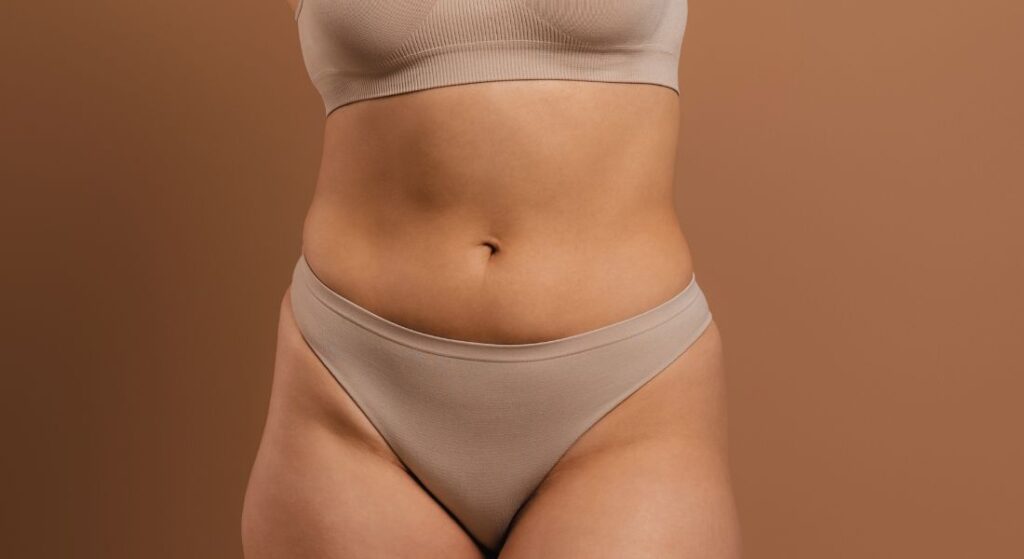
If you’ve recently lost weight whether through lifestyle changes, medication or surgery you might feel proud of your achievement yet frustrated with one lingering problem: loose or sagging skin. Skin laxity after weight loss is extremely common and happens because the skin struggles to contract to your new body shape. You may have tried exercise, hydration or firming creams, but none of these can rebuild collagen where it’s been stretched.
That’s where Sculptra comes in. This collagen-stimulating injectable has become increasingly popular for people wanting firmer, thicker and more elastic skin after weight loss. But how well does it actually work for loose skin? Which areas respond best? And what kind of results can you realistically expect?
In this guide, I’ll take you through everything you need to know about Sculptra for post-weight-loss skin laxity including how it works, why collagen matters, how many treatments you’ll need, what results look like, and how it compares with other skin-tightening options.
Why Weight Loss Causes Loose Skin
When you gain weight, your skin gradually stretches to accommodate the increased volume underneath. Over time, the collagen and elastin fibers that keep skin firm can weaken. Later, when weight is lost especially if it happens quickly the skin may not bounce back fully.
This happens because:
The skin may not snap back – Rapid weight loss doesn’t give the skin enough time to gradually adjust, so it can appear loose or saggy.
Collagen levels may be too low to provide structure – Collagen degradation over time reduces the skin’s ability to support itself, leading to laxity and wrinkling.
Elastic tissue may be compromised – Elastin, the fiber that allows skin to stretch and recoil, can be damaged by prolonged stretching, aging, or rapid weight changes.
The surface may appear wrinkled or saggy – Even if the underlying fat is reduced, the skin can hang or fold because it has lost some of its structural integrity.
These changes commonly result in:
Soft or crepey skin – Thin, delicate skin that lacks firmness, often seen on the arms, thighs, and abdomen.
Laxity around the stomach, arms, or thighs – Loose folds of skin can become more noticeable after significant weight loss.
Loss of firmness around the buttocks – Volume loss and weakened dermal support may cause the skin to sag or flatten.
Wrinkles on areas where fat once created volume – Skin that was stretched by underlying fat may appear wrinkled or creased after the fat diminishes.
These changes aren’t a sign of failure they’re a natural response of the skin to collagen and elastin breakdown. Understanding this helps set realistic expectations for how skin will adapt after weight loss and highlights why treatments that rebuild collagen, like Sculptra, can be beneficial.
How Sculptra Works to Improve Skin Laxity
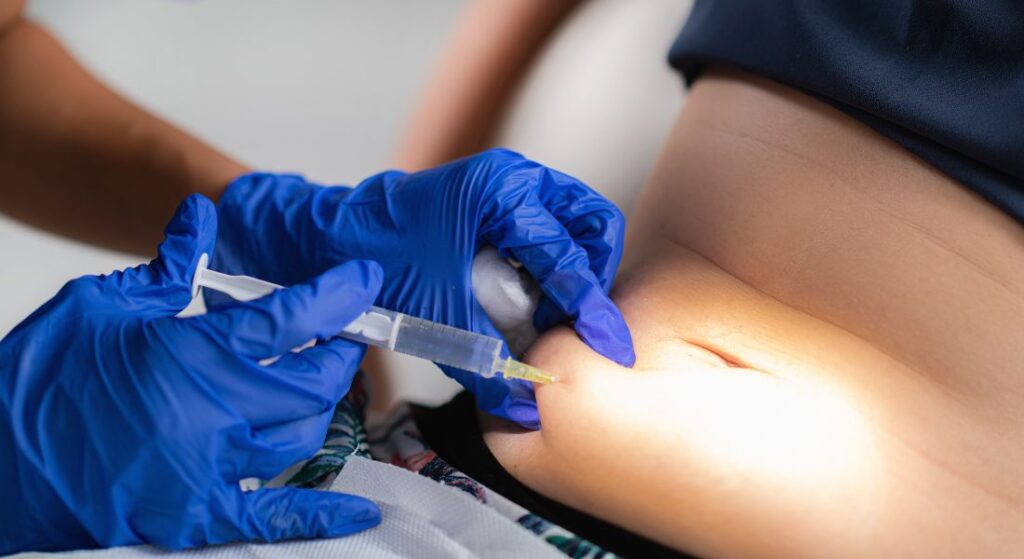
Sculptra is made from poly-L-lactic acid (PLLA), a potent collagen stimulator. Unlike traditional dermal fillers, which provide instant volume, Sculptra works gradually by encouraging your body to produce new collagen fibers deep within the skin. Over time, this rebuilds the skin’s internal support structure, improving firmness and elasticity naturally.
Sculptra helps improve skin laxity by:
– Increasing dermal thickness – As collagen forms, the dermis becomes thicker and more resilient, reducing the appearance of loose, sagging skin.
– Improving elasticity – New collagen and elastin fibers allow the skin to stretch and recoil more effectively, restoring a youthful bounce.
– Restoring support beneath the skin – By strengthening the underlying structure, Sculptra lifts and smooths areas that have sagged due to weight loss, aging, or volume loss.
– Reducing wrinkles and crepey texture – Collagen stimulation smooths fine lines and softens crepey, thin skin, making it look healthier and firmer.
– Lifting and firming the treated area – Gradual improvement in skin support can result in a subtle lift, enhancing natural contours without surgery.
– Enhancing the skin’s structural integrity – The treatment rebuilds the skin from within, so improvements are long-lasting and appear natural.
The result is firmer, more youthful-looking skin with natural contours, because the improvement comes from your own collagen, not just added volume.
Which Areas Respond Best to Sculptra After Weight Loss?
Sculptra is one of the most versatile body injectables because it works on large areas of laxity. Some of the most commonly treated areas include:
Stomach – Great for crepey or loose abdominal skin after pregnancy or weight loss.
Upper Arms – Helps firm the “bat-wing” appearance caused by loss of elasticity.
Thighs – Improves laxity and texture on both inner and outer thighs.
Buttocks – Can help lift and firm sagging areas while improving contour.
Hips and Lower Back – Useful for smoothing wrinkled or thin skin.
Chest – Can improve décolletage laxity after weight loss.
Because collagen production happens gradually, improvements appear over several months.
How Many Sculptra Sessions Are Needed for Loose Skin
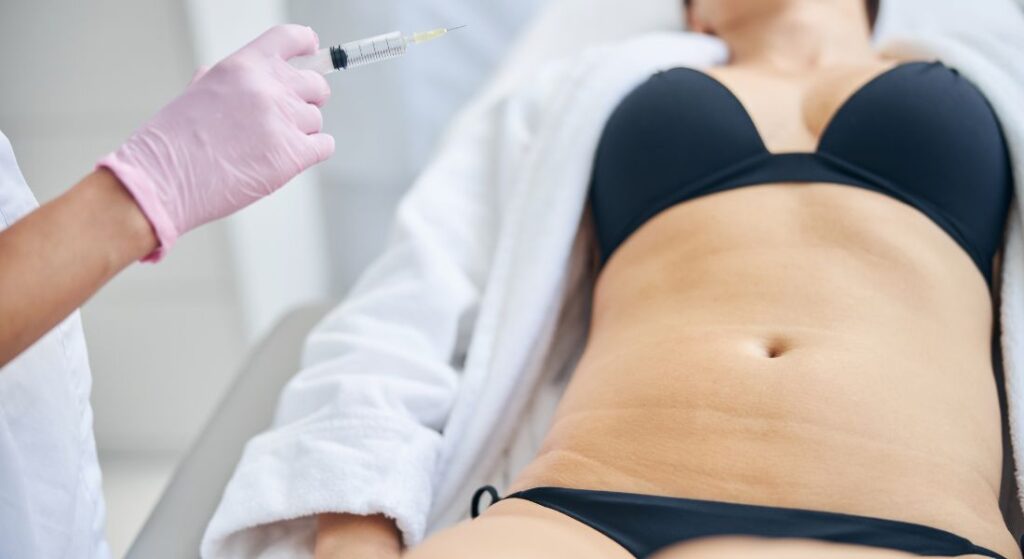
The number of Sculptra sessions needed for loose skin depends on several factors, including the severity of the laxity, your age, natural collagen levels, the area being treated, and your desired results.
Most patients typically require 2–4 sessions, spaced 4–6 weeks apart. Larger areas or more significant skin laxity may need additional vials or extra sessions to achieve the best possible tightening and contouring results.
When Will You See Results?
Sculptra works gradually by stimulating your body’s natural collagen production, so you won’t see immediate changes after treatment. Most patients start noticing subtle improvements around six to eight weeks, as the skin begins to feel firmer and appear smoother.
The full effect typically develops three to six months after your final session, once the new collagen network is fully established. Over this period, you may observe smoother skin texture, firmer and more elastic skin, reduced fine lines and wrinkles, and a subtly lifted appearance.
Because the collagen builds progressively, the improvements are natural-looking and blend seamlessly with your existing skin. Many patients also find that results continue to refine over several months, with benefits lasting up to two years or longer depending on individual factors such as age, skin quality, and lifestyle. This gradual, long-lasting effect is one of the key advantages of Sculptra over treatments that provide instant but temporary results.
How Long Do the Results Last?
Sculptra offers long-lasting results because it works by stimulating your body’s own collagen rather than relying on temporary synthetic fillers. Most patients enjoy improvements for up to two years, and in some cases, results can last even longer with occasional maintenance sessions.
The longevity of Sculptra’s effects is also influenced by lifestyle factors. Maintaining a healthy diet, staying well-hydrated, protecting your skin from the sun, and avoiding smoking can all help preserve collagen and extend the duration of your smoother, firmer skin.
What Sculptra Can and Cannot Do for Weight-Loss Skin Laxity
Sculptra is effective, but it’s important to understand its limitations so you can set realistic expectations.
What Sculptra Can Do – Sculptra helps improve skin firmness and thicken thin or stretched skin, making it an effective option for rejuvenating areas that have lost elasticity. It can reduce the appearance of wrinkles, address mild to moderate sagging, and provide a natural lifting effect.Additionally, Sculptra enhances the contour of treated areas, creating smoother, more youthful-looking skin without the need for invasive surgery.
What Sculptra Cannot Do – Sculptra cannot remove large amounts of excess skin or replace surgical tightening procedures. It also does not produce instant results, as its effects rely on gradual collagen stimulation.For those with severe overhang or apron-style skin, such as after significant weight loss, surgical body contouring may be a more suitable option to achieve the desired tightening and contour.
Why Sculptra Is Popular for Post-Weight-Loss Skin Tightening
Sculptra has become a go-to treatment for people looking to improve skin firmness after weight loss without undergoing surgery. Unlike invasive procedures that pull or heat the skin, Sculptra works from the inside out, rebuilding collagen and strengthening the skin’s underlying structure for a natural lift.
Key benefits include:
Natural, gradual results: Improvements develop over weeks to months, giving a subtle, realistic enhancement rather than an instant or artificial look.
No surgery or incisions: Sculptra is minimally invasive, meaning you can avoid the risks, scars, and recovery associated with surgical lifts.
Minimal downtime: Most people can return to normal activities immediately, with only mild redness or swelling in the treated areas for a short time.
Long-lasting improvement: Because it stimulates your own collagen, results can last up to two years or longer with occasional maintenance.
Treats large surface areas: Unlike fillers that work best on small, targeted zones, Sculptra can cover broad areas like the abdomen, arms, thighs, or buttocks.
Enhances overall skin quality: Beyond firmness, it improves texture, elasticity, and resilience, giving skin a healthier, more youthful appearance.
For many people, Sculptra bridges the gap between topical treatments and surgery, offering a safe, effective, and natural way to tighten and rejuvenate skin after weight loss.
Who Makes a Good Candidate for Sculptra After Weight Loss?
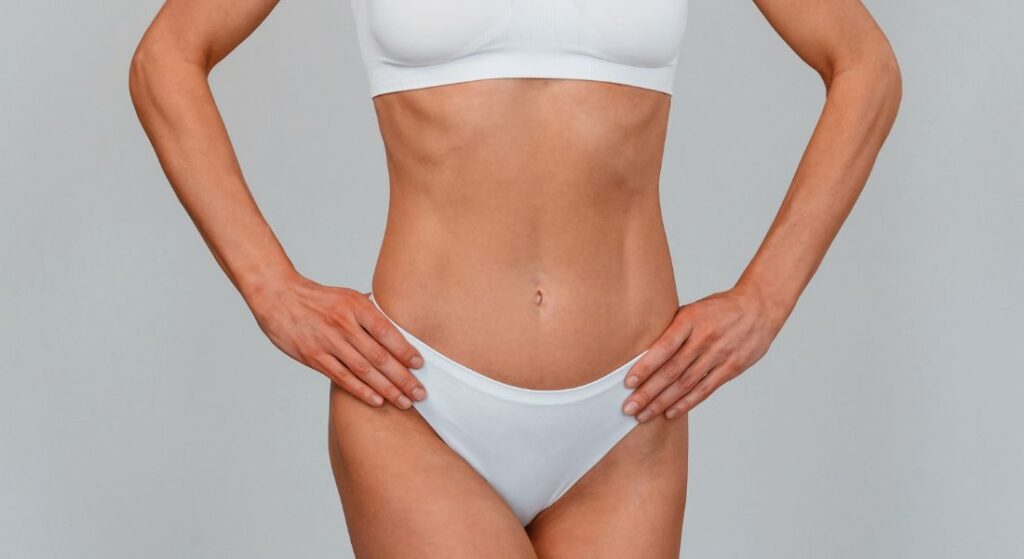
You may be an ideal candidate for Sculptra if you have mild to moderate skin laxity rather than severe, hanging skin, and your weight has been stable for some time. It’s suitable for those who want subtle, natural-looking firming without surgery and are willing to wait for gradual improvements as collagen builds.
Having some remaining skin elasticity also helps achieve the best results. People with very poor elasticity or significant sagging can still benefit from Sculptra, though they may require combination treatments or additional procedures to reach their desired outcome.
Who Should Avoid Sculptra?
Sculptra may not be suitable for everyone. It is generally not recommended if you are pregnant or breastfeeding, have autoimmune skin conditions in the treatment area, or tend to form keloid scars.
It’s also unsuitable if you’re looking for immediate tightening or have active infections or inflammation. Your practitioner will review your medical history and examine your skin to determine whether Sculptra is safe and appropriate for you.
Comparing Sculptra With Other Skin Tightening Methods
Many treatments claim to tighten loose skin, but they work through different mechanisms. Here’s how Sculptra compares.
Sculptra vs Radiofrequency (RF) Tightening: Radiofrequency (RF) treatments work by heating the skin to stimulate collagen and improve surface elasticity. Sculptra, on the other hand, builds deeper collagen and adds structural thickness beneath the skin. Sculptra is best for deeper laxity and larger areas, while RF is ideal for surface tightening and fine lines. Many patients achieve optimal results by combining both treatments for a more comprehensive improvement.
Sculptra vs Ultrasound Tightening (HIFU): HIFU (High-Intensity Focused Ultrasound) tightens the skin by contracting deeper tissues using focused ultrasound energy. Sculptra, in contrast, stimulates new collagen, strengthening the skin and improving its resilience. While HIFU provides a mild lifting effect, Sculptra enhances volume, firmness, and overall skin quality, making the two treatments complementary in some cases.
Sculptra vs Skin Boosters: Skin boosters hydrate and smooth the surface, but they do not address deeper laxity. Sculptra improves deeper structural support, especially useful for body areas affected byweight loss.
Sculptra vs Surgical Skin Removal: When it comes to improving loose or sagging skin, Sculptra and surgical skin removal serve very different purposes. Surgical procedures, such as tummy tucks or arm lifts, are the only way to remove significant amounts of excess skin. They provide immediate, dramatic results but involve incisions, anesthesia, and longer recovery times.
Sculptra, on the other hand, is a non-surgical alternative best suited for mild sagging, moderate laxity, surface wrinkles, and areas that need firmness rather than skin removal. It works by stimulating collagen deep within the skin, gradually improving support and elasticity. Many people choose Sculptra if they are not ready for surgery, want to avoid scars, or prefer a subtle, natural-looking enhancement. It can also serve as a stepping stone for those who may consider surgical tightening in the future.
What Happens During a Sculptra Treatment?
Sculptra is a unique injectable treatment designed to gradually restore facial volume and stimulate your body’s natural collagen production. Unlike traditional fillers that provide immediate results, Sculptra works subtly over time, creating a smoother, more youthful appearance that develops naturally. During a typical treatment session, you’ll experience a carefully planned process that ensures comfort, precision, and optimal results.
A typical appointment includes:
1. Consultation to assess laxity and determine suitability.
2. Mapping the treatment area.
3. Local numbing for comfort.
4. Injecting Sculptra in a grid-like pattern using a cannula.
5. Massaging the area to help distribute the product.
6. Aftercare guidance, including gentle massage for the next few days.
Most sessions take 30–60 minutes depending on the size of the area.
Will Sculptra Make You Look “Overfilled”?
No, Sculptra does not create a filled or puffy appearance. Because it stimulates your own collagen, the results look natural and blend with your body shape. This is one reason why Sculptra is preferred for post-weight-loss firming over hyaluronic acid fillers.
FAQs:
1. How does Sculptra improve skin laxity after weight loss?
Sculptra works by stimulating your body’s own collagen production deep within the skin. When injected, the poly-L-lactic acid (PLLA) in Sculptra encourages fibroblasts to generate new collagen fibers over time. This new collagen thickens the dermis, restores elasticity, and strengthens structural support beneath the skin. Unlike traditional fillers, which provide immediate volume, Sculptra gradually rebuilds the skin’s internal scaffolding, allowing loose areas to regain firmness and a smoother appearance naturally.
2. How soon will I see results after Sculptra?
The effects of Sculptra are gradual because collagen production takes time. Most patients notice subtle improvements in skin firmness and texture around six to eight weeks after the first session. Over the following months, the results continue to develop as collagen builds up, with full effects typically visible three to six months after completing the treatment series. This slow, natural progression ensures that the changes are subtle and harmonious with your body’s contours.
3. How long do the results last?
Sculptra delivers long-lasting improvements because it stimulates the skin to generate its own collagen. For most patients, the effects can last up to two years, and sometimes longer when occasional maintenance sessions are performed. While natural ageing continues and collagen may gradually degrade over time, maintaining healthy lifestyle habits such as proper hydration, sun protection, and balanced nutrition can help prolong the firmness and elasticity achieved through treatment.
4. How many treatment sessions will I need?
The number of sessions required varies depending on the extent of skin laxity, age, natural collagen levels, and the specific areas being treated. Typically, patients undergo two to four sessions, spaced four to six weeks apart. Some larger or more challenging areas may require additional vials or sessions to achieve the desired results. Each treatment is tailored to the individual to ensure gradual, natural improvements without overfilling or abrupt changes.
5. Is Sculptra painful?
Most patients find Sculptra treatments to be well tolerated. The product is usually mixed with a local anaesthetic to minimise discomfort during injection. Patients often describe mild pressure or pinching during the procedure, followed by a sensation of fullness in the treated areas. Any temporary swelling, tenderness, or minor bruising typically resolves within a few days. The treatment is generally considered comfortable, and most people can resume normal activities immediately afterwards.
6. Are there any side effects?
Side effects from Sculptra are generally mild and temporary. Patients may experience some redness, swelling, tenderness, or small nodules at the injection sites. These effects usually resolve on their own within a few days or weeks. Rarely, some individuals may develop small granulomas or prolonged nodules, but these can typically be managed by the practitioner. Following aftercare instructions, including gentle massaging of treated areas, helps ensure smooth collagen formation and reduces the likelihood of complications.
7. Can Sculptra replace surgical skin tightening?
Sculptra is not a substitute for surgical skin removal or lifting procedures. It is most effective for mild to moderate skin laxity, surface wrinkles, and areas that have retained some elasticity after weight loss. For individuals with significant overhangs or severe sagging, surgical options such as tummy tucks, arm lifts, or body contouring may be more appropriate. Sculptra, however, offers a non-invasive alternative for those seeking gradual improvements without incisions or lengthy recovery periods.
8. Who is an ideal candidate for Sculptra after weight loss?
The best candidates for Sculptra are individuals who have mild to moderate skin laxity and a stable weight. It is particularly suitable for those who want natural, subtle firming rather than dramatic, immediate results. Patients with some remaining skin elasticity tend to achieve better outcomes. It is important that candidates are patient and understand that improvements develop gradually as collagen builds over several months.
9. Are there any people who should avoid Sculptra?
Sculptra is not suitable for everyone. It is generally contraindicated for pregnant or breastfeeding individuals, people with autoimmune skin conditions, or those prone to keloid scarring. Patients with active infections or inflammation in the treatment area should wait until the condition resolves. Additionally, those seeking instant skin tightening or dramatic lifts may find Sculptra less suitable. A full consultation with a qualified practitioner is essential to determine safety and appropriateness.
10. How does Sculptra compare to other non-surgical skin tightening methods?
Sculptra differs from other non-surgical methods because it works by rebuilding collagen deep within the skin rather than merely affecting surface layers. Radiofrequency treatments mainly heat the skin to stimulate superficial collagen and tighten the surface, while ultrasound-based therapies like HIFU contract deeper tissues with energy. Sculptra adds structural thickness and improves elasticity, making it effective for larger areas and deeper laxity. For some patients, combining Sculptra with these methods can provide more comprehensive results, enhancing both firmness and skin quality.
Final Thought: Considering Sculptra for Post-Weight-Loss Skin Laxity?
Sculptra is a safe and effective treatment for mild to moderate skin laxity after weight loss, helping to restore firmness, elasticity, and smoother contours over time. While it cannot remove large amounts of excess skin like surgical procedures, it provides a natural, gradual improvement without downtime, making it a popular choice for non-surgical skin tightening.
If you’re thinking Sculptra clinic in London, you can reach out to us at the London Medical & Aesthetic Clinic to discuss your suitability and receive a personalised treatment plan tailored to your needs.
References:
1. Rotunda, A. M., Niforos, F., & Raymond, L. M. (2019) ‘Recommendations on the use of injectable poly‑L‑lactic acid for skin laxity in off‑face areas’, Journal of Drugs in Dermatology, 18(9), pp. 929‑935. https://pubmed.ncbi.nlm.nih.gov/31524350/
2. Lorenc, Z. P., Greene, T. & Gottschalk, R. W. (2016) ‘Injectable poly‑L‑lactic acid: understanding its use in the current era’, Aesthetic Plastic Surgery, 40, pp. 720–729. https://pubmed.ncbi.nlm.nih.gov/32976171/
3. Hedén, P., Rudolph, M. & Goodman, G. (2011) ‘Nonsurgical rejuvenation of the aging face with injectable poly‑L‑lactic acid for restoration of soft tissue volume’, Aesthetic Surgery Journal, 31(1), pp. https://academic.oup.com/asj/article-abstract/31/1/95/274078
4. Signori, R., de Paula Barbosa, A., Cezar‑dos‑Santos, F., Carbone, A.C., Ventura, S., Nobre, B.B.d.S., Boechat Borges Neves, M.L., Câmara‑Souza, M.B., Lorenzi Poluha, R. & De la Torre Canales, G., 2024. https://www.mdpi.com/2073-4360/16/18/2564
5. Seo, Y., Ma, J‑H., Lee, E‑S., & Lee, S‑H., 2023. Poly‑D,L‑Lactic Acid (PDLLA) in Aesthetic Applications: Skin Tightening, Rejuvenation and Treatment of Skin Laxity. Polymers, 16(18), 2583. https://www.mdpi.com/2073-4360/16/18/2583