



If you have been diagnosed with Hepatitis and are considering aesthetic treatment, it is completely normal to have concerns. You may be wondering whether your liver condition affects your safety, healing, or results. These are important questions, and understanding them helps you make confident and informed decisions. A personalised approach is always essential.
Sculptra is a collagen-stimulating injectable treatment that works gradually over time. Instead of simply adding volume, it encourages your body to produce its own collagen. Because of this, your overall health plays a role in how well the treatment works. Your body’s ability to heal and respond will influence your results.
The good news is that having hepatitis does not automatically rule out treatment. However, your liver function, the type of hepatitis you have, and your general health all need to be carefully assessed. Your practitioner will review these factors before recommending treatment. This ensures the safest and most effective plan for you.
What Is Sculptra and How Does It Work?
Sculptra is made from poly-L-lactic acid, a substance that stimulates collagen production within your skin. It does not deliver instant volume like traditional fillers. Instead, it works gradually over several weeks to improve skin quality and restore lost volume. This slow process helps create a more natural-looking result.
After the injections, your body produces a controlled inflammatory response. This activates specialised cells called fibroblasts, which are responsible for creating new collagen. As collagen builds up over time, your skin becomes firmer and more structured. The changes develop subtly, rather than appearing all at once.
Because the treatment relies on your body’s internal response, your overall health plays an important role. Factors such as immune function and metabolic processes can influence how your body reacts. This is particularly relevant if you are living with Hepatitis. A careful assessment helps ensure your treatment is both safe and effective.
Understanding Hepatitis and Its Types
Hepatitis refers to inflammation of the liver, which can occur for several reasons. The most common causes are viral infections, particularly Hepatitis B and Hepatitis C. However, hepatitis can also result from alcohol use, certain medications, or autoimmune conditions. The way it affects your body depends on the underlying cause and how advanced the condition is. Because hepatitis varies widely, your experience may be very different from someone else’s.
1. Different causes and types: Viral hepatitis is the most recognised form, but non-viral causes such as alcohol-related liver disease or autoimmune hepatitis can also lead to inflammation. Each type behaves differently and requires a specific approach to management.
2. Variation in symptoms and severity: Some people have stable, well-controlled hepatitis with few or no symptoms. Others may experience ongoing inflammation, fatigue, or liver damage. The severity of the condition influences how your body responds to treatments.
3. Impact on overall health: The liver plays a central role in metabolism, detoxification, and healing. If liver function is affected, it may influence how your body processes medications or recovers from procedures.
4. Importance of accurate diagnosis: Knowing exactly which type of hepatitis you have is essential. Not all forms carry the same risks, and treatment decisions should be based on your specific diagnosis and liver health.
Because of these differences, a personalised assessment is key. By understanding your condition fully, your practitioner can recommend safe and appropriate treatment options tailored to your needs.
Why Liver Function Matters for Aesthetic Treatments

Your liver plays a central role in keeping your body balanced and healthy. It processes toxins, medications, and metabolic by-products, and it also helps regulate inflammation and healing. If you are living with Hepatitis, these functions may be affected depending on how well your liver is working. This can influence how your body responds to any treatment.
Although Sculptra is not processed by the liver in the same way as many medications, your overall metabolic health still matters. The treatment relies on your body’s ability to control inflammation and produce collagen. These processes depend on your general health, including liver function. A well-functioning system supports more predictable results.
If your liver is working well, your body is more likely to respond in a normal and balanced way. If there is impairment, your practitioner may need to adjust your treatment plan or recommend waiting. This helps reduce potential risks and improve outcomes. Careful assessment ensures that your treatment remains both safe and effective.
Can You Have Sculptra with Hepatitis?
In many cases, yes, you can have Sculptra if you are living with Hepatitis. The most important factor is whether your condition is stable and well managed. A diagnosis on its own does not automatically exclude you from treatment. What matters most is how well your liver is functioning overall.
If your liver function is normal or only mildly affected, treatment is often considered safe. Your body is more likely to respond in a predictable way, including normal healing and collagen production. This supports gradual and natural-looking results. Your practitioner will still carry out a full assessment before proceeding.
If you have active liver disease or more significant impairment, treatment may need to be delayed. This allows your body time to stabilise and reduces potential risks. Safety always comes first when planning any procedure. Your practitioner will guide you based on your individual health and medical history.
The Role of Liver Function Tests
Liver function tests are an important part of understanding your overall health, especially if you have a history of Hepatitis or other liver concerns. These blood tests measure specific enzymes and proteins that indicate how well your liver is working. They are commonly used to assess whether it is safe for you to proceed with treatment. By reviewing these results, your practitioner can make informed decisions about your care.
1. Measuring liver performance: These tests look at markers such as liver enzymes and proteins, which reflect how effectively your liver is functioning. Stable levels usually indicate that your liver is managing its normal roles well.
2. Supporting safe treatment planning: If your results fall within a healthy or stable range, your overall risk profile is typically lower. This allows your practitioner to plan treatment more confidently and proceed with appropriate precautions.
3. Identifying the need for further evaluation: If any results are outside the normal range, your doctor may recommend additional tests or a review with a specialist. This helps identify the cause and determine the best course of action.
4. Ensuring the right timing for treatment: In some cases, treatment may be delayed until your liver function stabilises. This approach reduces potential risks and ensures your body is better prepared for the procedure.
Liver function tests are not just a formality they are a key safeguard. By understanding how your liver is performing, you and your practitioner can move forward with greater confidence, prioritising both safety and effective results.
Immune System Considerations
Your liver plays an important role in regulating your immune system. If you are living with Hepatitis or chronic liver disease, this balance can sometimes be affected. Changes in immune response may influence how your body reacts to controlled inflammation. This is particularly relevant for treatments such as Sculptra.
If your immune response is stable and well balanced, your body will usually handle the treatment effectively. Collagen stimulation is more likely to occur as expected. Healing tends to be smoother and more predictable. This supports better overall treatment outcomes.
If your immune function is compromised, your response to treatment may vary. This does not necessarily mean you cannot proceed, but it may affect timing and expectations. Your practitioner may recommend adjustments or closer monitoring. Careful planning helps ensure the safest and most appropriate approach for you.
Healing After Sculptra with Hepatitis
Healing after Sculptra is gradual and continues over several weeks. Collagen production develops slowly, even after the injections are complete. This process depends on healthy cellular activity and a balanced healing response. Your body works steadily to rebuild structure and improve skin quality.
If your Hepatitis is stable, your healing process is usually similar to that of other patients. You can expect gradual improvements as collagen forms over time. Most people require a series of sessions to achieve the best results. Patience is important, as changes are subtle and progressive.
If your liver function is impaired, healing may take longer. Collagen production and tissue repair can be slower, which may delay visible results. This does not mean the treatment will not work, but it may affect the timeline. Your practitioner will explain this clearly so you know what to expect before starting treatment.
Risk of Infection and Complications
All injectable treatments carry a small risk of infection, regardless of your health status. If you are living with Hepatitis and your condition is stable, this risk is generally not significantly increased. In most cases, standard medical precautions are enough to ensure safe treatment. Clinics use strict safety measures to protect you throughout the procedure.
1. Use of sterile techniques: Practitioners follow careful hygiene protocols, including sterile equipment and clean treatment environments. These steps greatly reduce the likelihood of infection.
2. Importance of practitioner expertise: Proper injection technique and experience are essential. A skilled practitioner understands how to minimise trauma to the skin and reduce the risk of complications.
3. Following aftercare guidance: After your treatment, you will be given specific instructions. Keeping the treated area clean, avoiding unnecessary touching, and following product guidance all support smooth healing.
4. Recognising and reporting concerns early: If you notice unusual redness, swelling, or discomfort, it is important to contact your practitioner promptly. Early attention helps prevent minor issues from becoming more serious.
By combining professional safety standards with careful aftercare, you can significantly reduce the risk of complications and support a smooth, comfortable recovery.
Medication and Treatment Interactions
If you are living with Hepatitis, you may be taking antiviral medications or other treatments to manage your condition. These medications do not usually interact directly with Sculptra. However, they still provide important context about your overall health and how your body functions. This information helps your practitioner plan your treatment safely.
Your practitioner will review your full medication history before proceeding. Some medications can influence inflammation, healing, or your body’s response to treatment. Identifying these factors early allows for better planning and reduces potential risks. A thorough assessment is an essential part of safe care.
Being open and honest about all medications you are taking is very important. This includes prescribed treatments, supplements, and over-the-counter products. Clear communication allows your practitioner to tailor your treatment to your needs. It also helps improve both safety and final results.
When Medical Clearance Is Recommended
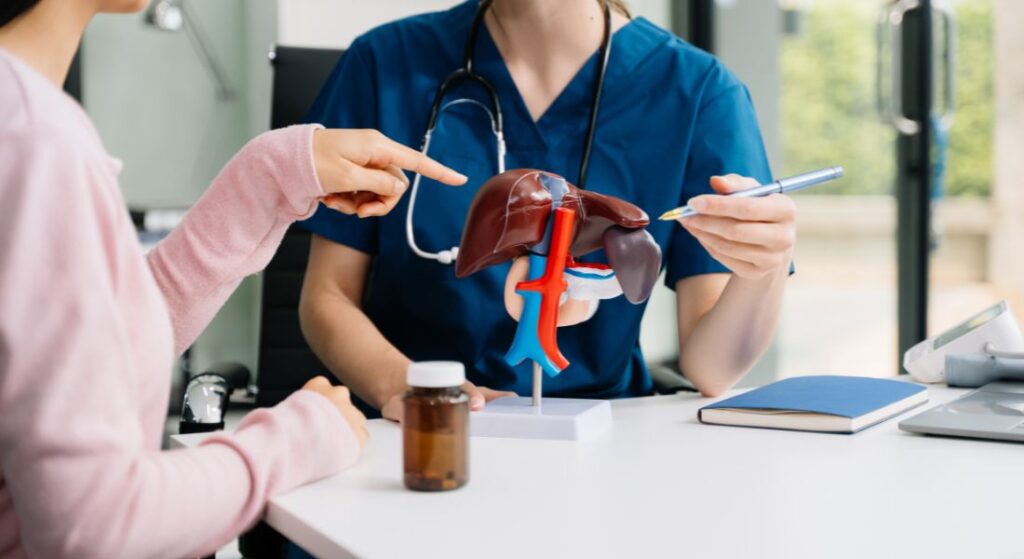
Medical clearance may be advised before you go ahead with treatment. This is especially important if your Hepatitis is active or has led to any degree of liver damage. Clearance helps confirm that your condition is stable and well managed. It ensures your body is in a suitable state for treatment.
Your GP or specialist may be asked to provide input on your suitability. This allows all aspects of your health to be considered, not just the aesthetic procedure itself. Their guidance helps your practitioner make a fully informed decision. It also gives you added reassurance that the treatment is appropriate for you.
Medical clearance should be seen as a precaution rather than a barrier. It is simply a way to prioritise your safety before proceeding with Sculptra. Taking this step helps reduce risks and supports better overall results. It ensures your treatment plan is both safe and personalised.
Situations Where Treatment May Be Delayed
There are certain situations where treatment with Sculptra should be postponed. Active Hepatitis or unstable liver function is one of the main reasons. Ongoing inflammation can affect how your body heals and responds to treatment. Waiting allows your system to return to a more stable state.
Recent illness or changes in your medication can also mean delaying your procedure. Your body needs to be in a balanced and predictable condition before treatment. This helps reduce the risk of complications and supports better healing. Your practitioner will assess these factors carefully during your consultation.
Waiting is sometimes the safest and most sensible option. It gives your body time to recover and stabilise fully. This approach improves both the safety of the procedure and the quality of your results. Careful timing plays an important role in achieving the best possible outcome.
Expected Results in Hepatitis Patients
If you are living with Hepatitis and your condition is well controlled, your results from Sculptra are usually comparable to those seen in other patients. The treatment works by stimulating collagen production, so improvements appear gradually and develop over time rather than immediately. It’s helpful to understand what this process typically involves.
1. Gradual, natural-looking improvement: Sculptra encourages your body to rebuild its own collagen, leading to subtle and progressive enhancement. This often results in a natural appearance that evolves over several weeks.
2. Multiple sessions are usually required: Treatment is typically carried out over a series of appointments. Each session builds on the previous one, helping to achieve balanced and longer-lasting results.
3. Patience during the process: Because results are not instant, it’s important to allow time for your body to respond. Many patients notice steady improvements rather than a sudden change.
4. Variation with reduced liver function: If your liver function is not optimal, your body’s response may be slightly slower. In these cases, your practitioner will adjust your treatment plan and expectations to suit your individual situation.
With the right planning and realistic expectations, most patients achieve satisfying, natural results. Your practitioner will guide you throughout the process to ensure your treatment remains safe and tailored to your needs.
Longevity of Results
Results from Sculptra can last for up to two years or sometimes longer. This depends on how your body produces and maintains collagen over time. Because the treatment works gradually, the results tend to look natural and develop steadily. Maintenance sessions may be recommended to keep the effect consistent.
If you are living with Hepatitis and your condition is stable, the longevity of your results is usually similar to that of other patients. Your skin will continue to age naturally, which can influence how long the results last. This is a normal process and not specific to hepatitis. Individual factors such as lifestyle and overall health also play a role.
Regular follow-up appointments help maintain your results over time. Your practitioner will advise you on the best timing for maintenance treatments based on your response. Planning ahead supports more consistent and balanced outcomes. Long-term care is an important part of achieving the best results.
Psychological and Confidence Benefits
Aesthetic treatments can have a meaningful impact on how you feel about yourself. Changes such as facial volume loss or reduced skin quality may affect your confidence over time. Addressing these concerns can help improve your self-image in a subtle and supportive way. Feeling comfortable in your appearance is an important part of overall wellbeing.
Sculptra offers gradual and natural-looking improvement rather than immediate change. Because results develop over time, they often feel more authentic and less noticeable to others. Many patients appreciate this progressive approach. It allows you to adjust slowly to your enhanced appearance.
When treatment is planned safely, it can support both physical and emotional wellbeing. This is especially important if you are managing a condition such as Hepatitis. A personalised and cautious approach helps you feel confident in your decision. Safe care makes positive, long-term outcomes possible.
Choosing an Experienced Practitioner
Selecting the right practitioner is especially important if you are living with Hepatitis. You need someone who understands both aesthetic treatments and the medical factors that may influence your care. This ensures your treatment is planned safely and appropriately. Experience and clinical awareness make a meaningful difference.
An experienced practitioner will take a detailed medical history before recommending Sculptra. They will assess your liver health, current condition, and overall suitability for treatment. This thorough approach helps reduce risk and improve outcomes. It also builds trust and confidence in your care.
You should always feel comfortable asking questions during your consultation. Clear and open communication is essential for making informed decisions. Understanding the process, risks, and expected results helps you feel more at ease. Taking the time to choose the right practitioner supports a safer and more positive experience.
Advances in Hepatitis Treatment
Modern care for Hepatitis has improved significantly in recent years. With the development of effective antiviral therapies and better monitoring, many people now achieve stable, long-term control of their condition. This progress has opened the door to a wider range of treatment options, including aesthetic procedures. These advances have made a meaningful difference to both safety and outcomes.
1. Improved disease control: Treatments for conditions such as Hepatitis B and Hepatitis C are now far more effective than in the past. Many patients can maintain stable liver function, reducing the impact of the disease on daily life.
2. Lower procedural risk: When hepatitis is well managed, the risks associated with minor procedures are generally lower. This makes treatments like Sculptra more accessible for suitable candidates.
3. Better healing and recovery: Stable liver function supports the body’s natural healing processes. This can lead to smoother recovery and more predictable results following treatment.
4. Ongoing research and innovation: Medical research continues to refine hepatitis care, improving both safety and long-term outcomes. New therapies and monitoring strategies are helping patients live healthier, more stable lives.
As treatment continues to advance, the outlook for people living with hepatitis is increasingly positive. With proper medical guidance and personalised care, many patients can safely explore aesthetic treatments alongside effective condition management.
Advances in Aesthetic Medicine
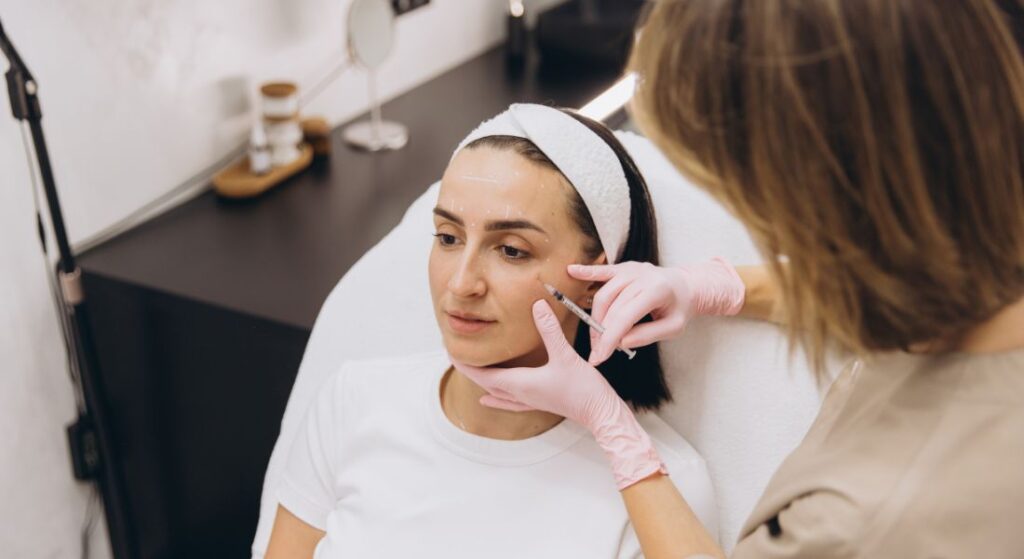
Aesthetic medicine has become more advanced and safer over time. Modern techniques are more precise and tailored to your individual needs. This helps reduce risks while improving the quality and consistency of results. As a result, treatments are now more accessible to a wider range of patients.
Sculptra is widely used for restoring volume in a natural-looking way. Its safety profile is well established when performed by experienced practitioners. This includes use in patients who may have underlying health conditions. Careful technique and proper planning are key to maintaining these standards.
These advances allow for a more personalised approach to treatment. If you are living with Hepatitis, you can often still be treated safely when your condition is stable. Individual assessment remains essential before proceeding. This ensures your treatment plan is both safe and effective.
Personalised Treatment Planning
Every patient is different, and your treatment should reflect that. If you are considering Sculptra, your practitioner will take into account your liver function, overall health, and personal goals. This is particularly important if you are living with Hepatitis. A tailored approach helps ensure that your treatment is both safe and suitable for you.
Personalised planning improves both safety and outcomes. It allows your practitioner to adjust the treatment based on your specific medical background and how your body is likely to respond. This flexibility is especially valuable when underlying health conditions are present. Careful assessment reduces risk and supports better results.
A customised plan helps you achieve the most natural and effective outcome possible. It ensures that each step of your treatment is appropriate for your needs. You benefit from a thoughtful and measured approach rather than a one-size-fits-all solution. This level of care forms the foundation of safe and successful treatment.
Long-Term Safety Considerations
Long-term safety is an important part of any aesthetic treatment you consider. Sculptra has a strong safety record when it is used correctly by an experienced practitioner. Careful technique and proper patient selection are key to maintaining this standard. This is particularly important if you are living with Hepatitis.
Regular follow-up appointments help monitor both your results and your overall health. These visits allow your practitioner to identify and address any concerns early. Ongoing monitoring supports safer, more consistent outcomes over time. It also helps ensure your treatment continues to suit your needs.
You should always feel comfortable discussing any concerns or changes you notice. Open communication with your practitioner is essential for long-term safety. It helps you stay informed and confident throughout your treatment journey. This approach supports the best possible results and overall experience.
FAQs:
1. Can you safely have Sculptra if you have hepatitis?
Yes, in many cases you can safely have Sculptra if your hepatitis is stable and well managed. The key factor is how well your liver is functioning at the time of treatment. Your practitioner will assess your medical history and may request recent test results. This helps ensure the procedure is appropriate and low risk for you.
2. Does hepatitis affect how Sculptra works?
Hepatitis can influence how your body responds, particularly if liver function is impaired. Since Sculptra relies on collagen production, overall health plays a role in results. If your condition is stable, outcomes are usually similar to other patients. However, if your liver is compromised, results may take longer to develop.
3. Is Sculptra processed by the liver?
Sculptra is not processed by the liver in the same way as medications. Instead, it works locally by stimulating collagen production in the skin. However, your liver still contributes to overall metabolic balance and healing. This is why liver health remains an important consideration.
4. Do you need medical clearance before Sculptra treatment?
Medical clearance is sometimes recommended, especially if your hepatitis is active or complex. Your GP or specialist can confirm whether your condition is stable enough for treatment. This adds an extra layer of safety and reassurance. It also helps your practitioner plan your treatment more effectively.
5. Can hepatitis increase the risk of complications?
If your hepatitis is well controlled, the risk of complications is generally not significantly increased. Clinics follow strict hygiene and safety protocols for all patients. However, more advanced liver disease may affect healing and inflammation. This is why careful assessment is essential before proceeding.
6. Will healing take longer if you have hepatitis?
Healing is usually normal if your hepatitis is stable and your liver function is good. In cases of reduced liver function, healing may be slightly slower. Collagen production can also take longer to develop. Your practitioner will discuss realistic timelines with you.
7. Can antiviral medications affect Sculptra treatment?
Most antiviral medications do not directly interfere with Sculptra. However, they provide important information about your overall health and liver status. Your practitioner will review all medications during your consultation. This ensures that treatment is planned safely and appropriately.
8. Should you avoid Sculptra during active hepatitis?
Yes, it is generally advised to avoid treatment if your hepatitis is active or unstable. Active inflammation can affect how your body heals and responds. Waiting until your condition is controlled reduces risks. Your practitioner will guide you on the safest timing.
9. Will results last as long if you have hepatitis?
If your hepatitis is well managed, results typically last as long as they would in other patients. Sculptra effects often last up to two years or more. If liver function is reduced, longevity may vary slightly. Individual response depends on overall health and collagen production.
10. What is the most important step before treatment?
The most important step is having a thorough consultation with an experienced practitioner. They will assess your liver health, medical history, and treatment goals. This allows for a personalised and safe approach. Open communication ensures you fully understand the risks and expected outcomes.
Final Thoughts: Making Safe, Informed Decisions with Sculptra
Having hepatitis does not automatically prevent you from benefiting from Sculptra, but it does mean your treatment needs to be approached with care and proper assessment. When your condition is stable and your liver function is well managed, outcomes are often comparable to those in patients without underlying health concerns. The key is understanding your individual health profile and ensuring that your body is in a suitable state to respond to collagen stimulation effectively.
A personalised consultation is essential to evaluate your medical history, current liver function, and treatment goals. This allows your practitioner to plan safely, adjust expectations if needed, and minimise any potential risks. With the right preparation and expert guidance, Sculptra can still be a safe and effective option for gradual, natural-looking results. If you’re looking for sculptra in London, you can get in touch with us at the London Medical & Aesthetic Clinic.
References:
1. Goldie, K., Peeters, W., Alghoul, M. and Goodman, G.J. (2023) Optimizing skin quality with injectable poly-L-lactic acid and hyaluronic acid. Clinical, Cosmetic and Investigational Dermatology, 16, pp. 1487–1498. https://pmc.ncbi.nlm.nih.gov/articles/PMC10286875/
2. Ray, S. and Ta, H.T. (2020) Investigating the effect of biomaterials such as poly-(L-lactic acid) particles on collagen synthesis in vitro: method is matter. Journal of Functional Biomaterials, 11(3), 51. https://pmc.ncbi.nlm.nih.gov/articles/PMC7564527/
3. Signori, R., Bianchi, A. and Conti, M. (2024) Efficacy and safety of poly-L-lactic acid in facial aesthetics: a systematic review. Polymers, 16(18), 2564. https://www.mdpi.com/2073-4360/16/18/2564
4. Keni, S.P. and Sidle, D.M. (2007) Sculptra (injectable poly-L-lactic acid). Facial Plastic Surgery Clinics of North America, 15(1), pp. 91–97. https://pubmed.ncbi.nlm.nih.gov/17317560/
5. Lam, S.M., Azizzadeh, B. and Graivier, M. (2006) Injectable poly-L-lactic acid (Sculptra): technical considerations in soft-tissue contouring. Plastic and Reconstructive Surgery, 118(3 Suppl), pp. 55S–63S. https://pubmed.ncbi.nlm.nih.gov/16936545/