


Your 40s are often the decade when facial ageing feels more noticeable. Changes that once seemed subtle can start to feel more established, and skin may no longer respond as quickly as it once did. This is also when many people begin exploring treatments that address deeper structural ageing rather than surface concerns alone.
Sculptra is frequently discussed at this stage of life because it targets collagen loss, which accelerates throughout your 40s. Unlike treatments that focus on instant results, Sculptra works gradually, supporting the skin from within.
In this article, I’ll explain how Sculptra performs in your 40s, which areas typically benefit most, how treatment is planned, and what realistic outcomes look like at this stage of ageing.
Why Collagen Loss Accelerates in Your 40s
Collagen production naturally declines with age, but by your 40s, the effects become noticeably more pronounced. The skin’s ability to repair itself and regenerate new collagen slows down compared to earlier years. This gradual reduction can make fine lines, sagging, and wrinkles more visible, even if you maintain a healthy lifestyle and skincare routine.
The impact of collagen loss goes beyond just a loss of firmness. It can lead to facial hollowing, thinner skin, and a softening of facial contours. As a result, the face may appear tired, less lifted, or less supported over time.
Because these changes occur at a structural level, addressing them often requires treatments that work beneath the surface of the skin. Simple topical skincare may help with texture and hydration, but deeper interventions are typically needed to restore volume and resilience.
What Makes Sculptra Particularly Relevant in the 40s
Sculptra is designed to gradually stimulate your body’s own collagen production over time. This makes it particularly suited to the subtle but noticeable signs of ageing that appear in your 40s. Rather than providing instant volume, it encourages the skin to rebuild its natural support structures slowly. This gradual approach works in harmony with the biology of ageing skin at this stage.
The treatment focuses on enhancing the skin’s underlying framework rather than simply filling lines or wrinkles. By strengthening collagen over several months, it helps restore facial contours naturally. Patients often notice improvements in skin firmness and overall texture without dramatic or artificial-looking changes.
For many people, Sculptra offers a way to rejuvenate the face while maintaining their natural expressions. It supports areas prone to hollowing and softening, particularly around the cheeks and temples. The results develop gradually, giving a subtle yet noticeable lift and refreshed appearance.
Unlike traditional fillers, Sculptra works beneath the surface to rebuild structural support. This makes it an ideal option for those looking to address the deeper effects of ageing in the 40s. Its long-term approach provides a natural, youthful outcome without sudden or exaggerated changes.
Is Sculptra More Effective in the 40s Than Earlier Decades?
In many cases, Sculptra can be particularly effective in your 40s. By this age, collagen loss is more pronounced, creating a clearer need for stimulation. The skin is often more receptive to treatments that encourage structural support, allowing results to become more noticeable.
In contrast, during earlier decades, collagen levels are generally higher, so the visible benefits of Sculptra may be subtler. Effectiveness also depends on individual factors such as genetics, skin quality, lifestyle, and overall health. Even in your 40s, these factors influence how quickly and significantly the skin responds to treatment.
Common Treatment Goals in the 40s
By the time you reach your 40s, Sculptra is seldom used for prevention alone. It is typically chosen to address changes that are already visible, while also supporting the skin against future ageing. This dual approach helps maintain a natural and balanced appearance over time.
Typical treatment goals include restoring facial support, improving skin firmness, and softening hollow or sunken areas. The focus is not on looking dramatically younger overnight, but rather on achieving a healthier, more refreshed look. Gradual improvement ensures results remain subtle and natural.
Most patients want to enhance their appearance without altering who they are. The aim is to look like themselves, just less tired, more lifted, and better supported. Sculptra provides a long-term solution that works with the body’s own collagen for a gentle, rejuvenated effect.
Areas That Respond Well to Sculptra in the 40s
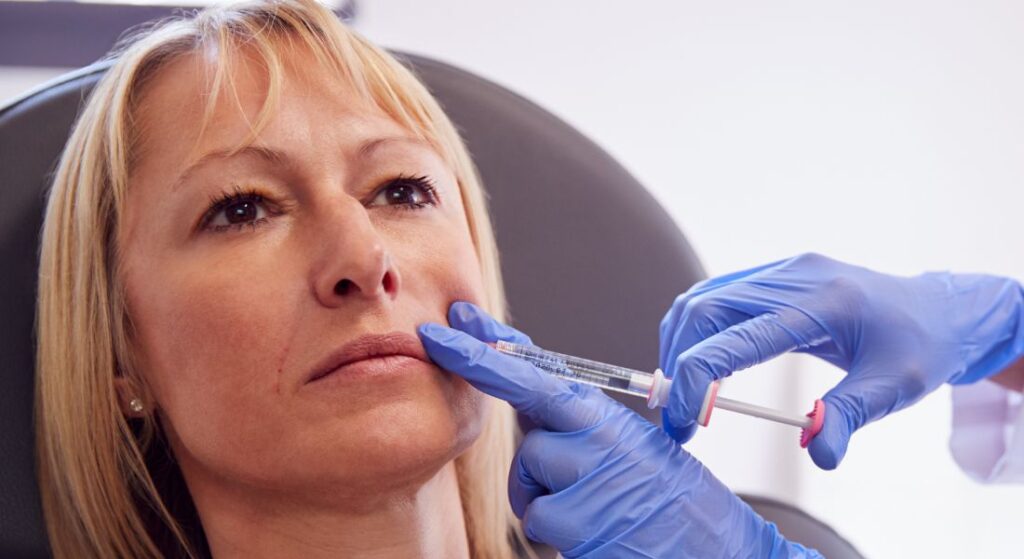
In your 40s, Sculptra is particularly effective in regions where collagen loss alters facial structure and volume, rather than simply addressing fine lines. The treatment encourages natural collagen regeneration, helping restore youthful contours while maintaining natural movement.
1. Mid-face: Volume loss in the cheeks can flatten facial contours over time. Sculptra restores fullness, lifting the area subtly and creating a more balanced, youthful appearance without looking overfilled.
2. Temples: Hollowing in the temples is a common sign of ageing. Treating this area with Sculptra helps smooth depressions and provides gentle structural support to the upper face.
3. Jawline: The jawline often loses definition with age, contributing to sagging or jowls. Sculptra strengthens facial support in this region, improving the jawline’s contour and providing a firmer overall look.
4. Lower face: While the lower face may not require dramatic reshaping, collagen stimulation here enhances skin texture and quality. This results in a smoother, healthier appearance that complements other treated areas.
Overall, Sculptra targets the key zones where collagen loss is most visible in the 40s, helping restore natural facial harmony without compromising expression or movement.
How Treatment Planning Changes in Your 40s
Treatment planning in your 40s tends to be more comprehensive than in earlier decades. Collagen loss is often more widespread, so practitioners usually assess the face as a whole rather than focusing on isolated areas. This ensures a balanced approach that supports natural facial contours over time.
Multiple sessions are typically recommended to gradually and evenly stimulate collagen production. A staged treatment plan helps reduce the risk of uneven results and ensures a subtle, natural-looking outcome. Patients often find that this approach delivers smoother, longer-lasting improvements.
Practitioners also take into account how the face is likely to continue ageing, not just its current appearance. This forward-looking strategy helps maintain facial harmony as new changes occur. By planning with the future in mind, results remain consistent and aesthetically pleasing over the years.
What Results Typically Look Like
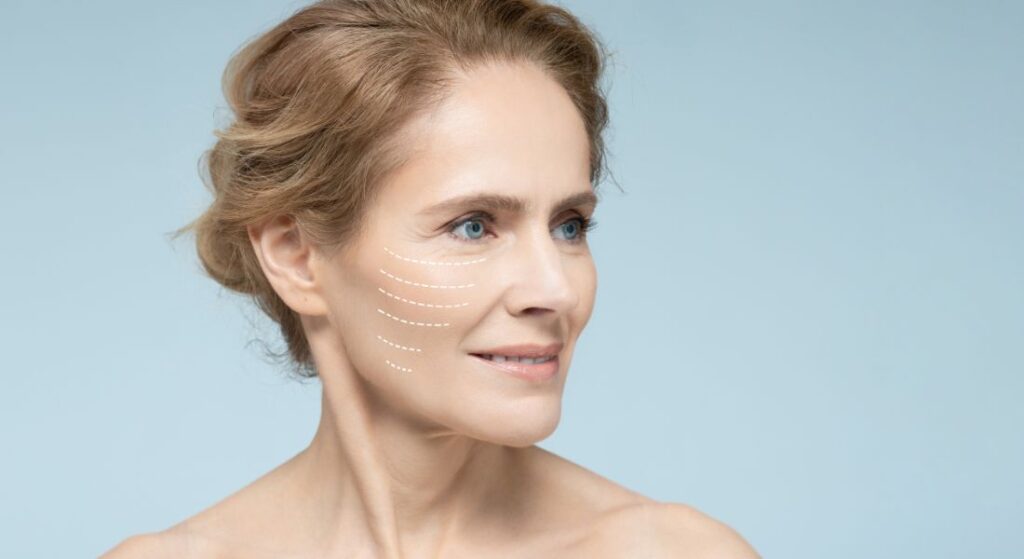
Results from Sculptra in your 40s are usually subtle yet noticeable. Rather than creating dramatic volume, the skin often appears firmer, smoother, and more resilient. This gentle enhancement supports a natural, refreshed look that aligns with your existing facial structure.
Changes develop gradually over several months, allowing improvements to blend seamlessly. This slow progression means the results appear natural, avoiding an overfilled or artificial appearance. Friends and family may notice that you look healthier or more vibrant without immediately knowing why.
Because outcomes depend on your own collagen production, they integrate harmoniously with your facial contours. Over time, this encourages a balanced, lifted appearance that evolves naturally. The overall effect is a rejuvenated look that feels like a true reflection of yourself, not an altered version.
How Long Results Take to Develop
Unlike traditional dermal fillers, Sculptra does not provide instant results. Its effect relies on stimulating your body’s own collagen, which takes time to develop. Visible improvements usually appear gradually, giving a subtle and natural enhancement over several months.
Most patients start to notice changes within a few months after the initial treatment. These improvements continue as collagen matures and strengthens the skin’s underlying structure. This slow progression allows the face to rejuvenate naturally without sudden or obvious changes.
Final results are often evaluated several months after the last treatment session. By this stage, the effects of collagen rebuilding are more fully realised. Patients typically see firmer, smoother, and more supported skin compared to the start of treatment.
This slower timeline makes Sculptra particularly appealing to those who prefer discreet, long-term improvement. Rather than dramatic overnight change, the treatment provides gradual rejuvenation that blends seamlessly with your natural appearance. It is a subtle way to refresh the face while working in harmony with the body’s own regenerative processes.
Managing Expectations in Your 40s
Setting realistic expectations is essential when considering Sculptra in your 40s. While the treatment can effectively stimulate collagen and improve skin support, it cannot fully reverse the natural ageing process.
1. Improvement rather than perfection: Sculptra is designed to enhance skin structure and volume gradually. The aim is noticeable improvement, not a complete transformation, allowing results to look natural and age-appropriate.
2. Results vary based on individual factors: The degree of collagen loss and how your skin responds to stimulation influence outcomes. Genetics, lifestyle, and overall skin health all play a role in the treatment’s effectiveness.
3. Focus on achievable goals: A thorough consultation will outline realistic expectations and show how Sculptra fits into a broader, long-term approach to facial rejuvenation. This ensures that results are both satisfying and sustainable.
Ultimately, managing expectations ensures a positive experience, helping you appreciate subtle improvements that enhance your natural appearance while maintaining authenticity.
Why Sculptra Is Often Combined With Other Treatments
In your 40s, Sculptra is frequently used as part of a combination treatment plan rather than on its own. While it effectively restores structural support, other signs of ageing may still need attention. Addressing the face comprehensively ensures a more balanced and harmonious outcome.
Concerns such as fine lines, pigmentation, or muscle-related wrinkles often require additional treatments. When combined thoughtfully, these approaches complement Sculptra without interfering with its gradual collagen-stimulating effects. This allows each treatment to enhance the overall results rather than compete with one another.
Careful planning is key to achieving natural, balanced results. By considering the face as a whole and layering treatments strategically, practitioners can avoid overtreatment. The outcome is a refreshed and rejuvenated appearance that looks subtle and cohesive.
Risks of Overtreatment in the 40s
While Sculptra is highly effective, treating too aggressively or too quickly can create imbalance. Excessive collagen stimulation may result in unnatural fullness, uneven texture, or overcorrected areas. Patients can end up looking less like themselves if the treatment is not carefully tailored.
This is why experienced practitioners adopt a conservative, staged approach. Gradually building collagen allows the face to adapt naturally and maintains harmony with existing facial features. Restraint and careful planning are key to achieving subtle, long-lasting, and natural-looking results.
How Lifestyle Factors Influence Results
Lifestyle plays a crucial role in determining how effectively Sculptra works. Habits such as smoking, excessive sun exposure, poor nutrition, and high stress levels can all negatively impact collagen quality. Even the most well-planned treatments may have limited effect if these factors are not addressed.
Patients who take care of their skin and maintain healthy habits often experience better and longer-lasting results. Protecting the skin from UV damage, eating a nutrient-rich diet, and managing stress can help collagen remain strong and resilient. Sculptra works best when these supportive measures are in place.
This highlights why Sculptra is most effective as part of a holistic approach to skin health. Treatment stimulates collagen, but maintaining those gains depends on lifestyle choices. Combining professional care with healthy daily habits ensures optimal, enduring results.
When Sculptra May Not Be the Right Choice
Sculptra may not be the best option if your concerns are limited to very fine lines or superficial changes in skin texture. In these cases, treatments that target surface-level issues, such as peels or light resurfacing, may be more appropriate. Sculptra works deeper in the skin and is designed for structural support rather than quick fixes.
It is also not ideal for patients seeking immediate or dramatic transformation. Results develop gradually over several months, so those wanting instant volume or dramatic change may prefer traditional fillers instead. Understanding this timeline is important before committing to treatment.
In some situations, alternative treatments may be recommended either before or alongside Sculptra. A layered approach can address different ageing concerns more effectively, combining surface-level improvements with deeper structural support. This ensures a more balanced and natural outcome.
Being advised against Sculptra does not indicate a limitation it often reflects careful clinical judgement. A thorough consultation helps determine the most suitable treatments for your individual skin and ageing profile. Choosing the right approach ensures safe, effective, and natural-looking results.
Why Experience Matters More in the 40s
As facial ageing becomes more complex in your 40s, treatment decisions demand a higher level of expertise. Understanding facial anatomy, ageing patterns, and how collagen behaves is essential for achieving safe and effective results. Without this knowledge, treatments may risk looking unnatural or unbalanced.
An experienced practitioner knows how to balance correction with the natural progression of ageing. Their skill ensures both immediate results and long-term facial harmony. Choosing the right clinic and practitioner is just as important as selecting the right treatment, as it directly influences the quality and safety of outcomes.
FAQs:
1. Does Sculptra work effectively for people in their 40s?
Yes, Sculptra is particularly well-suited for individuals in their 40s because this is the stage when collagen loss accelerates and facial ageing becomes more noticeable. Unlike traditional fillers that provide immediate volume, Sculptra works gradually to stimulate your body’s own collagen, improving structural support beneath the skin and restoring natural contours. This slow, natural approach ensures subtle and long-lasting improvements.
2. Why does collagen loss become more noticeable in your 40s?
By the age of 40, collagen production naturally slows down, reducing the skin’s ability to repair itself and maintain firmness. This decline contributes to visible signs of ageing such as fine lines, hollowing in the cheeks and temples, and softening of facial contours. Because these changes occur structurally rather than superficially, treatments like Sculptra that work beneath the skin are often more effective than topical skincare alone.
3. Which areas of the face respond best to Sculptra in the 40s?
Sculptra targets areas where collagen loss has the greatest impact on facial structure. The mid-face or cheeks often benefit most, as restoring volume here lifts and balances facial contours. The temples respond well to treatment, filling in hollowed areas, while the jawline gains definition and firmness. Even the lower face can see improvements in texture and support, enhancing overall facial harmony without creating an artificial appearance.
4. How is Sculptra different from other dermal fillers?
Unlike traditional dermal fillers, which provide immediate volume, Sculptra gradually stimulates the body’s own collagen production. This leads to natural strengthening of the skin’s underlying framework over time, supporting a gentle lift and improved contour. Because it works from within rather than simply adding bulk, the results are subtle, harmonious, and maintain natural facial expressions.
5. Is Sculptra more effective in your 40s than in your 30s?
Sculptra can often show more noticeable effects in your 40s because collagen loss is more pronounced, making the skin more receptive to treatments that restore structural support. In younger patients, the benefits may be subtler due to higher baseline collagen levels. Individual factors such as genetics, lifestyle, and skin quality also influence the degree and speed of improvement, even within this age group.
6. How long does it take to see results after Sculptra treatment?
Results develop gradually over several months, as the body produces new collagen. Most patients begin to notice subtle improvements within a few months, and full results are typically seen several months after the final session. This gradual timeline allows changes to integrate naturally with the face, avoiding sudden or artificial-looking transformations.
7. What are realistic expectations for Sculptra in your 40s?
Sculptra provides subtle yet meaningful improvement rather than dramatic transformation. Patients can expect enhanced facial support, smoother skin, and a refreshed appearance without altering their natural expressions. The treatment restores volume gradually and works in harmony with existing facial features, helping the face look rejuvenated while remaining authentic.
8. Can Sculptra be combined with other aesthetic treatments?
Yes, in the 40s, Sculptra is often part of a combination approach. While it rebuilds structural support, other treatments may address fine lines, pigmentation, or dynamic wrinkles. When planned carefully, these complementary treatments enhance overall results without interfering with collagen stimulation, creating a balanced and natural-looking rejuvenation of the face.
9. Are there risks of overtreatment with Sculptra?
Overtreatment or aggressive sessions can result in uneven fullness or an unnatural appearance. Experienced practitioners follow a staged approach, gradually building collagen to allow the face to adapt naturally. This careful planning ensures that the results are harmonious, subtle, and long-lasting while avoiding overcorrection or a look that does not suit the patient’s natural features.
10. How do lifestyle factors affect Sculptra results?
Lifestyle choices have a significant impact on treatment outcomes. Smoking, excessive sun exposure, poor diet, and high stress can reduce collagen quality and limit the effectiveness of Sculptra. Patients who maintain healthy habits, protect their skin from UV damage, and follow a balanced diet are more likely to achieve longer-lasting and noticeable improvements. Sculptra works best when combined with an overall approach to skin health.
Final Thoughts: Sculptra in Your 40s
Sculptra offers a gradual, natural approach to facial rejuvenation, particularly suited to the structural changes that become noticeable in your 40s. By stimulating your body’s own collagen, it restores support, improves firmness, and enhances contours without creating an artificial appearance. Achieving the best results depends on a personalised treatment plan, careful assessment, and healthy lifestyle habits that support collagen quality. If you are thinking about Sculptra, you can contact us at the London Medical & Aesthetic Clinic to discuss your goals and create a tailored plan that works with your natural ageing process.
References:
1. Oh S, Lee JH, Kim HM, et al. Poly‑L‑Lactic Acid Fillers Improved Dermal Collagen Synthesis by Modulating M2 Macrophage Polarization in Aged Animal Skin. https://www.mdpi.com/2073-4409/12/9/1320
2. Injectable Poly‑L‑Lactic Acid (PLLA‑SCA™) as a Versatile Treatment for Aesthetic Improvement. https://www.mdpi.com/2079-9284/12/6/264
3. Efficacy and Safety of Poly‑l‑Lactic Acid in Facial Aesthetics: A Systematic Review. https://pubmed.ncbi.nlm.nih.gov/39339028/
4. Fabi S, Hamilton T, LaTowsky B, et al. Effectiveness and Safety of Sculptra Poly‑L‑Lactic Acid Injectable Implant in the Correction of Cheek Wrinkles. https://pubmed.ncbi.nlm.nih.gov/38206151/
5. Review: Injectable Poly‑L‑lactic Acid for Cosmetic Enhancement. Journal of Cosmetic Dermatology. https://www.sciencedirect.com/science/article/abs/pii/S0190962208024018