

By the time you reach your 50s, facial ageing often feels more pronounced and less forgiving. Changes that developed gradually in earlier decades may now feel established, with visible volume loss, skin thinning, and reduced structural support. Many people start looking for treatments that go beyond surface-level improvement and address what’s happening underneath the skin.
Sculptra is frequently considered at this stage because it targets collagen loss, which plays a major role in facial ageing during the 50s. However, expectations also need to be realistic. While Sculptra can deliver meaningful improvement, it is not a reversal button for ageing.
In this article, I’ll explain what Sculptra can realistically achieve in your 50s, how treatment is planned, where its limitations lie, and how to approach results in a way that still looks natural and balanced.
What Changes in Facial Ageing During Your 50s
Ageing in your 50s is influenced by deeper changes than fine lines or surface texture alone. By this stage, collagen loss has been progressing for several decades, leaving the skin with noticeably reduced strength and elasticity. The skin becomes thinner and less resilient, making age-related changes more visible. Recovery from damage also tends to slow.
At the same time, facial fat pads begin to shrink and shift downward. This loss of volume contributes to hollowing around the eyes, temples, and cheeks. As fat support diminishes, the face can appear more tired or sunken. These changes often affect overall facial balance rather than isolated areas.
Ligaments that once held facial tissues firmly in place gradually loosen. Bone density in the face also subtly decreases, particularly around the jaw and mid-face. Together, these changes reduce structural support, leading to sagging and a softer facial outline. Definition around the jawline and cheeks is commonly affected.
Because ageing in the 50s is largely structural, treatment priorities often shift. Stimulating collagen production becomes more important than simply filling individual lines. Approaches that support the skin’s framework can help improve firmness and overall facial integrity. This is why regenerative and collagen-focused treatments are increasingly relevant at this stage.
Why Sculptra Is Often Considered in the 50s
Sculptra is frequently considered in the 50s because it works with the skin’s biology rather than simply adding volume. By stimulating collagen production gradually, it supports age-related structural changes that become more noticeable during this decade. For many patients, this approach aligns better with how the face is changing overall, rather than focusing on isolated areas.
1. Supports collagen loss that accelerates in the 50s: Collagen production declines significantly with age, leading to thinner skin and reduced structural support. Sculptra helps rebuild collagen over time, improving skin density and resilience rather than masking volume loss temporarily.
2. Improves firmness and facial support gradually: Instead of creating immediate fullness, Sculptra strengthens the underlying framework of the face. This can improve how the skin holds its shape, especially around the cheeks, temples, and jawline.
3. Softens hollows without overfilling: Age-related volume loss often creates hollowing rather than simple sagging. Sculptra can subtly soften these areas while preserving natural contours and facial movement.
4. Enhances how the face carries weight and expression: By improving overall skin quality and support, results often look more balanced when the face moves. This is particularly important in the 50s, when overly volumised treatments can appear heavy or unnatural.
5. Feels more natural for long-term ageing changes: Many patients prefer Sculptra because the results develop slowly and integrate into the face over months. This gradual change often feels more in tune with natural ageing than chasing volume alone.
For patients in their 50s, Sculptra is often less about “adding” and more about restoring strength, support, and skin quality, making it a considered option rather than a quick fix.
How Sculptra Performs Differently in the 50s Compared to Earlier Decades
In your 30s or early 40s, Sculptra is often used as a preventative treatment. The focus is usually on maintaining collagen levels and providing subtle structural support before visible ageing becomes pronounced. Results at this stage tend to be gradual and understated. The aim is preservation rather than visible correction.
In your 50s, the role of Sculptra shifts more clearly toward correction alongside maintenance. Collagen loss is more established, and facial support has already declined. As a result, treatment is often targeted at restoring structure rather than simply slowing change. Improvements can appear more noticeable because there is more loss to address.
However, collagen production in the skin slows with age. While the skin still responds to Sculptra, it does so at a more gradual pace than in younger patients. Results take longer to develop and may require additional sessions to achieve optimal outcomes. The improvement is progressive rather than immediate.
What “Improvement” Really Means in Your 50s
Improvement with Sculptra in your 50s is defined by subtle but meaningful changes. The focus is on improving skin quality and restoring underlying support rather than creating dramatic shifts in appearance. Results are designed to look natural and proportionate. The goal is enhancement, not transformation.
Most patients notice firmer skin and a gradual improvement in texture. Facial contours often appear more balanced as collagen rebuilds beneath the surface. Areas that previously looked hollow can regain a healthier fullness. These changes develop slowly over time.
You are unlikely to look “lifted” in a surgical sense. Sculptra does not reposition tissue but instead strengthens the skin’s internal structure. The face tends to look more supported and resilient rather than tightened. This creates a refreshed appearance without obvious alteration.
Because the changes are subtle, they are often noticed indirectly. Friends or colleagues may comment that you look well or more rested. The improvement feels natural and unforced. In many cases, the treatment itself goes unnoticed.
Common Areas Treated With Sculptra in the 50s
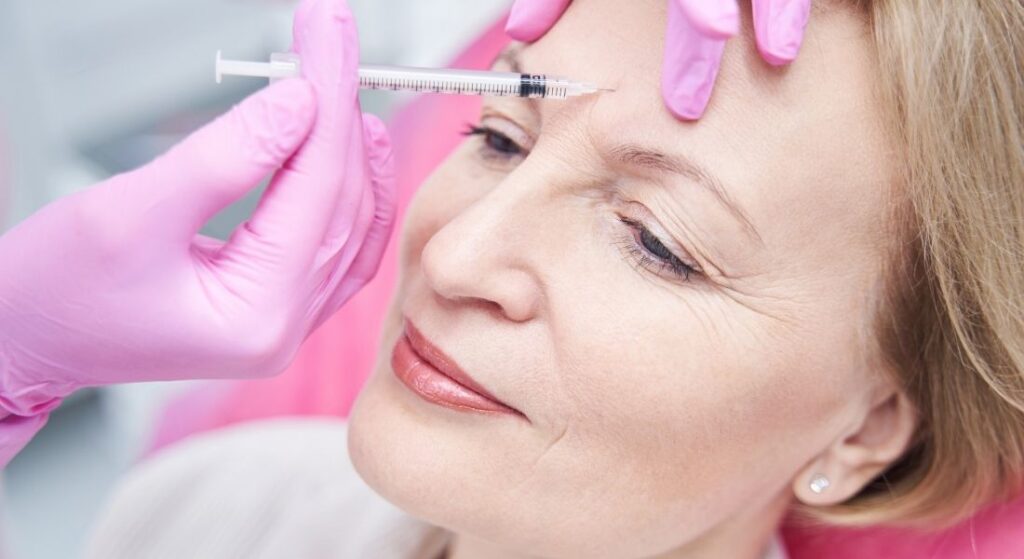
Sculptra is most effective in areas where age-related collagen loss has weakened facial structure rather than created individual lines or wrinkles. In the 50s, treatment often focuses on restoring support and balance across the face rather than targeting small, isolated concerns.
1. Mid-face – Collagen loss in the mid-face can cause flattening of the cheeks and reduced support for the lower face. Sculptra helps rebuild underlying structure, improving contour and reducing the appearance of heaviness below.
2. Temples – Temple hollowing is a common sign of ageing in the 50s and can make the face appear tired or skeletal. Gradual collagen stimulation in this area restores softness without adding unnatural volume.
3. Jawline and lower face – As collagen declines, the jawline often loses definition. Sculptra can provide subtle structural support, helping the lower face appear more stable and balanced without sharpening or over-defining the jaw.
4. Pre-jowl area – Early jowling is often caused by loss of support rather than excess tissue. Treating the pre-jowl area with Sculptra can improve the transition between the chin and jawline, softening sagging in a natural way.
These areas respond well to collagen stimulation because Sculptra works beneath the surface, strengthening support while preserving facial movement and expression.
Skin Quality Improvement vs Structural Change
One of the most noticeable benefits of Sculptra in your 50s is improvement in overall skin quality. As collagen production increases gradually, the skin often becomes thicker, firmer, and more resilient. Many patients also notice improved texture and a healthier appearance over time.
Structural change, however, is more limited. While Sculptra can strengthen underlying support and improve how the face holds itself, it cannot lift or reposition significantly sagging tissue. It works by reinforcing structure rather than reshaping anatomy.
Understanding this distinction is important. It helps set realistic expectations, reduces the risk of disappointment, and supports informed, confident treatment decisions.
How Treatment Is Planned in Your 50s
Treatment planning in your 50s is usually more considered and comprehensive. By this stage, collagen loss is more widespread, and changes tend to affect the entire face rather than a single isolated area. As a result, clinicians often take a holistic approach instead of focusing on one feature at a time.
1. The face is treated as a whole, not in isolation – Volume loss, skin laxity, and structural changes usually occur together. Addressing the face holistically helps maintain balance and avoids over-treating one area while others continue to age.
2. Treatments are staged over time – Rather than performing everything in one session, multiple treatments are often planned across several months. This allows collagen to rebuild gradually and supports more natural, long-lasting results.
A cautious approach reduces visible imbalance – Slower, phased treatment reduces the risk of overcorrection or disproportionate changes. It also gives time to assess how the skin responds before proceeding further.
A staged approach prioritises safety and subtlety. It supports results that evolve naturally rather than appearing sudden or obvious. For most patients in their 50s, this leads to better balance and higher long-term satisfaction.
How Long Results Take to Appear
Sculptra does not deliver instant results, and this is particularly true in your 50s. The treatment works by stimulating your own collagen, which naturally takes time to develop. Changes are gradual rather than immediate. This slow process is a key part of how Sculptra achieves natural-looking outcomes.
Most patients begin to notice early improvements a few months after starting treatment. Skin may feel firmer before visible changes are obvious. As collagen production increases, facial support and texture continue to improve. These changes build progressively rather than all at once.
Results continue to evolve over time as newly formed collagen matures. Improvements often become more noticeable several months after the final session. The face gradually looks more supported and balanced. Patience is essential during this phase.
This slower progression suits patients who prefer discreet enhancement. Changes unfold subtly, without drawing attention to a specific treatment. There is no sudden transformation or “done” look. Instead, the result is a steady, natural improvement in skin quality and facial structure.
What Sculptra Cannot Do in Your 50s
It’s just as important to understand what Sculptra cannot do as it is to understand its benefits. While it improves skin quality and support, it does not create surgical levels of tightening. Loose skin caused by significant laxity will not be lifted with injectable treatment alone. Clear expectations are essential for patient satisfaction.
Sculptra cannot precisely replace lost volume in highly localised areas. Traditional dermal fillers are better suited for targeted correction, such as defined folds or contouring specific features. Sculptra works more diffusely, improving overall structure rather than filling individual lines. This makes it less suitable for very specific volume deficits.
Deep folds that are driven primarily by skin laxity may not respond fully to collagen stimulation alone. In these cases, complementary treatments may be more appropriate. Options could include energy-based devices, fillers, or surgical approaches, depending on the concern. A tailored treatment plan is often required.
Why Combination Treatments Are Common in the 50s
By your 50s, facial ageing is rarely driven by a single factor. Treatments such as Sculptra play an important role by stimulating collagen, but collagen loss is only one part of the ageing process. For this reason, clinicians often recommend combination treatment plans rather than relying on one solution alone.
1. Collagen stimulation addresses structure, not surface concerns
Sculptra helps rebuild underlying support, but it does not directly treat skin texture, pigmentation, or dynamic lines. Additional treatments may be needed to address these visible surface changes.
2. Different ageing changes require different solutions
Skin laxity, sun damage, muscle-related lines, and volume loss respond best to specific, targeted treatments. Combining approaches allows each concern to be treated appropriately rather than forcing one treatment to do everything.
3. Careful combinations enhance results without over-treatment
When treatments are planned thoughtfully, they work together to improve overall facial balance. The goal is subtle enhancement, not layering procedures unnecessarily.
Combination planning is about balance, not doing more. Each treatment has a clear purpose within the wider plan. When used carefully, combination approaches support natural, age-appropriate results.
Managing Expectations Honestly
Managing expectations honestly is central to achieving satisfaction with Sculptra treatment. While it can deliver meaningful, visible improvement, it cannot reverse ageing entirely. A 50-year-old face will not respond in the same way as a 30-year-old one. Understanding this from the outset helps avoid disappointment.
The true goal of treatment is to age better rather than to erase age. Sculptra works by improving skin quality and restoring structural support over time. Changes are subtle and progressive, not dramatic or instantaneous. The focus remains on natural enhancement rather than transformation.
Improvement is best measured in terms of firmness, support, and overall facial harmony. Skin often looks healthier and more resilient as collagen rebuilds. Facial balance improves without creating an artificial or over-treated appearance. These outcomes align well with patients seeking refinement rather than reinvention.
Risks of Overtreatment at This Stage
Overtreatment is a genuine risk at this stage of facial ageing, particularly when expectations are not well aligned. Excessive collagen stimulation over a short period can lead to heaviness or an unnatural fullness. Instead of restoring balance, the face may begin to look distorted. This risk increases when treatment is rushed.
In patients in their 50s, the skin and underlying structures respond more slowly. Attempting to accelerate results can overwhelm the tissue rather than support it. Gradual improvement allows collagen to integrate naturally. This produces softer, more believable changes.
Experienced practitioners typically adopt a conservative treatment approach. Results are built progressively over multiple sessions rather than all at once. This staged method allows ongoing assessment and adjustment. It also reduces the likelihood of overcorrection.
In aesthetic medicine, less done well almost always looks better. Subtle enhancement preserves facial character and proportions. Natural results tend to age more gracefully over time. This principle is especially important at this stage of life.
How Lifestyle Affects Results in Your 50s
Lifestyle factors play a significant role in collagen quality during your 50s. Cumulative sun exposure, smoking history, chronic stress, and nutritional status all affect how the skin behaves. These factors influence both baseline skin health and the response to treatment. As a result, outcomes can vary widely between patients.
Patients who protect their skin and maintain healthy habits often achieve better results. Consistent sun protection helps preserve newly formed collagen. Avoiding smoking and managing stress also support healthier skin function. These habits contribute to more durable improvements.
While Sculptra stimulates collagen production, lifestyle determines how that collagen performs over time. Poor habits can weaken collagen structure and shorten the lifespan of results. In contrast, supportive behaviours help maintain firmness and resilience. Treatment outcomes are therefore closely linked to daily choices.
For this reason, Sculptra works best as part of a broader skin health strategy. Injectables alone cannot compensate for ongoing skin damage. Combining treatment with good skincare, sun protection, and healthy living leads to more consistent results. A holistic approach delivers the greatest long-term benefit.
When Sculptra May Not Be the Best Option
Sculptra may not be the best option if significant skin laxity or pronounced jowling is the primary concern. These issues are often structural and may not respond adequately to collagen stimulation alone. Surgical procedures or energy-based treatments can offer more effective lifting in such cases. Choosing the right modality is key to achieving meaningful improvement.
It may also be unsuitable for patients seeking immediate or dramatic results. Sculptra works gradually, with changes developing over months rather than days. Those expecting instant transformation may feel dissatisfied despite technically good outcomes. Matching treatment choice to patient expectations is essential.
A thorough consultation helps determine whether Sculptra is appropriate. This process allows the practitioner to assess facial structure, skin quality, and treatment goals. It also provides an opportunity to discuss alternative options where needed. Honest discussion supports better decision-making.
Why Practitioner Experience Matters Even More in the 50s
Facial ageing in your 50s is more complex and less predictable than in earlier decades. Structural changes in bone, fat, ligaments, and skin occur simultaneously, which means treatments must be planned with a deeper understanding of how the face ages as a whole. At this stage, experience plays a far greater role in achieving natural, balanced results.
A detailed understanding of anatomy is essential – Experienced practitioners understand how age-related changes affect deeper facial structures, not just the skin’s surface. This knowledge helps them place treatments accurately and safely while avoiding disruption to natural facial movement.
Knowing how collagen behaves over time matters – Collagen stimulation and tissue response vary with age. An experienced practitioner knows how quickly results are likely to develop and how to adjust treatment timing and dosage accordingly.
Balance is prioritised over aggressive correction – Skilled clinicians recognise when subtle improvement is more appropriate than maximal correction. They also know when to combine treatments or recommend alternatives to maintain harmony rather than chasing visible change.
This level of expertise protects both appearance and long-term facial balance. It reduces the risk of over-treatment and unintended changes. Ultimately, experienced judgement is what keeps results looking natural as the face continues to age.
Long-Term Role of Sculptra in the 50s
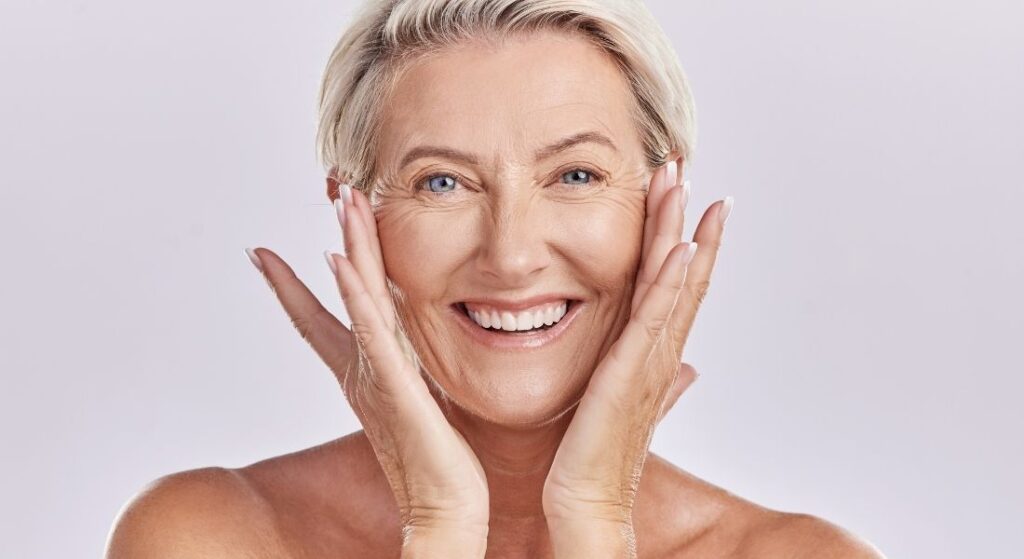
For many patients in their 50s, Sculptra becomes part of a long-term maintenance strategy rather than a one-off intervention. Ongoing collagen stimulation helps support skin structure and slow further decline. When used thoughtfully, it contributes to sustained improvements in firmness and quality. The emphasis is on preservation as much as correction.
Periodic reassessment is an important part of this approach. As the face continues to change, treatment plans can be adjusted accordingly. This allows care to remain aligned with evolving needs. Flexibility helps maintain balance over time.
Using Sculptra in this way supports consistency rather than sudden or dramatic change. Improvements are layered gradually, preserving facial character. The face adapts naturally without abrupt shifts in appearance. This makes results easier to maintain and live with.
Ageing does not stop, even with treatment. However, it can be managed in a controlled and graceful way. Sculptra offers support rather than reversal. When approached with realism, it helps patients age well rather than chase youth.
FAQs:
1. What kind of improvement can I realistically expect from Sculptra in my 50s?
In your 50s, Sculptra can improve skin firmness, texture, and facial support gradually. It helps restore subtle fullness in areas like the cheeks and temples, but it won’t lift or dramatically reshape the face. The changes are progressive and natural-looking rather than immediate or surgical in effect.
2. How soon will I see results after starting treatment?
Results develop slowly over several months as your own collagen builds. Many patients notice early improvements in skin feel and subtle contour changes within a few months, but the most visible benefits often appear after multiple sessions and continue to evolve for months afterward.
3. Can Sculptra replace lost volume like traditional fillers?
Sculptra works differently from conventional fillers. It is designed to improve structural support and overall skin quality rather than directly adding volume in specific, isolated areas. For defined folds or targeted volume loss, traditional dermal fillers may be more appropriate.
4. Are there areas of the face where Sculptra works best in this age group?
Sculptra is often most effective in areas where collagen loss has weakened facial support rather than simply forming lines. The mid-face, temples, jawline, and pre-jowl regions are commonly treated because these areas benefit from subtle structural improvement rather than sharp volume replacement.
5. Will Sculptra lift sagging skin or jowls?
Sculptra cannot lift significant sagging or tighten loose skin in the way a surgical procedure can. It reinforces the underlying framework and improves the way the face carries its weight, giving a more supported and refreshed appearance rather than repositioning tissue.
6. How is treatment typically planned for patients in their 50s?
Treatment is usually staged and holistic. Instead of focusing on one area in a single session, multiple sessions are planned over time to allow collagen to rebuild naturally. This approach reduces the risk of overcorrection and supports subtle, balanced improvement across the face.
7. Are combination treatments necessary when using Sculptra?
Often, combination treatments are recommended because ageing in the 50s involves multiple factors, including collagen loss, skin laxity, and surface changes. Sculptra addresses structural support, but other procedures may be suggested to improve skin texture, pigmentation, or dynamic lines for a more complete result.
8. How do lifestyle factors influence results?
Lifestyle choices such as sun protection, avoiding smoking, managing stress, and maintaining good nutrition significantly impact collagen quality and longevity. Patients who adopt healthy habits often see more consistent and durable improvements compared to those with habits that accelerate skin ageing.
9. What are the risks of overtreatment with Sculptra at this stage?
Overtreatment can lead to heaviness or unnatural fullness, particularly in patients in their 50s whose skin responds more slowly. Attempting to speed results or treat too aggressively can distort facial balance, which is why conservative, staged treatments are typically preferred.
10. How does practitioner experience affect outcomes?
Experienced practitioners are better able to understand how age-related changes in bone, fat, ligaments, and skin interact. They can plan treatments that respect natural facial movement, adjust dosing and timing for optimal collagen response, and combine treatments thoughtfully to maintain balance rather than chasing dramatic change.
Final Thoughts: Achieving Natural, Long-Lasting Results with Sculptra
Sculptra offers a gradual, collagen-focused approach to facial ageing, helping patients in their 50s restore subtle support, improve skin quality, and enhance overall facial balance without creating an artificial or overfilled appearance. Results develop progressively over months, giving the face a naturally refreshed and resilient look that complements how ageing unfolds.
Maintaining these improvements depends not only on the treatment itself but also on healthy lifestyle habits, consistent sun protection, and ongoing skin care. At the London Medical & Aesthetic Clinic, your practitioner will create a personalised Sculptra plan that considers your unique facial structure, ageing patterns, and aesthetic goals. This may include staged treatments or combination approaches to ensure the most harmonious and balanced outcome.
If you’re considering Sculptra treatment in London, you can contact us at the London Medical & Aesthetic Clinic to discuss a customised treatment plan and learn how this collagen-stimulating approach can help you age gracefully while maintaining natural facial character.
References:
1. Schierle, C.F. (2011) Nonsurgical rejuvenation of the aging face with injectable poly‑L‑lactic acid for restoration of soft tissue volume, Aesthetic Surgery Journal, 31(1), pp. 95–102. https://academic.oup.com/asj/article-abstract/31/1/95/274078
2. Efficacy and safety of poly‑L‑lactic acid in facial aesthetics: a systematic review (2024), Polymers, 16(18), art. 2564. https://www.mdpi.com/2073-4360/16/18/2564
3. Efficacy, durability, and safety of collagen biostimulators based on poly‑L‑lactic acid (PLLA) and calcium hydroxyapatite (CaHA) in the face: a systematic review (2025), Aesthetic Plastic Surgery. https://pubmed.ncbi.nlm.nih.gov/41184662/
4. Fabi, S.G. et al. (2024) Effectiveness and safety of Sculptra poly‑L‑lactic acid injectable implant in the correction of cheek wrinkles, Journal of Drugs in Dermatology, 23(1), pp. https://pubmed.ncbi.nlm.nih.gov/38206151/
5. Stein, P., Vitavska, O., Kind, P., Hoppe, W., Wieczorek, H. and Schürer, N.Y. (2015) The biological basis for poly‑L‑lactic acid‑induced augmentation, Journal of Dermatological Science. https://www.sciencedirect.com/science/article/abs/pii/S0923181115000377