



Your 30s are often the decade when subtle facial changes become harder to ignore. You may still feel young, but your skin doesn’t always bounce back the way it used to, and early signs of volume loss or skin laxity can begin to appear.
This is also the stage when many people first hear about Sculptra and wonder whether it’s something to consider. Is it a preventative treatment to slow ageing, or is it used to correct changes that have already started?
In this guide, I’ll explain how Sculptra is typically used in your 30s, how collagen loss actually behaves at this stage of life, and how practitioners decide whether treatment is preventative, corrective, or not needed at all.
Why the 30s Are a Turning Point for Collagen
Collagen production begins to slow gradually from your late 20s, but the effects often become more noticeable in your 30s. This doesn’t mean your skin suddenly ages, but the rate of repair and regeneration starts to change.
In your early 30s, collagen loss is usually subtle. You may notice softer facial contours, early hollowing, or skin that feels thinner or less resilient than before.
By your mid to late 30s, these changes can become more visible, particularly around the mid-face, temples, and lower face. This is why the 30s are often seen as a transition phase rather than a clear-cut category.
What Sculptra Is Designed to Address
Sculptra is a collagen-stimulating treatment, not a traditional filler that provides instant volume. Instead, it encourages your body to gradually rebuild its own collagen over weeks and months, creating subtle, long-lasting structural support. This natural approach differs from quick-fix treatments that target only surface-level issues.
Because of how it works, Sculptra is best suited to addressing underlying structural changes rather than superficial concerns. It helps support skin thickness, firmness, and the overall facial framework. In your 30s, this can mean either slowing early collagen loss or gently correcting changes that have already begun to appear.
Prevention vs Correction: What Do These Terms Really Mean?
In aesthetics, “prevention” doesn’t mean stopping ageing altogether. It means supporting the skin before changes become more pronounced.
“Correction,” on the other hand, refers to addressing visible changes that are already present. In the context of Sculptra, this is usually subtle rather than dramatic. In your 30s, treatment often sits somewhere between the two. The aim is rarely to transform the face, but to maintain balance and support as collagen naturally declines.
How Sculptra Is Used Preventatively in the 30s

When used preventatively, Sculptra is applied very conservatively. The primary goal is to support natural collagen production and maintain the skin’s structure without creating noticeable volume changes. This subtle approach helps slow early ageing processes rather than producing dramatic enhancement.
Preventative treatment may be considered if you are starting to notice early signs of skin thinning, reduced firmness, or minor textural changes but not obvious volume loss. The focus is on reinforcing the underlying framework of the face, preserving resilience, and maintaining a youthful appearance over time.
Results at this stage should be understated. If improvements appear obvious or overdone, it usually indicates that the treatment was too aggressive for someone in their 30s. Subtle, strategic use ensures that interventions remain natural, age-appropriate, and aligned with long-term skin health.
When Sculptra Is Used for Early Correction
For some people in their 30s, collagen loss may already be more noticeable. Factors such as genetics, weight fluctuations, stress, or lifestyle habits can accelerate early signs of ageing, leading to subtle hollowing, loss of firmness, or decreased skin thickness.
In these cases, Sculptra can be used to gently correct early volume loss or support areas that are beginning to sag. The treatment remains conservative, focusing on enhancing natural structure rather than creating dramatic changes.
Correction with Sculptra is gradual and natural, building collagen over time to restore underlying support rather than reshaping facial features. This approach ensures that results are subtle, age-appropriate, and harmonised with the face, maintaining a refreshed appearance without looking artificial.
Areas Commonly Treated With Sculptra in the 30s
In your 30s, early changes in facial structure can begin to appear, even if visible ageing is minimal. At this stage, Sculptra is usually targeted at areas that benefit from structural support rather than surface volumising. The goal is subtle collagen stimulation to reinforce natural contours, maintain skin quality, and prevent early sagging all while preserving natural expression and movement.
1. The mid-face: Supporting the cheeks and under-eye area helps counter early softening of contours and maintains youthful lift without obvious volumising.
2. The temples: Hollowing can begin subtly in the temples, and gentle collagen stimulation can restore balance and proportion to the upper face.
3. The jawline: Reinforcing the jawline maintains definition as early skin laxity emerges, helping to prevent jowling over time.
4. The lower face: Treatments here improve overall skin quality and resilience rather than altering shape, promoting smoothness and firmness.
5. Subtle enhancement for natural expression: Targeting these areas strategically allows for improved skin support without affecting facial expressions, ensuring results remain natural and age-appropriate.
When Sculptra is used in the 30s, the approach is preventive and structural rather than corrective. Focusing on key areas ensures early support, maintaining facial harmony and youthful contours for the long term.
Why Overtreatment Is a Risk in the 30s
In your 30s, facial changes are usually subtle and gradual. This can create a temptation to intervene aggressively to “stay ahead” of ageing. However, overdoing treatments at this stage especially those that stimulate collagen or alter facial structure can create imbalance and affect the natural progression of ageing. A careful, measured approach ensures that results look harmonious while keeping future treatment options open.
Subtle changes don’t require aggressive intervention: Early ageing signs often respond well to conservative treatments, making overtreatment unnecessary and potentially disruptive.
Overstimulating collagen can create imbalance: Excessive volumisation or structural adjustment can lead to unnatural contours or asymmetry that may be difficult to correct later.
Complicates future treatment planning: Intervening too much too soon can limit flexibility for future procedures as natural ageing continues.
Preserves natural facial expression: Conservative treatment ensures that expressions remain natural, avoiding an overly “done” appearance.
Measured approach protects long-term aesthetics: Focusing on maintenance and prevention rather than dramatic change allows the face to age gracefully while keeping all future options open.
A careful, strategic approach in your 30s balances early support with long-term facial harmony. By avoiding overtreatment, you maintain natural-looking results now and greater flexibility for future care. Thoughtful planning at this stage is the foundation for long-term aesthetic success.
How Practitioners Decide Between Prevention and Correction
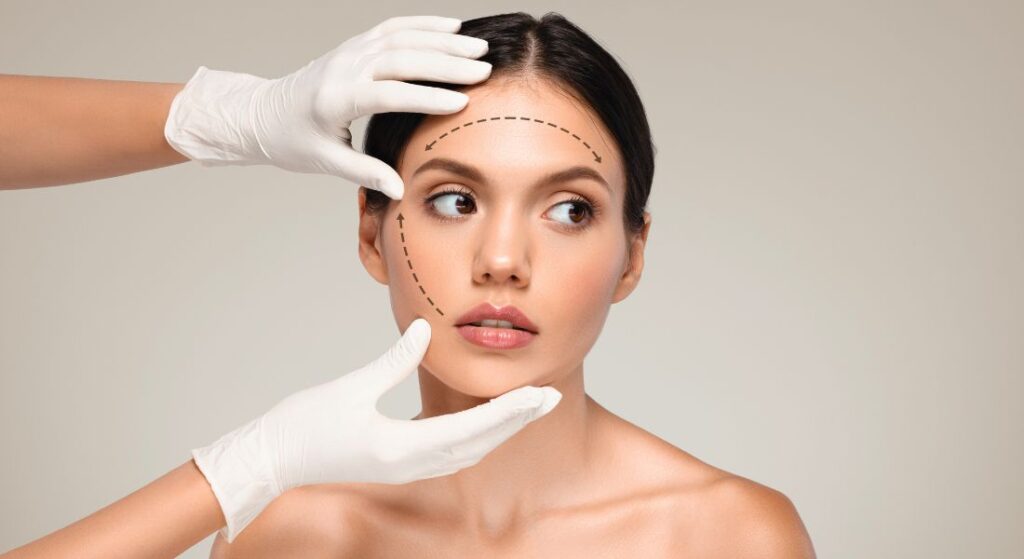
Deciding when and how to use treatments like Sculptra is not based on age alone. A responsible practitioner considers multiple factors, including skin quality, facial structure, natural movement, and the pace at which ageing changes are occurring. They also take into account your personal goals whether you want to maintain your current appearance or address changes that are already noticeable. This thorough assessment ensures that any treatment is appropriate, effective, and preserves natural harmony.
1. Skin quality and condition: Healthy, resilient skin may require only maintenance, while early thinning or laxity might benefit from subtle support.
2. Facial structure and contours: Areas losing volume or definition are evaluated to determine whether preventative or corrective treatment is needed.
3. Movement and natural expression: How your face moves during expressions is considered to avoid treatments that could compromise natural look or function.
4. Rate of change over time: Rapidly progressing changes may justify early intervention, while slow, subtle changes can often be monitored conservatively.
5. Patient goals and expectations: Understanding whether you wish to maintain your appearance or correct early signs of ageing helps guide the treatment plan.
By taking a holistic approach, practitioners can determine whether Sculptra should be used preventatively, correctively, or deferred. This ensures treatments are safe, natural-looking, and aligned with both current needs and long-term facial health.
What Sculptra Does Not Replace in Your 30s
Sculptra is not a substitute for good skincare, consistent sun protection, or a healthy lifestyle. These foundational habits play a major role in preserving collagen, maintaining skin quality, and slowing early signs of ageing. Without them, even the most advanced treatments may deliver limited results.
It also doesn’t replace treatments designed for fine lines, pigmentation, or muscle-related wrinkles. Each of these concerns requires a targeted approach, such as topical therapies, laser treatments, or muscle-relaxing injections. Relying on Sculptra alone may leave certain issues unaddressed.
Sculptra works best as part of a broader, balanced aesthetic plan rather than a standalone solution. Combining it with other age-appropriate treatments and healthy habits ensures more natural, long-lasting outcomes. Thoughtful planning maximises results while protecting the skin’s long-term health.
How Results Should Look in Your 30s
Whether used preventatively or for early correction, Sculptra results in your 30s should be subtle and natural. The goal is to enhance your skin’s structure and support without changing your appearance. You should still look like yourself just slightly fresher, smoother, and more lifted.
Most people won’t be able to tell you’ve had any treatment. Instead, they may simply comment that you look well-rested, healthy, or radiant. This understated effect is a hallmark of a well-planned approach and reinforces the “less is more” principle in younger patients.
If the results appear obvious or overdone, it’s usually a sign that the dosage or treatment approach wasn’t appropriate for this age group. Working with an experienced practitioner ensures that enhancements remain age-appropriate, balanced, and long-lasting. Subtlety and patience are key to achieving natural outcomes.
Timing and Treatment Frequency in the 30s
In your 30s, facial changes are generally subtle, so treatment approaches differ from those used in later decades. The emphasis is on gentle stimulation rather than rebuilding significant volume loss. This means fewer sessions, lower product volumes, and careful planning to ensure natural, balanced results that complement the skin’s biology.
Less frequent sessions: Treatments are spaced out to allow natural collagen production to occur between visits, avoiding overstimulation.
Lower volumes per session: Conservative product use supports structural maintenance without creating unnatural fullness or imbalance.
Careful reassessment between treatments: Practitioners monitor how the skin responds before planning the next session, ensuring adjustments are tailored to the individual.
Focus on gentle stimulation: The goal is to reinforce existing facial support rather than dramatically alter contours, preserving a natural, youthful appearance.
Alignment with skin biology: Slower treatment pace respects the skin’s natural regenerative processes, supporting long-term results without unnecessary intervention.
By pacing treatments carefully and using conservative volumes, patients in their 30s can maintain facial structure and skin quality effectively. This approach ensures results look natural, subtle, and sustainable while keeping future options flexible.
Combining Sculptra With Other Treatments
Sculptra can be combined with other aesthetic treatments when appropriate, but restraint is especially important in your 30s. The focus should be on subtle enhancement rather than dramatic transformation. Careful timing and planning ensure that each treatment supports the overall result.
When combined thoughtfully, different treatments complement each other rather than competing. For example, Sculptra can improve structural support while lighter skin treatments address texture, tone, or pigmentation. Poor planning or excessive layering, however, can lead to overtreatment and an unnatural appearance.
An experienced practitioner will always prioritise balance, harmony, and long-term outcomes over immediate, noticeable changes. The goal is to enhance your natural features while maintaining flexibility for future treatments. Patience and a strategic approach produce the most sustainable, natural-looking results.
Why Your 30s Are About Strategy, Not Urgency
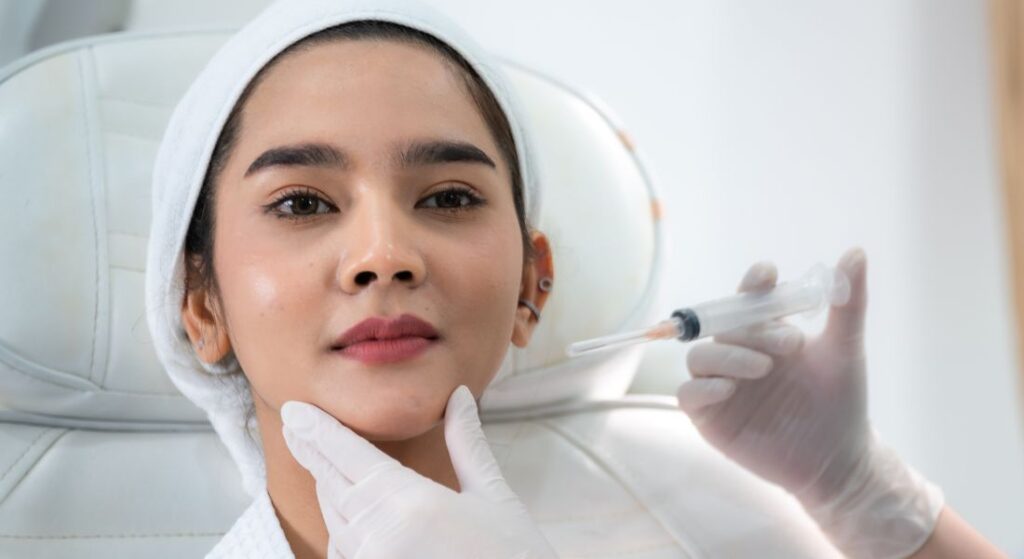
The 30s are not about chasing youth or trying to reverse ageing prematurely. At this stage, it’s more important to focus on strategy, understanding how your skin is changing, and choosing interventions thoughtfully. Timing and moderation are key to maintaining natural-looking results.
Small, well-considered treatments can support your skin as it gradually changes, enhancing structure, hydration, and tone without creating the need for aggressive or frequent procedures. These subtle steps help preserve options for the future while addressing early signs of ageing effectively.
Patience and careful planning almost always lead to better long-term outcomes. By taking a measured, strategic approach, you ensure your skin remains healthy, balanced, and resilient over time. The focus shifts from immediate results to sustainable, age-appropriate care.
When Waiting Is the Best Option
Not everyone in their 30s needs Sculptra. If collagen loss is minimal and skin quality remains strong, waiting may actually be the most responsible and effective recommendation. Premature treatment can sometimes complicate future planning or create unnecessary interventions.
Being advised to wait is a sign of careful clinical judgment, not a missed opportunity. Experienced practitioners prioritise your long-term skin health over immediate results. This approach ensures that treatments are only introduced when they provide real, meaningful benefit.
Regular review and monitoring allow interventions to be timed appropriately, rather than simply being done at the earliest possible moment. Waiting strategically helps preserve natural skin, maintains flexibility for future treatments, and maximises the effectiveness of any procedures when they do become necessary.
FAQs:
1. Is Sculptra suitable for everyone in their 30s?
Sculptra is not automatically necessary for everyone in their 30s. Its suitability depends on individual skin quality, facial structure, genetics, and lifestyle factors. Some people may benefit from subtle preventative support, while others may already show early signs of collagen loss that require gentle correction. A thorough assessment by a qualified practitioner is essential to determine whether treatment is appropriate or if non-invasive maintenance measures are sufficient.
2. Can Sculptra prevent ageing if started in the 30s?
Sculptra is designed to stimulate collagen where it has already begun to decline, rather than completely prevent ageing. In the 30s, it can be used to maintain skin structure and slow the progression of subtle changes, but it cannot stop ageing entirely. Its preventative effect is modest and gradual, supporting long-term skin resilience rather than producing immediate anti-ageing results.
3. How noticeable are the results of Sculptra in the 30s?
Results in this age group are typically subtle and natural. Patients generally notice improved firmness, contour support, and overall skin quality rather than dramatic volume changes. The aim is to look fresher and well-rested without creating a noticeably altered appearance. If results appear obvious, the treatment may have been too aggressive for this stage.
4. How often are treatments needed in the 30s?
Treatment frequency in the 30s is usually lower compared with older age groups. Sessions are often spaced several months apart to allow collagen to develop gradually. Each course is conservative, with reassessment between sessions to ensure optimal results without overstimulating the skin. The goal is gentle, cumulative improvement rather than rapid transformation.
5. Can Sculptra replace skincare and lifestyle habits?
Sculptra is not a replacement for consistent skincare, sun protection, or healthy lifestyle choices. Daily practices such as using SPF, hydrating, maintaining nutrition, and managing stress remain critical in preserving collagen and overall skin health. Sculptra complements these foundational measures rather than substituting for them, forming part of a broader strategy to maintain youthful skin.
6. What areas of the face are most commonly treated in the 30s?
In the 30s, treatments typically focus on areas that benefit from structural support. The mid-face, temples, jawline, and lower face are common targets for subtle collagen stimulation. These areas respond well to Sculptra’s gradual effects, helping maintain shape, firmness, and overall skin quality without altering natural facial expressions.
7. Are there risks of overtreatment in the 30s?
Yes, overtreatment is a concern in this age group because changes are often subtle. Aggressively stimulating collagen too early can create imbalance, unnecessary volume, or challenges for future interventions. A conservative, strategic approach ensures that treatments enhance skin health while keeping natural features intact.
8. How do practitioners decide between preventative and corrective treatment?
The decision is based on a detailed assessment of skin quality, facial structure, age-related changes, and individual goals. Prevention is chosen when structural changes are minimal but early support is desired, while corrective treatment addresses visible signs of collagen loss or softening. Age alone does not dictate the approach; a personalised plan ensures the treatment is both appropriate and effective.
9. Can Sculptra be combined with other aesthetic treatments?
Sculptra can be safely combined with other procedures when carefully planned. Complementary treatments, such as non-invasive skin rejuvenation or targeted fillers for specific areas, can enhance overall results. However, restraint is important, especially in the 30s, to avoid over-intervention or conflicting effects. Long-term strategy takes precedence over immediate visual impact.
10. What if I’m advised to wait before starting Sculptra?
Being advised to wait is not a rejection but a sign of responsible clinical judgment. If skin quality is still good and collagen loss is minimal, delaying treatment allows interventions to be more meaningful when they become genuinely necessary. Regular monitoring and maintenance strategies in the meantime ensure skin health is preserved and set the stage for optimal outcomes when treatment is eventually introduced.
Final Thoughts: Considering Sculptra in Your 30s
Sculptra offers a gradual, collagen-stimulating approach to maintaining and subtly improving facial structure in your 30s, helping to support skin firmness, thickness, and overall resilience. Whether used preventatively to slow the onset of changes or conservatively to correct early volume loss, the goal is always a natural, balanced enhancement rather than dramatic transformation. Results develop over several weeks to months, allowing your skin to rebuild its structure while maintaining your natural appearance.
At the London Medical & Aesthetic Clinic, our experienced team works closely with you to create a personalised plan for Sculptra, considering your skin quality, facial structure, and long-term goals. If you’re thinking about enhancing or supporting your skin with sculptra, you can contact us at the London Medical & Aesthetic Clinic to discuss a bespoke plan that is safe, subtle, and designed to deliver natural, lasting results.
References:
1. Pinto, H., et al., 2024. Efficacy and Safety of Poly‑l‑Lactic Acid in Facial Aesthetics: A Systematic Review. Polymers, 16(18), p.2564. https://www.mdpi.com/2073-4360/16/18/2564
2. Efficacy and Safety of Poly‑l‑Lactic Acid Injectable Implant in the Correction of Cheek Wrinkles, 2024. https://pubmed.ncbi.nlm.nih.gov/38206151/
3. Efficacy, Durability, and Safety of Collagen Biostimulators Based on Poly‑L‑Lactic Acid (PLLA) and Calcium Hydroxyapatite (CaHA) in the Face: A Systematic Review, 2025. https://pubmed.ncbi.nlm.nih.gov/41184662/
4. Nonsurgical Rejuvenation of the Aging Face With Injectable Poly‑L‑Lactic Acid for Restoration of Soft Tissue Volume, 2011. https://academic.oup.com/asj/article-abstract/31/1/95/274078
5. Fagien, S. and Cassuto, D., 2022. Injectable Poly‑L‑Lactic Acid (PLLA‑SCA™) as a Versatile Treatment in Current Aesthetic Medicine: Expert Recommendations. Cosmetics, 12(6), pp.264–280. https://www.mdpi.com/2079-9284/12/6/264