



When people talk about skin rejuvenation, they often focus on visible volume or surface smoothness. However, true skin quality is determined deeper, at a microscopic level within the dermis. Understanding whether a treatment alters skin thickness requires looking beyond appearance.
Sculptra is frequently described as a collagen stimulator rather than a filler. This distinction raises an important scientific question. Does Sculptra actually change dermal structure in a measurable way?
In this article, we explore whether Sculptra affects skin thickness at a histological level. We examine what tissue studies show and how this differs from superficial volumisation. The aim is biological clarity rather than aesthetic promises.
Understanding Skin Thickness and the Dermis
When you talk about skin thickness, you’re mainly referring to the depth and quality of the dermis. This layer holds collagen, elastin, blood vessels, and fibroblasts, all of which give your skin strength and elasticity. It’s what allows your skin to stretch, recover, and cope with daily stress.
As you age, dermal thickness naturally reduces. Collagen fibres become thinner, less organised, and less efficient at providing support. This is why your skin can start to feel weaker, looser, and more prone to fine lines.
It’s important to understand that histological thickness isn’t the same as visible fullness. You can have skin that looks plump but still has reduced dermal quality underneath. Recognising this difference helps you understand why true skin health is about structure, not just surface volume.
What Histology Measures in Skin Studies
Histology looks at skin tissue under a microscope, allowing researchers to examine what’s really happening beneath the surface. It lets you measure dermal depth, collagen density, and other structural features directly. Because of this, changes can be recorded in an objective and repeatable way.
In these studies, scientists assess collagen fibre thickness, how organised those fibres are, and levels of cellular activity. Together, these markers show whether a treatment is creating genuine biological change. You simply can’t get this level of detail from surface appearance alone.
This is why histology is considered the most reliable form of evidence in skin research. It separates true structural improvement from temporary swelling or inflammation. When you’re evaluating treatments, that distinction makes all the difference.
How Sculptra Works at a Biological Level
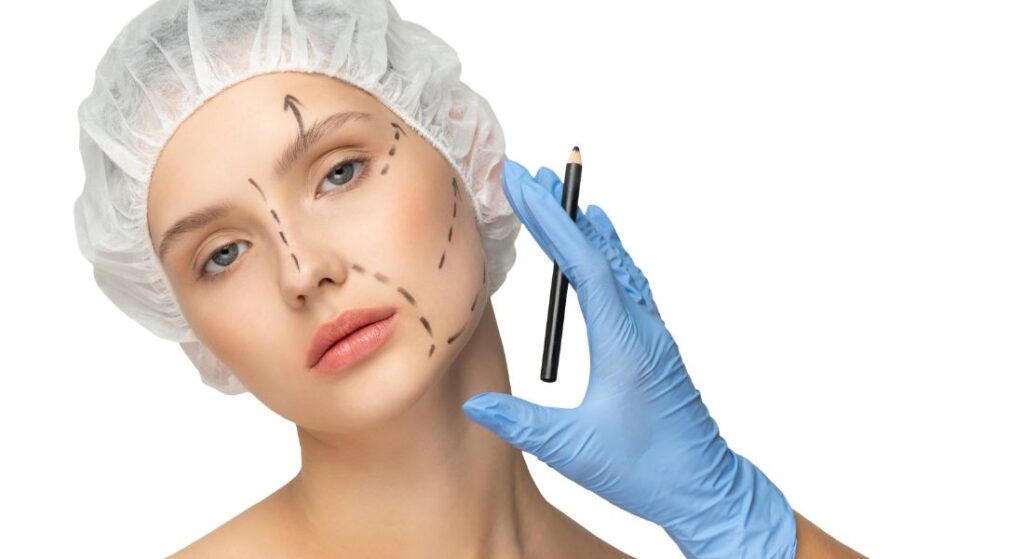
Sculptra is made from poly-L-lactic acid microparticles that act as a biostimulatory signal within your skin. Rather than simply filling space, these particles trigger a controlled inflammatory response. This response is deliberate and carefully regulated.
Once this process begins, fibroblasts become activated. These cells are responsible for producing new collagen, which develops gradually over time. The result is a slow, sustained improvement rather than an instant change.
Sculptra doesn’t deliver immediate volume in the way traditional fillers do. Instead, it initiates long-term tissue remodelling from within. Your own biology is what ultimately drives the results.
Initial Tissue Response After Injection
After Sculptra is injected, the body immediately recognises the particles as foreign. This triggers a mild and controlled immune response rather than an aggressive reaction. This early phase is essential for initiating long-term tissue change.
1. Controlled Immune Recognition: Sculptra particles are identified by the immune system shortly after injection. The response is mild and intentional, designed to stimulate healing rather than inflammation. This controlled reaction allows the treatment to work safely within the tissue.
2. Macrophage Activation and Fibroblast Recruitment: Macrophages gather around the injected particles as part of the immune response. Their presence signals fibroblasts to migrate to the area. Fibroblasts then begin producing new collagen within the surrounding tissue.
3. Foundation for Gradual Remodelling: This initial phase does not cause an immediate increase in skin thickness or volume. Instead, it prepares the tissue for gradual structural change over time. The timing of this response is crucial for achieving natural-looking results.
The early tissue response to Sculptra focuses on signalling rather than instant volume. By activating immune cells and fibroblasts, the treatment lays the groundwork for collagen regeneration. This explains why results develop gradually rather than immediately.
Collagen Neosynthesis and Dermal Structure
Collagen neosynthesis is the process by which your skin forms new collagen. Over weeks to months, fibroblasts lay down fresh collagen fibres that integrate into the existing dermal framework. This gradual build-up strengthens the skin from within.
Histological studies consistently show an increase in collagen density after this process begins. The fibres appear thicker, better organised, and more evenly distributed. Together, these changes improve overall dermal support.
As a result, the dermis gains more substance and resilience. While increases in thickness may be subtle, they are measurable at a microscopic level. What really improves is the underlying structure that supports your skin.
Does This Mean the Dermis Becomes Thicker?
Yes, histological evidence suggests the dermis can become modestly thicker over time. This increase comes from new collagen formation, not temporary swelling or fluid retention. In other words, it’s a genuine structural improvement.
The change isn’t dramatic in the way volumising fillers are. Instead, it develops gradually and spreads evenly through the tissue. Your skin becomes stronger and more supported rather than obviously fuller.
This distinction is important for managing expectations. Treatments like Sculptra work by reinforcing skin structure, not by inflating volume. The results are subtle, natural, and focused on long-term quality rather than instant change.
Difference Between Thickness and Volume
Volume is about the space something occupies. When you have dermal fillers, they add volume immediately by physically taking up space and pushing surrounding tissue outward. This creates a visible change in shape straight away.
Thickness, on the other hand, refers to tissue composition and density. Treatments like Sculptra work here by stimulating collagen, changing what your skin is actually made of. The improvement is structural rather than instant. Understanding this difference helps avoid confusion. Increasing thickness improves skin quality and resilience. Adding volume changes contours and shape, which is a very different effect.
How Sculptra Differs From Hyaluronic Acid Fillers
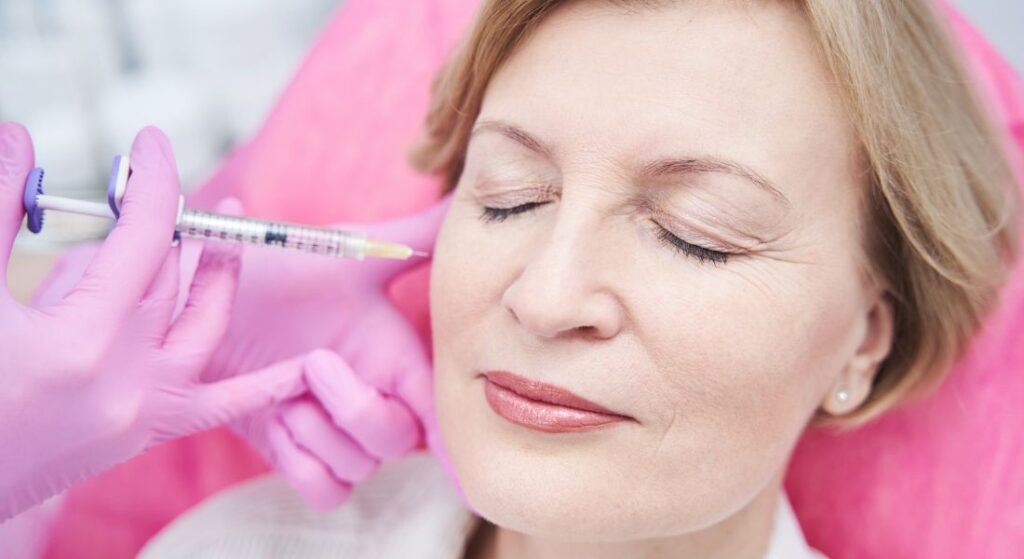
Although both Sculptra and hyaluronic acid fillers are used for facial volume, they work in very different ways. Hyaluronic acid fillers rely on hydration, while Sculptra stimulates biological change. Understanding this distinction explains the difference in longevity and tissue impact.
1. Hyaluronic Acid Creates Immediate Expansion: Hyaluronic acid fillers bind water within the tissue. This causes instant volume expansion without significantly increasing true tissue thickness. The effect is visible immediately but remains largely mechanical rather than biological.
2. Temporary Volume With Limited Structural Change: As hyaluronic acid fillers gradually dissolve, the added volume disappears. Collagen stimulation is minimal, so the underlying tissue structure remains largely unchanged. This limits long-term histological impact.
3. Sculptra Induces Collagen Remodelling: Sculptra works by stimulating fibroblasts to produce new collagen over time. This leads to genuine tissue thickening rather than temporary expansion. The histological effects persist well beyond the visible treatment period.
Hyaluronic acid fillers provide fast, reversible volume through hydration. Sculptra, in contrast, creates gradual and lasting structural change through collagen deposition. This biological difference explains why Sculptra delivers longer-term results.
Distribution of Collagen After Sculptra
The collagen stimulated by Sculptra is distributed diffusely throughout the dermis. It integrates smoothly into your existing dermal matrix rather than collecting in one area. This helps prevent lumpiness and uneven texture.
Histological evidence shows uniform collagen fibre deposition across the treated skin. This even spread supports consistent strengthening of the dermis. Your skin texture improves in a gradual, natural way.
Because the collagen is spread evenly, the result is global rejuvenation rather than focal bulk. There are no obvious pockets of volume or distortion. Balance and proportion are preserved as skin quality improves.
Time Course of Histological Change
Histological changes after treatment develop gradually rather than immediately. In the first few weeks, there’s increased cellular activity as fibroblasts are stimulated. Over time, collagen deposition begins, slowly strengthening the dermis.
Peak changes usually occur several months after treatment, aligning with what you notice clinically. The improvement continues over time, with the skin becoming thicker, firmer, and more resilient.
This gradual timeline explains why visible results take time to appear. Biology works at its own pace, so patience is key. Understanding this process helps you set realistic expectations and appreciate the subtle, long-lasting benefits.
Longevity of Dermal Changes
The effects of Sculptra go beyond immediate visible improvement. By stimulating collagen production, it creates lasting changes in the skin’s structure. Understanding how long these changes persist helps set realistic expectations for results.
1. New Collagen Persists Over Time: Collagen produced in response to Sculptra remains in the dermis for years. Although it gradually degrades with ageing, the underlying tissue structure stays improved. This contributes to more sustained skin firmness and volume.
2. Histological Benefits Outlast Swelling: The visible effects of swelling or initial volume are temporary. In contrast, the structural quality of the dermis continues to improve as collagen accumulates. This means real tissue changes endure beyond the short-term cosmetic effect.
3. Longevity Influenced by Age and Lifestyle: How long the benefits last depends on individual factors like age, sun exposure, and smoking. Lifestyle choices can accelerate collagen breakdown or support its preservation. Biology interacts closely with behaviour to determine long-term outcomes.
Sculptra’s impact is not just immediate; it produces collagen-driven improvements that can last years. While the rate of collagen degradation varies, maintaining healthy habits can extend the structural benefits. This makes Sculptra a unique option for gradual, long-term skin rejuvenation.
Does Increased Thickness Improve Skin Strength?
Increased dermal thickness, thanks to more collagen, directly improves skin’s tensile strength. Your skin becomes more resilient and less prone to tearing or damage. Fragility is reduced, giving it a sturdier foundation.
This added strength helps the skin resist wrinkling and cope better with daily movements. Functional quality improves alongside appearance, so your skin works as well as it looks.
The effect isn’t always immediately visible, but it underpins overall skin health. Structural integrity matters, supporting long-term durability and a naturally youthful appearance.
Clinical Significance of Histological Changes
Histological thickening is directly linked to better skin quality. Patients often notice increased firmness and elasticity, with changes that feel completely natural rather than artificial. The skin’s underlying structure genuinely improves.
Over time, you’ll see the clinical effects: healthier-looking skin, softer fine lines, and smoother texture. These improvements happen gradually, reflecting real, lasting change rather than a quick fix.
Because the outcomes come from true biological changes, not temporary camouflage, they feel authentic. Understanding this process helps you set realistic expectations and trust in the results.
Who Benefits Most From Dermal Thickening
Patients with thinning or crepey skin tend to see the greatest benefits. Those in the early to moderate stages of ageing usually respond well, provided expectations are realistic. The treatment enhances skin quality gradually rather than delivering instant results.
Sculptra isn’t designed for immediate correction or dramatic volume changes. It works best for long-term skin strengthening, supporting resilience and texture over time. Choosing the right patients is essential for achieving meaningful results.
A thorough assessment helps determine suitability, as histological improvement depends on the baseline condition of the skin. Personalised treatment ensures the best outcome for each individual.
Common Misinterpretations About Skin Thickness
When discussing skin thickness after treatments like Sculptra, misconceptions are common. Many assume that thicker skin automatically means added bulk or instant firmness. Understanding how dermal changes actually occur helps manage expectations.
1. Thickness Does Not Equal Heaviness: Some people believe thicker skin will look or feel heavy. In reality, dermal strengthening improves structure without adding noticeable bulk. The skin becomes firmer and more resilient rather than heavier.
2. Immediate Firmness is Unrealistic: Histological improvements develop gradually over weeks to months. Expecting instant firmness can lead to disappointment. Patience is essential to see the full biological effect.
3. Education Enhances Satisfaction: Learning how treatments work helps patients align expectations with reality. Understanding the mechanism of action increases satisfaction with gradual results. Knowledge empowers better decision-making.
Skin thickness is about structural quality, not weight or immediate change. Educating patients on how dermal remodelling unfolds ensures realistic expectations and greater satisfaction. Gradual improvements reflect true biological change rather than temporary appearance.
Why Histology Matters in Treatment Choice
Histology gives objective insight into how your skin actually responds to treatment. It helps distinguish real rejuvenation from superficial effects, so decisions are guided by science rather than appearances.
Choosing treatments based on their biological mechanism is far more reliable than relying on marketing claims. Understanding the underlying tissue changes gives clarity about what a treatment can truly achieve.
When you know the histology, you can make informed choices. Appreciating the depth and quality of skin changes builds confidence and ensures results are meaningful and long-lasting.
FAQs:
1. Does Sculptra increase skin thickness immediately after injection?
No, Sculptra does not cause an immediate increase in skin thickness. The treatment works gradually by stimulating collagen production, so visible changes develop over weeks to months as the dermis remodels itself.
2. How does Sculptra differ from traditional dermal fillers in its effect on skin structure?
Unlike traditional fillers, which add instant volume by physically occupying space, Sculptra acts as a biostimulatory agent. It triggers the body’s natural collagen production, improving the underlying structure of the skin rather than creating immediate bulk.
3. Can Sculptra make my skin look fuller in the same way as hyaluronic acid fillers?
Sculptra does not create immediate fullness like hyaluronic acid fillers. Any improvement in appearance comes from gradual collagen deposition that strengthens the skin and subtly enhances its natural contours over time.
4. What histological changes occur after a Sculptra treatment?
Histologically, Sculptra leads to thicker, more organised collagen fibres and increased dermal density. These changes improve the structural integrity of the skin, making it stronger and more resilient at a microscopic level.
5. How long does it take for the dermal thickening to become noticeable?
The biological changes induced by Sculptra develop slowly. Increased collagen production usually becomes apparent several months after the initial treatment, with continued improvements over time as the dermal structure strengthens.
6. Will Sculptra work for all skin types and ages?
Sculptra is most effective for individuals with thinning or crepey skin, typically in the early to moderate stages of ageing. Its ability to remodel dermal tissue may be limited in very aged or extensively damaged skin, so personalised assessment is important.
7. Does thicker skin mean my face will look heavier or unnatural?
No, an increase in skin thickness from Sculptra does not create noticeable heaviness. The treatment improves the quality and density of the dermis, which enhances firmness and resilience without adding obvious bulk or altering facial proportions.
8. Are the effects of Sculptra permanent?
The collagen produced in response to Sculptra persists for years, although it naturally degrades with age. The treatment provides long-term structural improvements rather than temporary swelling, making its benefits longer-lasting than standard fillers.
9. Can Sculptra prevent wrinkles or sagging?
While Sculptra cannot completely prevent ageing, the increased dermal thickness and collagen density can reduce the appearance of fine lines and improve skin resilience. This structural support helps the skin better withstand natural ageing processes.
10. Why is understanding histology important when choosing a treatment?
Histology provides insight into the real structural effects a treatment has on your skin. By looking at dermal changes rather than just surface appearance, you can make informed decisions based on biology, ensuring results are meaningful, gradual, and long-lasting.
Final Thought: Sculptra and Skin Thickness
Sculptra offers more than just a quick cosmetic fix it works gradually to improve your skin’s underlying structure. By stimulating collagen production, it strengthens the dermis, increases skin thickness at a microscopic level, and enhances resilience over time. Unlike traditional fillers, the results are subtle, natural, and long-lasting, giving your skin both functional and aesthetic benefits.
If you’re considering sculptra treatment in London, you can contact us at the London Medical & Aesthetic Clinic. Our team of experts will guide you through the procedure, explaining how Sculptra gradually stimulates collagen to improve skin thickness and overall quality.
References:
1. Cabral, E., et al., 2020. Effect of hyaluronic acid and poly‑L‑lactic acid dermal fillers on collagen synthesis: an in vitro and in vivo study. Experimental Dermatology. https://pubmed.ncbi.nlm.nih.gov/33061510/
2. Byun, K., et al., 2023. Poly‑L‑lactic acid fillers improved dermal collagen synthesis by modulating M2 macrophage polarization in aged animal skin. https://pubmed.ncbi.nlm.nih.gov/37174720/
3. Chuang, F.J., et al., 2023. Enhanced skin neocollagenesis through the transdermal delivery of poly‑L‑lactic acid (PLLA) microparticles in vivo, International Journal of Pharmaceutics. https://www.sciencedirect.com/science/article/pii/S2772950823003424
4. Ray, S., 2020. Investigating the effect of biomaterials such as poly‑(l‑lactic acid) particles on collagen synthesis in vitro: Method is matter, Journal of Biomaterials Applications. https://www.mdpi.com/2079-4983/11/3/51
5. Oh, S., et al., 2023. Poly‑L‑lactic acid fillers improved dermal collagen synthesis by modulating M2 macrophage polarization in aged animal skin, Cells. https://www.mdpi.com/2073-4409/12/9/1320