


Fat removal procedures may look similar on the surface, but the biology beneath the skin is very different. How tissue responds to treatment affects swelling, healing, pain, and long-term results. Understanding these mechanisms helps you make informed decisions.
Smartlipo and traditional mechanical liposuction remove fat using fundamentally different principles. One relies on controlled thermal energy, while the other depends on physical force. These differences shape the body’s inflammatory and healing response.
In this article, we compare Smartlipo and mechanical liposuction from a tissue-science perspective. We focus on trauma, inflammation, vascular effects, and recovery at a cellular level. The goal is clarity, not marketing.
How Mechanical Liposuction Removes Fat
Mechanical liposuction removes fat by physically breaking it apart. During the procedure, a cannula is moved back and forth to disrupt fat cells. The loosened fat is then removed using suction. This is a purely mechanical process that depends on manual force rather than advanced technology.
Because this method relies on force, surrounding tissues are also affected. Fat, connective tissue, small blood vessels, and nerves can all experience disruption. Some level of tissue trauma is unavoidable with this approach. The extent of impact can vary depending on technique and individual anatomy.
Your body responds to this disruption in a similar way to blunt injury. Inflammation, bruising, and swelling are common as part of the healing response. Recovery depends on your individual physiology and overall health. Healing takes time as the body repairs the treated area.
How Smartlipo Removes Fat Differently
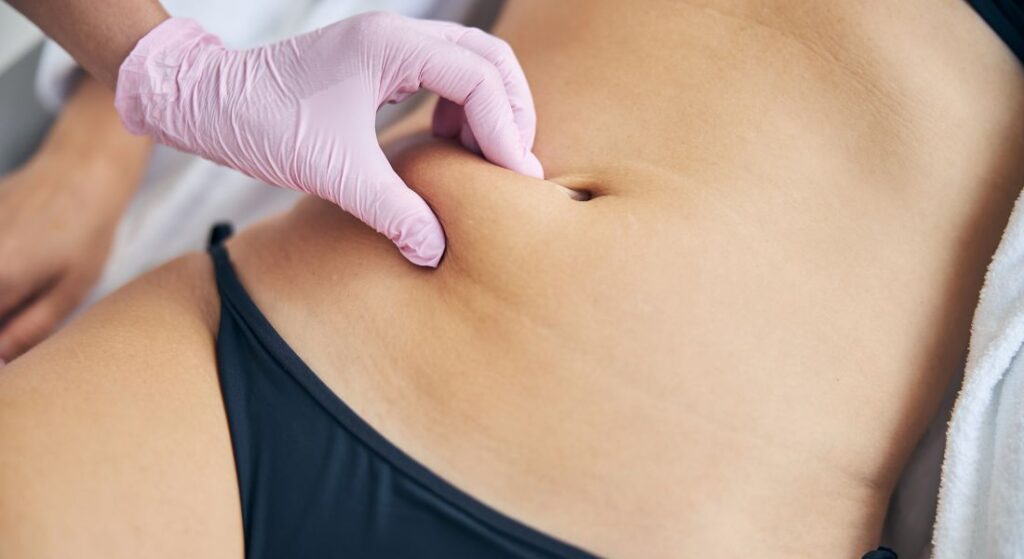
Smartlipo removes fat using laser-generated thermal energy rather than physical force. The heat disrupts fat cells in a more targeted way, causing them to liquefy. This liquefied fat is then removed more gently compared to traditional methods. The approach is designed to be more controlled.
The laser energy selectively interacts with adipose tissue. Because of this, far less mechanical force is needed during the procedure. Surrounding tissues experience a different pattern of impact, and overall trauma is reduced. This distinction is one of the key differences from mechanical liposuction.
The use of controlled heat changes how the tissue responds after treatment. Inflammation is driven more by thermal effects than by tearing or blunt disruption. As a result, the healing process follows a different pathway, often with a more predictable recovery.
Understanding Tissue Trauma at a Cellular Level
Tissue trauma occurs when cells and connective tissue are disrupted, triggering a biological repair response. The type and extent of trauma influence both healing and patient experience. Controlled interventions, such as laser therapy, create precise injury to stimulate repair while minimising damage.
1. Mechanical vs. Laser-Induced Trauma: Mechanical trauma causes widespread micro-tears in cells and connective tissue. This extensive damage triggers a strong inflammatory response. In contrast, laser-assisted trauma uses heat to disrupt cell membranes with minimal tearing, preserving surrounding structures.
2. Impact on Inflammation and Recovery: The degree of tissue disruption affects the intensity of inflammation, pain, and swelling. Greater mechanical damage leads to more pronounced discomfort and slower recovery. Controlled laser trauma generally results in smoother, more predictable healing.
3. Biological Basis for Patient Experience: Cellular-level responses explain why patients feel pain, redness, or swelling after injury. Understanding the biology helps clinicians optimise treatment techniques. Precise, controlled trauma can maximise repair while minimising discomfort.
Controlled tissue trauma leverages the body’s natural repair mechanisms while reducing unnecessary damage. This balance improves healing outcomes and enhances patient comfort.
Inflammatory Response After Mechanical Liposuction
Mechanical liposuction triggers a strong inflammatory response in the body. Blood vessels, connective tissue, and nearby nerves are all affected during the procedure. Your body reacts defensively, treating the area as it would a physical injury. This response is a normal part of the healing process.
As inflammation develops, swelling and bruising are common. White blood cells move into the treated area to begin repair and clean-up. Because the disruption is significant, healing can take longer for some people. The intensity of these effects varies from person to person.
This inflammatory response is not harmful, but it can be quite pronounced. It reflects the level of physical disruption caused by the technique. Recovery timelines differ widely depending on your body’s healing capacity and overall health.
Inflammatory Response After Smartlipo
Smartlipo triggers a distinct inflammatory response compared to traditional mechanical procedures. The use of thermal energy creates a controlled form of tissue injury, leading to a more localised and predictable biological reaction.
1. Controlled Thermal Injury: Smartlipo uses heat to cause intentional, precise tissue disruption rather than widespread tearing. This controlled injury signals the body to initiate healing without excessive inflammation. The response remains focused around the treated area.
2. Reduced Bleeding and Bruising: Thermal energy coagulates small blood vessels during the procedure. This limits bleeding and reduces bruising. As a result, visible inflammation is often less pronounced.
3. Regulated Immune Response: The immune system still activates to repair tissue and remove damaged cells. However, the response is more regulated and less aggressive. This controlled inflammation supports healing while minimising discomfort.
Because the inflammatory response is more contained, many patients report less pain and swelling after Smartlipo. The biological control achieved through thermal energy helps explain the smoother recovery experience.
Vascular Impact of Mechanical Liposuction
Mechanical liposuction can disrupt small blood vessels within the treated area. This vascular trauma is a common reason for bruising and swelling after the procedure. When blood vessels are affected, blood can leak into surrounding tissues. This adds to the visible and physical effects of recovery.
Bleeding into the tissues increases inflammation and can raise the risk of haematoma formation. Compression garments are often recommended to help limit swelling and support the tissues as they heal. Proper aftercare plays an important role in managing these effects.
The extent of vascular injury can influence how long recovery takes. Greater disruption means your body has more repair work to do. Healing involves restoring damaged vessels and surrounding tissue, which takes time and varies between individuals.
Vascular Impact of Smartlipo
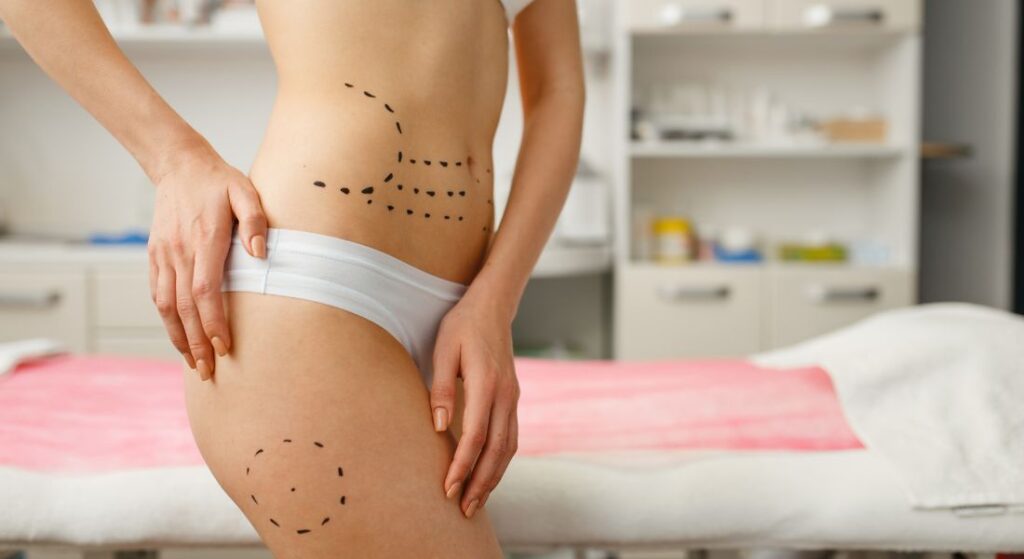
Smartlipo’s thermal energy has a coagulating effect on blood vessels. As the laser treats fat, small capillaries are sealed at the same time. This reduces blood loss during the procedure. The controlled nature of this process limits vascular disruption.
With less bleeding, bruising is usually reduced. Swelling tends to be more predictable and manageable in the early recovery period. This can make the initial healing phase feel smoother for you. Recovery often follows a more consistent pattern.
Preserving vascular integrity plays an important role in healing. When blood flow remains efficient, oxygen and nutrients are delivered effectively to the tissues. This supports tissue repair and can contribute to a more straightforward recovery.
Connective Tissue Preservation
Connective tissue provides important structural support beneath your skin. With mechanical liposuction, the fibrous septae that hold fat and skin together can be disrupted. This disruption may affect how well your skin retracts after the procedure. Changes in support can influence the final contour.
Smartlipo interacts with connective tissue in a different way. The controlled heat causes collagen fibres to contract rather than tear. This helps maintain the underlying structure instead of breaking it down. As a result, tissue integrity is better preserved.
Preserving connective tissue plays a key role in shaping results. When structural support remains intact, contours tend to look smoother and more defined. Your skin may also appear firmer. The biological response supports more refined and visible outcomes.
Pain and Nerve Irritation
Pain after aesthetic procedures is largely driven by how much the nerves are disturbed during treatment. The type of tissue trauma influences inflammation, nerve signalling, and overall discomfort during recovery.
1. Role of Nerve Irritation: Pain occurs when nerves are irritated by inflammation or physical disruption. Mechanical trauma can stretch, compress, or irritate nerve fibres. This often leads to heightened pain signals after treatment.
2. Impact of Mechanical vs Thermal Injury: Procedures involving significant mechanical movement tend to increase nerve disturbance. In contrast, Smartlipo relies more on controlled thermal energy. Reduced friction and tearing mean nerves experience less direct injury.
3. Lower Pain Perception with Smartlipo: Because nerves are less mechanically stressed, pain perception may be lower for many patients. Inflammation is also more localised, which can further reduce discomfort. This often contributes to a smoother recovery experience.
4. Individual Variation: Pain levels still vary between individuals. Technique, treatment area, and aftercare all influence nerve response. The way your tissue reacts ultimately shapes how pain is felt.
Pain after Smartlipo is closely linked to reduced nerve irritation and controlled inflammation. While individual experiences differ, the biological mechanism helps explain why discomfort is often less intense compared to more mechanically invasive procedures.
Swelling Patterns and Fluid Shifts
Swelling after body contouring reflects how your tissues respond to injury and inflammation. The type of trauma influences where fluid collects, how long swelling lasts, and how predictable recovery feels.
1. Why Swelling Occurs: Swelling develops when inflammatory fluid leaks from blood vessels into surrounding tissue. This is a normal healing response. The extent depends on how disrupted the tissue and vessels are during treatment.
2. Mechanical Liposuction and Diffuse Swelling: Mechanical liposuction causes widespread tissue movement and vessel disruption. This leads to more pronounced fluid leakage across a broader area. As a result, swelling can feel diffuse and less predictable.
3. Smartlipo and Localised Swelling: Smartlipo uses controlled thermal energy, which coagulates small blood vessels as fat is treated. This limits fluid leakage into surrounding tissue. Swelling is often more localised to the treated area.
4. Role of Compression: Compression garments still play an important role after Smartlipo. They help manage residual fluid shifts and support tissue reattachment. Proper use improves comfort and recovery consistency.
Swelling patterns are closely linked to the biology of tissue injury and repair. With Smartlipo, more controlled trauma leads to predictable fluid shifts, helping you feel more informed, prepared, and in control during recovery.
Skin Tightening and Collagen Response
Mechanical liposuction does not directly stimulate collagen production. Any skin tightening you see relies mainly on your skin’s natural ability to recoil after fat removal. Because this varies from person to person, results can be unpredictable. Skin quality and age play a large role.
Smartlipo uses heat to actively stimulate collagen contraction. This thermal effect encourages gradual skin tightening as the tissue responds biologically. The process is more controlled and works alongside fat removal. This can lead to a firmer appearance over time.
Collagen response does not happen instantly. Tightening develops gradually in the weeks and months after treatment. Understanding this timeline helps you set realistic expectations. Patience is important for appreciating the final results.
Healing Timeline Differences
Healing after mechanical liposuction largely depends on how your body repairs physically disrupted tissue. Swelling and bruising can last longer because of the level of trauma involved. Recovery may feel uneven, with some areas settling faster than others. This variability is a normal part of the process.
Smartlipo healing follows a different pattern based on controlled thermal injury. Inflammation tends to resolve in a more predictable way. Many people feel that recovery progresses more smoothly, especially in the early stages. The body responds differently to heat than to tearing or blunt force.
Neither approach delivers instant results. Healing and visible improvement are always governed by biology. Giving your body time to recover is essential. Patience plays a key role in achieving the best possible outcome.
Risk of Fibrosis and Irregularity
Fibrosis develops when the healing process is uneven and collagen is laid down irregularly. With greater mechanical trauma, the risk of this increases, as widespread tissue disruption can lead to unpredictable scar tissue formation and surface irregularities.
Smartlipo creates a more controlled form of injury. The thermal effect encourages smoother, more uniform collagen remodelling, which helps reduce the likelihood of fibrosis and improves overall skin smoothness.
That said, outcomes are never purely biological. Technique, experience, and aftercare all influence how the tissue heals. The final result reflects the interaction between controlled biology and clinical skill.
Systemic Inflammatory Load
Large-volume mechanical liposuction can increase the body’s overall inflammatory burden. Because a greater amount of tissue is disrupted, the immune system mounts a broader response, which often contributes to fatigue and a heavier recovery period.
Smartlipo is typically performed on smaller, more targeted areas, resulting in a lower systemic inflammatory load. With less widespread immune activation, recovery often feels lighter and more manageable for patients.
The degree of systemic inflammation directly affects overall wellbeing. When inflammation is reduced, the body can return to normal function more quickly, highlighting how underlying biology strongly shapes the recovery experience.
Why Biological Differences Matter Clinically
Recognising how different tissues respond to various forms of injury helps clinicians choose the most appropriate treatment. Procedures that create less trauma generally lead to smoother healing, reduced discomfort, and more predictable outcomes, which directly influences patient satisfaction.
Recovery and Predictability: Controlled tissue responses often translate into less swelling, bruising, and downtime. When healing follows a predictable biological pattern, clinicians can better anticipate results and manage expectations.
Individualised Treatment Selection: Not every patient benefits from the same technique. Factors such as anatomy, skin quality, and treatment goals influence how the body will respond. Understanding biology helps determine which approach is most suitable for each individual.
Science Over Marketing: Marketing often simplifies or exaggerates outcomes without explaining the underlying biology. Clinically sound decisions rely on evidence, not trends. A science-based approach leads to safer choices and more reliable results.
Biological differences are not minor details they directly shape recovery, outcomes, and long-term satisfaction. Understanding these principles empowers patients and clinicians to make informed, realistic treatment decisions.
Choosing the Right Approach

Smartlipo and mechanical liposuction are designed for different purposes. Smartlipo focuses on controlled interaction with tissue, while mechanical liposuction is often used to remove larger volumes of fat. Each approach has its own strengths depending on what you want to achieve. Understanding these differences helps frame realistic options.
Your anatomy, aesthetic goals, and tolerance for downtime all play a role in choosing the right method. There is no single “best” option that suits everyone. Personalisation is essential to achieving safe and satisfying results. A tailored approach respects how your body responds.
Understanding the science behind how tissues react supports informed consent. When you know what each technique can and cannot do, expectations stay grounded in reality. This clarity leads to better decisions and more confidence in your choice.
FAQs:
1. What is the main biological difference between Smartlipo and traditional liposuction?
The main difference lies in how fat cells are disrupted. Traditional liposuction relies on physical force to tear fat cells apart, which affects surrounding tissues as well. Smartlipo uses controlled laser heat to break down fat cells, resulting in a different tissue response and healing pattern.
2. Does Smartlipo cause less tissue damage than mechanical liposuction?
Smartlipo generally causes more controlled tissue injury because it uses thermal energy rather than forceful movement. This means surrounding structures like blood vessels and connective tissue are often better preserved. Less widespread disruption can influence swelling, pain, and recovery.
3. Why is inflammation different between the two procedures?
Mechanical liposuction triggers inflammation similar to blunt trauma, leading to a stronger and more diffuse inflammatory response. Smartlipo causes a localised thermal injury, which tends to produce a more regulated inflammatory reaction. This difference affects how the body heals after treatment.
4. How does each procedure affect blood vessels?
Traditional liposuction can rupture small blood vessels, contributing to bruising and swelling. Smartlipo’s heat coagulates vessels as fat is treated, helping to reduce bleeding. Preserved vascular integrity supports more predictable early healing.
5. Is recovery faster with Smartlipo compared to traditional liposuction?
Recovery often feels smoother with Smartlipo because tissue trauma and inflammation are more controlled. Swelling and bruising may resolve more predictably, although healing timelines still vary between individuals. Neither option offers instant recovery.
6. Does Smartlipo reduce pain after the procedure?
Pain is influenced by nerve irritation and inflammation. Mechanical liposuction involves more physical movement, which can disturb nerves more extensively. Smartlipo reduces mechanical friction, which may result in lower discomfort for some patients.
7. How does connective tissue preservation affect results?
Connective tissue supports skin structure and contour. Mechanical disruption can affect how well the skin retracts after fat removal. Smartlipo’s thermal effect can cause collagen contraction, which may contribute to firmer-looking results over time.
8. Is there a difference in swelling patterns between the two methods?
Yes, swelling after mechanical liposuction is often more widespread due to greater tissue disruption. Smartlipo swelling tends to be more localised because thermal coagulation limits fluid leakage. Predictable swelling can make recovery easier to manage.
9. Does Smartlipo lower the risk of fibrosis or uneven texture?
Fibrosis is linked to how evenly tissue heals after injury. Mechanical trauma can increase the risk of irregular scar tissue formation. Smartlipo’s controlled injury promotes more uniform collagen remodelling, which may reduce surface irregularities when performed correctly.
10. How should patients choose between Smartlipo and traditional liposuction?
The choice depends on anatomy, treatment goals, and tolerance for recovery. Traditional liposuction is often used for larger fat volumes, while Smartlipo focuses on controlled tissue interaction. Understanding the biological differences helps set realistic expectations and supports informed decision-making.
Final Thought: Making an Informed, Biology-Led Choice
Understanding the biological differences between Smartlipo and traditional mechanical liposuction helps you look beyond surface-level results and focus on how your body actually heals. Tissue trauma, inflammation, vascular response, and collagen behaviour all play a role in recovery comfort, predictability, and long-term outcomes. When you understand these processes, it becomes easier to align your expectations with what each technique can realistically achieve.
Neither approach is universally better, but they are biologically different. Mechanical liposuction relies on physical force and is often suited to larger-volume fat removal, while laser-assisted techniques focus on controlled tissue interaction and recovery dynamics. If you’re thinking about smartlipo treatment in London, you can get in touch with us at the London Medical & Aesthetic Clinic to discuss your options in a personalised, science-led way.
References:
1. Retrospective analysis of SmartLipo with facelift Martin et al. reviewed 56 patients undergoing SmartLipo 1064-nm in combination with facelift, reporting effectiveness and safety with improved outcomes and no major complications. https://pubmed.ncbi.nlm.nih.gov/25427241/
2. Smartlipo MPX™ sculpting of body & face (Review) This review involving 72 patients treated with Smartlipo MPX™ (abdomen, thighs, neck, face, arms etc.) found predictable and long-lasting results, including body contour improvement. https://pubmed.ncbi.nlm.nih.gov/21718186/
3. Ardeleanu, V., 2020. Treatment of Lipomas and Diffuse Lipomatosis with Laser Liposuction. MDPI Journal of Clinical Medicine, 7(1), 3. https://www.mdpi.com/2392-7674/7/1/3
4. Ichikawa, K., et al., 2009. Evaluation of Skin Tightening After Laser-Assisted Liposuction. Aesthetic Surgery Journal, 29(5), pp.400–407. https://www.sciencedirect.com/science/article/abs/pii/S1090820X0900315X
5. Laser-Assisted Liposuction, 2009. Clinics in Plastic Surgery, Volume 36, Issue 2, Pages 241-253. https://www.sciencedirect.com/science/article/abs/pii/S0094129808001363