



When you first start exploring collagen-stimulating injectables, you might come across Lanluma and feel excited about its potential to improve volume, contour, and skin texture in a natural-looking way. But if you have concerns about your skin type or tone, especially if you fall into the darker end of the Fitzpatrick scale, it’s only natural to wonder whether Lanluma is safe for you. Many people have questions about pigmentation changes, inflammatory reactions, and whether their skin will respond differently compared to lighter complexions.
Lanluma is a biostimulatory filler made from poly-L-lactic acid (PLLA), a substance that works by encouraging your own collagen production rather than adding instant volume like hyaluronic acid fillers. This makes it appealing for people who want gradual, long-lasting results without the “overfilled” look.
In this guide, I’ll walk you through how Lanluma works, how skin type influences treatment planning, what Fitzpatrick classification means, and why pigmentation concerns tend to matter more for people with medium to dark skin tones.
Understanding What Makes Skin Types Different
Before you can understand how Lanluma works across various skin types, it helps to know why skin types differ in the first place. The Fitzpatrick scale is the most widely used classification system and groups skin into six categories based on melanin level and how the skin responds to sun exposure. Fitzpatrick Types I and II typically burn very easily and contain less melanin.
Melanin plays a central role in how your skin reacts to injury, inflammation, and heat. This is important because even though injectables like Lanluma don’t involve lasers or heat-based devices, your skin may still respond differently to mechanical stimulation, inflammation, or trauma caused by the injection process.
But while melanin does affect the way your skin heals, it does not automatically make Lanluma unsafe. In fact, PLLA-based injectables have been widely used in diverse populations for many years. The key is understanding how your skin behaves, making sure your practitioner uses the correct depth and technique, and ensuring that your treatment plan reflects your individual needs.
How Lanluma Works and Why It’s Different From Other Fillers
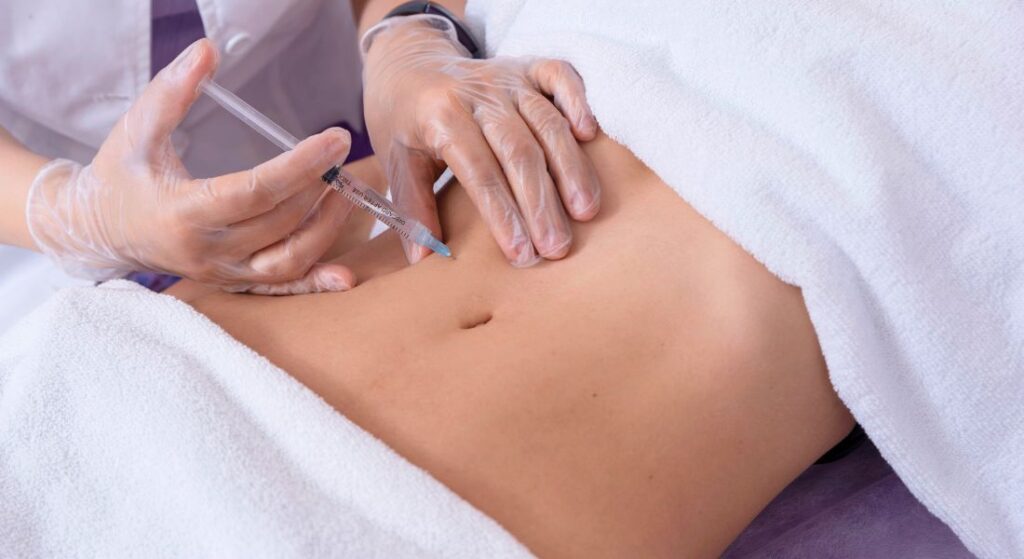
Lanluma works differently from traditional dermal fillers because it doesn’t provide instant volume. Instead, it stimulates collagen production gradually over time. The active ingredient, poly-L-lactic acid, is a biocompatible and biodegradable material that has been used safely in medical applications for decades. Once injected, PLLA microparticles act as a framework around which your body builds new collagen.
This gradual process means that your results develop naturally over several weeks. It also means that Lanluma tends to create very long-lasting results because your collagen structure becomes stronger and more resilient. The subtle, organic improvement is one of the reasons people choose Lanluma over dermal fillers, especially when they want a refreshed look that doesn’t appear artificial.
When it comes to safety across skin types, the important thing to understand is that PLLA isn’t affected by melanin and doesn’t interact with pigment cells. Unlike laser treatments that rely on heat or light energy, Lanluma works beneath the skin surface and doesn’t target pigment. This makes it suitable for a wide range of skin tones, as long as proper technique is used and the skin barrier is healthy.
Is Lanluma Safe for Fitzpatrick Skin Types I–VI?
One of the most reassuring things about Lanluma is that it has been used in people with all Fitzpatrick skin types. Because it works by stimulating collagen inside the deeper layers of the skin rather than affecting pigment on the surface, it does not carry the same risks associated with heat-based aesthetic technologies. However, each skin type requires slightly different considerations.
Fitzpatrick Types I–III
These lighter skin types generally tolerate Lanluma very well. The risks of post-inflammatory pigmentation are low, and bruising tends to fade without leaving dark marks. The main concerns for these patients are usually related to swelling or temporary unevenness during the collagen-building phase. These effects are expected, temporary, and do not indicate any long-term issue.
Fitzpatrick Types IV–VI
Medium to dark skin tones have a higher risk of post-inflammatory hyperpigmentation, especially if the injection technique causes too much trauma, if the skin becomes inflamed, or if aftercare instructions are not followed. However, this does not mean that Lanluma is unsafe. It simply means that your practitioner must take extra care with injection technique, needle depth, and product placement to reduce unnecessary irritation.
Experienced injectors understand how to treat darker skin safely by:
– Injecting at the correct depth
– Using cannulas where appropriate to minimise trauma
– Avoiding excessive manipulation of the skin
– Monitoring for inflammation during the session
– Following protocols designed for richer skin tones
When performed correctly, Lanluma is well-tolerated across all skin types, including darker tones.
Does Lanluma Cause Pigmentation in Darker Skin Tones?
The good news is that Lanluma itself does not cause pigmentation because it does not interact with melanocytes. However, the injection process can sometimes trigger inflammation, which in turn may cause temporary pigmentation changes in people with Fitzpatrick Types IV–VI. This response depends on how your skin naturally reacts to trauma.
To minimise the risk of pigmentation, your practitioner may:
– Prepare your skin before treatment with suitable skincare
– Avoid techniques that cause bruising whenever possible
– Use anti-inflammatory products post-treatment
– Advise you on how to prevent excessive heat or friction on the treated area
If pigmentation does occur, it is usually temporary and resolves with proper skincare and time. Many patients with deeper skin tones undergo Lanluma treatment with no pigmentation issues at all, especially when treated by a skilled practitioner.
Safety Considerations Based on Skin Sensitivity and Skin Barrier Health
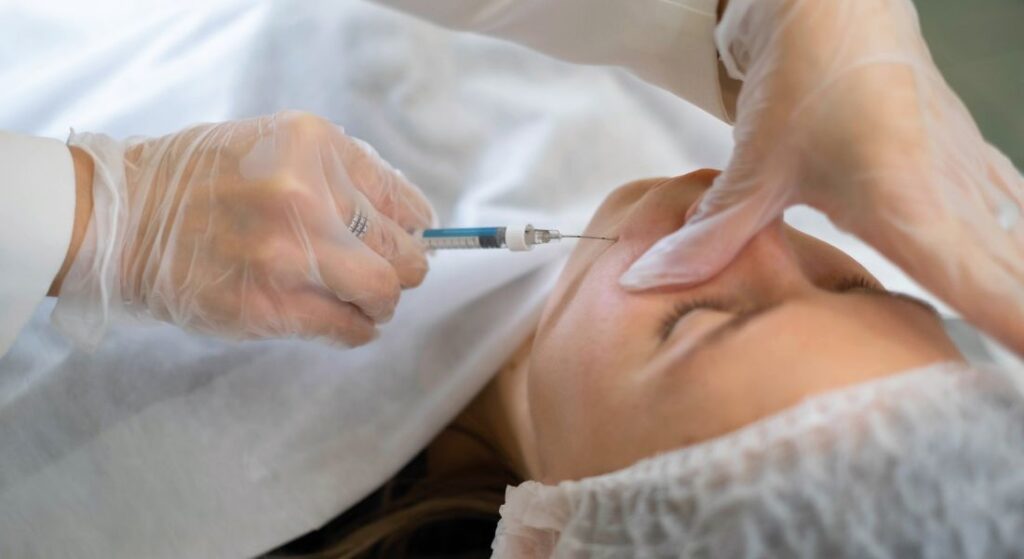
Your skin type is just one factor in determining how safely you can undergo Lanluma. Your skin health, sensitivity level, and barrier function also matter. If your skin barrier is compromised for example, if you suffer from eczema, dermatitis, or active inflammation you may be more prone to irritation or uneven healing.
Healthy skin tends to respond well to Lanluma because it can tolerate injections more easily and recover without complications. If your skin barrier needs support first, your practitioner may recommend a skincare plan to strengthen it before your treatment.
This might involve:
– Hydration-focused skincare
– Topical antioxidants
– Moisturising creams
– Avoiding harsh exfoliation before treatment
– Gentle cleansing routines
A strong, balanced skin barrier provides a better foundation for Lanluma and helps ensure the treatment results in a smooth, even outcome.
How Experienced Practitioners Adapt Lanluma Technique Based on Skin Type
Technique is one of the most important factors in ensuring Lanluma is safe for all skin types. Injecting PLLA requires more precision than hyaluronic acid fillers, and this precision becomes even more crucial when treating darker skin. The goal is to place the product deep enough to avoid surface irregularities while maintaining the correct injection pattern to stimulate collagen uniformly.
Experienced practitioners may adapt their approach in several ways:
They may choose cannula insertion for certain areas to reduce trauma and minimise the risk of bruising. They may reduce injection points to avoid unnecessary irritation. They may adjust the dilution and injection pattern to match the thickness of your tissue. And they may incorporate more conservative volumes at your first session to observe how your skin responds.
When treating darker skin tones, practitioners may also allow more space between treatments to give your skin time to recover. These adjustments help ensure safety, minimise the risk of inflammation, and produce more predictable aesthetic results.
Understanding Collagen Stimulation Across Different Skin Types
Lanluma works by encouraging your skin to produce more collagen. This process is universal across all skin types, but the rate and pattern of collagen formation can vary slightly. For example, people with deeper skin tones often have naturally higher collagen density, which contributes to slower ageing. This means that they may achieve excellent structural improvement from PLLA-based treatments.
However, the stimulation process is sometimes more gradual in darker skin, not because of the Lanluma product itself, but because practitioners tend to use more conservative dosing at the start. The goal is to ensure a safe and steady collagen response without inducing unnecessary inflammation.
Regardless of your skin type, collagen stimulation continues for several months. You’ll notice your results gradually improving as your skin becomes firmer, thicker, and more youthful-looking. This slow and natural progression is one of the biggest benefits of Lanluma.
Lanluma for Body Treatments: Does Skin Type Matter Here?

Lanluma is often used for body treatments such as hip dips, buttock contouring, cellulite smoothing, and volume enhancement. When treatments are delivered deeper into body tissues, the risk of pigmentation changes is significantly lower because the injections are placed far away from the surface layers where melanocytes live.
For this reason, Lanluma body treatments tend to be safe for all skin tones. The main differences in treatment planning relate to collagen density, tissue behaviour, and your goals rather than pigmentation concerns. Darker skin tones do not show an increased risk of complications in body treatments, and many patients enjoy excellent shaping and contouring results regardless of their Fitzpatrick type.
This versatility makes Lanluma a popular choice for people who want full-body collagen enhancement with long-lasting improvement.
Common Side Effects Across All Skin Types
All injectable treatments carry some degree of risk. Fortunately, Lanluma’s side effects are typically mild and temporary. These effects are not usually influenced by skin type, although darker skin may show pigmentation changes more noticeably during the healing process.
Common side effects include:
Redness – The treated area may appear pink or flushed immediately after the injection, usually fading within a few hours to a couple of days.
Swelling – Mild puffiness can occur as your body responds to the injection, typically subsiding within a few days.
Tenderness – The area may feel sensitive to touch, similar to mild soreness after exercise, and usually eases within a short period.
Bruising – Small bruises can appear at injection sites, especially if tiny blood vessels were disrupted, and typically resolve within one to two weeks.
Itching – Some people experience mild itchiness as part of the healing process, which usually disappears on its own.
Lumps or nodules (temporary and usually due to incomplete massage) – Small bumps may form under the skin but often resolve once the area is properly massaged as instructed by your practitioner.
These side effects usually resolve within days or weeks. Your aftercare plays an important role in recovery. Following your practitioner’s massage instructions, avoiding heat, and keeping the treated area clean can significantly reduce the likelihood of complications and support optimal results.
Is There a Higher Risk of Nodules in Darker Skin?
Nodules can occur with any PLLA-based injectable if the product is not distributed evenly. This risk is not directly related to melanin or skin tone. Instead, it relates to factors such as injection depth, product dilution, aftercare compliance, and the way your tissue metabolises the product.
Following massage instructions is extremely important for all patients. This ensures that the PLLA microparticles are spread evenly and minimises the risk of clumping. An experienced injector will also dilute the product correctly and place it at the right depth to avoid superficial nodules.
With proper technique and aftercare, nodules are uncommon across all Fitzpatrick types.
Lanluma vs Hyaluronic Acid Fillers for Different Skin Types
If you’ve previously had hyaluronic acid fillers, you may be wondering whether Lanluma behaves differently across skin types. Both are safe for the full Fitzpatrick spectrum, but they work in different ways.
Hyaluronic acid fillers provide instant volume and are reversible, which can feel reassuring if you’re new to injectables. Lanluma, on the other hand, offers slower, more natural-looking results and works by strengthening your skin from within. For darker skin tones, both options are safe when done correctly.
The main difference relates not to safety but to your desired outcome. If you want gradual collagen stimulation and long-term improvement, Lanluma may be the better option. If you prefer immediate changes, hyaluronic acid may suit you more.
Choosing the Right Practitioner Is More Important Than Your Skin Type
Your practitioner’s skill, experience, and understanding of diverse skin tones matter more than your Fitzpatrick classification when it comes to Lanluma safety. A knowledgeable injector will understand how your skin responds to inflammation, how to minimise trauma, and how to avoid complications such as pigmentation or nodules.
When choosing a practitioner, consider whether they:
– Have expertise with PLLA-based injectables
– Understand how to treat darker skin safely
– Use a personalised injection technique
– Provide detailed aftercare instructions
– Offer follow-up appointments
Your comfort and safety depend heavily on their knowledge and experience. The right practitioner will adjust your treatment plan to suit your skin’s behaviour rather than relying on a one-size-fits-all approach.
When Lanluma May Not Be Suitable for Your Skin Type
Although Lanluma is safe for all skin types, there are certain situations where it may not be recommended. These situations relate to skin behaviour rather than skin colour or melanin levels.
You may not be suitable if:
– You have an active skin infection
– You have severe inflammatory skin conditions
– Your skin barrier is compromised
– You have a history of keloid scarring
– You are pregnant or breastfeeding
– You have unrealistic expectations about immediate results
Your practitioner will discuss these factors with you during your consultation. The goal is to ensure that your skin is in the best possible condition before treatment begins.
Long-Term Outcomes for Different Skin Types
Because Lanluma stimulates collagen, the long-term results tend to be stable, natural-looking, and long-lasting across all skin types. The new collagen produced is your own, meaning it behaves like natural tissue and ages gradually with your skin.
People with darker skin tones often experience excellent long-term outcomes due to their naturally higher levels of collagen and slower ageing process. The deeper structure of their skin provides a strong foundation for the improvement that Lanluma creates.
Meanwhile, people with lighter skin tones enjoy the smoothing, volumising, and firming effects of PLLA just as reliably. The differences between skin types relate more to pigmentation management than to collagen response.
Frequently Asked Questions:
1. Is Lanluma safe for all Fitzpatrick skin types?
Yes, Lanluma is considered safe for all Fitzpatrick skin types, from I to VI. Because it works by stimulating collagen deep within the skin rather than directly interacting with pigment cells, the product itself does not pose a risk of hyperpigmentation. The main considerations for darker skin tones are related to injection technique and skin healing. Skilled practitioners adjust depth, injection pattern, and aftercare protocols to reduce trauma and inflammation, which helps ensure a safe outcome regardless of skin tone. With proper technique, patients across the full spectrum of skin types can achieve natural, gradual improvements in volume and texture.
2. How does Lanluma differ from hyaluronic acid fillers?
Lanluma and hyaluronic acid (HA) fillers differ fundamentally in how they work. HA fillers provide immediate volume and can be reversed with an enzyme if needed, giving patients instant results. Lanluma, on the other hand, does not produce immediate plumping but stimulates the body’s own collagen over several weeks and months. This creates a more gradual, natural-looking effect that strengthens the skin internally. The difference is especially relevant for patients who prefer subtle, long-lasting changes rather than immediate enhancement. Safety across skin types is similar for both products when administered by a trained practitioner.
3. Can Lanluma cause pigmentation changes in darker skin tones?
Lanluma itself does not affect pigment cells, so the product is not a direct cause of hyperpigmentation. However, any injection carries a risk of mild trauma or inflammation, which in rare cases can trigger temporary pigmentation changes, especially in Fitzpatrick Types IV to VI. The risk is not due to the product but to how the skin reacts to the injection process. Experienced injectors minimise this risk by using proper depth, gentle technique, and post-treatment care, ensuring that pigmentation changes are uncommon and usually transient if they do occur.
4. Are side effects different for lighter versus darker skin?
Most side effects of Lanluma, such as redness, swelling, tenderness, or bruising, are consistent across all skin types. People with darker skin may notice pigmentation more readily if inflammation occurs, but this is not a universal outcome and can usually be prevented with careful injection technique. Temporary lumps or nodules can occur with any skin type, but they are linked to product placement, dilution, and massage compliance rather than melanin levels. Overall, side effects are mild, temporary, and manageable with proper aftercare.
5. How should practitioners adjust Lanluma treatment for different skin types?
Practitioners adapt their technique based on the patient’s skin thickness, collagen density, and healing tendencies rather than simply skin color. For darker skin types, they may use cannulas, reduce the number of injection points, space sessions further apart, and adjust product dilution to minimise trauma and inflammation. For lighter skin types, standard depth and pattern techniques are typically sufficient. In all cases, the injector aims to stimulate collagen evenly and safely while reducing the risk of nodules, bruising, or pigment changes.
6. Can Lanluma be used for body treatments in all skin types?
Yes, Lanluma is safe for body treatments such as buttock enhancement, hip dip correction, cellulite smoothing, and contouring across all skin tones. Injections for the body are deeper, which significantly lowers the risk of pigmentation changes because melanocytes reside in the upper layers of the skin. Treatment planning primarily considers tissue behaviour, collagen density, and the patient’s goals rather than skin tone. Patients with darker skin can safely undergo these procedures with predictable, long-lasting results.
7. What is the role of aftercare in preventing complications?
Aftercare is essential for all skin types to achieve the best results with Lanluma. Following instructions such as massaging treated areas, avoiding heat, and keeping the skin clean helps prevent lumps, nodules, or excessive inflammation. Proper aftercare also reduces the risk of post-inflammatory hyperpigmentation in darker skin. Adhering to these recommendations allows the skin to remodel naturally around the PLLA particles, ensuring smooth and even collagen stimulation over time.
8. How long does it take to see results across different skin types?
Lanluma results develop gradually over several weeks to months as collagen is produced around the injected PLLA particles. While the timeline is broadly similar across skin types, practitioners may use a more conservative approach for darker skin to reduce inflammation, which can slightly extend the time before results are fully visible. Ultimately, all patients experience progressive improvements in skin thickness, firmness, and texture, with outcomes stabilising long-term if proper technique and aftercare are followed.
9. Are nodules more common in darker skin types?
Nodules can occur with any PLLA injectable if the product is unevenly distributed or insufficiently massaged after injection. This risk is not inherently linked to melanin or skin tone. By following the correct dilution, injection depth, and massage protocol, the likelihood of nodules is low for all Fitzpatrick types. Regular follow-up ensures that any small lumps are addressed promptly and that the final aesthetic result is smooth and natural-looking.
10. When might Lanluma not be suitable regardless of skin type?
Lanluma may not be appropriate for patients with active skin infections, severe inflammatory conditions, compromised skin barriers, a history of keloid scarring, or for those who are pregnant or breastfeeding. Additionally, unrealistic expectations for immediate results can make the treatment unsuitable. A thorough consultation ensures that each patient’s skin is healthy and that the treatment plan is personalised, maximising safety and long-term outcomes across all skin types.
Final Thought: Lanluma Safety Across All Skin Types
Lanluma is a versatile and safe collagen-stimulating treatment suitable for a wide range of skin types and tones when administered by an experienced practitioner. The key to achieving optimal results lies not in your Fitzpatrick classification but in selecting a clinician who understands how to adapt injection techniques to your individual skin characteristics. With proper assessment, careful technique, and attentive aftercare, patients across all skin types can enjoy gradual, natural-looking improvements in volume, contour, and skin texture.
If you’re considering Lanluma treatment in London, you can contact us at London Medical & Aesthetic Clinic to book a consultation with one of our specialists. Our team will evaluate your skin, discuss personalised treatment options, and ensure your journey with Lanluma is both safe and effective.
References:
1. Kim, H.J., Kwon, R., Kang, S.M., Yon, D.K. & co‑authors, 2025. “Safety and Efficacy of Poly‑L‑Lactic Acid Filler (Gana V vs. Sculptra) Injection for Correction of the Nasolabial Fold: A Double‑Blind, Randomized, Split-Face Controlled Trial.” https://pubmed.ncbi.nlm.nih.gov/37626137/
2. Bravo Clinic Study Group, 2024. “Exploring the Safety and Satisfaction of Patients Injected With Collagen Biostimulators a Prospective Investigation Into Injectable Poly‑L‑Lactic Acid (PLLA).” https://pubmed.ncbi.nlm.nih.gov/39663956/
3. Augmenting dermal collagen synthesis through hyaluronic acid-based microneedle‑mediated delivery of poly(L-lactic acid) microspheres. https://www.sciencedirect.com/science/article/abs/pii/S0141813024071204
4. “Efficacy and Safety of Poly-l-Lactic Acid in Facial Aesthetics: A Systematic Review.” Polymers, 2024, 16(18), 2564. https://www.mdpi.com/2073-4360/16/18/2564
5. Vaienti, L. et al., 2024. “Safety and Effectiveness Results of an Injectable Poly‑L‑Lactic Acid‑Based Collagen Stimulator (Lanluma®) Clinical Outcomes at 9 Months in a Post‑Market Study.” https://pmc.ncbi.nlm.nih.gov/articles/PMC11626332/