


If you have hypothyroidism and are considering laser liposuction, it’s completely normal to feel uncertain. An underactive thyroid can affect weight, energy levels, metabolism, and healing, all of which naturally raise questions about cosmetic procedures. Many people worry that hypothyroidism automatically makes treatments unsafe.
The reality is more balanced. Hypothyroidism does not automatically rule out laser liposuction, but it does mean your suitability needs to be assessed more carefully. The key factor is not the diagnosis itself, but how well your thyroid condition is managed and stabilised.
In this guide, I’ll explain how hypothyroidism influences fat metabolism and healing, how it can affect laser liposuction results, and when treatment may be appropriate. You’ll also learn what should be stabilised first so you can make an informed, confident decision.
Understanding Hypothyroidism and Its Effects on the Body
Hypothyroidism occurs when the thyroid gland produces insufficient thyroid hormones. These hormones are essential for regulating metabolism, energy use, body temperature, and fat processing.
Low hormone levels slow down metabolism, making it easier to gain weight and harder to lose fat. Even with a balanced diet and regular activity, shedding extra pounds can feel more challenging.
People with hypothyroidism often experience fatigue, fluid retention, and changes in skin texture. Hair thinning and dry, coarse skin are common signs that hormone imbalance is affecting the body.
These systemic effects are particularly important to consider before undergoing body-contouring procedures. Treatments like laser liposuction may be impacted by slower healing or reduced fat metabolism, so careful planning is necessary.
Why Fat Can Be More Stubborn With Hypothyroidism
If certain fat deposits seem resistant to diet and exercise, you are not imagining it. Hypothyroidism affects how your body stores and releases fat, especially around the abdomen, hips, thighs, and lower back.
Even with prescribed thyroid medication, hormone levels can take time to stabilise. During this period, fat may remain stubborn despite consistent healthy habits.
This hormonal influence is why some patients notice persistent fat pockets that do not respond to lifestyle changes. These areas can be frustrating and discouraging, even with overall good health.
For this reason, some people with hypothyroidism consider laser liposuction. The goal is not weight loss, but targeted contouring to address specific problem areas effectively.
What Laser Liposuction Does (and Does Not Do)
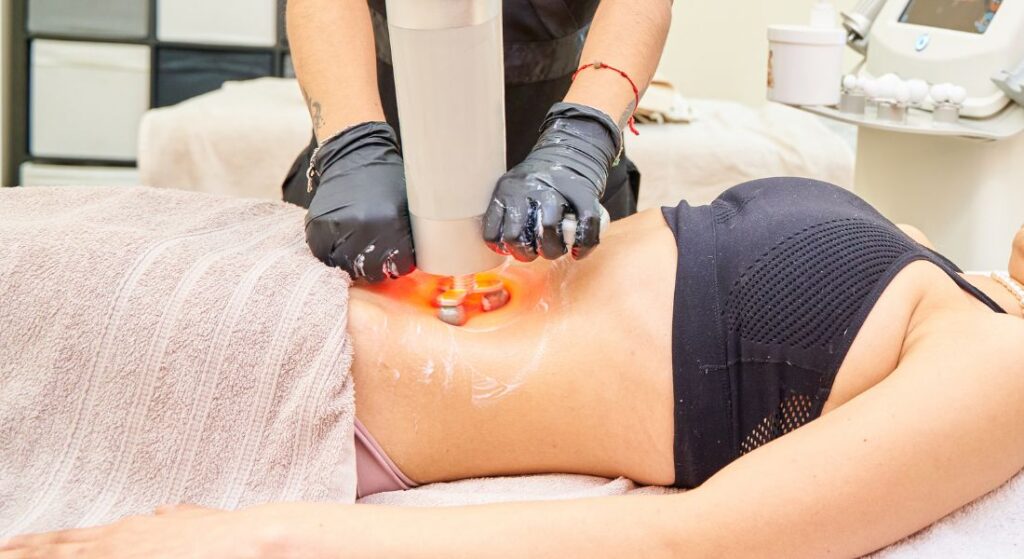
Laser liposuction is a minimally invasive procedure that uses laser energy to break down fat cells, which are then gently removed. The treatment focuses on contouring specific areas rather than promoting overall weight loss.
It is important to note that laser liposuction does not address hormonal imbalances. It does not treat hypothyroidism or boost metabolism in any way.
Instead, the procedure reshapes areas where fat has already accumulated. This makes it ideal for targeting stubborn fat pockets that do not respond to diet or exercise.
For patients with hypothyroidism, this distinction is crucial. Laser liposuction can enhance body contours, but it cannot replace proper thyroid management or medical care.
Is Hypothyroidism an Automatic Contraindication?
Hypothyroidism alone does not automatically make laser liposuction unsafe. Many people with well-controlled thyroid conditions undergo cosmetic procedures safely and achieve good results.
Clinics are more concerned with stability than the diagnosis itself. Consistent thyroid levels and well-managed symptoms generally allow the body to heal predictably.
However, untreated or poorly controlled hypothyroidism can increase risks during and after surgery. Complications may include slower healing, fluid retention, or unexpected responses to anesthesia.
This is why thorough medical screening is essential before approving treatment. Ensuring your thyroid condition is stable helps maximise safety and optimise outcomes.
Why Thyroid Stability Matters Before Treatment

Thyroid hormones play a crucial role in how your body responds to trauma, controls inflammation, and repairs tissue. These processes are essential for safe and effective healing after any procedure, including minimally invasive treatments like Smartlipo or laser-based therapies.
If thyroid levels are unstable, you may experience:
1. Slower healing and prolonged swelling: Tissue repair may take longer, meaning bruising and swelling can persist beyond the usual timeframe.
2. Increased fatigue during recovery: Low or fluctuating thyroid function can leave you feeling unusually tired, making it harder to manage normal post-procedure activities.
3. Less predictable contouring results: Healing responses directly affect how tissues settle. Unstable thyroid levels can lead to uneven or slower visible improvements.
4. Greater risk of discomfort or prolonged inflammation: Sensitivity, redness, or soreness may be more pronounced when thyroid function isn’t well controlled.
When thyroid function is stabilised, these risks are significantly reduced. Ensuring proper hormonal balance supports smoother healing, enhances comfort, and increases the likelihood of achieving reliable, satisfying outcomes.
How Clinics Assess Suitability for Laser Liposuction
A responsible clinic will never approve laser liposuction based on appearance alone. Your medical history, thyroid diagnosis, medications, and current symptom control are all considered.
Assessment usually includes a detailed consultation and discussion of how long your hypothyroidism has been diagnosed. Clinics may request confirmation that thyroid levels are stable, sometimes through recent blood tests.
This process is not designed to exclude you unnecessarily. It exists to ensure your safety and give you the best possible result.
Healing After Laser Liposuction With Hypothyroidism
Recovery timelines after laser liposuction differ from person to person. For patients with hypothyroidism, the process may take a little longer, but this doesn’t mean results will be compromised. Understanding what to expect helps set realistic expectations and supports a smooth recovery.
Key points to keep in mind:
1. Swelling and tenderness may last longer: A slower metabolism can mean that fluid retention and minor discomfort persist slightly beyond typical timelines.
2. Compression garments are essential: Wearing recommended garments helps reduce swelling, support tissue settling, and improve contour outcomes.
3. Follow aftercare instructions closely: Proper rest, hydration, and gentle movement assist healing and reduce the risk of complications.
4. Well-controlled thyroid levels aid recovery: When hormone levels are stable, your body can repair tissue efficiently, making healing smoother and more predictable.
With careful adherence to aftercare and thyroid management, most patients experience a manageable and steady recovery, gradually seeing the benefits of their laser liposuction.
How Hypothyroidism Can Affect Final Results

Laser liposuction permanently removes fat cells from the areas treated. The procedure reshapes the body, but it does not control future fat distribution.
Hormonal factors, particularly unmanaged hypothyroidism, can influence where new fat accumulates. Fat may appear in untreated areas over time, altering overall body balance.
This does not reverse the results in treated areas, but it can affect the overall appearance. Understanding this helps manage expectations before the procedure.
When thyroid function is stable, results are generally more predictable and longer lasting. Proper management supports both safety and the longevity of body-contouring outcomes.
Managing Expectations Realistically
Expectation management is a key part of planning any cosmetic procedure. Laser liposuction targets body contouring rather than boosting metabolism.
For patients with hypothyroidism, it should be seen as a finishing tool, not a primary solution for weight changes. Stable thyroid management enhances the effectiveness of the procedure.
Combining treatment with medical management and healthy lifestyle habits supports optimal outcomes. This approach ensures that the results are both safe and lasting. Clear and realistic expectations help reduce disappointment. They also increase overall satisfaction with the results achieved.
The Role of Thyroid Medication and Ongoing Care
Consistency with thyroid medication is essential for safe treatment. Clinics typically require confirmation that your dosage is stable and effectively managing your condition.
Adjusting or stopping medication without medical guidance is not advised. Hormonal fluctuations can impact both healing and recovery after procedures.
Ongoing monitoring of thyroid levels helps ensure your body responds predictably to treatment. This reduces risks and supports optimal outcomes.
Maintaining clear communication between you, your GP or endocrinologist, and your clinic creates the safest environment for any cosmetic procedure. Collaborative care is key to both safety and satisfaction.
When Laser Liposuction May Be Appropriate
Laser liposuction can be a safe and effective option for body contouring, but careful assessment is essential particularly for patients with thyroid conditions. It’s most suitable when your overall health is stable and your goals are realistic.
The procedure may be considered if:
1. Your hypothyroidism is well controlled: Stable thyroid medication helps ensure your body responds normally to the procedure and heals efficiently.
2. Thyroid levels are stable over time: Consistent hormone levels reduce the risk of swelling, prolonged healing, or unpredictable results.
3. You are close to your ideal weight: Laser liposuction is most effective for refining specific areas rather than major weight reduction.
4. Fat deposits are localised and resistant: The procedure targets stubborn pockets of fat that haven’t responded to diet or exercise.
5. You understand the limits of the procedure: Results improve contour and proportion but do not replace lifestyle changes or manage overall weight.
In these circumstances, laser liposuction can safely complement your body-confidence goals, offering targeted improvement with predictable recovery when performed by an experienced clinic.
When It’s Better to Delay Treatment
Postponing treatment can sometimes be the safest choice. If your thyroid levels are unstable, medications are being adjusted, or symptoms are poorly managed, waiting is generally recommended.
Delaying treatment does not mean it’s off the table. It allows your body to stabilise, which supports better healing and predictable results.
Timing is just as important as the procedure itself. Clinics prioritise ensuring your health is well-managed before proceeding. Being patient can reduce risks and improve satisfaction with the outcome. Proper planning ensures that when treatment is done, it is both safe and effective.
Choosing the Right Clinic Matters More With Medical Conditions
Clinic experience becomes even more important when a medical condition is involved. You need practitioners who can thoroughly assess your medical history and clearly explain any potential risks.
A responsible clinic will never rush or pressure you into treatment. They take time to discuss your thyroid condition and outline the safest options.
Patient education is key to making informed decisions. Understanding how your health affects outcomes helps set realistic expectations. If you are considering laser liposuction in London, prioritise clinics that emphasise medical screening and personalised guidance. This approach ensures both safety and satisfaction with your results.
Emotional and Confidence Considerations
Living with hypothyroidism can be emotionally challenging, as changes in weight and body shape often impact confidence. It’s important to approach cosmetic treatments as a form of self-care rather than a response to frustration or pressure.
Being well-informed and supported by your clinic can make the entire experience more positive and empowering. Remember, your wellbeing matters as much as the physical results. Feeling confident and comfortable with your choices supports both recovery and satisfaction.
FAQs:
1. Can people with hypothyroidism safely undergo laser liposuction?
Yes, people with hypothyroidism can undergo laser liposuction safely, provided their thyroid condition is well-managed. The procedure is not automatically unsafe for those with an underactive thyroid. What matters most is that hormone levels are stable and symptoms are controlled, which helps the body heal predictably and achieve reliable results. Clinics will assess your overall health, thyroid stability, and medical history before approving treatment.
2. How does hypothyroidism affect fat metabolism?
Hypothyroidism slows metabolism due to lower thyroid hormone levels, making it easier to gain weight and harder to lose fat. Even with a healthy diet and regular exercise, some fat deposits especially around the abdomen, hips, and thighs can remain stubborn. These hormonal effects mean that targeted body-contouring procedures like laser liposuction may be considered for areas resistant to lifestyle changes, rather than as a weight-loss solution.
3. Will laser liposuction treat my hypothyroidism or help with weight loss?
No, laser liposuction does not treat hypothyroidism or directly influence metabolism. Its purpose is to reshape and contour specific areas by removing fat cells that have already accumulated. While it can improve the appearance of targeted areas, ongoing thyroid management and lifestyle habits are necessary to maintain overall health and long-term results.
4. What are the risks if thyroid levels are unstable before surgery?
If thyroid function is unstable, recovery may be slower, and complications such as prolonged swelling, uneven contouring, or increased discomfort can occur. Uncontrolled hypothyroidism may also affect tissue repair and your body’s response to anesthesia. For this reason, thorough medical screening and confirmation of stable thyroid levels are essential before undergoing laser liposuction.
5. How does thyroid stability affect recovery?
Stable thyroid levels support efficient tissue repair, reduce swelling, and improve comfort during recovery. When hormone levels fluctuate, fatigue and prolonged healing are more likely, which can affect both the speed of recovery and the predictability of the results. Properly managed hypothyroidism allows the body to respond more reliably to the procedure, making the recovery period smoother.
6. Can hypothyroidism influence the final results of laser liposuction?
Yes, hypothyroidism can affect the distribution of new fat after surgery. While fat cells in treated areas are permanently removed, hormonal imbalances may cause fat to accumulate in untreated regions over time. Stable thyroid management helps maintain predictable and long-lasting contouring results, although ongoing lifestyle habits remain important to preserve the overall shape.
7. When is it better to delay laser liposuction if you have hypothyroidism?
Delaying treatment may be recommended if your thyroid levels are unstable, medications are being adjusted, or symptoms are poorly controlled. Waiting allows your body to stabilise, which supports safer healing and more predictable outcomes. Postponing the procedure does not mean you cannot have it later; it simply prioritises safety and ensures the best possible results when treatment is undertaken.
8. What should clinics consider when assessing suitability for laser liposuction?
Clinics take a comprehensive approach, reviewing your medical history, thyroid diagnosis, medications, and current symptom control. They often request recent blood tests to confirm stability and may ask about how long you’ve had hypothyroidism. This assessment is designed to maximise safety and optimise outcomes rather than to exclude patients unnecessarily.
9. How important is communication between your clinic and your doctor?
Clear communication between your GP or endocrinologist and your clinic is crucial. Coordinating care ensures that thyroid levels are stable, medication is consistent, and recovery is monitored appropriately. This collaboration helps minimise risks, supports predictable healing, and ensures that any complications can be managed promptly.
10. Can laser liposuction improve confidence for people with hypothyroidism?
Yes, laser liposuction can boost confidence when approached as a form of self-care rather than a solution to frustration or pressure. Understanding your medical condition, having realistic expectations, and receiving thorough guidance from your clinic can make the experience empowering. Feeling informed and supported enhances both emotional wellbeing and satisfaction with the results.
Final Thought: Laser Liposuction with Hypothyroidism
Laser liposuction can be a safe and effective option for people with hypothyroidism when approached thoughtfully and with proper medical guidance. The key to successful outcomes lies in stabilising thyroid levels, managing expectations realistically, and following a structured recovery plan. This ensures that your body heals efficiently, contouring results are predictable, and your overall experience is as comfortable and rewarding as possible.
If you are looking for laser liposuction in London, you can reach out to us at the London Medical & Aesthetic Clinic to discuss your goals, assess your suitability, and receive personalised guidance tailored to your medical needs. Choosing a clinic that prioritises safety, detailed consultations, and ongoing support helps you achieve both the results and confidence you desire.
References:
1. Crowley, K., Ó Scanaill, P., Hermanides, J. & Buggy, D.J. (2023) Current Practice in the Perioperative Management of Patients with Diabetes Mellitus: A Narrative Review. https://www.sciencedirect.com/science/article/abs/pii/S2173507724000231
2. Lee, S.H., Kim, S.H., Kim, K.B., Kim, H.S. & Lee, Y.K. (2024) Factors Influencing Wound Healing in Diabetic Foot Patients. Medicina, 60(5), p.723. https://www.mdpi.com/2075-4426/14/5/494
3. Burgess, J.L., Wyant, W.A., Abujamra, B.A., Kirsner, R.S. & Jozic, I. (2021) Diabetic Wound‑Healing Science. Medicina, 57(10), p.1072. https://www.mdpi.com/1660-4601/16/18/3298
4. Shin, C.S. & Yoo, K.C. (2025) Predictive Factors of Wound Healing and Limb Salvage After Successful Below‑the‑Knee Endovascular Angioplasty in Patients with Diabetic Foot Ulcer. https://academic.oup.com/asj/article-abstract/45/12/1252/8218035
5. Zerr, K.J., Furnary, A.P., Grunkemeier, G.L. et al. (2008) Diabetes, Hyperglycemia, and Infections. Best Practice & Research: Clinical Anaesthesiology, 22(3), pp.519–535. https://www.sciencedirect.com/science/article/abs/pii/S0306987706005093