



While Sculptra is designed to be subtle, it is still a medical treatment. Like any procedure that changes the structure of the face, it needs to be planned carefully. When used correctly, results look natural and balanced. When overused, outcomes can begin to feel heavy, uneven, or unnatural.
In this article, I’ll explain whether Sculptra can be overdone, what excessive collagen stimulation actually looks like, the early warning signs to watch for, and how proper treatment planning prevents these issues from happening in the first place.
Why People Assume Sculptra Can’t Be Overdone
Sculptra is often seen as a subtle treatment, and that reputation is well earned. Unlike traditional dermal fillers, it doesn’t create instant volume or dramatically change facial shape overnight. The gradual nature of the results tends to feel safer and more controlled for patients.
Because changes appear slowly, they can be harder to track. Patients may not recognise how much improvement has occurred until several months have passed. This delayed visibility can make the treatment feel deceptively mild.
That slow progression can also create a false sense of security. Both patients and less experienced practitioners may underestimate how much collagen has already been stimulated. As a result, additional treatment can be given without fully appreciating the cumulative effect.
Gradual doesn’t mean unlimited. Even natural collagen production has boundaries before it begins to disrupt facial balance. When those limits are crossed, subtle enhancement can shift into overcorrection.
What “Overdone” Actually Means With Sculptra
When Sculptra is overdone, it rarely results in an obviously filled or frozen appearance. Instead, the changes tend to develop gradually as subtle imbalance or heaviness. Because this happens over time, it can be harder to pinpoint when the shift begins.
Rather than looking lifted, certain areas of the face may start to appear thicker. This is especially noticeable when volume builds without structural support. The result can feel weighty rather than rejuvenating.
Facial contours may also lose definition. The mid-face or lower face can look less sculpted, with features appearing softer or blurred. Instead of looking refreshed, the face may begin to look dense.
These outcomes are usually caused by excessive collagen stimulation in the wrong areas. It’s rarely due to one overly aggressive session. More often, it’s the cumulative effect of repeated treatments without proper reassessment.
How Excessive Collagen Stimulation Happens
Sculptra stimulates fibroblasts in the skin to produce new collagen. When managed carefully, this process improves structure and firmness over time. However, collagen production continues for months after each treatment session.
Issues can arise when treatments are repeated too frequently. Using too much product before earlier collagen stimulation has fully developed increases the risk of overcorrection. The gradual nature of collagen growth makes this easy to underestimate.
Collagen builds slowly and accumulates over time. When stimulation overlaps, excess tissue volume can develop rather than a balanced lift. This often leads to fullness in areas that don’t benefit from added density.
This is why patience between sessions is essential. Even if early results appear subtle, the underlying collagen response may still be evolving. Allowing enough time ensures results remain natural and proportionate.
Early Warning Signs That Sculptra May Be Overdone
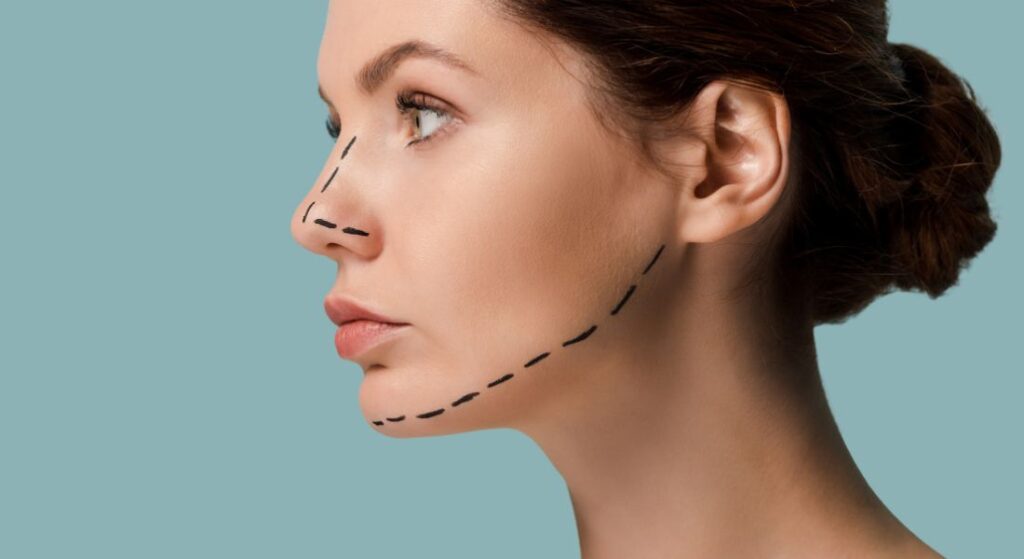
When Sculptra is used correctly, results are gradual and subtle. However, because it works by stimulating collagen over time, early signs of overtreatment can be easy to overlook. These changes don’t usually look dramatic at first, but they can indicate that the skin is being pushed beyond what it naturally needs.
Early indicators may include:
1. Areas of the face feeling firmer or thicker than expected: Instead of a soft, supported feel, the skin may start to feel dense or overly compact in certain areas.
2. Loss of natural contour definition: Rather than enhancing facial structure, excessive collagen stimulation can blur natural transitions between facial zones.
3. Facial fullness that doesn’t match natural ageing patterns: Volume may appear in areas that don’t typically hollow or age first, creating an imbalance in facial proportions.
4. Subtle asymmetry that wasn’t present before: Small differences between sides of the face can become more noticeable as collagen builds unevenly.
Identifying these signs early is important. Adjusting the treatment plan at this stage allows results to remain natural and prevents changes from becoming obvious or difficult to correct later on.
Why Overdone Sculptra Looks Different From Overfilled Faces
Overfilled faces caused by traditional dermal fillers often appear puffy, tight, or obviously artificial. This happens because gel-based fillers add immediate volume that sits within the tissue. The result is usually easy to recognise as “too much.”
Overdone Sculptra looks different because the volume comes from your own collagen rather than an injected gel. Instead of puffiness, the face may appear heavier or denser. The changes tend to feel more structural than superficial.
Because these changes are structural, they can be harder to reverse. Collagen cannot simply be dissolved like hyaluronic acid fillers. This is why careful planning and conservative dosing are so important.
Excess collagen also integrates gradually into the face. As a result, overcorrection isn’t always immediately obvious. By the time it’s noticed, the tissue changes may already be established.
Areas Most Prone to Over-Treatment
Not all areas of the face respond to collagen stimulation in the same way. Some regions tolerate Sculptra very well, while others require a far more conservative approach. Understanding this difference is key to maintaining natural-looking results.
Mid-face: This area usually responds well because collagen loss here contributes significantly to sagging. When treated conservatively, Sculptra can restore support without altering expression.
Temples: Hollowing in the temples is common with age, making this a suitable area for collagen stimulation. However, excessive treatment can create unnatural fullness, so careful dosing is essential.
Jawline: Sculptra can improve structural support along the jawline, but over-treatment may soften definition rather than sharpen it.
Lower face and areas near dynamic movement: These regions require the most caution. Too much collagen stimulation can blur contours, affect balance, and subtly change how the face moves.
The safest results come from respecting facial dynamics and treating gradually. Conservative placement and staged sessions help preserve definition while still achieving meaningful improvement.
Why “More Sessions” Is Not Always Better
Some patients assume that continuing Sculptra treatments will keep improving results without limit. In reality, the treatment reaches a point of diminishing returns. Beyond this point, additional sessions don’t enhance results in the same way.
Once enough collagen has been restored, further stimulation can add bulk rather than benefit. Instead of improving structure, it may start to affect facial balance. This is often when subtle overcorrection begins.
Recognising this stage requires experience and restraint. Skilled practitioners understand that more treatment isn’t always better treatment. Knowing when to pause is just as important as knowing how to inject.
In many cases, the best decision is to stop, monitor, or reassess rather than proceed. This measured approach helps preserve natural proportions. Long-term results are strongest when treatment is conservative and well-timed.
The Role of Time in Assessing Results

One of the most common mistakes with Sculptra is assessing results too early. Unlike traditional fillers, collagen stimulation continues for months after each session. Early changes don’t reflect the final outcome.
When results are judged only a few weeks after treatment, it’s easy to underestimate how much improvement is still developing. This can lead to unnecessary additional sessions. Treating again too soon increases the risk of overcorrection.
Collagen builds gradually and accumulates over time. Each session adds to what is already in progress beneath the surface. Without adequate spacing, results can exceed what was originally intended.
Time is an essential part of Sculptra treatment, not an inconvenience. Allowing the process to unfold naturally helps ensure balanced, long-lasting results. Patience is key to achieving subtle, refined outcomes.
Why Practitioner Experience Matters More Than Product Choice
When over-treatment happens, it’s rarely because of the product itself. Sculptra is a well-studied, reliable collagen stimulator. The real difference lies in how it is planned and used.
An experienced practitioner understands how faces age, how collagen behaves over time, and how small changes can affect overall balance. Rather than chasing visible volume, they focus on proportion, support, and long-term harmony.
This level of judgement comes from experience, not product selection. It’s what ensures treatments remain subtle, controlled, and natural and what prevents good results from tipping into excess.
Can Overdone Sculptra Be Reversed?
Unlike hyaluronic acid fillers, Sculptra cannot be dissolved once it has stimulated collagen. This is why careful planning and conservative dosing are so important from the start.
Key points to understand include:
Sculptra cannot be “switched off”: There is no enzyme or injection that can immediately reverse its effects. Once collagen production has been stimulated, the process needs to run its course.
Collagen is not permanent: Although results last a long time, collagen naturally remodels and breaks down. Overdone results usually soften gradually over months rather than staying fixed forever.
Time is often the best solution: In most cases, no corrective treatment is required. Patience allows the skin to rebalance naturally without introducing further risk.
Intervention is rarely needed: Experienced practitioners usually avoid adding more product to “fix” fullness, as this can worsen the issue rather than improve it.
Because reversal options are limited, prevention is always preferable. A cautious, staged approach dramatically reduces the risk of over-treatment and leads to more natural, long-term results.
How Treatment Planning Prevents Overdoing Sculptra
Preventing overdone Sculptra starts with thoughtful treatment planning. Safe outcomes rely on a long-term strategy rather than isolated, one-off sessions. Proper spacing between treatments allows results to develop naturally.
Reassessing progress before each session is essential. Collagen stimulation continues long after treatment, so early changes don’t tell the full story. Reviewing outcomes over time helps guide the next step safely.
Most experienced practitioners follow a conservative dosing approach. They build results gradually and avoid adding product too quickly. This allows collagen to fully develop before deciding if more treatment is necessary.
This measured approach prioritises natural, balanced outcomes over speed. Taking time reduces the risk of excess volume and maintains facial harmony. In Sculptra treatment, patience is key to long-term success.
Why Some Faces Need Less Than Expected
Not every face requires the same amount of collagen stimulation. Some patients already have strong structural support and healthy tissue quality. In these cases, only minimal enhancement is needed to achieve improvement.
Applying the same treatment protocol to every patient increases the risk of imbalance. Faces vary in anatomy, ageing patterns, and collagen reserves. Personalisation is essential to maintain natural proportions.
Overtreating areas that don’t need support can disrupt facial harmony. More product doesn’t always mean better results. Careful assessment helps determine where restraint is more effective than intervention.
The best outcomes often come from knowing when to stop. Subtle, well-judged treatment preserves balance and authenticity. With Sculptra, success is defined by precision, not repetition.
Patient Behaviour That Can Contribute to Over-Treatment

Over-treatment isn’t always driven by practitioners alone. In some cases, patient behaviour plays a role. When results develop slowly, patients may request additional sessions too soon.
Because Sculptra works gradually, early changes can feel subtle. Without a clear understanding of the collagen-building process, this subtlety may be mistaken for a lack of progress. This misunderstanding can lead to unnecessary treatment.
Clear patient education is essential in preventing over-treatment. Explaining how long collagen takes to develop helps manage expectations. When patients understand the timeline, they are less likely to push for more sessions prematurely.
Trusting the process is key to achieving natural results. Patience allows collagen to build evenly and proportionately. In Sculptra treatment, restraint often produces the most refined outcomes.
How to Avoid Overdone Results as a Patient
As a patient, your strongest safeguard against over-treatment is choosing the right practitioner and feeling confident enough to ask thoughtful questions. Good results come from restraint, not urgency.
Choose experience over promises: An experienced practitioner understands when not to treat. Be cautious of clinics that promise dramatic or rapid results with Sculptra, as this goes against how collagen stimulation works.
Value conservative recommendations: If your practitioner suggests waiting, spacing sessions, or reassessing before adding more product, this is usually a sign of good judgement rather than hesitation.
Ask about treatment staging: Sculptra works best when delivered in phases. A staged plan allows results to develop naturally and reduces the risk of excess.
Understand that subtle is the goal: Sculptra is designed to improve skin quality and support, not to create immediate volume. Natural change is a feature, not a limitation.
Ultimately, avoiding overdone results is a shared responsibility. When you choose experience, patience, and honest guidance, you give yourself the best chance of achieving balanced, natural-looking results.
Setting the Right Expectations From the Start
As a patient, your strongest safeguard against over-treatment is choosing the right practitioner and feeling confident asking thoughtful questions. Experienced practitioners understand when not to treat, which is just as important as knowing how to treat. Be cautious of promises of dramatic or rapid results, as this goes against how Sculptra’s collagen stimulation actually works. Good outcomes come from restraint, not urgency.
Conservative recommendations are often a positive sign. If your practitioner advises waiting, spacing sessions, or reassessing before adding more product, this usually reflects good clinical judgement. Collagen takes time to develop, and patience protects facial balance. Hesitation is often a marker of experience, not uncertainty.
Sculptra works best when delivered in clearly planned stages. A phased approach allows collagen to build naturally and reduces the risk of excess volume. Asking about treatment staging helps you understand the long-term plan rather than focusing on short-term changes. This structure supports safer, more predictable outcomes.
FAQs:
1. Can Sculptra actually be overdone?
Yes, Sculptra can be overdone. Although it works gradually by stimulating your own collagen rather than adding instant volume like traditional fillers, excessive collagen stimulation over multiple sessions can lead to unwanted fullness or heaviness if not planned carefully.
2. What does “overdone” Sculptra look like compared to traditional filler overfill?
Overdone Sculptra does not typically create the puffy or tight appearance associated with hyaluronic acid overfill because it doesn’t deposit gel into the tissue. Instead, it can cause the face to look dense, heavy, or lacking in definition as excess collagen builds structurally over time.
3. How does Sculptra stimulate collagen, and why can that go too far?
Sculptra stimulates fibroblasts to produce new collagen slowly after treatment. This natural growth process continues for months, so if additional treatments are given before earlier collagen has fully developed, the cumulative effect can go beyond what is balanced or desirable.
4. What are the early warning signs that Sculptra might be overdone?
Early signs include areas of the face feeling firmer or thicker than expected and a loss of natural contour definition as volume builds unevenly. Facial proportions may start to look out of balance before dramatic fullness becomes obvious.
5. Can overdone Sculptra be reversed or dissolved like hyaluronic acid fillers?
No, overdone Sculptra cannot be dissolved with an enzyme like hyaluronic acid fillers can. Once collagen has been stimulated, the process needs to run its natural course. However, collagen naturally remodels and softens over time, so any excess tends to lessen gradually rather than remain fixed.
6. How important is timing between Sculptra sessions in preventing overcorrection?
Timing is extremely important. Because collagen production continues for weeks and months after treatment, it’s essential to allow time for results to develop before deciding whether more product is needed. Treating too soon increases the risk of overshooting the desired outcome.
7. Are certain areas of the face more prone to overtreatment with Sculptra?
Yes, some facial regions, such as the temples and lower face near dynamic areas, are more sensitive to collagen stimulation and can show signs of heaviness or loss of definition if treated too aggressively. Other areas like the mid‑face typically tolerate modest collagen stimulation better.
8. Does practitioner experience influence the risk of overdone Sculptra?
Practitioner experience matters a great deal. Experienced clinicians understand facial anatomy, the natural timeline of collagen development, and how small changes affect overall balance. Their judgement in spacing treatments and using conservative dosing reduces the likelihood of overcorrection.
9. Can patient behaviour contribute to Sculptra being overdone?
Yes, patient behaviour can contribute. Because Sculptra changes are gradual, patients who do not understand the timeline may request additional sessions prematurely. Clear communication and patient education about the slow nature of results are critical to preventing unnecessary treatments.
10. What strategy helps ensure results remain natural and balanced with Sculptra?
A well‑planned strategy that combines conservative dosing, appropriate spacing between sessions, and regular reassessment of results over time helps ensure outcomes stay subtle and harmonious. Patience and restraint, both from the practitioner and patient, are key to achieving long‑lasting, natural‑looking improvements without overcorrection.
Final Thoughts: Achieving Natural Results with Sculptra
Sculptra offers a subtle, long-lasting way to restore facial volume and stimulate your own collagen, helping you achieve a naturally refreshed and balanced appearance without the sudden changes seen with traditional fillers. Results develop gradually over weeks and months, which is why careful planning, patience, and conservative dosing are key to avoiding over-treatment.
To ensure the best outcome, it’s important to choose an experienced practitioner who understands facial anatomy, ageing patterns, and how collagen builds over time. Each treatment should be staged appropriately, with sufficient intervals to allow your skin’s natural response to develop fully. If you’re considering sculptra in London, you can contact us at the London Medical & Aesthetic Clinic to discuss your personalised treatment plan and learn how to achieve natural, long-lasting results.
References:
1. Rani, R., et al. (2025) Efficacy and Safety of Poly‑L‑Lactic Acid in Facial Aesthetics: A Systematic Review, Journal of Plastic, Reconstructive & Aesthetic Surgery. https://pubmed.ncbi.nlm.nih.gov/39339028/
2. Moy, R. L. and Fincher, E. F. (2005) Poly‑L‑Lactic Acid for the Aesthetic Correction of Facial Volume Loss, Aesthetic Surgery Journal, 25(6), pp. 646–648. https://www.sciencedirect.com/science/article/abs/pii/S1090820X05004711
3. Costa, R., Lima, N., Silva, A. and Santos, M. (2024) Efficacy and Safety of Poly‑L‑Lactic Acid (PLLA) Treatment for Facial Aesthetic Indications: A Systematic Review, Journal of Clinical and Aesthetic Dermatology, 23(1), pp. 1297–1305. https://pubmed.ncbi.nlm.nih.gov/38206151/
4. da Silva, R. S., Gonçalves, G. L., Reis, R. A. and Costa, L. C. (2024) Efficacy and Safety of Poly‑L‑Lactic Acid (PLLA) in Facial Aesthetics: Systematic Review, Polymers, 16(18), 2564. https://www.mdpi.com/2073-4360/16/18/2564
5. Martins, A. and Ferreira, P. (2025) Biopolymer Injectable Materials in Facial Aesthetics: Collagen Stimulation and Long‑Term Outcomes, Bioengineering, 11(6), 455. https://www.mdpi.com/2310-2861/11/6/455