


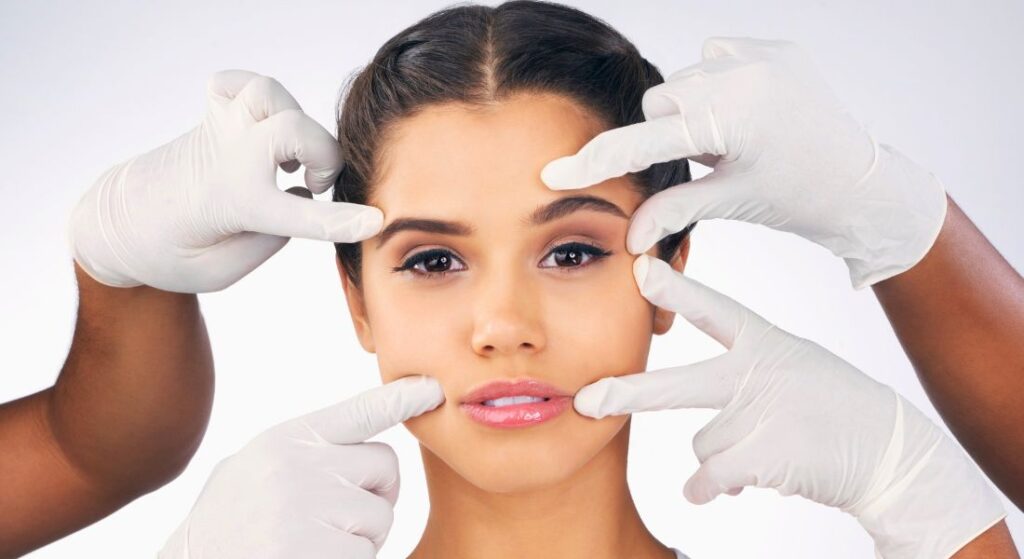
If you’re in your 20s and exploring aesthetic treatments, you may be wondering whether Sculptra is appropriate for you. You might have heard it described as a collagen-stimulating treatment for ageing skin and questioned whether it’s something to consider so early.
This is a sensible concern. Your 20s are typically a time when skin still looks youthful, firm, and resilient, so the idea of injectable treatments can feel confusing or even unnecessary.
In this article, I’ll help you understand whether Sculptra makes sense in your 20s, how collagen changes at this stage of life, and when treatment may be appropriate or when it’s better to wait.
Why People in Their 20s Are Asking About Sculptra
The rise of preventative aesthetics has changed how younger patients think about ageing. Social media trends, celebrity influence, and marketing around early intervention have made collagen-stimulating treatments like Sculptra a frequent topic of conversation.
Many people in their 20s aren’t trying to reverse ageing. Instead, they’re focused on preserving skin quality, maintaining a healthy glow, and preventing future signs of ageing before they appear. This proactive mindset has driven interest in treatments that claim to “future-proof” the face.
However, curiosity doesn’t always mean suitability. Skin in your 20s is generally resilient, with natural collagen production still strong, so the need for injectables may be limited. Understanding your skin’s current condition, lifestyle factors, and long-term goals is essential before considering any treatment.
Preventative aesthetics can be part of a wider skincare strategy, but education and realistic expectations are key. Knowing what’s possible and what isn’t helps young patients make informed choices about their skin’s future.
What Happens to Collagen in Your 20s
Collagen production doesn’t stop suddenly with age. It begins to slow gradually, often from the mid-20s onwards, but the change is subtle and varies widely between individuals. Genetics, lifestyle, diet, and environmental factors all play a role in how quickly collagen levels start to decline.
In your early 20s, collagen levels are usually strong and stable. Skin still has good elasticity, thickness, and repair capacity, particularly when supported by healthy habits such as sun protection, hydration, and balanced nutrition. Minor fluctuations in firmness or texture are often temporary and easily managed with skincare.
This means most people in their 20s are not experiencing true collagen loss. Instead, they may notice early skin changes related to dehydration, sun exposure, stress, or lack of sleep rather than structural ageing. These superficial changes can create the impression of ageing even though the underlying collagen framework remains largely intact.
Understanding this distinction is important before considering any cosmetic intervention. Early preventative measures like topical antioxidants or SPF can maintain skin health without needing invasive treatments. Knowing what your skin truly needs helps make smarter, safer choices for long-term results.
What Sculptra Is Designed to Do
Sculptra is not designed as a quick aesthetic fix. Unlike fillers that provide immediate volume, it works by stimulating your body’s natural collagen production over several weeks to months. This gradual process helps rebuild structural support in the skin, improving firmness and texture over time rather than producing instant results.
It is particularly useful for addressing volume loss, skin thinning, and facial laxity that develop gradually with age. Patients often choose Sculptra when they want subtle, long-term improvement rather than dramatic, immediate change. The treatment encourages the skin to regenerate from within, which can lead to a more natural and durable enhancement.
Because of how it works, Sculptra is generally most appropriate when collagen loss is already present. In younger patients, where collagen levels are still naturally high, the skin may not benefit significantly from this type of stimulation. Understanding your skin’s current needs helps determine whether Sculptra or another preventative approach is the most suitable choice.
Early education and realistic expectations ensure that patients make informed decisions and achieve results that are both safe and effective.
Prevention vs Overtreatment in Your 20s
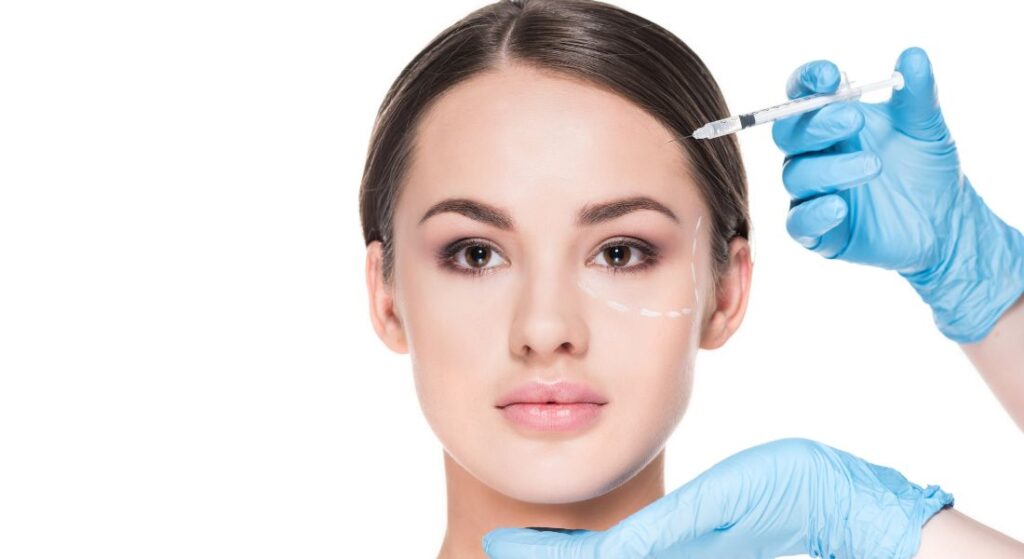
Preventative treatments are often discussed in the context of anti-ageing, but the concept is frequently misunderstood. Preventing ageing does not mean addressing concerns or stimulating changes that aren’t yet needed. In your 20s, the primary focus should be maintaining healthy, resilient skin rather than forcing collagen production or using intensive interventions prematurely. Overstimulating the skin too early can create imbalance, irritation, or unintended effects, offering little real benefit.
Focus on skin health, not aggressive intervention: Gentle care, hydration, sun protection, and healthy lifestyle choices are the most effective ways to support your skin in your 20s.
Avoid unnecessary collagen stimulation: Treatments aimed at boosting collagen before natural decline begins may disrupt the skin’s natural balance rather than improve it.
Timing is key in aesthetic care: Knowing when and what treatments are appropriate ensures that interventions are beneficial rather than counterproductive.
Educate yourself on treatment goals: Understanding the difference between maintaining skin health and correcting visible ageing helps you make informed decisions and avoid unnecessary procedures.
Prioritise prevention over correction: Subtle, low-risk interventions like sunscreen, antioxidants, and gentle moisturisers can prevent future issues without creating artificial changes prematurely.
Responsible aesthetic care is about balance and informed timing. Doing too much, too soon can be just as unhelpful as leaving concerns unaddressed. Supporting skin health early lays the foundation for long-term skin resilience and natural-looking results.
When Sculptra Might Be Considered in Your 20s
For most people in their 20s, Sculptra is not necessary, as natural collagen levels are still robust. However, age alone is not the only factor in determining suitability. Genetics, medical history, and individual skin quality can influence early changes in facial structure, and in certain cases, Sculptra may be a considered option. The goal at this age is always subtle support rather than dramatic or visible change.
1. Early structural volume loss due to genetics: Some individuals naturally have less facial support or thinner skin, which can benefit from conservative volumising treatments.
2. Significant weight loss affecting facial support: Rapid or substantial weight changes can reduce underlying facial fat, leading to early hollowness or sagging that may be addressed with careful treatment.
3. Medical conditions impacting collagen: Certain health conditions can affect collagen production or skin integrity, making early intervention a reasonable consideration.
4. Premature skin thinning or laxity: In rare cases, young adults may experience early skin laxity or thinning that could benefit from supportive collagen-stimulating treatments.
5. Focus on subtle, conservative outcomes: Treatments in your 20s are planned to enhance structural support gently, avoiding noticeable changes and maintaining natural appearance.
When Sculptra is considered in your 20s, the approach is cautious, personalised, and support-focused. The aim is to strengthen skin and facial structure, not to create visible anti-ageing effects. Proper planning ensures long-term benefits while maintaining a natural look.
Why Most 20-Somethings Don’t Need Collagen Stimulation Yet
For the majority of patients in their 20s, natural collagen production is still strong and effective. Skin generally maintains good elasticity, thickness, and resilience, especially when supported by healthy lifestyle habits, regular sun protection, and a consistent skincare routine. At this stage, these measures are usually sufficient to maintain youthful skin quality.
Injectable collagen stimulation at this age often provides minimal additional benefit. In some cases, it may be considered unnecessary intervention, which could complicate future treatment planning as the skin continues to age naturally. Over-treating early can sometimes create challenges in achieving optimal results later.
A good practitioner will usually advise against Sculptra if there is no clear clinical indication. Instead, they may recommend non-invasive preventative strategies tailored to your skin type and lifestyle. Understanding when treatment is truly needed ensures safe, effective care and helps maintain natural, long-term skin health.
Focusing on prevention rather than intervention in your 20s sets the foundation for healthier, more resilient skin in later years.
What Younger Skin Benefits From Instead
In your 20s, the focus should be on maintaining and protecting the skin you already have, rather than attempting aggressive collagen stimulation with injectables. Foundational care supports the skin’s natural structure, prevents early signs of ageing, and enhances overall resilience. By prioritising preservation over intervention, younger skin can stay healthy, strong, and vibrant for longer.
1. Daily sun protection to prevent collagen breakdown: Broad-spectrum SPF shields the skin from UV damage, which is the primary cause of premature collagen loss and ageing.
2. Medical-grade skincare to support skin barrier function: Targeted cleansers, moisturisers, and antioxidant-rich products strengthen the skin’s natural barrier and protect against environmental stressors.
3. Lifestyle factors such as sleep, nutrition, and stress management: Adequate rest, a balanced diet, and stress reduction are essential for supporting skin regeneration, hydration, and collagen maintenance.
4. Non-invasive treatments that improve skin quality without altering structure: Procedures such as gentle chemical peels, laser resurfacing, or microneedling can enhance skin texture, tone, and hydration without unnecessary structural changes.
5. Consistency over intensity: Regular, preventive care is far more effective than sporadic or aggressive interventions. Small daily actions compound over time to maintain youthful, healthy skin.
These approaches focus on long-term skin health rather than immediate, visible alteration. By protecting existing collagen and supporting the skin barrier, younger adults can preserve natural beauty while avoiding overtreatment. Early, thoughtful care sets the foundation for resilient skin in the decades ahead.
The Risk of Chasing “Prevention” Too Early

One of the biggest risks in aesthetic medicine is treating fear rather than actual need. Anxiety about ageing, influenced by social media or celebrity trends, can push people toward unnecessary procedures before their skin truly requires intervention. This can create a cycle where treatment decisions are driven by worry rather than clinical indication.
When treatments are done without a clear need, they can set unrealistic expectations for ongoing intervention. Over time, this may lead to overtreatment, with repeated procedures that offer little added benefit and could complicate future aesthetic planning. It can also increase costs, recovery time, and potential side effects without meaningful improvement.
A balanced approach focuses on skin health first, using lifestyle optimisation, skincare, and sun protection as primary tools. Interventions should only be considered when they provide genuine, clinically justified benefits. Prioritising prevention through education and healthy habits ensures that treatments are safe, effective, and aligned with long-term skin goals.
How Sculptra Differs From Other Treatments in Your 20s
Unlike muscle-relaxing injections or superficial skin treatments, Sculptra works deep within the skin’s structure to stimulate natural collagen production over time. Its effects are gradual, long-lasting, and cumulative, building up over several months rather than providing immediate change. This sets it apart from treatments that temporarily smooth or plump the surface.
Because of this deep, structural action, timing is especially important. Once collagen stimulation is triggered, the changes cannot simply be reversed, and the results may continue developing for months. This permanence requires careful consideration before starting treatment, particularly in younger patients whose natural collagen levels are still high.
What to Expect If You’re Advised to Wait
Being advised to wait is not a rejection or criticism of your appearance. It’s often a sign of careful, responsible clinical judgment and prioritising your long-term skin health. Experienced practitioners focus on interventions that are truly necessary rather than treating concerns prematurely.
Most patients in their 20s benefit more from monitoring and maintaining skin health than from active collagen stimulation. Simple measures like consistent sun protection, hydration, and a targeted skincare routine often provide more meaningful results at this stage. Reassessment in later years allows treatments to be timed when they can deliver maximum benefit.
Age-appropriate care builds trust and supports long-term outcomes rather than creating a sense of urgency. Waiting doesn’t mean ignoring your skin; it means taking a strategic, informed approach. By focusing on prevention and healthy habits now, you set the foundation for better results when treatments become truly necessary.
Avoiding Pressure and Trend-Driven Decisions
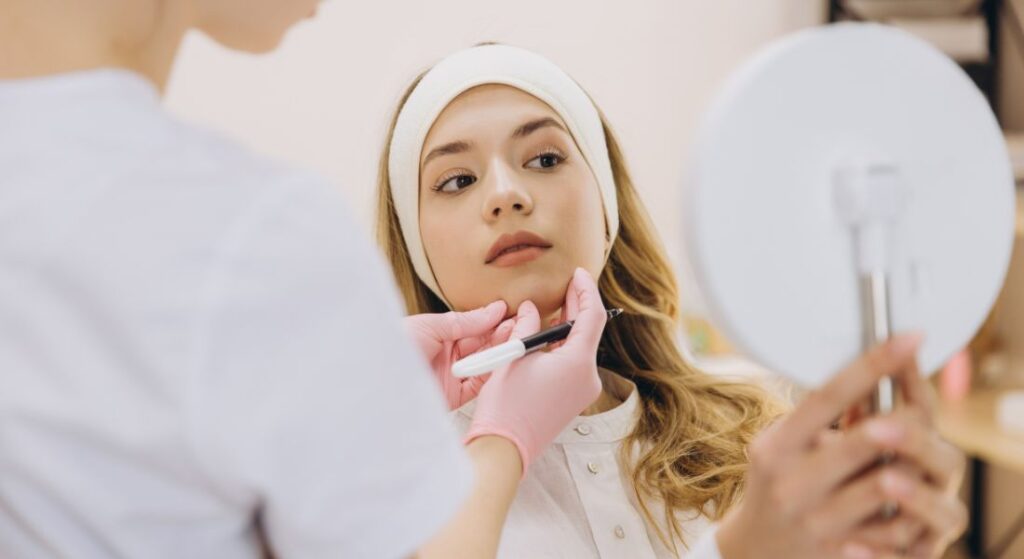
Aesthetic treatments should never be driven by trends, social media, or the fear of missing out. What works for someone else whether a celebrity or influencer may not be appropriate for your skin type, facial structure, or long-term goals. Following trends without professional guidance can lead to unnecessary procedures and disappointment.
Your face, skin, and ageing process are unique. Decisions should always be based on a thorough medical assessment rather than comparison or anxiety about ageing. Understanding your individual needs ensures that any treatment is safe, effective, and tailored to you.
Choosing restraint early often leads to better results later. Waiting until your skin truly needs intervention allows treatments to be more impactful, subtle, and long-lasting. Prioritising thoughtful, personalised care now sets the stage for healthier, natural-looking outcomes in the future.
FAQs:
1. Is Sculptra suitable for people in their 20s?
Sculptra is generally not considered necessary for people in their 20s because natural collagen production is typically still strong at this age. Most young adults maintain skin that is firm, resilient, and capable of self-repair. While some may be curious about early intervention, in the vast majority of cases, preventive skincare routines and sun protection provide sufficient support for long-term skin health.
2. Can Sculptra prevent ageing if started in the 20s?
Sculptra is designed to rebuild or restore collagen once it has already begun to decline rather than act as a preventative measure against natural ageing. Using it too early is unlikely to prevent the subtle changes that occur over decades because collagen levels in the 20s are still naturally high. Attempting to “preemptively” stimulate collagen in this age group may not provide any meaningful improvement and could even complicate future treatment planning when the skin begins to show signs of natural ageing.
3. Will Sculptra give immediate results?
No, Sculptra is not a quick-fix injectable. Unlike traditional dermal fillers that provide instant volume, Sculptra works gradually by stimulating the body’s own collagen production over several weeks to months. The results develop slowly, are subtle, and often cumulative. Patients should expect a natural enhancement of skin structure rather than a sudden change in appearance.
4. Are there risks in using Sculptra at a younger age?
Using Sculptra when there is no clear clinical need can carry several risks, even if it is generally considered safe. Overstimulating collagen in youthful skin may disrupt the skin’s natural balance, potentially causing unnecessary irritation or inflammation. It may also create challenges for future aesthetic treatments, as the skin’s response to subsequent procedures could differ from untreated skin.
5. What are better alternatives for 20-somethings than Sculptra?
For most people in their 20s, the best way to support youthful skin is through preventive measures rather than invasive procedures. Daily sun protection with a broad-spectrum SPF, consistent use of moisturisers and antioxidant-rich skincare, proper hydration, balanced nutrition, and adequate sleep all play a significant role in maintaining collagen and overall skin health. Non-invasive procedures, such as gentle chemical peels, laser resurfacing, or microneedling, may help improve skin texture and tone without stimulating structural changes unnecessarily.
6. How can I know if I truly need Sculptra?
Determining whether Sculptra is appropriate requires a thorough assessment by a qualified practitioner who understands your individual skin type, facial structure, and long-term goals. Factors such as early structural volume loss, unusually thin skin, or specific medical conditions affecting collagen production may make Sculptra a considered option. However, the decision should never be based solely on age, trends, or social media influence.
7. Will delaying Sculptra affect my skin long-term?
Delaying Sculptra until collagen loss is more apparent usually benefits long-term outcomes. The treatment tends to be more effective and targeted when there is a clear structural need, allowing for more natural and sustainable results. Waiting does not negatively impact skin health in the 20s, as collagen production remains robust.
8. Can lifestyle alone maintain skin quality in your 20s?
Yes, adopting healthy lifestyle routines is often sufficient to maintain strong, youthful skin throughout your 20s. Regular sun protection shields collagen from UV damage, which is the primary driver of premature ageing. Adequate hydration, balanced nutrition, sufficient sleep, and stress management all support natural collagen production and skin barrier function.
9. Does Sculptra replace skincare?
No, Sculptra does not replace the importance of daily skincare. Even if Sculptra is considered later in life, the continued use of cleansers, moisturisers, antioxidants, and sun protection remains essential for maintaining skin health. Injectables are meant to enhance structural collagen support, but they do not address surface hydration, barrier function, or environmental protection, all of which are critical for long-term skin resilience.
10. How should young adults approach cosmetic treatments safely?
The safest approach to aesthetic treatments in your 20s is to prioritise prevention and maintenance over early intervention. Decisions should be guided by thorough medical assessment and personalised planning rather than trends, social media influence, or fear of ageing. Understanding your unique skin type, lifestyle factors, and natural ageing process allows you to make informed choices, ensuring that any treatment provides meaningful benefit when genuinely necessary.
Final Thoughts: Considering Sculptra in Your 20s
Sculptra is a unique, collagen-stimulating treatment designed to support skin structure over time, rather than providing immediate volume or dramatic results. For most people in their 20s, natural collagen levels remain strong, and maintaining a consistent skincare routine, healthy lifestyle, and sun protection is often the most effective way to preserve youthful skin. Understanding your skin’s current needs, long-term goals, and the timing of treatments is key to making informed, safe choices that benefit your skin both now and in the future.
When used appropriately, Sculptra can offer subtle, natural support to facial structure, particularly in cases of early volume loss or thinning due to genetics or other factors. The approach is always conservative, focused on enhancing skin resilience without creating unnatural changes. By prioritising prevention and education first, young adults can avoid unnecessary procedures while laying the groundwork for healthier, long-lasting results.
If you’re considering an sculptra treatment, you can contact us at the London Medical & Aesthetic Clinic. Our team of experienced practitioners will work closely with you to create a personalised plan, guiding you safely and effectively through every step of your aesthetic journey.
References:
1. Canales, G.R., et al., 2024. Efficacy and Safety of Poly‑l‑Lactic Acid in Facial Aesthetics: A Systematic Review. Polymers, 16(18), p.2564. https://www.mdpi.com/2073-4360/16/18/2564
2. Research Article, 2022. Injectable Poly‑L‑Lactic Acid (PLLA‑SCA™) as a Versatile Treatment for Soft Tissue Augmentation. Cosmetics, 12(6), pp.264–280. https://www.mdpi.com/2079-9284/12/6/264
3. Efficacy and Safety of Sculptra Poly‑L‑Lactic Acid Injectable …, 2024. Journal of Drugs in Dermatology, 23(1), pp.1297–1305. https://pubmed.ncbi.nlm.nih.gov/38206151/
4. Butterwick, K. & Lowe, N.J., 2008. Injectable Poly‑L‑Lactic Acid for Cosmetic Enhancement: Learning from the European Experience. Journal of the American Academy of Dermatology, 59(5 Suppl). https://www.sciencedirect.com/science/article/abs/pii/S0190962208024018
5. Byun, K., et al., 2023. Poly‑L‑Lactic Acid Fillers Improve Dermal Collagen Synthesis by Modulating M2 Macrophage Polarization in Aged Skin. Cells, 12(9), p.1320. https://www.mdpi.com/2073-4409/12/9/1320