



If you are considering body contouring, it is completely normal to feel unsure about which type of liposuction is right for you. Laser liposuction and traditional liposuction are often talked about as though they are the same, but in reality, they work in very different ways. How they affect your body, your skin, and your recovery can vary quite significantly.
Understanding these differences really matters for you as a patient. It influences how your fat is removed, how your skin responds afterwards, and what the healing process feels like. Choosing between the two is not just about results, but also about what suits your body, your lifestyle, and your expectations.
Laser liposuction uses controlled energy to loosen fat cells and stimulate collagen, while traditional liposuction relies more on physical removal of fat. These biological differences explain why recovery can feel different, why skin tightening may vary, and why one option may be more suitable for you than the other.
In this article, you will be guided through the real, practical differences between laser liposuction and traditional liposuction. You will learn how each procedure works, what recovery typically involves, how skin tightening compares, who each option is best suited for, and how to decide which approach aligns best with your personal body goals.
The Shared Goal of Both Procedures
Both laser liposuction and traditional liposuction are designed to remove unwanted fat from specific areas of your body. Neither procedure is a weight-loss solution, and neither is intended to replace healthy lifestyle habits. Instead, the goal in both cases is body contouring helping you reshape areas that do not respond well to diet and exercise.
What really matters is that both approaches focus on targeted fat reduction rather than overall weight change. You may notice changes in how your clothes fit or how certain areas look, but the number on the scale is not the main measure of success. Understanding this helps you approach either procedure with realistic and healthy expectations.
Where the two methods begin to differ is in how the fat is treated before it is removed. Laser liposuction uses energy to alter the fat cells first, while traditional liposuction relies more on physical disruption. This single difference influences how your body responds, how your skin behaves afterwards, and what your recovery experience feels like.
How Traditional Liposuction Works
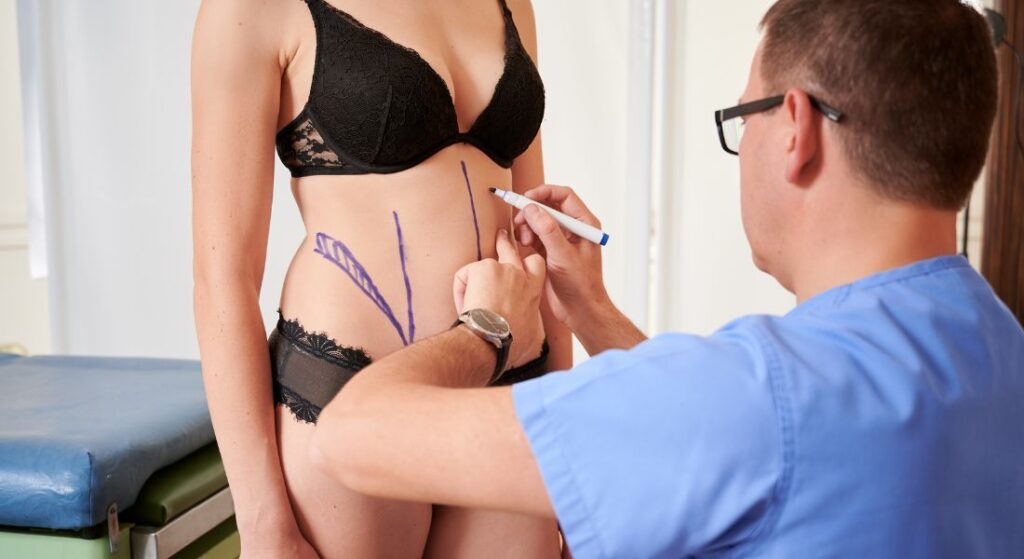
Traditional liposuction has been used safely and effectively for many years, and it remains a trusted option when larger amounts of fat need to be removed. If you’re considering this procedure, it can be helpful to understand exactly how it works and why recovery experiences can differ from person to person. The technique relies on physically breaking up and removing fat from beneath the skin, which makes it highly effective but also more demanding on the surrounding tissues.
1. Fat is broken up mechanically: During the procedure, a thin tube called a cannula is inserted beneath your skin. The surgeon moves it back and forth to physically disrupt and loosen fat cells.
2. Suction removes the fat: Once the fat cells are broken up, they are suctioned out through the cannula. This allows for effective removal of fat from targeted areas of your body.
3. Well-established and effective: This technique has been used for decades and is still commonly chosen when larger volumes of fat need to be removed in a single procedure.
4. Physical force is part of the process: Because the fat is disrupted manually, a certain amount of force is required. This can place stress on surrounding tissues, including blood vessels and connective tissue.
5. Impact on recovery: The mechanical nature of the technique is one reason some people experience more bruising, swelling, or soreness during recovery compared to newer methods.
Traditional liposuction can deliver significant results, especially for larger treatment areas. However, understanding its reliance on physical force helps set realistic expectations about healing and post-procedure recovery.
How Laser Liposuction Works
Laser liposuction adds an energy-based step before fat is removed. A very thin laser fibre is inserted beneath your skin, where it delivers carefully controlled heat directly into the fat layer. This step is what sets laser liposuction apart from traditional techniques.
As the laser energy is released, it disrupts the membranes of the fat cells. This causes the fat to liquefy, making it much easier to remove. Because the fat is already softened, less physical force is needed during suction, which often means less trauma to the surrounding tissues.
At the same time, the laser energy interacts with the deeper layers of your skin. This heat stimulates collagen production, encouraging the skin to tighten as it heals. This collagen response is a key biological effect that traditional liposuction does not provide, and it plays an important role in how your skin looks and feels after treatment.
Mechanical Force vs Energy-Based Action
The biggest biological difference between traditional and laser liposuction comes down to force versus energy. With traditional liposuction, fat is broken up mainly through mechanical movement. The cannula is moved back and forth to physically dislodge fat cells before they are suctioned out.
Laser liposuction works differently. Instead of relying on force, it uses controlled laser energy to change the physical state of fat first. The heat disrupts fat cell membranes and softens the fat, so removal requires far less mechanical effort.
Because less force is used, the surrounding tissues are often treated more gently. This can influence how much swelling, bruising, and soreness you experience during recovery, as well as how quickly your body settles after the procedure.
This difference also affects how your skin behaves afterwards. Energy-based treatment can stimulate collagen and encourage skin tightening, while purely mechanical methods do not trigger the same biological response.
Recovery Time: What You Can Expect

Your recovery time depends on several factors, including how much fat is removed and how your body responds to the treatment. Everyone heals differently, but the technique used plays a meaningful role in what you experience during the days and weeks afterwards.
With traditional liposuction, you may notice more noticeable swelling, bruising, and tenderness in the early stages. Because the procedure relies on physical force, your body often needs more time to settle, especially if larger areas have been treated. It can take a while before you feel fully comfortable resuming normal routines.
Laser liposuction tends to involve a gentler healing process. You will still experience swelling and firmness, but many people find these changes easier to manage. Because there is less tissue trauma, you may feel ready to return to everyday activities sooner, even though internal healing is still taking place.
It is also worth remembering that recovery is not just about how you feel in the first week. With laser liposuction, collagen remodelling continues for months, so improvements can be gradual. Understanding this timeline helps you stay patient and set realistic expectations as your body heals.
Skin Tightening: A Major Distinction
One of the most important differences between these two procedures is how the skin behaves after fat removal. Skin tightening is often a deciding factor, particularly if you are concerned about laxity or loss of firmness once volume is reduced.
Traditional liposuction focuses purely on removing fat. It does not actively stimulate the skin to contract, so the final result depends heavily on your natural skin elasticity. If your skin is already less firm, removing fat alone can make looseness more noticeable rather than improving the contour.
Laser liposuction works differently. The controlled heat delivered during the procedure stimulates collagen production in the deeper layers of the skin. Over time, this collagen response can encourage gradual tightening and better adaptation to your new shape, which is why laser techniques are often preferred when skin quality is a concern.
Areas Commonly Treated With Each Method
Traditional liposuction is often selected when larger volumes of fat need to be removed. Areas such as the abdomen, hips, thighs, or flanks are commonly treated this way, particularly when overall contour change is the main goal rather than skin tightening.
Laser liposuction is more frequently used for smaller or more delicate areas where precision and skin response are important. You will often see it chosen for the chin and jawline, upper arms, knees, or around the bra line, where skin quality plays a bigger role in the final result.
Ultimately, there is no strict rule about which method suits which area. The decision depends on your anatomy, skin elasticity, and treatment goals, rather than the body area alone.
Suitability Based on Skin Quality
When you’re deciding between different liposuction options, your skin quality plays a much bigger role than you might expect. How firm, elastic, and resilient your skin is will strongly influence how it responds once fat is removed, as well as how smooth your final results look. If your skin has good tone, it can naturally adapt and tighten after the procedure, whereas looser skin may need additional support to achieve the best outcome.
1. Skin elasticity affects outcomes: If your skin has good elasticity, it can naturally retract and tighten after fat is removed. In these cases, traditional liposuction can deliver very good, smooth results.
2. Traditional liposuction suits firmer skin: With strong skin tone and firmness, your skin is more likely to adapt well once the fat is removed, without needing additional tightening support.
3. Early signs of skin laxity matter: If your skin is starting to feel looser or less firm, this can affect how well it tightens after fat removal. In these situations, results may vary depending on the technique used.
4. Laser liposuction offers added support: Laser-assisted liposuction can stimulate collagen production, which may help improve skin firmness alongside fat removal. This can be particularly helpful if your skin shows mild laxity.
5. Personal assessment is essential: Your surgeon will assess your skin quality carefully to recommend the option that best suits you, ensuring realistic expectations and balanced results.
By matching the technique to your skin quality, you’re more likely to achieve a smoother contour and a result that looks natural and proportionate.
Risk Profiles and Safety
Both laser liposuction and traditional liposuction are considered safe when they are performed by experienced, appropriately trained practitioners. Your overall risk is influenced more by who performs the procedure and how it is planned than by the technique alone.
With traditional liposuction, risks are more closely linked to mechanical trauma, bleeding, and fluid shifts, particularly when larger volumes of fat are removed. Careful volume control and monitoring are essential to minimise these risks.
Laser liposuction introduces a different consideration: thermal energy. The heat must be precisely controlled to avoid burns or damage to surrounding tissue. When used correctly, this risk is low, but it reinforces why technique, experience, and proper temperature monitoring matter far more than the method itself.
Which Option Feels More Natural Over Time?
With laser liposuction, changes tend to unfold gradually. While fat is removed at the time of the procedure, collagen remodelling continues for months, meaning your shape often refines slowly. For many people, this progressive change feels more subtle and easier to adjust to.
Traditional liposuction delivers more immediate fat reduction. You can usually see a clearer change in volume once swelling settles, but the skin may take longer to adapt to the new contour. In some cases, this adjustment feels more abrupt.
Neither approach is inherently more “natural” than the other. What differs is the pace of change. Some people prefer a gradual evolution, while others are comfortable with faster visible results followed by a longer period of skin adaptation.
Making the Right Choice for Your Body Goals
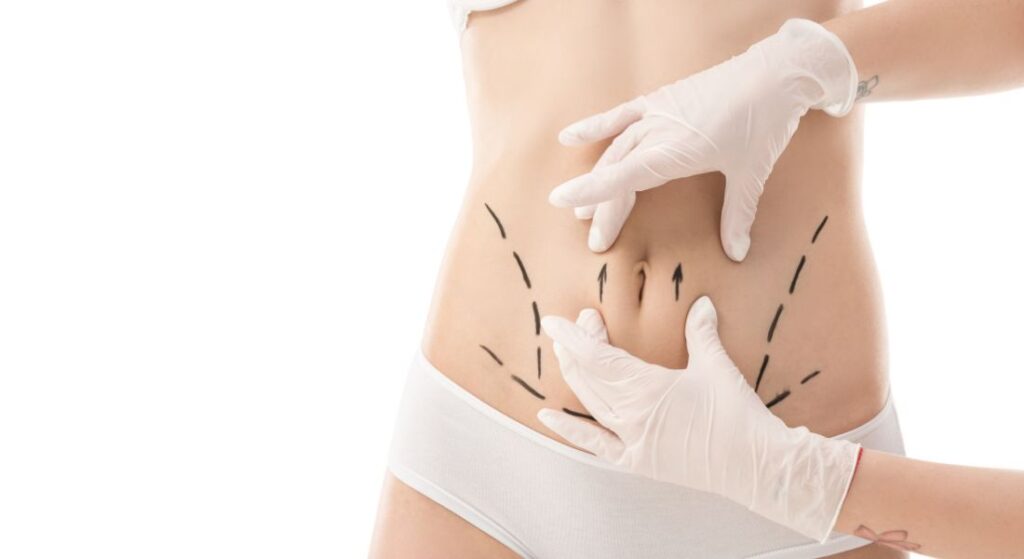
Choosing between laser liposuction and traditional liposuction is not about deciding which procedure is “better” in general. It is about what suits you. Your body shape, skin quality, and how your skin is likely to respond after fat removal all play a role in which option makes the most sense.
When you understand how each technique works and what it can realistically achieve, you are better placed to make a confident decision. Instead of chasing a trend or a promise, you can choose the approach that aligns with your goals, your lifestyle, and how you want your results to feel over time.
FAQs:
1. What is the main difference between laser liposuction and traditional liposuction?
The main difference lies in how the fat is treated before it is removed. Traditional liposuction relies on physical movement to break up fat, whereas laser liposuction uses controlled energy to soften fat cells first. This change in approach affects how your body responds, how your skin behaves afterwards, and what recovery feels like for you.
2. Does laser liposuction remove fat in a different way from traditional liposuction?
Yes, laser liposuction changes the state of the fat before removal. The laser energy disrupts fat cell membranes and liquefies the fat, making it easier to remove with less force. Traditional liposuction removes fat by mechanically breaking it up and suctioning it out, which can place more strain on surrounding tissues.
3. Which option involves less trauma to the body?
Laser liposuction is generally gentler on your body because it requires less mechanical force. Since the fat is softened using energy, the surrounding tissues such as blood vessels, nerves, and connective tissue are often disturbed less. Traditional liposuction can be more physically demanding on these tissues, particularly when larger areas are treated.
4. Is recovery quicker with laser liposuction compared to traditional liposuction?
Many people find recovery from laser liposuction feels smoother, although this varies from person to person. Because there is typically less tissue trauma, swelling and bruising may feel easier to manage. Traditional liposuction can involve more noticeable soreness and swelling at first, especially when larger volumes of fat are removed.
5. How does skin tightening differ between the two procedures?
Traditional liposuction does not actively tighten your skin, so the final result depends largely on your natural skin elasticity. Laser liposuction stimulates collagen production through controlled heat, which can encourage gradual skin tightening over time. This makes laser techniques particularly appealing if skin firmness is one of your concerns.
6. Can laser liposuction prevent loose skin after fat removal?
Laser liposuction can help support skin tightening, but it cannot guarantee that loose skin will not occur. Your skin’s natural elasticity still plays a major role. If your skin has mild laxity, the collagen stimulation may improve firmness, but more significant looseness may require a different surgical approach.
7. Which procedure is better for removing larger amounts of fat?
Traditional liposuction is often preferred when larger volumes of fat need to be removed in a single session. It is a well-established technique that allows for significant fat reduction. Laser liposuction is more commonly chosen for smaller areas or where precision and skin response are particularly important.
8. Does laser liposuction feel more natural over time?
For many people, laser liposuction feels more natural because results continue to develop gradually. While fat removal happens during the procedure, skin tightening and contour refinement evolve over several months as collagen remodels. This slow progression can feel more subtle compared to the more immediate volume change seen with traditional liposuction.
9. Is one option safer than the other?
Both procedures are considered safe when performed by experienced practitioners. The risks differ slightly, with traditional liposuction being more associated with mechanical trauma and laser liposuction requiring careful control of heat. Your overall safety depends far more on proper assessment, technique, and aftercare than on the method itself.
10. How do you decide which type of liposuction is right for you?
The right choice depends on your body goals, skin quality, and how your skin is likely to respond after fat removal. If skin tightening is important and you have mild laxity, laser liposuction may suit you better. If larger fat reduction is the priority and your skin is firm, traditional liposuction may be more appropriate. A personalised consultation is essential to set realistic expectations and choose the option that aligns best with you.
Final Thoughts: Choosing the Right Liposuction Approach for You
Deciding between laser liposuction and traditional liposuction isn’t about which procedure is universally “better,” but which one is best suited to your body and goals. Traditional liposuction remains highly effective for removing larger volumes of fat, while laser liposuction offers the added benefit of stimulating collagen and encouraging gradual skin tightening, making it ideal for those concerned with firmness and contour refinement.
At the London Medical & Aesthetic Clinic, your treatment plan will be tailored to your anatomy, skin quality, and personal objectives. Whether your priority is significant fat reduction, precision contouring, or enhanced skin tightening, choosing the right approach ensures results that look natural, balanced, and long-lasting.
If you’re considering laser liposuction, you can contact us at the London Medical & Aesthetic Clinic to discuss your personalised body-contouring plan and discover how this advanced treatment can help you remove stubborn fat, enhance skin firmness, and achieve a naturally sculpted silhouette safely and effectively.
References:
1. Laser-assisted liposuction: a review This review explains how laser energy induces lipolysis, hemostasis and neocollagenesis in adipose tissue. https://pubmed.ncbi.nlm.nih.gov/22093156/
2. Randomised study on skin tightening with laser‑assisted liposuction A controlled trial showing statistically significant improvement in skin shrinkage. https://pubmed.ncbi.nlm.nih.gov/20829257/
3. Laser‑Assisted Lipolysis Versus Surgical Fat Removal (MDPI review) This review reports clinical benefits of laser lipolysis such as enhanced skin elasticity and texture. https://www.mdpi.com/2079-9284/11/5/164
4. Laser Lipolysis Results and Safety (PMC) Large patient series confirming low complication rates, minor adverse events. https://pmc.ncbi.nlm.nih.gov/articles/PMC3140909/
5. Laser‑assisted lipolysis burn safety parameters (PMC) Describes safe treatment temperature guidelines. https://pmc.ncbi.nlm.nih.gov/articles/PMC6250476/