


Laser liposuction is often talked about as a gentler alternative to traditional fat removal, but the real difference lies in the science behind it. When you understand how laser energy interacts with fat cells, connective tissue, and collagen, it’s easier to see why the results can feel smoother and why recovery is often quicker.
If you’re thinking about body contouring, knowing what’s happening beneath your skin can give you confidence in your decision. Laser liposuction isn’t just a marketing term it’s a specific way of using energy to target fat while also supporting the surrounding tissue.
In this article, I’ll walk you through how laser energy actually works, why fat becomes easier to remove, how collagen stimulation occurs, and how all of this differs biologically from traditional liposuction. By the end, you’ll understand not just what the procedure does, but why it works the way it does.
What Laser Liposuction Is Designed to Do
Laser liposuction isn’t just about removing fat it’s designed to do a lot more than that. The procedure aims to loosen fat cells, minimise trauma to the surrounding tissue, and even encourage your skin to tighten as the treatment works. This combination is what often makes recovery feel smoother compared with traditional liposuction.
During the procedure, controlled laser energy is delivered through a very thin fibre that’s inserted just beneath your skin. This energy interacts with the fat cells in a highly specific way, targeting them without causing unnecessary damage to the nearby tissue.
Unlike traditional liposuction, which relies mostly on physical force to remove fat, laser liposuction uses both thermal and photomechanical effects. These effects change how fat behaves, making it easier to remove while also promoting healing and skin contraction.
For you, this means the procedure isn’t just about taking out fat it’s about improving overall contour, reducing trauma, and supporting a more natural-looking result. Understanding this science can help you feel more informed and confident before deciding on treatment.
How Laser Energy Interacts With Fat Cells
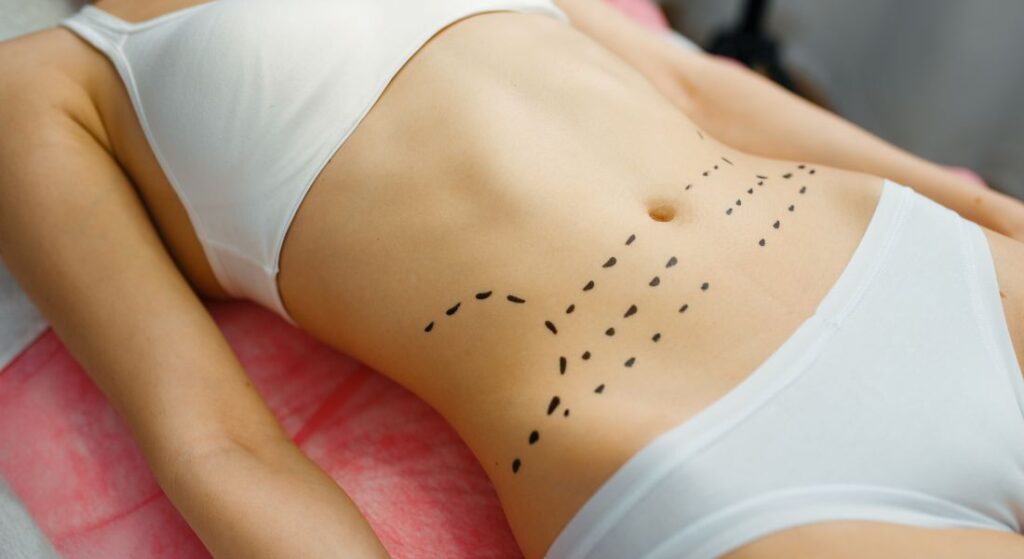
Fat cells, also called adipocytes, are surrounded by a delicate membrane that holds stored triglycerides. Laser energy is designed to target this structure specifically, working on the fat without unnecessarily affecting surrounding tissue.
As the laser fibre emits energy, it generates controlled heat within the fat layer. This heat disrupts the fat cell membrane, causing the fat inside to break down and liquefy.
Once the fat has been liquefied, it becomes much easier to remove. Depending on the treatment, it can be gently suctioned out or, in some cases, allowed to be processed naturally by your body’s metabolism, making the procedure less invasive and smoother than traditional approaches.
Why Fat Becomes Easier to Remove
If you’re thinking about liposuction, you might wonder why laser-assisted techniques often feel gentler and more comfortable than traditional methods. The main difference lies in how the fat is prepared before it’s removed. With traditional liposuction, mechanical force is used to break up fat, which can be more traumatic for the surrounding tissues. Laser-assisted methods, on the other hand, soften the fat first using precise energy, making it easier to extract with less effort.
1. Traditional liposuction uses mechanical force: In standard liposuction, the surgeon moves a cannula back and forth to break up fat. This vigorous motion can cause more trauma to surrounding tissues.
2. Laser liposuction softens the fat first: By using laser energy, the fat is liquefied before removal. This changes its physical state, making it flow more easily through the cannula.
3. Less force is needed: Because the fat is already softened, the surgeon doesn’t have to work as hard to extract it. This reduces stress on the surrounding tissues.
4. Reduced bruising and swelling: The gentler approach means less trauma overall, which is why many people experience less bruising and swelling compared to traditional liposuction.
5. More controlled results: With the fat already liquefied, the procedure can be more precise, allowing for smoother contours and improved overall outcomes.
Laser-assisted liposuction makes the process more efficient and often more comfortable, helping you recover faster while achieving the results you’re looking for.
The Role of Heat in Fat Disruption
The heat produced by the laser is carefully controlled to make sure it’s strong enough to break down fat cells, but not so intense that it harms the surrounding tissue. This balance is key to achieving effective results safely.
This controlled thermal effect allows the laser to target the fat layer with precision, while protecting important structures like blood vessels, nerves, and connective tissue. It’s one of the reasons laser liposuction can feel gentler than traditional methods.
Monitoring the temperature throughout the procedure is essential for safety. By keeping the heat within the right range, your surgeon ensures that the fat is disrupted effectively while minimising the risk of complications or unwanted tissue damage.
How Collagen Stimulation Occurs
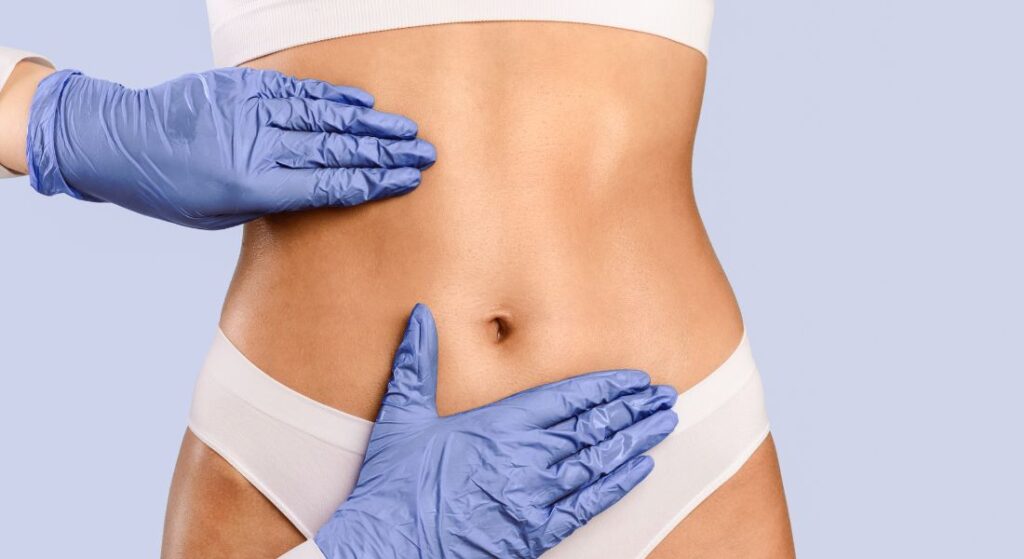
One of the key differences with laser liposuction compared to traditional fat removal is its effect on collagen. The procedure doesn’t just target fat it also encourages your skin to tighten and remodel over time.
The heat generated by the laser to disrupt fat cells also reaches the dermis, where it stimulates fibroblasts. These are the cells responsible for producing collagen, the protein that gives your skin structure and elasticity.
As fibroblasts become more active, they trigger a natural healing response in your skin. This response gradually leads to collagen remodelling, helping your skin contract and appear firmer after the procedure.
For you, this means laser liposuction can not only remove unwanted fat but also support smoother, tighter skin over the treated areas. It’s a combination effect that makes the results feel more natural and refined.
Why Collagen Matters for Skin Tightening
Collagen is what gives your skin structure, firmness, and resilience. When fat is removed without supporting the skin, loose or sagging areas can become more noticeable, which can affect the overall contour.
Laser liposuction helps address this by stimulating collagen production. As collagen remodels over time, your skin gradually contracts and adapts to the new shape, improving the smoothness and firmness of the treated area.
This is one reason why laser liposuction is often preferred in areas where skin tightening is important. By combining fat removal with collagen support, the procedure can give more natural, refined, and long-lasting results.
The Timeline of Collagen Response
Collagen stimulation isn’t something you notice immediately it happens gradually over time. In the weeks after your laser liposuction, the existing collagen fibres in your skin begin to contract, which can subtly improve firmness and contour.
Over the following months, new collagen is produced, supporting further tightening and smoothing of the treated area. This slow, natural process is why you’ll often see your results continue to improve well after the procedure itself, giving you a more refined and long-lasting outcome.
Biological Impact on Surrounding Tissue
One of the key benefits of laser liposuction is that it’s not just your fat that’s treated your surrounding tissues are considered too. Because the fat is softened before removal, the surgeon doesn’t need to apply as much mechanical force, which makes the procedure gentler on your body overall. This reduced trauma means blood vessels, nerves, and connective tissues are less likely to be disturbed, helping to minimise bruising, numbness, or discomfort.
One of the advantages of laser liposuction is how it treats not just the fat, but also the tissues around it. By using less force, the procedure can be gentler on your body overall.
1. Less mechanical trauma: Since the fat is liquefied before removal, the surgeon doesn’t need to move the cannula as aggressively. This means your surrounding tissues experience less stress and disruption.
2. Reduced risk of blood vessel damage: Blood vessels are less likely to rupture during the procedure, which often results in less bruising and a smoother recovery.
3. Minimised nerve irritation: Less aggressive movement around nerves helps reduce the risk of numbness or tingling, making the post-procedure experience more comfortable.
4. Gentler on connective tissues: Because surrounding tissues are disturbed less, skin and connective tissue remain more intact, which can improve healing and final contour results.
By reducing trauma to surrounding tissue, laser liposuction not only makes fat removal easier but also supports a quicker, more comfortable recovery with better aesthetic outcomes.
Skin Retraction Versus Skin Removal
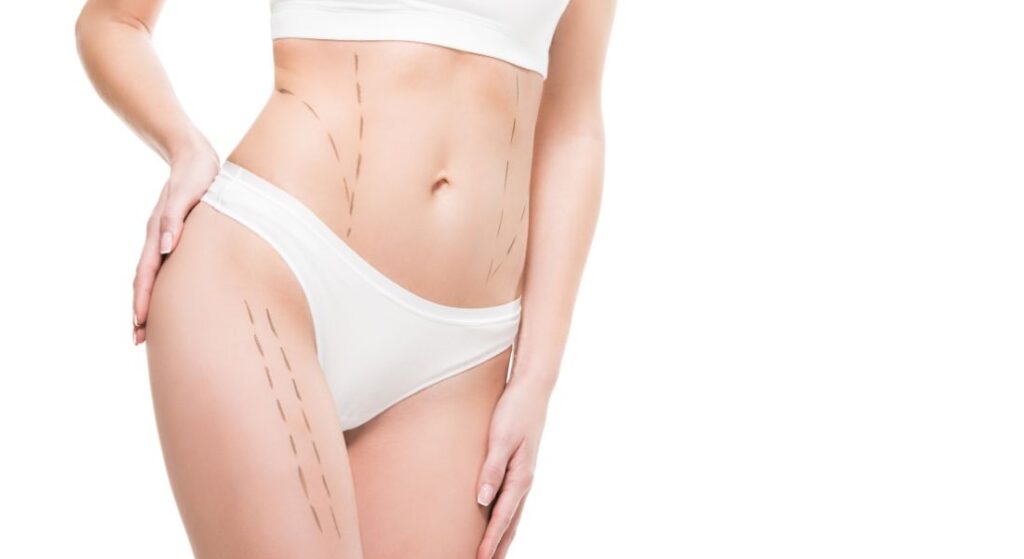
Laser liposuction isn’t designed to remove excess skin it focuses on fat reduction while encouraging your skin to retract naturally. The procedure works with your body’s own healing and collagen production to help the skin tighten over the treated area.
As collagen remodels, your skin gradually adapts to the new contour, providing a smoother and firmer appearance. This natural retraction can make a noticeable difference without the need for more invasive surgery.
It’s important to understand that this is very different from surgical skin excision, where excess skin is physically cut away. Laser liposuction relies on your skin’s elasticity and collagen response rather than removing tissue manually.
For you, this means results are generally subtler and more gradual, but the benefit is a less invasive approach with reduced recovery time and fewer risks, while still improving the overall contour of your body.
Limitations of Laser Liposuction
Laser liposuction isn’t a weight-loss solution. It’s designed to target localised fat deposits and help contour specific areas, rather than reducing overall body weight.
It also has limitations when it comes to skin laxity. In areas where your skin’s elasticity or collagen response is limited, laser liposuction alone may not produce significant tightening.
Being aware of these limitations is important for setting realistic expectations. Understanding what the procedure can and cannot do helps you make an informed decision and ensures satisfaction with your results.
The Importance of Patient Selection
Laser liposuction isn’t suitable for everyone, and it’s important to know whether it’s right for you. Your individual characteristics play a big role in how effective the treatment will be and how your body responds to the procedure.
Your skin quality is a major factor if your skin is firm and elastic, it’s more likely to tighten nicely after treatment. Areas with looser skin or reduced elasticity may not retract as much. How your fat is distributed also matters, as laser liposuction works best on localised pockets rather than more widespread fat.
Your overall health is equally important. Conditions that affect healing, circulation, or skin integrity can influence both the results and recovery. That’s why a personalised assessment is so valuable it helps you and your practitioner understand how your body is likely to respond and ensures realistic expectations for the outcome.
How Healing Differs From Traditional Techniques
Healing after laser liposuction is a little different from traditional liposuction because it involves not just recovery from fat removal, but also the process of collagen remodelling in your skin. This dual effect is what makes the procedure unique and why results can continue to improve over time.
You may notice some swelling, firmness, or tightness in the treated area for longer than you might expect with traditional methods. This is part of the skin adapting to the new contour and responding to the collagen stimulation.
These sensations can feel unusual at first, but they are a normal part of the biological response rather than a sign of complication. Your body is simply adjusting and healing in a way that supports smoother, tighter skin.
Understanding this process can help you manage expectations. Knowing that gradual improvement is part of the recovery allows you to be patient and appreciate the subtle changes as they happen, rather than expecting immediate perfection.
Understanding the Science Helps Set Expectations
Knowing how laser liposuction actually works helps you get a clear picture of what the procedure can and can’t achieve for you. Understanding the science behind it gives you more confidence in the process and the results.
The way laser energy interacts with fat cells and stimulates collagen explains why results are gradual. It also shows why skin tightening can vary from person to person, depending on factors like skin quality, elasticity, and overall health.
Having realistic expectations from the start is key to feeling satisfied with your outcome. When you understand the biology behind the procedure, you can appreciate the gradual improvements and make an informed decision about what’s right for you.
FAQs:
1. What exactly is laser liposuction, and how does it differ from traditional liposuction?
Laser liposuction is a procedure that uses controlled laser energy to target fat cells beneath your skin. Unlike traditional liposuction, which relies heavily on mechanical force to break up and remove fat, laser liposuction softens the fat first using thermal and photomechanical effects. This approach makes the fat easier to remove, reduces trauma to surrounding tissues, and often supports skin tightening through collagen stimulation, giving a smoother, more natural contour.
2. How does the laser actually affect fat cells during the procedure?
When the laser fibre is inserted under your skin, it emits energy that generates controlled heat within the fat layer. This heat disrupts the membranes of fat cells, causing the fat to liquefy. Once liquefied, the fat can either be gently suctioned out or absorbed naturally by your body’s metabolism. This means the removal process is less invasive and typically more comfortable than traditional methods.
3. Why is fat easier to remove with laser liposuction compared to traditional methods?
Because the laser softens the fat before extraction, your surgeon doesn’t need to use as much physical force. Traditional liposuction involves vigorous movement of the cannula to break up fat, which can damage surrounding tissues. With laser-assisted techniques, the fat flows more easily, which reduces bruising, swelling, and overall trauma while allowing for more precise shaping of the treated areas.
4. What role does heat play in the process, and is it safe?
The heat generated by the laser is carefully controlled to ensure it’s strong enough to disrupt fat cells without harming nearby tissue. Maintaining the right temperature protects important structures such as blood vessels, nerves, and connective tissue, which is why the procedure often feels gentler and safer than conventional liposuction.
5. How does laser liposuction help with skin tightening?
The laser’s energy doesn’t just target fat it also reaches the dermis, stimulating fibroblasts to produce collagen. Over time, this natural collagen remodelling encourages your skin to contract and firm up, giving the treated area a smoother and more refined appearance. This dual effect of fat removal and collagen stimulation is what makes laser liposuction particularly beneficial in areas where skin tightening is desired.
6. How long does it take to notice skin tightening after the procedure?
Collagen remodelling is a gradual process. You may start to notice subtle improvements in firmness and contour within a few weeks, but your results will continue to evolve over several months as new collagen is produced and your skin adapts to its new shape. This is why patience is key when assessing the final outcome.
7. Is laser liposuction less traumatic on surrounding tissues than traditional liposuction?
Yes, one of the main benefits of laser liposuction is that it minimises trauma to your surrounding tissues. Because the fat is liquefied first, your surgeon doesn’t need to apply as much force, which reduces the risk of bruising, nerve irritation, and damage to connective tissue. This makes recovery generally smoother and more comfortable.
8. Can laser liposuction remove excess skin as well as fat?
Laser liposuction is not designed to remove skin. Instead, it works with your body’s natural healing process and collagen stimulation to encourage your skin to retract over the treated area. If your skin has poor elasticity, you may not see significant tightening, and more invasive surgical options may be necessary for excess skin removal.
9. Who is a good candidate for laser liposuction?
You’re most likely to benefit from laser liposuction if you have firm, elastic skin and localised pockets of fat. It’s not a weight-loss solution, so it works best on areas that need contouring rather than overall fat reduction. Your general health, skin quality, and fat distribution will all play a role in how effectively the treatment works and how smoothly you recover.
10. How does recovery differ from traditional liposuction?
Recovery after laser liposuction involves not just healing from fat removal but also adjusting to the gradual effects of collagen remodelling. You might notice swelling, tightness, or firmness in the treated area for several weeks, which is part of your skin adapting and healing. This is different from traditional liposuction, where improvements tend to appear more quickly but without the additional benefit of collagen-driven skin tightening. Understanding this process can help you set realistic expectations and appreciate the gradual improvements in your contour.
Final Thoughts: Understanding the Benefits of Laser Liposuction
Laser liposuction offers a sophisticated, minimally invasive way to target localised fat while also encouraging skin tightening through collagen stimulation. By softening fat before removal, this approach reduces trauma to surrounding tissues, supports a smoother recovery, and can create a more natural, refined contour compared with traditional liposuction. The gradual improvements in firmness and shape highlight the unique combination of fat removal and skin remodelling that makes this treatment so effective.
To achieve the best results, it’s important to have realistic expectations, follow your practitioner’s post-treatment guidance, and allow time for your body to heal and adapt. Understanding the science behind the procedure can help you appreciate the subtle, progressive improvements that occur over weeks and months.
If you’re considering laser liposuction in London, you can contact us at the London Medical & Aesthetic Clinic to discuss your concerns, suitability, and treatment options with an experienced practitioner.
References:
1. Lee, A.W.N., Chan, K.W. & Lee, A.W. (2024). Laser‑Assisted Lipolysis Versus Surgical Fat Removal: A Review of Efficacy, Safety, and Patient Satisfaction. https://www.mdpi.com/2079-9284/11/5/164
2. Brañas, M. et al. (2024). Comparative Assessment of Diode Laser Lipolysis for Skin Tightening and Fat Reduction. Cosmetics, 11(5), 164 (Section summarised). https://www.mdpi.com/2079-9284/11/5/164
3. Apfelberg, D. P. et al. (2006). Laser‑assisted liposuction for facial and body contouring and tissue tightening: a 2‑year experience with 75 consecutive patients. https://pubmed.ncbi.nlm.nih.gov/20123421/
4. Apfelberg, D. (2008). Laser‑assisted liposuction: here’s the skinny. Seminars in Cutaneous Medicine and Surgery. https://pubmed.ncbi.nlm.nih.gov/19150297/
5. Laser‑Assisted Liposuction: Technique and Clinical Outcomes (2008). This analysis describes how laser‑induced coagulation of blood vessels reduces bleeding and ecchymosis. https://www.sciencedirect.com/science/article/abs/pii/S0094129808001363