

When people think about Smartlipo, fat reduction is usually the first thing that comes to mind. However, one of the most important benefits of Smartlipo has very little to do with fat cells and everything to do with collagen behaviour inside the skin. To understand why Smartlipo can lead to visible skin contraction and long-term firmness, we need to look at what happens to collagen at a biological level.
In this article, we explain how Smartlipo’s thermal energy causes collagen denaturation, how that initial change triggers neocollagenesis, and why the skin continues to remodel gradually after the procedure. We focus on science rather than surface results, so you can understand what is happening beneath your skin over time. At London Medical & Aesthetic Clinic, we believe informed understanding leads to better outcomes and realistic expectations.
Why Collagen Matters in Smartlipo Results
We often explain that removing fat alone does not guarantee smooth or firm skin. Skin elasticity plays a major role in how the final contour appears after treatment. Collagen is the structural protein that allows skin to retract and adapt.
We see that when collagen quality is poor, fat reduction can reveal looseness rather than refinement. This is why outcomes vary between individuals with similar fat removal. The condition of the skin itself becomes just as important as the amount of fat treated.
We highlight that Smartlipo works on two levels at once. It reduces targeted fat while also influencing collagen behaviour beneath the skin. This combined effect is what separates it from traditional liposuction techniques.
Understanding Collagen Structure in the Skin
Collagen fibres act as the skin’s internal support system, giving it strength, firmness, and resistance to sagging. When collagen is healthy and well organised, the skin responds more predictably to contouring and tightening treatments. This underlying structure plays a major role in how skin behaves after any intervention.
Collagen structure matters because:
1. It provides the skin’s internal scaffold – Strong collagen fibres support firmness, shape, and resistance to gravitational forces.
2. Ageing and stretching disrupt organisation – Over time, fibres can become fragmented and less efficient due to ageing, weight changes, or skin stretching.
3. Skin tightening depends on collagen quality – Well-organised collagen supports smoother retraction after fat reduction.
4. Fat removal alone is not enough – Weak collagen limits tightening, regardless of how effectively fat is removed.
By understanding collagen quality rather than focusing only on surface change, we can set more realistic expectations and plan treatments more effectively.
What Smartlipo Actually Delivers to Tissue
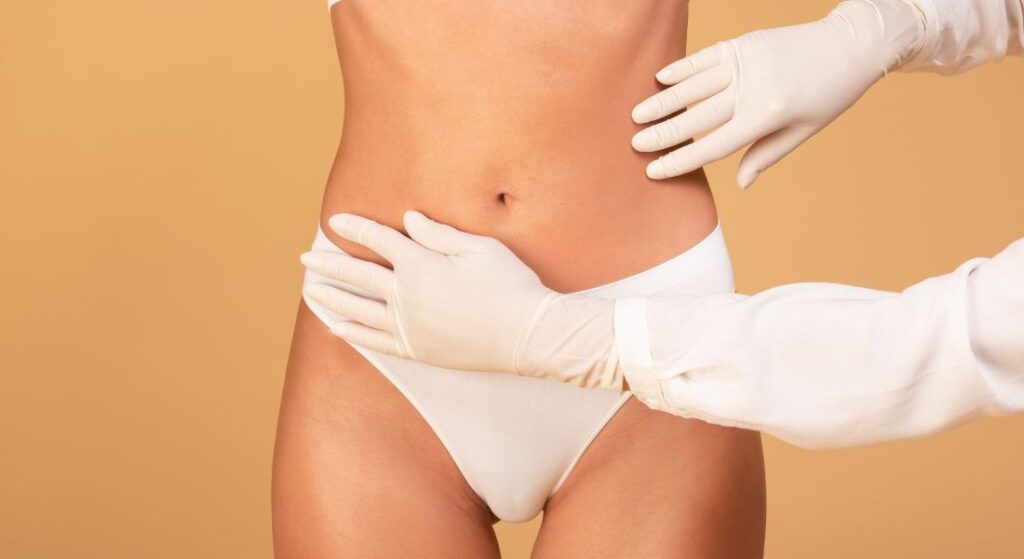
We explain that Smartlipo uses laser-assisted lipolysis rather than mechanical fat removal alone. Controlled thermal energy is delivered beneath the skin during treatment. This energy targets both fat cells and surrounding collagen fibres.
We emphasise that the thermal component is carefully regulated. The intention is stimulation rather than tissue damage. When applied correctly, heat encourages collagen contraction and later remodelling.
We see this controlled response as central to Smartlipo outcomes. Fat reduction reshapes the area, while collagen response supports skin tightening. Together, these processes create more refined and natural-looking results.
What Is Collagen Denaturation
We describe collagen denaturation as a heat-induced structural change within existing collagen fibres. The triple-helix structure partially unwinds and shortens when exposed to controlled thermal energy. This response occurs at the moment of treatment.
We emphasise that denaturation does not mean collagen is destroyed. The fibres remain present but altered in shape and tension. This change is intentional and carefully controlled during Smartlipo.
We help patients understand that denaturation is a mechanical response, not a regenerative one. It sets the stage for later biological processes. On its own, it explains early firmness rather than long-term improvement.
Why Heat Causes Immediate Skin Contraction
Heat-based treatments create an early physical response within the skin. This phase happens quickly and is often noticed before any biological regeneration begins. Understanding this helps separate short-term effects from long-term results.
Here’s what happens:
1. Heat Causes Collagen Fibres to Contract – When collagen fibres are exposed to heat, they denature and naturally contract. This tightens the internal collagen network beneath the skin, which is why some firmness can be felt soon after treatment.
2. Early Firmness Is a Physical Response – This initial tightening is a direct physical effect of heat on existing collagen. It does not involve new collagen production at this stage. The skin feels firmer because fibres have shortened, not because tissue has regenerated.
3. Immediate Tightening Can Feel Reassuring – Feeling firmer early on often reassures patients that something has happened. This response is real, but it represents an early phase rather than the full benefit.
4. Long-Term Results Depend on Biological Change – Lasting improvement relies on what follows biologically, particularly collagen remodelling and regeneration over time. The immediate effect should be seen as a starting point, not the final outcome.
We explain this clearly so expectations stay balanced. Early tightening reflects physics, while long-term improvement depends on biology. Understanding both phases helps align short-term sensations with realistic long-term outcomes.
The Difference Between Denaturation and Neocollagenesis
We distinguish denaturation as an instant thermal response, while neocollagenesis is a slower biological repair process. Denaturation happens during treatment, whereas neocollagenesis unfolds over weeks and months. They are connected but fundamentally different stages.
We explain that denaturation acts as a trigger rather than the end result. The altered collagen structure signals the body to begin repair and regeneration. This signalling activates fibroblasts over time.
We help patients see that lasting improvement comes from neocollagenesis, not denaturation alone. New collagen strengthens tissue gradually and sustainably. Understanding this difference helps set realistic expectations for Smartlipo results.
How Thermal Injury Triggers Healing Pathways
We explain that the body interprets controlled thermal injury as a signal that repair is needed. This response activates natural wound-healing pathways rather than causing damage. The process is deliberate and biologically regulated.
We see a brief, controlled inflammatory phase following treatment. During this phase, inflammatory mediators are released in a balanced way. These signals are essential rather than harmful.
We understand that these mediators attract fibroblasts to the treated area. Fibroblasts are central to tissue repair and collagen production. This recruitment marks the beginning of regeneration rather than injury.
The Role of Fibroblasts After Smartlipo
After Smartlipo, long-term skin improvement depends on how the body repairs and rebuilds tissue. Fibroblasts play a central role in this process, responding to treatment in a predictable biological way. Understanding their function helps set realistic expectations about timing and results.
Fibroblasts matter after Smartlipo because:
- They are responsible for collagen rebuilding – Once activated by controlled thermal signals, fibroblasts increase collagen production as part of normal healing biology.
- Their response is gradual, not instant – Fibroblasts need time to synthesise, organise, and strengthen new collagen fibres.
- Collagen production unfolds over months – Improvement develops steadily over weeks and months, reflecting natural tissue repair rather than delayed effectiveness.
- Consistency matters more than speed – Stable healing and sustained collagen formation produce better, longer-lasting outcomes than rapid change.
By explaining this biological timeline clearly, we help set expectations that align with how the skin naturally repairs and strengthens itself.
What Neocollagenesis Actually Means
We use the term neocollagenesis to describe the formation of new collagen within the skin. This new collagen replaces fibres that were weakened by age or stretching. The process strengthens tissue from within.
We highlight that neocollagenesis improves the dermal framework rather than surface appearance alone. As collagen accumulates, internal support becomes stronger and more organised. The skin responds by feeling firmer.
We clarify that this change is structural, not cosmetic camouflage. The improvement develops beneath the surface and integrates naturally. This explains why results feel stable and authentic.
Why Skin Tightening Continues for Months

We explain that newly formed collagen must mature before it delivers full support. Early collagen fibres are remodelled into stronger, more durable structures over time. This maturation phase is essential.
We observe that this ongoing remodelling explains continued improvement months after treatment. Skin firmness increases gradually rather than all at once. The process is progressive by design.
We reassure patients that this timeline reflects biology, not slow results. Long-term tightening depends on collagen quality and organisation. Patience allows the tissue to strengthen properly.
The Difference Between Smartlipo and Traditional Liposuction
We explain that traditional liposuction focuses purely on mechanical fat removal. It does not actively influence collagen or support skin retraction beyond what the skin can already achieve. As a result, outcomes depend heavily on pre-existing skin elasticity.
We understand that Smartlipo works differently by combining fat reduction with thermal stimulation. This additional step influences collagen behaviour within the dermis. The skin is therefore encouraged to respond rather than simply adapt.
We see this as a key reason Smartlipo reduces the risk of loose skin in suitable patients. By supporting structural change beneath the surface, results feel more integrated. This distinction matters when planning body contouring safely.
How Age Influences Collagen Response
Age plays an important role in how the skin responds to collagen-stimulating treatments. Changes in cellular activity affect the speed and efficiency of repair, but they do not remove the skin’s ability to respond. Understanding this biology helps us set realistic, supportive expectations.
Age influences collagen response because:
- Younger skin regenerates more efficiently – Fibroblast activity tends to be stronger, leading to faster collagen production and more noticeable tightening.
- Older skin still responds, but more gradually – Collagen synthesis and remodelling continue, though at a slower pace, reflecting natural biology rather than treatment quality.
- Timing differs, not potential – The difference lies in speed and progression, not whether improvement can occur.
- Assessment guides expectations, not eligibility – Age helps us plan timelines and outcomes realistically, ensuring results remain appropriate and supportive.
By factoring age into assessment and planning, we can align treatment goals with how the skin naturally repairs itself over time.
Why Results Are Gradual Rather Than Instant
Gradual change is a defining feature of treatments that work through tissue remodelling rather than surface effect. Understanding why improvement unfolds over time helps set realistic and reassuring expectations.
Here’s why results develop gradually:
1. Early Firmness Comes From Collagen Contraction – We explain that initial firmness after Smartlipo is caused by immediate collagen contraction. This is a mechanical response to heat, not new tissue formation, and represents only a partial early effect.
2. Long-Term Improvement Depends on New Collagen Formation – Sustained results rely on neocollagenesis. New collagen must be produced, organised, and strengthened within the tissue, which naturally takes time.
3. Biological Processes Cannot Be Rushed – Collagen regeneration follows predictable biological timelines. The body needs weeks to months to build and remodel tissue effectively.
4. Gradual Change Signals True Remodelling – We emphasise that steady improvement is a positive sign. It reflects genuine tissue strengthening rather than temporary tightening, which is why results continue to improve instead of fading quickly.
By understanding these stages, expectations stay aligned with biology. Gradual progression indicates durable change, supporting stable, natural-looking outcomes over time.
The Importance of Controlled Thermal Delivery
We understand that effective collagen stimulation depends on precision rather than intensity. Too little thermal energy may fail to activate healing pathways, while excessive heat increases risk without improving outcomes. Balance is central to safe treatment.
We choose energy settings based on tissue response rather than fixed numbers. Skin thickness, treatment area, and individual biology all influence these decisions. This tailored approach supports consistency.
We prioritise safety and predictability at every stage. Controlled thermal delivery allows stimulation without unnecessary injury. This precision underpins reliable, long-term results.
How This Process Improves Skin Texture
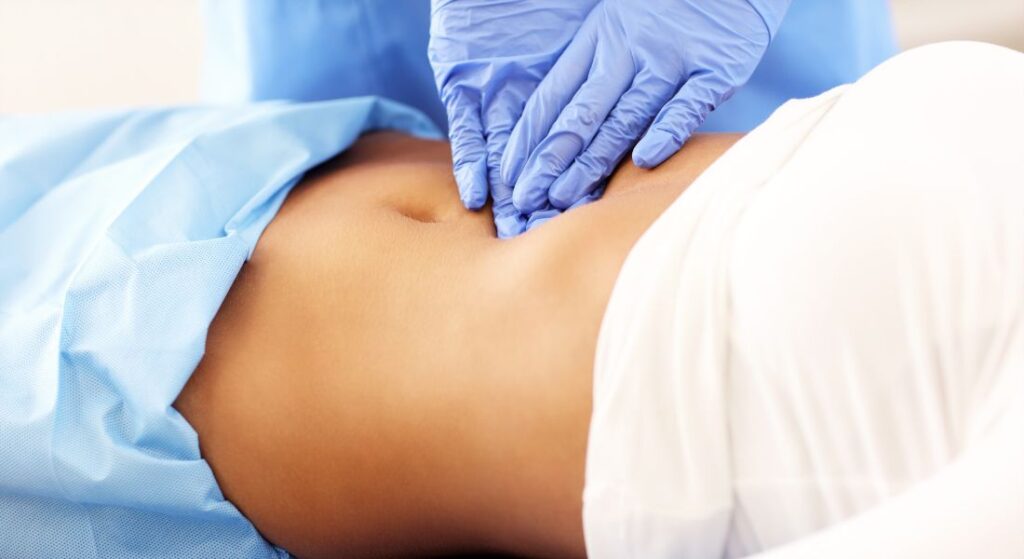
We see that new collagen influences more than firmness alone. As the dermal framework strengthens, skin texture gradually becomes smoother and more even. These changes develop quietly over time rather than appearing suddenly.
We recognise that subtle laxity often improves alongside texture. This happens because collagen supports the skin from within instead of stretching it outward. The result feels balanced and natural rather than tight or artificial.
We focus on long-term contour quality rather than surface-level change. Improvements occur beneath the skin, supporting durability and resilience. Texture refinement is therefore structural in nature, not purely cosmetic.
What Happens After the Healing Phase Ends
After active healing and collagen formation slow down, the skin enters a new, more stable phase. At this point, collagen levels plateau rather than disappear, and ageing continues from a stronger structural baseline. This change is subtle but clinically meaningful.
After the healing phase ends:
1. Collagen levels stabilise – Once neocollagenesis slows, newly formed collagen remains in place rather than rapidly breaking down.
2. Ageing continues from a stronger baseline – The skin still ages, but with improved structure and support compared to before treatment.
3. Tissue quality is fundamentally improved – Stronger collagen alters how the skin responds to time and external stressors.
4. Results tend to feel durable – Skin rarely returns to its pre-treatment state because underlying structural changes persist.
By improving tissue quality rather than creating temporary correction, outcomes often feel longer lasting and more resilient over time.
Why Lifestyle Matters After Smartlipo
We emphasise that collagen longevity is strongly influenced by daily habits. Sun exposure, smoking, hydration, and nutrition all affect how tissue behaves after treatment. These factors continue to shape how the skin ages over time.
We explain that Smartlipo initiates biological change, but lifestyle determines how well that change is preserved. Healthy behaviours support collagen stability and help maintain tissue strength. Treatment sets the direction, while habits influence durability.
We encourage patients to view results as a partnership between intervention and aftercare. Supporting the skin during and after healing protects outcomes. Long-term quality depends on both medical treatment and ongoing maintenance.
How This Biology Shapes Patient Expectations
We explain that understanding collagen behaviour helps prevent unrealistic expectations. Early firmness reflects collagen contraction, not the final outcome. This distinction matters when judging results too soon.
We help patients recognise that immediate tightening is only the first phase. True improvement develops as new collagen forms and matures over time. This process cannot be rushed.
We find that education directly improves satisfaction. When timelines are clear, progress feels reassuring rather than uncertain. Knowing what to expect builds confidence throughout recovery.
Why Smartlipo Is Considered a Remodelling Treatment
We describe Smartlipo as more than a fat-removal procedure because it actively remodels tissue beneath the skin. By influencing collagen behaviour, it changes how results develop and how long they last. This biological effect separates it from purely mechanical techniques.
We position Smartlipo between traditional surgery and regenerative treatments. Fat reduction addresses volume changes, while collagen stimulation strengthens skin support. These mechanisms work together, creating outcomes that feel balanced and integrated.
We focus on this dual effect when planning treatment. The real value lies in how tissue adapts after fat removal rather than volume change alone. Remodelling improves overall contour quality, not just surface shape.
What This Means for Long-Term Body Contouring
We see that collagen remodelling supports long-term contour stability. Skin adjusts more effectively to changes in underlying volume. This reduces the risk of laxity over time.
We explain that improved tissue structure enhances overall outcome quality. Results feel smoother, firmer, and more integrated with the body. These benefits develop progressively.
We position Smartlipo as a structural treatment rather than a quick fix. It supports lasting improvement through biological change. Long-term body contouring benefits from this approach.
FAQs:
1. Does Smartlipo tighten skin or does it only remove fat?
Smartlipo does more than remove fat. While fat reduction reshapes the treated area, the controlled thermal energy used during Smartlipo also affects collagen within the skin. This thermal effect causes immediate collagen contraction and later triggers new collagen formation, which supports gradual skin tightening and improved firmness over time.
2. What does collagen denaturation actually mean during Smartlipo?
Collagen denaturation refers to a heat-induced structural change in existing collagen fibres. During Smartlipo, controlled thermal energy partially unwinds the collagen’s triple-helix structure, causing the fibres to shorten and contract. This process does not destroy collagen but alters its tension, creating early firmness and signalling the body to begin repair and regeneration.
3. Is the immediate tightening after Smartlipo permanent?
The early tightening felt after Smartlipo is real, but it represents only the first phase of change. This initial firmness comes from physical collagen contraction caused by heat. Long-term tightening depends on neocollagenesis, where the body gradually produces and remodels new collagen over weeks and months, leading to more durable improvement.
4. How does Smartlipo trigger new collagen production?
Smartlipo creates a controlled thermal stimulus that the body interprets as a signal to heal. This activates natural wound-healing pathways, including a mild inflammatory response that recruits fibroblasts. These fibroblasts are responsible for producing new collagen, which gradually strengthens and reorganises the dermal structure beneath the skin.
5. Why do Smartlipo results continue to improve months after treatment?
Newly formed collagen does not provide full structural support immediately. After collagen is produced, it must mature, reorganise, and integrate into the existing dermal framework. This biological remodelling process takes time, which is why skin firmness and texture continue to improve for several months after the procedure rather than appearing all at once.
6. How is Smartlipo different from traditional liposuction in terms of skin tightening?
Traditional liposuction removes fat mechanically without directly influencing collagen behaviour. Skin retraction after traditional liposuction depends largely on existing skin elasticity. Smartlipo, by contrast, combines fat reduction with controlled thermal stimulation, encouraging collagen contraction and regeneration, which helps the skin adapt more effectively to changes in volume.
7. Does age affect collagen response after Smartlipo?
Age influences the speed of collagen regeneration but not the ability of the skin to respond. Younger skin typically produces new collagen more efficiently, leading to faster visible tightening. Older skin still responds to Smartlipo, but collagen remodelling occurs more gradually. The difference lies in timing rather than treatment effectiveness.
8. Can collagen remodelling from Smartlipo prevent loose skin completely?
Smartlipo significantly reduces the risk of loose skin in appropriately selected patients, but it cannot override all biological limits. Outcomes depend on baseline skin quality, age, treatment area, and individual healing response. Collagen stimulation improves skin support, but severely lax skin may still require alternative or additional treatments.
9. How long do collagen-related improvements from Smartlipo last?
Once new collagen has formed and matured, it behaves like normal skin tissue and does not disappear suddenly. While natural ageing continues, the skin ages from a stronger structural baseline. This means improvements often feel durable and long-lasting, especially when supported by healthy lifestyle habits and good skin care.
10. Why is Smartlipo described as a tissue remodelling treatment rather than just fat reduction?
Smartlipo is considered a remodelling treatment because it changes how tissue behaves beneath the skin. Fat removal alters contour, while collagen denaturation and neocollagenesis strengthen the dermal framework. At London Medical & Aesthetic Clinic, we focus on this dual mechanism, as it explains why Smartlipo outcomes develop gradually, feel natural, and remain more stable over time.
Final Thoughts: Why Smartlipo Results Improve With Time
When you understand the biology behind Smartlipo, it becomes clear why results develop gradually rather than instantly. Early firmness comes from heat-induced collagen contraction, but lasting improvement depends on neocollagenesis and long-term tissue remodelling. This slow progression reflects genuine structural change within the skin, producing tightening and contour refinement that feels natural, stable, and well integrated rather than temporary or forced.
If you’re thinking about Smartlipo treatment in London, you can get in touch with us at London Medical & Aesthetic Clinic. We focus on explaining the science clearly, assessing skin quality carefully, and setting realistic timelines, so your expectations align with how collagen behaves and outcomes feel informed, confident, and long lasting.
References:
1. Tran, B.N.N., et al. (2022) ‘Safety and efficacy of third-generation ultrasound-assisted liposuction: a series of 261 cases’, Aesthetic Plastic Surgery, 46 (5), pp. 2319-2322. https://pubmed.ncbi.nlm.nih.gov/35896731/
2. Hersant, B., et al. (2024) ‘Ultrasound assisted liposuction with VASER for lower limb contouring: a clinical study’, Journal of Plastic, Reconstructive & Aesthetic Surgery. https://pubmed.ncbi.nlm.nih.gov/40397828/
3. Lee, J., et al. (2021) ‘Development of a minimally invasive and non-invasive lipolysis laser system for effective fat reduction’, Life (Basel). https://pmc.ncbi.nlm.nih.gov/articles/PMC8837834/
4. Lee, K.W.A. (2024) ‘Laser-Assisted Lipolysis Versus Surgical Fat Removal’, Cosmetics, 11 (5):164. https://www.mdpi.com/2079-9284/11/5/164
5. Elsaftawy, A., et al. (2024) ‘Buttock Augmentation with Ultrasonic Liposuction and Ultrasound-Guided Fat Grafting: A Retrospective Analysis Based on 185 Patients’, Journal of Clinical Medicine. https://www.mdpi.com/2077-0383/13/6/1526