


You may associate sun damage with sunburn after spending a hot day outdoors, but much of the ageing caused by ultraviolet (UV) exposure develops gradually without an obvious burn. Repeated exposure can slowly affect the proteins, cells and supporting structures that help keep your skin smooth, firm and even-toned. This process is known as photoageing and occurs alongside natural ageing.
Sun damage can affect more than just wrinkles and fine lines. Ultraviolet radiation can damage skin-cell DNA, accelerate collagen degradation, disrupt the elastic-fibre network and contribute to inflammation and uneven pigmentation. Both UVA and UVB rays contribute to these changes, although they affect different layers and processes within your skin.
You cannot completely reverse the effects of past sun exposure, but you can reduce further damage and support healthier-looking skin. Understanding how photoageing develops can help you make informed choices about daily sun protection, skincare and whether professional treatment may be appropriate for a particular visible concern.
What Is Photoageing?
Photoageing refers to premature skin ageing caused by repeated exposure to ultraviolet (UV) radiation from sunlight or artificial tanning devices. Photoageing develops mainly because of cumulative ultraviolet exposure and occurs alongside intrinsic ageing caused by time, genetics and biological changes. Further photodamage can be reduced through appropriate sun protection.
You may notice the effects of photoageing more on areas that receive regular sun exposure, such as your face, neck, chest, forearms and hands. These areas may develop deeper lines, uneven pigmentation and rough texture compared with skin that is usually covered.
Sun exposure is not the only factor that affects how your skin ages, as smoking, pollution, lifestyle and health conditions can also play a role. However, UV radiation is a major modifiable external contributor to premature skin ageing, with changes often becoming more visible as your skin’s natural repair processes slow down.
Understanding UVA and UVB Radiation
Sunlight contains different types of ultraviolet (UV) radiation, but UVA and UVB are the main rays that affect your skin. UVB acts mainly within the epidermis and is a major cause of sunburn and direct DNA damage. It can also reach the upper dermis.
UVA penetrates more deeply than UVB and affects both epidermal cells and structures within the dermis. It can cause oxidative stress, DNA damage and changes in fibroblasts, collagen and elastic fibres. This deeper damage contributes to wrinkles, reduced firmness and changes in elasticity. UVA and UVB both contribute to photoageing, so effective sun protection should help defend against both types of radiation.
How Ultraviolet Radiation Reaches Different Skin Layers
UVB mainly affects the epidermis, where it can damage surface cells and cause sunburn. UVA reaches more deeply into the dermis and can affect fibroblasts, collagen and elastin. Repeated exposure across these layers contributes to inflammation, uneven pigmentation, rough texture and reduced elasticity.
Ultraviolet Exposure Damages Skin-Cell DNA
Ultraviolet (UV) radiation can damage the DNA inside your skin cells, affecting the instructions that control how your cells function, divide and repair themselves. Your body has natural repair systems that correct much of this damage, but repeated exposure can create new injury faster than your skin can fully recover.
Over time, unrepaired or incorrectly repaired DNA damage can contribute to cellular ageing, actinic keratoses and skin cancer. A tan is not a sign of healthy skin, as it is your body’s response to UV injury. This is why protecting your skin from repeated exposure is important, even when you do not develop obvious sunburn.
Evidence Note
Skin cells have repair systems that correct some UV-related DNA damage, but repair is not always complete. Repeated exposure can allow mutations and other cellular changes to accumulate, even when the skin has not developed an obvious burn. This helps explain why sun protection matters during repeated everyday exposure as well as during holidays or heatwaves.
Oxidative Stress Speeds Up Cellular Ageing
Ultraviolet (UV) exposure increases the production of reactive oxygen species, also known as free radicals, which can damage proteins, cell membranes and DNA when your skin’s natural defences cannot control them effectively. Repeated sun exposure can create ongoing oxidative stress, affecting how your skin cells repair and function.
This process contributes to inflammation, collagen breakdown and slower recovery. Smoking and pollution may add to oxidative stress. Some topical antioxidants are being studied, but their effectiveness depends on the ingredient and formulation, and they cannot replace sunscreen, protective clothing or shade.
Sun Damage Accelerates Collagen Breakdown
Collagen provides the structure and strength that helps keep your skin firm and supported. Ultraviolet (UV) exposure increases the activity of enzymes that break down collagen, causing the supportive framework within your skin to become weaker over time.
Repeated sun exposure can also damage existing collagen fibres and reduce your skin’s ability to repair itself effectively. As collagen damage accumulates, you may notice deeper lines, wrinkles and reduced firmness. Changes in the elastic-fibre network also contribute to reduced recoil and laxity.
Research Insight
Research indicates that UV exposure can increase collagen-degrading enzymes while reducing the production of new procollagen. Repeated injury, collagen degradation and incomplete repair gradually alter the structure and mechanical support of the dermis. This is why photoageing develops over years rather than after a single exposure.
Elastin Becomes Disorganised and Less Functional

Elastin helps your skin stretch and return to its original position, working alongside collagen to maintain flexibility and strength. When you experience repeated ultraviolet (UV) exposure, normal elastic fibres can become fragmented and disorganised, while abnormal elastotic material accumulates in the dermis. This change is known as solar elastosis.
You may notice that your skin becomes rougher, looser and less able to bounce back, with deeper wrinkles and reduced elasticity developing over time. Unlike natural ageing, where your skin often becomes thinner and finer, sun-damaged skin can appear thicker and leathery. Understanding these changes can help you make better choices about protection and treatments, although severely damaged elastic tissue cannot be completely restored.
Fibroblasts Produce Less New Supportive Tissue
Fibroblasts produce collagen, elastin and other structural materials in the dermis. Repeated UV exposure can reduce their activity and impair repair.
1. Reduced Fibroblast Activity: UV exposure can make fibroblasts less effective at producing collagen, elastin and other structural materials.
2. Weaker Repair Signals: As the collagen framework becomes damaged, fibroblasts may receive fewer signals needed for healthy repair.
3. Continued Collagen Breakdown: Reduced repair activity can allow collagen damage to continue and contribute to visible signs of photoageing.
4. Gradual Treatment Results: Collagen-stimulating treatments often work gradually because they depend on your skin’s natural repair processes.
Together, these changes weaken the skin’s existing support and reduce its capacity for repair.
Repeated UV Exposure Can Disrupt the Skin Barrier
Ultraviolet (UV) exposure can trigger inflammation in your skin even when you do not develop an obvious sunburn. Repeated UV exposure and inflammation may disrupt barrier recovery and contribute to dryness, sensitivity and increased irritation in some people.
You may notice increased dryness, sensitivity, tightness or rough texture as your barrier becomes less effective. A gentle skincare routine with regular moisturising can help support your skin, but it cannot reverse deeper sun damage. Adjusting products to suit your current skin condition can help you avoid unnecessary irritation.
Uneven Pigmentation and Age Spots Develop
Melanin helps protect your skin from ultraviolet (UV) radiation by absorbing some of the energy from sunlight. With repeated exposure, pigment production can become uneven, leading to freckles, mottled patches and flat brown marks known as solar lentigines, commonly called age spots or sun spots, particularly on areas such as your face, hands, shoulders and upper chest.
Higher levels and different patterns of melanin provide some natural UV protection, but people of every skin tone can develop sun-related pigmentation and photoageing. Skin cancer is less common in Black or brown skin but can still occur, so protection remains important for every skin tone. You should have any new or changing dark marks assessed before considering cosmetic treatments, as some lesions may need medical evaluation rather than pigmentation treatment.
Clinical Safety Note
Freckles, solar lentigines and other benign pigment changes are common in sun-exposed skin. However, a new or changing dark mark should not be assumed to be an age spot. Seek medical advice if a mark changes in size, shape or colour, develops multiple colours, becomes itchy or painful, repeatedly crusts or begins to bleed. Pigmentation treatment should only begin once the lesion has been assessed appropriately.
Blood Vessels Can Become More Visible
The dermis contains small blood vessels that deliver oxygen and nutrients to your skin. When ultraviolet (UV) exposure damages the supporting collagen and connective tissue around these vessels, they can become more visible and may contribute to persistent redness or uneven skin tone.
You may notice fine visible vessels around your nose, cheeks or upper chest, although similar changes can also be linked to conditions such as rosacea, hormones or other factors. A clinical assessment should identify whether the redness is related to photodamage, rosacea or another condition before a vascular laser or light-based procedure is considered, while continued sun protection can help prevent further damage.
Texture, Pores and Dryness Become More Noticeable
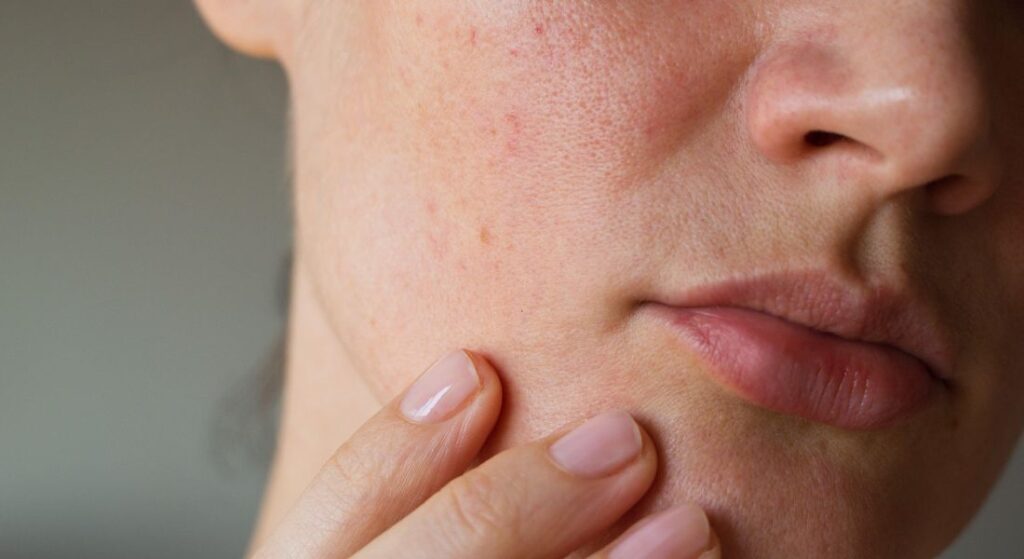
Photoaged skin can become rougher, drier and less even because of changes in cell renewal and barrier function. Pores may also appear more noticeable, influenced by sebum production, genetics and skin structure.
Gentle exfoliation and hydrating skincare can help improve the appearance of your skin, but they cannot rebuild damaged deeper structures. Focusing on barrier support and daily ultraviolet protection can help your skin tolerate corrective products and reduce further sun-related changes.
Factors That Can Influence Visible Photoageing
| Factor | Possible influence |
| Lifetime UV exposure | Greater cumulative exposure generally causes more structural damage |
| Outdoor work or hobbies | May increase repeated exposure to the face, scalp, neck, arms and hands |
| Skin tone and tendency to burn | Influences natural protection, visible presentation and pigmentation response |
| Sunbed use | Adds concentrated artificial UV exposure |
| Previous severe sunburn | Indicates significant past UV injury |
| Smoking | Can add oxidative stress and contribute to premature skin ageing |
| Photosensitising medicines | Some medicines can increase the risk of sunburn or another light-related skin reaction; check the patient leaflet or ask a pharmacist or prescriber for advice |
| Immunosuppression | Can increase the risk associated with sun-damaged lesions and skin cancer |
| Previous skin cancer or multiple actinic keratoses | Indicates a higher-risk history that may require medical follow-up |
Sun Damage Builds Through Everyday Exposure
Photoageing can develop through repeated everyday exposure during walking, gardening, outdoor work or sport. UVA exposure through windows varies with the type of glass and coating, but uncovered areas such as the face and hands can accumulate damage over time.
UV intensity can be significant on cool or partly cloudy days, so check the UV Index and use protection when it is moderate or higher. Combine sunscreen with clothing and shade. Avoid sunbeds, which expose skin to concentrated UV radiation and increase the risks of premature ageing and skin cancer.
Why Some People Show Sun Damage Earlier
Visible photoageing varies with skin tone, genetics, lifestyle, medicines and lifetime UV exposure. Melanin offers some natural protection, but every skin tone can develop photodamage and skin cancer.
Reducing further exposure remains worthwhile at any age and may limit additional UV-related damage.
How Can You Recognise Significant Sun Damage?
Common signs of photoageing include uneven pigmentation, increased freckles, rough texture, visible small blood vessels, reduced firmness and deeper lines on areas that receive regular sun exposure. Your skin may also feel dry, look yellowish or develop a leathery appearance after years of ultraviolet damage.
Long-term sun exposure can cause actinic keratoses, which may feel rough or scaly and can resemble an area of dry skin. They should be medically assessed, particularly if a patch grows quickly, becomes tender, develops a lump or horn, ulcerates or starts to bleed. You should have any new, changing, bleeding, painful or non-healing marks assessed by a clinician before considering cosmetic treatments, as some lesions may need medical care rather than rejuvenation procedures.
Can You Prevent or Improve Photoageing?
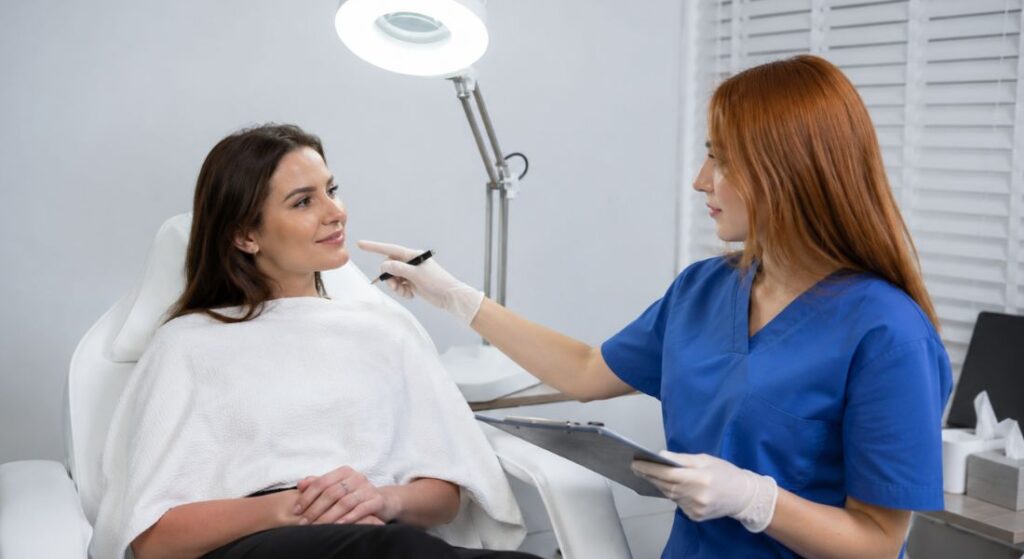
Preventing further UV damage is the main approach to managing photoageing. In the UK, use SPF 30 or higher with strong UVA protection alongside shade and protective clothing.
Treatments should target the specific concern. Prescription retinoids or selected procedures may improve pigmentation, texture, redness, wrinkles, volume or contour, but they do not remove accumulated DNA damage. Suitability depends on your skin and should be assessed professionally.
Myth vs Fact
| Myth | Fact |
| Sun damage only happens when your skin burns. | UV-related cellular and structural damage can accumulate without visible sunburn. |
| UVA only causes ageing and UVB only causes cancer. | Both UVA and UVB can contribute to premature ageing, DNA damage and skin cancer, although their effects differ. |
| A tan is a sign of healthy skin. | A tan is a response to UV injury and does not protect the skin from further damage. |
| Darker skin cannot develop sun damage. | Higher melanin levels offer some protection, but every skin tone can develop photoageing, pigmentation changes and skin cancer. |
| Cloudy or cool weather means UV protection is unnecessary. | UV strength is not determined by temperature, and meaningful exposure can occur through light cloud. |
| Sunscreen completely blocks ultraviolet radiation. | Sunscreen reduces exposure but does not provide complete protection and should be combined with clothing and shade. |
| Cosmetic treatment removes all previous sun damage. | Some treatments may improve visible signs, but they cannot erase all cellular injury or remove future skin-cancer risk. |
| Every brown or rough patch is suitable for laser treatment. | New, changing, bleeding or scaly lesions may require medical assessment before cosmetic treatment. |
Key Takeaways
1. Photoageing is caused by cumulative ultraviolet exposure.
2. Skin damage can occur without visible sunburn.
3. UVA and UVB both contribute to cellular damage, ageing and skin-cancer risk.
4. UV exposure increases collagen breakdown and disrupts elastic tissue.
5. Sun-damaged skin may develop wrinkles, uneven pigmentation, redness, roughness or actinic keratoses.
6. Sunscreen should be combined with shade and protective clothing.
7. Check the UV Index rather than relying on temperature or cloud cover.
8. Avoid sunbeds and tanning lamps.
9. New, changing, bleeding or non-healing lesions need medical assessment.
10. Cosmetic treatments may improve selected visible concerns, but they do not remove accumulated DNA damage or eliminate future skin-cancer risk.
11. Treatment should only begin after the concern has been correctly diagnosed.
Frequently Asked Questions
1. What is photoageing and how does it affect your skin?
Photoageing is premature skin ageing caused by repeated exposure to ultraviolet (UV) radiation from the sun or tanning devices. It can lead to wrinkles, uneven pigmentation, reduced firmness, rough texture and changes in your skin’s ability to repair itself.
2. How does sun exposure make your skin age faster?
Sun exposure damages important structures within your skin, including collagen, elastin and skin-cell DNA. Over time, this damage can cause fine lines, loss of elasticity, pigmentation changes and a less even complexion.
3. Are UVA and UVB rays both harmful to your skin?
Yes, both UVA and UVB rays can contribute to skin damage. UVB acts mainly in the epidermis and is a major cause of sunburn and direct DNA damage. UVA penetrates more deeply and contributes to oxidative stress and dermal changes. Both can contribute to photoageing and skin cancer.
4. Can daily sun exposure cause premature ageing?
Yes, you do not need to experience repeated sunburns for damage to occur. Repeated exposure during walking, outdoor work, sport and other everyday activities can accumulate over many years. UVA exposure through windows varies according to the type of glass and protective coating.
5. Can sunscreen prevent sun-related skin ageing?
Correctly applied broad-spectrum sunscreen may reduce further UV exposure, but it cannot provide complete protection. Combine it with protective clothing and shade.
6. Can you reverse existing sun damage?
You cannot completely remove all effects of long-term sun exposure, but you can improve certain signs of photoageing. Appropriate skincare or professional treatment may improve selected concerns such as pigmentation, texture or fine lines. Results vary, and treatment cannot erase accumulated cellular damage or remove future skin-cancer risk.
7. Why does sun damage cause wrinkles and loss of skin firmness?
Ultraviolet radiation increases collagen-degrading enzymes, reduces new procollagen production and disrupts the elastic-fibre network. As these supportive proteins become weaker, your skin may develop deeper lines and reduced elasticity.
8. Can sun damage cause uneven skin tone and age spots?
Yes, repeated UV exposure can affect melanin production and cause uneven pigmentation, freckles and brown patches commonly known as age spots. Any new or changing dark mark should be assessed by a healthcare professional.
9. How can you protect your skin from further sun damage?
You can protect your skin by using sunscreen, wearing protective clothing, seeking shade and avoiding unnecessary exposure during strong sunlight. These measures may reduce additional UV-related collagen degradation and cellular damage.
10. When should you see a specialist about sun-damaged skin?
Contact your GP or a qualified medical skin specialist if you notice a new or changing mole, a bleeding or crusting area, a persistent rough patch or a sore that does not heal. Medical assessment should take place before cosmetic pigmentation, laser or rejuvenation treatment.
Final Thoughts: Protecting Your Skin from Sun Damage
Sun damage is one of the most significant causes of premature skin ageing, but protecting your skin can make a meaningful difference at any stage of life. While existing photoageing cannot be completely reversed, consistent sun protection, a suitable skincare routine and personalised professional treatments can help improve the appearance of pigmentation, texture, firmness and overall skin quality. If you are concerned about signs of sun damage or want advice on suitable rejuvenation options, the team at the London Medical and Aesthetic Clinic can assess your skin and recommend an approach tailored to your individual concerns and goals.
References:
1. Del Regno, L., Catapano, S., Di Stefani, A., Cappilli, S. and Peris, K. (2022) ‘A review of existing therapies for actinic keratosis: Current status and future directions’, American Journal of Clinical Dermatology, 23(3), pp. 339–352. Available at: https://pmc.ncbi.nlm.nih.gov/articles/PMC9142445/
2. Guan, L.L., Lim, H.W. and Mohammad, T.F. (2021) ‘Sunscreens and photoaging: A review of current literature’, American Journal of Clinical Dermatology, 22(6), pp. 819–828. Available at: https://pmc.ncbi.nlm.nih.gov/articles/PMC8361399/
3. Hughes, M.C.B., Williams, G.M., Baker, P. and Green, A.C. (2013) ‘Sunscreen and prevention of skin aging: A randomized trial’, Annals of Internal Medicine, 158(11), pp. 781–790. Available at: https://pubmed.ncbi.nlm.nih.gov/23732711/
4. Pittayapruek, P., Meephansan, J., Prapapan, O., Komine, M. and Ohtsuki, M. (2016) ‘Role of matrix metalloproteinases in photoaging and photocarcinogenesis’, International Journal of Molecular Sciences, 17(6), 868. Available at: https://www.mdpi.com/1422-0067/17/6/868
5. Wlaschek, M., Tantcheva-Poór, I., Naderi, L., Ma, W., Schneider, L.A., Razi-Wolf, Z., Schüller, J. and Scharffetter-Kochanek, K. (2001) ‘Solar UV irradiation and dermal photoaging’, Journal of Photochemistry and Photobiology B: Biology, 63(1–3), pp. 41–51. Available at: https://www.sciencedirect.com/science/article/abs/pii/S1011134401002019