


If you’ve ever looked in the mirror and wished your skin looked smoother, firmer, or more refined, you’ve probably come across CO₂ laser resurfacing during your research. It’s one of the most powerful skin rejuvenation treatments available today, capable of transforming texture, reducing wrinkles, softening scars, and tightening the skin in a way that many other treatments simply cannot replicate.
You might be considering your first treatment and wondering whether repeating it later would be safe. Or maybe you’ve already had a CO₂ laser session and loved your results, and now you’re thinking about maintaining them long term. Either way, you’re not alone. Many patients want a clear, honest understanding of how CO₂ laser works over time and whether multiple sessions carry any extra risks.
Understanding How CO₂ Laser Resurfacing Works
To understand whether you can safely repeat CO₂ laser resurfacing, you first need to know what the treatment actually does to your skin. A CO₂ laser uses a highly concentrated beam of light to target water within the skin. Because your skin cells are full of water, the laser selectively vaporises tiny layers of tissue. This controlled removal of damaged skin triggers a powerful healing response in the deeper layers.
As your skin heals, it produces new collagen lots of it. This new collagen replaces old, damaged fibres and reinforces the structure of the skin.
That’s why CO₂ laser resurfacing can significantly improve:
Fine lines: By stimulating collagen, the skin becomes smoother and lines caused by ageing or sun damage appear softer.
Deep wrinkles: Structural collagen renewal helps reduce the depth of more established lines, particularly around the mouth and eyes.
Sun damage: The laser removes damaged surface layers while encouraging healthier, more even skin to regenerate.
Scarring from acne or injury: CO₂ laser resurfacing remodels scar tissue, helping to smooth uneven skin and improve texture.
Sagging or laxity: Collagen tightening and renewal can improve firmness, especially in areas showing early skin laxity.
Texture irregularities: Rough or uneven skin becomes smoother as damaged tissue is replaced with healthier cells.
Enlarged pores: Improved collagen support around pores can make them appear smaller and more refined.
Pigmentation: Uneven pigmentation and sunspots may fade as new skin replaces damaged areas.
Rough, uneven skin: The resurfacing process reveals smoother, clearer skin with a more uniform appearance.
The overall result is skin that looks smoother, firmer, clearer, and more youthful. Because the treatment works on such a deep level, CO₂ laser resurfacing is considered one of the most effective options for long-term skin rejuvenation. But the very fact that it is powerful also makes people wonder: can you go back for more? The answer is yes but with nuance.
Can CO₂ Laser Be Repeated? Yes, But Timing and Technique Matter
CO₂ laser resurfacing can be safely repeated. Dermatologists and aesthetic doctors have been using this technology for decades, and long-term follow-ups have shown that repeat treatments are safe when performed responsibly.
However, it isn’t something you repeat frequently. Because CO₂ laser is ablative and deeply stimulating, your skin needs plenty of time to recover, rebuild, and strengthen between sessions. You don’t want to overwhelm the tissue or compromise your long-term barrier function.
Practitioners generally recommend spacing strong CO₂ laser treatments at least 12 months apart, and in many cases, two to five years apart depending on the strength of the previous session and your skin goals.
You might repeat a CO₂ laser if:
– You want to refresh results after several years.
– You’ve accumulated new sun damage.
– Natural ageing has softened your first results.
– You want to further improve texture or scars.
You initially had a lighter treatment and want a stronger follow-up later.
As long as your skin has healed properly and your practitioner assesses your skin as healthy and strong enough, repeating the treatment is safe. It’s not about avoiding repeat treatments it’s about planning them wisely.
Why the Skin Needs Time Between CO₂ Laser Sessions
After a CO₂ laser treatment, your skin enters a complex biological healing cycle. Each stage serves a specific purpose, and rushing into another session too soon can disrupt these natural processes and compromise results.
The Regeneration Phase (Weeks 1–8): In the weeks immediately following treatment, the skin focuses on surface healing. New skin cells regenerate, the protective barrier repairs itself, and post-treatment inflammation gradually settles. This phase is essential for restoring skin integrity before deeper changes can safely continue.
The Collagen Production Phase (Months 1–6): Once surface healing is underway, fibroblast cells become highly active. These cells are responsible for producing new collagen, which is what drives long-term improvements in texture, firmness, and scarring. This stage is the foundation of your final result and cannot be rushed.
The Collagen Maturation Phase (Months 6–12): During this final phase, newly formed collagen fibres reorganise, strengthen, and tighten. The skin becomes progressively firmer, smoother, and more resilient. Although changes are slower, this period plays a major role in the durability and quality of your outcome.
Full CO₂ laser results develop over an entire year. Repeating treatment too early interferes with this cycle and increases the risk of complications, including delayed healing, prolonged inflammation, pigmentation changes, increased sensitivity, and, in rare cases, scarring.
How Often Can You Safely Repeat CO₂ Laser?
The short answer is that CO₂ laser treatments are typically repeated every 1 to 5 years, depending on several individual factors. These include the intensity of your previous treatment, how much improvement you are aiming for, your natural skin thickness, skin type, healing response, and whether the laser was fractional or fully ablative.
Light Fractional CO₂ Laser (Every 12–18 Months): Light fractional CO₂ treatments affect a smaller percentage of the skin and trigger more modest collagen stimulation. They are often used for mild texture irregularities, early signs of ageing, or ongoing maintenance. Because the injury is controlled and superficial, these treatments can be repeated more frequently once the skin has fully healed and collagen production has stabilised.
Medium-Depth CO₂ Laser (Every 2–3 Years): Medium-depth treatments penetrate further into the skin and are commonly used for acne scarring, deeper lines, or more noticeable sun damage. Collagen production following this level of treatment continues for many months, which is why a longer gap is required. Repeating too soon would interrupt collagen maturation rather than enhance results.
Deep or Fully Ablative CO₂ Laser (Every 4–5+ Years): Deep or fully ablative CO₂ laser treatments remove the entire surface layer of skin and trigger the most powerful collagen response. These are reserved for significant ageing changes or deep scarring. Because healing, collagen remodelling, and skin strengthening can continue for up to a year or longer, repeating this type of treatment is only considered after several years, if at all.
Most patients do not need frequent CO₂ resurfacing. A single well-planned treatment can continue supporting skin structure and firmness for years. When treatments are spaced correctly, results are safer, more natural-looking, and far longer lasting.
Does Repeating a CO₂ Laser Strengthen or Weaken the Skin?

Repeating CO₂ laser treatments does not thin the skin when they are performed correctly. In fact, properly delivered CO₂ laser resurfacing often has the opposite effect, helping to strengthen the skin over time rather than weaken it.
CO₂ laser works by stimulating collagen production deep within the dermis. As new collagen forms, the skin gradually becomes thicker, firmer, more elastic, and structurally stronger. At the same time, the epidermis becomes smoother and more even, improving texture and tone while the deeper layers gain better support.
However, there are limits. If CO₂ laser treatments are carried out too frequently, used too aggressively, or performed by an inexperienced practitioner, the skin’s barrier function or pigmentation can be compromised.
Which Skin Types Can Safely Repeat CO₂ Laser?
CO₂ laser can be safely repeated, but the suitability and intensity of treatment depend heavily on your skin type, skin behaviour, and medical history. Not every skin type tolerates repeated ablative laser treatments in the same way, so careful selection and customised settings are essential.
The best candidates for repeat CO₂ laser are typically Fitzpatrick skin types I–III, particularly those with thicker, more resilient skin and concerns such as deep wrinkles, etched lines, acne scarring, uneven texture, or significant sun damage. These skin types have a lower risk of pigment disruption and tend to heal more predictably after each session.
Extra caution is required for darker skin types. Fitzpatrick IV and V may still be treated, but only with modified settings and longer intervals between sessions due to a higher risk of post-inflammatory hyperpigmentation. Fitzpatrick VI is usually not suitable for CO₂ laser.
What Happens to the Skin Over Decades of CO₂ Laser Use
When CO₂ laser resurfacing is maintained every few years, your skin can age far more gracefully than it would naturally. Many patients who have undergone regular treatments over a decade show noticeably smoother skin, fewer wrinkles, improved elasticity, reduced pigmentation, and a healthier collagen structure.
Unlike fillers, which gradually dissolve, the collagen produced by CO₂ laser treatments becomes an integral part of your skin. Even after the natural collagen cycle slows with age, a portion of the improvements remains permanent, helping you retain firmer, more resilient skin over time.
However, protecting your skin between treatments is essential. UV damage is the leading cause of accelerated ageing and can undermine the benefits of CO₂ laser resurfacing. Consistent use of sunscreen, combined with a proper skincare routine, ensures your results are preserved.
Why Fractional CO₂ Laser Is Better for Repeat Treatments
Modern CO₂ lasers often use fractional technology, which splits the laser beam into thousands of microscopic columns rather than resurfacing the entire skin at once. Each pulse creates tiny treatment zones while leaving surrounding tissue intact. This approach allows the skin to heal faster and more safely.
Speeds healing: Because only a fraction of the skin is treated at one time, the untreated areas act as natural reservoirs for repair. This significantly accelerates the overall healing process compared with older, fully ablative lasers.
Reduces downtime: Patients experience shorter recovery periods after fractional treatments. Redness, swelling, and peeling are less severe, making it easier to resume normal activities sooner.
Lowers the risk of complications: Fractional treatment reduces the likelihood of infection, pigmentation changes, or scarring. The surrounding healthy tissue supports regeneration and protects the skin during recovery.
Makes repeat treatments safer: The controlled, partial resurfacing allows for repeated sessions without overstressing the skin. You can maintain results over years with a lower risk of cumulative damage.
Allows for long-term maintenance: Fractional CO₂ laser is ideal for ongoing collagen stimulation and skin maintenance. With properly spaced treatments, you can preserve firmness, smoothness, and overall skin health for the long term.
Older, fully ablative systems required lengthy recovery and carried higher risks when repeated. Fractional CO₂ lasers make responsible repeat treatments far more manageable, combining effectiveness with safety.
When Should You Avoid Repeating a CO₂ Laser?
You should avoid repeating a CO₂ laser if your skin isn’t fully ready for another treatment. Performing the procedure too soon can increase the risk of complications and interfere with proper healing. Ensuring the skin has completely recovered from previous sessions is essential for safe results.
It’s also important to postpone CO₂ laser if you’ve recently had another aggressive treatment or experienced significant sun exposure. Combining these factors with laser resurfacing can overstress the skin and increase the likelihood of irritation, pigmentation changes, or delayed healing.
Certain health conditions and life stages require extra caution. Pregnant or breastfeeding individuals, those with active infections or breakouts, or anyone taking medication that affects healing should avoid repeat laser treatments until it’s safe to proceed.
How to Maintain CO₂ Laser Results Without Repeating Too Often

You don’t need to undergo CO₂ laser resurfacing every year. In fact, most patients can maintain excellent results by incorporating complementary treatments between sessions. These maintenance approaches support collagen, skin health, and overall texture, reducing the need for frequent deep laser treatments.
1. Microneedling: Microneedling gently stimulates collagen production and improves skin texture. It is safe to repeat regularly and can help maintain firmness and smoothness between CO₂ laser sessions.
2. Skin Peels: Chemical or superficial peels are effective for improving surface texture and addressing pigmentation. They refresh the skin and support ongoing rejuvenation without the recovery time required for deeper treatments.
3. Radiofrequency (RF) Skin Tightening: RF treatments stimulate collagen remodelling and tighten the skin without downtime. They are an excellent option for maintaining skin firmness and elasticity in the months between laser sessions.
4. LED Therapy: LED light therapy enhances cellular healing, reduces inflammation, and supports skin repair. Regular sessions can help prolong the results of previous CO₂ laser treatments.
5. Retinoids (Tretinoin or Retinol): Topical retinoids strengthen the skin, improve texture, and encourage collagen turnover. They are a key part of a long-term maintenance routine to keep skin resilient and youthful.
6. Profhilo or Skin Boosters: Injectable hydration treatments improve elasticity, plumpness, and overall skin quality. These work alongside laser results to maintain a smooth, radiant complexion.
By combining these maintenance treatments with well-spaced CO₂ laser sessions, you can achieve long-lasting results without relying heavily on repeated deep resurfacing.
CO₂ Laser vs Other Resurfacing Treatments: Repeatability Comparison
When planning long-term skin rejuvenation, it helps to understand how CO₂ laser compares to other resurfacing options in terms of safety and repeatability.
1. Erbium Laser: Erbium lasers are less aggressive than CO₂, making recovery faster and repeat sessions more feasible. However, they are not as powerful for deep lines, scarring, or significant texture issues.
2. Fractional Non-Ablative Lasers: Non-ablative fractional lasers are very safe, with minimal downtime. They build collagen slowly over multiple sessions and can be repeated frequently without significant risk. They are ideal for gradual improvement rather than dramatic transformation.
3. Chemical Peels: Superficial and medium-depth chemical peels can be repeated regularly and are effective for improving surface texture and pigmentation. While results are less dramatic than CO₂ laser, they are excellent for maintenance between deeper treatments.
4. Microneedling + Radiofrequency (RF): Microneedling combined with RF stimulates collagen and tightens skin gradually. Treatments are safe to repeat often and complement CO₂ laser by maintaining skin health and prolonging results.
Safety Protocols Practitioners Use for Repeat CO₂ Laser
Practitioners follow strict safety protocols when planning repeat CO₂ laser resurfacing to ensure effective results while protecting the skin. Careful assessment and planning help minimise risks and support long-term skin health.
The first step is a thorough skin assessment. Your practitioner evaluates thickness, texture, collagen levels, pigmentation, healing ability, and barrier function. This ensures the skin is ready for another treatment and prevents accidental overtreatment.
Conservative settings are then used to gradually improve the skin rather than aggressively resurfacing it. Practitioners also monitor pigment response closely and ensure adequate downtime typically a minimum of 12 months between sessions to reduce the risk of complications such as hyperpigmentation and support optimal healing.
When Repeating CO₂ Laser Can Be Especially Helpful
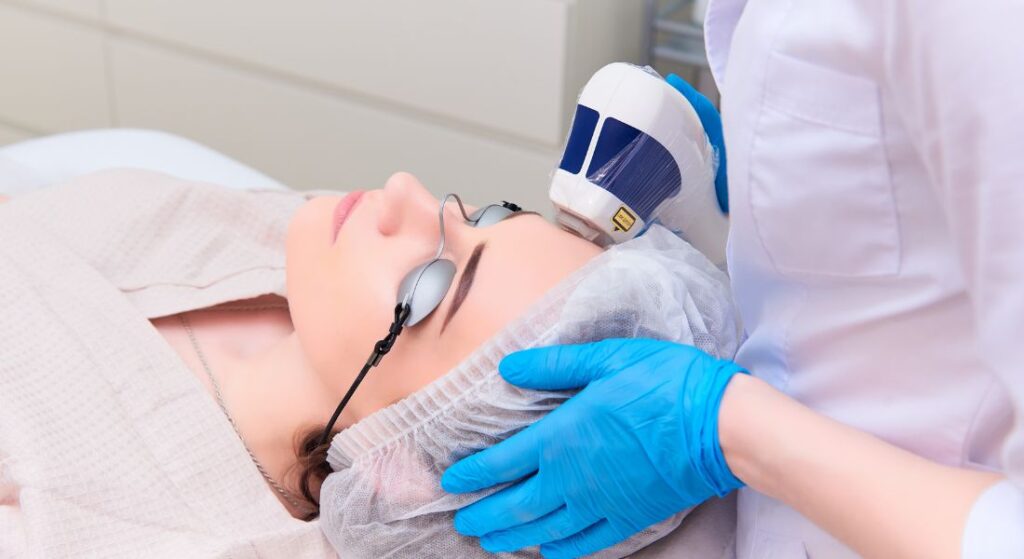
Repeating CO₂ laser resurfacing can be a valuable part of a long-term skin rejuvenation plan. While one session can provide noticeable improvement, certain concerns or skin types benefit from additional treatments to achieve optimal results.
1. Acne Scarring: Multiple sessions spaced apart can significantly improve deep scars.
2. Deep Wrinkles: Some wrinkles require more than one resurfacing session to fully smooth.
3. Severe Sun Damage: Long-term photodamage often needs reinforcement over the years.
4. Ageing That Progresses Naturally: Even after a great result, natural ageing continues, so a follow-up years later can refresh your skin.
5. A Previously Light Treatment: If your first session was conservative, you may opt for a stronger treatment later.
In all these cases, repeating CO₂ resurfacing is safe and effective when done properly
FAQs:
1. Can CO₂ laser resurfacing be safely repeated multiple times?
Yes, CO₂ laser resurfacing can be safely repeated over the years, but only when it is spaced appropriately and performed by an experienced practitioner who ensures your skin has fully healed and is strong enough to undergo another session.
2. How long should I wait before having another CO₂ laser treatment?
You should generally wait at least 12 months between full CO₂ laser treatments, and often longer for deeper sessions. The exact timing depends on the depth of the previous treatment, how well your skin healed, and your specific skin goals.
3. Does repeating CO₂ laser weaken the skin?
No, when CO₂ laser treatments are performed correctly and spaced correctly, they do not weaken the skin. In fact, they stimulate collagen production, which can make the skin firmer, thicker, and more resilient over time.
4. Is there an ideal age to start repeating CO₂ laser resurfacing?
There isn’t a specific age that’s ideal for repeating CO₂ laser resurfacing. Instead, timing is based on when you need additional improvement or maintenance, how well your skin heals, and your aesthetic goals. Many people choose retreats in their 40s or 50s as signs of ageing progress.
5. Can people with darker skin types safely repeat CO₂ laser treatments?
People with darker skin types can sometimes repeat CO₂ laser treatments, but extra caution is required to minimise the risk of pigment changes. Lower energy settings, longer intervals between sessions, and specialist expertise help make repeated treatments safer in these cases.
6. What are the main risks of repeating CO₂ laser too soon?
Repeating a CO₂ laser treatment too soon can interfere with your skin’s natural healing and collagen maturation, increasing the chance of prolonged sensitivity, pigmentation changes, delayed healing, or even scarring, which is why practitioners emphasise adequate spacing.
7. Will my results improve with repeated CO₂ laser sessions?
Yes, repeat sessions can improve and prolong your results, particularly if you want further refinement of texture, additional softening of wrinkles, or renewed treatment after new sun damage or natural ageing occurs. Every session builds on previous collagen stimulation.
8. How does fractional CO₂ laser make repeat treatments safer?
Fractional CO₂ laser treats only microscopic portions of the skin at a time and leaves the surrounding tissue intact. This supports faster healing and lowers the risk of complications, making it safer to repeat treatments compared to older, fully ablative CO₂ technologies.
9. Can CO₂ laser be repeated more often if the treatment is lighter?
Yes, lighter or more superficial CO₂ laser treatments tend to heal faster and can be repeated more frequently than deeper resurfacing. However, even lighter treatments should still be spaced to allow full recovery and collagen formation.
10. What should I do to prepare my skin before repeating a CO₂ laser session?
Before repeating a CO₂ laser session, it’s important to ensure your skin is well protected from sun exposure, free from active irritation, and fully recovered from previous treatments. Discussing your recent skincare history and any changes in healing response with your practitioner helps plan the safest timing and settings.
Final Thought: Repeating CO₂ Laser Treatments
CO₂ laser resurfacing is a highly effective tool for long-term skin rejuvenation, and when treatments are spaced correctly and performed by an experienced practitioner, repeating them over the years is both safe and beneficial. Whether your goal is to smooth fine lines, soften deeper wrinkles, improve texture, or refresh results after natural ageing, a carefully planned treatment schedule can help maintain healthy, youthful-looking skin. If you’re considering a CO₂ laser treatment in London, you can contact us at the London Medical & Aesthetic Clinic to discuss your options and book a consultation.
References:
1. Hruza, G.J. and Murray, K. (2009) Carbon dioxide laser resurfacing. Long‑term follow‑up in 2123 patients. Journal of Dermatologic Surgery, 35(3), pp.191–199. https://pubmed.ncbi.nlm.nih.gov/9507801/
2. Alster, T.S. and West, T. (2001) Long‑term results of ultrapulsed carbon dioxide laser resurfacing of the Mediterranean face. Dermatologic Surgery, 27(8), pp.693–697. https://pubmed.ncbi.nlm.nih.gov/15666050/
3. Woźniak, S. and Woźniak, A. (2025) Assessing the long‑term effectiveness of fractional CO₂ laser treatment in perimenopausal women with genitourinary syndrome of menopause single center preliminary study. https://www.mdpi.com/2077-0383/14/1/242
4. Menashe, Y. et al. (2022) Sequential fractional CO₂ and 1540/1570 nm lasers for scar treatment: safety and effects on tissue tightening and neocollagenesis. https://www.mdpi.com/2077-0383/14/11/3867
5. Ramsdell, W.M. (2012) Fractional carbon dioxide laser resurfacing complications, Seminars in Plastic Surgery, 26(3). https://pmc.ncbi.nlm.nih.gov/articles/PMC3580977/