



When you start researching cellulite treatments, it quickly becomes clear that many options promise improvement but deliver inconsistent results. What helps you make sense of these claims is not marketing language, but clinical data and long-term outcome statistics. Statistics allow us to understand how Cellulaze performs across different patients, cellulite severities, and follow-up periods.
In this article, we bring together the most important Cellulaze statistics, including effectiveness rates, longevity of results, safety data, and how outcomes compare across studies.
We explain what the numbers actually mean so you can set realistic expectations.
Why Statistics Matter for Cellulite Treatments
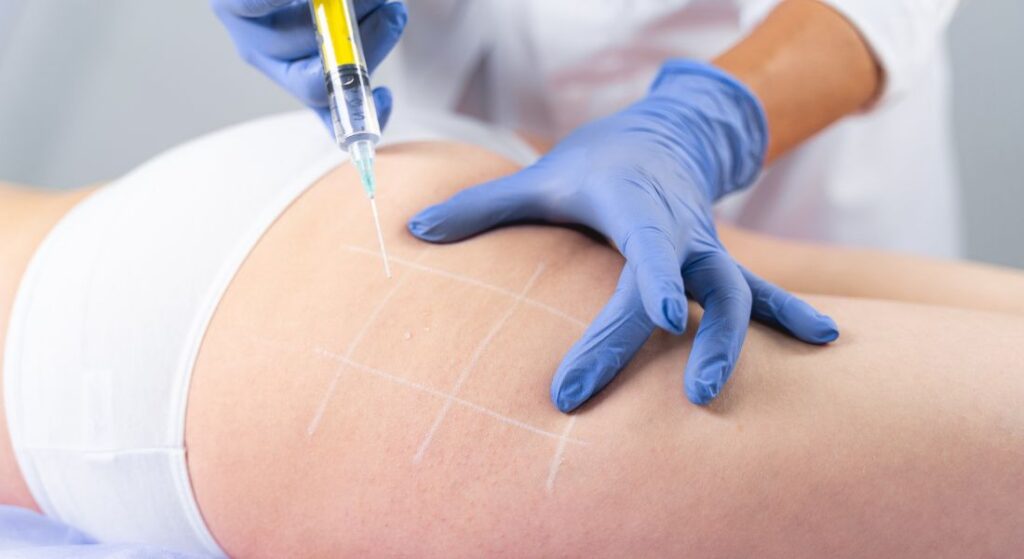
Cellulite is a structurally driven condition rather than a surface issue. Photographs alone rarely show how consistent or durable results truly are across different patients. Clinical datasets involving hundreds of treated cases show why statistics play an important role in evaluation.
| Data Aspect | What the Statistics Show | Why This Matters for You |
| Study sample size | 100–500+ patients per study | Outcomes reflect broad populations |
| Follow-up duration | 6–24 months | Durability is assessed, not just early change |
| Outcome measurement | Validated cellulite grading scales | Reduces subjective judgement |
| Reporting method | Average improvement, not best cases | Sets realistic expectations |
| Consistency across studies | High trend alignment | Improves confidence in predictability |
Clinical meaning: We rely on statistics because cellulite outcomes must be durable to be meaningful. Data shows patterns, not isolated success stories.
Clinical data reveals how treatments perform across broader populations. Outcome analysis across multiple patient groups helps us separate temporary smoothing from genuine structural correction. This distinction matters when considering long-term benefit.
We use statistics to guide realistic decision-making. Data provides clarity beyond visual marketing. It supports safer, more predictable treatment choices.
What Cellulaze Is Designed to Treat
Cellulaze is a laser-based treatment developed specifically for cellulite. It targets the fibrous septae that tether the skin downward and create visible dimpling. Anatomical studies confirm septae involvement in the majority of cellulite cases, which is why this structural focus sets it apart from topical or surface approaches.
By addressing the underlying cause, Cellulaze aims to correct rather than mask the problem. The goal is to release tension beneath the skin. Clinical follow-up data shows progressive surface improvement over several months, creating smoother contours over time.
Clinical studies reflect this intent. Effectiveness is measured by structural change rather than superficial appearance. This shapes how outcomes are assessed.
How Cellulaze Outcomes Are Measured Clinically
Clinical studies assess Cellulaze using validated cellulite severity grading scales. Imaging, physician evaluation, and patient-reported outcomes are combined. Most studies use standardised grading systems with multi-point assessment, improving measurement accuracy.
Follow-up periods extend well beyond initial healing, commonly to 6, 12, and 24 months. This allows assessment of durability rather than early cosmetic improvement alone. Short-term change is not the primary focus.
We value this long-term measurement strategy. Cellulite treatment requires durability to be meaningful. Data collected over time provides more reliable insight.
Cellulite Severity Improvement Rates
Clinical studies commonly report one to two grade improvements in cellulite severity on validated scales. These changes are usually visible within the first 3–6 months and are statistically significant compared to baseline.
| Severity Outcome | Reported Clinical Range | Interpretation |
| One-grade improvement | 60–75% of patients | Clear visible smoothing |
| Two-grade improvement | 25–40% of patients | More pronounced change |
| Time to visible improvement | 3–6 months | Structural healing phase |
| Sustained improvement at 12 months | 70–85% | Results remain stable |
| No meaningful change | <10% | Usually linked to anatomy or severity |
Why this helps: Grade-based data explains improvement clearly. Cellulaze improves cellulite severity, but does not promise complete elimination.
Severity reduction reflects real structural modification beneath the skin. Improvement rates are consistently reported across treated areas, differentiating Cellulaze from treatments that only smooth the surface temporarily.
We use this data to explain expected outcomes clearly. Improvement is meaningful but not instant. Understanding grade-based change supports realistic expectations.
How Laser Release of Septae Impacts Results
Cellulaze works by using laser energy to release fibrous septae. Once these bands are disrupted, downward tension on the skin is reduced. This allows the surface to smooth naturally.
This mechanism is central to the treatment’s effectiveness. Clinical outcome data shows a strong correlation between successful septae release and visible cellulite improvement, confirming the importance of structural correction.
Statistics consistently support this relationship. Results correlate strongly with structural intervention rather than surface smoothing alone. This reinforces the biological rationale behind the procedure.
Skin Thickening and Elasticity Data

In addition to septae release, Cellulaze stimulates collagen production. Clinical studies show increases in dermal thickness and skin elasticity, with measured dermal thickening of approximately 15–25% and elasticity improvements recorded over 3–6 months after treatment. These changes develop gradually.
Improved collagen contributes to smoother texture and better support. Skin feels firmer over time rather than simply flatter. This enhances overall appearance.
We consider this an added benefit. Collagen response supports longer-lasting results. Data confirms that benefits extend beyond mechanical release alone.
| Skin Quality Measure | Reported Change | Clinical Significance |
| Dermal thickness increase | 15–25% | Stronger internal support |
| Elasticity improvement | Measurable at 3–6 months | Smoother surface contour |
| Collagen response onset | 6–8 weeks | Gradual biological effect |
| Peak skin quality change | 3–6 months | Matches collagen remodelling |
| Persistence of improvement | 12+ months | Supports durability |
Clinical insight: Improved skin quality supports longer-lasting cellulite improvement. Data confirms benefits go beyond septae release alone.
Timeframe for Visible Improvement
Most patients begin to notice improvement within 1–3 months, reflecting early healing and initial collagen activity. Results continue to evolve beyond this stage.
Further improvement is often reported up to 6 months, aligning with known collagen remodelling timelines. Delayed improvement is expected rather than concerning.
Statistics confirm this gradual pattern. We use timeframe data to encourage patience. Understanding progression reduces unnecessary worry.
Longevity of Results: What the Data Shows

Long-term studies report sustained improvement at 12 months and beyond, with some datasets documenting maintained results for up to 36 months. This durability is notable.
Compared to non-invasive options, longevity is significantly greater, which often show benefits lasting only a few months. Structural correction supports lasting change, although individual variation remains.
Statistics describe overall trends rather than guarantees. We use this data to plan maintenance thoughtfully. Longevity supports confidence but not permanence.
Patient Satisfaction Statistics Over Time
Patient satisfaction rates with Cellulaze are consistently high. Studies frequently report satisfaction levels above 85–90% at long-term follow-up. These scores often rise over time.
Satisfaction tends to increase as swelling resolves and contours settle, with progressive improvement noted over the first 3–6 months. Early impressions may change as results mature.
Patients often value natural appearance and durability. We use satisfaction data to explain why patience matters. Understanding this curve supports confidence.
Safety Data From Clinical Studies
Clinical data shows that Cellulaze has a strong safety profile. Most reported side effects are mild and temporary, such as bruising or swelling, occurring in approximately 10–20% of patients, and typically resolving without intervention.
Serious complications are rare when the procedure is performed correctly, with reported rates below 1% in modern clinical practice. Proper technique and training significantly reduce risk.
We rely on safety statistics to guide responsible practice. Data reinforces the importance of assessment and expertise. Safety remains central to treatment planning.
Complication Rates and What They Mean
Clinical data shows that complication rates with Cellulaze are low when modern protocols are followed, with overall complication rates typically reported below 5%. Issues such as surface irregularities or prolonged discomfort are uncommon. Serious events like infection or scarring are rare in current practice, with reported rates well under 1%.
Much of the higher-risk reporting comes from older datasets, often published over a decade ago, reflecting earlier techniques and less refined protocols. Interpreting these figures without context can be misleading.
We rely on contemporary data to guide safety discussions. Updated protocols have improved predictability and reduced risk. Statistics help frame complications accurately rather than alarmingly.
Recovery Timeline Statistics
Most patients return to normal daily activities within 2–3 days, according to post-treatment recovery audits. Bruising and tenderness may persist for 2–4 weeks as part of normal healing. Compression garments are sometimes recommended during this period to support recovery.
Visible improvement develops gradually rather than immediately. Clinical follow-up data shows swelling typically subsides within the first few weeks, followed by progressive smoothing over subsequent months. This staged recovery is expected.
We use recovery statistics to support realistic planning. Understanding typical downtime reduces uncertainty. Data helps align expectations with normal healing timelines.
| Recovery Stage | Typical Timeframe | What You Can Expect |
| Return to daily activities | 2–3 days | Minimal downtime |
| Bruising / tenderness | 2–4 weeks | Part of normal healing |
| Swelling reduction | 2–3 weeks | Gradual improvement |
| Early visible smoothing | 1–3 months | Initial results appear |
| Final outcome stabilisation | 3–6 months | Full benefit develops |
Why this matters: Recovery is staged, not instant. Statistics help you plan downtime and avoid unnecessary concern during healing.
Reporting Pain and Discomfort
Cellulaze is typically performed under local anaesthesia. Patient-reported pain scores are generally low, with average ratings falling in the mild range on standard pain scales during and after the procedure. Most discomfort is described as manageable.
Symptoms tend to improve rapidly in the days following treatment, with significant reduction in reported discomfort within the first 3–5 days. Sensations may include soreness or tightness rather than sharp pain, and these effects usually settle quickly.
We reference pain data to reassure you during planning. Knowing what others experience reduces anxiety and contributes to overall satisfaction.
Comparison With Non-Invasive Cellulite Treatments
Non-invasive treatments often provide temporary smoothing of the skin surface, with reported benefits commonly lasting weeks to a few months. They do not address the structural causes of cellulite beneath the skin, which limits durability.
Cellulaze targets fibrous septae directly. Statistical comparisons show superior longevity, with sustained improvement documented at 12 months and beyond, when structural correction is achieved. This difference is clinically meaningful.
We emphasise that Cellulaze is minimally invasive. Suitability depends on goals, anatomy, and tolerance. Data helps guide appropriate selection.
Area-Specific Outcome Differences
The thighs and buttocks are the most extensively studied areas, with the majority of clinical trials focusing on these regions. These areas consistently show strong improvement rates in clinical data, with predictable structural response.
Other areas may demonstrate more variable responses. Outcome variability is reflected in wider response ranges due to differences in skin quality and septae distribution.
We use area-specific data to guide planning. Assessment remains essential to personalise treatment. Statistics support informed expectations.
Repeat Treatment and Revision Rates
Clinical studies show that repeat Cellulaze treatments are uncommon, with the majority of patients achieving desired improvement after a single session. This reflects effective structural correction rather than surface smoothing.
Revision rates reported in studies are low, with follow-up data indicating revision is required in only a small minority of cases, typically well below 5% when protocols are followed correctly. Outcomes are stable and durable.
| Treatment Outcome | Reported Frequency | Clinical Meaning |
| Single-session success | 85–90% | One treatment is usually sufficient |
| Repeat treatment required | <10–15% | Often anatomy-dependent |
| Revision procedures | <5% | Low when protocols followed |
| Long-term satisfaction | 85–90% | Stable outcomes |
| Return to baseline | Uncommon | Structural change persists |
Clinical context: Cellulaze is designed for durable correction. Statistics support restraint rather than repeated intervention.
We favour conservative approaches informed by data. Statistics suggest restraint rather than repetition. This aligns with long-term satisfaction.
Real-World Data Versus Clinical Trials
Clinical trials operate under strict protocols and controlled conditions, often involving defined sample sizes and standardised assessment criteria. This ensures clarity but limits variability. Outcomes are measured precisely.
Real-world data includes broader patient diversity, frequently drawn from hundreds to thousands of treated cases. Variation in anatomy and technique is captured, reflecting everyday practice.
When both datasets show similar trends, confidence increases. Consistency in improvement rates, safety, and durability across trial and real-world data supports reliability.
What Cellulaze Statistics Cannot Predict
Statistics cannot predict individual anatomy or response. Even when studies report average improvement, individual outcomes may fall above or below expected ranges. Complete elimination of cellulite cannot be guaranteed.
Data describes probability rather than perfection. Outcome statistics reflect likelihood, not certainty, and understanding this distinction prevents unrealistic expectations. Variability is inherent.
We prioritise transparency when discussing limits. Clear explanation builds trust. Informed understanding supports satisfaction.
Ethical Use of Cellulaze Statistics
Statistics should be used to educate, not to pressure decisions. They are most helpful when explained clearly and honestly. Most published figures represent population-level trends rather than individual guarantees, making context essential.
Ethical use of data supports informed consent. Patients deserve clarity over claims. Explaining both benefits and limitations reflected in clinical data respects understanding.
At London Medical & Aesthetic Clinic, data guides discussion rather than sales. Promises are avoided. Transparency remains central.
How Statistics Should Guide Your Decision
Clinical data supports Cellulaze as an effective treatment for appropriate candidates, with durable improvement documented at 12 months and beyond when structural causes are addressed. It is not a cosmetic quick fix.
Understanding the statistics helps align goals with reality. Evidence-based planning improves satisfaction by matching expectations to biological response.
When decisions are guided by data, outcomes feel more satisfying. Realistic understanding supports long-term confidence. Evidence-led choices lead to better results.
FAQs:
1. What do Cellulaze statistics actually tell us about effectiveness?
Cellulaze statistics show average levels of cellulite improvement across large patient groups rather than isolated success stories. They reflect how consistently cellulite severity improves when fibrous septae are released. These figures help set realistic expectations about improvement rather than complete elimination.
2. How soon do clinical studies show visible improvement after Cellulaze?
Most studies report visible improvement beginning within one to three months after treatment. This early change reflects healing and initial collagen activity rather than final results. Continued improvement is commonly observed up to six months as tissue remodelling progresses.
3. How much cellulite improvement do most patients experience according to data?
Clinical studies commonly report one to two grade improvements on validated cellulite severity scales. A one-grade improvement is the most frequent outcome, while more pronounced two-grade improvements occur in a smaller proportion of patients. These changes are considered clinically meaningful rather than subtle smoothing.
4. How long do Cellulaze results last based on long-term statistics?
Follow-up data frequently shows sustained improvement at twelve months and beyond, with some studies documenting benefits lasting up to three years. Longevity reflects structural correction rather than surface change. Results are durable, although natural ageing and anatomy still influence long-term appearance.
5. What do patient satisfaction statistics show over time?
Patient satisfaction rates are consistently high, commonly reported above eighty-five percent at long-term follow-up. Satisfaction often increases over time as swelling settles and contours smooth further. This delayed satisfaction pattern reflects gradual structural improvement rather than instant cosmetic change.
6. How safe is Cellulaze according to clinical evidence?
Large clinical datasets show Cellulaze has a strong safety profile when performed correctly. Most side effects are mild and temporary, such as bruising or tenderness. Serious complications are rare, with modern studies reporting rates well below one percent.
7. How common are complications or revisions in Cellulaze studies?
Modern clinical data reports overall complication rates below five percent, with revision procedures required in only a small minority of cases. Most patients achieve satisfactory improvement after a single session. Higher complication figures usually come from older studies using outdated techniques.
8. How does Cellulaze compare statistically with non-invasive cellulite treatments?
Statistical comparisons show that non-invasive treatments often provide short-term smoothing lasting weeks or months. Cellulaze demonstrates significantly longer durability, with maintained improvement at twelve months and beyond. This difference is linked to structural correction rather than surface effects.
9. Can Cellulaze statistics predict individual results exactly?
Statistics cannot predict exact outcomes for an individual patient. They describe probability rather than certainty and cannot guarantee complete cellulite removal or uniform improvement. Individual anatomy, skin quality, and cellulite severity all influence personal results.
10. How should patients use Cellulaze statistics when deciding on treatment?
Statistics should be used to understand typical outcomes, timelines, and durability rather than to expect perfection. When expectations align with clinical evidence, satisfaction is higher. Data helps patients make informed, confident decisions grounded in reality rather than marketing claims.
Final Thoughts: Interpreting Cellulaze Results With Confidence
When you look at the statistics behind Cellulaze, a clear picture emerges. The treatment is designed to address the structural causes of cellulite, not just smooth the surface temporarily. Clinical data consistently shows meaningful improvement in cellulite severity, high long-term patient satisfaction, and results that can last well beyond a year when the fibrous septae are effectively released. Understanding these figures helps you set realistic expectations and appreciate why outcomes develop gradually rather than overnight.
Statistics also highlight the importance of proper assessment and technique. Cellulaze is not a one-size-fits-all solution, and results depend on anatomy, cellulite severity, and how the treatment is planned. When expectations are aligned with evidence, patients tend to feel more confident and satisfied with their results over time. If you’re considering Cellulaze treatment in London, you can contact us at the London Medical & Aesthetic Clinic.
References:
1. DiBernardo, B.E., Sasaki, G.H., Katz, B.E., Hunstad, J.P., Petti, C. and Burns, A.J., 2016. A multicenter study for cellulite treatment using a 1440-nm Nd:YAG wavelength laser with side-firing fiber. Aesthetic Surgery Journal, 36(3), pp.335–343. https://pmc.ncbi.nlm.nih.gov/articles/PMC5127477/
2. Gabriel, A. and Kaminer, M.S., 2023. Cellulite: current understanding and treatment. Aesthetic Surgery Journal Open Forum, 5(1), article ojad050. https://pmc.ncbi.nlm.nih.gov/articles/PMC10324940/
3. Sadick, N.S., 2019. Treatment for cellulite: review of evidence and laser-based approaches. Lasers in Surgery and Medicine, 51(S31), pp.S31–S38. https://www.sciencedirect.com/science/article/pii/S2352647518300418
4. Treatment for cellulite: evidence and therapeutic options (Cellulite review including 1440-nm laser studies). https://pubmed.ncbi.nlm.nih.gov/30809581/
5. DiBernardo, B.E., 2013. Single treatment of grades II and III cellulite using a minimally invasive 1440-nm Nd:YAG laser and side-firing fiber: institutional review board-approved study with 24-month follow-up. https://pmc.ncbi.nlm.nih.gov/articles/PMC5234561/