


CO₂ laser treatment is a powerful dermatological tool used to improve skin texture, reduce acne scars, and enhance overall skin quality. It works by delivering controlled energy into the skin, stimulating collagen production and supporting the body’s natural healing. If you are considering this treatment, know that its effectiveness depends heavily on correct technique and clinical judgement.
Black skin has unique biological characteristics that influence how it responds to laser energy. Because of higher melanin content, there is an increased risk of pigmentation changes if treatment is not carefully planned and adjusted. This means that the way your skin is assessed and treated plays a major role in both safety and outcome.
Even small differences in laser settings, technique, or aftercare can affect your results. Experienced practitioners carefully tailor these details, understanding how darker skin responds during healing. This level of precision helps reduce complications and supports more consistent outcomes.
For this reason, CO₂ laser treatment should always be performed by someone with strong experience in both laser technology and skin of colour. When your practitioner understands these nuances, your treatment is more likely to be both safe and effective, with a lower risk of unwanted side effects.
Understanding the Complexity of Black Skin
Black skin contains higher levels of melanin, which provides natural protection against sun damage. However, if you are considering laser treatment, you should be aware that this also means your skin can respond more strongly to inflammation or injury.
When your skin is treated with a laser, this inflammatory response can sometimes lead to temporary or longer-lasting pigmentation changes. You may notice that healing behaves differently compared to lighter skin tones, which is why careful planning becomes essential.
Experienced practitioners understand these biological differences and adjust their approach accordingly. They take into account how your skin is likely to respond and tailor settings and aftercare to support safer healing and more predictable outcomes.
Why CO₂ Laser Requires Precision
CO₂ laser is an ablative treatment, meaning it creates controlled injury within your skin to stimulate repair and collagen production. If you are considering this treatment, it is important to understand that the depth and intensity of this controlled injury must be carefully balanced to achieve results safely.
Precision is essential because too much energy can increase the risk of complications such as prolonged redness or pigmentation changes, while too little energy may not deliver meaningful improvement. You may notice that even small adjustments in settings can significantly change how your skin responds.
This level of balance is not automatic; it develops through training and clinical experience. An experienced practitioner is better able to judge how your skin will respond and adjust treatment accordingly for safer, more predictable outcomes.
Importance of Individual Treatment Planning

If you’re considering CO₂ laser treatment, it’s important to understand that no two patients require exactly the same approach. Your skin type, the severity of your scarring, your medical history, and even how your skin naturally heals all influence how your treatment should be planned. Because of these differences, experienced practitioners take time to assess your skin carefully before deciding on laser settings. This ensures the treatment is tailored specifically to you rather than using a one-size-fits-all approach.
1. Your Skin Characteristics Are Individually Assessed: You may find that your practitioner evaluates factors like skin type, texture, and sensitivity before treatment. These details help guide the most appropriate laser settings for you.
2. Scar Severity Influences the Plan: If your scars are deeper or more complex, your treatment approach may differ from someone with milder concerns. This allows the procedure to be adjusted to your specific needs.
3. Your Medical History Matters: Any previous skin conditions or relevant medical history will be considered. This helps ensure the treatment is safe and suitable for you.
4. Personalisation Improves Safety and Results; A customised approach helps balance effectiveness with safety, particularly in darker skin tones where the risk of pigmentation changes may be higher. This careful planning supports more predictable outcomes.
Overall, individual treatment planning is a key part of CO₂ laser procedures. Since your skin is unique, your treatment should be tailored specifically to you rather than following a standard formula. This is especially important for ensuring both safety and effectiveness. By personalising the approach, your practitioner can help you achieve the most appropriate and balanced results for your skin.
Selecting Safe Laser Settings
One of the most critical aspects of CO₂ laser treatment is selecting the correct laser settings. These typically include energy levels, density, and treatment depth, all of which directly influence how your skin responds during and after the procedure.
In Black skin, conservative settings are often preferred to reduce the risk of post-inflammatory hyperpigmentation and other complications. At the same time, the settings still need to be strong enough to stimulate meaningful skin improvement. If you are undergoing treatment, this balance is carefully considered for your skin type.
Experienced practitioners understand how to adjust these variables safely and effectively. Their ability to balance safety with results plays a key role in achieving predictable outcomes and supporting healthier healing.
Understanding the Risk of Hyperpigmentation
Post-inflammatory hyperpigmentation (PIH) is one of the most common concerns when treating darker skin with lasers. It occurs when inflammation triggers an overproduction of melanin in the skin. If you are undergoing CO₂ laser treatment, this is something your practitioner will carefully consider.
While PIH is not always permanent, it can take weeks or even months to fade and may temporarily affect how your results appear. In some cases, it can make improvements less visible during the healing phase, which is why prevention is so important.
Reducing the risk of PIH is a key priority in treatment planning. Experience plays a major role here, as skilled practitioners know how to adjust settings and aftercare advice to minimise inflammation and support safer healing outcomes.
The Role of Fractional CO₂ Technology
Fractional CO₂ laser technology has significantly improved safety for many skin types, including Black skin. It works by treating small micro-zones of the skin rather than the entire surface, which allows your skin to heal in a more controlled and gradual way.
Because untreated surrounding tissue remains intact, it supports faster healing and can help reduce overall downtime. If you are undergoing treatment, this approach is often chosen to balance effectiveness with a lower risk of complications such as pigmentation changes.
However, even advanced technology requires correct usage to achieve safe results. The settings, technique, and treatment planning still need to be carefully adjusted by an experienced practitioner to ensure your skin responds appropriately.
Recognising Subtle Skin Differences
Experienced practitioners are trained to notice subtle differences in skin texture, tone, and sensitivity that may not be immediately obvious. If you are receiving CO₂ laser treatment, these small variations in your skin can influence how it responds during and after the procedure.
Small adjustments in technique are often made based on how your skin behaves in real time. This may include modifying energy levels or treatment patterns to ensure your skin is responding safely and effectively throughout the session.
This level of judgement is developed through hands-on clinical experience over time. It allows practitioners to make more informed decisions during treatment, which helps support safer outcomes and more predictable results.
Managing Pre-Treatment Preparation
If you’re preparing for CO₂ laser treatment, it’s important to understand that what you do beforehand can have a real impact on your results. Pre-treatment preparation helps ensure your skin is in the best possible condition before the procedure. In some cases, you may be advised to follow a specific skincare routine in the weeks leading up to treatment. This step is often tailored to your skin type and individual needs.
1. Pre-Treatment Care Can Influence Results: The way you prepare your skin before CO₂ laser treatment can affect how well it heals afterwards. Good preparation may help support a smoother recovery process.
2. You May Need a Tailored Skincare Routine: Depending on your skin type, your practitioner may recommend specific products or routines. These are chosen to help optimise your skin condition before treatment.
3. Helps Reduce Risk of Inflammation: Proper preparation can help minimise the risk of excessive inflammation after treatment. This is especially important for more sensitive or darker skin types.
4. Often an Overlooked but Important Step: Pre-treatment planning is sometimes underestimated, but it plays a key role in overall outcomes. Careful preparation helps support both safety and effectiveness.
Overall, preparing your skin before CO₂ laser treatment is an important part of the process. If you’re undergoing treatment, following your practitioner’s advice can help improve both healing and results. This stage is not just a formality but a meaningful step in reducing risk and supporting better outcomes. Taking preparation seriously can make a noticeable difference to your overall experience.
Importance of Test Spots in Some Cases
In certain situations, a small test area may be treated before the full CO₂ laser procedure begins. This allows your practitioner to observe how your skin responds to the laser in a controlled way before proceeding further.
This step can be particularly useful in darker skin types, where pigment response may be less predictable. If you are undergoing treatment, it provides an added layer of safety by helping to identify how your skin is likely to react.
Experience plays an important role in deciding when this approach is appropriate. A skilled practitioner will assess whether a test spot is necessary based on your skin type, history, and overall treatment plan.
Controlling Depth of Treatment
The depth of laser penetration is one of the most important factors in CO₂ laser treatment. Deeper treatments may help improve acne scars more effectively, but they can also increase the risk of side effects if not carefully managed.
Experienced practitioners adjust treatment depth based on your skin condition, scar type, and overall goals. If you are undergoing treatment, this ensures that the approach is tailored rather than overly aggressive or overly conservative.
Finding the right balance is essential for safe and effective outcomes. Careful control of depth helps improve results while reducing the likelihood of complications, especially in skin types that are more sensitive to inflammation.
Understanding Healing Patterns
Not all skin heals in the same way after CO₂ laser treatment. If you are undergoing the procedure, you may notice that recovery varies from person to person, with some individuals healing more quickly while others experience a longer recovery period.
In some cases, temporary pigmentation changes can also occur during the healing phase. These are usually part of the skin’s natural response to inflammation and may gradually settle over time, depending on individual factors.
Experienced practitioners are familiar with these variations and take them into account when planning treatment. Understanding how your skin is likely to heal is an important part of achieving safer, more predictable long-term results.
Importance of Post-Treatment Care Guidance

If you’re undergoing CO₂ laser treatment, what you do after the procedure is just as important as the treatment itself. Aftercare plays a critical role in how well your skin heals and the quality of your final results. Proper guidance helps reduce the risk of complications and supports a smoother recovery process. This is why your practitioner will usually provide detailed, personalised aftercare instructions based on your skin type and treatment.
1. Aftercare Helps Support Healing: Following the correct aftercare routine helps your skin recover more effectively. This can also contribute to better overall treatment results.
2. Skincare Guidance May Be Provided: You may be advised to use specific products after treatment. These are chosen to support healing and reduce irritation.
3. Sun Protection Is Especially Important: Protecting your skin from the sun is essential during the healing phase. This helps reduce the risk of pigmentation changes and supports more stable results.
4. Certain Products May Need to Be Avoided: You may need to temporarily avoid active skincare ingredients or harsh products. This helps prevent irritation while your skin is healing.
Overall, post-treatment care is a crucial part of the CO₂ laser process. If you’re having treatment, following your practitioner’s instructions carefully can make a significant difference to your recovery. Good aftercare helps reduce complications and supports more predictable outcomes. With the right guidance, your skin can heal more safely and effectively.
Managing Patient Expectations
One of the most important roles of an experienced practitioner is managing expectations. If you are considering CO₂ laser treatment, it is important to understand that while it can improve skin texture and scars, results can vary from person to person.
Improvement is usually gradual rather than immediate, and it may not completely remove all signs of scarring. This is a normal part of the treatment process and depends on factors such as your skin type, scar depth, and healing response.
Clear communication between you and your practitioner helps ensure you have realistic expectations from the start. This makes the treatment journey more transparent and helps you better understand what can be achieved over time.
Reducing Risk Through Gradual Treatment
In Black skin, gradual treatment approaches are often safer than aggressive single-session CO₂ laser procedures. If you are undergoing treatment, your practitioner may recommend multiple lower-intensity sessions rather than one strong treatment to help protect your skin.
This method helps reduce inflammation and allows your skin to recover more effectively between sessions. By spreading treatment over time, the risk of complications such as post-inflammatory hyperpigmentation can also be lowered.
Experience is key in deciding the most suitable treatment schedule. A skilled practitioner will assess how your skin responds and adjust the plan accordingly to ensure both safety and steady improvement.
Identifying Contraindications
Not all patients are suitable for CO₂ laser treatment. If you are considering this procedure, it is important to know that certain medical conditions, skin histories, or existing pigmentation issues may increase the risk of complications.
Experienced practitioners are trained to carefully assess these factors before recommending treatment. This evaluation helps determine whether CO₂ laser is appropriate for your skin or whether an alternative approach may be safer for you.
Ensuring patient safety is always the top priority. By identifying contraindications early, practitioners can reduce unnecessary risks and support more appropriate, individualised treatment planning.
Handling Complications if They Occur
Although complications are uncommon when CO₂ laser is performed by experienced practitioners, they can still occur. These may include prolonged redness, delayed healing, or temporary pigmentation changes. If you are undergoing treatment, it is important to be aware that every skin type can respond differently.
Experienced practitioners are better equipped to recognise these issues early and adjust the treatment plan or aftercare as needed. Their ability to identify subtle changes in your skin response helps prevent minor concerns from developing into more significant problems.
Timely intervention can make a meaningful difference to outcomes. With prompt and appropriate management, many complications can be reduced in severity and resolved more effectively, supporting a safer overall treatment journey.
Continuous Learning and Training
If you’re considering CO₂ laser treatment, it’s reassuring to know that the field is constantly evolving. Laser technology and treatment protocols continue to advance, and experienced practitioners are expected to stay updated with the latest research and techniques. This ongoing learning helps ensure that treatments remain as safe and effective as possible. In aesthetic medicine, keeping up with developments is an important part of delivering high-quality care.
1. Laser Technology Is Always Advancing: You benefit from ongoing improvements in laser systems and treatment methods. These advancements help make procedures more precise and adaptable.
2. Practitioners Stay Updated With Research: Experienced clinicians regularly review new studies and clinical findings. This helps them refine their approach based on current evidence.
3. Ongoing Training Improves Safety: Continuous education allows practitioners to improve their technical skills and decision-making. This can contribute to safer and more effective treatments for you.
4. Commitment to Learning Is Essential: In aesthetic medicine, staying up to date is not optional but essential. It ensures that treatment approaches evolve alongside scientific and technological progress.
Overall, Experienced practitioners continue learning about CO₂ laser treatments to stay up-to-date with the latest techniques. This means when you undergo treatment, your practitioner is using the most current knowledge to keep you safe and improve results. This commitment helps improve both safety and treatment outcomes. As technology evolves, ongoing education ensures that your treatment benefits from the most up-to-date techniques available.
Why Experience Affects Results

Experience influences every stage of CO₂ laser treatment, from the initial consultation through to aftercare. If you are undergoing this procedure, the way your practitioner assesses your skin and selects treatment settings will directly shape your overall outcome.
It also affects how your skin is monitored during healing and how adjustments are made if needed. Even small decisions, such as changes in energy level or timing between sessions, can have a noticeable impact on final results.
This is why expertise is so important in CO₂ laser procedures. A skilled practitioner is better able to balance safety with effectiveness, helping you achieve more consistent and predictable improvements over time.
Choosing the Right Practitioner
When you are considering CO₂ laser treatment, selecting a qualified and experienced practitioner is essential. You should look for someone who understands darker skin types and has hands-on experience treating similar concerns, as this directly affects both safety and results.
A thorough consultation is often a good indicator that your practitioner is taking a careful and responsible approach. If you are being properly assessed, your skin type, history, and treatment goals should all be discussed in detail before any decisions are made.
Your safety and results depend heavily on this choice. Choosing the right practitioner helps ensure your treatment is planned appropriately, reducing risks and supporting more predictable outcomes.
Exploring Safe Treatment Options
If you are considering CO₂ laser resurfacing, it is important to choose a practitioner who understands the specific needs of Black skin. If you are planning treatment, you should expect a careful assessment that takes your skin type, history, and concerns into account before anything begins.
Proper planning plays a key role in reducing risks and improving outcomes. You may notice that experienced practitioners take time to explain the process, adjust expectations, and design a treatment plan that suits your individual skin response rather than using a standard approach.
Experience is one of the most important factors in achieving safer and more effective results. When combined with careful assessment and tailored planning, it helps support a treatment journey that is both controlled and appropriate for your skin.
FAQs:
1. Why does practitioner experience matter for CO₂ laser on Black skin?
Practitioner experience is essential because Black skin has higher melanin levels, which increases the risk of pigmentation changes if treatment is not handled correctly. An experienced practitioner understands how to adjust laser settings safely and reduce complications. This helps ensure more predictable and balanced results. Without this expertise, the risk of adverse effects can be significantly higher.
2. Is CO₂ laser safe for Black skin when performed correctly?
Yes, CO₂ laser can be safe for Black skin when performed by a skilled and experienced practitioner. Safety depends on correct settings, proper assessment, and careful aftercare planning. Lower energy and fractional techniques are often used to reduce risks. When done properly, the treatment can deliver good results with minimal complications.
3. What risks are higher when treating Black skin with CO₂ laser?
The main risk is post-inflammatory hyperpigmentation (PIH), where the skin darkens after inflammation or injury. There is also a risk of uneven healing if settings are too aggressive. These risks are higher if treatment is not tailored correctly. Experience plays a key role in reducing these complications.
4. How do experienced practitioners choose the right laser settings?
Experienced practitioners assess skin type, scar depth, and overall skin sensitivity before selecting settings. They carefully balance energy levels, density, and depth to ensure effectiveness without over-treating the skin. This personalised approach helps minimise risk while still achieving improvement. Each treatment plan is adjusted based on individual needs.
5. What is post-inflammatory hyperpigmentation (PIH)?
PIH is a temporary darkening of the skin that can occur after inflammation or skin injury, including laser treatment. It is more common in darker skin tones due to increased melanin activity. While it may fade over time, it can delay visible results. Proper technique and aftercare help reduce the likelihood of PIH.
6. Why is fractional CO₂ laser often used for Black skin?
Fractional CO₂ laser treats small micro-areas of skin rather than the entire surface. This allows surrounding healthy skin to support faster healing and reduces overall downtime. It is considered safer for darker skin types when used correctly. However, it still requires expert handling to avoid complications.
7. Can inexperienced practitioners increase the risk of complications?
Yes, inexperienced practitioners may choose inappropriate settings or fail to recognise subtle skin differences. This can increase the risk of pigmentation issues, burns, or uneven healing. Proper training and experience are crucial for safe outcomes. Choosing a qualified practitioner significantly reduces these risks.
8. How does experience affect CO₂ laser results?
Experience influences every stage of treatment, from consultation to aftercare. Skilled practitioners make better decisions about settings, depth, and treatment intensity. They also understand how different skin types respond during healing. This leads to safer procedures and more consistent results.
9. Is aftercare different for Black skin after CO₂ laser?
Aftercare principles are similar, but extra attention is often given to preventing pigmentation changes in Black skin. This includes strict sun protection and carefully selected skincare products. Experienced practitioners tailor aftercare advice to support safe healing. Following instructions closely is essential for good results.
10. How can I choose the right practitioner for CO₂ laser treatment?
You should look for a practitioner with proven experience in treating darker skin types and performing CO₂ laser procedures. A detailed consultation, clear explanation of risks, and personalised planning are good signs of expertise. It is also helpful to check their training and clinical background. Choosing the right practitioner is key to both safety and results.
Final thoughts: CO₂ laser treatment for Black skin
When you are considering CO₂ laser treatment for Black skin, the most important factor is not just the technology, but the person using it. You get the safest and most effective results when your practitioner understands how your skin responds to laser energy and takes a cautious, tailored approach. This helps you reduce risks like pigmentation changes while still achieving visible improvement in skin texture.
Your experience during treatment is shaped by many small decisions, from the laser settings used to how your skin is assessed before the procedure. When you are treated by someone experienced, these decisions are adjusted specifically for your skin type and concerns. That careful planning is what helps you get more predictable and balanced results over time.
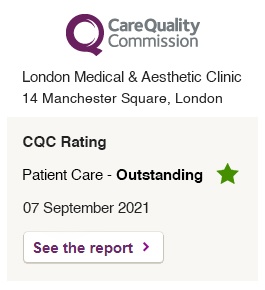
Aftercare is just as important as the treatment itself, and you will usually see better outcomes when you follow clear, personalised guidance. Your skin needs time to heal properly, and the right support helps you avoid complications and maintain results long term. If you are considering CO2 laser treatment in London, you can contact us at the London Medical & Aesthetic Clinic to discuss your suitability and treatment options.
References:
1. Hantash, B.M. and colleagues (2013) ‘Fractional carbon dioxide laser resurfacing’, Seminars in Plastic Surgery, 26(3), pp. 117–124. Available at: https://pmc.ncbi.nlm.nih.gov/articles/PMC3580980/
2. Belletti, S., Madeddu, F., Brando, A., et al. (2023) ‘Laser impacts on skin rejuvenation: The use of a synergistic emission of CO₂ and 1540 nm wavelengths’, Medicina, 59(10), p.1857. Available at: https://www.mdpi.com/1648-9144/59/10/1857
3. Dakhil, A.B. (2023) ‘Post‑inflammatory hyperpigmentation after carbon dioxide laser therapy: incidence, risk factors, and prevention’, Dermatology Reviews. Available at: https://pmc.ncbi.nlm.nih.gov/articles/PMC10777097/
4. Dattola, A. et al. (2025) ‘Fractional CO₂ laser for acne and aesthetic indications: safety, outcomes, and side effects’, Cosmetics, 12(6), p.251. Available at: https://www.mdpi.com/2079-9284/12/6/251
5. Li, P., Zhang, Q., Tao, C., Liang, H. and Li, D., 2025. Pulsed dye laser, fractional CO₂ laser, or combination for burn scar treatment: a systematic review and network meta-analysis. Lasers in Medical Science, 40(1), p.389. Available at: https://pubmed.ncbi.nlm.nih.gov/41003790/