


In the world of CO₂ laser treatment, understanding how the laser interacts with your skin’s different layers is essential. You might have heard that CO₂ lasers can effectively resurface the skin, stimulate collagen, and even reduce wrinkles, but what exactly happens in the epidermis (skin’s surface) and the dermis (deeper skin layer)? The depth of treatment is key, and knowing how these two layers react will guide your expectations when it comes to results, recovery, and long-term benefits.
This article will walk you through how CO₂ laser resurfacing targets both the surface and deeper layers of the skin. We’ll cover why the depth matters, how it affects the epidermis and dermis, and why the right treatment plan can have a huge impact on your skin health and appearance.
What Is CO₂ Laser Resurfacing?
CO₂ laser resurfacing is an advanced treatment that uses a focused beam of light to target and remove damaged skin. The laser energy creates microscopic columns of heat, stimulating the skin’s natural healing process and promoting collagen production. This treatment can address everything from fine lines and wrinkles to acne scars and uneven pigmentation.
By targeting both the epidermis and dermis, CO₂ lasers offer a comprehensive solution for improving skin texture and elasticity. It is often seen as one of the most effective tools in aesthetic treatments, providing dramatic yet natural-looking results.
The Epidermis: The Skin’s Outer Layer
The epidermis is the outermost layer of skin. It acts as a protective barrier against external elements like pollution, bacteria, and UV rays. When the CO₂ laser targets the epidermis, it removes the outer layer of dead and damaged skin cells. This process is known as skin resurfacing and is particularly effective for treating surface-level issues like sun spots, superficial wrinkles, and uneven skin tone.
By gently exfoliating the skin’s surface, the laser helps reveal fresher, smoother skin underneath. This treatment can also stimulate collagen production, which improves the overall texture and health of the skin.
What Happens When CO₂ Laser Targets the Dermis?
While the epidermis benefits from superficial resurfacing, it’s the dermis the deeper layer of skin where the real transformation occurs. CO₂ lasers penetrate into this layer, stimulating the production of collagen and elastin, two vital components that contribute to the skin’s structure and elasticity.
By targeting the dermis, CO₂ laser treatment effectively addresses deeper wrinkles, skin sagging, and scarring. This deeper action promotes skin tightening and helps reduce the appearance of more severe imperfections. The results may take a little longer to become visible, as collagen regeneration takes time, but the effects are often more long-lasting.
This approach helps improve both the texture and overall resilience of your skin, delivering smoother, firmer results that continue to improve over time.
Surface vs Dermal Treatment: Why Depth Matters
The depth of treatment during CO₂ laser resurfacing plays a major role in the results you achieve and the time it takes for recovery. Whether you’re looking for quick improvements or more dramatic skin changes, the depth of the treatment needs to match your goals and skin type.
Here’s how depth affects the treatment:
1. Shallow Treatments Focus on the Surface – Shallow treatments target only the top layer of the skin (epidermis). These provide quicker results, improve texture, and help with pigmentation issues, with less downtime required.
2. Deeper Treatments Target the Dermis – Deeper treatments penetrate further into the skin, reaching the dermis. This allows for more significant changes in skin firmness, tone, and the reduction of deeper wrinkles, but requires a longer recovery time.
3. Quicker Results vs Longer-Term Improvements – Shallow resurfacing offers more immediate visual improvements, while deeper treatments take longer to heal but provide more dramatic and lasting results in terms of skin texture and overall appearance.
4. Choosing the Right Depth for Your Goals – The right depth depends on your skin type, your concerns, and how quickly you want to see results. Understanding this helps us tailor the treatment to suit your individual needs, ensuring the best possible outcome.
Selecting the correct treatment depth ensures your results align with your expectations and lifestyle. Whether you’re after a quick refresh or a more significant transformation, we work with you to create the best plan for your skin.
What Happens to Your Skin After CO₂ Laser Treatment?
After CO₂ laser resurfacing, the epidermis will begin to heal relatively quickly. You may experience some redness, swelling, and peeling as the skin regenerates. However, the new skin that forms will be smoother, more even in tone, and healthier. The epidermis typically heals within 1 to 2 weeks. The dermal healing process takes longer. As collagen is being rebuilt deep within the skin, you will notice improvements in skin tightness and texture over the following months. This gradual change contributes to the skin’s youthful appearance and improved elasticity.
What Are the Benefits of Fractional CO₂ Lasers?
Fractional CO₂ lasers provide a more advanced approach to resurfacing by breaking the laser beam into tiny micro-columns. This fractionated pattern targets specific areas of the skin, leaving the surrounding tissue intact, which promotes faster healing and reduces downtime.
These lasers are versatile, able to target both the epidermis and dermis, making them effective for a variety of skin concerns. Whether you’re addressing wrinkles, pigmentation, or scarring, fractional CO₂ lasers offer a tailored treatment to suit your skin’s unique needs.
By treating the skin in smaller, controlled zones, fractional CO₂ lasers allow for precise results with minimal recovery time compared to traditional CO₂ lasers. This customisable approach ensures a treatment that aligns with your specific skin goals and healing preferences.
How Long Does It Take to See Results?
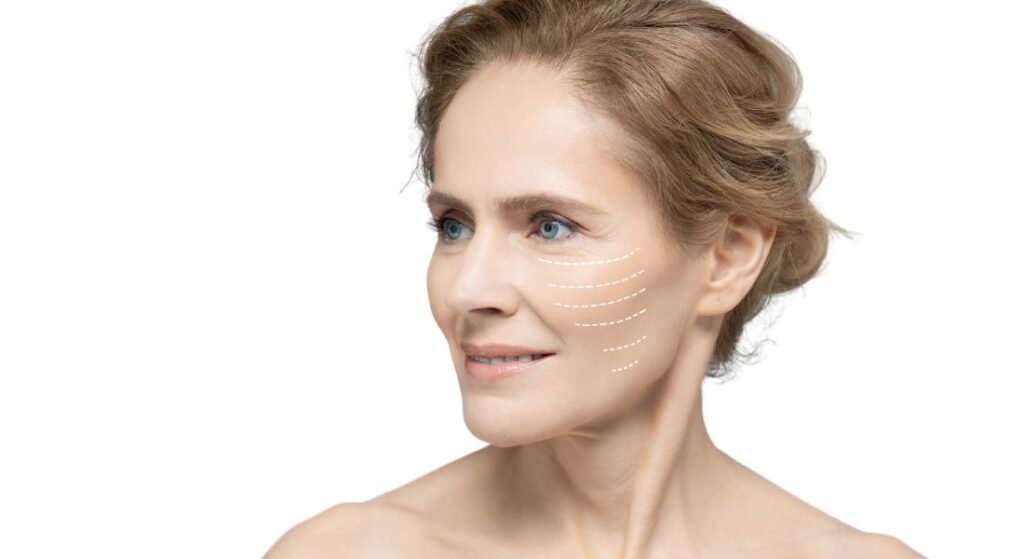
While surface-level improvements can be noticed in a few days to weeks, dermal changes can take longer to show. As the collagen rebuilds in the dermis, you will begin to notice tighter, firmer skin over the course of several weeks to months. This is because the process of collagen regeneration takes time.
The full effects of CO₂ laser treatment may not be fully visible until around 3 to 6 months after the procedure, but patience is rewarded with smoother, firmer skin that lasts much longer than treatments that only target the epidermis.
CO₂ Laser vs Other Laser Treatments
CO₂ laser resurfacing is an ablative laser treatment, meaning it removes layers of the skin. Other laser treatments, like non-ablative lasers, work by stimulating collagen production without removing any skin tissue. While non-ablative lasers are effective for minor imperfections, CO₂ lasers provide more dramatic results, especially for deep wrinkles, acne scars, and skin laxity.
If you’re looking for more profound skin improvements, CO₂ laser treatment is often the preferred option, especially for patients with deeper skin concerns.
Who Is an Ideal Candidate for CO₂ Laser?
The best candidates for CO₂ laser resurfacing are individuals with fine lines, wrinkles, sun damage, or acne scars. The treatment works particularly well for those with fair to medium skin tones, as darker skin tones may be more prone to hyperpigmentation post-treatment.
During your consultation, your aesthetic specialist will assess your skin type, concerns, and overall goals to determine if CO₂ laser resurfacing is right for you. It’s important to ensure that you are in good health and free from active skin conditions before undergoing any type of laser treatment.
The Importance of Choosing an Experienced Practitioner
When considering CO₂ laser treatment, choosing an experienced practitioner is one of the most important decisions you can make. The skill and knowledge of your provider directly affect the quality of your results and the safety of the procedure.
Here’s why experience matters:
1. Precision and Expertise Are Essential – CO₂ laser resurfacing requires high precision, especially when deciding on the treatment depth. An experienced practitioner can tailor the treatment to your skin type, goals, and concerns, ensuring the best possible outcome.
2. Proper Depth Determination Is Key – The right depth is crucial for achieving the desired results without compromising skin health. Experienced practitioners are skilled at evaluating your skin and selecting the optimal depth for a balance of effective results and minimal downtime.
3. Minimising Risks with Expert Care – An experienced provider knows how to manage any potential complications and adjust the treatment as needed. This reduces risks and enhances your overall experience, ensuring that you feel comfortable and confident throughout the process.
4. Customised Treatment for Your Individual Needs – Each person’s skin is unique, and an experienced specialist will customise the treatment to suit your specific needs. This ensures that the treatment is not only effective but also safe for your skin type.
Choosing a skilled CO₂ laser practitioner ensures that you get the most from your treatment. With the right expertise, you can achieve smoother, more youthful-looking skin with minimal risk and maximum results.
Aftercare Tips for CO₂ Laser Resurfacing

Proper aftercare is essential to ensure a smooth recovery and the best possible results. After your CO₂ laser treatment, we recommend avoiding direct sun exposure for at least a few weeks. Protecting your skin from UV rays is key to preventing damage and promoting healing.
Use gentle skincare products that support the healing process and avoid anything too harsh. Hydrating and moisturising regularly helps keep your skin comfortable and prevents dryness. By following these simple steps, you give your skin the best chance to recover well.
It’s also important to follow all post-treatment instructions given by your clinic. Adhering to these guidelines helps reduce the risk of complications such as hyperpigmentation or scarring, allowing you to enjoy the full benefits of your treatment.
Potential Side Effects of CO₂ Laser Treatment
While CO₂ laser resurfacing is generally safe, there are some risks to be aware of. You may experience redness and swelling immediately after treatment, as well as temporary scabbing or peeling as your skin heals. These are normal responses, but it’s important to monitor how your skin is reacting.
In some cases, hyperpigmentation (dark spots) or hypopigmentation (light spots) can occur, especially if aftercare is not followed properly. Although scarring is rare, it can happen, particularly if you don’t stick to the aftercare guidelines provided.
To minimise these risks, it’s crucial to follow aftercare instructions carefully and attend all follow-up appointments. This helps ensure that your skin heals as expected and reduces the chance of any complications.
How Much Downtime Is Needed for CO₂ Laser Treatment?
The downtime for CO₂ laser resurfacing can vary depending on the depth of treatment. Shallow treatments typically have a shorter recovery period, with some patients returning to work within a few days. However, deeper treatments may require 1–2 weeks of recovery time, with significant redness and swelling.
Your aesthetic specialist will guide you on what to expect during recovery, based on the depth and intensity of your treatment.
Long-Term Benefits of CO₂ Laser Treatment
CO₂ laser resurfacing is unique in that its benefits continue long after the treatment itself. While you’ll notice immediate improvements in your skin’s appearance, the true power of this treatment lies in the long-term changes that develop as collagen production is stimulated deep within the skin.
Here’s how the long-term benefits unfold:
1. Collagen Production Stimulates Skin Renewal – CO₂ laser treatment works by stimulating collagen production in the dermis. This helps to regenerate the skin and improve its overall structure, leading to smoother, firmer skin over time.
2. Immediate Improvements Are Just the Beginning – You’ll see instant improvements in skin texture and tone, but the real magic happens as your skin heals. Collagen continues to rebuild, giving your skin a more youthful appearance that develops gradually.
3. Lasting Enhancements in Skin Texture, Firmness, and Elasticity – As your skin recovers and strengthens, you’ll notice lasting improvements in texture, firmness, and elasticity. These benefits continue to build as the healing process progresses, with noticeable results lasting for months.
4. Long-Term Skin Health Is Supported – The collagen boost and skin regeneration process that CO₂ laser kickstarts also supports your skin’s long-term health. Your skin becomes more resilient to future damage and aging signs, keeping it youthful for longer.
The long-term effects of CO₂ laser treatment go far beyond a quick refresh. With ongoing collagen production, your skin becomes smoother, firmer, and more youthful, offering lasting benefits that improve over time.
How to Maintain Results After CO₂ Laser Treatment
To maintain the results of CO₂ laser resurfacing, it’s important to adopt a good skincare routine that includes sun protection, moisturisation, and hydration. Periodic touch-up treatments may also be recommended to keep your skin looking fresh and rejuvenated. Regular follow-up appointments with your aesthetic specialist will help ensure that your skin remains healthy and that you continue to enjoy the benefits of your CO₂ laser treatment.
FAQs:
1. How does CO₂ laser resurfacing affect the skin differently at the surface and dermis levels?
CO₂ laser resurfacing works by targeting both the epidermis (surface layer) and dermis (deeper skin layer). At the surface, it removes damaged skin cells, helping improve texture and tone by addressing issues like wrinkles, sun spots, and uneven pigmentation. In the dermis, the laser stimulates collagen production, which helps firm the skin and improve its overall structure. The depth of the treatment directly influences the extent of improvement in skin quality, with surface treatments offering faster results, while dermal treatments provide longer-lasting changes such as reduced wrinkles and tighter skin.
2. What happens to my skin immediately after CO₂ laser resurfacing?
After CO₂ laser treatment, the skin typically experiences redness, swelling, and peeling as the outer layers of the skin heal. The initial recovery period involves the sloughing off of dead skin cells and the formation of new, smoother skin underneath. While the surface heals relatively quickly, the deeper layers continue to regenerate over the following weeks, with collagen rebuilding that improves skin firmness and texture. It’s important to follow aftercare instructions to minimize irritation and ensure the skin heals properly.
3. How long does it take to see the full results of CO₂ laser resurfacing?
The full effects of CO₂ laser resurfacing can take a few months to become visible. Surface improvements, like smoother skin and a more even tone, can often be seen within a few weeks. However, the deeper changes in skin structure and collagen production take time, with results typically becoming more noticeable between three to six months post-treatment. Collagen regeneration continues long after the procedure, contributing to firmer, more youthful skin over time.
4. How does CO₂ laser resurfacing compare to other laser treatments?
CO₂ laser resurfacing is an ablative treatment, meaning it removes layers of skin to improve skin texture and reduce deeper wrinkles. This contrasts with non-ablative lasers, which work by stimulating collagen without removing skin tissue. While non-ablative lasers are effective for minor imperfections, CO₂ laser provides more dramatic and long-lasting results, particularly for deep wrinkles, acne scars, and skin laxity. It is particularly favored for those seeking significant skin rejuvenation.
5. What types of skin conditions can CO₂ laser treat?
CO₂ laser resurfacing is effective for a range of skin concerns, including fine lines, wrinkles, sun damage, acne scars, and uneven pigmentation. It can also address more complex issues like deep scars, large pores, and certain types of skin laxity. By targeting both the epidermis and dermis, CO₂ laser treatment helps improve skin texture, tone, and firmness, providing a comprehensive solution for skin rejuvenation.
6. How long does recovery from CO₂ laser resurfacing take?
Recovery time from CO₂ laser resurfacing depends on the depth of the treatment. For superficial treatments, downtime is generally shorter, with many patients returning to normal activities within a few days to a week. Deeper treatments, which target the dermis, may require one to two weeks of recovery due to more intense redness, swelling, and peeling. The skin will continue to heal gradually, with full results becoming visible over a few months. Following post-treatment care guidelines is essential to ensure the best healing process.
7. Can CO₂ laser cause any side effects?
While CO₂ laser resurfacing is generally safe, there are some potential side effects. The most common include redness, swelling, and peeling during the recovery phase. These are temporary and should subside as the skin heals. In rare cases, hyperpigmentation (dark spots) or hypopigmentation (light spots) may occur, especially if proper aftercare is not followed. There is also a small risk of scarring, though this is uncommon when the treatment is performed by an experienced professional.
8. Who is an ideal candidate for CO₂ laser resurfacing?
The ideal candidates for CO₂ laser resurfacing are individuals who have fine lines, wrinkles, sun damage, or acne scars, and are looking for more dramatic improvements in their skin texture. CO₂ laser is particularly effective for fair to medium skin tones, as those with darker skin are at a higher risk for hyperpigmentation after treatment. A thorough consultation with a dermatologist will help determine whether CO₂ laser is the right choice based on your skin type, goals, and medical history.
9. What should I do to prepare for CO₂ laser resurfacing?
Preparation for CO₂ laser resurfacing involves discussing your medical history with your dermatologist to ensure there are no contraindications. Your skin may need to be pre-treated with certain topical products to optimize the results and reduce the risk of complications. You’ll be advised to avoid sun exposure before treatment and to stop using certain skincare products, such as retinoids or exfoliants, in the days leading up to the procedure. A consultation will help ensure that your skin is in the best condition possible for treatment.
10. What aftercare is needed following CO₂ laser resurfacing?
After CO₂ laser resurfacing, it is crucial to follow your dermatologist’s aftercare instructions to support healing and minimize complications. You will need to avoid sun exposure for several weeks and use broad-spectrum sunscreen when going outside. Moisturizing and hydrating the skin regularly will help maintain skin comfort and support the healing process. Additionally, you may need to avoid certain skincare products and treatments that could irritate the skin during recovery. Regular follow-up appointments will help monitor your progress and ensure optimal results.
Final Thoughts: Achieve Youthful Skin with Precision and Care
CO₂ laser treatment offers a powerful way to rejuvenate your skin, improving texture, tone, and firmness. By targeting both the surface and the deeper dermis, this treatment works comprehensively to reduce wrinkles, acne scars, and other imperfections while preserving your natural facial structure. Whether you’re looking for subtle improvements or dramatic results, understanding the depth of treatment and selecting the right approach for your skin is key. If you’re thinking about CO₂ laser treatment in London, you can contact us at the London Medical & Aesthetic Clinic
Reference:
1. Manuskiatti, W., Fitzpatrick, R.E., Goldman, M.P., Jacobs, M.J. and Tope, W.D. (1997) Long‑term results after CO₂ laser skin resurfacing: a comparison of scanned and pulsed systems. Journal of the American Academy of Dermatology, 36(6), pp. 829–836. https://pubmed.ncbi.nlm.nih.gov/9366815/
2. Manuskiatti, W. et al. (2000) Prolonged clinical and histologic effects from CO₂ laser resurfacing of atrophic acne scars. Dermatologic Surgery, 26(7), pp. 593–600. https://pubmed.ncbi.nlm.nih.gov/10594623/
3. Wang, F., et al. (2023) Dynamic panoramic presentation of skin function after fractional CO₂ laser treatment. Lasers in Surgery and Medicine. https://www.sciencedirect.com/science/article/pii/S258900422301636X
4. Alster, T. and Lupton, J.R. (1999) Histology of laser resurfacing. Dermatologic Clinics, 17(3), pp. 459–467. https://www.sciencedirect.com/science/article/abs/pii/S073386350570454X
5. Belletti, S., Madeddu, F., Brando, A., Provenzano, E., Nisticò, S.P., Fusco, I. and Bennardo, L. (2023) Laser impacts on skin rejuvenation: the use of a synergistic emission of CO₂ and 1540 nm wavelengths. Medicina, 59(10), 1857. https://www.mdpi.com/1648-9144/59/10/1857